Oléa Mediterranean Restaurant
Our verdict
Oléa Mediterranean Restaurant occupies a considered position within Abu Dhabi's hotel dining tier, drawing from the broad arc of Mediterranean culinary tradition inside the St. Regis Saadiyat Island Resort. For a city where resort restaurants often default to safe internationalism, Oléa tilts toward regional specificity. The wine program, in particular, deserves attention from anyone serious about how the Mediterranean basin translates to a Gulf dining room.

Pearl is the En Primeur Club membership app, where members save venues, book tables and use the concierge.

Mediterranean Dining on Saadiyat: Where the Resort Format Works in Your Favour
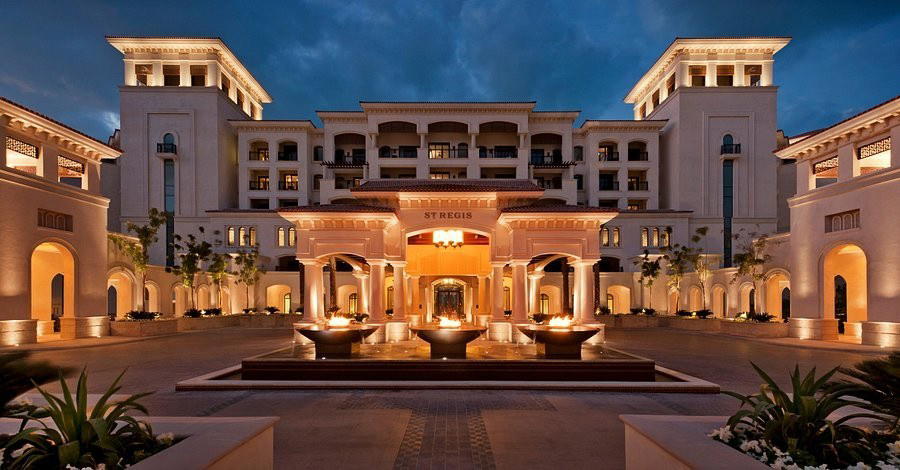
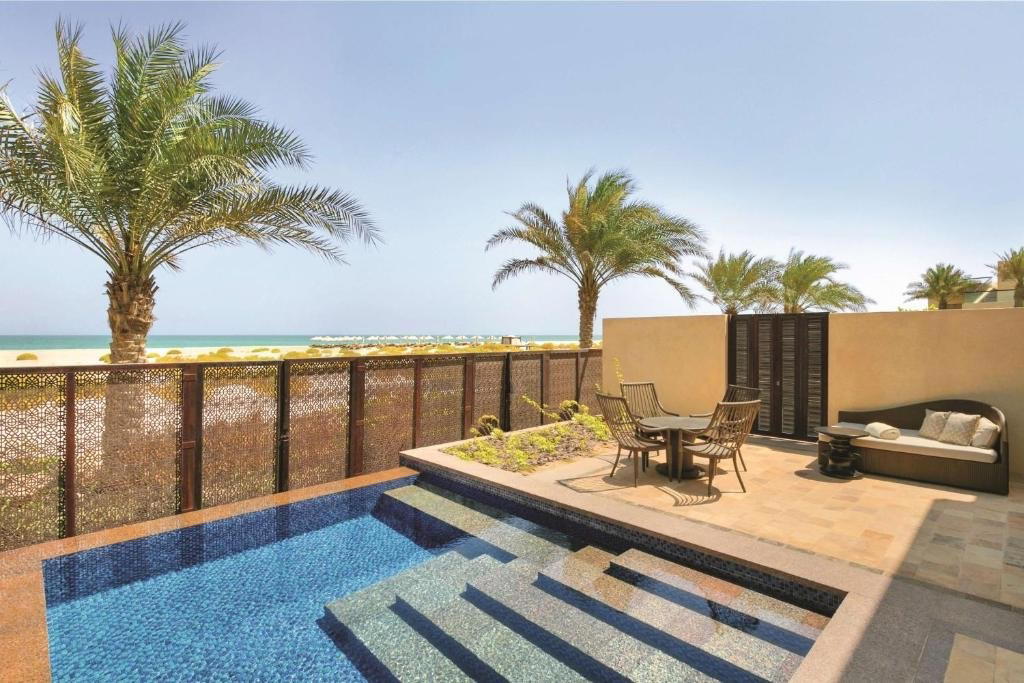
Abu Dhabi's hotel restaurant scene operates on a different logic than its freestanding counterparts. The major resort addresses on Saadiyat Island carry a built-in density of international guests, which tends to push kitchens toward either safe crowd-pleasing or, in the more ambitious cases, a genuine effort to anchor Mediterranean identity with enough specificity to hold up against scrutiny. Oléa Mediterranean Restaurant, positioned inside the St. Regis Saadiyat Island Resort on Al Falah Street, sits in that second category. The resort itself occupies one of Abu Dhabi's most architecturally deliberate coastlines, and the restaurant inherits that seriousness of purpose.
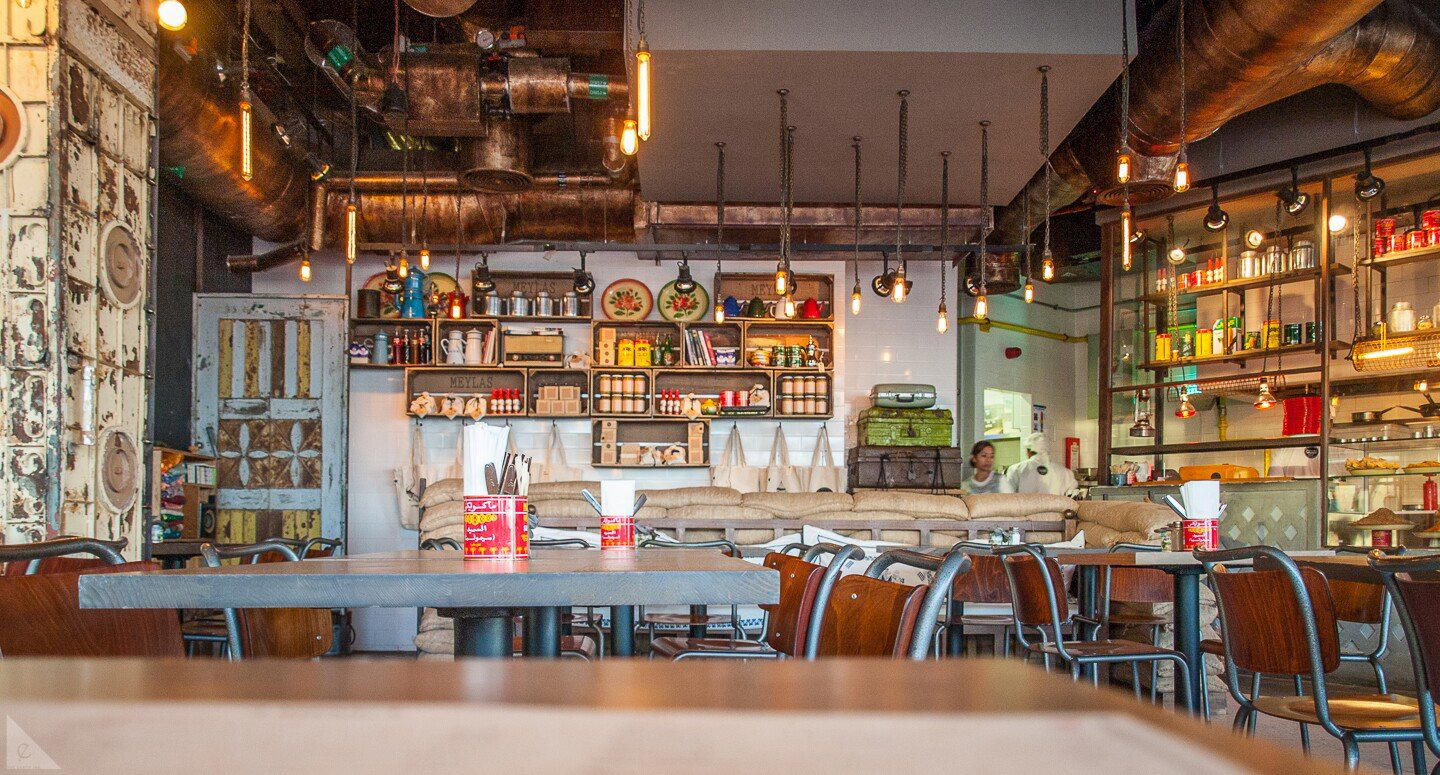
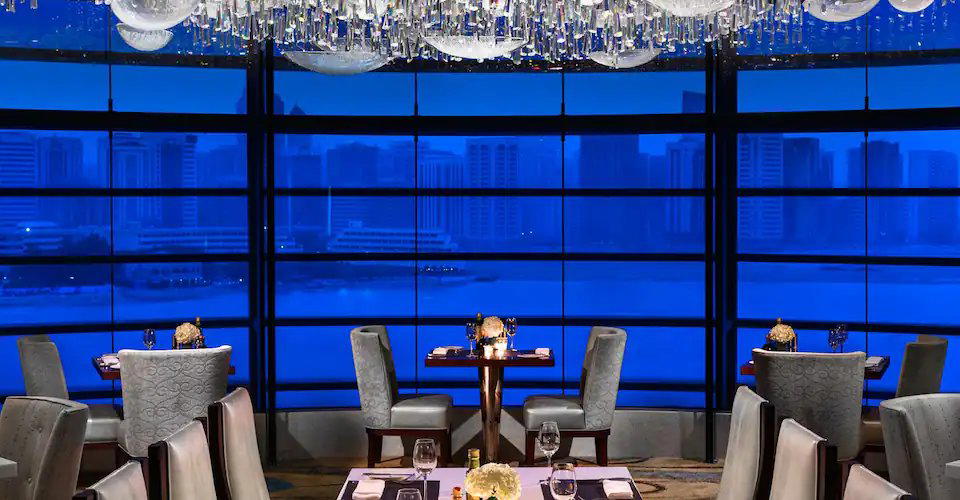
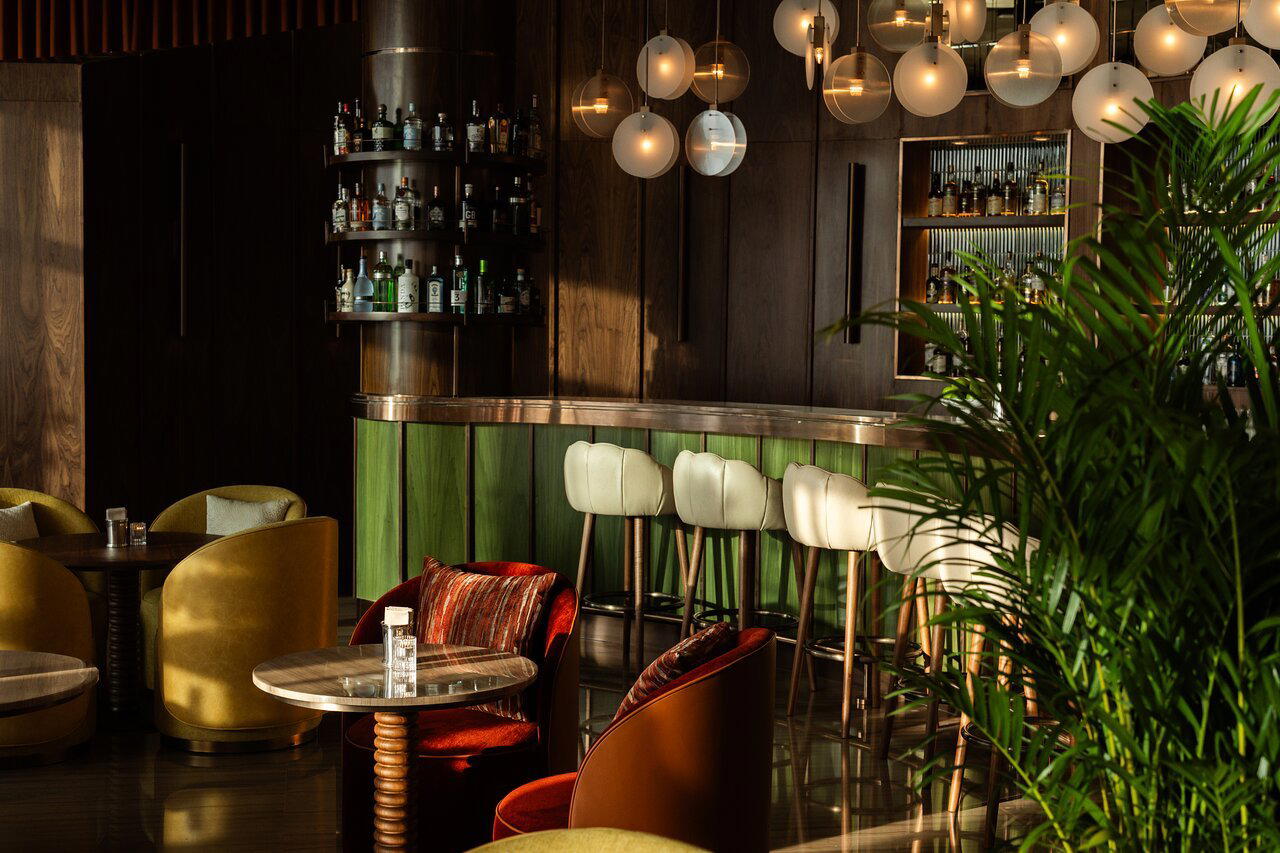
The approach to the space matters here. Mediterranean dining rooms in the Gulf frequently borrow aesthetic cues from Santorini or the Amalfi coast without much editorial discipline, resulting in something that reads as theme rather than tradition. Oléa takes a different route: the physical environment is composed around light and material rather than surface decoration, the kind of room where the architecture steps back and lets service and the plate carry the weight. That restraint is a cue worth reading before you order.
The Wine Program: A Serious Case for the Mediterranean Basin
The editorial angle here is the wine list, and for good reason. Abu Dhabi's premium dining tier has long struggled with wine programs that default to French blue-chips and broad New World picks, assembled more for recognisability than for coherence with what's actually on the plate. The Mediterranean focus at Oléa creates a genuine structural argument for doing something more disciplined: if your kitchen draws from the olive-oil arc between Lebanon and Liguria, your cellar should be able to trace the same geography.
A Mediterranean wine list in this context means pulling from appellations that rarely appear on Gulf restaurant menus. Think Assyrtiko from Santorini, Vermentino from Sardinia, structured reds from Priorat or Etna, alongside the expected anchors of southern Italian and Languedoc production. These are not obscure choices for the sake of obscurity; they are the wines that actually grew alongside the food traditions the kitchen is working from. The leading Mediterranean wine programs make this argument so quietly that guests absorb it through the pairing rather than through any explanation, which is the sommelier's real skill at this tier of resort dining.
For comparison, Abu Dhabi's most wine-forward restaurant experiences currently skew toward the French fine-dining model, as seen at properties like Talea by Antonio Guida (where Italian tradition and a deep cellar converge at the leading price tier) or Hakkasan (where the wine list services a very different cuisine logic). LPM Abu Dhabi runs a French Riviera program that overlaps with Mediterranean geography but focuses the lens differently. Oléa has the clearest structural case for a pan-Mediterranean cellar approach, provided the list is assembled to match that ambition.
Globally, the benchmark for what a serious Mediterranean wine program looks like in a resort context is set at properties where the sommelier team has clear regional authority. The conversation at restaurants like Uliassi in Senigallia or Quattro Passi in Marina del Cantone demonstrates what happens when a cellar is built in genuine dialogue with a coastal Mediterranean kitchen. Those are European contexts with direct producer access, which gives them an obvious structural advantage, but the principle of coherence between kitchen and cellar applies regardless of geography.
Food: The Mediterranean Arc in a Gulf Context
Mediterranean cuisine as a category covers an enormous amount of ground, from the citrus-and-spice logic of North African coastal cooking to the restraint of Provençal technique and the umami depth of eastern Mediterranean mezze culture. The most disciplined kitchens working in this tradition pick a point of view rather than trying to represent every coastline simultaneously. A restaurant that attempts to be equally Greek, Turkish, Italian, and Spanish in a single menu typically succeeds at none of them.
Abu Dhabi provides interesting context for this editorial challenge. The city already has specialists: LPM Abu Dhabi handles the French Riviera register with practiced confidence, and Lebanese and Levantine dining is well represented across the city's mid-market tier. The question for a hotel Mediterranean restaurant is whether it carves out specific authority or serves the broader reference. For guests arriving from a day on Saadiyat's beaches, that distinction often matters less in the moment, but it is the detail that determines whether the meal holds up as a memory.
Diners looking for Emirati and regional cooking alongside their Saadiyat stay have strong nearby options: Erth handles modern Emirati cuisine with genuine craft, while the Abu Dhabi dining scene covered in our full Abu Dhabi restaurants guide maps the full range of options across price tiers.
Saadiyat Island and the Hotel Dining Equation
Saadiyat Island's dining geography is shaped by the resort cluster that anchors the cultural district. For guests staying at the St. Regis, the practical arithmetic of leaving the property for dinner is different from what it would be in a dense urban neighbourhood. Abu Dhabi's restaurant scene is not walkable in the European sense; movement between venues requires planning. This is the condition that makes or breaks hotel restaurants in this market. A restaurant that can hold a full evening, from arrival drink through dessert and a glass from the cellar, carries genuine utility for the Saadiyat guest, not as a default but as a considered choice.
That calculus places the wine program in an even more central role. If the cellar is deep enough and the by-the-glass selection is well-chosen, a guest can spend the same evening working through a narrative from Campania to the Rhône Valley that they might otherwise find only at a dedicated wine-forward restaurant in the city centre. That is not a minor convenience; it is the difference between a resort dinner and a restaurant dinner.
Where Oléa Sits in the Abu Dhabi Mediterranean Tier
Abu Dhabi's Mediterranean dining tier spans a wide price and ambition range. At the casual end, addresses like Marmellata Bakery and mid-tier Mediterranean spots occupy a very different competitive set. At the premium hotel level, Oléa's peer group includes resort restaurants across the Saadiyat and Corniche corridors where the kitchen-cellar relationship and the quality of service execution are the primary differentiators.
For context from outside the region: the standard set by Mediterranean-focused kitchens at places like Atelier Moessmer Norbert Niederkofler in the Alpine south or Dal Pescatore in Runate represents the upper ceiling of what a regionally anchored European kitchen can achieve. Those are different contexts entirely, but they define what specificity looks like at its most committed. The aspiration for any Mediterranean restaurant in the Gulf is to borrow that editorial discipline and apply it with equal seriousness to a very different supply chain and guest profile.
Planning Your Visit
Oléa sits within the St. Regis Saadiyat Island Resort, which is accessible by car from central Abu Dhabi and operates within the broader Saadiyat cultural district. Reservations are advisable for weekend evenings, when the resort's leisure guests and dining-destination visitors converge. For guests focused on the wine program, arriving early enough to spend time with the list before ordering the meal is the most productive approach; the selection deserves that kind of attention rather than a hurried scan between courses.
Frequently asked questions
Is Oléa Mediterranean Restaurant good for families?
The St. Regis Saadiyat Island setting is welcoming enough for families, but the resort's positioning and price tier are oriented toward adult dining occasions. Parents with young children will find the atmosphere composed rather than casual, which suits a relaxed dinner without loud background noise, though it is not a venue built around a children's menu or high-chair culture. Families staying at the property are the most natural fit.
How would you describe the vibe at Oléa Mediterranean Restaurant?
Unhurried and composed, in the way that the better Saadiyat Island resort restaurants tend to be. The St. Regis address sets a tone of considered service and a room that does not rush its guests, which suits the Mediterranean format well given that cuisine's structural preference for long, multi-course meals. Expect a setting that reads as occasion dining rather than neighbourhood drop-in.
Does Oléa Mediterranean Restaurant offer a wine list that reflects its cuisine's regional focus?
Mediterranean cuisine gives Oléa a structural case for building a wine list around the same geographic arc as its kitchen, drawing from southern France, Italy, Greece, and the Levant rather than defaulting to the French-dominant cellars that anchor many Abu Dhabi hotel restaurants. That regional coherence, if the program delivers on it, is the clearest point of differentiation from comparable addresses on Saadiyat Island and in the broader Abu Dhabi dining tier.
What's the must-try dish at Oléa Mediterranean Restaurant?
The Mediterranean arc that Oléa draws from spans North African coastal cooking through to eastern Mediterranean and Levantine traditions, so the most defensible approach is to follow whatever is anchored in the current season's produce. In a Gulf context, the kitchen's handling of seafood and vegetable-forward preparations tends to be where regionally coherent restaurants separate themselves from generic hotel menus.
Where is Oléa Mediterranean Restaurant in Abu Dhabi?
Oléa Mediterranean Restaurant is located at The St. Regis Saadiyat Island Resort, Al Falah Street - Abu Dhabi - United Arab Emirates, Abu Dhabi.
Comparable Venues
Comparable venues nearby, for context on price, style, and recognition.
| Venue | Cuisine | Price | Awards | Notes |
|---|---|---|---|---|
| Oléa Mediterranean RestaurantThis venue (the venue you are viewing) | Mediterranean-influenced | Not listed | Not listed | Not listed |
| La Petite Maison (LPM) | French Mediterranean Fine Dining | $100–150 | Michelin Plate · World's 50 Best #47 | Al Reem Island |
| Novikov Abu Dhabi | Modern Mediterranean with Italian Accents | $100–150 | Michelin Plate · Gault & Millau UAE Selected Restaurant | Al Reem Island |
| Ash & Oak Lounge | Jazz & cigar lounge with cocktails and bar bites | $100–150 | Not listed | Khalifa City |
| Cabana Beach Bar & Grill | Contemporary European Beach Grill | $50–100 | Not listed | Al Khubeirah |
| Antonia Chic | Italian Pizza & Pasta | $30–50 | Not listed | Al Maryah Island |
Continue exploring
More in Abu Dhabi
Restaurants in Abu Dhabi
All restaurants in Abu Dhabi →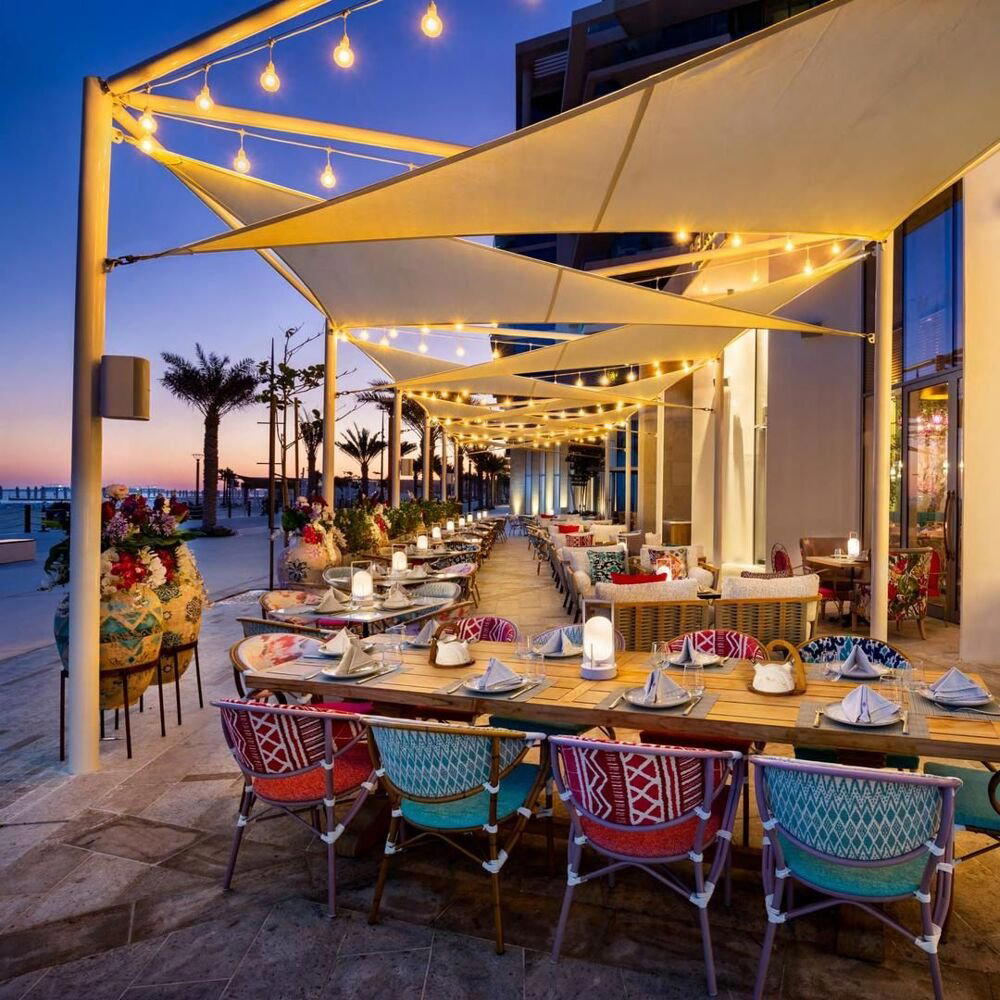
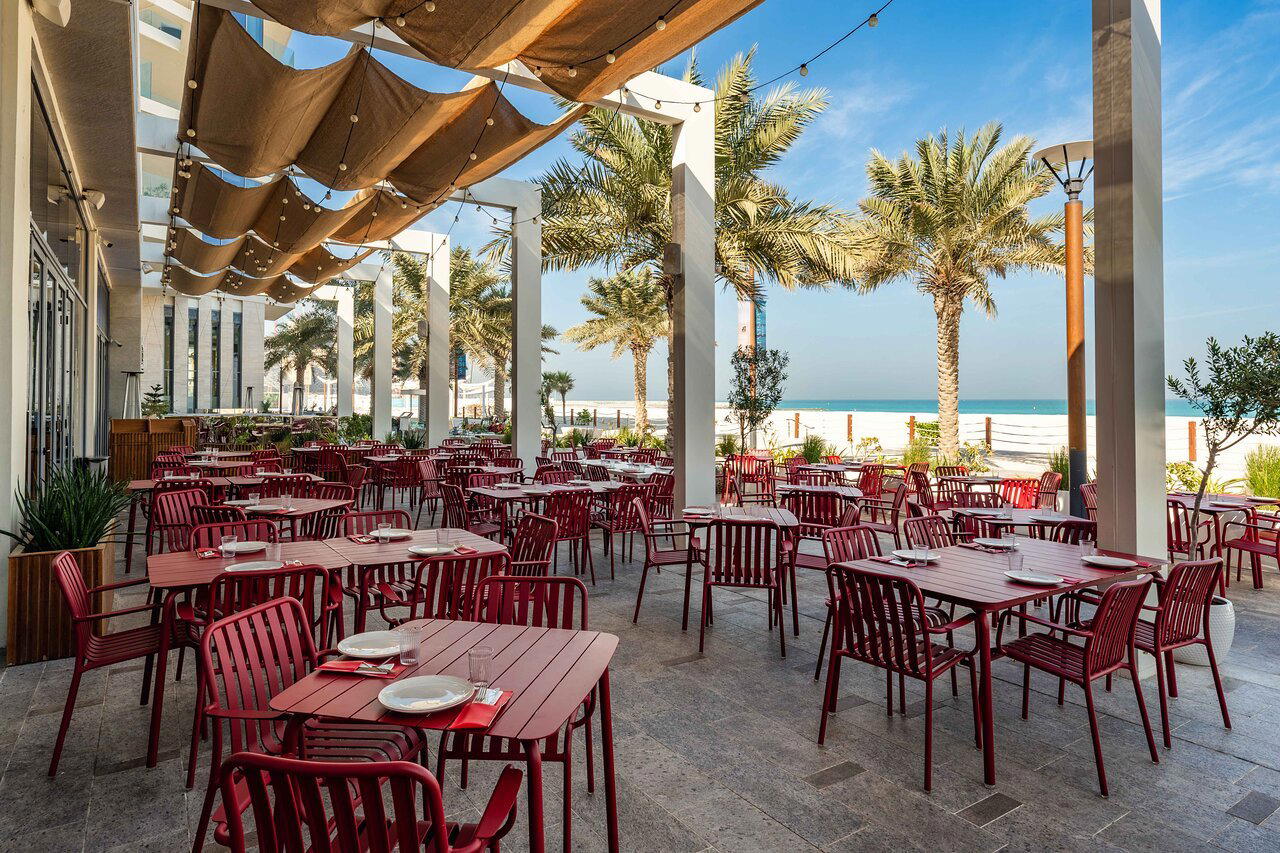

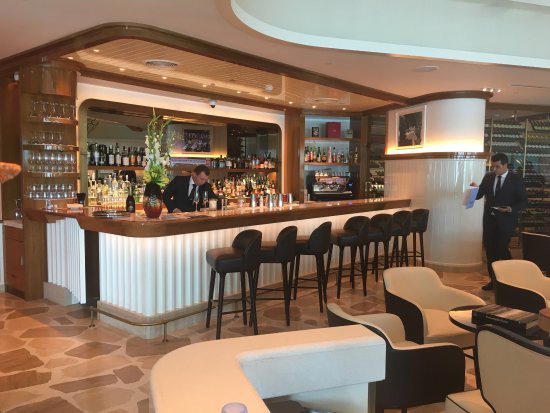
Bars in Abu Dhabi
All bars in Abu Dhabi →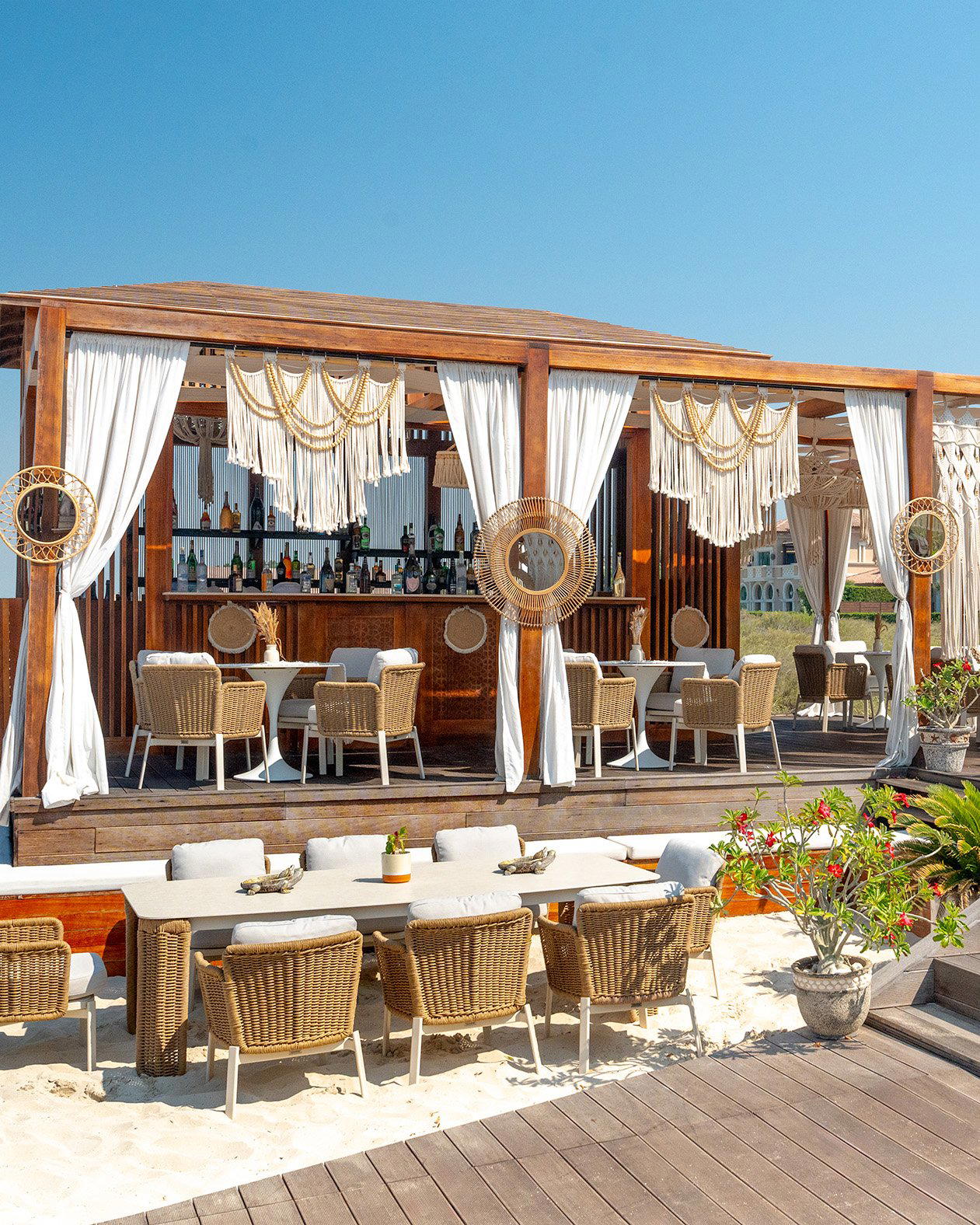
Details
- Elegant
- Sophisticated
- Cozy
- Family
- Brunch
- Celebration
- Open Kitchen
- Terrace
- Panoramic View
- Live Music
- Hotel Restaurant
- Waterfront
- A La Carte
- Buffet
- Vegetarian Friendly
- Vegan Options
- Gluten Free Options
- Halal
Current opening hours
- Monday
- 7 AM–1 PM, 6–11 PM
- Tuesday
- 7 AM–1 PM, 6–11 PM
- Wednesday
- 7 AM–1 PM, 6–11 PM
- Thursday
- 7 AM–1 PM, 6–11 PM
- Friday
- 7 AM–1 PM, 6–11 PM
- Saturday
- 7 AM–1 PM, 6–11 PM
- Sunday
- 7 AM–1 PM, 6–11 PM
Hours can change for holidays and private events. Hours as of .
Calm indoor area and welcoming outdoor garden providing tranquility and a cultured yet relaxed atmosphere.