Old Place
Our verdict
Old Place sits on Mulholland Highway in Agoura Hills, where the Santa Monica Mountains meet the western edge of Los Angeles County. The address alone signals a different kind of dining proposition from the city's core restaurant scene — one where the drive is part of the context and the setting shapes expectations before you reach the door. For readers exploring the county's full range, it belongs in the conversation alongside other destination restaurants in the region.

Pearl is the En Primeur Club membership app — saves, bookings, and concierge access live there. Same editors, same standards.
- Address
- 29983 Mulholland Hwy, Agoura Hills, CA 91301
- Phone
- (818) 706-9001
- Hours
- Mon–Wed ClosedThu 4–9 PMFri 12–9 PMSat 9:30 AM–9 PMSun 9:30 AM–7 PM
- Website
- oldplacecornell.com
- Directions
- Get directions
- Booking
- Book on Tock
The menu
What to order
- Rib-eye steak
- Cinnamon buns
- Frittatas
Where the Highway Becomes the Approach
There is a particular category of restaurant in greater Los Angeles that only makes sense once you understand the geography. The county sprawls across mountain ranges, canyon corridors, and coastal bluffs, and some of its most interesting dining happens well outside the dense urban grid of Hollywood or Downtown. Old Place, at 29983 Mulholland Highway in Agoura Hills, sits in that outlying tier. Mulholland Highway here is not the famous ridge-leading drive of city lore but a winding two-lane road that cuts through the Santa Monica Mountains Conservancy land toward the Malibu coast. The approach through oak woodland and dry chaparral is not incidental to the experience — it frames it.
This kind of location has precedent in the American restaurant tradition. Destination dining outside city limits tends to generate a particular kind of loyalty: guests who make the drive once and return regularly, often treating the journey as part of the ritual. Blue Hill at Stone Barns in Tarrytown built an entire sourcing philosophy around its rural remove from Manhattan. The Inn at Little Washington turned its small-town Virginia address into a competitive advantage. The physical distance from a city center, when handled well, sharpens the contrast between where you came from and where you are sitting.
The Sourcing Logic of the Santa Monica Mountains
The land surrounding Mulholland Highway in this stretch of western Los Angeles County is not agricultural in a conventional sense, but it sits within reach of several of Southern California's most productive growing regions. Ventura County farms lie to the northwest. The coast is a short drive south. The broader question of ingredient sourcing matters here because it shapes what kind of restaurant this geography can support.
California's farm-to-table conversation has matured considerably since the 1990s. The earlier version involved a lot of menu language and very little structural change. The more serious iteration, visible at places like Single Thread Farm in Healdsburg and Smyth in Chicago, involves actual supply relationships — agreements with specific growers, seasonal menus driven by harvest rather than preference, and kitchens genuinely organised around what arrives rather than what was planned. In Southern California, Providence in Los Angeles has long demonstrated how a commitment to traceable seafood sourcing changes what ends up on the plate, aligning more closely with the kind of sourcing rigour you find at Le Bernardin in New York City.
A restaurant on Mulholland Highway occupies an interesting position in this conversation. The location is removed enough from urban supply chains that sourcing decisions carry more weight. What gets delivered, from where, and how it connects to the surrounding land becomes more legible when the surrounding land is actually visible through the windows.
The Broader LA County Dining Spectrum
Los Angeles County dining in 2024 is not one scene but several running in parallel. The westside concentration around Beverly Hills and Brentwood operates at one price tier and formality level. The east side cluster around Silver Lake and Highland Park runs on a different logic. The canyon and mountain dining corridor, places like The Malibu Cafe, represents a third category: destination restaurants whose identity is inseparable from their physical remove.
Old Place belongs to this third category by address alone. Agoura Hills is not a dining destination in the way that Venice or Los Feliz are. Visitors arrive with intention. That self-selecting quality shapes the room in ways that high-traffic urban restaurants cannot replicate. The guest who has driven forty minutes through canyon country arrives in a different frame of mind than one who walked two blocks from a hotel. That difference is felt in the pacing of a meal and in what the kitchen can reasonably ask of the table.
For context on how serious California restaurants are operating at the top of this category, Addison in San Diego and The French Laundry in Napa represent the formal end of the state's dining spectrum. Lazy Bear in San Francisco occupies a more communal format at comparable price points. Each found its identity partly through its physical relationship to the city around it. The same geographic logic applies here.
Comparable Programming in Other Cities
Restaurants that prioritise provenance and local sourcing in destination formats have become a coherent category across American dining. Oyster Oyster in Washington, D.C. has built recognition around a plant-forward, locally sourced model that takes the regional supply chain seriously. The Wolf's Tailor in Denver works within a similar sourcing-first framework in a market not traditionally associated with that approach. Frasca Food and Wine in Boulder and ITAMAE in Miami both demonstrate how a specific sourcing identity can become the defining characteristic of a restaurant's reputation, more durable than any single dish or chef affiliation. Atomix in New York City and Atelier Moessmer Norbert Niederkofler in Brunico represent how this kind of sourcing rigour translates into formal recognition at the highest tier of the awards system. And Emeril's in New Orleans established decades ago that destination-format restaurants can operate with genuine regional specificity rather than generic fine dining conventions.
The pattern across all of these is consistent: restaurants that commit to a specific geographic sourcing identity tend to develop more loyal guest bases, generate stronger word-of-mouth in their local markets, and hold their position more effectively through market shifts than those whose menus are interchangeable with any city in the country.
Planning a Visit
Old Place is located at 29983 Mulholland Highway, Agoura Hills, California 91301, approximately forty miles northwest of central Los Angeles, depending on your starting point. The drive through the Santa Monica Mountains from the coast takes roughly thirty minutes from Malibu via Las Virgenes Road; from the 101 freeway, the approach is shorter but less scenic. Because the venue sits outside any standard dining district, arriving by car is the only practical option for most visitors. Given the location and the category of restaurant it represents in the Los Angeles County dining context, confirming reservations well in advance is advisable. For allergy or dietary requirements, direct contact with the venue before booking is the appropriate channel, since specifics on menu accommodations are not available here. Our full Los Angeles County restaurants guide covers the broader range of dining options across the county, including venues across multiple price tiers and formats, which is useful context for building a full itinerary around a visit to this part of the mountains.
Frequently asked questions
Where exactly is Old Place?
Old Place is located at 29983 Mulholland Hwy, Agoura Hills, CA 91301, Los Angeles County.
Is Old Place worth the drive from central Los Angeles to Agoura Hills?
Old Place is located at 29983 Mulholland Highway, Agoura Hills — approximately forty miles northwest of central Los Angeles, depending on the route. That distance places it in a distinct category from the westside or downtown restaurant circuits, making it a considered outing rather than a casual dinner option.
What should I eat at Old Place?
The restaurant's location in western Los Angeles County, adjacent to the Santa Monica Mountains, suggests a kitchen with access to regional sourcing networks that supply many of the county's more produce-driven operations. check the venue's official channels for current menu information before visiting.
How far ahead should I plan for Old Place?
Old Place sits roughly forty miles northwest of central Los Angeles along Mulholland Highway, making it a genuine drive rather than a drop-in option — factor in transit time from the westside or downtown when scheduling. The distance alone justifies confirming your booking well in advance.
What is Old Place known for?
Old Place is a destination-format restaurant on Mulholland Highway in Agoura Hills, California, positioned in a stretch of Los Angeles County where few restaurants of its category operate. Its address at 29983 Mulholland Hwy places it within the geography of the Santa Monica Mountains corridor, which has become a reference point for sourcing-conscious dining in greater LA.
Is Old Place allergy-friendly?
No allergen or dietary accommodation data is recorded for Old Place in Agoura Hills. The sensible approach is to contact the restaurant at 29983 Mulholland Highway directly before booking, particularly given the forty-mile drive from central Los Angeles County — confirming suitability in advance saves a wasted trip.
Comparison Snapshot
Comparable venues nearby, for context on price, style, and recognition.
| Venue | Cuisine | Price | Notes |
|---|---|---|---|
| Old PlaceThis venue — the venue you are viewing | Rustic American Steakhouse | $30–50 | Not listed |
| Max & Helen's | Elevated American Diner | $20–30 | Windsor Square |
| Craft Los Angeles | Farm-to-Table American Fine Dining | Not listed | Century City |
| Chainsaw | Venezuelan Comfort Cafe & Pies | $20–30 | Melrose Hill |
| Gaby’s | California Fresh Bowls & Sandwiches | $10–20 | Los Angeles |
| The Malibu Cafe | Nouveau Barbeque | Not listed | Malibu Mountains |
Continue exploring
More in Los Angeles
Restaurants in Los Angeles
Browse all →
Bars in Los Angeles
Browse all →
Details
- Rustic
- Cozy
- Classic
- Historic
- Intimate
- Special Occasion
- Date Night
- Group Dining
- Historic Building
- Open Kitchen
- Extensive Wine List
- A La Carte
- Vegetarian Friendly
- Gluten Free Options
Current opening hours
- Monday
- Closed
- Tuesday
- Closed
- Wednesday
- Closed
- Thursday
- 4–9 PM
- Friday
- 12–9 PM
- Saturday
- 9:30 AM–9 PM
- Sunday
- 9:30 AM–7 PM
Hours can change for holidays and private events. Last verified .
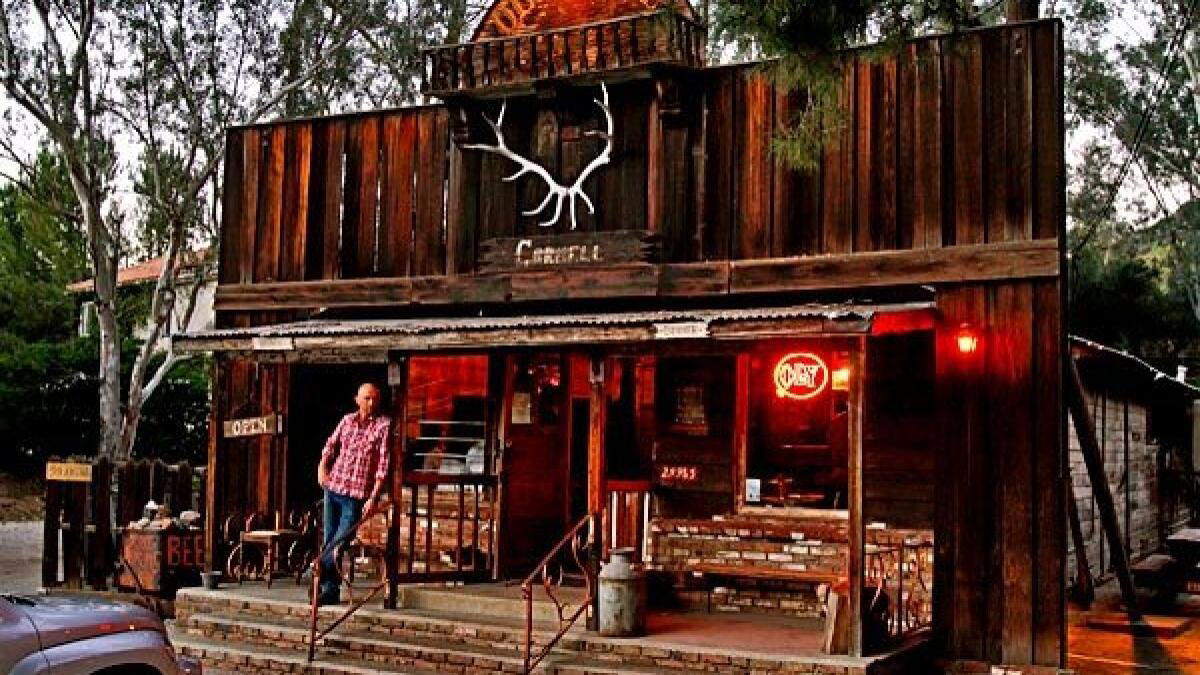
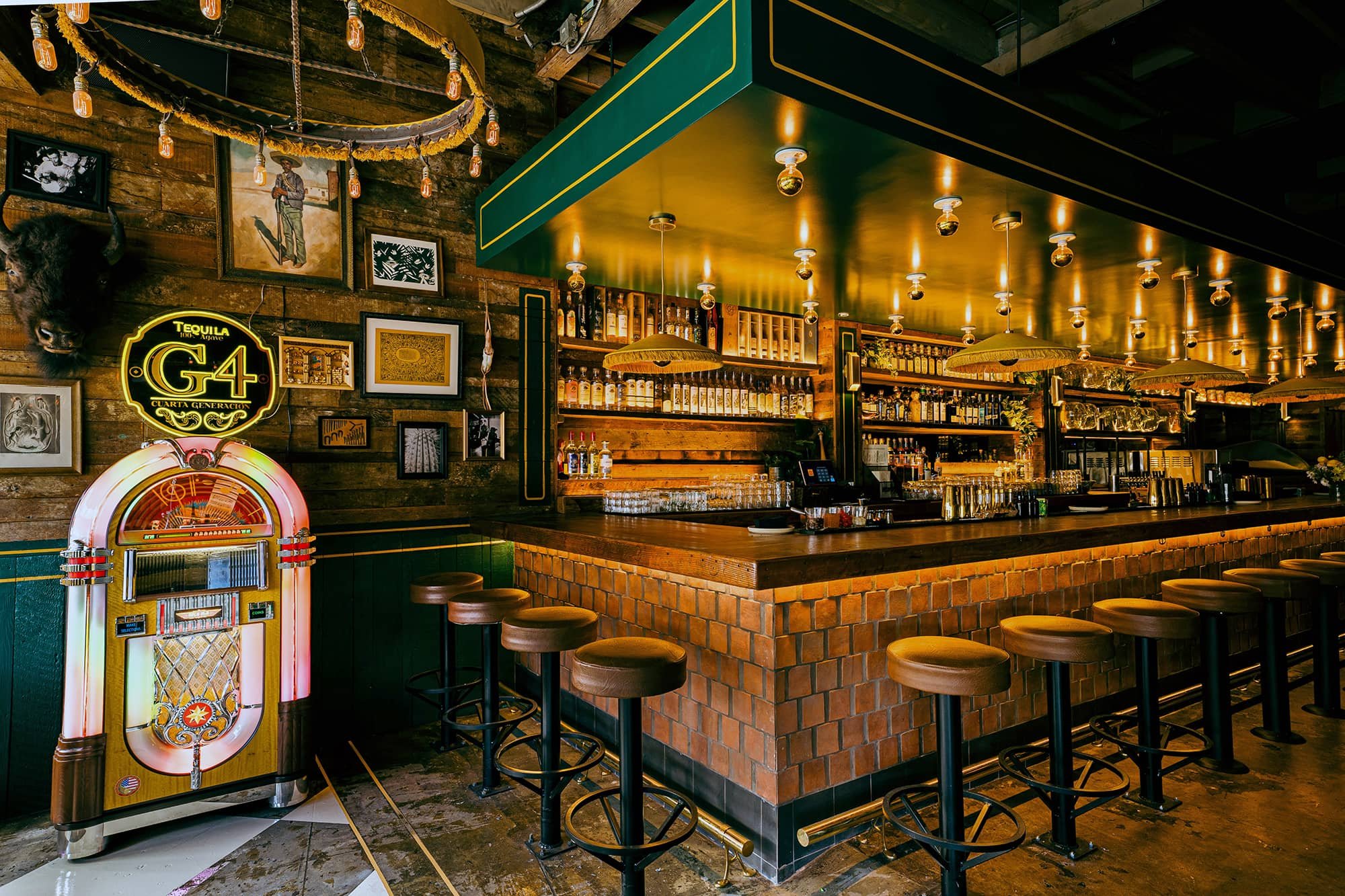
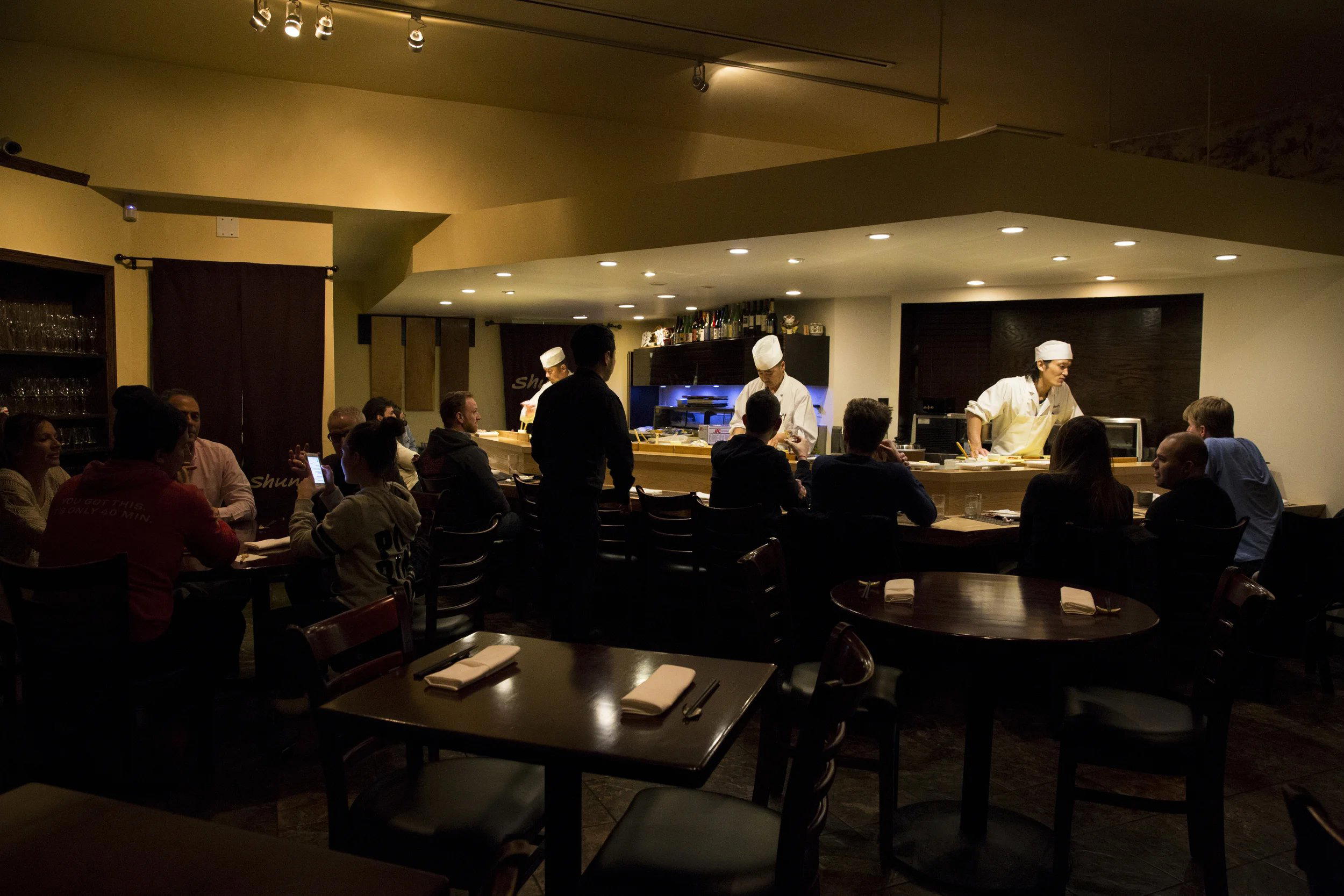
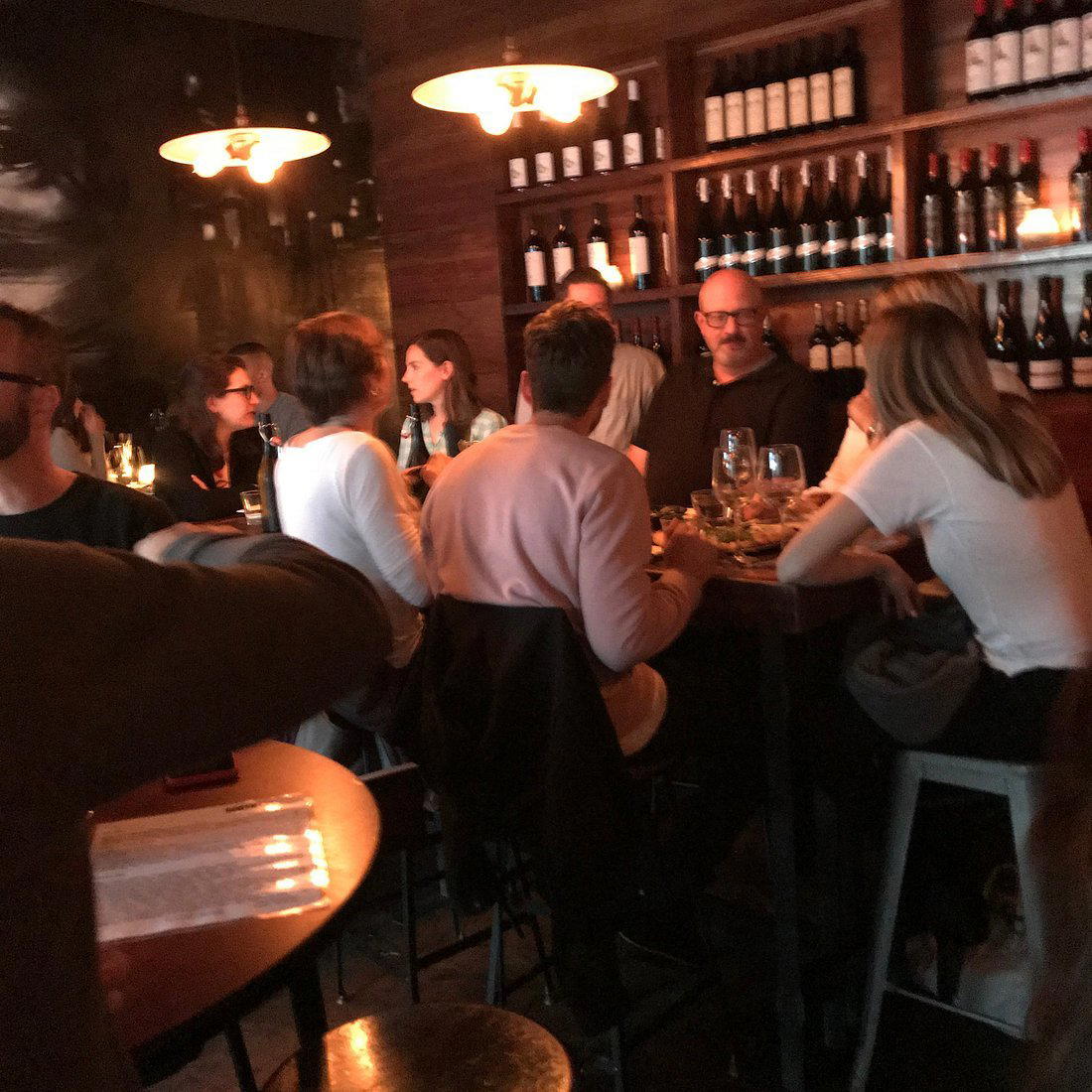
Dusty, dimly lit rustic interior with warm, welcoming Western saloon atmosphere.