Augustine Wine Bar
A wine bar on Ventura Boulevard in Sherman Oaks, Augustine occupies a stretch of the San Fernando Valley where neighborhood drinking culture has grown considerably more serious over the past decade. The room leans toward low-light intimacy, and the format favors wine over cocktails without abandoning the latter entirely. Worth knowing for the Valley's evolving bar scene.
Pearl is the En Primeur Club membership app — saves, bookings, and concierge access live there. Same editors, same standards.
- Address
- 13456 Ventura Blvd, Sherman Oaks, CA 91423
- Phone
- +1 818 990 0938
- Website
- augustinewinebar.com
- Directions
- Get directions
 Saves & bookings on Pearl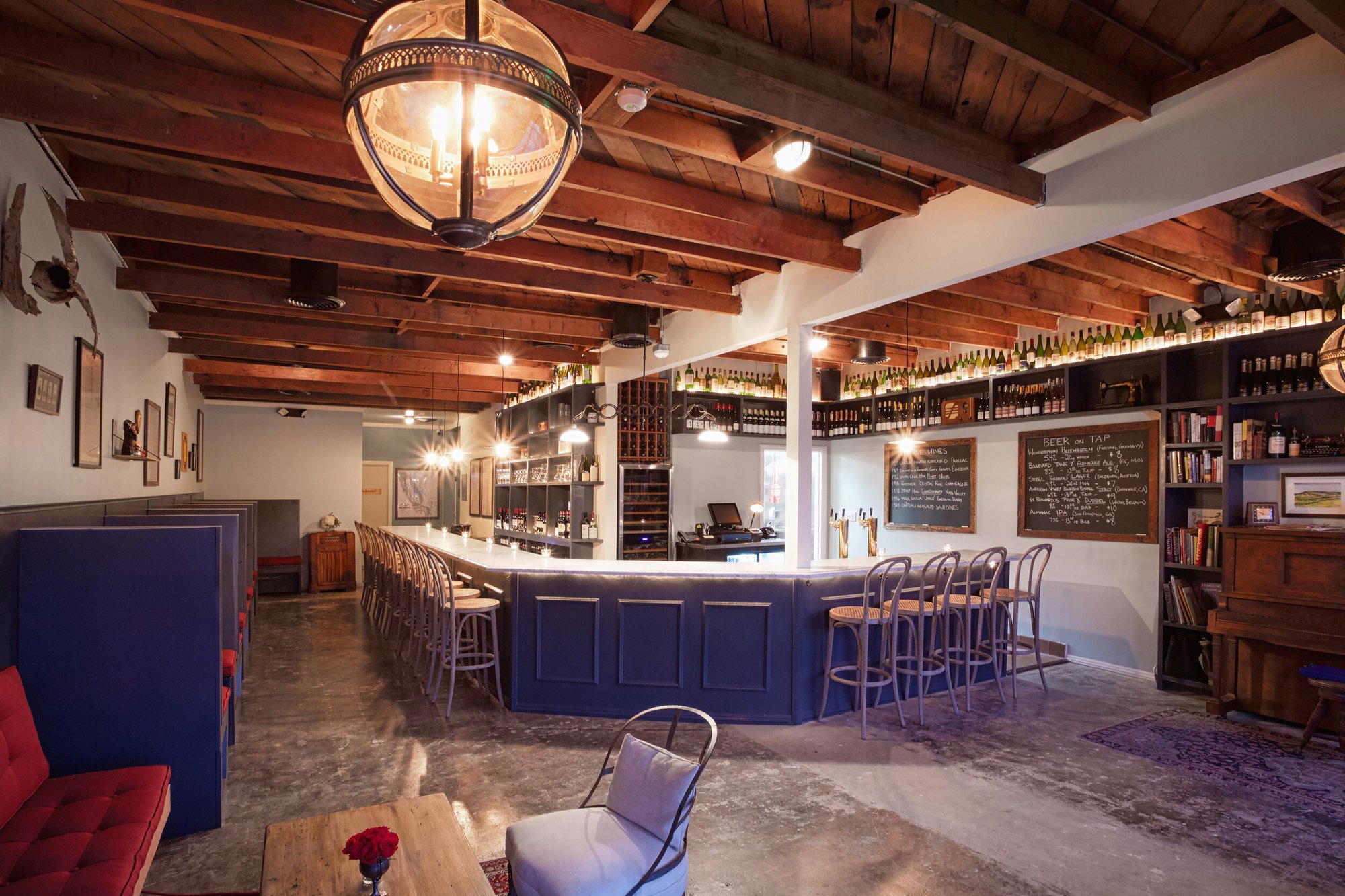
The Valley's Shift Toward Serious Wine
Sherman Oaks sits in an odd position in Los Angeles drinking culture: close enough to the Eastside and West Hollywood to absorb their influences, far enough from both to develop its own rhythms. Ventura Boulevard, the artery that runs through it, has historically been a corridor of casual neighborhood restaurants and sports bars rather than destination drinking. That has changed. In the past several years, a handful of operators have opened wine-forward rooms along or near the boulevard, betting that San Fernando Valley residents no longer need to cross the hill for a serious glass. Augustine Wine Bar is part of that shift.
The broader pattern is recognizable from other American cities: a neighborhood bar program that would once have been confined to a hipper zip code plants itself in a residential corridor, and the local crowd turns out to be more curious than expected. You can trace the same arc in San Francisco's Richmond district, or along certain blocks of Houston's Montrose. In Los Angeles, the Valley version of this story is still being written, and spots like Augustine are contributing chapters.
What the Room Does to You
Wine bars that work atmospherically tend to solve the same problem in different ways: how do you create a room that feels like a retreat without tipping into pretension, and how do you make wine approachable without flattening it into something safe and dull? The leading examples — Kumiko in Chicago, Bar Leather Apron in Honolulu — do this through deliberate design choices: lighting calibrated for conversation rather than visibility, acoustics that hold sound without killing it, a seating arrangement that gives tables enough distance to feel private.
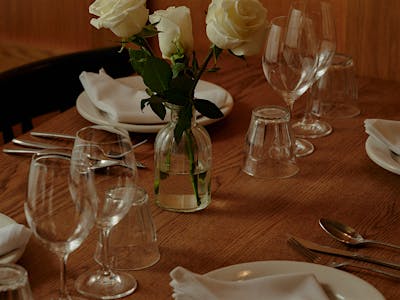
Augustine's address on Ventura Boulevard places it in a commercial strip context rather than a converted warehouse or boutique-hotel lobby, which means the interior has to do more work to establish its own register. Wine bars in this kind of setting often succeed by leaning into warmth over edge: wood surfaces, candlelight or its equivalent, a bar counter that invites lingering. The effect, when it works, is something close to a neighborhood living room, a room you walk into already knowing you'll stay longer than you planned.
That quality of duration matters for wine service. Unlike cocktail bars, where the rhythm is built around a single well-constructed drink, wine bar pacing tends to stretch across multiple pours and a shared plate or two. The room needs to sustain that arc, holding its atmosphere across the first glass and the third. Spaces that feel exciting for thirty minutes but thin out over two hours are common; spaces that actually improve as the evening progresses are worth finding.
Wine Bar Format in the Los Angeles Context
Los Angeles has a complicated relationship with the wine bar format. The city drinks wine, California is, after all, one of the world's significant producing regions, with Napa and Sonoma anchoring a premium identity and a wider range of Central Coast, Santa Barbara, and Sierra Foothills producers offering alternatives at different price points. But the city's bar culture has historically tilted toward cocktails and natural-wine-adjacent spots that treat the glass as an extension of a particular lifestyle identity. Straightforwardly serious wine programs, built around depth of selection rather than a point-of-view aesthetic, have been less common.
The cocktail side of the city is well-documented. Death & Co in Los Angeles brought its New York technical program west. Bar Next Door and Standard Bar represent different tiers of the city's cocktail offer. Mirate has pushed agave-forward programming into a more considered register. The wine bar format sits alongside these but asks something different of its operator: the selection has to be edited with enough conviction to justify the narrower focus, and the floor staff needs to be able to talk about the list without either dumbing it down or making guests feel examined.
Elsewhere in the country, this balance has been achieved in different ways. Jewel of the South in New Orleans anchors its drinks program in historical research. Julep in Houston uses regional identity as an organizing principle. Superbueno in New York City and ABV in San Francisco each make a case for the thoughtfully curated format in their respective cities. The Parlour in Frankfurt shows that the model travels internationally as well. The common thread is editorial discipline: knowing what you are, committing to it, and not hedging into something formless.
Sherman Oaks as a Drinking Destination
There is an argument that neighborhood wine bars work better outside of destination-dining corridors than inside them. In high-traffic areas like West Hollywood or Downtown Los Angeles, a wine bar competes directly with restaurants that have full bars, cocktail programs, and the gravitational pull of a broader dinner reservation. In a residential neighborhood, the wine bar fills a different function: it becomes the place you go on a Tuesday, the third-date option that doesn't require a reservation three weeks out, the room where you run into someone you know.
Sherman Oaks supports that model. The neighborhood has enough density to generate regular foot traffic without the scene pressure of trendier corridors. Regulars matter here more than they do in West Hollywood, and the room either earns them or doesn't. For a wine bar operating in this context, the test isn't whether it can generate buzz during its first six months. It's whether the list and the room hold up well enough that people come back without a particular occasion to justify it. For the broader picture of where to drink and eat in Los Angeles, see our full Los Angeles guide.
Know Before You Go
- Address: 13456 Ventura Blvd, Sherman Oaks, CA 91423
- Neighborhood: Sherman Oaks, San Fernando Valley
Comparable options at a glance, pulled from our tracked venues.
| Venue | Cuisine |
|---|---|
| Augustine Wine BarThis venue — the venue you are viewing | This venue |
Continue exploring
More in Los Angeles
Bars in Los Angeles
Browse all →
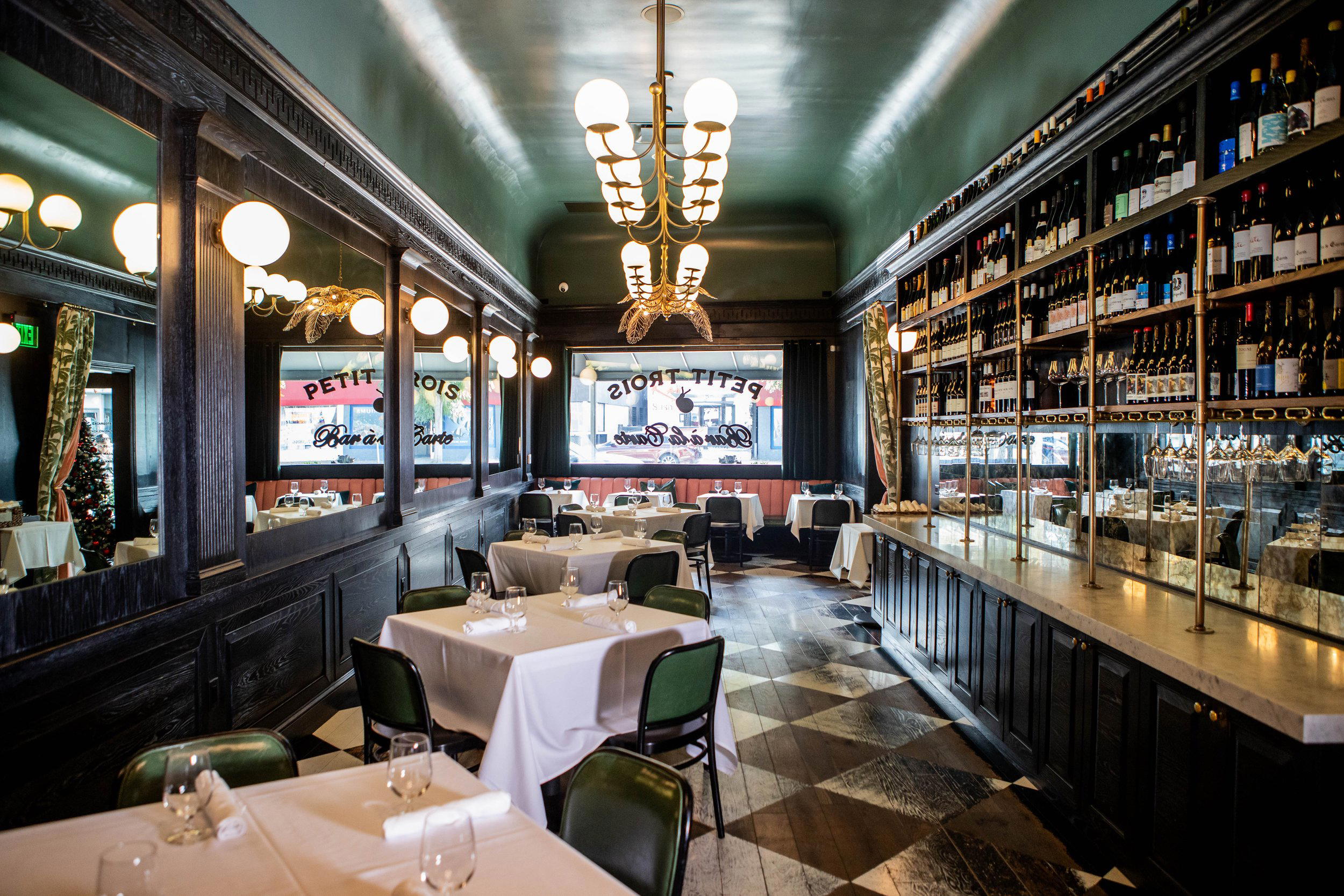
Restaurants in Los Angeles
Browse all →
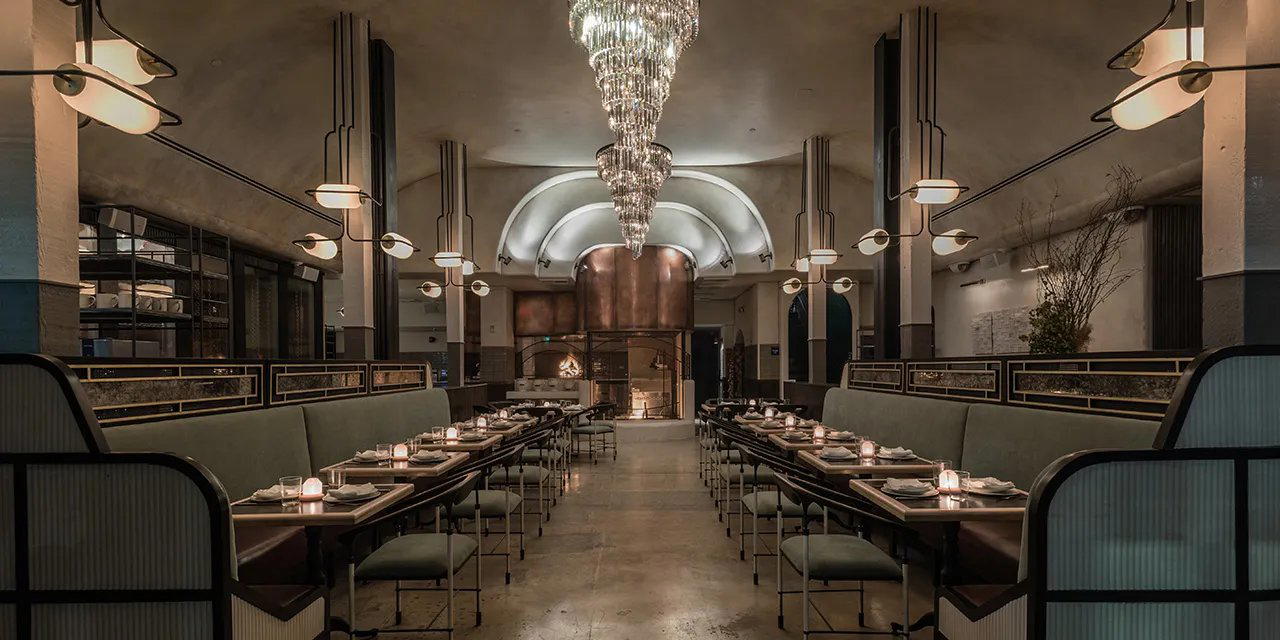
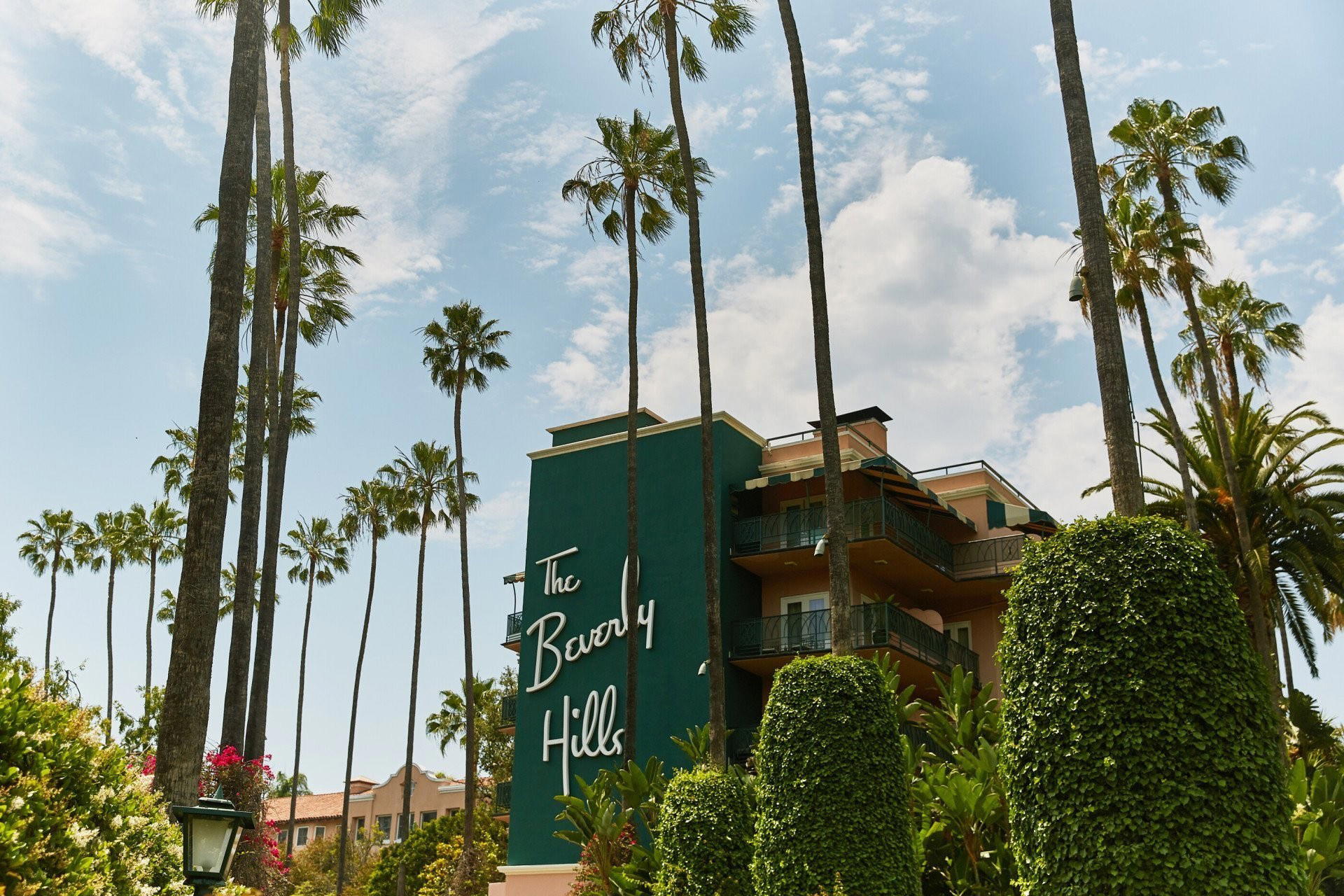
Hotels in Los Angeles
Browse all →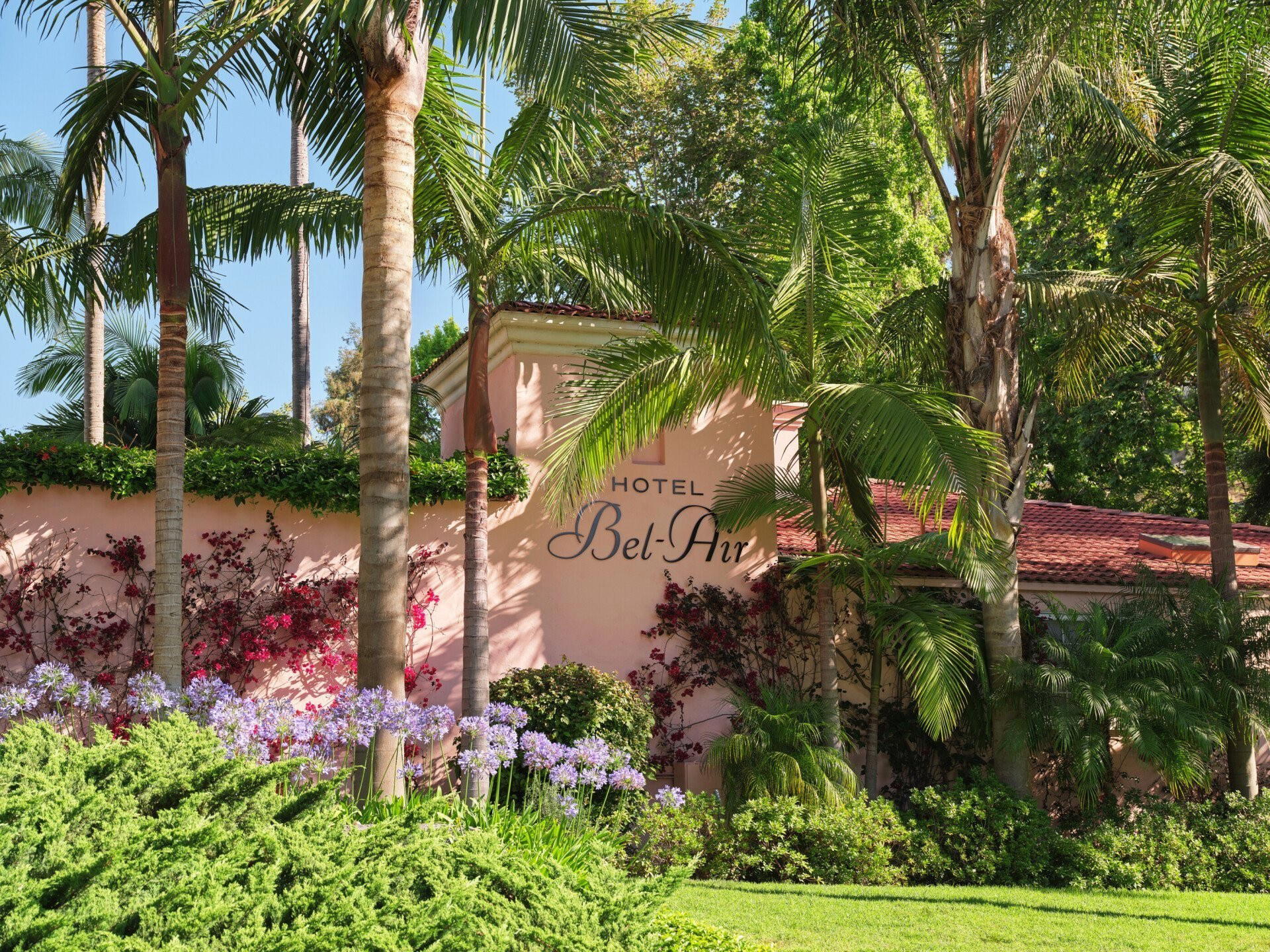
Wineries in Los Angeles
Browse all →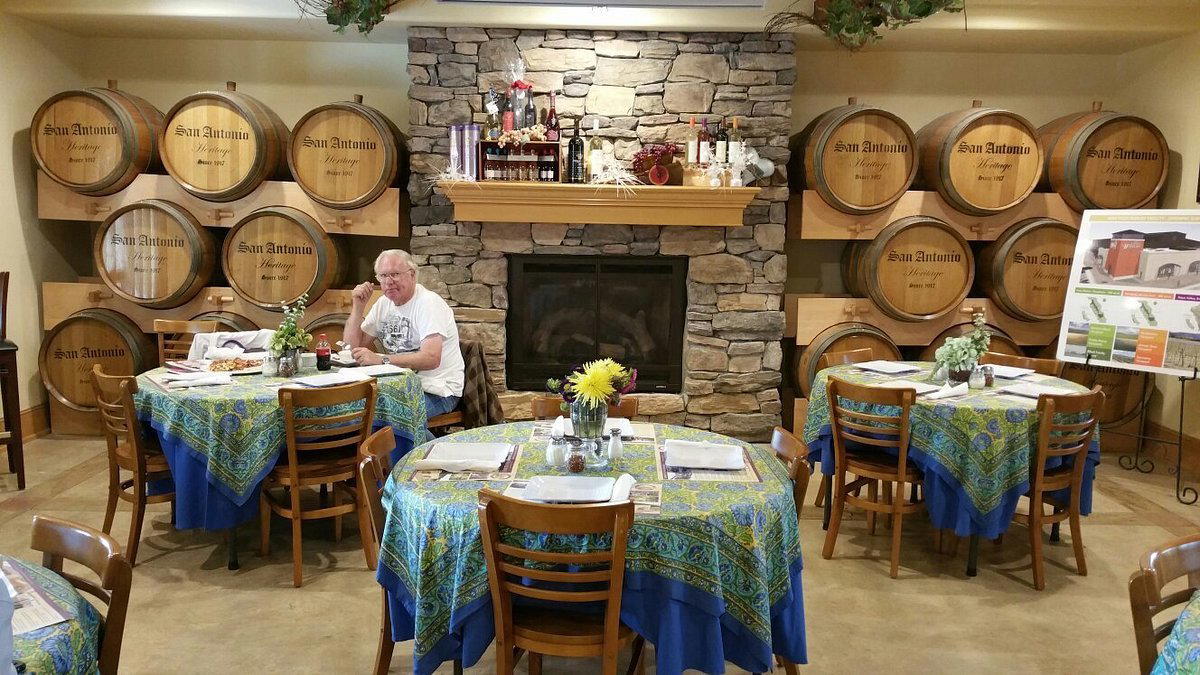
At a Glance
- Cozy
- Rustic
- Intimate
- Classic
- Date Night
- Casual Hangout
- Standalone
- Seated Bar
- Booth Seating
- Outdoor Terrace
- Natural Wine
- Conventional Wine
Current opening hours
- Monday
- 5–10 PM
- Tuesday
- 5–10 PM
- Wednesday
- 5–10 PM
- Thursday
- 5–10 PM
- Friday
- 5–11 PM
- Saturday
- 5–11 PM
- Sunday
- 5–10 PM
Hours can change for holidays and private events. Last verified .
Scruffily handsome rustic interior resembling a Burgundy countryside ADU, cozy and burrow-in atmosphere with classic rock music at conversational volume.
Know Before You Go
- Getting there
- 13456 Ventura Blvd, Sherman Oaks, CA 91423