Ojai Rotie
On East Ojai Avenue, Ojai Rotie occupies a stretch of the valley's small but increasingly purposeful dining corridor. The name signals a French rotisserie tradition transplanted into Southern California's agricultural abundance, positioning it within Ojai's growing cohort of ingredient-driven independents. Confirm current hours and booking directly before visiting, as operational details are subject to change.
Pearl is the En Primeur Club membership app — saves, bookings, and concierge access live there. Same editors, same standards.
- Address
- 469 E Ojai Ave, Ojai, CA 93023
- Phone
- +1 805 798 9227
- Website
- ojairotie.com
- Directions
- Get directions
 Saves & bookings on Pearl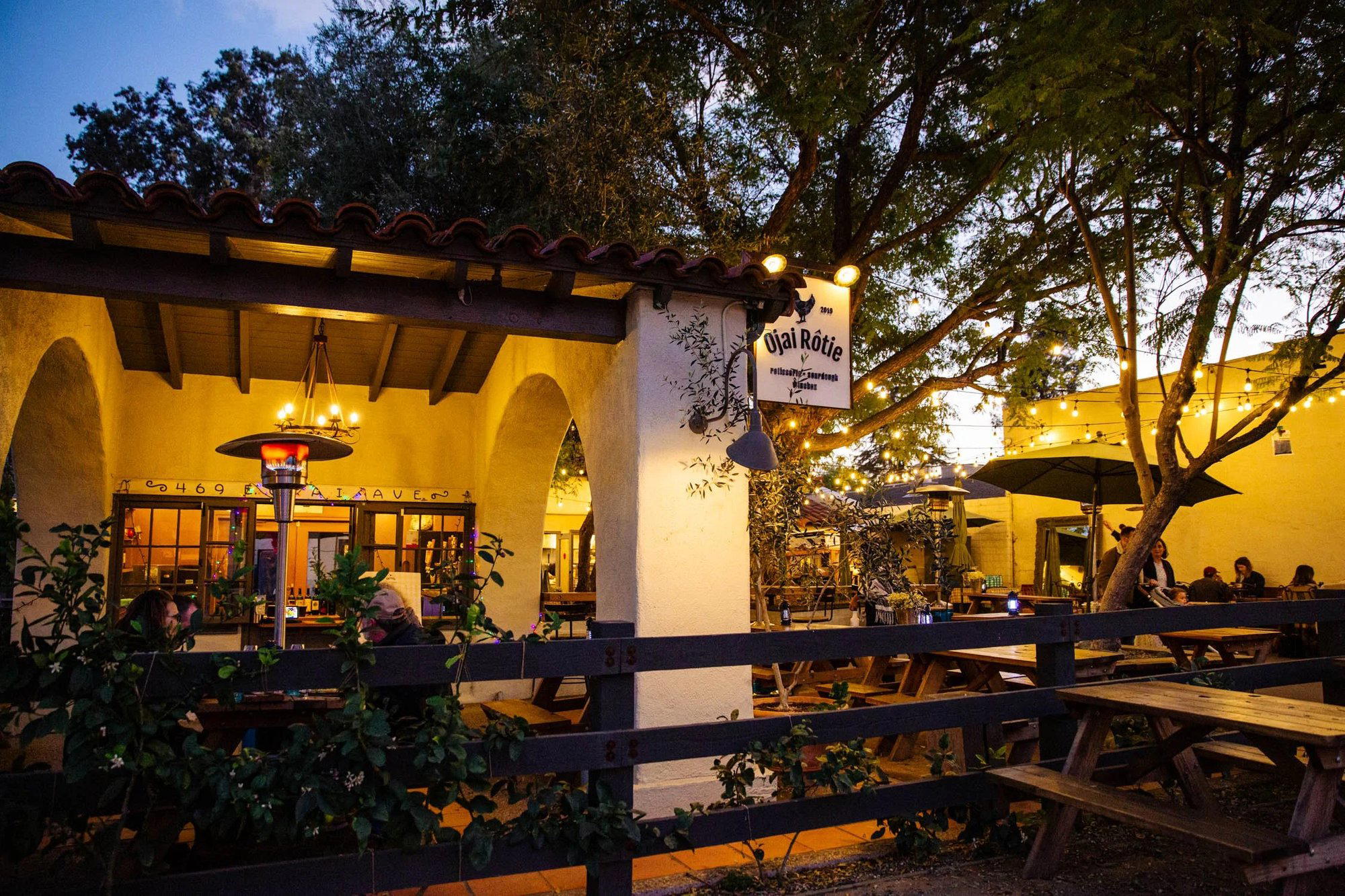
Where French Rotisserie Meets the Ojai Valley
East Ojai Avenue moves at a different pace from the resort towns further south along the 101. The buildings are low, the light in late afternoon turns the mountains behind town a shade that photographers call the "pink moment," and the restaurants here tend to reflect the valley's identity as a place where people have chosen to slow down deliberately. Ojai Rotie sits at 469 E Ojai Ave inside that context, and its name carries an immediate editorial signal: rôtie, the French word for roasted, anchors this kitchen in a specific European tradition that has found particularly fertile ground in California's farm-dense interior valleys.
The rotisserie as a cooking method predates almost every modern restaurant format. It was a street food technology in medieval French towns, a way of cooking large cuts over open fire with minimal intervention, letting the rotation and the heat do what a brigade of cooks might otherwise manage. That philosophy, stripped of pretension and reunited with quality sourcing, has become one of the more credible templates in American independent dining over the past decade. At places like Blue Hill at Stone Barns in Tarrytown and Single Thread Farm in Healdsburg, the argument is that technique serves ingredient rather than the reverse. A rotisserie-anchored menu in a valley like Ojai, where citrus, avocado, and heritage livestock operations sit within short driving distance, makes that argument with particular force.
Ojai's Dining Corridor and Where Rotie Sits Within It
Ojai's restaurant scene is small enough that each opening registers across the whole town. The valley draws a mix of Los Angeles weekenders, long-term residents with sophisticated palates, and a creative class that has relocated from larger cities and brought demanding food expectations with them. That audience supports a dining range that runs from Boccali's, the long-running California-Italian family operation on Wheeler Road, through plant-forward offerings at Hip Vegan, to the more formally composed menus at Nocciola and Olivella (Californian French).
Ojai Rotie enters this mix with a concept that is specific enough to stand apart. A rotisserie focus is not common in the valley, and the French framing distinguishes it from the coastal Californian format that dominates many of the region's newer independents. For a fuller picture of where Rotie fits among Ojai's restaurants, our full Ojai restaurants guide maps the valley's dining options by format and price tier.
The Cultural Logic of the Rôtisserie Tradition
French rotisserie cooking is not a simplified version of French cuisine. It is a distinct tradition with its own lineage, one that emphasizes fire management, timing, and the quality of the raw material over sauce work or plating architecture. The great rotisseries of Lyon and Paris built their reputations on chicken, on pork, on lamb, proteins that reward slow rotation and proper resting, and on the drippings that accumulate beneath the spit, which become the base for the accompanying sauce or are absorbed into vegetables roasted below the bird.
In California, that tradition meets a sourcing infrastructure that French rotisseurs in the 1970s would have found difficult to imagine. Farmers' markets within the Ventura County corridor supply vegetables and herbs at the level of specificity that allows a kitchen to name its producers. Pasture-raised poultry from operations in the Central Valley and nearby Santa Barbara County has improved materially over the past fifteen years. The argument for a rotisserie kitchen in this agricultural context is that the technique is honest: it does not disguise the protein, it amplifies it. A poorly raised chicken is exposed on a spit. A well-raised one needs almost nothing beyond heat and salt.
That transparency of method places Ojai Rotie in a broader conversation happening across American fine dining, from Smyth in Chicago to Providence in Los Angeles and Addison in San Diego, about what it means to cook with restraint and let sourcing carry the editorial weight of a menu. At a different scale entirely, houses like The French Laundry in Napa and Le Bernardin in New York City have long argued that technique and sourcing are inseparable. The rotisserie format makes that argument in a more democratic register, without the tasting-menu format or the three-month booking window.
Planning Your Visit
The restaurant is located at 469 E Ojai Ave, within walking distance of the town's central arcade and the main concentration of the valley's independent retail and hospitality businesses. Weekend traffic on Highway 33 during summer and fall can extend those estimates. Ojai's restaurant scene is compact enough that a single evening can combine Rotie with a drink at one of the valley's small bars or a walk through the arcade before or after the meal. Nearby options like Papa Lennon's fill out the evening if you are building a longer stay around the valley's dining options.
The scale is small, the pace is slower, and the restaurants that succeed here tend to be the ones with a clear point of view rather than broad-appeal programming. Rotisserie French in an agricultural valley is a clear point of view.
Price Lens
Comparable venues nearby, for context on price, style, and recognition.
| Venue | Cuisine | Price | Awards | Notes |
|---|---|---|---|---|
| Ojai RotieThis venue — the venue you are viewing | Not listed | $$ | Not listed | Not listed |
| Boccali's | Ojai Valley, Italian Pizza & Pasta | $$ | Not listed | Not listed |
| Hip Vegan | Downtown Ojai, Organic Vegan Café | $$ | Not listed | Not listed |
| Nocciola | Old Town Ojai, Authentic Tuscan Italian | $$$ | Not listed | Not listed |
| Rory's Place | Not listed | $$$ | Michelin Plate | Downtown Ojai, California Farm-to-Table with Raw Bar |
| Papa Lennon's | Ojai, Italian Pizzeria | $$ | Not listed | Not listed |
Continue exploring
More in Ojai
Restaurants in Ojai
Browse all →
Bars in Ojai
Browse all →
Hotels in Ojai
Browse all →

At a Glance
- Rustic
- Cozy
- Scenic
- Casual Hangout
- Terrace
- Extensive Wine List
- Farm To Table
- Local Sourcing
Current opening hours
- Monday
- Closed
- Tuesday
- Closed
- Wednesday
- 12–3 PM, 4–8 PM
- Thursday
- 12–3 PM, 4–8 PM
- Friday
- 12–3 PM, 4–8:30 PM
- Saturday
- 12–3 PM, 4–8:30 PM
- Sunday
- 12–3 PM, 4–8 PM
Hours can change for holidays and private events. Last verified .
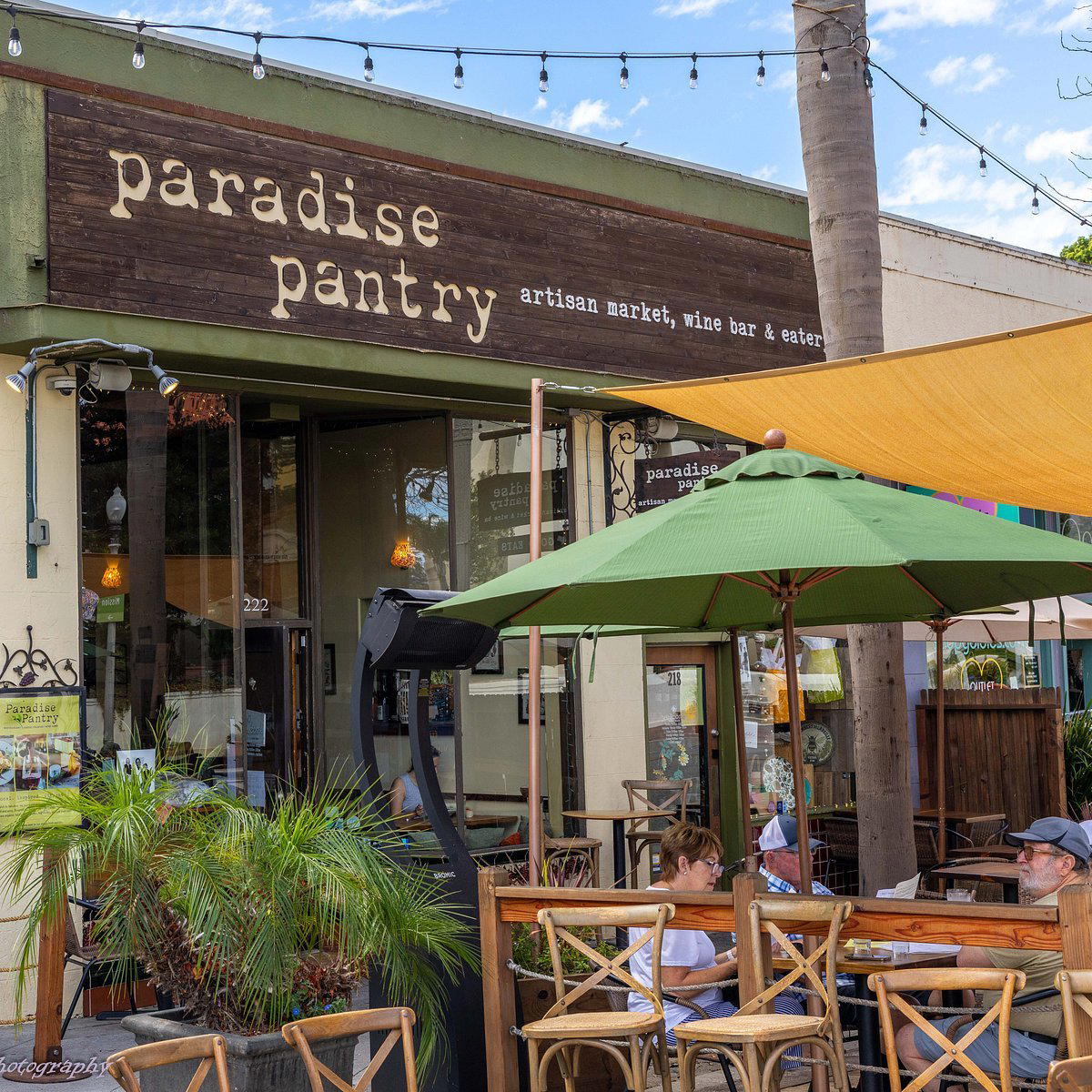
Charming tree-shaded patio strung with white lights creating a fresh picnic vibe.