Octopus Peru
Octopus Peru brings Peruvian cooking to downtown Sacramento's mid-rise restaurant corridor at 980 9th Street, occupying a niche that few California state capital venues attempt. In a Sacramento dining scene dominated by farm-to-fork Californian formats and Italian-American stalwarts, the kitchen draws on ceviche tradition, causas, and the layered heat of ají amarillo. It is a distinct counterpoint to the city's prevailing $$$$ tasting-menu tier.
Pearl is the En Primeur Club membership app — saves, bookings, and concierge access live there. Same editors, same standards.
- Address
- 980 9th St #170, Sacramento, CA 95814
- Phone
- +19167542154
- Website
- octopusperu.com
- Directions
- Get directions
 Saves & bookings on Pearl
Where Sacramento's Downtown Restaurant Row Meets the Pacific Rim of South America
Downtown Sacramento's 9th Street corridor runs through a district that has spent the better part of a decade repositioning itself around state government foot traffic and a younger professional residential base. The buildings are mid-rise, the street level is a patchwork of quick-service counters and sit-down rooms, and the dining options reflect a city that still tilts heavily toward Californian produce narratives and Italian comfort formats. Octopus Peru is a Peruvian-inspired cevicheria at 980 9th Street, Suite 170, in downtown Sacramento.
Peruvian cuisine has moved through American dining in waves. The first wave, through the 1990s and 2000s, landed primarily in cities with large Peruvian diaspora populations, Miami and Los Angeles chief among them. The second wave arrived through fine-dining credentialing, as Nikkei-influenced preparations and the ceviche format attracted serious kitchen attention in New York and Chicago. Sacramento, despite its position as a farm-forward city with a supply chain that should suit Peruvian ingredient ambitions, came late to that trajectory. Octopus Peru represents the city catching up.
The Peruvian Ceviche Tradition and What It Demands
Ceviche is the clearest point of entry into Peruvian cooking for most American diners, but its apparent simplicity conceals serious technical requirements. The leche de tigre, the citrus-based curing liquid, must be calibrated against the specific acidity of the limes and the density of the fish. Ají amarillo, the bright orange-yellow chile that underpins much of coastal Peruvian cooking, contributes a fruity heat that behaves differently from the capsaicin profiles American diners are more accustomed to from Mexican or Southeast Asian kitchens. Getting those balances right is the baseline test for any Peruvian kitchen outside of Lima or the major diaspora hubs.
Dishes like causa, the layered potato preparation that predates the Spanish arrival in the Andes, and lomo saltado, the stir-fry that carries the imprint of nineteenth-century Chinese immigration to Peru, tell a longer story about how Peruvian cooking absorbed multiple migration streams before arriving on a Sacramento menu. That layering, the Andean base cross-referenced against Japanese, Chinese, and Spanish influences, is what makes the cuisine worth understanding on its own terms rather than as an exotic variant of something more familiar. Restaurants across the country working in this register, from Providence in Los Angeles at the fine-dining tier to neighbourhood specialists in New York, have found that Peruvian cooking rewards patience from both kitchen and diner.
Sacramento's Dining Scene and the Niche Octopus Peru Fills
The Sacramento restaurant market has a well-documented concentration at the leading and bottom ends of the price spectrum. At the $$$$ tier, Localis (Californian) and The Kitchen (Contemporary) anchor the city's farm-to-fork identity, while Allora (Italian) and Aioli Bodega Espanola cover European-heritage dining. Adamo's Kitchen adds further depth to the mid-tier. What that market map leaves open is Latin American cooking that operates above the taqueria format but below the prix-fixe tasting structure, a register where ingredient sourcing and kitchen technique matter but the format stays accessible. The restaurant sits in that gap.
For reference, the equivalent Peruvian niche in other major American restaurant cities tends to attract serious kitchen talent precisely because the cuisine's technical complexity provides credentialing opportunities that direct comfort-food registers do not. The farm-supply infrastructure around Sacramento, the Delta farms, the Central Valley produce chains, and the Pacific seafood access through the Bay Area network, gives a Peruvian kitchen here better raw material access than many comparable operations in landlocked markets. Whether that supply advantage is being fully deployed is the more interesting question for any diner arriving with informed expectations.
Evolution and the Downtown Positioning Question
The editorial angle that matters most for the restaurant is where it sits relative to Sacramento's shifting dining geography. Downtown Sacramento's restaurant density has increased over the past five years as the Golden 1 Center arena effect rippled through the surrounding blocks, bringing higher foot traffic on event nights and a corresponding wave of operators willing to bet on the district's stabilization. That has created a more competitive environment for any mid-block restaurant drawing on a specific cuisine category rather than a broad crowd-pleasing format.
Peruvian restaurants in American cities have navigated that competitive pressure in two directions: toward the tasting-menu credentialing path that borrows structural cues from fine-dining formats (the approach that has worked in New York and Chicago, where venues like Atomix in New York City demonstrate the ceiling of that credentialing logic in Korean cooking, a parallel track), or toward the neighbourhood anchor model that prioritises repeat local business over destination dining. The restaurant's downtown location and suite-style address suggest the latter orientation, though the cuisine category carries enough inherent complexity to push in either direction. Sacramento's dining conversation increasingly rewards specificity over generalism.
For context on where American seafood-forward restaurants have taken their formats at the highest tier, Le Bernardin in New York City, The French Laundry in Napa, Single Thread Farm in Healdsburg, Addison in San Diego, Blue Hill at Stone Barns in Tarrytown, Alinea in Chicago, Lazy Bear in San Francisco, Emeril's in New Orleans, The Inn at Little Washington in Washington, and 8 1/2 Otto e Mezzo Bombana (Hong Kong) in Hong Kong each represent a different answer to how a specialist kitchen builds credibility over time. The restaurant is working at a different scale and with a different mandate, but the underlying question of how a specific cuisine category earns its place in a city's dining conversation applies across all those tiers.
Planning Your Visit
The restaurant is located at 980 9th Street, Suite 170, in downtown Sacramento, within walking distance of the state capitol and the Golden 1 Center. The suite address places it inside a larger mixed-use building, so first-time visitors should confirm the entrance configuration on arrival.
Awards and Standing
Comparable venues nearby, for context on price, style, and recognition.
| Venue | Cuisine | Price | Notes |
|---|---|---|---|
| Octopus PeruThis venue — the venue you are viewing | Peruvian-Inspired Cevicheria | $$ | Not listed |
| Sauced BBQ & Spirits | Southern BBQ | $$ | Downtown Commons |
| Vientos Mexican Grill | Traditional Mexican Grill | $$ | Greenhaven-Pocket |
| Tower Café | Global Fusion | $$ | Richmond Grove |
| Crawdads on the River | Cajun-American Riverside | $$ | Garden Highway |
| Caballo Blanco | Authentic Mexican | $$ | South City Farms |
Continue exploring
More in Sacramento
Restaurants in Sacramento
Browse all →
Bars in Sacramento
Browse all →
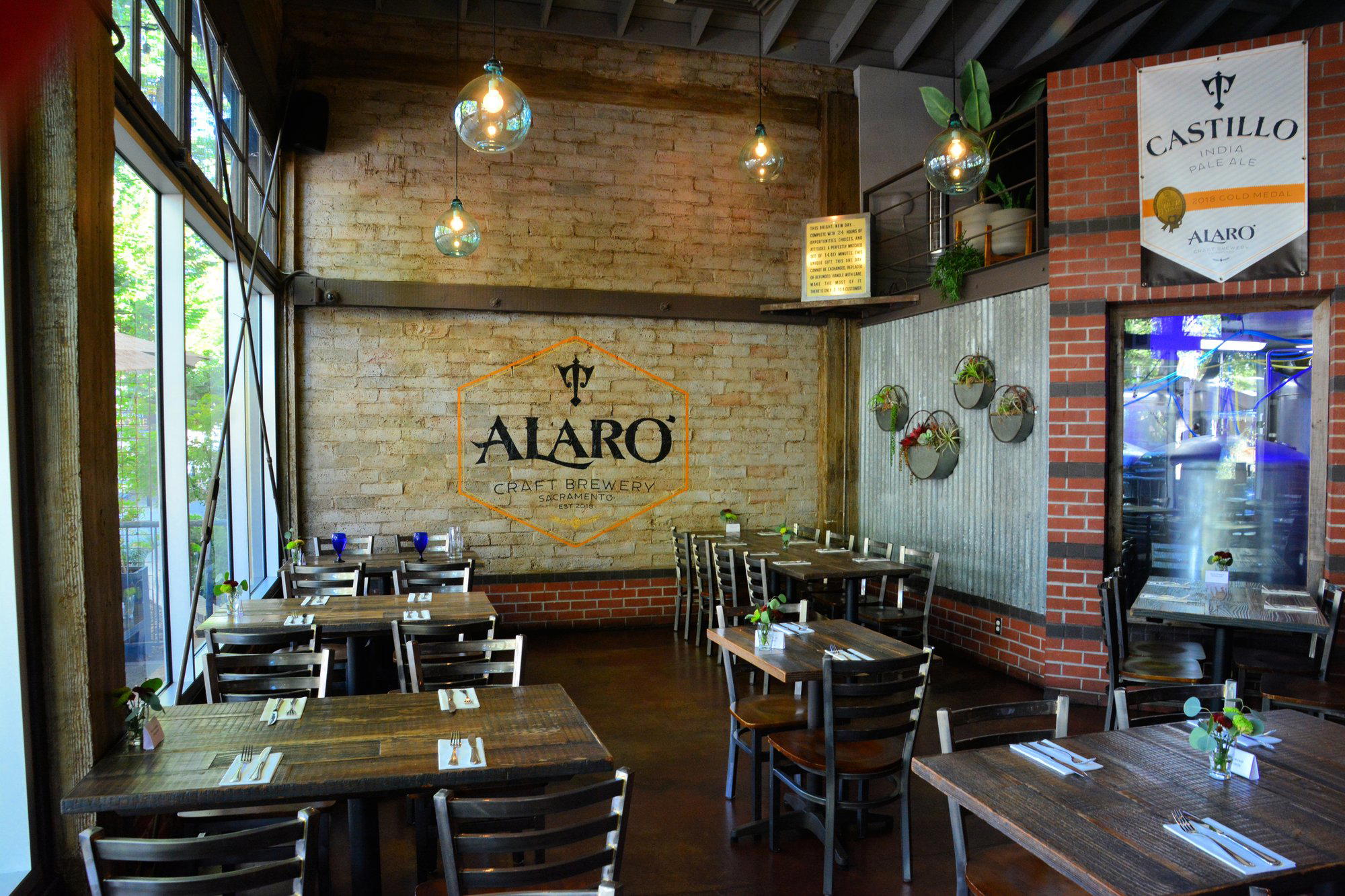
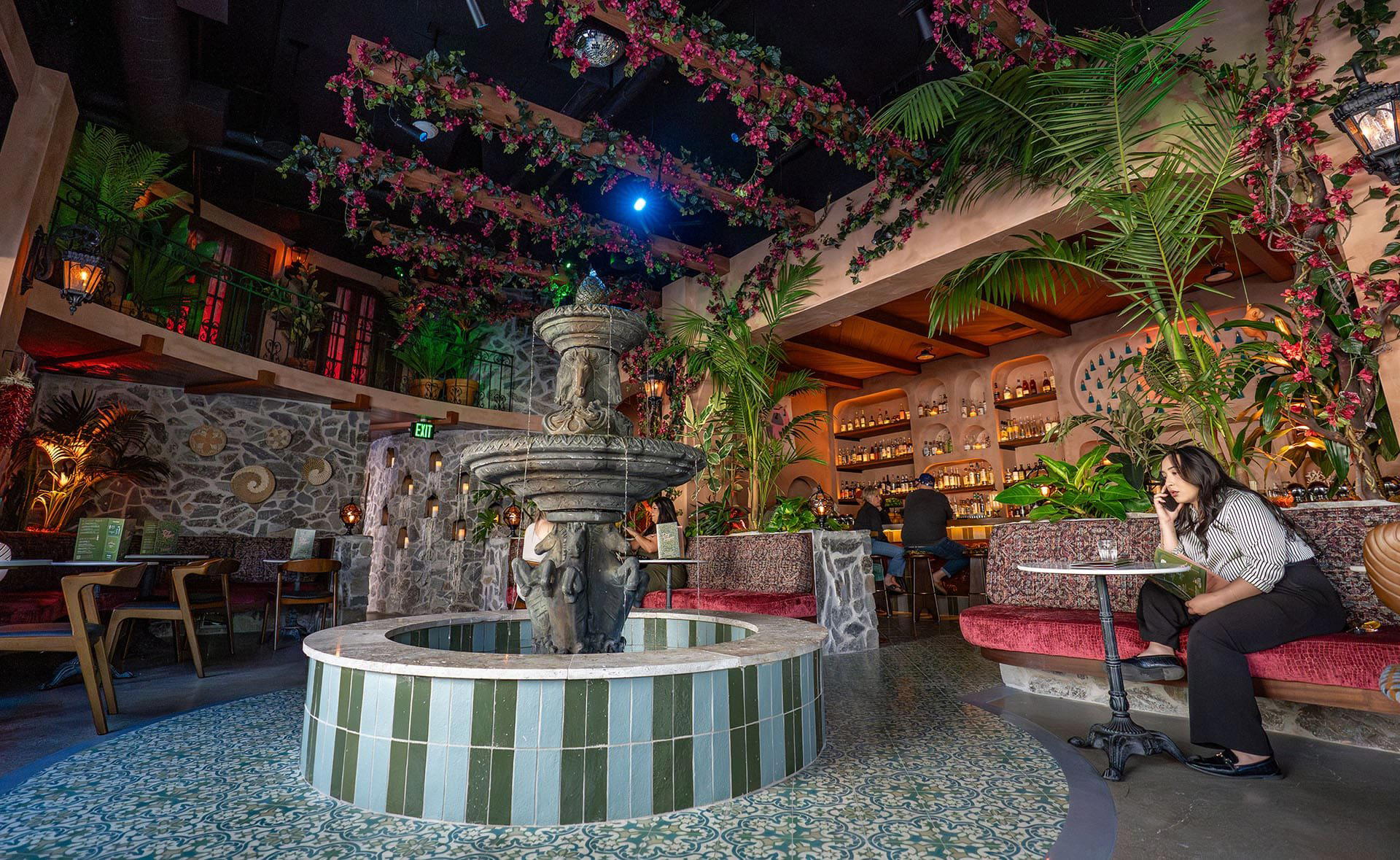
Hotels in Sacramento
Browse all →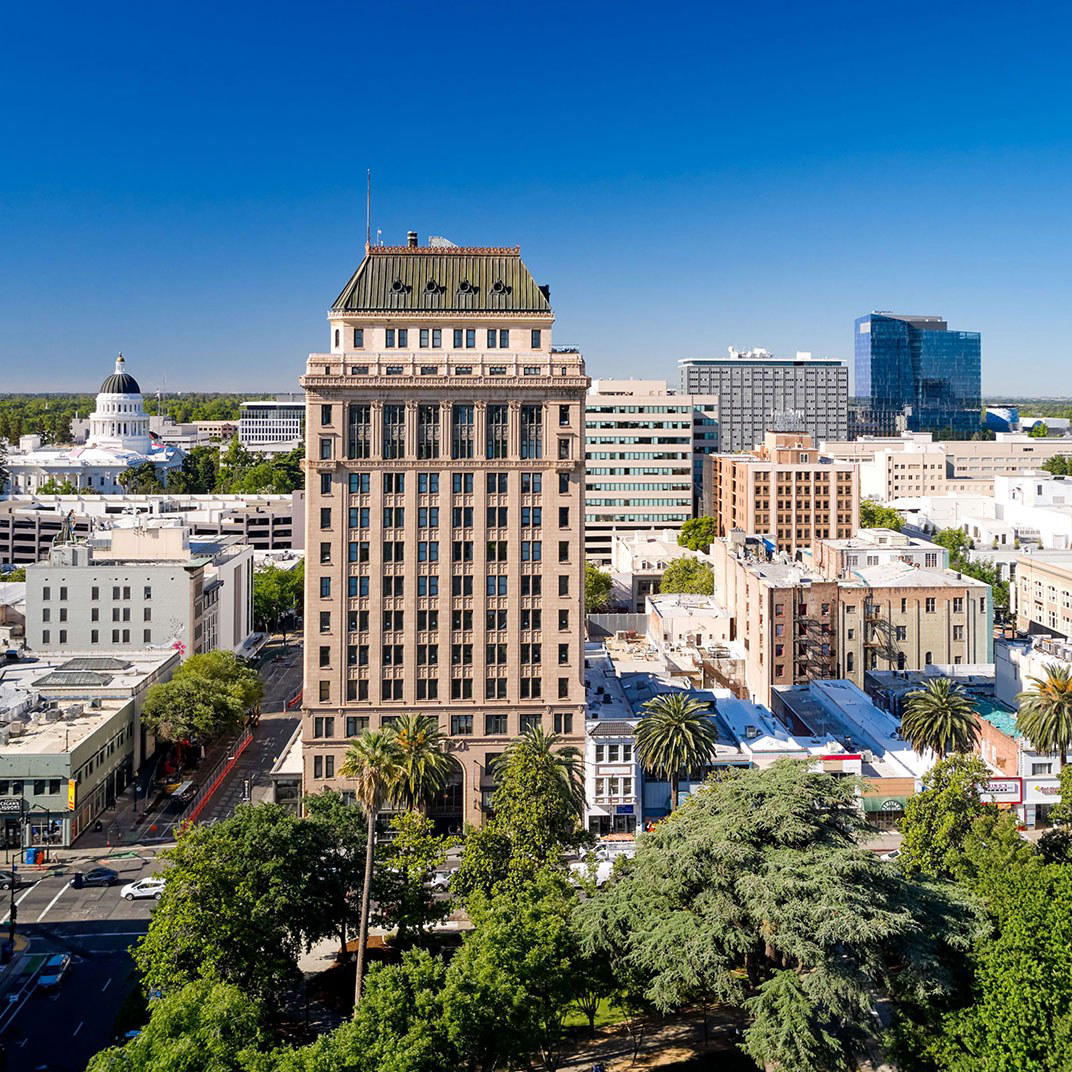
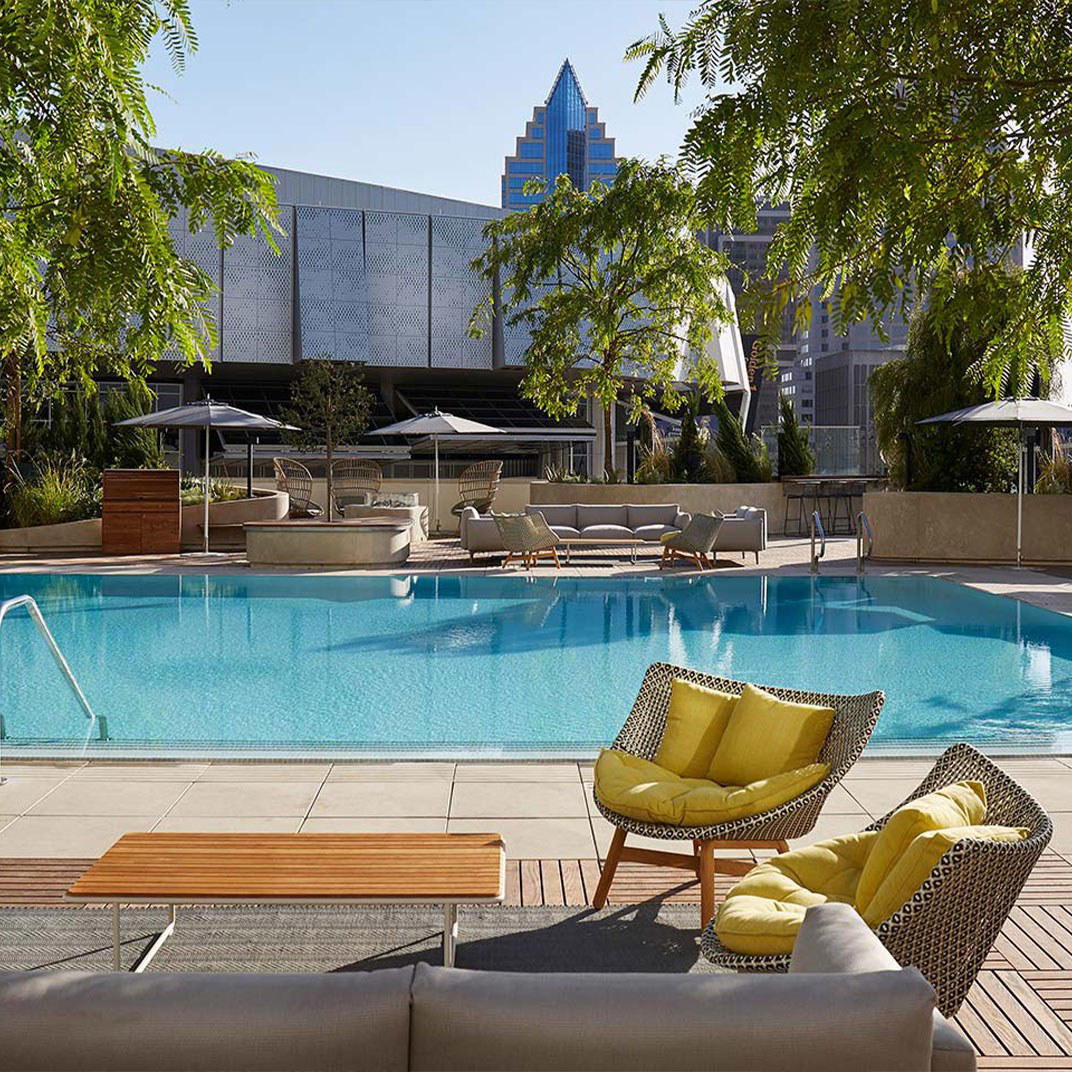
Wineries in Sacramento
Browse all →
At a Glance
- Lively
- Trendy
- Elegant
- Date Night
- Casual Hangout
- Open Kitchen
- Craft Cocktails
- Local Sourcing
- Street Scene
Current opening hours
- Monday
- Closed
- Tuesday
- 11 AM–9 PM
- Wednesday
- 11 AM–9 PM
- Thursday
- 11 AM–9 PM
- Friday
- 11 AM–10 PM
- Saturday
- 11 AM–10 PM
- Sunday
- Closed
Hours can change for holidays and private events. Last verified .
Lively and lively atmosphere with a casual yet elegant dining experience.