
Tabelog 100 #55
Our verdict
Ocha to Okashi Mayanchi brings Tokyo’s kissaten tradition into a stricter tea-and-sweets register in Kamata, with an 18-seat room, reservations available, and a compact operating week. Selection for Tabelog Cafe EAST “Tabelog 100” 2025 and earlier Cafe 100 recognition in 2022 place it among Tokyo’s serious café addresses rather than casual station-area coffee stops.

Pearl is the En Primeur Club membership app, where members save venues, book tables and use the concierge.
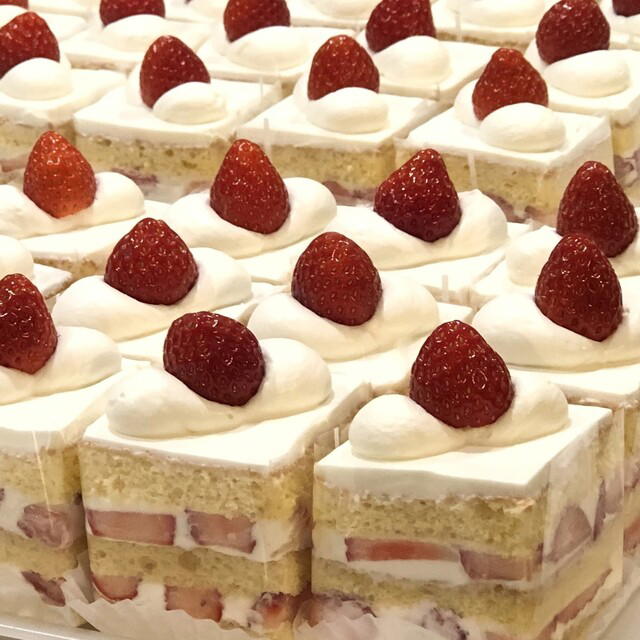
Tokyo’s everyday café culture moves differently from the polished café corridors often associated with the city: practical, rail-connected, and local in habit. A café here can feel less like a visitor-facing destination than part of a weekly routine. Tokyo has many cafés built on novelty, latte art, or photogenic interiors; the more durable strand is the kissaten inheritance, where time, repeat custom, and narrow rituals carry the room.
Ocha to Okashi Mayanchi belongs to that quieter category. Recognition on Tabelog’s 2025 Cafe selection signals local confidence not dependent on hotel-lobby scale or tourist traffic. The format is focused, with appeal centred on café and kissa pleasures rather than a sprawling all-day menu.
Tokyo's café culture rewards repeat visits, not spectacle
Tokyo café culture splits between experience-led rooms and regulars’ rooms. The first turns quickly: themed interiors, limited runs, social-media queues. The second survives on narrower pleasures: a reliable table, a known pace, and a menu regulars learn over time. Tokyo’s everyday dining density supports that model. Nearby comparison points, including Tonkatsu Aoki Kamata honten, Tonkatsu Aoki no Curry Ya Ippekoppe Kamata honten, Grill Suzukou, CIVITAS, and Tori Ki Kamata ten, show how the city rewards focused formats over broad menus.
Read this café through that local pattern. Its listed categories, café and kissa, suggest a hybrid identity: not a broad restaurant using café service as an add-on, and not simply a chain-style coffee stop. Repeat value comes from the clarity of the café format. The proposition is clear without becoming menu theatre. The regulars’ unwritten menu is not a secret dish; it is choosing the visit with intent and treating the café stop as the centre.
At the casual price tier, that discipline has become rarer in Tokyo. Many cafés stretch across lunch plates, parfaits, cakes, espresso drinks, takeout snacks, and retail shelves. A narrower café identity asks more of the guest, but gives the room a reason to exist beyond convenience. The reward is not speed. It is repeatability.
Tea and sweets as a small-format Tokyo specialty
Japanese café culture has long borrowed comfortably: tea service, pastry habits, kissaten seating customs, and domestic expectations around quiet, orderly service can coexist in one room. Stronger examples do not flatten those influences into decoration; they create a specific social function, an afternoon pause that is neither a full meal nor dessert after dinner.
Ocha to Okashi Mayanchi is especially legible through its focused clarity. A café with a defined identity changes both lingering economics and the social contract. Regulars understand that a table is not a half-day claim on public space; it is a timed ritual around an order, conversation, and a measured exit. The tone is calm and deliberate rather than expansive, built around the kind of service rhythm that makes a focused café feel complete.
Pricing sits in an accessible Tokyo café band, making the Tabelog recognition more interesting. In the city’s dining hierarchy, awards often cluster around expensive counters and tasting menus. Café awards measure something different: consistency, format clarity, and local affection over time. A 3.67 Tabelog score, paired with selection for the 2025 Cafe list, places the venue in a serious café conversation without pretending it competes with luxury dining rooms. For travellers, the distinction matters. This is not a place to fold into a maximalist dining day between more formal meals. It works better as a separate afternoon plan in Tokyo, especially for guests interested in Japanese café manners as much as restaurant reservations.
There is also a geographic point. Tokyo is often reduced by visitors to a handful of polished dining zones, but that misses how the city actually eats. Cafés like this carry editorial weight because they show how Tokyo’s eating culture extends beyond obvious destination circuits: focused rooms with narrow identities, local regulars, and enough discipline to earn recognition.
How to place it in a Tokyo itinerary
The strongest case for visiting is calibration, not rarity. Travellers who build Tokyo days only around high-demand meals can lose the city’s softer rituals. A café stop changes the tempo. It suits a quieter Tokyo day, or a low-noise break between more demanding plans. Reservations and current operating details should be checked in advance, because cafés with loyal followings are poor candidates for casual assumptions.
Practicalities shape the visit as much as appetite. The room is best understood as a focused café and kissa rather than a flexible all-purpose restaurant. Keep the plan simple, allow enough time for a measured pause, and treat the visit as part of Tokyo’s everyday dining culture rather than as a spectacle-driven stop.
For a wider food day, compare tempo rather than cuisine. Other Tokyo dining rooms may ask for a different appetite and energy, from meat-focused meals to casual comfort-food stops or more visual café formats. Ocha to Okashi Mayanchi plays another role: quieter, narrower, and more useful as a reset in the middle of a busy itinerary. Use Our full Tokyo restaurants guide for broader dining context, with parallel planning through Our full Tokyo hotels guide, Our full Tokyo bars guide, Our full Tokyo wineries guide, and Our full Tokyo experiences guide.
For Japan-wide comparison, the venue belongs in a broader conversation about focused formats across the country: regional cafés, specialist counters, casual comfort-food rooms, and contemporary dining spaces that depend on a clear identity rather than breadth. Outside Japan, Japanese-inspired formats can travel differently when separated from the local routines that formed them; Ocha to Okashi Mayanchi is most useful as a Tokyo example of how those routines still shape the experience.
Frequently asked questions
Is Ocha to Okashi Mayanchi more mid-range or high-end?
Pricing at Ocha to Okashi Mayanchi is listed as JPY 1,000 - JPY 1,999.
What time does Ocha to Okashi Mayanchi open and close?
Current opening hours for Ocha to Okashi Mayanchi should be checked before visiting.
How do I find Ocha to Okashi Mayanchi?
Ocha to Okashi Mayanchi is located in Tokyo.
What is Ocha to Okashi Mayanchi known for?
Ocha to Okashi Mayanchi is known as a café and kissa in Tokyo.
Cost and Credentials
Side-by-side context: comparable cuisine and price.
| Venue | Cuisine | Price | Awards | Notes |
|---|---|---|---|---|
| Ocha to Okashi MayanchiThis venue (the venue you are viewing) | Tea Room / Japanese Sweets Cafe | $10–20 | Tabelog 100 #55 | Not listed |
| All Seasons Coffee | Not listed | $10–20 | Tabelog 100 #76 | Shinjuku, Specialty coffee & seasonal sweets café |
| Boulangerie et Cafe Main Mano | Shibuya, French-style Boulangerie & Café | $10–20 | Tabelog 100 #44 | Not listed |
| Sanlucar BAR | Cocktail & spirits bar | $30–50 | Tabelog 100 #25 | Shinjuku, Cocktail & spirits bar |
| Grill Suzukou | Classic Japanese-style Western grill (yoshoku) | $20–30 | Tabelog 100 #49 | Ōta, Classic Japanese-style Western grill (yoshoku) |
| Pancake Mama Cafe VoiVoi | Setagaya, Pancake café | $10–20 | Tabelog 100 #71 | Not listed |
Recognition history
Dated appearances from independent guides and award organizations, with the underlying list record or original source where available.
Tabelog 100 #55 · No. 55
Tabelog · Tabelog 100 - Cafe - EAST - 2025
Continue exploring
More in Tokyo
Restaurants in Tokyo
All restaurants in Tokyo →



Bars in Tokyo
All bars in Tokyo →




Details
- Cozy
- Quiet
- Classic
- Solo
- Casual Hangout
- Standalone
- Zero Proof
- Local Sourcing
- A La Carte
- Set Menu
- Tea
- Non Alcoholic Beverages
Current opening hours
- Monday
- Closed
- Tuesday
- Closed
- Wednesday
- Closed
- Thursday
- Closed
- Friday
- 11:30 AM–6:30 PM
- Saturday
- Closed
- Sunday
- Closed
Hours can change for holidays and private events. Hours as of .
A calm, intimate tea-room atmosphere focused on handmade desserts and tea rather than a lively dining scene.