Oberlis Bahnhöfli
Oberlis Bahnhöfli sits on Kantonsstrasse in Nottwil, a small lakeside village in Canton Lucerne where the dining scene rewards those who look beyond the obvious. This address operates in the tradition of the Swiss Bahnhöfli, the railway-adjacent local that anchors community eating across German-speaking Switzerland, and it draws from a region where agricultural produce and dairy supply chains are among the more traceable in Europe.
Pearl is the En Primeur Club membership app — saves, bookings, and concierge access live there. Same editors, same standards.
- Address
- Kantonsstrasse 11, 6207 Nottwil, Switzerland
- Phone
- +41419371204
- Website
- bahnhoefli-nottwil.ch
- Directions
- Get directions
 Saves & bookings on Pearl
Where the Village Dining Tradition Holds Its Ground
Nottwil occupies a narrow strip between the Sempachersee and the rolling farmland of Canton Lucerne, a corner of central Switzerland that rarely appears on destination shortlists but functions as a working example of how Swiss village life organises itself around food. The Bahnhöfli format, a category of Swiss restaurant historically tied to railway junctions and local trade routes, survives here in a way that feels less like preservation and more like continuation. Oberlis Bahnhöfli on Kantonsstrasse 11 sits within this tradition: an address that serves a community embedded in one of Switzerland's more productive agricultural belts, where the gap between field and plate is measured in kilometres rather than supply-chain abstractions.
The broader Canton Lucerne region has seen its fine dining represented elsewhere, most prominently at focus ATELIER in Vitznau, where modern Swiss creative cooking draws from the same lakeland geography. What distinguishes village-format restaurants like Oberlis Bahnhöfli from that tier is not aspiration but function: they exist to feed the canton's population on a daily basis rather than to attract destination diners on special occasions.
The Ingredient Geography of Canton Lucerne
Central Switzerland's agricultural identity is built around dairy, grain, and market-garden produce, and the Sempach basin specifically sits within one of the country's most consistent cheese and milk production zones. For any restaurant operating in this geography, sourcing is less a philosophy than a practical fact: the proximity of farms makes local procurement the path of least resistance. Swiss regulatory frameworks around food labelling and origin tracing are among the stricter in Europe, which means that a Bahnhöfli in this part of Canton Lucerne is almost structurally predisposed toward regional ingredients, not because the market demands it as a selling point, but because the supply chain points there first.
That context matters when you consider how Swiss village restaurants differ from their equivalents elsewhere in Europe. In France, the equivalent of the Bahnhöfli, the café-restaurant attached to a local transport hub, has largely been absorbed into chain hospitality or converted. In Switzerland, the format persists because the village economy still supports it, and in agricultural cantons like Lucerne, the proximity to producers keeps the larder stocked in ways that urban restaurant buyers have to work considerably harder to replicate. Comparable contemporary expressions of this sourcing logic appear at the high end of the Swiss dining scene: Schloss Schauenstein in Fürstenau built a kitchen garden model around the Graubünden estate, while Memories in Bad Ragaz draws from the Rhine valley corridor. The village restaurant occupies a different tier but operates within the same Alpine sourcing logic.
The Bahnhöfli in Swiss Dining Culture
The Swiss Bahnhöfli is a category unto itself in the country's food culture. Originally, these were the eating houses attached to or near railway stations, serving travellers and locals alike during the era when rail was the primary movement network across a mountainous country. Many of the format's defining characteristics, a broad menu, pragmatic pricing relative to the local economy, a central role in community gathering, emerged from that functional origin rather than from any particular culinary ambition. Over time, some Bahnhöfli evolved toward brasserie formats, others remained straightforwardly local, and a small number aligned themselves with regional cooking traditions in ways that gave them a more defined culinary identity.
This is the dining category in which Oberlis Bahnhöfli operates. The address is positioned neither in the tasting-menu tier represented by restaurants like Hotel de Ville Crissier or Cheval Blanc by Peter Knogl in Basel, nor in the Swiss urban brasserie segment. It occupies village-restaurant territory, where the relevant comparable set is defined by geography and community function rather than by critical recognition or price bracket. For readers accustomed to evaluating restaurants through award frameworks, this requires a recalibration: the criteria here are consistency, local integration, and the kind of everyday reliability that Michelin-tier venues are not designed to provide.
Nottwil as a Dining Destination
Nottwil is a small municipality, but it is not entirely off the hospitality map. The Swiss Paraplegic Centre, one of Europe's leading rehabilitation hospitals, is based here and draws a steady flow of medical professionals, patients, and families who require practical dining infrastructure rather than destination experiences. This gives the local restaurant economy a functional stability that purely tourist-dependent villages in Switzerland lack. The Sempachersee, a glacial lake at under 500 metres altitude, draws recreational visitors during warmer months, but Nottwil's dining scene is not structured around that seasonal fluctuation in the way that lakeside resort towns are.
For those making a wider circuit of central Switzerland's dining options, the region around Lucerne offers a range of formats worth considering. Colonnade in Lucerne addresses the hotel-dining segment, while the surrounding cantons hold a spread of Michelin-recognised tables. Readers building a Swiss itinerary with more geographic range can reference Magdalena in Schwyz, roughly an hour east, or Maison Wenger in Le Noirmont for the Jura arc to the west. For Switzerland's alpine restaurant scene at a higher altitude and ambition tier, 7132 Silver in Vals and Da Vittorio in St. Moritz represent a different register entirely. Further afield in the Swiss dining ecosystem, Einstein Gourmet in Sankt Gallen, La Brezza in Ascona, IGNIV Zürich by Andreas Caminada, La Table du Lausanne Palace, and L'Atelier Robuchon in Geneva complete the country's higher-end spectrum. For those whose reference points extend beyond Switzerland entirely, Le Bernardin in New York City and Atomix in New York City illustrate what the international fine-dining tier looks like at its most technically committed.
Planning a Visit
The restaurant is located at Kantonsstrasse 11 in Nottwil, accessible by road from Lucerne in under thirty minutes and by regional rail to the Nottwil-Sempach station, which sits within walking distance of the address. The Swiss rail network's density in this part of Canton Lucerne makes car-free access direct.
Side-by-Side Snapshot
Comparable venues nearby, for context on price, style, and recognition.
| Venue | Cuisine | Price | Notes |
|---|---|---|---|
| Oberlis BahnhöfliThis venue — the venue you are viewing | Swiss Gutbürgerlich | $$ | Not listed |
| Bederhof | Swiss Home-Style Classics | $$ | Albisgutli |
| Bergrestaurant First | Traditional Swiss Alpine Cuisine | $$ | Grindelwald |
| Wirtschaft Brandenberg | Traditional Swiss | $$ | Zug |
| Restaurant Bürgisweyerbad | Traditional Swiss | $$ | Madiswil |
| Anker | Swiss Brasserie Specializing in Rösti | $$ | Old Town |

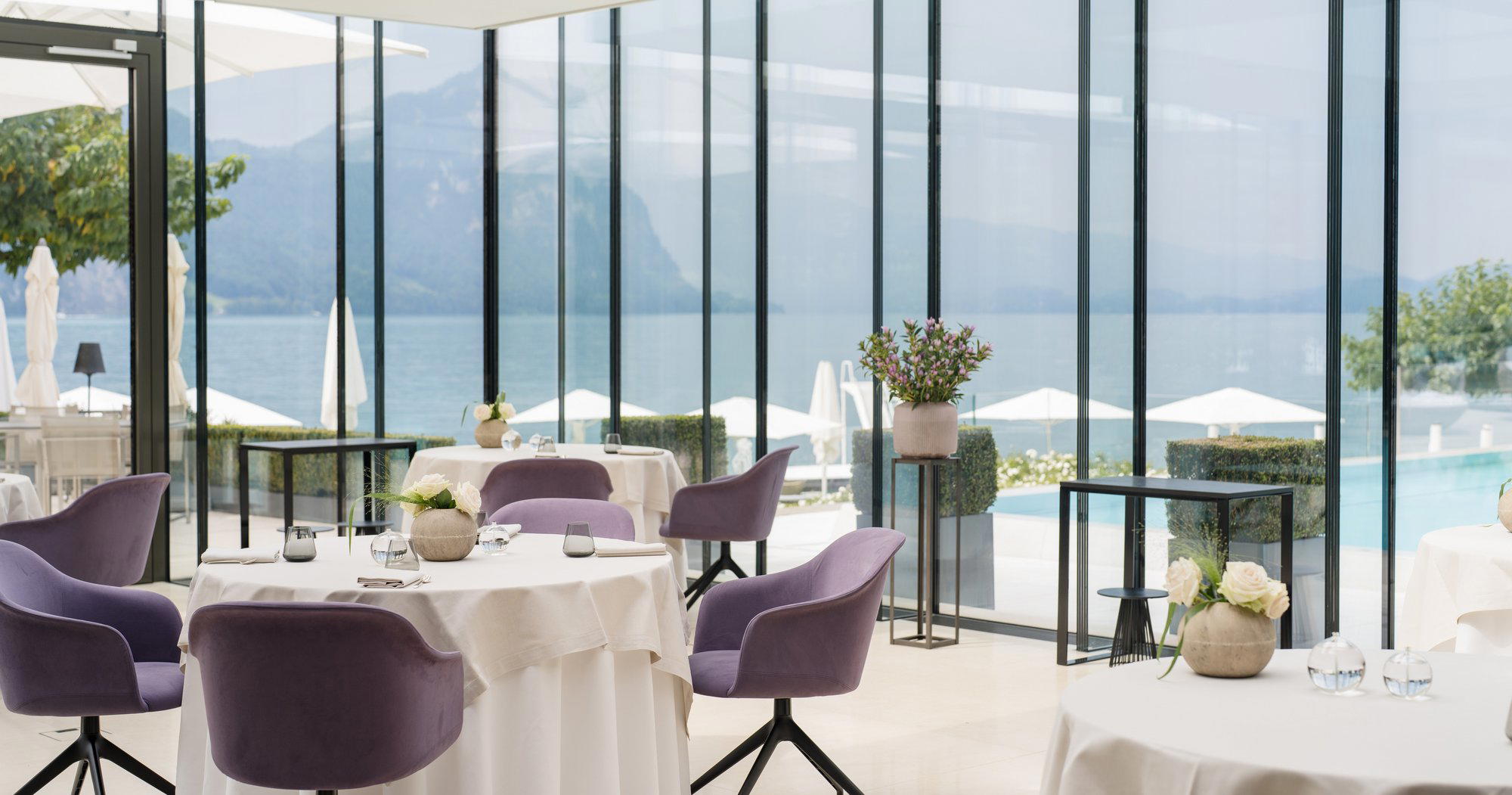
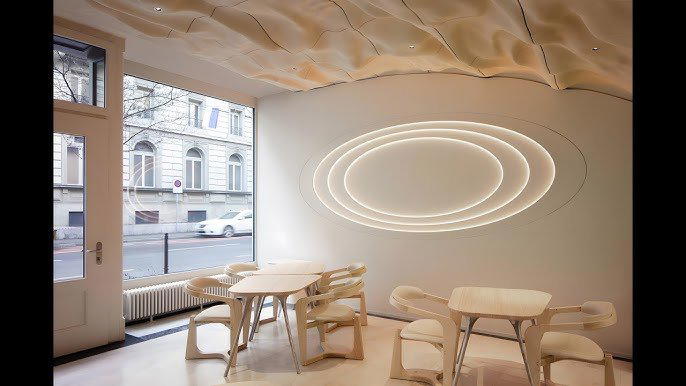
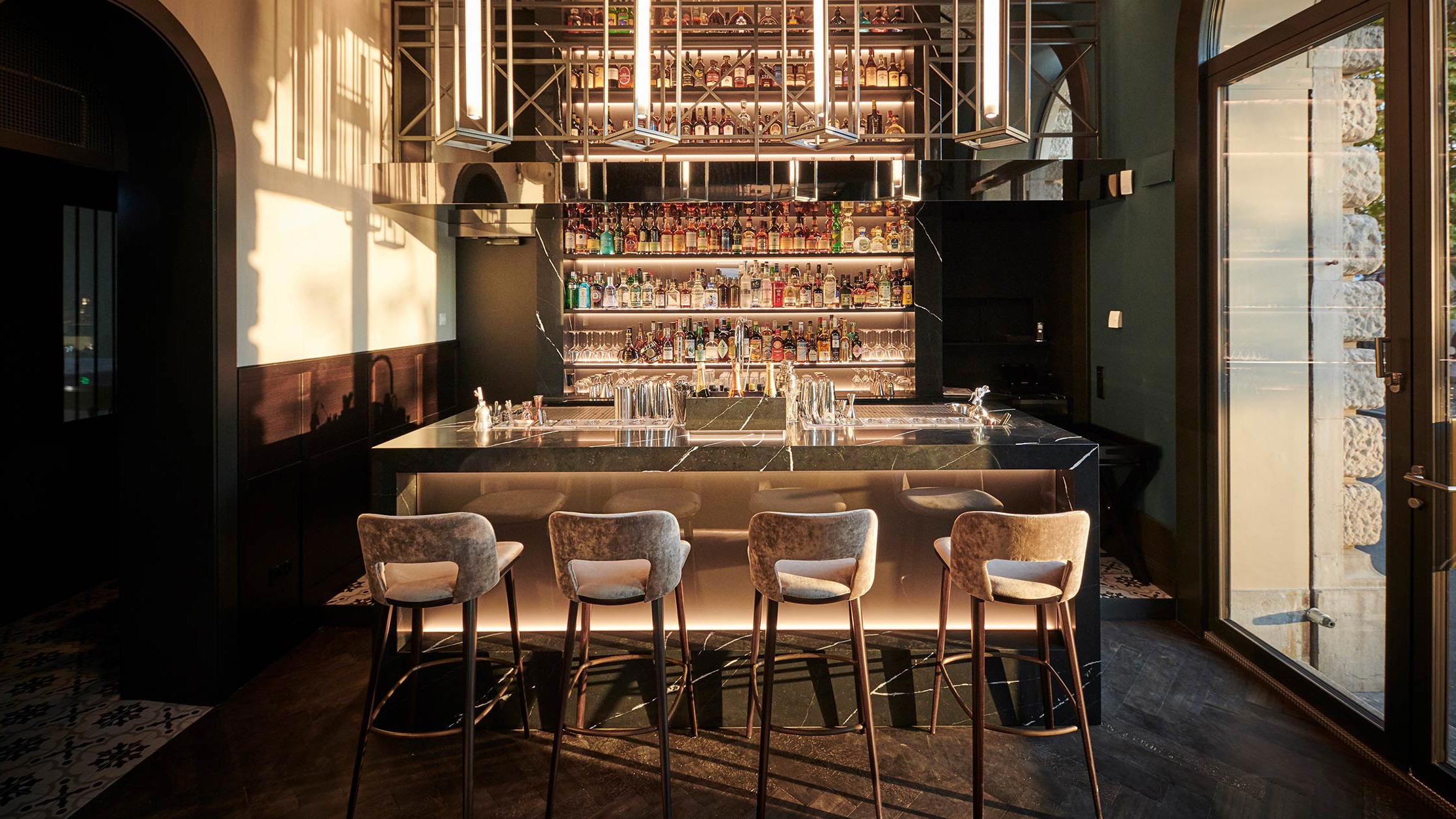
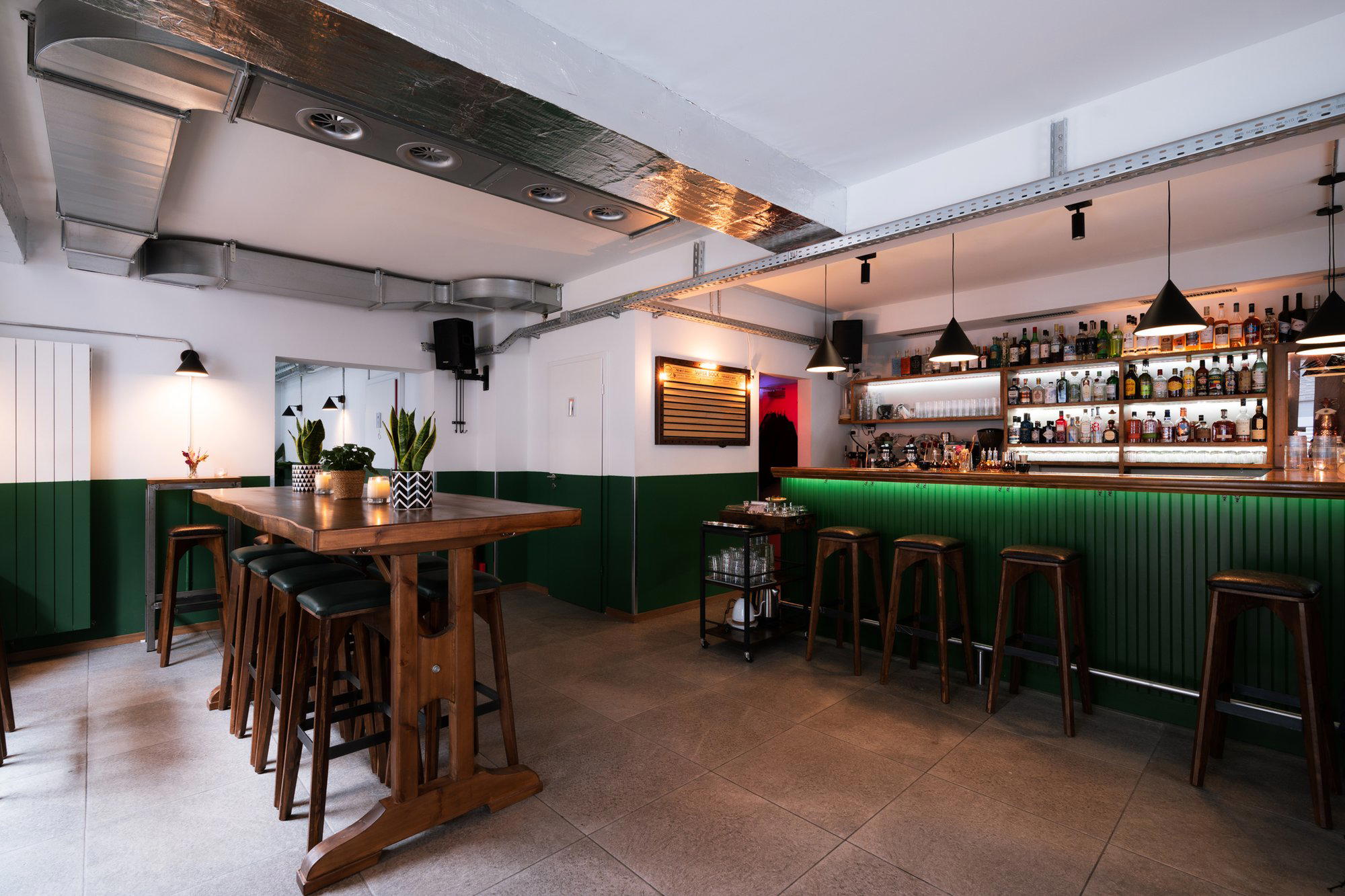
At a Glance
- Cozy
- Rustic
- Casual Hangout
- Family
- Standalone
- Extensive Wine List
- Local Sourcing
- Waterfront
Current opening hours
- Monday
- Closed
- Tuesday
- 11 AM–2 PM, 5–11 PM
- Wednesday
- 11 AM–2 PM, 5–11 PM
- Thursday
- 11 AM–2 PM, 5–11 PM
- Friday
- 11 AM–2 PM, 5–11 PM
- Saturday
- 11 AM–2 PM, 5–11 PM
- Sunday
- Closed
Hours can change for holidays and private events. Last verified .
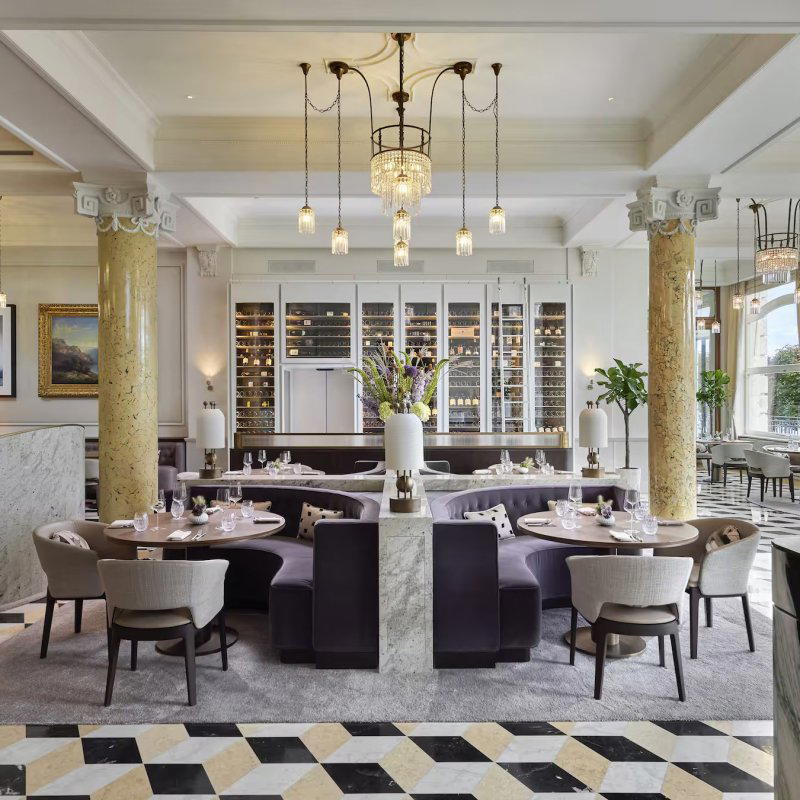
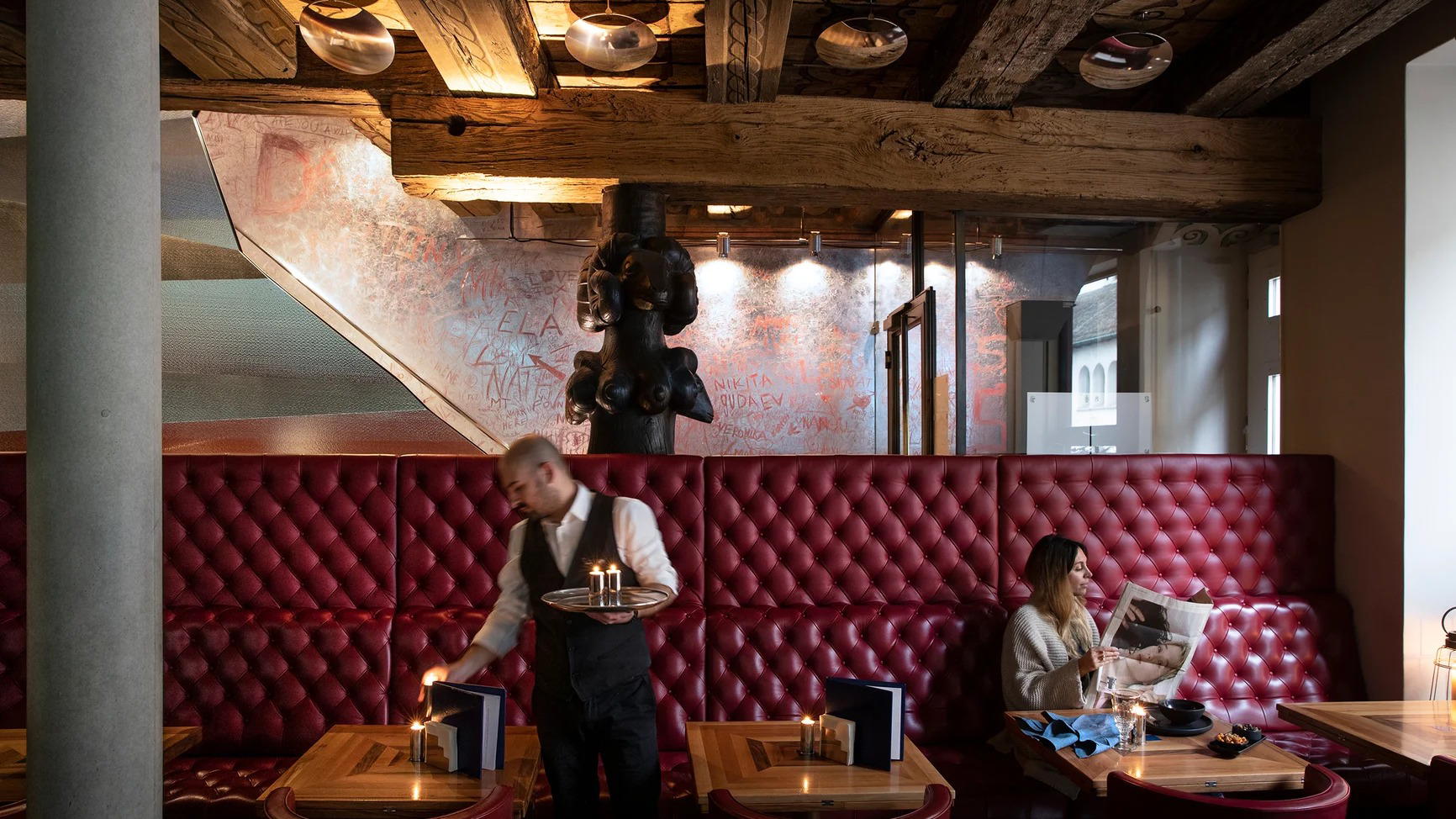
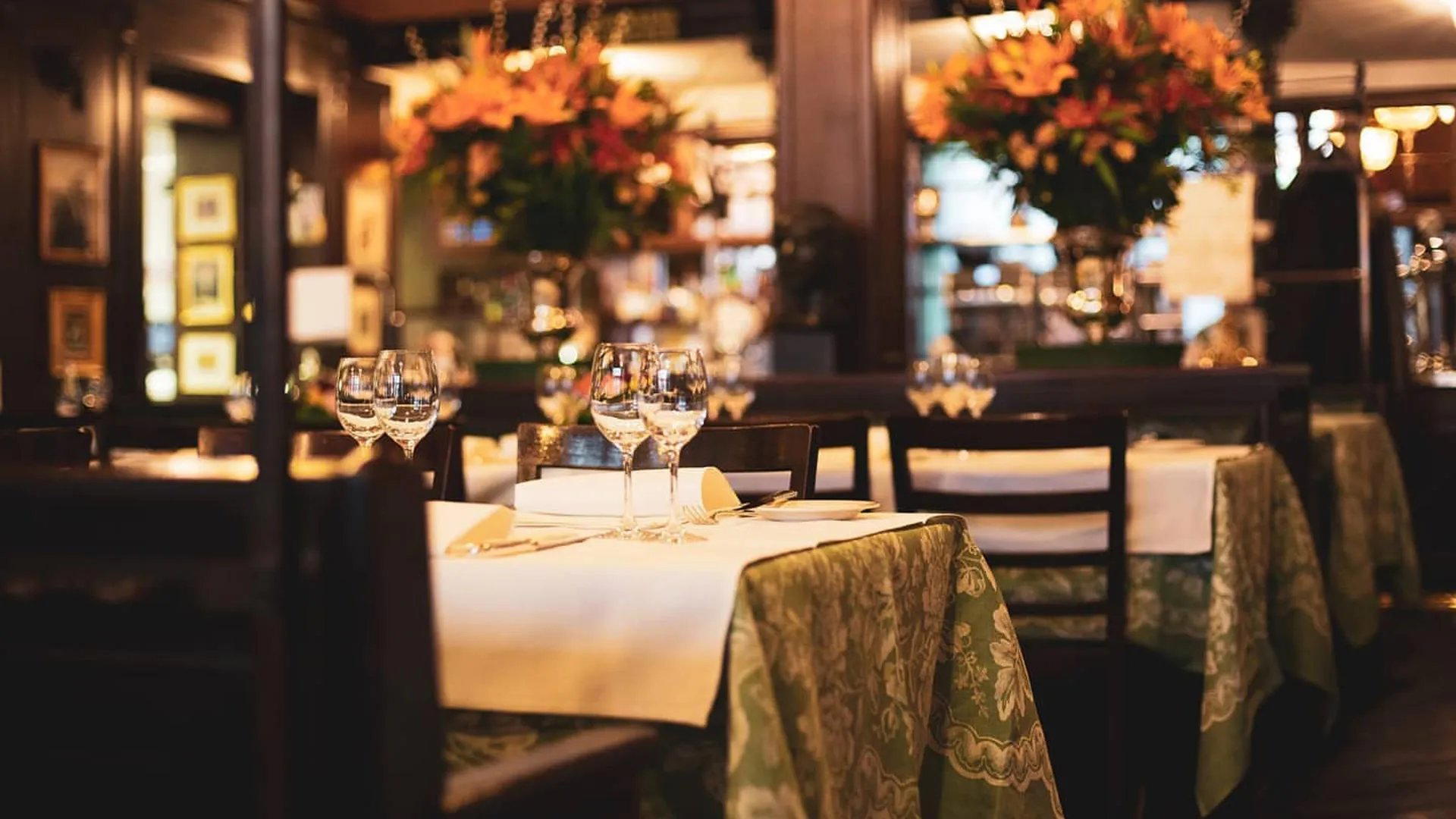
Gemütlich (cozy) atmosphere in a welcoming Dorfbeiz setting praised for its warm service and high-quality cooking.