On Rue Jean-Jacques Rousseau in central Grenoble, Numéro21 sits within a city that has long operated as a serious but underreported stop on France's provincial dining circuit. The address places it in a neighbourhood where everyday bistro culture and more considered cooking share the same streets, making it a reference point for anyone mapping the city's current restaurant scene.
Pearl is the En Primeur Club membership app — saves, bookings, and concierge access live there. Same editors, same standards.
- Address
- 12 Rue Jean-Jacques Rousseau, 38000 Grenoble, France
- Phone
- +33685896985
- Website
- n21.choiceqr.com
- Directions
- Get directions
 Saves & bookings on Pearl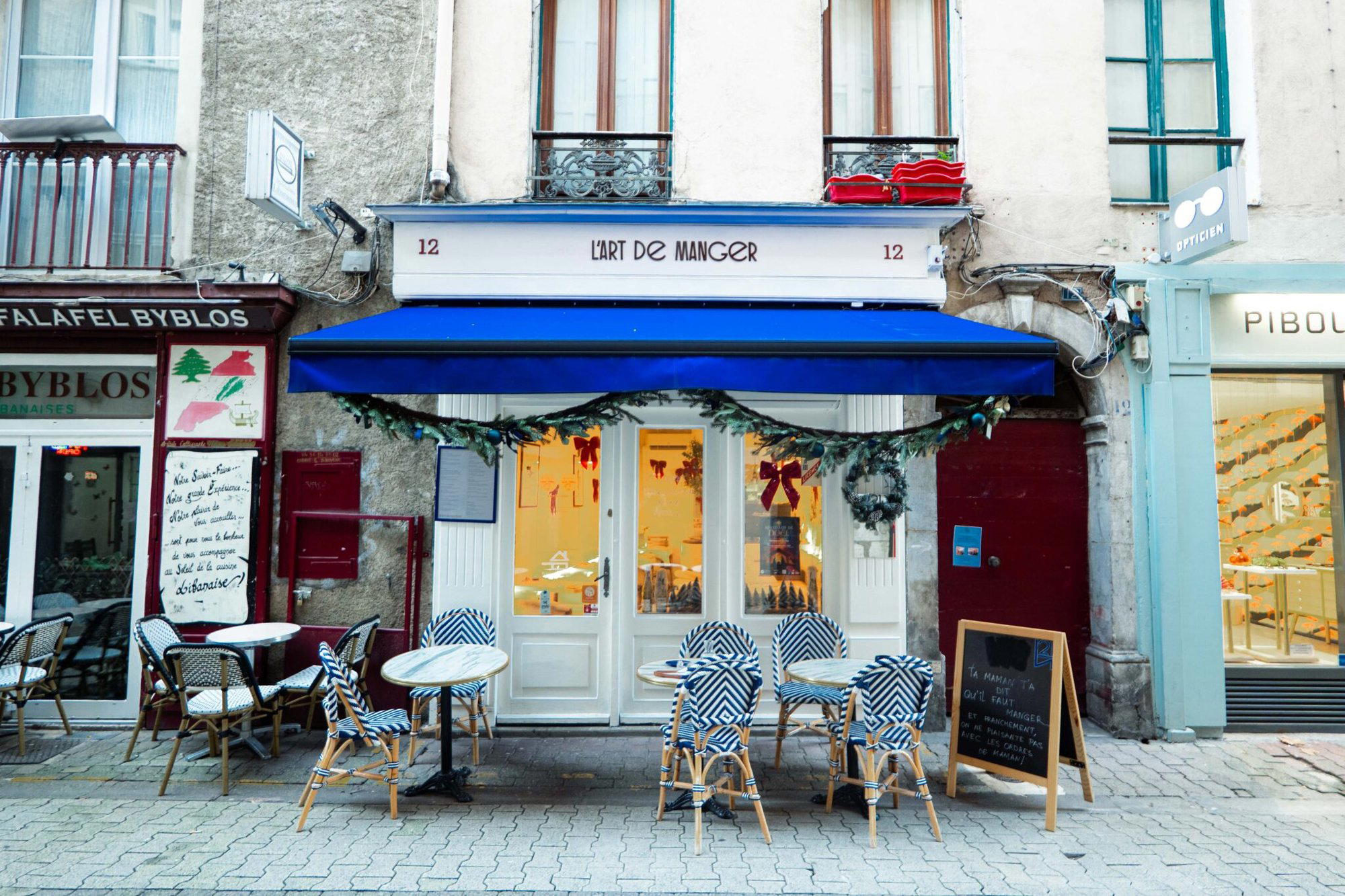
A Street Address in a City That Rewards Attention
Rue Jean-Jacques Rousseau runs through the older residential fabric of central Grenoble, a city where the Alps press close enough to shape daily life but where the dining scene has historically received less editorial attention than its size and culinary ambition warrant. France's provincial restaurant culture has always been uneven in this respect: Lyon absorbs the narrative of inland gastronomy, while cities like Grenoble, with their own distinct market traditions and proximity to notable regional produce, tend to register only with those already committed to looking beyond the obvious circuits. Numéro21, at number 12 on that street, sits inside that broader pattern, a Grenoble address that rewards the reader willing to engage with what the city actually offers rather than what the standard guidebook suggests.
The street itself is part of a grid that connects the city's commercial centre to its older residential quarters. Walking it, particularly in the early evening when the light drops behind the Vercors massif to the west, gives a sense of how Grenoble functions as a city that is neither purely Alpine resort nor purely urban, it holds both registers at once. That dual character has historically shaped what restaurants here do well: a cooking style rooted in mountain produce (walnuts, Chartreuse herbs, Gratin Dauphinois traditions, local cheese) but applied with urban technique and a customer base that includes researchers from the city's universities and tech industries alongside traditional local families.
Grenoble's Dining Position and the Dauphiné Tradition
Understanding where any Grenoble restaurant sits requires some grounding in what the Dauphiné region contributes to French culinary tradition. The area is not a wine region in the Bordeaux or Burgundy sense, but it is a larder region of some consequence: St-Marcellin and St-Félicien cheeses originate here, Grenoble's walnuts hold a protected designation of origin (AOP), and the rivers and Alpine pastures supply a range of ingredients that give kitchens in the area a distinct seasonal palette. This is not Mediterranean abundance or Alsatian richness; it is a cooler, more restrained set of flavours that suits cooking with a lighter hand.
Within Grenoble itself, the restaurant scene has split across recognisable tiers. At the formal end, Le Fantin Latour - Stéphane Froidevaux represents the creative, tasting-menu register at the highest local price point. Below that sits a mid-tier of bistros and brasseries where the cooking is more traditional but the sourcing still reflects regional character, Brasserie Chavant belongs to this cohort. Around that same tier operate more contemporary, casual formats: Au Clair de Lune, Camillo, and Et Si each represent different approaches to informal but considered dining in the city. For a fuller map of how these fit together, the EP Club Grenoble restaurants guide provides the organised overview currently available.
What the address itself signals is a location inside the city's active dining zone rather than on its periphery, a choice that suggests a restaurant oriented toward the local, repeat-visit customer rather than the passing tourist.
French Provincial Cooking and Its Reference Points
The broader context for any serious provincial French table is a national tradition that, despite decades of pressure from international trends, has maintained notable continuity in its mid-tier. The brasserie and bistro formats that define much of provincial French dining evolved from 19th-century working culture and have proven durable precisely because they serve a social function beyond the plate. A table in a French provincial bistro on a Tuesday lunch is often as much a civic ritual as a meal, a pattern that distinguishes France from most other European dining cultures and that gives even modest addresses a kind of embedded significance.
France's most discussed restaurants are mostly metropolitan or destination properties: Alléno Paris au Pavillon Ledoyen in the capital, Mirazur on the Riviera, the mountain luxury of Flocons de Sel in Megève, the multi-generational prestige of Troisgros and Auberge de l'Ill, the terroir-rooted philosophy visible at Bras in Laguiole, or the institution of Paul Bocuse near Lyon. Further afield, the technical ambition at AM par Alexandre Mazzia in Marseille, the Champagne-country precision of Assiette Champenoise in Reims, and the Alsatian lineage behind Au Crocodile in Strasbourg all demonstrate the geographic spread of France's serious dining. Against that national register, Grenoble's restaurants, including this one, serve a different but not lesser function: they are the places where the everyday version of French culinary seriousness gets practiced without the apparatus of destination dining.
For readers approaching French dining from international reference points, it is worth noting that the French provincial mid-tier takes a different form from American fine dining. Restaurants at the level of Le Bernardin or Atomix in New York operate with a conceptual intensity and prix-fixe formality that French bistros largely reject. The French model prizes continuity, accessibility, and the integration of dining into daily social life, values that shape what restaurants like those on Rue Jean-Jacques Rousseau are built to deliver.
Planning a Visit
The address, 12 Rue Jean-Jacques Rousseau, 38000 Grenoble, is central and reachable on foot from most of the city's main accommodation areas. Grenoble is served by a direct TGV connection from Paris (approximately three hours) and sits roughly an hour from Lyon by rail, making it accessible as either a destination or a stopover. It is a casual restaurant with reservations recommended, and it is open Tuesday through Friday from 12 to 3 PM and 7 to 11 PM, Saturday from 10 AM to 11 PM, and Sunday from 10 AM to 4 PM. For comparable Grenoble options with fuller data available, the city guide linked above provides the clearest picture of the current scene.
Side-by-Side Snapshot
Comparable venues nearby, for context on price, style, and recognition.
| Venue | Cuisine | Price | Notes |
|---|---|---|---|
| Numéro21This venue — the venue you are viewing | Traditional Ukrainian | $$ | Not listed |
| Le Beccaria | French Fusion Bistro | $$ | Hyper-Centre |
| Restaurant Katmandou | Authentic Nepali & Tibetan | $$ | Centre Grenoble |
| Le Zinc | French Natural Wine Bar | $$ | Hyper-centre |
| LULU | Bistronomie | $$ | Centre-ville |
| Le Goût des Autres | French Bistronomique with Notable Wines | $$$ | Centre-ville |
Continue exploring
More in Grenoble
Restaurants in Grenoble
Browse all →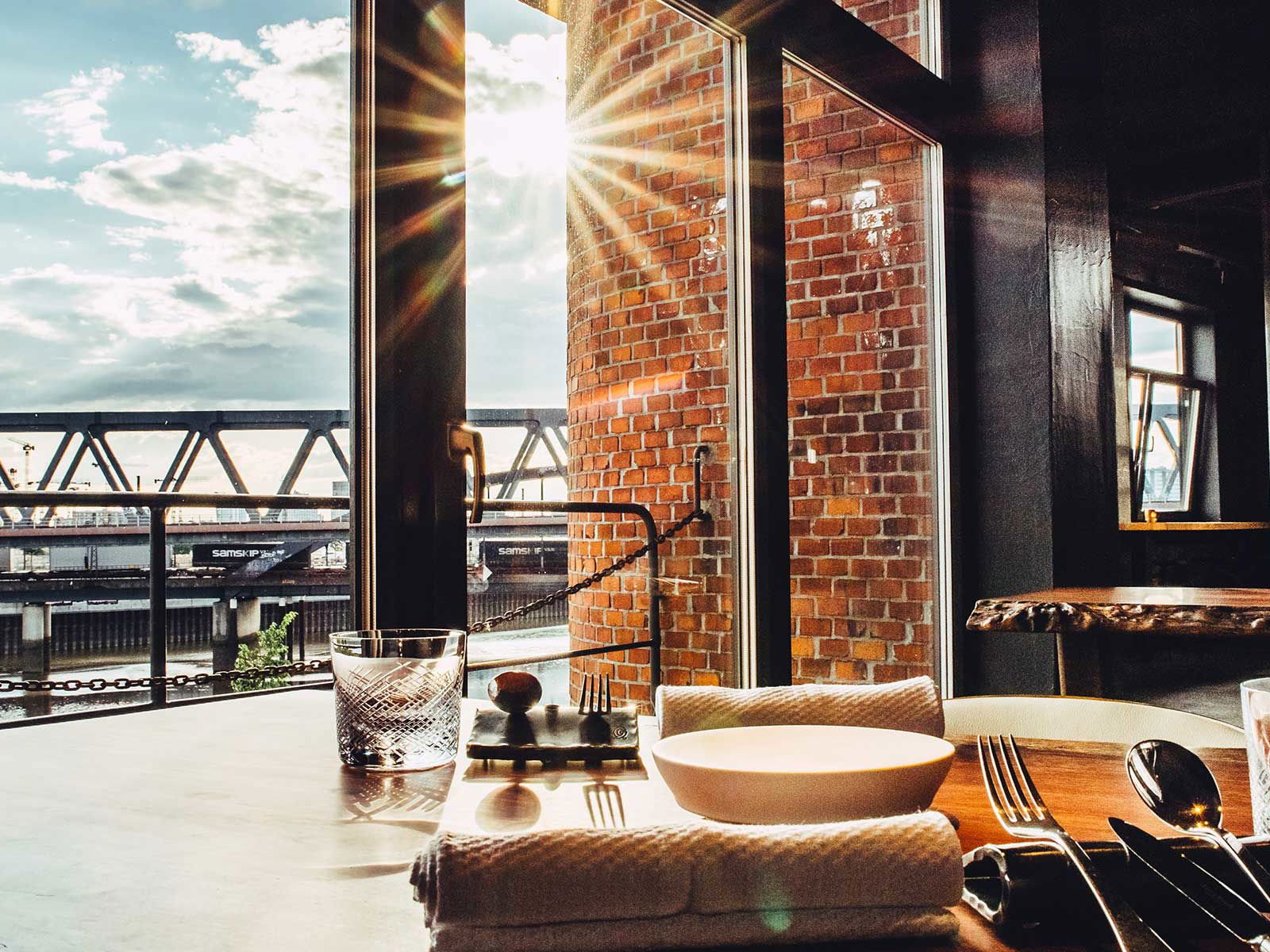
Bars in Grenoble
Browse all →
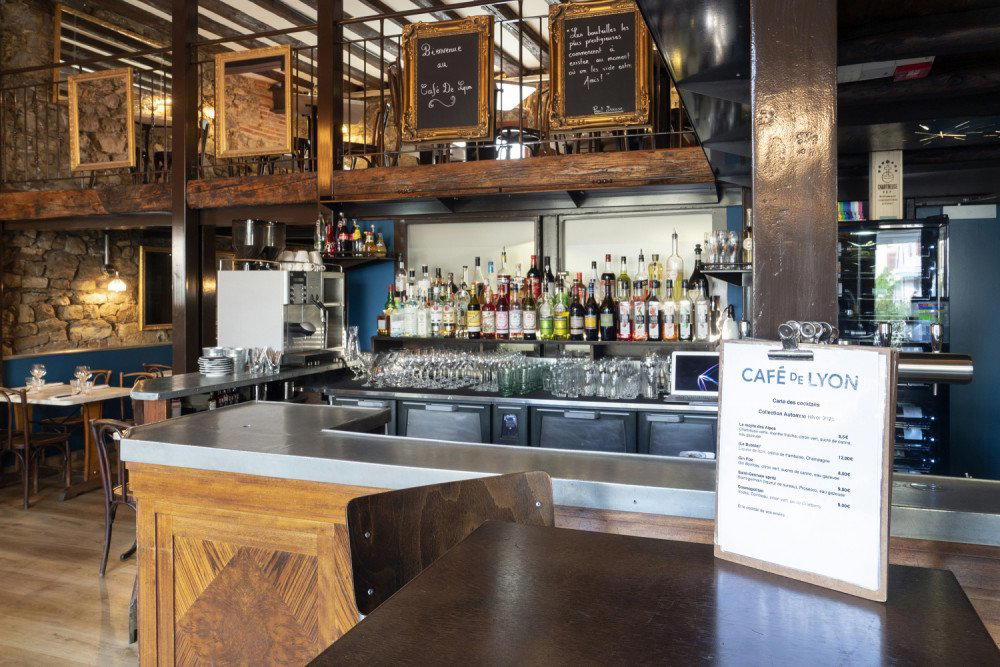
Hotels in Grenoble
Browse all →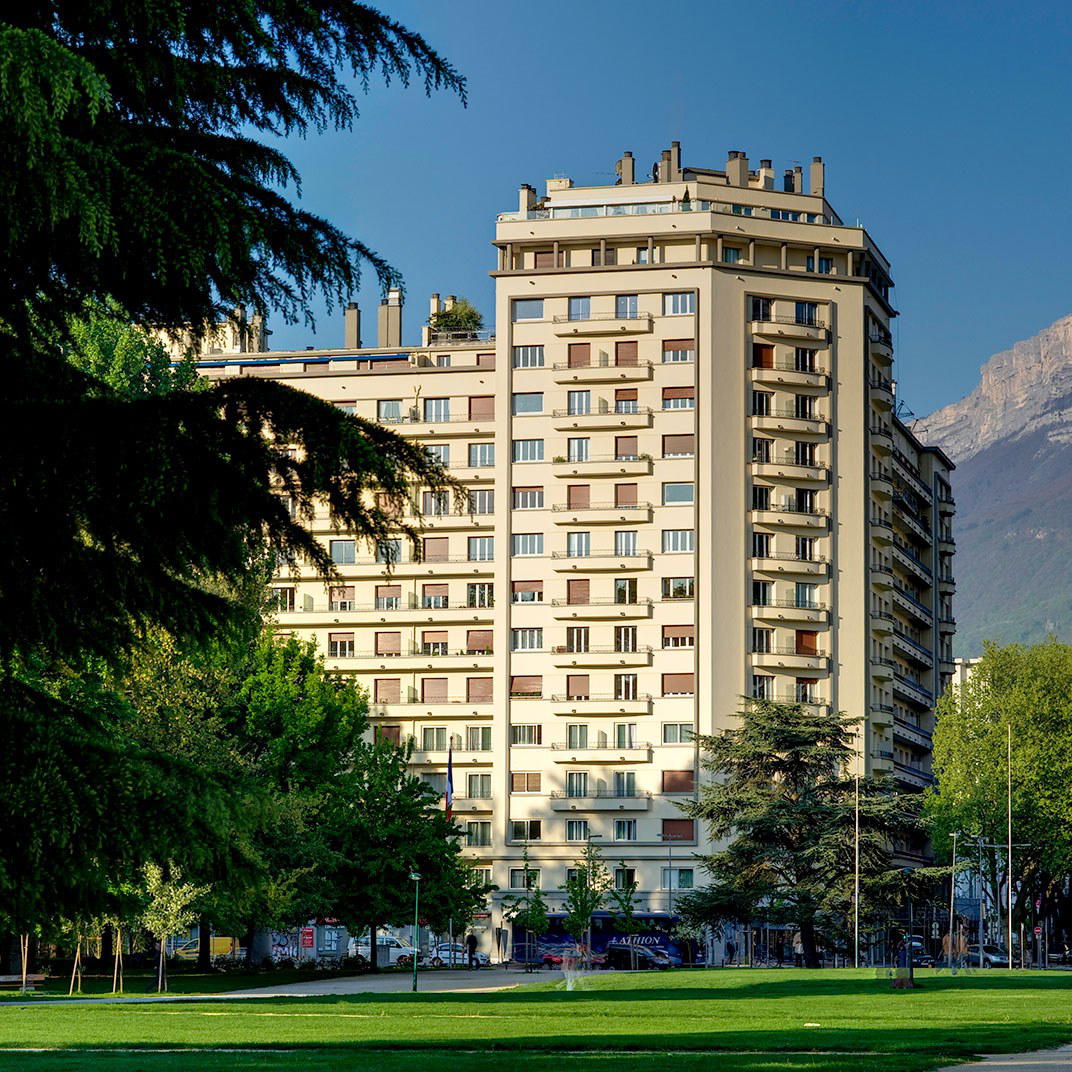
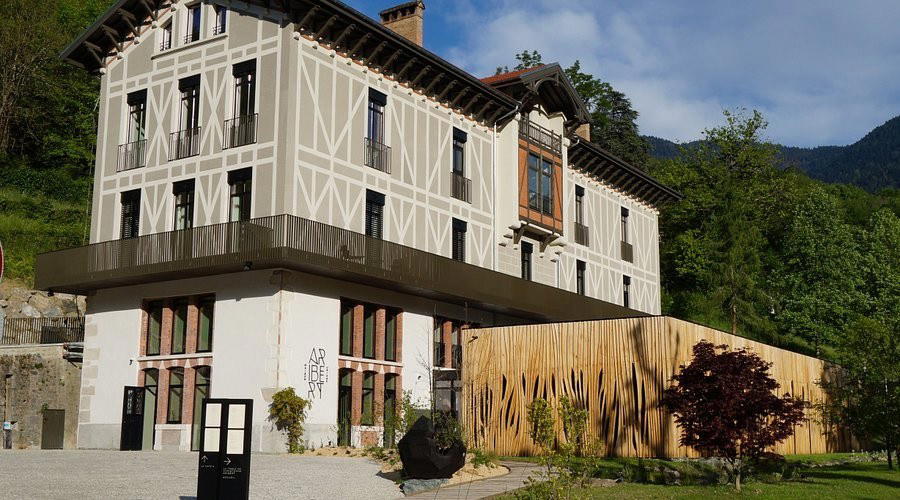
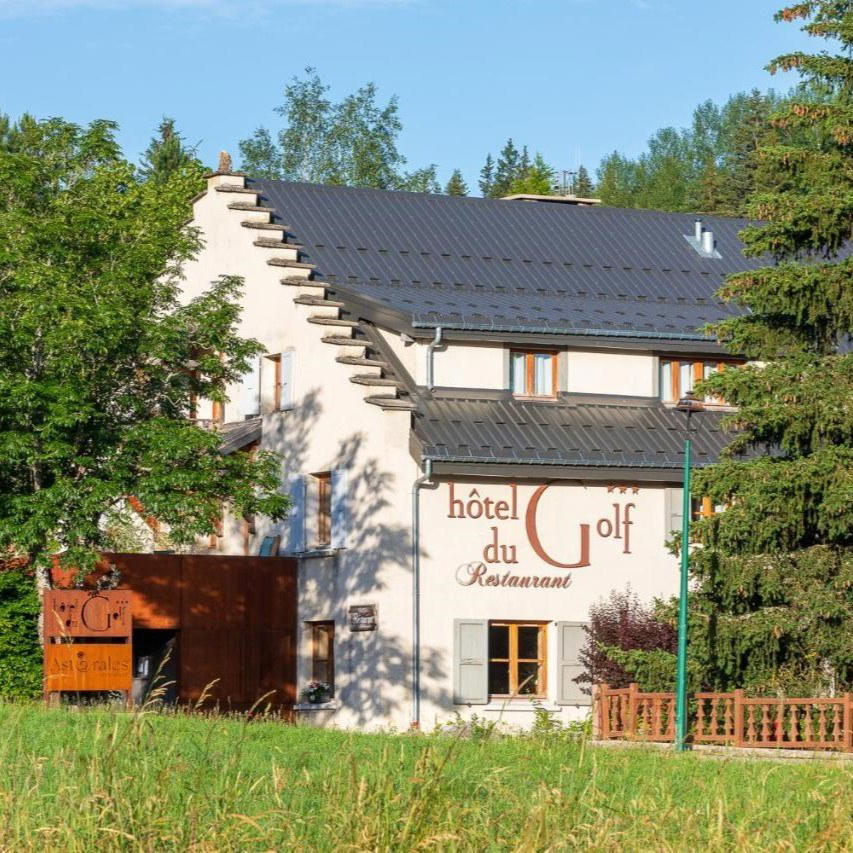

At a Glance
- Cozy
- Intimate
- Classic
- Casual Hangout
- Brunch
- Solo
- Standalone
- Beer Program
- Local Sourcing
Current opening hours
- Monday
- Closed
- Tuesday
- 12–3 PM, 7–11 PM
- Wednesday
- 12–3 PM, 7–11 PM
- Thursday
- 12–3 PM, 7–11 PM
- Friday
- 12–3 PM, 7–11 PM
- Saturday
- 10 AM–11 PM
- Sunday
- 10 AM–4 PM
Hours can change for holidays and private events. Last verified .
Cozy, warm, and welcoming atmosphere in a small downtown location with refined yet unpretentious décor reflecting the family's commitment to authentic Ukrainian hospitality.