Le Beccaria occupies a quiet address on Rue Beccaria in central Grenoble, a city whose dining scene sits at the intersection of Alpine tradition and contemporary French technique.
Pearl is the En Primeur Club membership app — saves, bookings, and concierge access live there. Same editors, same standards.
- Address
- 4 Rue Beccaria, 38000 Grenoble, France
- Phone
- +33656883361
- Website
- lebeccaria.com
- Directions
- Get directions
 Saves & bookings on Pearl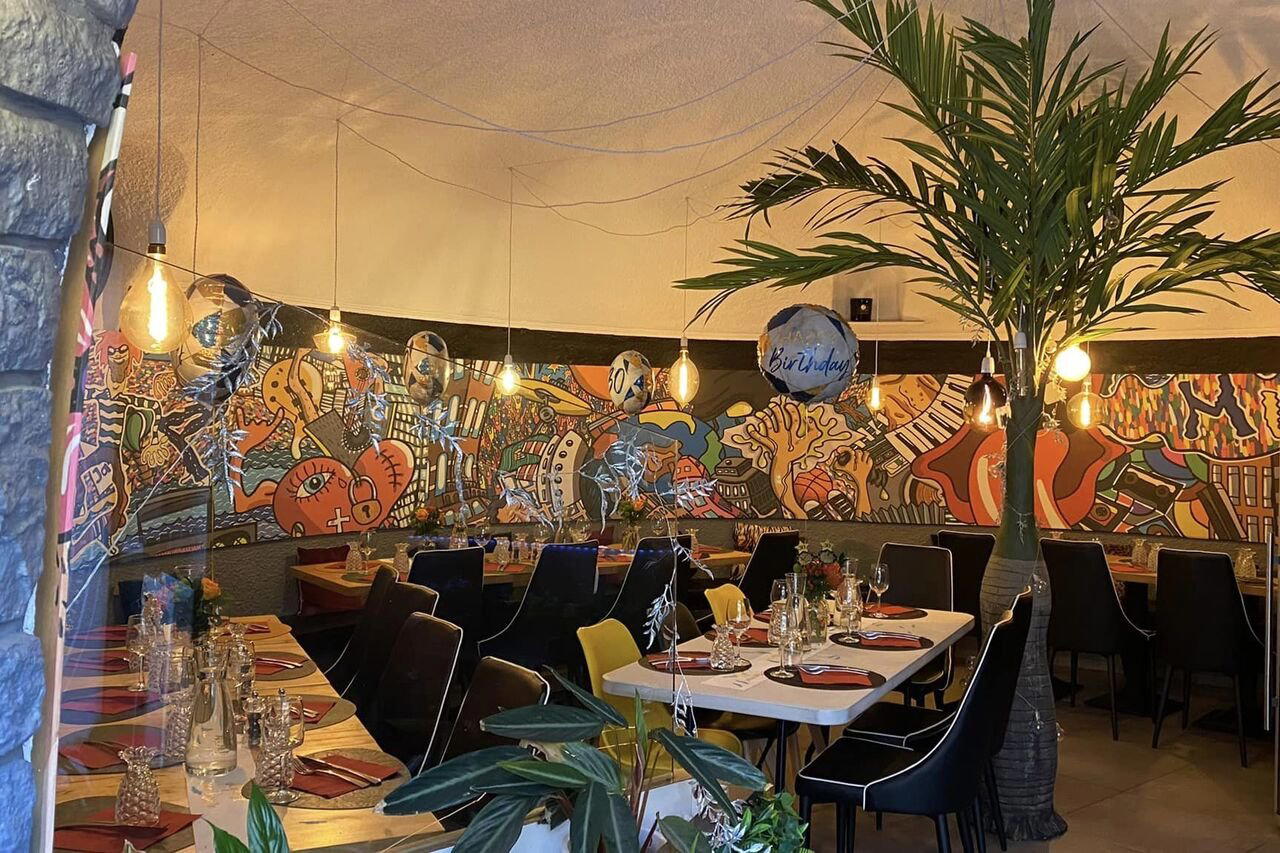
Grenoble's Table Culture and Where Le Beccaria Sits Within It
Grenoble does not market itself the way Lyon does. There are no grand culinary dynasties anchoring the city's reputation in the international food press, no single address that functions as shorthand for the whole scene. What the city has instead is a layered, neighbourhood-scale dining culture shaped by its geography: Alpine produce arriving from the Chartreuse and Vercors massifs to the north and west, Rhône Valley wines feeding the wine lists, and a population of researchers, engineers, and students that generates genuine demand for food that is serious without being ceremonial. It is within this context that an address like Le Beccaria on Rue Beccaria, in the city centre at 38000 Grenoble, makes sense as a subject worth examining.
The street itself sits in the older residential and commercial fabric of central Grenoble, away from the tourist circuits that concentrate around the cable car to the Bastille. Dining rooms in this part of the city tend to draw a local clientele rather than transient visitors, which typically produces a different kind of menu discipline: kitchens cooking for people who will return, who compare notes, and who have strong opinions about whether the dauphinois is done correctly. That accountability to a repeat audience shapes menu architecture in ways that are often more honest than the pressure to impress a one-time guest.
Reading the Menu as a Document
In French provincial dining, a menu's structure often reveals more about a kitchen's priorities than any single dish does. The division between a fixed-price formule and an à la carte selection, the number of courses offered at lunch versus dinner, the presence or absence of a cheese course given its own dedicated section, these are the signals that tell an informed reader whether a kitchen is making decisions from confidence or from hedging. Grenoble's mid-range restaurants, including Brasserie Chavant at the traditional end and Et Si at the more contemporary edge, each use their menu architecture to signal a distinct position in the city's dining hierarchy.
At the summit of that hierarchy sits Le Fantin Latour, helmed by Stéphane Froidevaux, where a creative tasting format at the €€€€ price tier places it in a different competitive set entirely, one that references national peers like Flocons de Sel in Megève rather than other Grenoble addresses. Le Beccaria operates as a French Fusion Bistro at a moderate price point, a format that places it in the serious neighbourhood-restaurant tier, where word of mouth and local loyalty matter more than algorithm-driven visibility.
That positioning, if accurate, places Le Beccaria in a category that French food culture has always respected more than the international food press has: the restaurant that a city's inhabitants consider theirs, not a destination engineered for outsiders. For comparison, Camillo and Au Clair de Lune occupy neighbouring positions in Grenoble's mid-register, each with their own loyal constituencies and distinct menu logic.
The Alpine Pantry and What It Demands of a Kitchen
Any serious Grenoble kitchen works with a pantry that is simultaneously generous and demanding. The Chartreuse produces walnuts, honey, and the herbal liqueur that bears its name. Gratin dauphinois is not a recipe in this region, it is a standard of comparison that regular diners apply with some rigour. Freshwater fish from the Isère, lamb from the surrounding uplands, and a cheese tradition that includes Bleu du Vercors-Sassenage (one of the few Alpine cheeses with AOC protection) give a kitchen significant raw material to work with.
The discipline is in the editing. A kitchen that tries to use all of it at once produces menus that read like a regional tourism brochure. The ones that earn respect tend to select, to commit to a point of view about which of these ingredients deserves to anchor a dish rather than decorate it. That editorial restraint, the choice of what to foreground and what to leave alone, is what separates a coherent menu from a collection of correct-sounding options. It is a challenge that faces every address in this category, from local neighbourhood rooms in Grenoble to the more decorated kitchens of the broader French Alpine and Rhône corridor, including Troisgros in Ouches and Bras in Laguiole, both of which have built identities around a precise relationship with their immediate terroir.
Grenoble in the Broader French Dining Frame
France's most discussed restaurants in the current moment tend to cluster in Paris, with satellite attention paid to the grandes maisons of the provinces: Auberge de l'Ill in Illhaeusern, Paul Bocuse in Collonges-au-Mont-d'Or, Mirazur in Menton. The city-scale conversation about provincial dining rarely extends to Grenoble with the same intensity it gives to Lyon or Bordeaux. That relative quiet is not evidence of absence, it reflects the gap between critical infrastructure and actual cooking quality that characterises several mid-sized French cities. Internationally recognised addresses like AM par Alexandre Mazzia in Marseille, Assiette Champenoise in Reims, and Au Crocodile in Strasbourg each achieved their profiles partly because critics were already paying attention to their cities. Grenoble has largely not had that critical mass of attention directed at it, which means serious tables here operate with less external validation and more reliance on local standing.
For a visitor planning a Grenoble dining itinerary, the practical implication is that the usual shortcut of following award lists is less useful here than it would be in Paris or Lyon. Our full Grenoble restaurants guide maps the city's dining tiers more completely, but the short version is: follow the addresses where the lunch room fills with the same faces week after week, where the patron knows what the table at the window usually orders, and where the menu changes not because a marketing calendar demands it but because the season genuinely dictates it.
Planning a Visit
The restaurant is located at 4 Rue Beccaria, 38000 Grenoble, in the city centre and accessible on foot from the main tram lines that run through the heart of Grenoble. The restaurant is recommended for reservations and follows these hours: Mon and Tue closed; Wed to Fri 6:30 PM to 12 AM; Sat and Sun 12 to 3 PM and 6:30 PM to 12 AM. For context on how this address fits into a broader Grenoble dining programme, Le Fantin Latour handles the high-end creative tier, while Brasserie Chavant covers the traditional end; the restaurant sits at a moderate price point in the middle register that these two poles bracket.
Credentials Lens
Comparable venues nearby, for context on price, style, and recognition.
| Venue | Cuisine | Price | Notes |
|---|---|---|---|
| Le BeccariaThis venue — the venue you are viewing | French Fusion Bistro | $$ | Not listed |
| L'Inattendu | Modern French Seasonal | $$ | near Bastille telepherique |
| Le Bistrot Parisien | Traditional French Bistro | $$$ | Centre-ville |
| Au Clair de Lune | French Bistro with Vegan Options | $$ | hyper-centre |
| Une Semaine sur Deux | French Bistronomic | $$$ | Championnet |
| L'Aiguillage | Healthy Seasonal French | $$ | Berriat |
Continue exploring
More in Grenoble
Restaurants in Grenoble
Browse all →
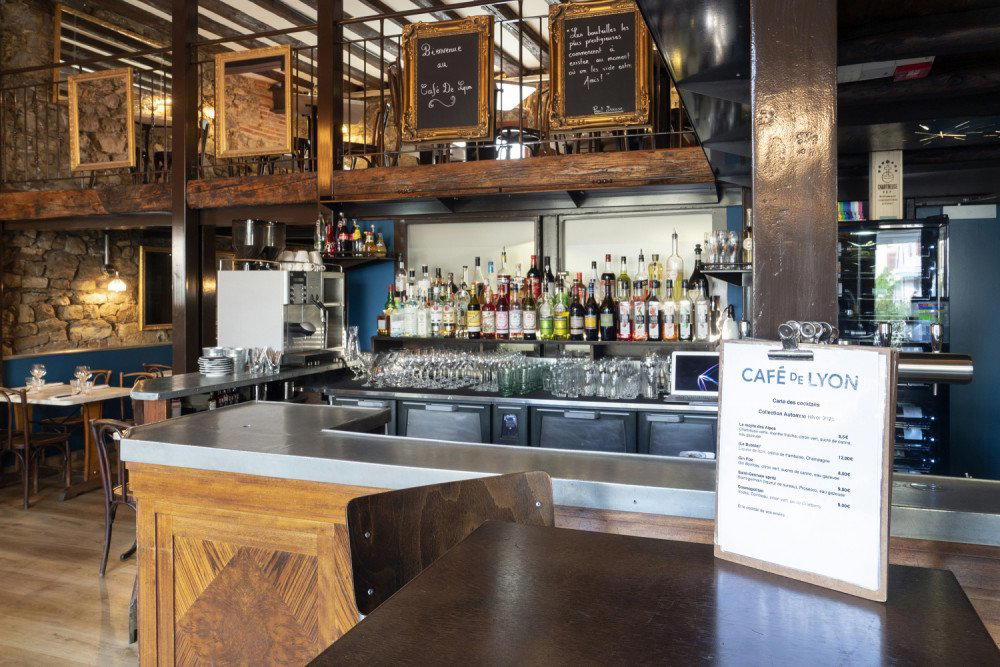
Bars in Grenoble
Browse all →
Hotels in Grenoble
Browse all →

At a Glance
- Cozy
- Intimate
- Elegant
- Date Night
- Special Occasion
- Late Night
- Business Dinner
- Standalone
Current opening hours
- Monday
- Closed
- Tuesday
- Closed
- Wednesday
- 6:30 PM–12 AM
- Thursday
- 6:30 PM–12 AM
- Friday
- 6:30 PM–12 AM
- Saturday
- 12–3 PM, 6:30 PM–12 AM
- Sunday
- 12–3 PM, 6:30 PM–12 AM
Hours can change for holidays and private events. Last verified .
Warm and cozy interior with attentive, hospitable service creating memorable evenings.