On Rue Très Cloîtres in Grenoble's historic quarter, Au Clair de Lune occupies a street that predates modern France by several centuries. The address alone positions it within a particular tradition of neighbourhood dining that the French Alps city does quietly well: local, unfussy, and oriented around what the surrounding region produces rather than what trends dictate from Paris.
Pearl is the En Primeur Club membership app — saves, bookings, and concierge access live there. Same editors, same standards.
- Address
- 54 Rue Très Cloîtres, 38000 Grenoble, France
- Phone
- +33476246117
- Website
- au-clair-de-lune.fr
- Directions
- Get directions
 Saves & bookings on Pearl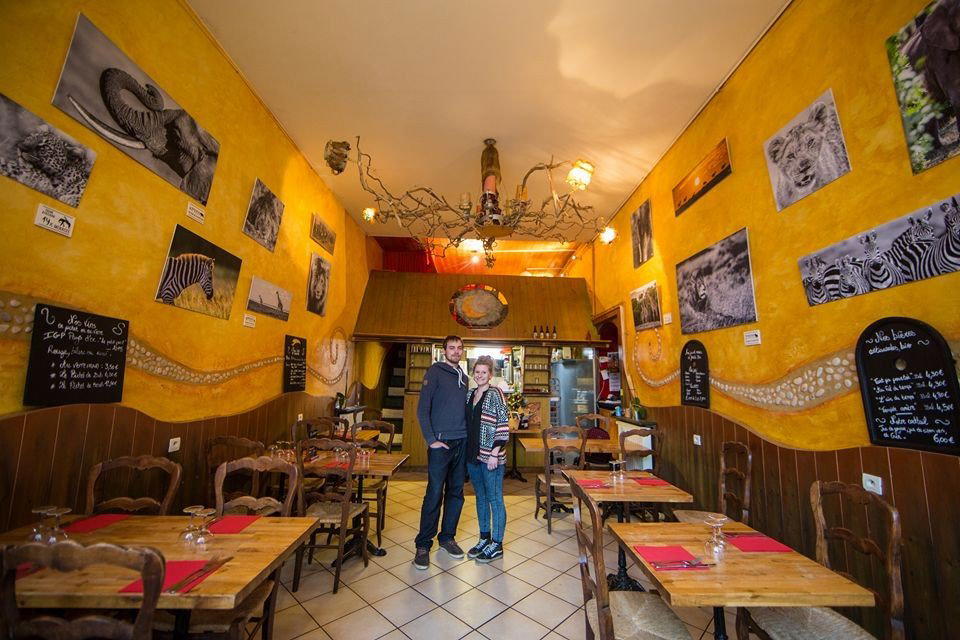
A Street with Memory
Rue Très Cloîtres is one of Grenoble's older arteries, running through the Quartier Saint-Laurent district where the city's medieval and Roman layers still surface in the stonework. Dining on a street like this carries a particular pressure: the setting implies a relationship with local tradition, and kitchens that ignore it tend to feel out of place. The restaurants that work here are the ones that treat provenance as structure rather than decoration. Au Clair de Lune, at number 54, sits in that physical and culinary context.
Grenoble occupies an unusual position in French regional dining. It is not a city that draws the international food press the way Lyon does, and its name does not travel with the same authority as Flocons de Sel in Megève or Mirazur in Menton. Yet the city sits at the junction of three mountain ranges, the Belledonne, the Chartreuse, and the Vercors, and the produce those mountains and their foothills deliver is among the more varied in inland France. That geographic reality shapes what kitchens here can reach for, and the better neighbourhood addresses have always known it.
What the Region Puts on the Table
The ingredient argument for Grenoble is direct and worth making plainly. The Vercors plateau, directly west of the city, produces lamb, dairy, and wild herbs across an area that remains one of the least industrially farmed zones in southeastern France. The Chartreuse range to the north contributes game, mushrooms, and the kind of high-altitude honey that has no industrial equivalent. From the Isère valley itself, walnuts are the signal product: the Grenoble walnut holds a protected designation of origin (AOP), one of only a handful of nuts in Europe to carry that status, and it appears across local cooking in ways that range from obvious to oblique.
For a kitchen on Rue Très Cloîtres, sourcing from this geography is less a marketing choice than a structural one. The supply chains are short, the seasonal rhythms are defined, and diners in this neighbourhood are generally local enough to notice when something arrives from further away than it should. That accountability, informal as it is, shapes what kitchens here tend to cook. It is the same dynamic that operates in other mid-sized French cities with strong regional identities, though Grenoble's particular combination of mountain proximity and university-city energy gives it a distinct register: informed but not precious, serious about ingredients without requiring ceremony around them.
This puts Au Clair de Lune in a cohort of neighbourhood restaurants that are worth understanding on their own terms rather than through the framework of destination dining. The comparison set is not Alléno Paris au Pavillon Ledoyen or Troisgros - Le Bois sans Feuilles. It is closer to the tier occupied by Brasserie Chavant and Camillo in Grenoble itself: restaurants where the quality signal comes from consistency and sourcing rather than from formal recognition.
Where Au Clair de Lune Sits in the Grenoble Scene
Grenoble's restaurant scene has a clear internal hierarchy. At the upper end, Le Fantin Latour - Stéphane Froidevaux operates at the creative fine dining level, with the price point and ambition that implies. Below that, a cluster of addresses run on traditional and modern cuisine formats at more accessible price levels, including Et Si and Gustavo. The neighbourhood dining tier, where Au Clair de Lune operates, reflects how Grenoble actually eats day to day.
French regional cooking at this level tends to succeed or fail on its relationship with local supply. The houses that have lasted, from Paul Bocuse - L'Auberge du Pont de Collonges in its original Lyonnais context to Bras in Laguiole in the Aubrac, have done so by treating their region's ingredients as a discipline rather than a backdrop. At the neighbourhood level, the principle applies just as directly, even if the scale and ambition are different. An address in the old quarter of Grenoble that treats Vercors lamb or Chartreuse mushrooms with the same seriousness a grand maison gives to its sourcing is operating in that same tradition, compressed.
For visitors arriving from elsewhere in France or from abroad, the street address on Rue Très Cloîtres also carries practical information. The Quartier Saint-Laurent is walkable from Grenoble's central squares and sits near the cable car access for the Bastille. The area has enough density of restaurants, bars, and food shops to make an evening in the neighbourhood self-contained, without requiring movement to the newer commercial areas south of the river. Our full Grenoble restaurants guide maps the broader scene across the city's distinct dining pockets.
Ingredient Sourcing as the Real Signal
Across French provincial dining, the gap between kitchens that source locally out of conviction and those that do it as a labelling exercise has become easier to read. The former tends to show in menu structure: dishes that shift with season rather than staying static, preparations that make sense given what the surrounding terrain produces, and an absence of the international luxury ingredients that suggest a kitchen is signalling ambition rather than expressing place. The latter shows in the inverse: AOP language on the menu but produce that arrives pre-processed from distant suppliers.
This distinction matters more in a city like Grenoble than in Paris, where the density of supply and the diversity of sourcing make the question more diffuse. In an Alpine city with this level of immediate agricultural access, a kitchen that takes sourcing seriously has a genuine competitive advantage in ingredient quality. The question for any given address is whether it uses that advantage.
Restaurants elsewhere in France that have built durable reputations on this principle include Auberge de l'Ill in Illhaeusern, Les Prés d'Eugénie - Michel Guérard, and Georges Blanc in Vonnas, all of which built their identities around a specific regional larder over decades. At a different scale and without formal recognition, neighbourhood addresses in ingredient-rich regions operate under the same logic: cook what the land around you produces, cook it with care, and give the diner a reason to come back in a different season. For kitchens on streets like Rue Très Cloîtres, that is both the simplest possible brief and the hardest one to sustain.
For readers tracking broader French restaurant culture across both the domestic scene and comparable international contexts, La Table du Castellet in Provence and addresses like Le Bernardin in New York City and Lazy Bear in San Francisco represent different points on the same spectrum of conviction-led sourcing, translated into different market contexts.
Planning a Visit
The restaurant is at 54 Rue Très Cloîtres in Grenoble's 38000 postal district. The restaurant is open Tuesday from 12 to 3 PM, Wednesday from 12 to 10 PM, Thursday through Saturday from 12 to 3 PM and 7:30 to 11 PM. The address is in the old town area, accessible on foot from the central tram stops serving Place Victor Hugo and Place Grenette. Reservations are recommended, particularly on weekend evenings.
A Quick Peer Check
Comparable venues nearby, for context on price, style, and recognition.
| Venue | Cuisine | Price | Notes |
|---|---|---|---|
| Au Clair de LuneThis venue — the venue you are viewing | French Bistro with Vegan Options | $$ | Not listed |
| L'Inattendu | Modern French Seasonal | $$ | near Bastille telepherique |
| Le Bistrot Parisien | Traditional French Bistro | $$$ | Centre-ville |
| Le Zinc | French Natural Wine Bar | $$ | Hyper-centre |
| À Ma Façon | Modern French Seasonal Bistro | $$$ | Hyper-Centre |
| Restaurant La Petite Grenobloise | French Bistro with Local Organic Specialties | $$ | Quai Xavier Jouvin |
Continue exploring
More in Grenoble
Restaurants in Grenoble
Browse all →
Bars in Grenoble
Browse all →
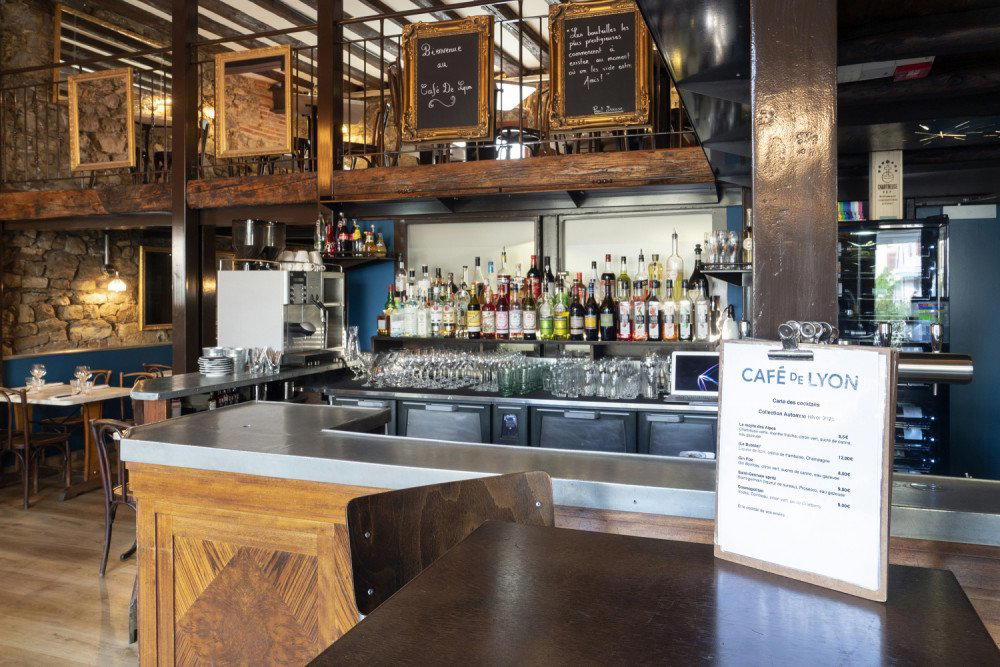
Hotels in Grenoble
Browse all →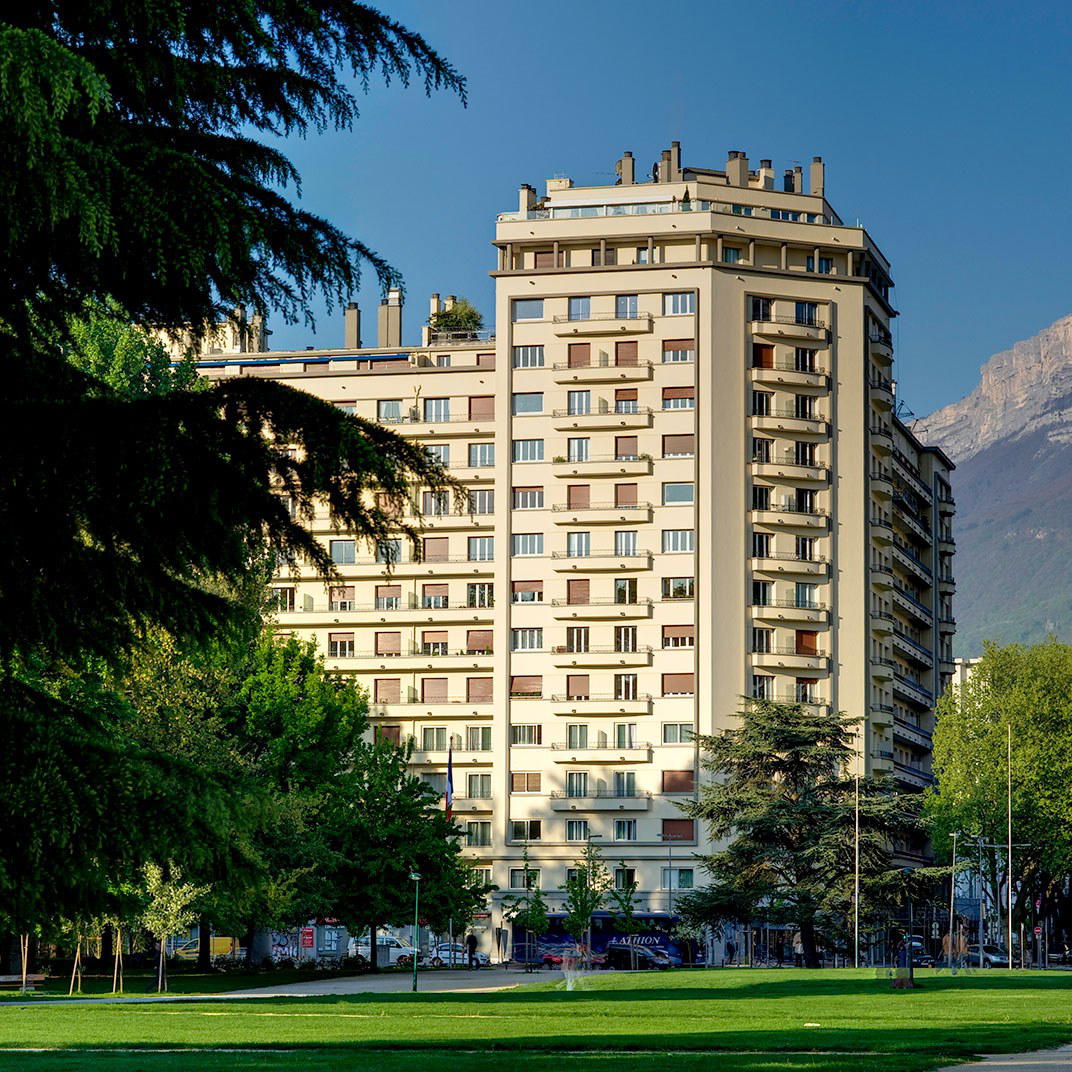
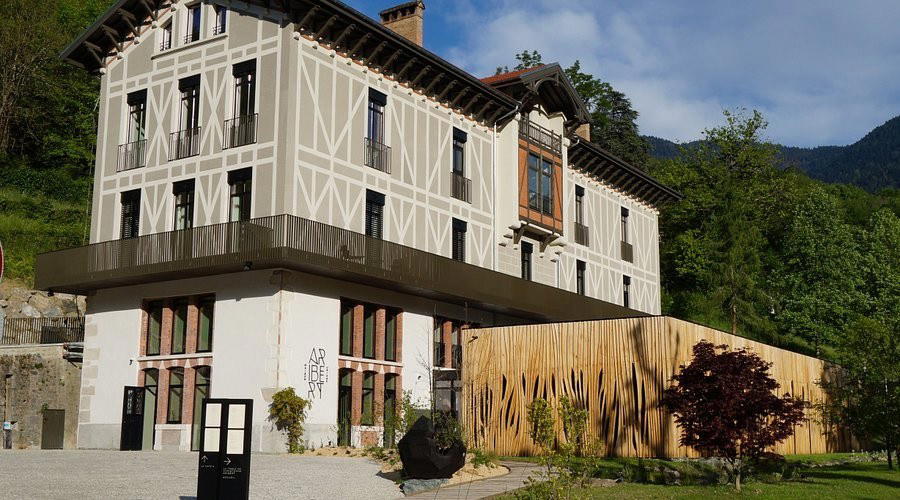
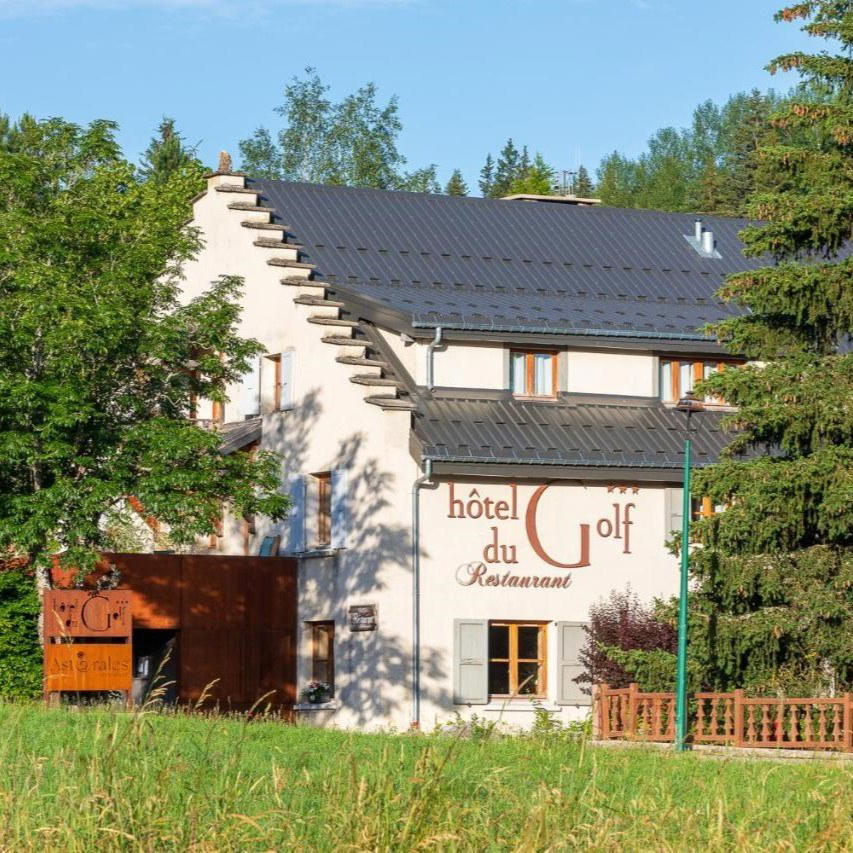

At a Glance
- Cozy
- Intimate
- Elegant
- Date Night
- Family
- Casual Hangout
- Terrace
- Open Kitchen
- Local Sourcing
- Organic
Current opening hours
- Monday
- Closed
- Tuesday
- 12–3 PM
- Wednesday
- 12–10 PM
- Thursday
- 12–3 PM, 7:30–11 PM
- Friday
- 12–3 PM, 7:30–11 PM
- Saturday
- 12–3 PM, 7:30–11 PM
- Sunday
- Closed
Hours can change for holidays and private events. Last verified .
Cozy familial atmosphere with open kitchen, charming decor, and welcoming service in a small intimate space.