Nuga Sushi and Noodles
Sushi and noodles in Svalbard occupy an almost paradoxical position: Japanese culinary precision transported to among the more remote archipelagos on earth, where the dining scene is defined less by competition than by sheer scarcity of options. Nuga Sushi and Noodles represents the kind of specialist import that a small polar settlement can support, sitting apart from the Nordic-focused kitchens that otherwise dominate Longyearbyen's short restaurant list.
Pearl is the En Primeur Club membership app — saves, bookings, and concierge access live there. Same editors, same standards.
- Address
- HOTEL 9170, THE VAULT SJ, Longyearbyen 9170, Svalbard & Jan Mayen
- Phone
- +47 91 35 81 39
- Website
- nugasushi.com
- Directions
- Get directions
 Saves & bookings on Pearl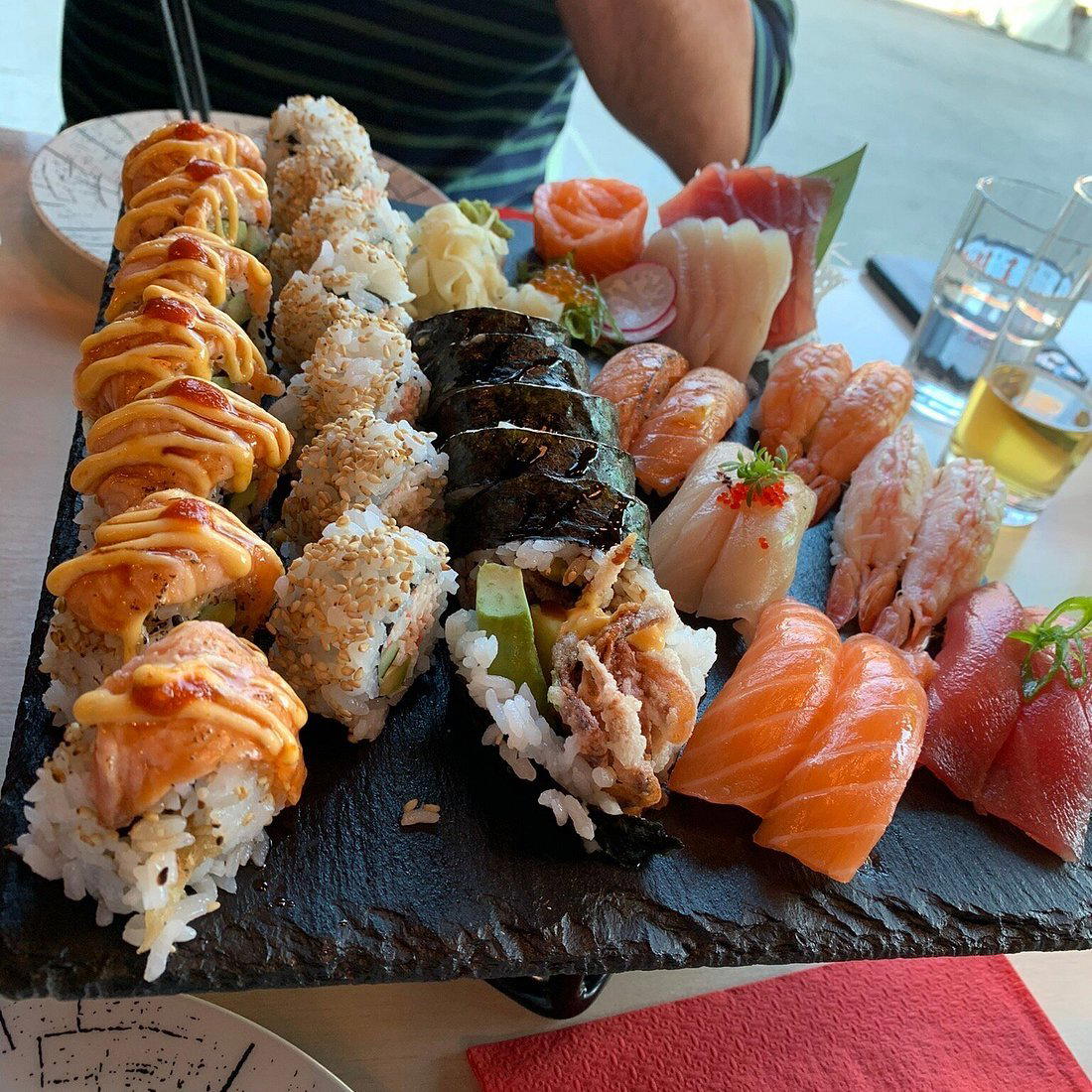
Japanese Cuisine at the Edge of the Map
Longyearbyen is not a city that builds restaurant scenes through abundance. The main settlement of Svalbard operates with a permanent population of roughly 2,500 people, a number that swells with researchers and expedition tourists but never reaches the critical mass that sustains dining diversity in lower latitudes. Against that context, a sushi and noodle operation represents a specific kind of institutional bet: that visitors arriving after long-haul journeys through Tromsø or Oslo will want something other than reindeer stew or Arctic char on at least one of their evenings. The bet has historical precedent. Mining communities in isolated locations have always imported food cultures alongside imported workers, and Svalbard's demographic history, Norwegian, Russian, and various international research presences, creates a resident appetite for culinary range that the town's dozen-odd restaurants are working to supply.
Japanese food, specifically, travels well to polar contexts in ways that other complex cuisines often do not. The core techniques, precise knife work, temperature discipline, clean broth construction, depend on method and sourcing logic rather than proximity to any single agricultural region. Sushi culture has spread to cities far from Japan's coastline by adapting its sourcing while preserving its structural grammar: the ratio of rice to fish, the temperature of the serving vessel, the sequencing of a meal. Nuga Sushi and Noodles operates within that grammar in a place where sourcing constraints shape every menu choice, and Japanese restaurants in extreme-geography settings often adapt to available Arctic ingredients. Venues in comparable remote markets, from northern Scandinavia to Andean gateway towns, typically build hybrid menus that reflect both the imported technique and the local supply chain.
The Svalbard Dining Context
To understand where Nuga Sushi and Noodles sits in Longyearbyen, it helps to map the town's dining scene. The town's dining options cluster into a few recognizable types. At one end, Gruvelageret represents the atmospheric, history-forward approach: a former coal storage building repurposed into a dining space that treats Svalbard's mining heritage as both decor and culinary identity. At the other, Vinterhagen Restaurant in Longyearbyen occupies a more contemporary Nordic register. Between these anchors, a handful of mid-range and casual operators handle the volume that expedition tourism and the research community generate year-round. Nuga Sushi and Noodles occupies the specialist import tier within that ecosystem: a restaurant whose value proposition is not place-specific atmosphere but culinary category, offering something the rest of the town's kitchens do not.
That positioning has advantages in a market with limited options. In cities with deep Japanese dining scenes, a sushi counter competes against dozens of peers across multiple price points and quality tiers, from the allocation-controlled omakase operations that Atomix in New York City represents at the high end, through to neighbourhood casual. Longyearbyen offers no such competition. A visitor seeking sushi or ramen in Svalbard is not choosing between options; they are choosing between Nuga and the rest of the town's Nordic-dominated card. That structural advantage does not guarantee quality, but it does explain consistent demand in a town where most restaurants operate with limited and predictable customer bases.
What Arctic Supply Chains Mean for a Kitchen Like This
Food logistics to Svalbard run through a small number of supply channels, primarily air freight and periodic shipping from mainland Norway. That constraint shapes every kitchen on the archipelago, regardless of cuisine type. For a Japanese-style operation, it means that the freshest local proteins are Arctic rather than Pacific: the waters around Svalbard support cod, shrimp, and other cold-water species that translate reasonably well into raw preparations, even if they differ from the fish that define Tokyo's Tsukiji sourcing logic. Some of the northern hemisphere's strongest examples of adapted Japanese cuisine have been built precisely on this kind of non-traditional sourcing: Scandinavian chefs trained in Japanese technique have spent the past decade demonstrating that the method applies to local catch, producing results that read as neither fully Japanese nor fully Nordic but as something with its own internal coherence.
The noodle side of a sushi-and-noodle format faces different supply dynamics. Broth-based noodle dishes are less dependent on pristine raw ingredients than raw fish preparations, which makes them a sensible complement in a market where cold-chain reliability is variable. Ramen, soba, and udon each carry significant cultural weight in Japan, ramen in particular has developed into a globally studied craft, with regional broths (tonkotsu, shoyu, miso) debated with the seriousness that wine regions command in European dining culture. How a kitchen in Longyearbyen interprets that tradition, under the specific pressures of Arctic supply, is the more interesting editorial question. For context on what elite seafood technique looks like at the other end of the ambition spectrum, Le Bernardin in New York City demonstrates what sustained sourcing discipline and precision produce over decades; the comparison is not about equivalence but about what technical standards exist elsewhere in the broader conversation about seafood-forward cooking.
Arriving and Planning Your Visit
Svalbard is accessible primarily through Longyearbyen Airport (LYR), with regular flights from Tromsø and Oslo on SAS and Norwegian. The island operates without standard Schengen border controls, meaning most nationalities can arrive without a visa, though Norwegian law governs the archipelago. Accommodation in Longyearbyen is concentrated in a small central area, and most restaurants are walkable from the main hotel cluster. Given the scale of the town, most dining venues operate without formal dress codes, and the social register tilts toward expedition practicality rather than fine dining formality.
The polar night (November through January) and midnight sun (April through August) seasons create materially different visitor profiles. Midnight sun draws more independent travellers and hikers; polar night attracts aurora chasers and those drawn to the psychological weight of extended darkness. Both groups eat, and Longyearbyen's restaurants have adapted to serve year-round, though specific seasonal closures and reduced hours in off-peak periods are worth confirming. Operations like Lazy Bear in San Francisco and Atelier Crenn in San Francisco show how tightly defined formats can sustain themselves through deliberate programming choices rather than volume. Nuga operates in a different register, but the underlying principle, building a format that fits its specific market, applies equally at 78 degrees north.
Booking and Cost Snapshot
Comparable venues nearby, for context on price, style, and recognition.
| Venue | Cuisine | Price | Notes |
|---|---|---|---|
| Nuga Sushi and NoodlesThis venue — the venue you are viewing | Longyearbyen, Japanese Sushi and Noodles | $$ | Not listed |
| Gruvelageret | Sverdrupbyen, Arctic Fine Dining | $$$ | Not listed |
| Vinterhagen Restaurant | Longyearbyen, Arctic Nordic Fine Dining | $$$ | Not listed |
| Restaurant Polfareren | Not listed | $$$ | Longyearbyen, Nordic Fine Dining with Japanese Influences |
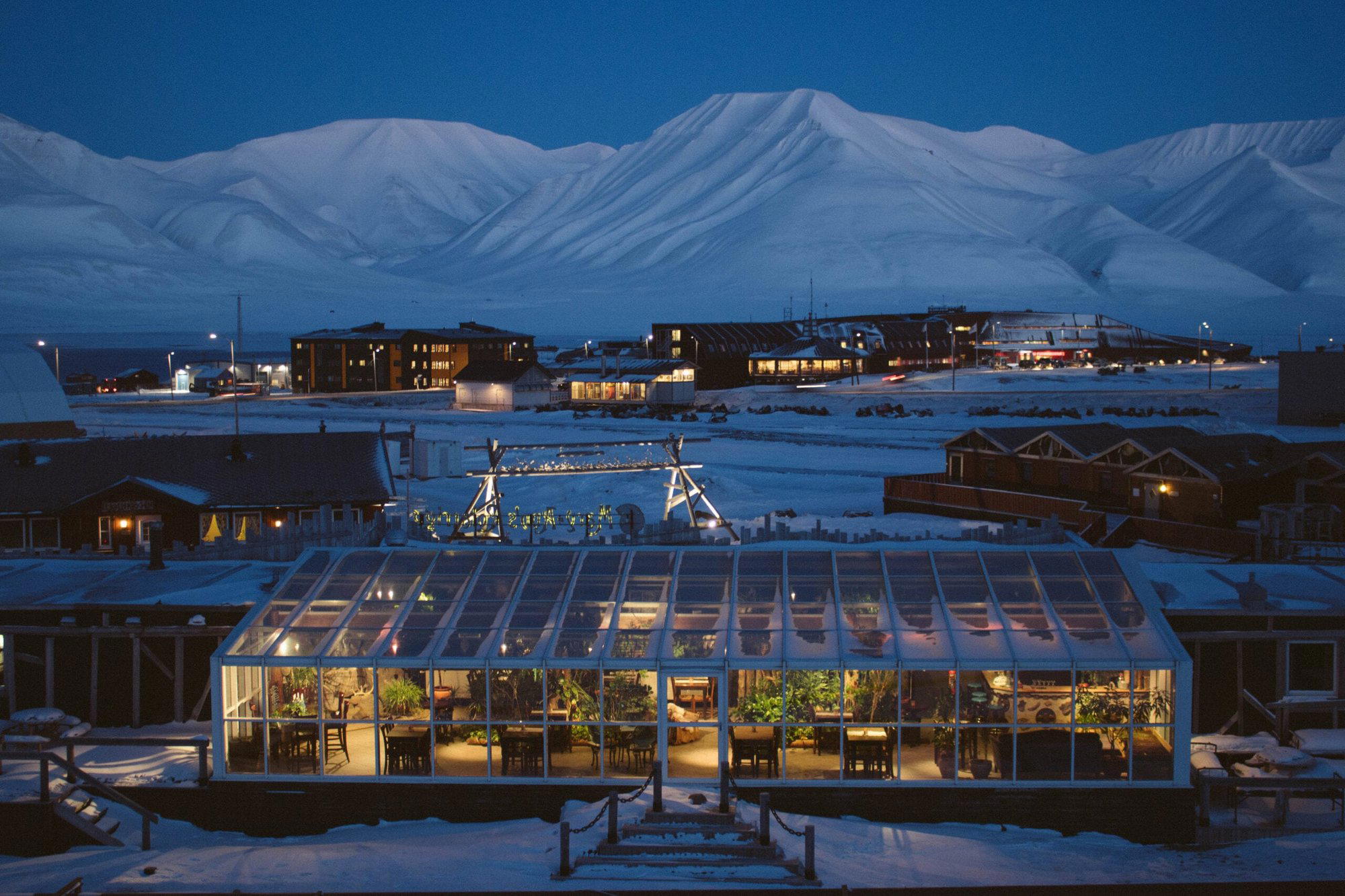
| Mary-Anns polarrigg | Longyearbyen, Arctic Norwegian Fusion | $$$ | Not listed |
| Coal Miner's Bar & Grill | Nybyen, Arctic Grill & Comfort Food | $$ | Not listed |
Continue exploring
More in Svalbard
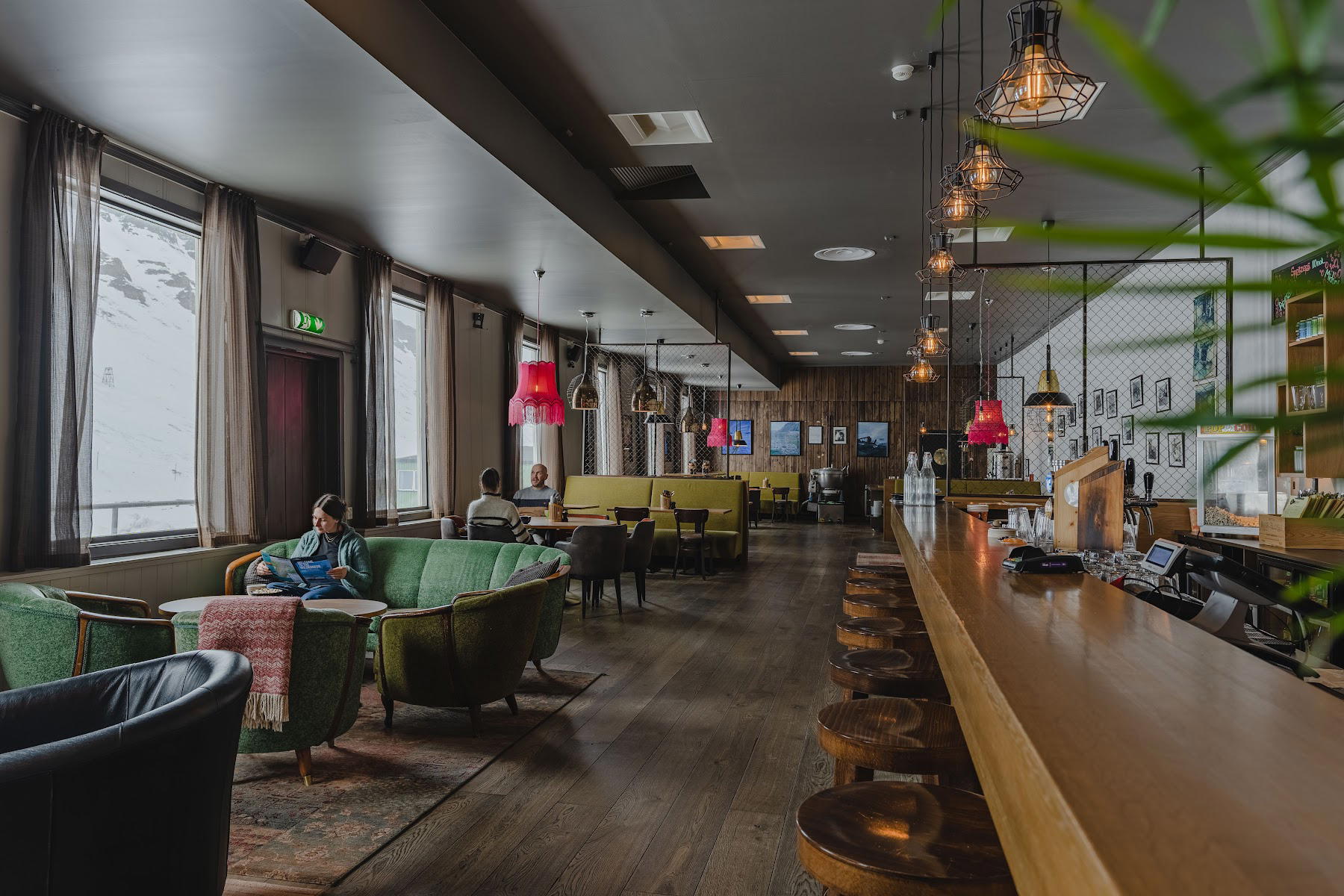
Restaurants in Svalbard
Browse all →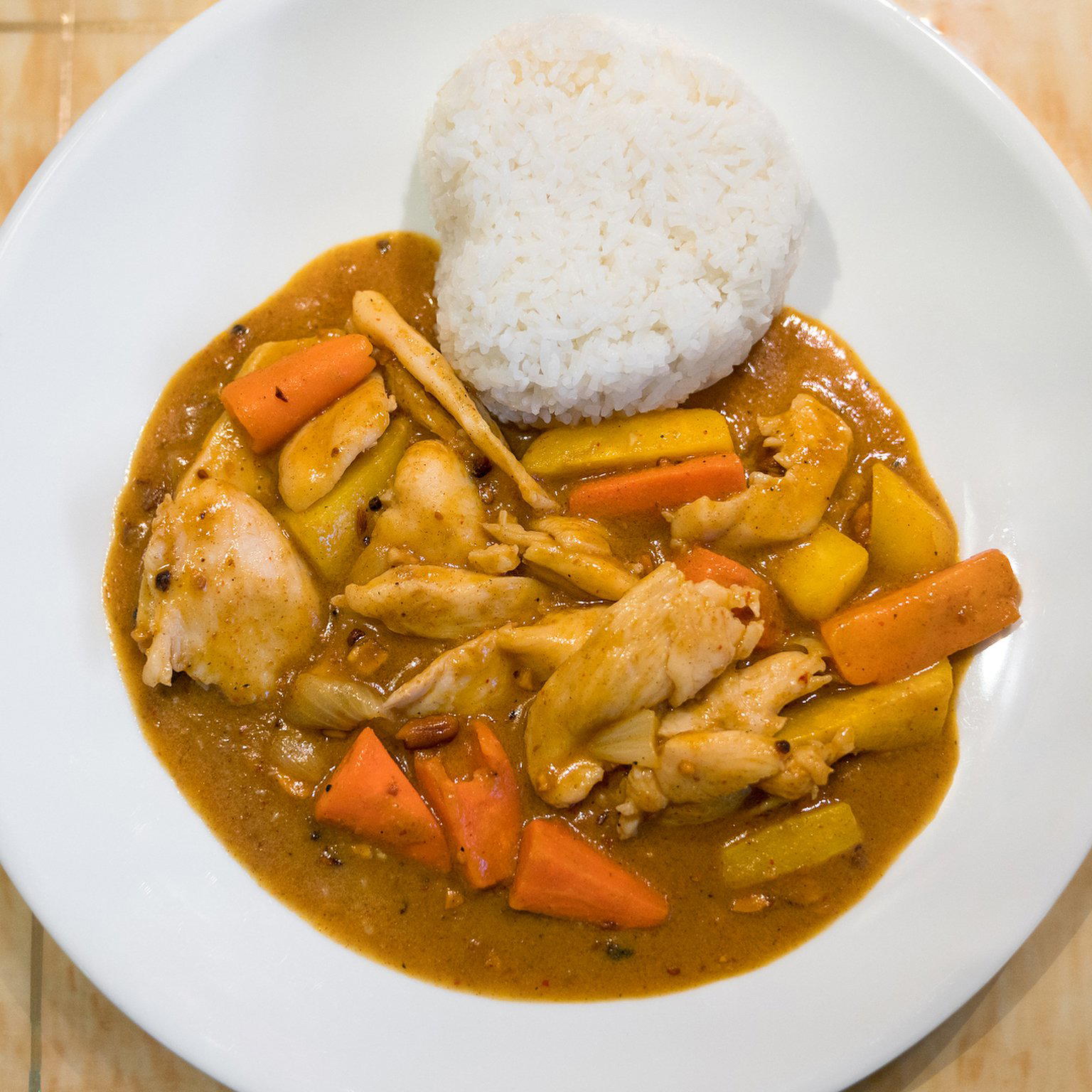
Bars in Svalbard
Browse all →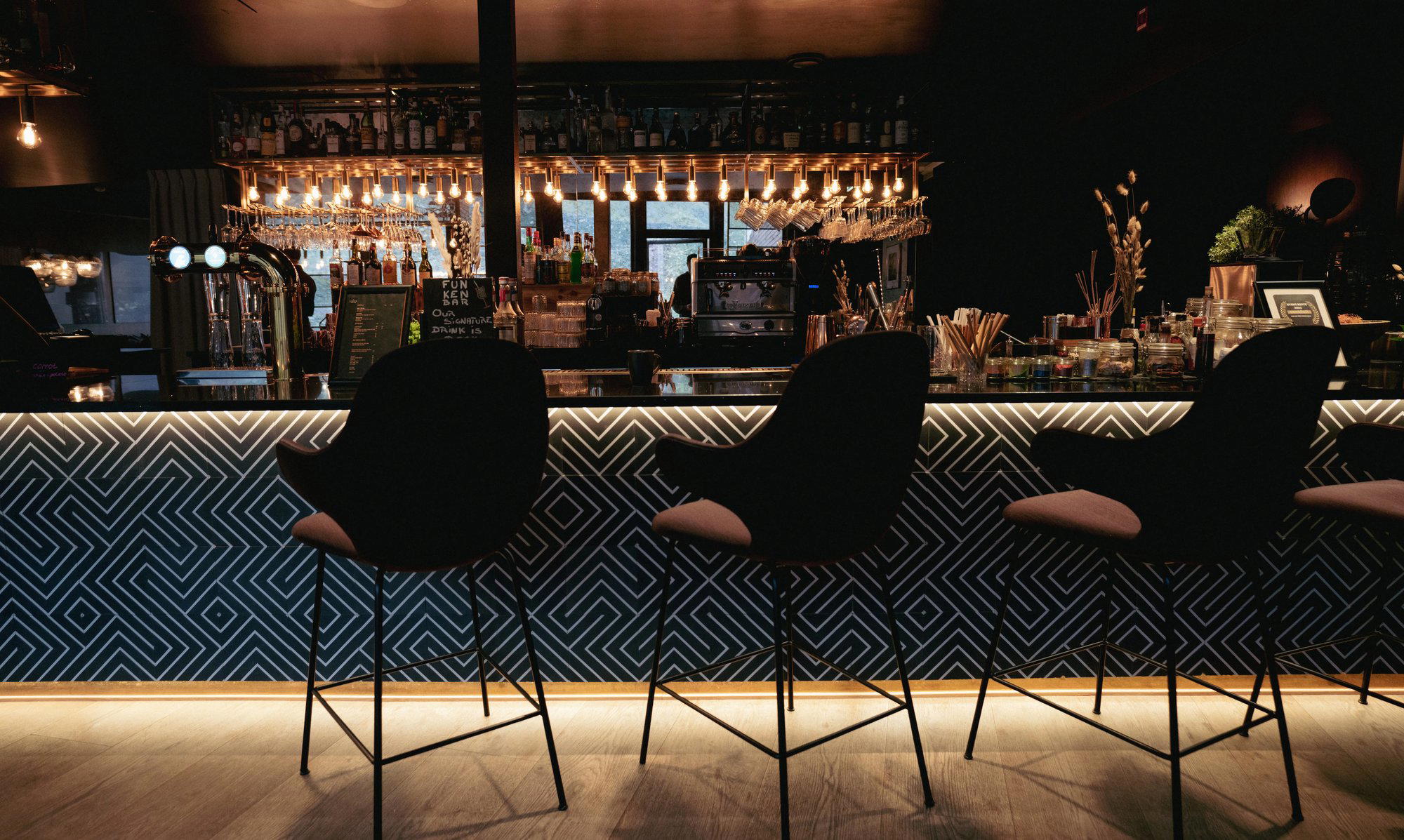
Hotels in Svalbard
Browse all →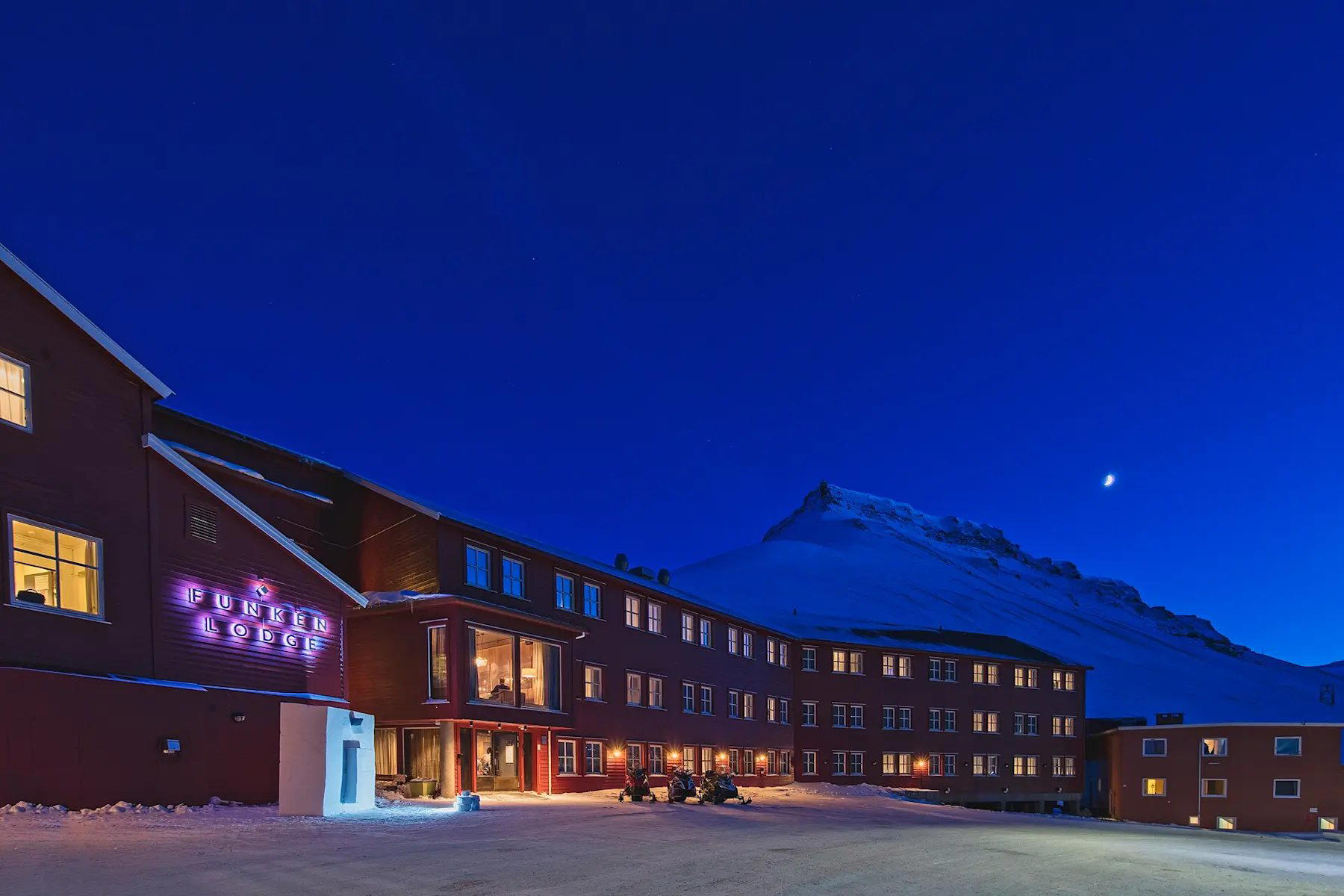
At a Glance
- Cozy
- Modern
- Date Night
- Casual Hangout
- Hotel Restaurant
- Sake Program
Current opening hours
- Monday
- 4–10 PM
- Tuesday
- 4–10 PM
- Wednesday
- 4–10 PM
- Thursday
- 4–10 PM
- Friday
- 4–10 PM
- Saturday
- 4–10 PM
- Sunday
- 4–10 PM
Hours can change for holidays and private events. Last verified .
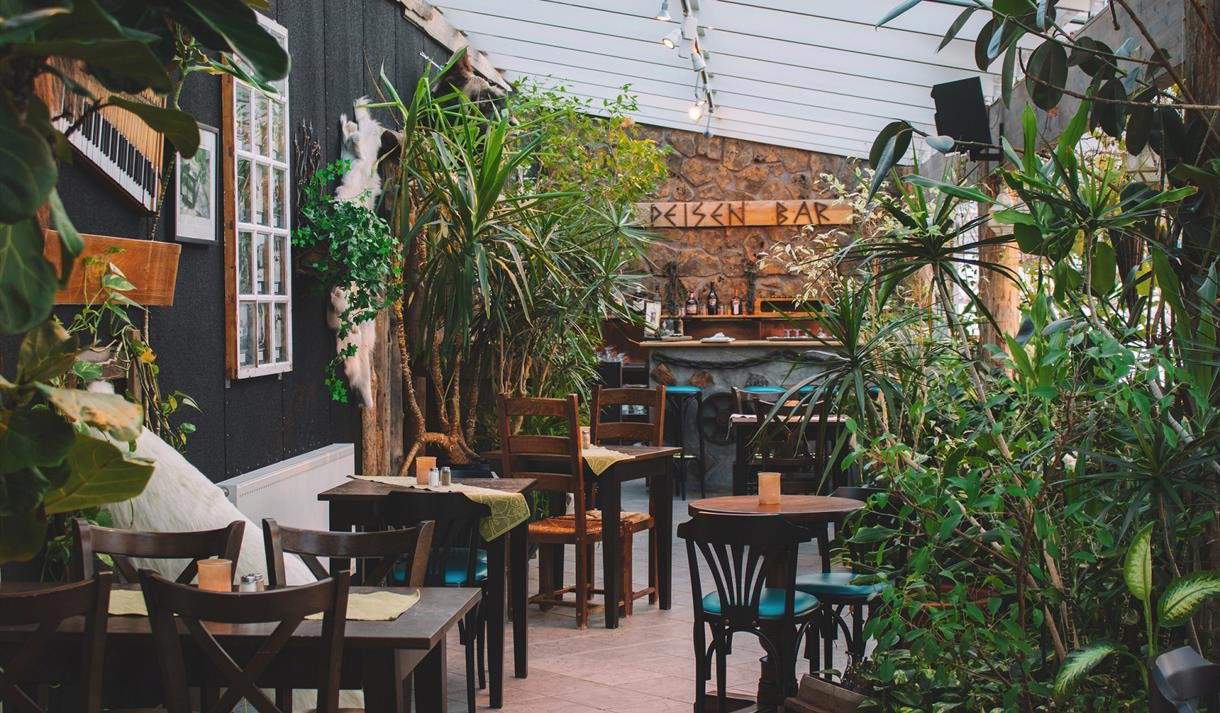
Small cozy dining room with simple, relaxed atmosphere and efficient table service.