Mary-Anns polarrigg
Our verdict
Mary-Anns Polarrigg sits in Longyearbyen, Svalbard, one of the northernmost dining addresses on Earth. The venue draws travellers who have made the journey to 78 degrees north seeking food that reflects the Arctic's severity and character. It occupies a scene defined by extreme seasonality, expedition culture, and a small but serious local restaurant community.

Pearl is the En Primeur Club membership app, where members save venues, book tables and use the concierge.
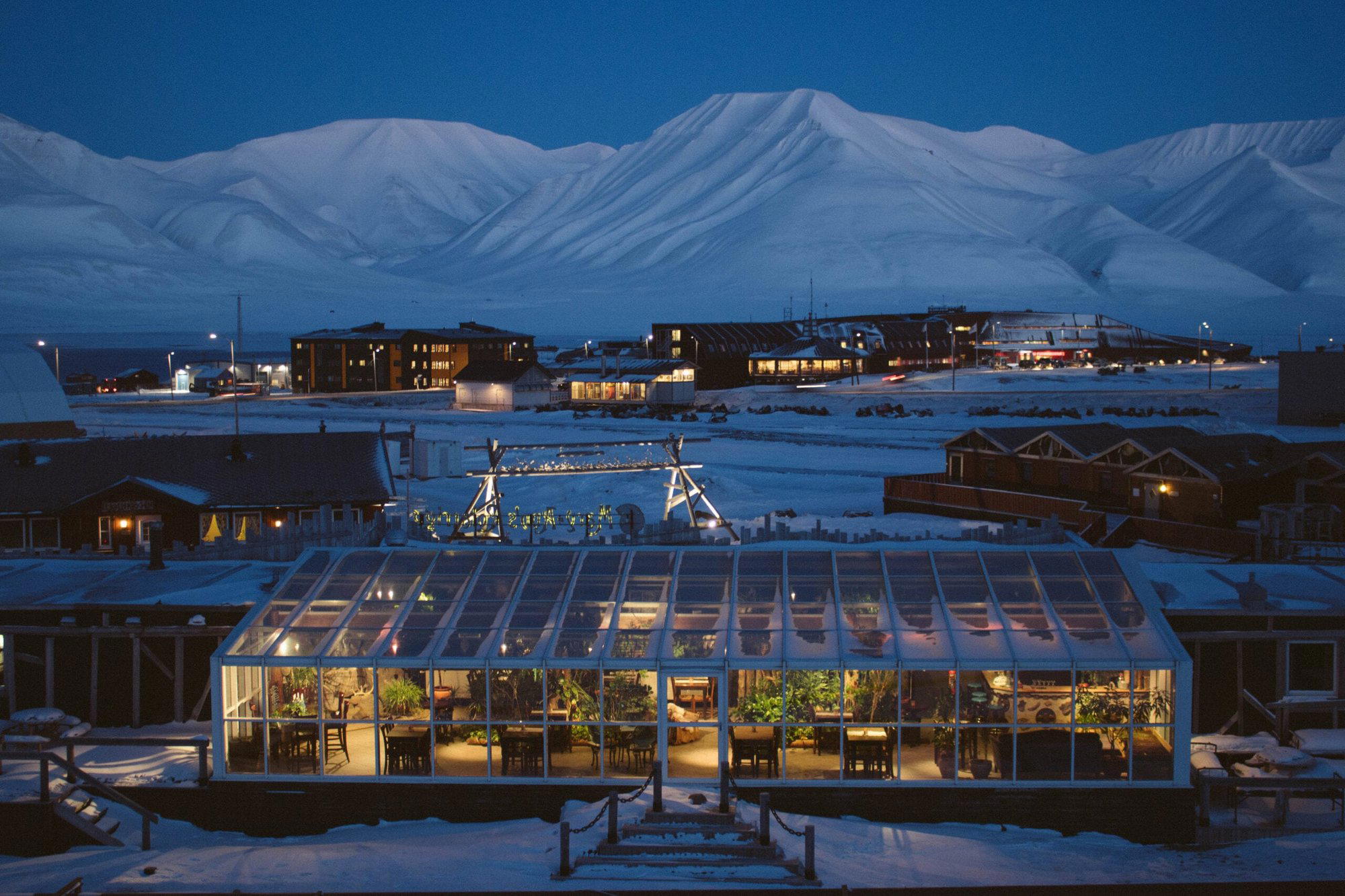
Eating at the Edge of the Map
Longyearbyen does not ease you in gently. The light is wrong for months at a time, the temperature erases any temptation to linger outdoors without purpose, and the town's 2,400 or so permanent residents share the archipelago with more polar bears than people. Dining here is not a backdrop activity. It is part of how visitors process where they are. Mary-Anns Polarrigg sits inside that context, a name that surfaces repeatedly when travellers begin asking where to eat after arriving on one of the few daily flights into Svalbard Airport Longyearbyen.
The restaurant scene in Longyearbyen is small by any measure but has developed a seriousness that would have seemed unlikely two decades ago, when the town functioned almost entirely as a logistical hub for scientific research and mining. That shift reflects broader changes in Arctic tourism: expedition cruises, snowmobile safaris, and Northern Lights travel have brought visitors with expectations shaped by urban dining in Oslo, Stockholm, and Copenhagen, and Longyearbyen's kitchens have responded. Mary-Anns Polarrigg is part of that response, alongside venues such as Huset Restaurant, Vinterhagen Restaurant, and Funktionærmessen, each of which has carved a distinct position in what is, by global standards, an extraordinarily constrained supply environment.
Arctic Cuisine as a Cultural Argument
To understand what a place like Mary-Anns Polarrigg represents, it helps to understand what Arctic cuisine actually is, and what it is not. It is not simply cold-weather comfort food. The culinary traditions of the High Arctic are shaped by scarcity, preservation, and the rhythms of hunting and trapping that defined Svalbard's human presence long before tourism arrived. Reindeer, Arctic char, whale, and seabird feature in the food culture of Svalbard not because they are fashionable but because they are what the land and sea have historically provided. When that tradition is handled with care in a restaurant context, it produces food that carries genuine cultural weight rather than novelty.
That is the standard against which dining in Longyearbyen is most usefully judged. The question is not whether a dish is technically refined in the way a kitchen at Le Bernardin in New York City or Alain Ducasse at Louis XV in Monte Carlo might be, but whether it is honest about where it comes from and what that place demands. Arctic dining at its most coherent treats the severity of the environment as an ingredient rather than an obstacle. Mary-Anns Polarrigg operates within that frame, drawing from the cultural roots of Svalbard's settler and expedition history to inform what it puts on the table.
Longyearbyen's Dining Tier and Where This Venue Sits
Longyearbyen's restaurant community divides loosely into two groups. The first is oriented toward the expedition-and-tourism trade, offering hearty, accessible food to people who have just returned from a snowmobile route or a glacier walk and want warmth above all else. The second group aims at a more deliberate dining experience, where the sourcing of Arctic ingredients, the brevity of the menu, and the relationship between food and environment become the conversation. Mary-Anns Polarrigg belongs to the latter group, sharing that positioning with Restaurant Polfareren and Nuga, each of which interprets Svalbard's culinary possibilities from a different angle.
The comparison that matters here is less with starred venues in major European capitals and more with what is possible given the constraints of operating at 78 degrees north. Supply chains are genuinely limited. The growing season is effectively zero. Almost everything that does not come from the surrounding wilderness must be flown or shipped in, and that logistics reality shapes every menu decision. The kitchens that succeed in this environment do so not by pretending those constraints do not exist, but by building menus that treat them as a starting point. For a broader picture of what Longyearbyen's dining scene offers, the full Longyearbyen restaurants guide maps the complete picture.
Expedition Culture on a Plate
Svalbard's identity is inseparable from exploration history. The archipelago has served as a staging ground for polar expeditions since the early twentieth century, and that legacy of austere purpose and self-sufficiency runs through the culture in ways that eventually reach the table. Dishes built around preserved, smoked, or slow-cooked proteins are not simply stylistic choices in this context; they are echoes of provisioning logic that kept expeditions alive in the field. Arctic char smoked over driftwood, reindeer prepared with the kind of patience that a long winter demands, foraged botanicals used to season rather than decorate: these are the signatures of a cuisine that earns its character from circumstance.
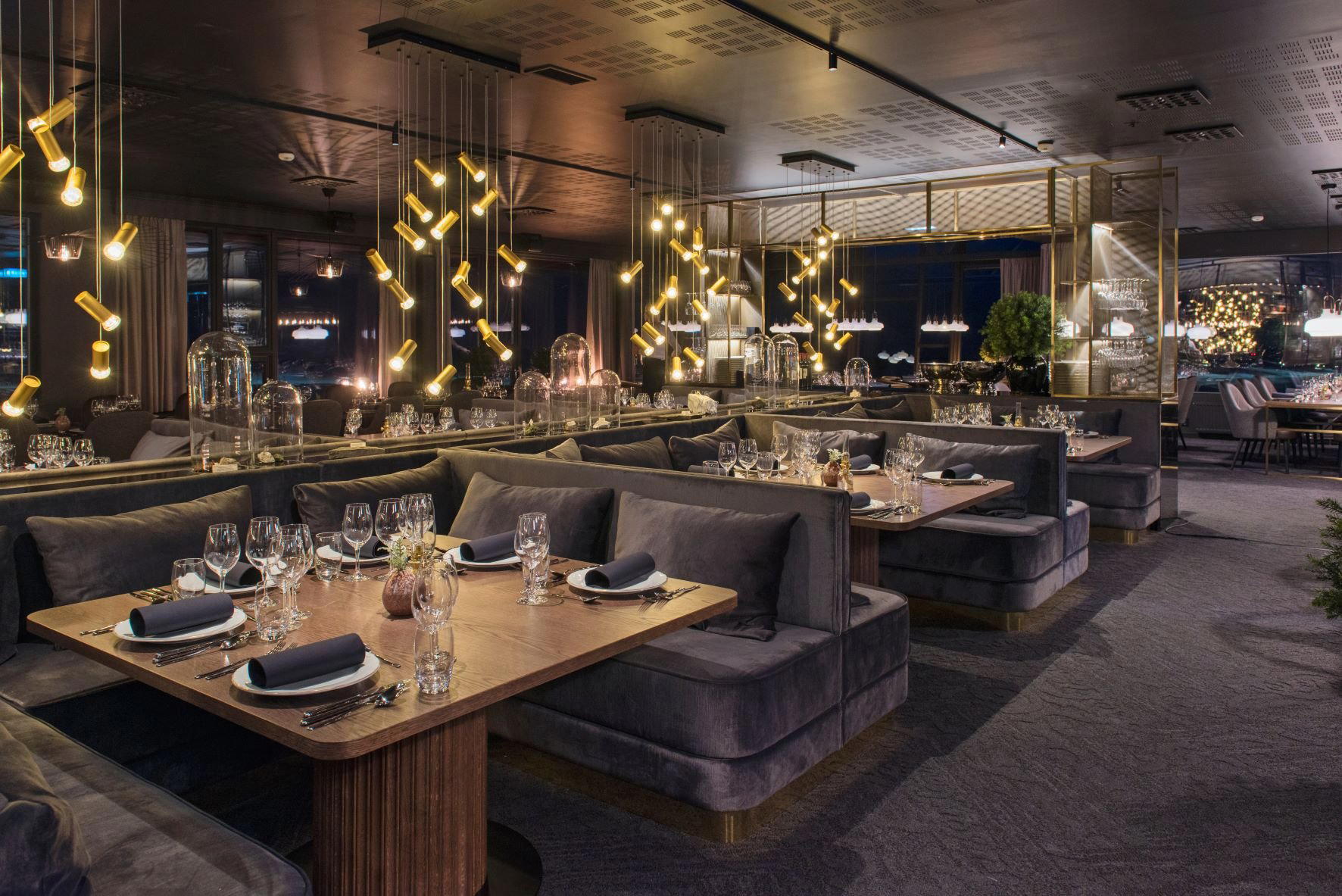
Venues such as Gruvelageret in Svalbard have explored the intersection between Svalbard's mining and industrial heritage and its food culture. Mary-Anns Polarrigg approaches the same territory from a different direction, with an atmosphere that reflects the residential and community history of the archipelago rather than its industrial past. In a town this small, the character of a dining room is inseparable from the character of the community that sustains it.
Planning Your Visit
Longyearbyen is accessible year-round by flight from Oslo (roughly three hours) and Tromsø (around 90 minutes), with Norwegian and SAS operating scheduled services. The town itself is compact enough that all its restaurants are within walking distance of the main accommodation clusters, though in winter that walk requires appropriate gear. Svalbard operates in Norwegian time, follows Norwegian regulations, and uses the Norwegian krone. There are no roads connecting Longyearbyen to anywhere else on the island, so dining out is the primary social infrastructure for visitors staying more than a night or two.
Given the small size of the venue community and the seasonality of Arctic tourism, securing a table at any of Longyearbyen's better restaurants during peak periods (the Northern Lights season from October to February, and the midnight sun period from April to August) requires advance planning. The town fills quickly during festival periods and around major expedition departures. Checking availability early is not a recommendation so much as a practical necessity. For those building a broader Svalbard itinerary, the restaurant scene at this latitude rewards treating meals as part of the expedition rather than as an afterthought to it. Venues like Lazy Bear in San Francisco or Alinea in Chicago represent the opposite pole of the dining spectrum in almost every sense, but they share one thing with the leading tables in Longyearbyen: the conviction that where food comes from matters as much as how it is prepared.
Frequently asked questions
What's the address for Mary-Anns polarrigg?
Mary-Anns polarrigg is located at Postboks 17 Longyearbyen SJ, 9170, Svalbard & Jan Mayen, Longyearbyen.
Is Mary-Anns Polarrigg a good base or dinner option for visitors arriving from Oslo or Tromsø on a short Svalbard trip?
Longyearbyen is the only civilian settlement of scale on Svalbard, accessible by direct flights from Oslo (roughly three hours) and Tromsø (around 90 minutes), making Mary-Anns Polarrigg at Postboks 17 one of the few sit-down dining options within reach on a tight itinerary. The venue's Arctic cuisine focus means it functions as both a practical meal stop and a point of orientation into Svalbard's expedition-rooted food culture, which is reason enough to prioritise it over the archipelago's more generic alternatives.
What's the signature dish at Mary-Anns polarrigg?
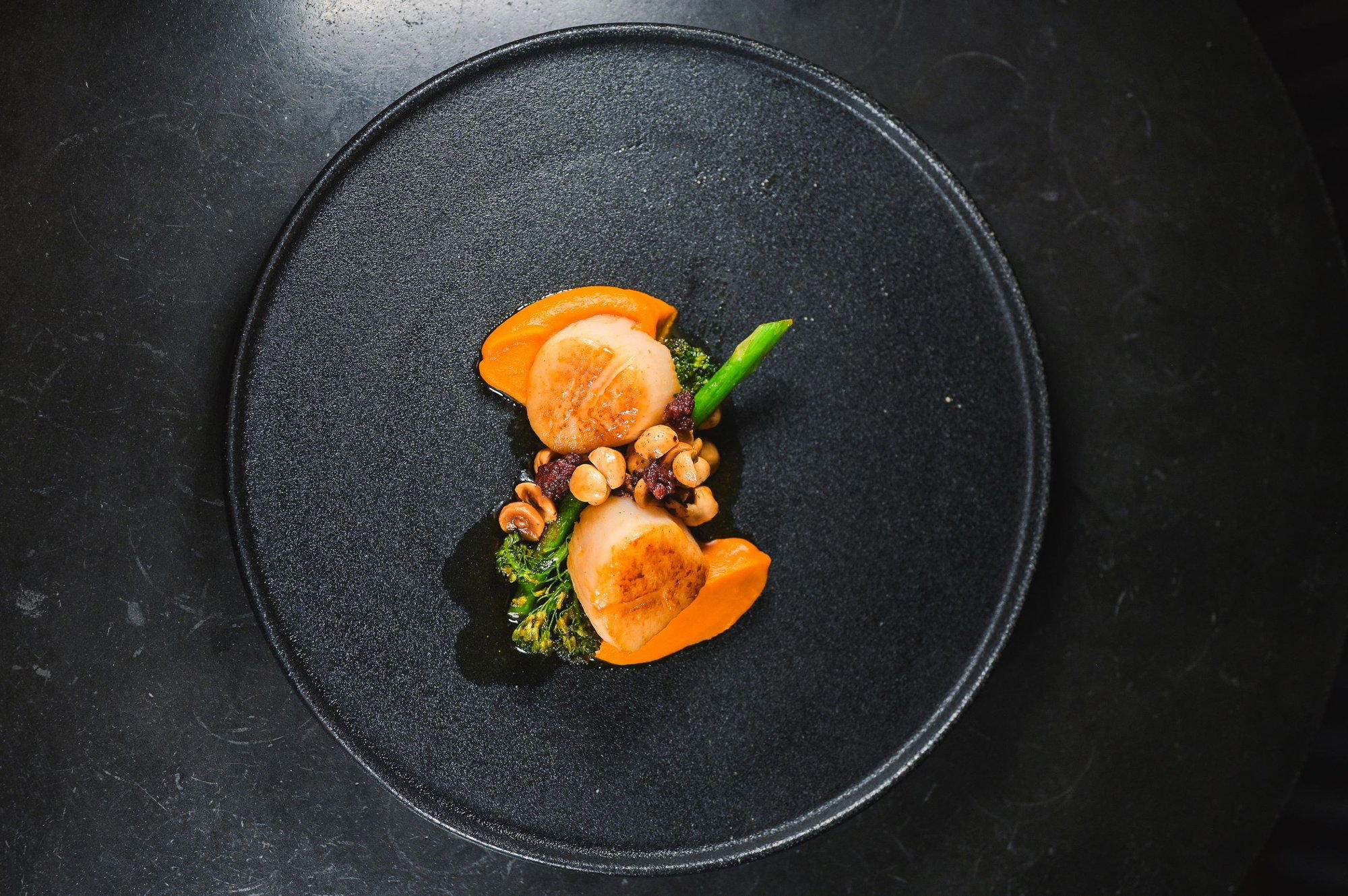
Expect the menu to reflect the short-supply-chain realities of Svalbard rather than imported fine-dining conventions.
Do they take walk-ins at Mary-Anns polarrigg?
Given Svalbard's limited dining options and the island's tourism peaks during the midnight sun and polar night seasons, contacting the venue directly ahead of arrival is the practical approach.
What's the signature at Mary-Anns polarrigg?
Mary-Anns Polarrigg occupies a distinct position in Longyearbyen's dining scene by grounding its offer in Arctic identity rather than generic expedition-catering. The venue's defining quality is its cultural specificity to Svalbard, which separates it from the broader tourism-facing restaurants on the archipelago.
Is Mary-Anns polarrigg allergy-friendly?
Longyearbyen restaurants generally operate with small kitchens and limited supply chains, so communicating specific dietary requirements directly before visiting is advisable.
Price and Recognition
Comparable venues nearby, for context on price, style, and recognition.
| Venue | Cuisine | Price | Awards | Notes |
|---|---|---|---|---|
| Mary-Anns polarriggThis venue (the venue you are viewing) | Arctic Norwegian Fusion | Not listed | Not listed | Not listed |
| Restaurant Polfareren | Nordic Fine Dining with Japanese Influences | $50–100 | Not listed | Longyearbyen, Nordic Fine Dining with Japanese Influences |
| Funktionærmessen | International Fine Dining with Arctic Specialties | Not listed | Not listed | Longyearbyen, International Fine Dining with Arctic Specialties |
| Huset Restaurant | Modern Arctic Fine Dining | Not listed | Star Wine List · Wine Spectator Best of Award of Excellence | Longyearbyen, Modern Arctic Fine Dining |
| Taste of Thai | Thai | Not listed | Not listed | Longyearbyen, Thai |
| Vinterhagen Restaurant | Arctic North Norwegian Cuisine | $50–100 | Not listed | Longyearbyen, Arctic Nordic Fine Dining |
Continue exploring
More in Longyearbyen
Restaurants in Longyearbyen
All restaurants in Longyearbyen →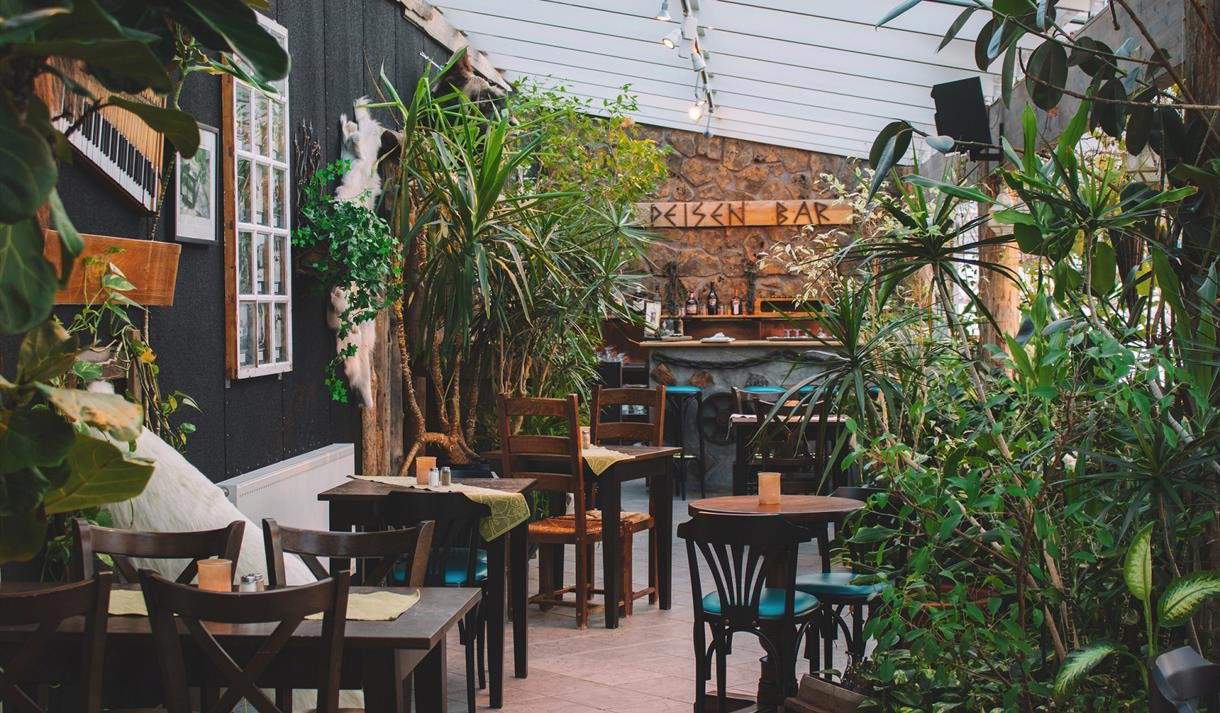
Hotels in Longyearbyen
All hotels in Longyearbyen →
Details
- Cozy
- Scenic
- Rustic
- Intimate
- Special Occasion
- Date Night
- Historic Building
- Local Sourcing
- A La Carte
Warm floor-heated conservatory full of plants and trees, flooded by midnight sun in summer and northern lights in winter, creating a green oasis in Svalbard.