Gruvelageret
In Longyearbyen, where the Arctic shapes everything from architecture to appetite, Gruvelageret occupies a former mining-era structure that frames the settlement's industrial past as context for its present. The address alone, deep in the world's northernmost town, signals that dining here is inseparable from geography. For travellers moving through Svalbard, it sits within a small group of restaurants asking serious questions about what Arctic sourcing can mean on a plate.
Pearl is the En Primeur Club membership app — saves, bookings, and concierge access live there. Same editors, same standards.
- Address
- 6H2G+V6, Longyearbyen 9170, Svalbard & Jan Mayen
- Phone
- +47 79 02 20 00
- Website
- gruvelageret.no
- Directions
- Get directions
 Saves & bookings on Pearl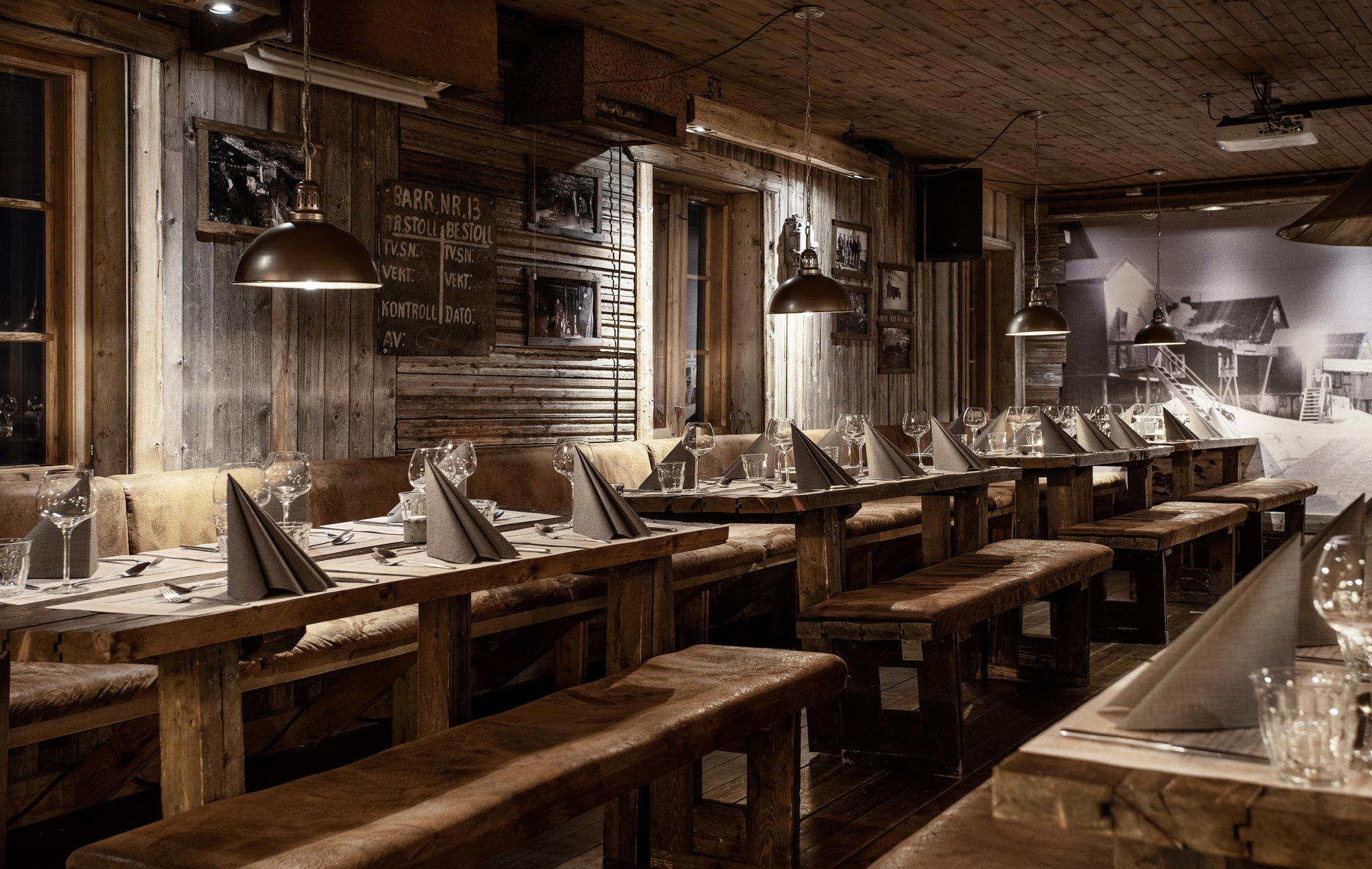
Where the Permafrost Sets the Terms
Longyearbyen is not a city that arrived at its dining culture gradually. It was a coal-mining settlement first, a research and tourism outpost second, and a place that takes food seriously only relatively recently. The town sits at 78 degrees north, which means that nearly everything edible either arrives by plane or ship, or is pulled from the surrounding sea and tundra. That logistical reality is not a constraint dining establishments here try to obscure, at the better end of Longyearbyen's restaurant scene, it is the editorial frame around the entire menu.
Gruvelageret sits within that frame. The name references the mining storage buildings that defined Svalbard's twentieth-century economy, and the address, in the 9170 postcode of Longyearbyen, places it within a settlement of fewer than 2,500 permanent residents, most of them scientists, guides, or people who have made a deliberate choice to live at the edge of the navigable world. The physical approach carries that weight: the Arctic light, which in summer runs around the clock and in winter disappears entirely, changes the character of arriving somewhere here in ways that have no real parallel in temperate Europe.
The Sourcing Question in the High Arctic
Particularly meaningful distinction among Longyearbyen's restaurants is not ambiance or price bracket, it is the question of what they do with the geography. Arctic char, reindeer, and seabird eggs are among the genuinely local proteins available in this latitude. The Barents Sea, accessible from Svalbard's shores, produces some of the coldest-water fish in the northern hemisphere, and cold-water fish tend toward slower growth and denser, more concentrated flavour profiles than their temperate equivalents. This is not a marketing position, it is basic marine biology, and it is why Arctic seafood has drawn attention from chefs working in ingredient-focused traditions elsewhere.
Compare the sourcing latitude of a place like Gruvelageret to almost any other restaurant context. The three-Michelin-star seafood programs at Le Bernardin in New York City or Amber in Hong Kong operate with access to global supply chains and can source from wherever quality peaks. A restaurant in Longyearbyen operates under a different logic: the supply chain is short by necessity, the imported alternatives are expensive and logistically fragile, and local sourcing is not a philosophical choice so much as an economic and practical reality. That constraint, handled well, produces cooking that is genuinely of its place in a way that deliberate localism programs at urban restaurants often struggle to replicate.
Restaurants working seriously with Arctic ingredients in Norway's broader dining culture have drawn significant international attention. Arzak in San Sebastián and Atelier Crenn in San Francisco represent the kind of place-rooted, ingredient-led cooking that has set a benchmark internationally. Svalbard's restaurants work with a fraction of those resources, but the raw material, in the literal sense, is sometimes more compelling than anything those kitchens can import.
Longyearbyen's Restaurant Tier and Where Gruvelageret Sits
Svalbard's dining scene is small enough that ranking it feels categorical rather than competitive. Longyearbyen's dining scene is small enough that the working tier breaks roughly as follows: there are expedition-catering-style operations feeding logistics workers and passing tourists, and there are a handful of restaurants that approach the table with more deliberate ambition. Gruvelageret occupies the upper end of that second group alongside places like Vinterhagen Restaurant in Longyearbyen and Nuga Sushi and Noodles, which takes its own distinct approach to the question of what a northern ingredient vocabulary can sustain.
The comparable set here is not Michelin-starred Europe. The comparison that matters is internal: within a settlement this remote and this small, which restaurants treat the geography as a starting point rather than an obstacle? Gruvelageret's positioning within its former industrial setting adds a layer of context that straightforwardly purpose-built restaurants in the town lack. The bones of the building carry history that connects to the reason Longyearbyen exists at all.
Planning a Visit
Logistics in Svalbard are worth understanding before arrival. Longyearbyen is served by Svalbard Airport (LYR), with regular connections to Oslo and Tromsø. Because the settlement is compact and mostly walkable in summer, getting between venues is not complicated, but the Arctic climate means layering and timing matter more than in most European cities. Polar night runs roughly from late October through mid-February; the midnight sun from late April through mid-August. The experience of eating in full daylight at midnight, or in complete darkness at noon, is specific to this latitude and changes the rhythm of an evening out in ways that visitors consistently note as disorienting in the leading sense.
The practical approach is to enquire through accommodation on arrival, or to check directly at the address in Longyearbyen's central area. Walk-in availability varies seasonally and tends to be tighter during the summer expedition peak (June through August), when tourist numbers relative to restaurant capacity compress the options. Travelling in shoulder season, May or September, gives more flexibility without sacrificing light.
Comparable Spots, Quickly
Comparable venues nearby, for context on price, style, and recognition.
| Venue | Cuisine | Price | Notes |
|---|---|---|---|
| GruvelageretThis venue — the venue you are viewing | Arctic Fine Dining | $$$ | Not listed |
| Nuga Sushi and Noodles | Japanese Sushi and Noodles | $$ | Longyearbyen |
| Vinterhagen Restaurant | Arctic Nordic Fine Dining | $$$ | Longyearbyen |
| Restaurant Polfareren | Nordic Fine Dining with Japanese Influences | $$$ | Longyearbyen |
| Coal Miner's Bar & Grill | Arctic Grill & Comfort Food | $$ | Nybyen |
| Funktionærmessen | International Fine Dining with Arctic Specialties | $$$ | Longyearbyen |
Continue exploring
More in Svalbard
Restaurants in Svalbard
Browse all →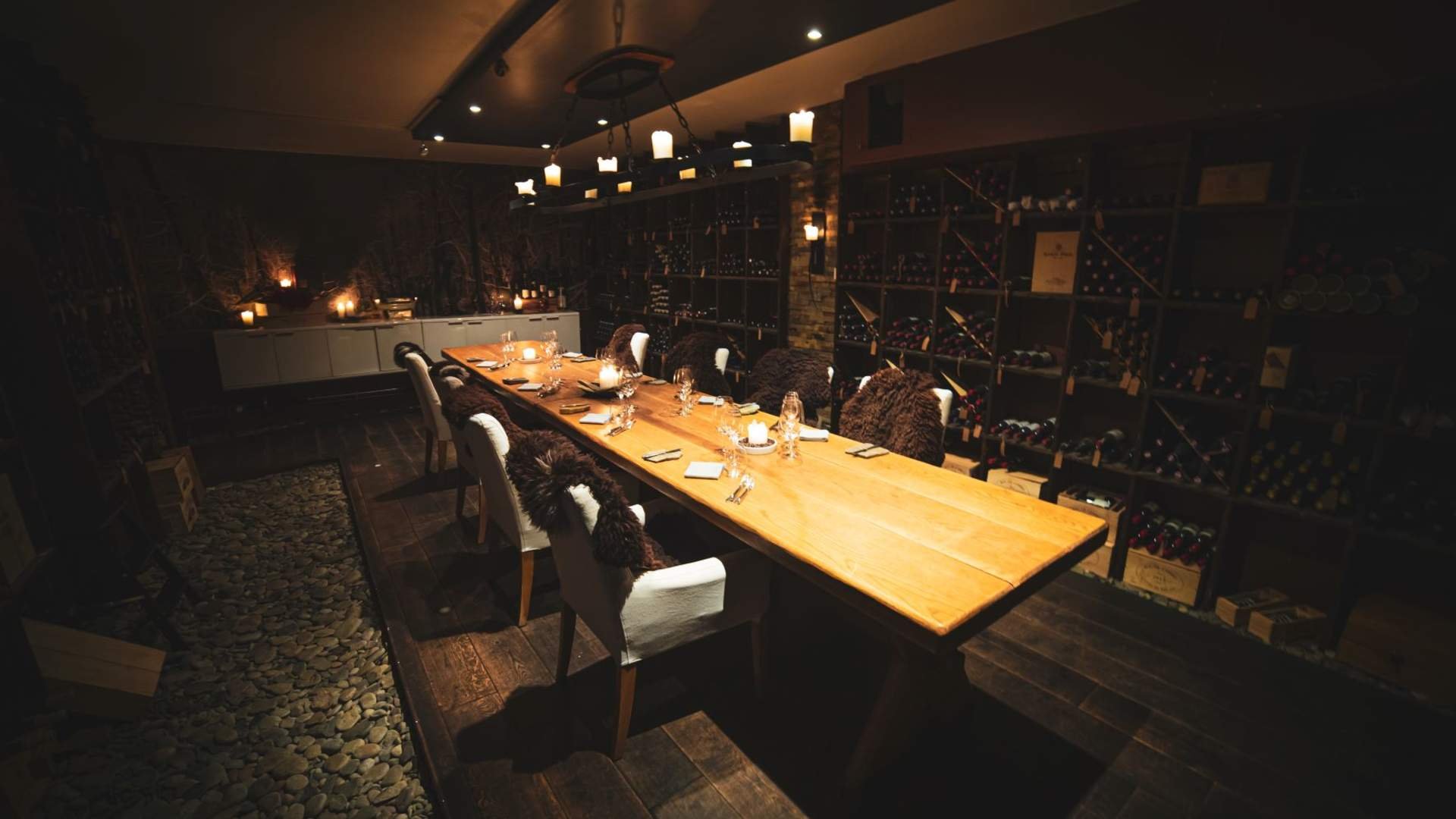
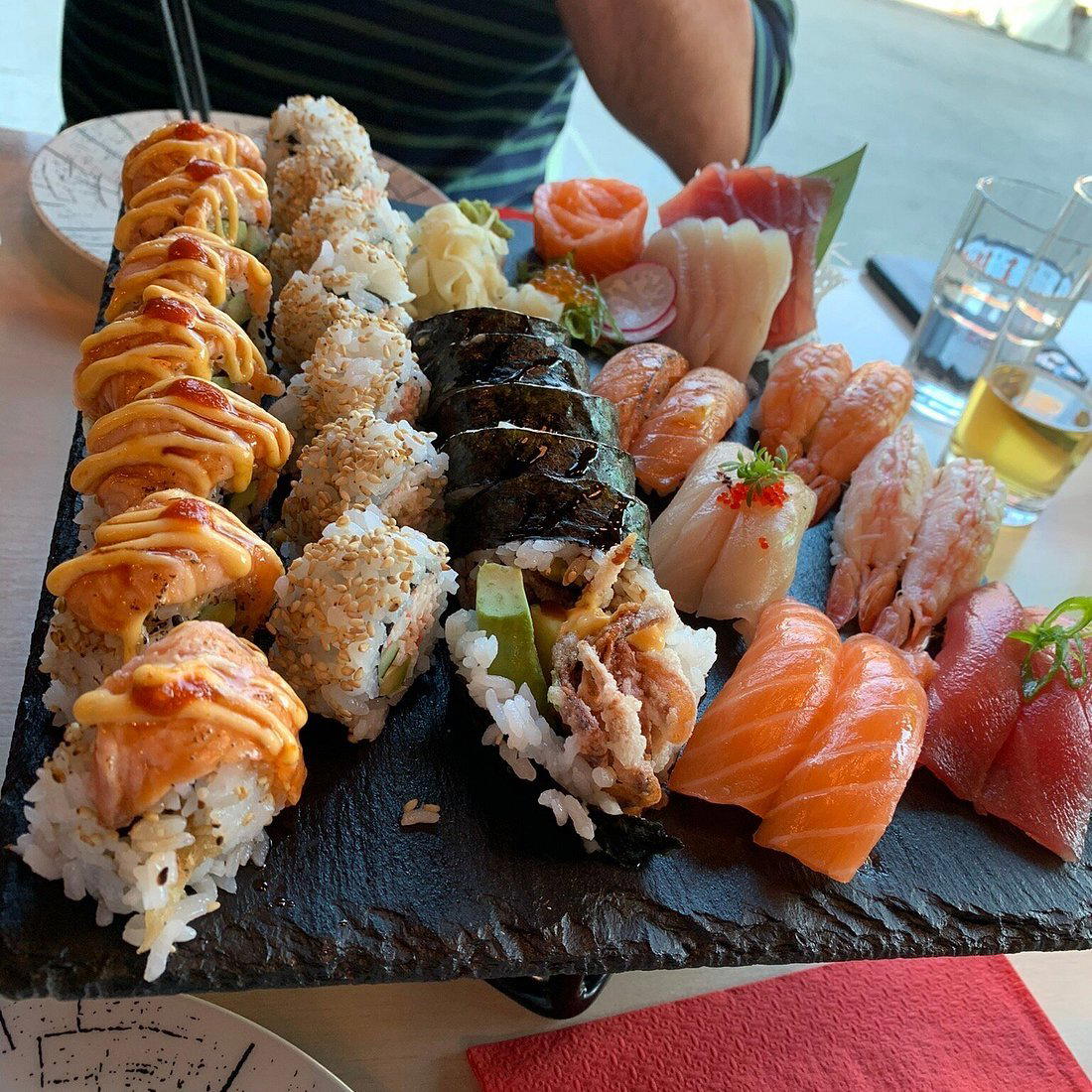
Bars in Svalbard
Browse all →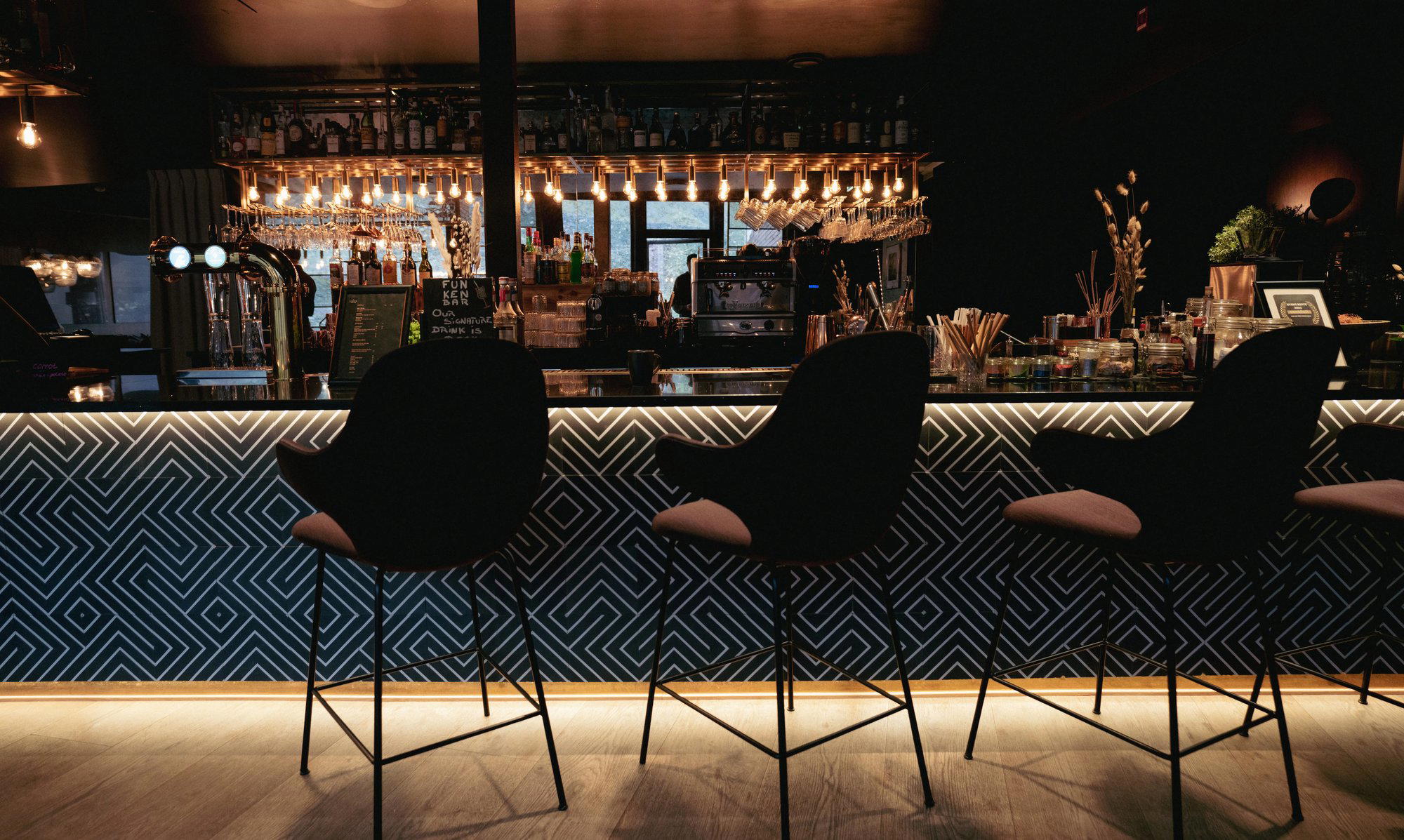
Hotels in Svalbard
Browse all →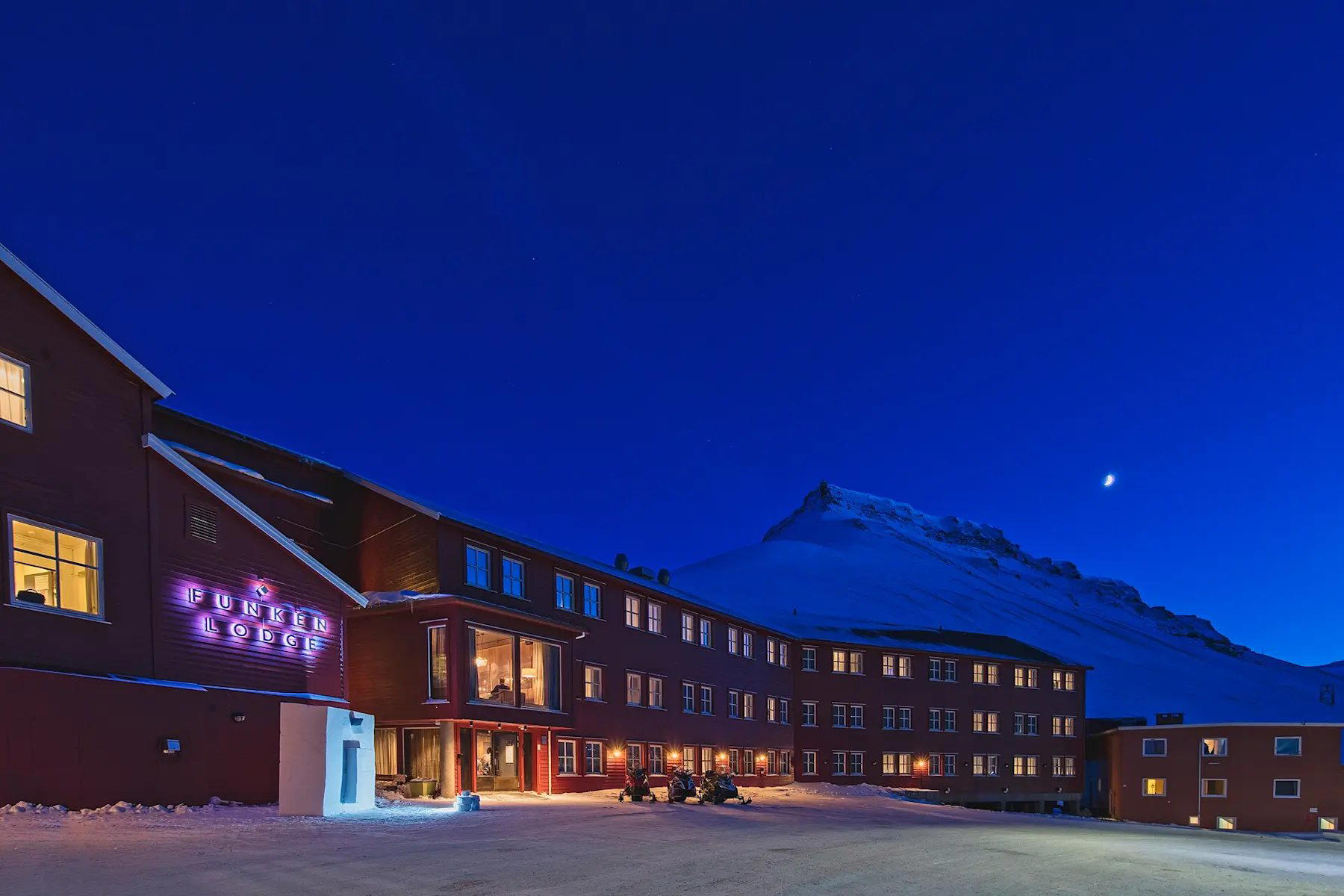
At a Glance
- Romantic
- Cozy
- Rustic
- Historic
- Intimate
- Date Night
- Special Occasion
- Group Dining
- Celebration
- Historic Building
- Extensive Wine List
- Local Sourcing
- Mountain
Current opening hours
- Monday
- 6 PM–3 AM
- Tuesday
- 6 PM–3 AM
- Wednesday
- 6 PM–3 AM
- Thursday
- 6 PM–3 AM
- Friday
- 6 PM–3 AM
- Saturday
- 6 PM–3 AM
- Sunday
- 6 PM–3 AM
Hours can change for holidays and private events. Last verified .
Candlelit rustic interior with mining relics creating a romantic, cozy, and atmospheric setting.