Funktionærmessen
Our verdict
Funktionærmessen occupies a quietly specific place in Longyearbyen's small but serious dining scene, drawing on the logistical and cultural realities of cooking at 78 degrees north. In a settlement where every ingredient either grows under artificial light, swims in the Barents Sea, or arrives by plane from the Norwegian mainland, sourcing shapes the menu before the chef ever picks up a knife. For travellers already at the edge of the inhabited world, this is where that context becomes edible.

Pearl is the En Primeur Club membership app, where members save venues, book tables and use the concierge.
The menu
What to order
- King crab
- Dry-aged Côte de Bœuf
Eating at the Edge: Longyearbyen's Ingredient Reality
There are very few places on earth where the sourcing question answers itself before you order. Longyearbyen, the administrative centre of Svalbard at roughly 78 degrees north latitude, sits so far above the Arctic Circle that conventional supply chains simply do not apply. No road connects it to the Norwegian mainland. Fresh produce arrives by air or ship, wild protein comes from the surrounding fjords and tundra under strict quota, and anything grown locally does so under controlled conditions, against the logic of an environment that spends half the year in complete darkness. Restaurants here do not make sourcing decisions so much as they inherit them. Funktionærmessen, located at Vei 212-4 in Longyearbyen, sits inside that reality.
Understanding what ends up on the plate at any serious Longyearbyen table requires understanding what the archipelago's regulatory and ecological framework permits. Svalbard reindeer, harvested under conservation-managed quotas, appear regularly in Arctic kitchens as one of the few land proteins native to the islands. Arctic char and cod from the surrounding waters fill the fish position. What does not come from here travels a significant distance to arrive, a logistical fact that the more considered restaurants in the settlement use as creative constraint rather than limitation. Gruvelageret in Svalbard works within the same framework, and the broader pattern across our full Longyearbyen restaurants guide reflects just how much the geography shapes culinary identity at this latitude.
What the Name Carries
The word funktionærmessen is Norwegian for an officers' or civil servants' mess, the dining hall category associated with administrative and professional staff in institutional or industrial settings. Longyearbyen's history as a coal-mining company town, where Store Norske Spitsbergen Kulkompani effectively managed most aspects of daily life well into the late twentieth century, makes that naming context legible. The settlement still carries the physical traces of that era: numbered residential roads, communal infrastructure, buildings that served collective functions. Dining in that context was purposeful rather than decorative. Whatever Funktionærmessen does now, the name places it in a lineage of feeding people seriously, at the far end of the supply line.
The Longyearbyen Dining Tier
Longyearbyen's restaurant scene is small enough to map in an afternoon but more differentiated than its size suggests. At the higher end, Huset Restaurant operates with one of the most extensive wine cellars in Norway and a formal tasting format that would sit comfortably in any European capital. Restaurant Polfareren and Vinterhagen Restaurant fill a mid-register that leans into Arctic produce without the ceremony. Mary-Anns polarrigg and Nuga anchor the more casual end. Funktionærmessen's address and naming suggest a position somewhere in the community-facing middle of that range, though the venue data available does not confirm precise format, pricing, or current kitchen focus.
For travellers comparing this tier against what they might find elsewhere in Europe's high-latitude or remote dining circuits, the reference points shift considerably. Kitchens working serious sourcing agendas in mountain or coastal remoteness, such as Atelier Moessmer Norbert Niederkofler in Brunico or Uliassi in Senigallia, operate with ingredient access that Svalbard kitchens can only approximate. The comparison is not unfavourable to the Arctic approach, constraint produces its own discipline, but it does frame what it means to cook seriously at this latitude.
Planning a Visit
Longyearbyen operates on a visitor calendar shaped by extreme light conditions. The polar night runs from late October to mid-February; the midnight sun from late April through late August. Both periods attract distinct traveller types, and restaurants adjust their rhythms accordingly. Arriving in the blue-light twilight of early spring or during the continuous daylight of summer changes the sensory context of any meal in ways that a latitude-specific table amplifies. Praktical access to Funktionærmessen at Vei 212-4 is direct within the settlement's compact geography, Longyearbyen is navigable on foot or by the local transport available to visitors. The settlement's dining options are numerous enough that building a multi-night itinerary across several venues is the norm rather than the exception for travellers spending meaningful time in Svalbard.
For context on how other operators at the higher end of the global spectrum handle remote or constrained-ingredient formats, the approaches at Lazy Bear in San Francisco or the produce discipline at Atomix in New York City illustrate what focused sourcing looks like when it becomes a program rather than a circumstance. At this latitude, the circumstance enforces the program whether or not the kitchen chooses it.
The Broader Argument for Eating in Svalbard
The case for taking the dining scene at 78 degrees north seriously rests less on any single venue than on what the collective effort represents. Kitchens operating here do not have the option of coasting on abundant local markets or nearby farm networks. Every plate reflects a decision about what was worth bringing in, what was worth harvesting under quota, and what was worth growing in the constrained conditions available. That editorial pressure on ingredient selection produces, at its finest, menus with a clarity of purpose that more generously supplied kitchens can choose to ignore. Venues like Le Bernardin in New York City, Dal Pescatore in Runate, or Waterside Inn in Bray have access to ingredient depth that no Svalbard kitchen can match, but access is not the same as necessity. The Arctic kitchen works from necessity, and that is a different kind of honesty about what ends up on the plate.
Longyearbyen's dining scene continues to develop as tourism to Svalbard grows, visitor numbers have increased steadily over the past decade, applying both commercial pressure and new expectations to a settlement that long functioned as a resource-extraction company town. Restaurants have responded by sharpening their identity, leaning into the Arctic provenance narrative, and building menus that justify the journey. Funktionærmessen, in whatever form its current programme takes, participates in that broader effort to make Longyearbyen a place worth eating in seriously, not just a waypoint before a snowmobile or dog-sled excursion.
Frequently asked questions
Is Funktionærmessen suitable for children?
Longyearbyen is a small administrative settlement at 78°N with a year-round resident community, so family dining is part of daily life rather than an exception. Nothing in the venue's name or civic-mess heritage suggests a formal adults-only policy, though the setting reflects a functional, community-dining tradition rather than a dedicated family restaurant format. If travelling with children, contacting the venue directly before arrival is advisable given Longyearbyen's remote logistics.
What's the overall feel of Funktionærmessen?
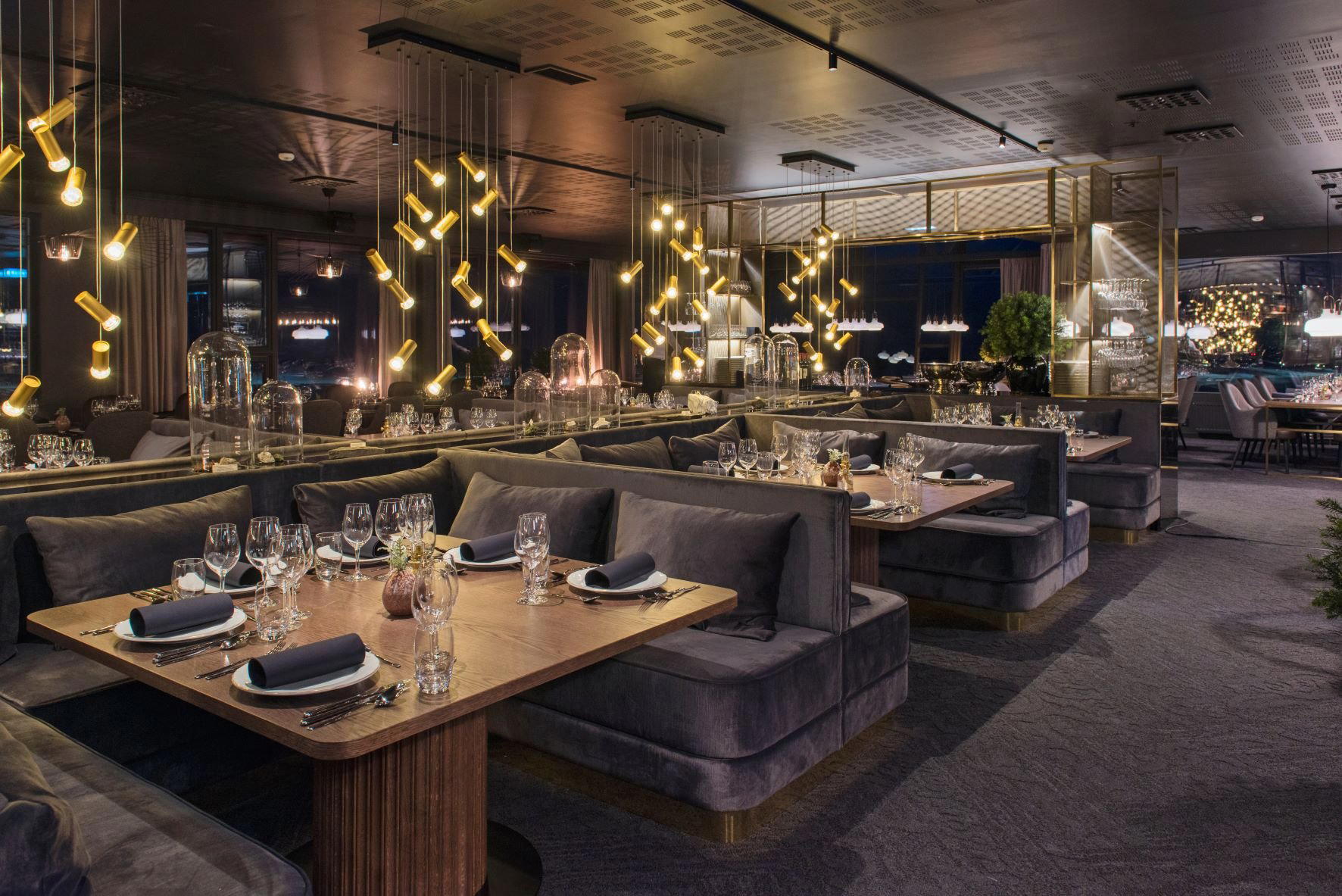
The name translates from Norwegian as a civil servants' or officers' mess, the category of dining hall historically tied to administrative and professional communities. That heritage typically reads as unfussy and communal rather than formal or theatrical. In Longyearbyen's context, where the entire settlement is compact and visitor and resident populations overlap, the atmosphere skews practical and grounded.
What is Funktionærmessen's place in Longyearbyen's dining scene compared to other local restaurants?
Longyearbyen's restaurant options are few enough to assess in a single afternoon visit to town, with Huset Restaurant representing the most formally documented higher-end option. Funktionærmessen, rooted in the civil-mess tradition, occupies a distinct register: community-oriented and institutionally framed rather than destination-focused. For visitors to Svalbard trying to understand how a settlement of this size sustains a differentiated dining scene, Funktionærmessen offers a grounded counterpoint to the expedition-tourist dining offer.
What should I order at Funktionærmessen?
What is established about Longyearbyen as a context: sourcing is shaped by the High Arctic supply chain, with reindeer, Arctic char, and preserved or imported produce forming the practical backbone of most kitchens operating this far north. Checking current offerings on arrival reflects the realities of a location where menus shift with seasons and logistics.
Where do I go for Funktionærmessen?
Funktionærmessen is located at Vei 212-4, 9171 Longyearbyen, Longyearbyen.
Do they take walk-ins at Funktionærmessen?
No booking policy is documented for Funktionærmessen. Longyearbyen's restaurant capacity is finite, and visitor numbers spike sharply during the midnight sun season and guided expedition periods, which can compress available covers across all venues. Arriving without a reservation during peak season carries risk at most Longyearbyen establishments regardless of tier.
What's the standout thing about Funktionærmessen?
The most concrete distinction is the name itself: funktionærmessen refers to a civil servants' mess, a dining category with a specific institutional history in Norwegian administrative life. Operating under that framing in Longyearbyen, one of the world's northernmost permanent settlements, positions the venue as part of the town's civic fabric rather than a venue built for tourist traffic. That grounding in resident community dining is uncommon at this latitude.
Comparison Snapshot
| Venue | Cuisine | Price | Awards |
|---|---|---|---|
| FunktionærmessenThis venue (the venue you are viewing) | International Fine Dining with Arctic Specialties | Not listed | Not listed |
| Huset Restaurant | Modern Arctic Fine Dining | Not listed | Star Wine List · Wine Spectator Best of Award of Excellence |
| Mary-Anns polarrigg | Arctic Norwegian Fusion | Not listed | Not listed |
| Nuga | Japanese Sushi and Noodles | $30–50 | Not listed |
| Restaurant Polfareren | Nordic Fine Dining with Japanese Influences | $50–100 | Not listed |
| Vinterhagen Restaurant | Arctic North Norwegian Cuisine | $50–100 | Not listed |
Continue exploring
More in Longyearbyen
Restaurants in Longyearbyen
All restaurants in Longyearbyen →
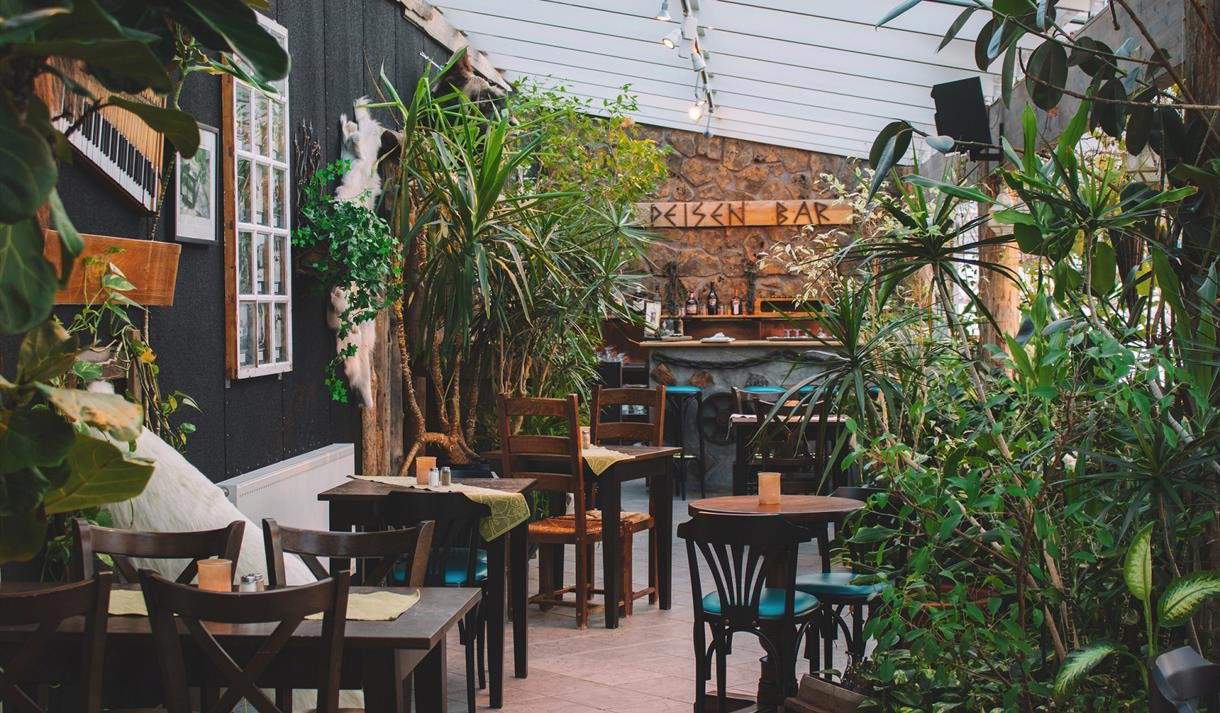
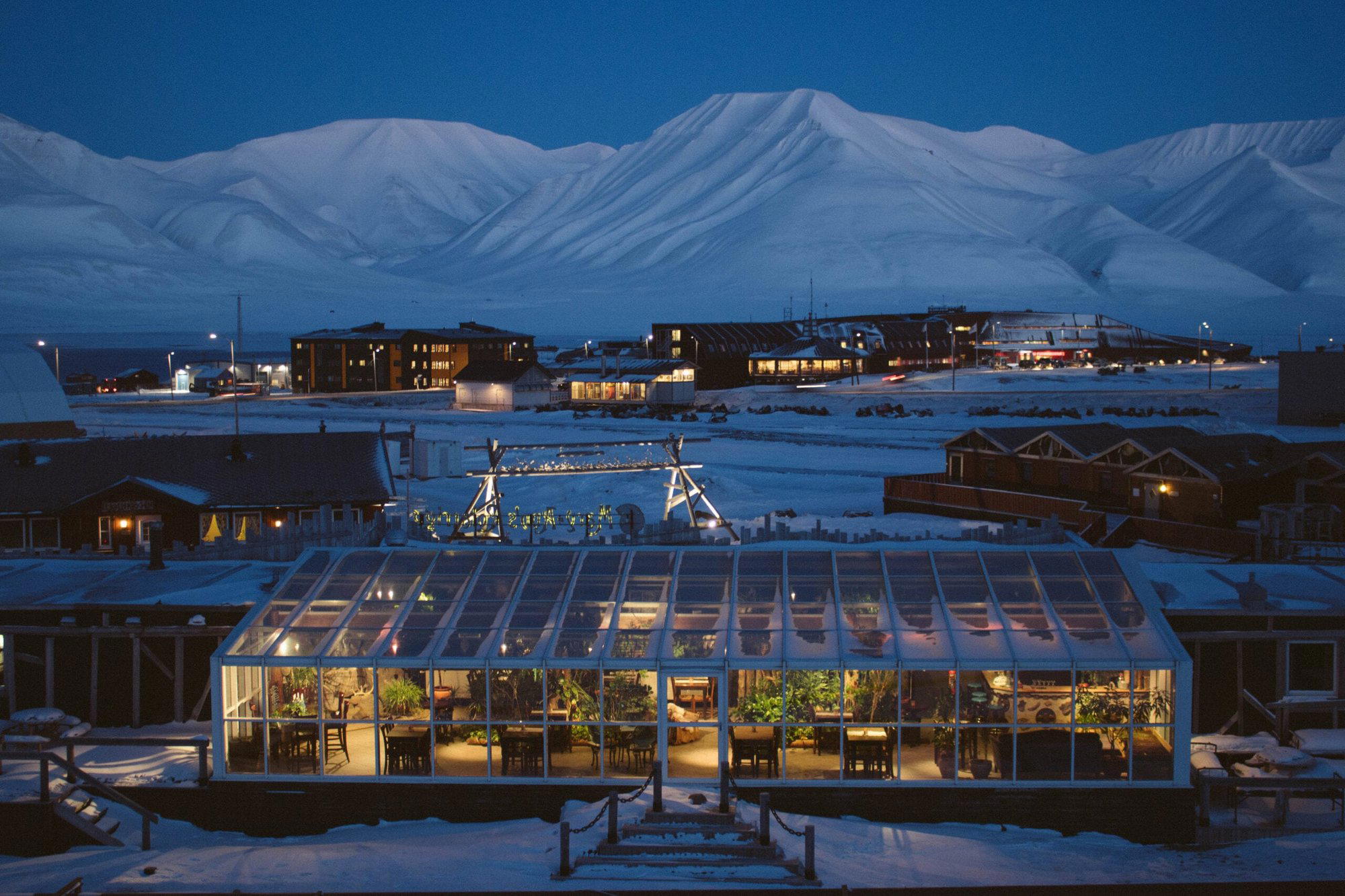
Hotels in Longyearbyen
All hotels in Longyearbyen →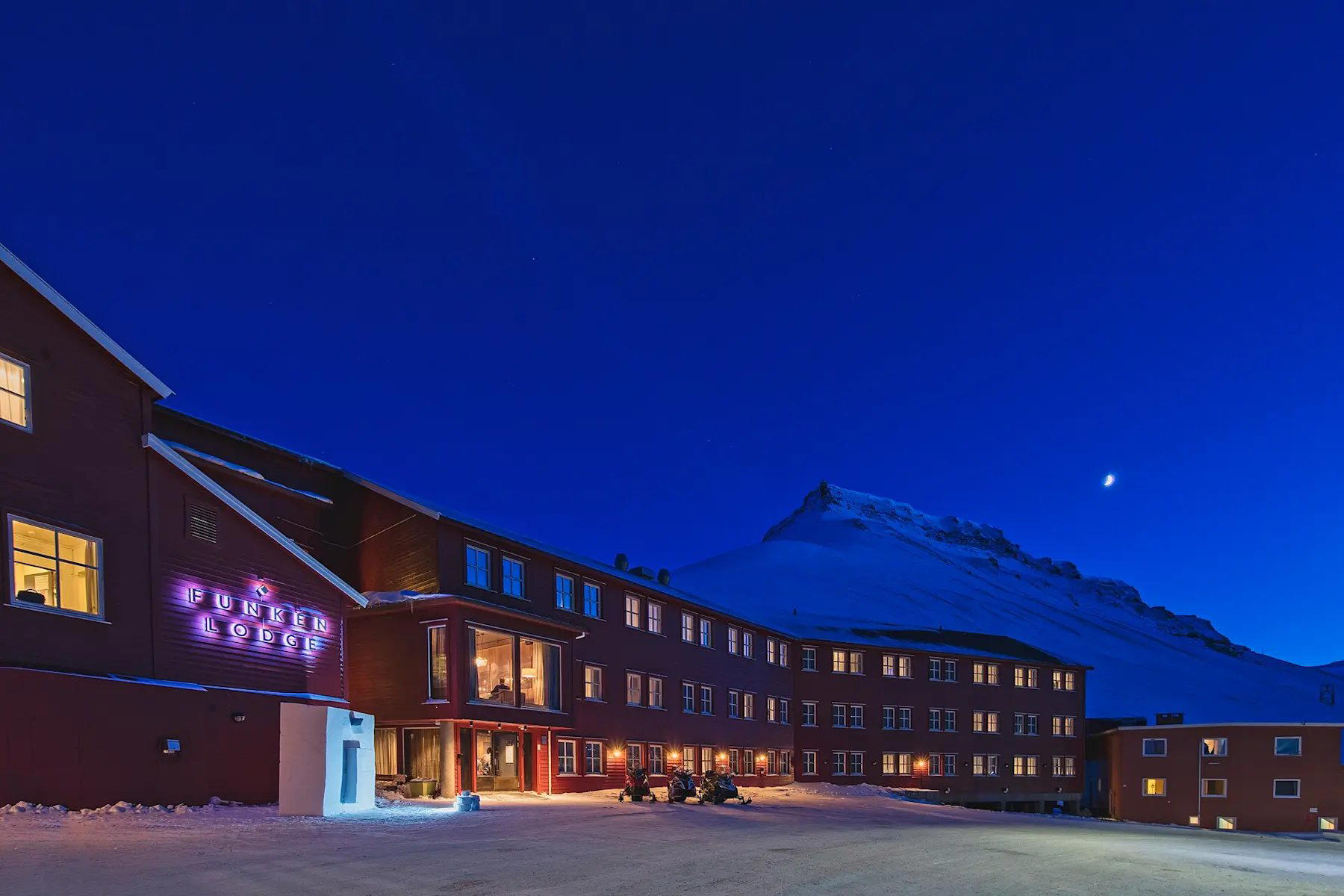
Funktionærmessen
The wine
- Wine program
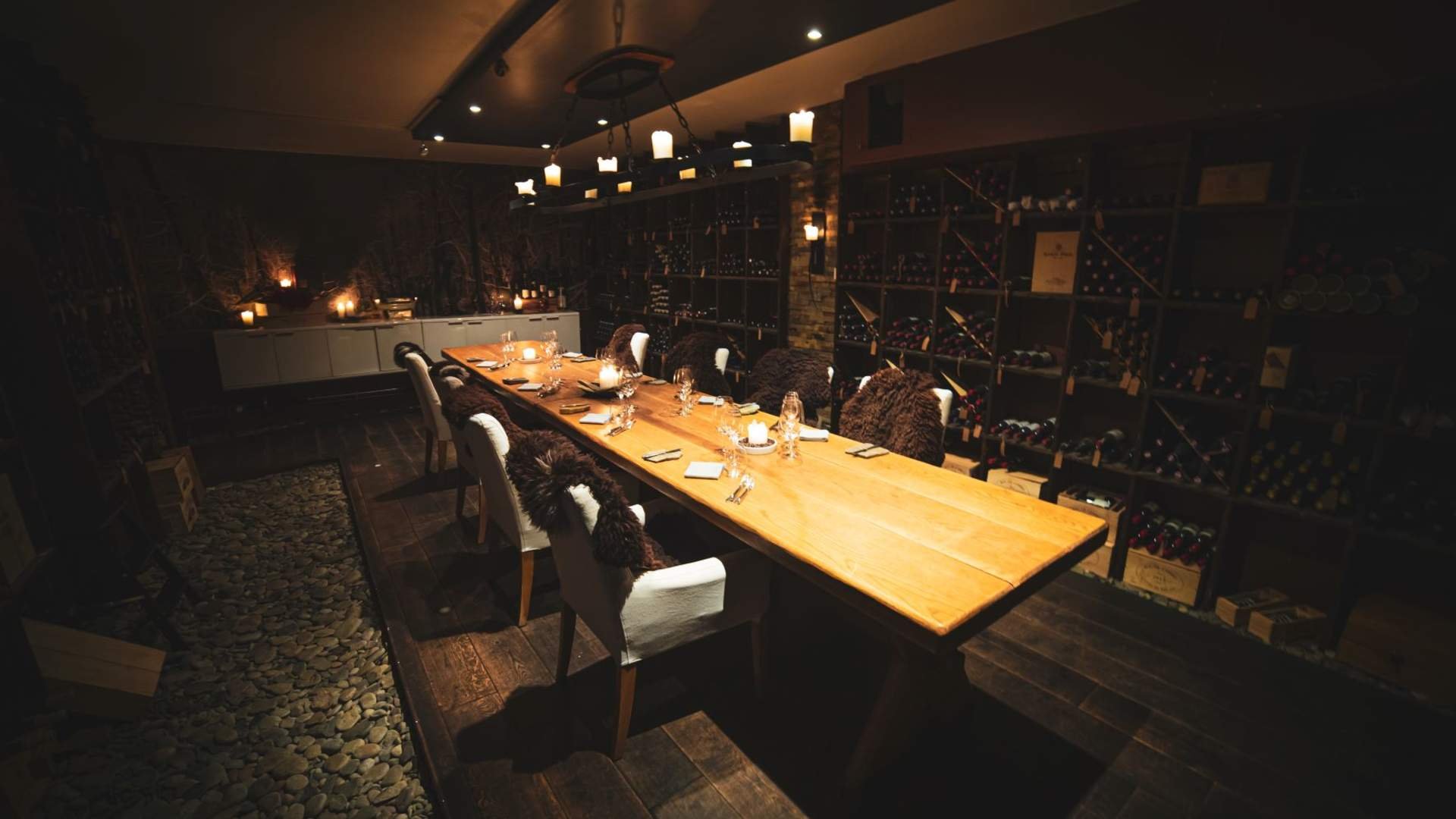
- Deep wine list
- Extensive wine list
- Sommelier-led
Details
- Elegant
- Historic
- Scenic
- Sophisticated
- Date Night
- Special Occasion
- Celebration
- Historic Building
- Panoramic View
- Hotel Restaurant
- Extensive Wine List
- Sommelier Led
- Local Sourcing
- Mountain
- Street Scene
- A La Carte
- Tasting Menu
- Prix Fixe
- Wine
- Vegetarian Friendly
- Gluten Free Options
Calm yet atmospheric setting with pleasant ambience, sensational views, and elegant historic charm enhanced by modern furnishings.