Nomu Ramen
Nomu Ramen brings a focused bowl of Japanese ramen to the suburban north shore corridor of Glenview, Illinois, occupying a strip-mall address on Milwaukee Avenue that belies the care typically associated with the format. In a suburb better known for its sit-down American and Mediterranean dining, a dedicated ramen house represents a distinct shift in what the local dining scene is willing to support.
Pearl is the En Primeur Club membership app — saves, bookings, and concierge access live there. Same editors, same standards.
- Address
- 1615 Milwaukee Ave #135, Glenview, IL 60025
- Phone
- +12245252201
- Website
- nomurestaurants.com
- Directions
- Get directions
 Saves & bookings on Pearl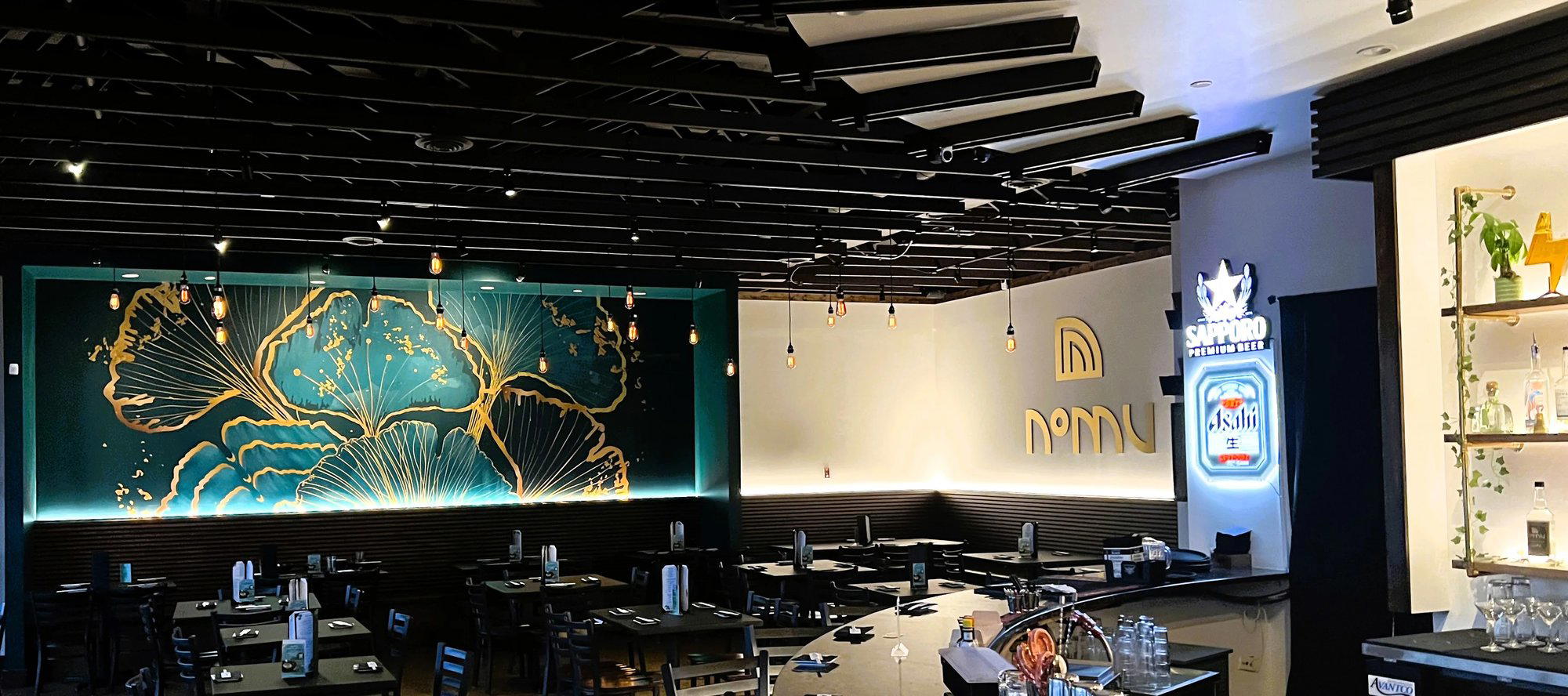
Ramen in the Suburbs: What Glenview's Milwaukee Avenue Tells You
Strip-mall dining in American suburbs has always operated under a particular stigma, but the more instructive story is what happens when a format associated with Tokyo basement counters or Chicago's Wicker Park corridor lands in a north shore commuter town. Nomu Ramen occupies suite 135 at 1615 Milwaukee Avenue in Glenview, a stretch of road that functions as a commercial artery linking the suburb's residential core to its broader retail fabric. The setting is utilitarian by design, the kind of address that filters out diners who require atmosphere as a precondition for eating well, and filters in regulars who have already decided the bowl matters more than the backdrop.
This dynamic is worth understanding before you arrive. Glenview's dining scene has historically skewed toward established American and Mediterranean formats: places like Cafe Lucci and Hackney's on Harms anchor the comfortable middle ground, while The Clove Indian and Nepali Cuisine and Ēma Glenview represent the suburb's growing appetite for non-Western cooking traditions. Nomu slots into that shift: a ramen house operating in a market where the format is still establishing its foothold, positioned to draw both the north shore resident who commutes through the city and the local diner encountering the bowl as a regular weeknight option rather than a destination occasion.
The Format and What It Signals
Ramen, as a category, has fragmented considerably in the United States over the past fifteen years. The spectrum now runs from fast-casual chain operations with standardized broth bases to counter-service independents where the broth is a weeks-long project and the noodle gauge is treated with the seriousness of pasta in a Emilia-Romagna kitchen. Where a given operation sits on that spectrum is usually visible before the first bowl arrives: in the sourcing language on the menu, in whether noodles are made in-house or sourced from a dedicated supplier, in how the kitchen handles its tare and aroma oils.
The ingredient-sourcing question matters in ramen more than in almost any other noodle format, because the architecture of a good bowl is essentially a layered sourcing exercise. The broth base, whether tonkotsu, shoyu, shio, or miso, requires extended reduction of animal or vegetable material, and its quality is directly traceable to input quality. The noodle's alkalinity, texture, and hydration level either complement or fight the broth. The toppings, typically chashu, soft-boiled egg, nori, menma, and green onion, each carry their own sourcing chain. A bowl where all of these components are considered together, rather than assembled from whatever is convenient, reads differently from the first sip. Across higher-end American ramen operations, this is the axis on which reputations are built, and it is the lens through which any serious ramen house in a market like Glenview should be assessed.
Glenview's Position in the North Shore Dining Geography
The north shore suburbs of Chicago have seen meaningful restaurant development over the past decade, though the density and diversity of options remain well below what you find along the city's own ramen corridors. Glenview specifically benefits from proximity to Evanston and the broader Wilmette-Kenilworth stretch, giving residents access to a range of dining without requiring a drive into the city. That suburban dynamic shapes how an operation like Nomu Ramen functions: it serves a catchment area where the alternative to a local bowl is either a longer commute or a different category of food entirely, not a ten-minute walk to a competing ramen shop.
That context is not a criticism. It is, in fact, what gives a well-run suburban ramen house its purpose. The operations that succeed in these markets do so because they fill a genuine gap rather than competing on density with city blocks where four ramen shops might occupy the same quarter-mile. The competitive set for Nomu is the broader Glenview dining occasion, not a specialized ramen district. For a full picture of where it sits within that occasion landscape, the our full Glenview restaurants guide maps the suburb's dining options by format and neighborhood position.
Ramen and the Wider Conversation About Sourcing-Driven Cooking
The American dining conversation about ingredient sourcing tends to concentrate on white-tablecloth formats. Operations like Blue Hill at Stone Barns in Tarrytown and Single Thread Farm in Healdsburg have made sourcing the organizing principle of their entire identities, while places like The French Laundry in Napa and Alinea in Chicago treat ingredient provenance as foundational rather than promotional. But sourcing discipline is equally consequential at the bowl-of-noodles level, just applied differently. A tonkotsu broth built from responsibly sourced pork bones, simmered long enough to achieve proper emulsification, communicates the same underlying commitment as a fine-dining kitchen's relationship with a specific farm, even if the price point and setting read nothing alike.
This is the argument for taking suburban ramen seriously rather than treating it as a lesser tier below city dining. The technical requirements of a well-made bowl are not simplified by the address. If anything, operating in a market without a strong existing ramen culture imposes its own discipline: there is less ambient permission to cut corners because the local diner has fewer reference points and will return based on whether the bowl satisfied rather than whether it matched a familiar benchmark.
Planning a Visit
Nomu Ramen is located at 1615 Milwaukee Ave, suite 135, in Glenview, Illinois 60025. Milwaukee Avenue in this section of Glenview is accessible by car with parking typical of strip-mall configurations, and the address sits within the broader commercial zone that also serves the suburb's retail corridor. For those building a broader Glenview itinerary, pairing a visit with the suburb's other independent options, including The Clove or the Mediterranean-leaning Cafe Lucci, creates a fuller picture of what the suburb's independent dining sector currently offers.
For those whose dining appetite extends beyond the north shore, the broader category of sourcing-focused American restaurants, from Providence in Los Angeles and Emeril's in New Orleans to Addison in San Diego, Bacchanalia in Atlanta, and Atomix in New York City, represents a reference set worth understanding for how ingredient discipline scales across price tiers. Even Le Bernardin in New York City, The Inn at Little Washington, and 8 1/2 Otto e Mezzo Bombana in Hong Kong each make the same foundational argument at their own coordinates: what arrives in the bowl, or on the plate, is only as considered as the sourcing decisions made before the kitchen opened for service. Lazy Bear in San Francisco pushes that argument into the communal format. The ramen bowl, at its most carefully made, is doing the same work at a different price and in a different register.
At a Glance
- Modern
- Cozy
- Casual Hangout
- Group Dining
- Open Kitchen
- Sake Program
Current opening hours
- Monday
- Closed
- Tuesday
- Closed
- Wednesday
- Closed
- Thursday
- 5:30–9 PM
- Friday
- 5:30–10 PM
- Saturday
- 5:30–10 PM
- Sunday
- 5:30–9 PM
Hours can change for holidays and private events. Last verified .
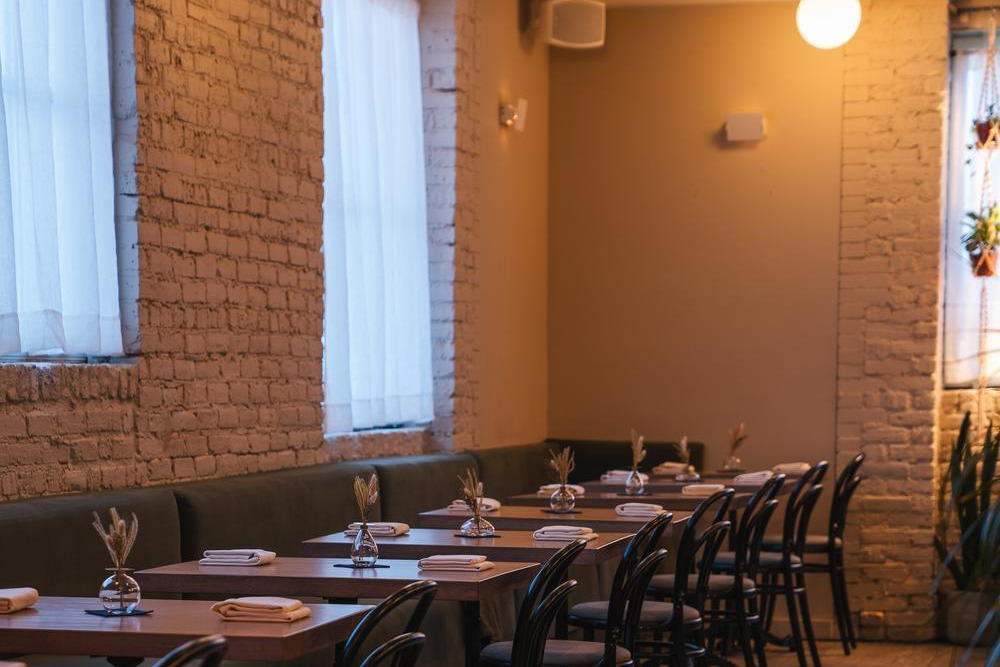
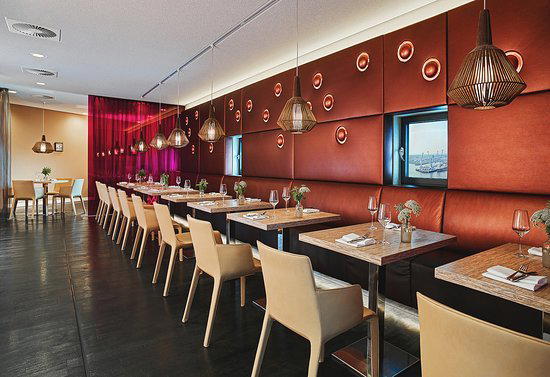
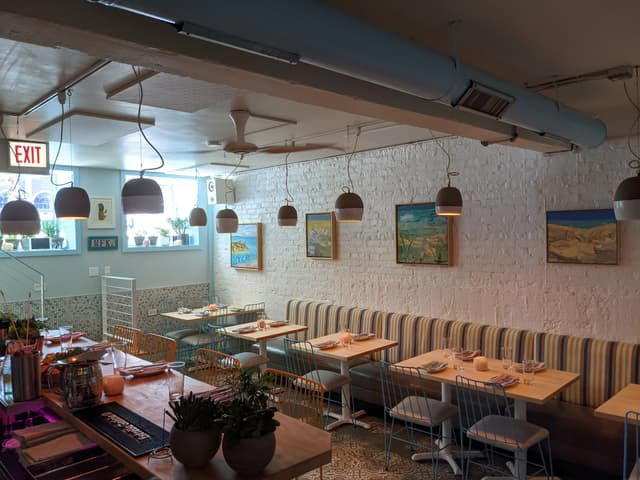
Casual and welcoming Japanese atmosphere with moderate noise levels.
Know Before You Go
- Getting there
- 1615 Milwaukee Ave #135, Glenview, IL 60025