The Clove Indian and Nepali Cuisine
The Clove Indian and Nepali Cuisine on Waukegan Road brings together two distinct culinary traditions that rarely share a menu in the American suburbs. Located in Glenview, Illinois, the restaurant occupies a niche in Chicago's North Shore dining corridor where Indian and Nepali cooking intersect, offering a range of dishes that go beyond the standard subcontinental shorthand most diners encounter closer to the city.
Pearl is the En Primeur Club membership app — saves, bookings, and concierge access live there. Same editors, same standards.
- Address
- 1827 Waukegan Rd, Glenview, IL 60025
- Phone
- +18479990862
- Website
- thecloveglenview.com
- Directions
- Get directions
 Saves & bookings on Pearl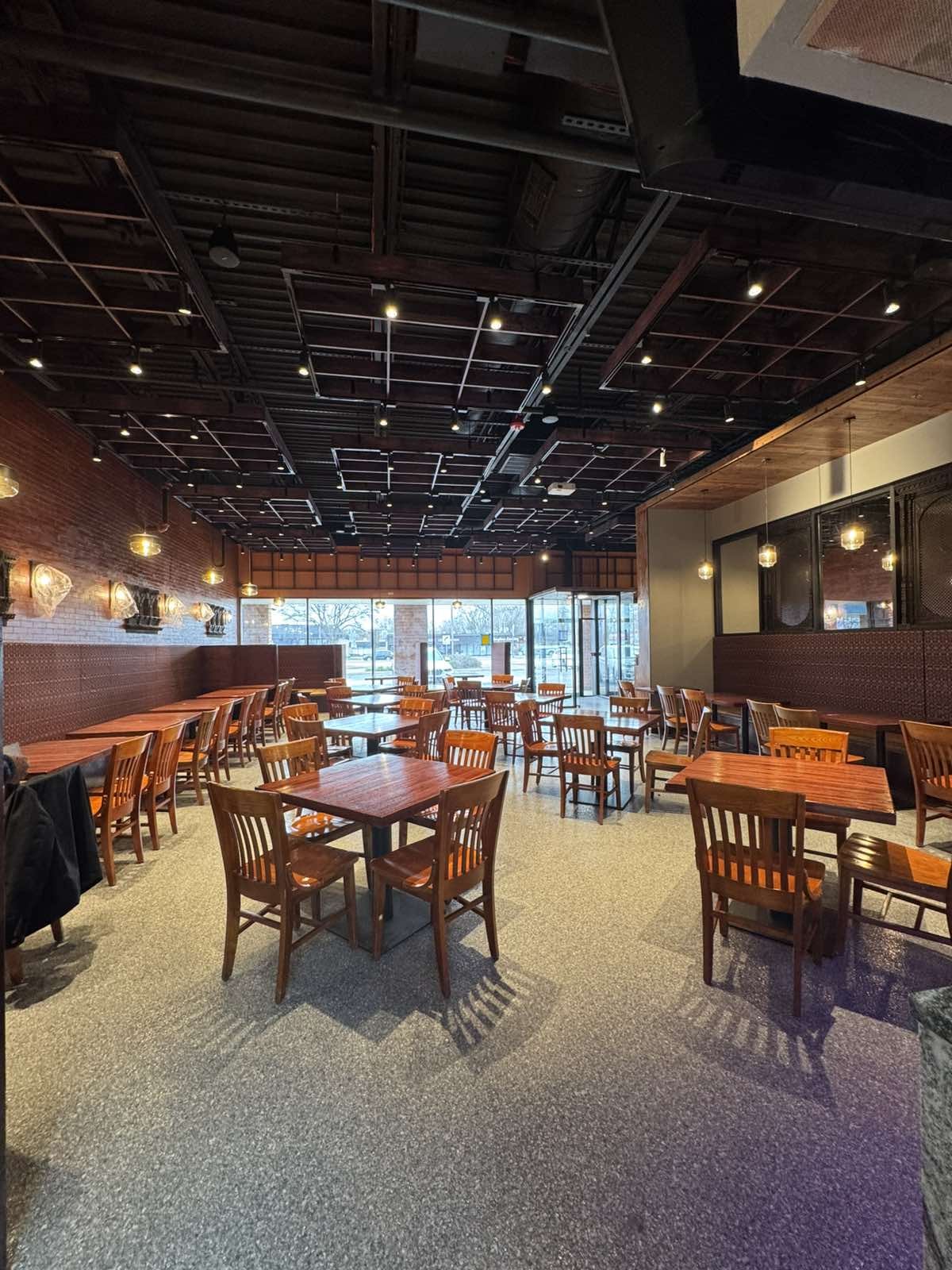
Where the Himalayas Meet the Subcontinent, on the North Shore
Waukegan Road through Glenview is not the kind of strip that announces itself. Low-slung commercial blocks, parking lots, the particular quietness of a prosperous Illinois suburb on a weekday afternoon. Which makes the presence of a restaurant pairing Indian and Nepali cuisines under one roof something worth examining rather than taking for granted. The Clove Indian and Nepali Cuisine, at 1827 Waukegan Rd, sits in a dining corridor that includes Cafe Lucci, Hackney's on Harms, Nomu Ramen, and Ēma Glenview, a range of formats and origins that reflects Glenview's demographic complexity more accurately than any single neighborhood label could.
Indian and Nepali food appearing together on a menu is less common in suburban American dining than it might seem. The two traditions share geographical proximity and some foundational spice logic, but they diverge in meaningful ways: Nepali cooking is more restrained with chili heat, relies heavily on mustard oil and timur (Sichuan pepper's Himalayan cousin), and has a lentil and fermented food culture that predates the curry-house model most American diners associate with the subcontinent. A restaurant that presents both honestly is making an argument about culinary specificity that most suburban dining avoids.
Two Traditions, One Menu: What the Pairing Actually Means
The Indian subcontinent's culinary geography is among the most complex on earth. The distance between a Punjabi dhaba and a Chettinad kitchen is roughly equivalent to the distance between a Parisian brasserie and a Sicilian trattoria, yet American menus have historically flattened that range into a handful of dishes that crossed over during the British curry-house era. What has shifted in the last decade, in cities like Chicago and in the suburbs feeding into it, is a greater willingness among restaurateurs to hold the line on regional specificity.
Nepali cuisine adds a further dimension. Nepal sits geographically between India and Tibet, and its food reflects both neighbors: dal bhat (lentil soup with rice) is the functional spine of the Nepali diet, while momo dumplings draw on Tibetan tradition and are now one of the most recognizable Nepali dishes abroad. The spice register in Nepali cooking tends to be aromatic rather than incendiary, with ingredients like fenugreek, asafoetida, and dried chilies used for depth rather than heat intensity. Presenting this alongside a broader Indian menu requires calibration in the kitchen, since the two cooking traditions ask different things of the cook even when the pantry overlaps.
For the North Shore diner, this represents an opportunity to move beyond the tikka masala shorthand that has defined Indian restaurants in the American mainstream for thirty years. The question a menu like this poses is whether the kitchen treats both traditions as equally serious subjects, or whether one functions as a novelty sidebar to the other.
Glenview's Dining Position in the Chicago North Shore
Glenview occupies a specific position in Chicago's broader dining map. It is close enough to the city to draw comparisons, far enough to develop its own character. The restaurant density on corridors like Waukegan and Willow Roads has grown in proportion to the suburb's population, which skews toward professional households with international backgrounds and higher-than-average food literacy. That demographic context matters when assessing what a restaurant like The Clove is trying to do: it is not opening into a market that needs educating about subcontinental food, but into one that may already have strong reference points and specific expectations.
This places The Clove in a different competitive conversation than, say, a South Asian restaurant in a city center trying to capture tourist traffic or the casual weeknight crowd. The Glenview diner who walks through the door has likely eaten Indian food many times and may have enough exposure to Nepali cooking to have an opinion about momo construction. That is a more demanding audience than the format might suggest, and a more interesting one to cook for.
For those building a broader picture of North Shore dining, our full Glenview restaurants guide maps the corridor in detail, placing The Clove alongside the full range of the suburb's options by cuisine and format.
Cultural Roots: Why the Indian-Nepali Combination Has Durability
One reason the Indian-Nepali pairing has more staying power than a novelty fusion concept is that the combination reflects how people in the Himalayan region and the Indian diaspora actually eat. There is no clean border between the two food cultures at the household level, particularly among communities from Nepal's Terai region (the southern plains bordering India) or among Indian families with long connections to Nepal's urban centers like Kathmandu and Pokhara.
In American cities, the Nepali diaspora has grown consistently since the 1990s, concentrated in particular in cities like New York, Chicago, Dallas, and Columbus. Chicago's broader metropolitan area holds one of the country's larger Nepali-American communities, which means demand for cooking that goes beyond the momo-and-dal-bhat tourist version exists in the suburban ring as well as in the city. A restaurant like The Clove, in a suburb like Glenview, is as much a community infrastructure decision as it is a commercial one.
The durability of these cuisines also has something to do with the spice traditions themselves. Subcontinental spice knowledge is among the most sophisticated and differentiated in the world, built on thousands of years of trade, agriculture, and Ayurvedic pharmacology. A kitchen that handles that tradition seriously, rather than approximating it for a simplified palate, is doing something that neither mass-market Indian chains nor generic fusion formats can replicate at scale.
Comparable seriousness about culinary tradition at the high end of the American dining spectrum shows up at places like Atomix in New York City, where Korean culinary heritage is treated as a subject worthy of deep investigation rather than a commercial format to be simplified. The principle, that cuisine carries cultural information worth preserving in full, applies equally at every price point and every scale. The ambition is calibrated differently, but the underlying argument is the same.
Planning Your Visit
The Clove is located at 1827 Waukegan Rd, Glenview, IL 60025, on a corridor that is most easily reached by car from Chicago's North Shore communities or from the Edens Expressway. Glenview's Metra station (Union Pacific North line) puts the suburb within reach of city visitors without a car, though Waukegan Road itself requires a short drive or rideshare from the station. North Shore suburban restaurants in this format tend to draw their peak traffic on weekend evenings; a midweek visit typically offers a quieter room and more focused service.
The broader Glenview dining scene, with restaurants ranging from Italian at Cafe Lucci to American classics at Hackney's on Harms, gives the suburb enough range to anchor a full evening out rather than a single-stop meal. The Clove adds a South Asian and Himalayan dimension that the corridor did not previously carry in this form.
At a Glance
- Lively
- Energetic
- Group Dining
- Casual Hangout
- Late Night
- Live Music
Current opening hours
- Monday
- 11:30 AM–9 PM
- Tuesday
- 11:30 AM–9 PM
- Wednesday
- 11:30 AM–9 PM
- Thursday
- 11:30 AM–9 PM
- Friday
- 11:30 AM–11 PM
- Saturday
- 11:30 AM–11 PM
- Sunday
- 11:30 AM–9 PM
Hours can change for holidays and private events. Last verified .
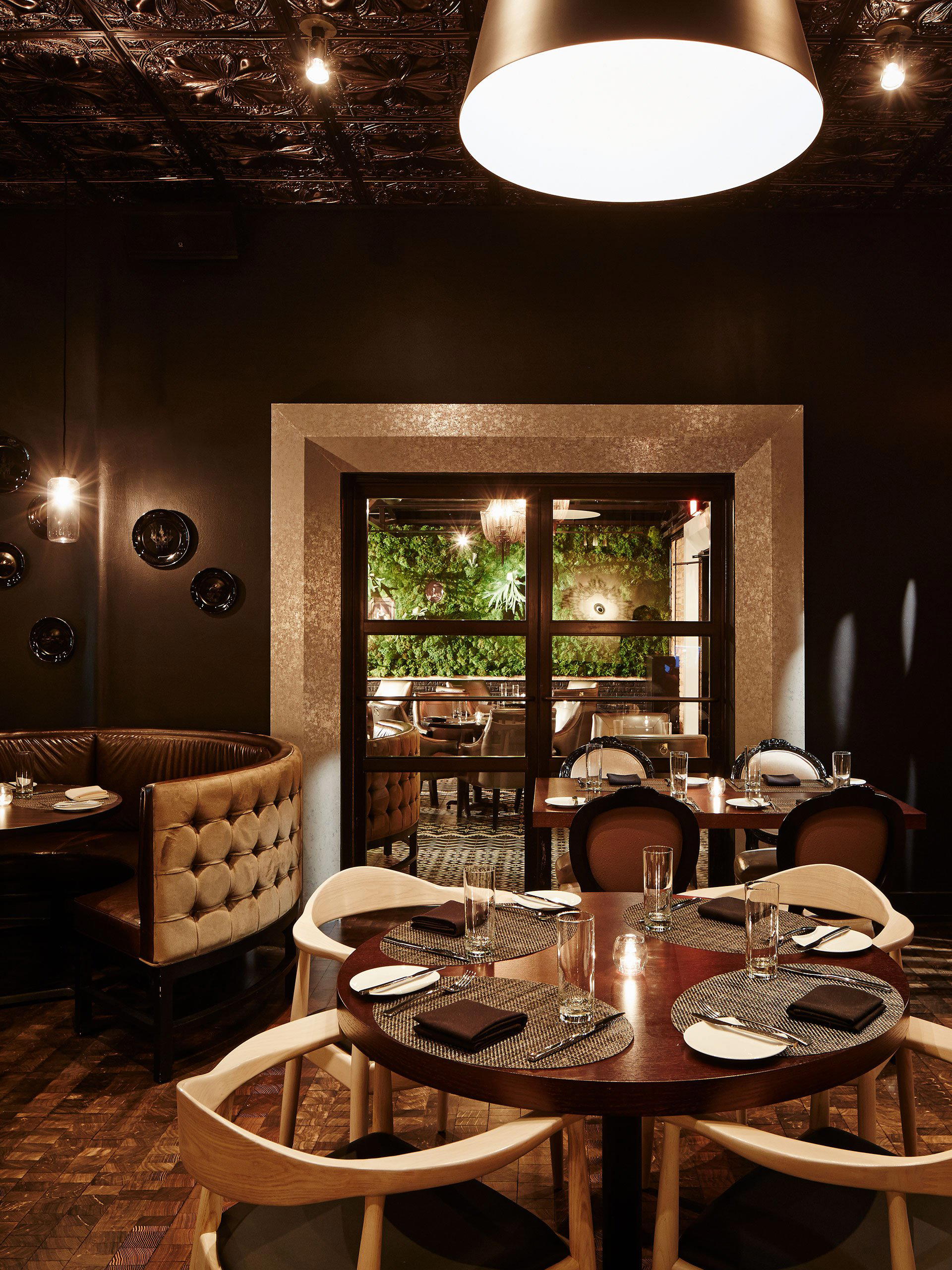
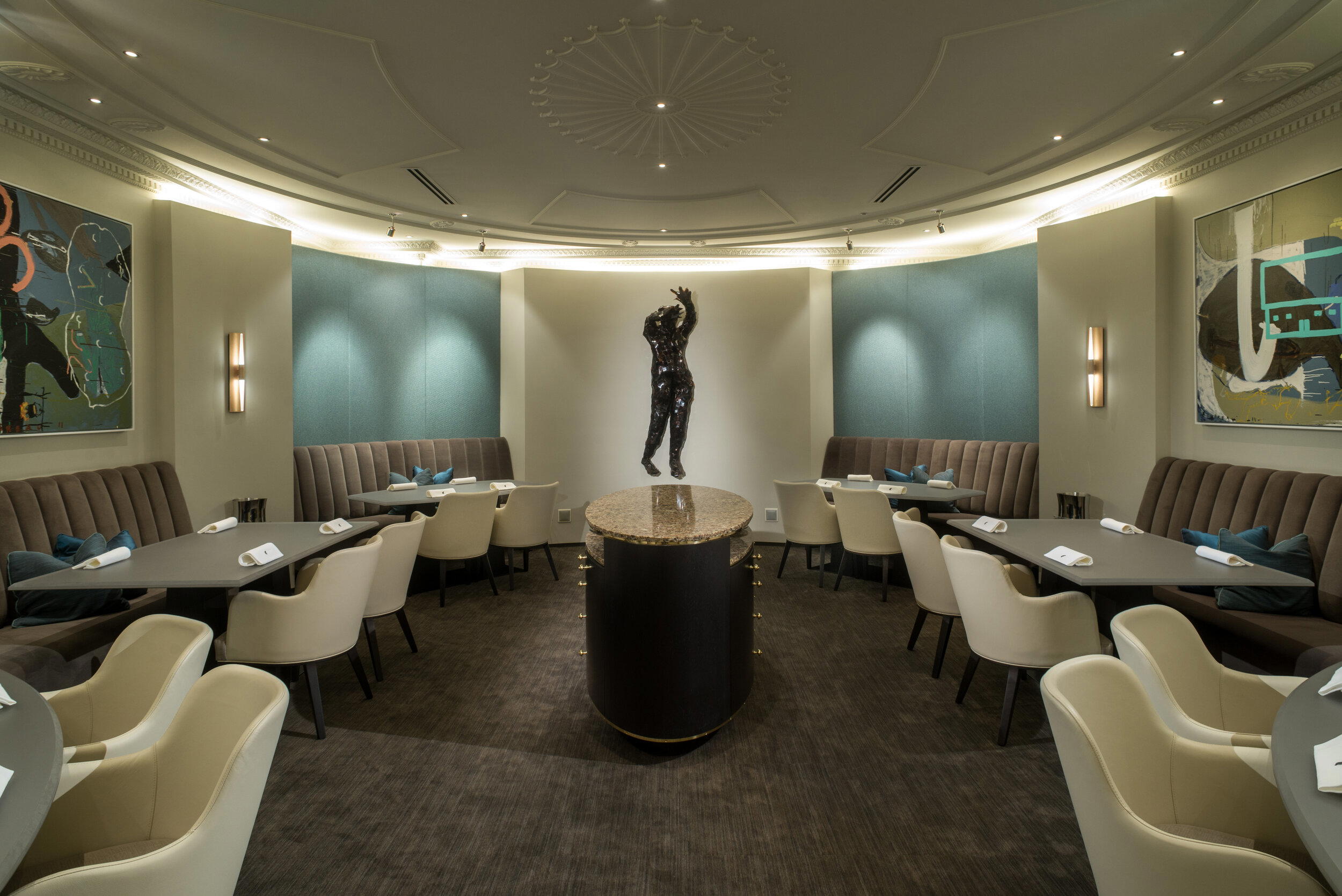
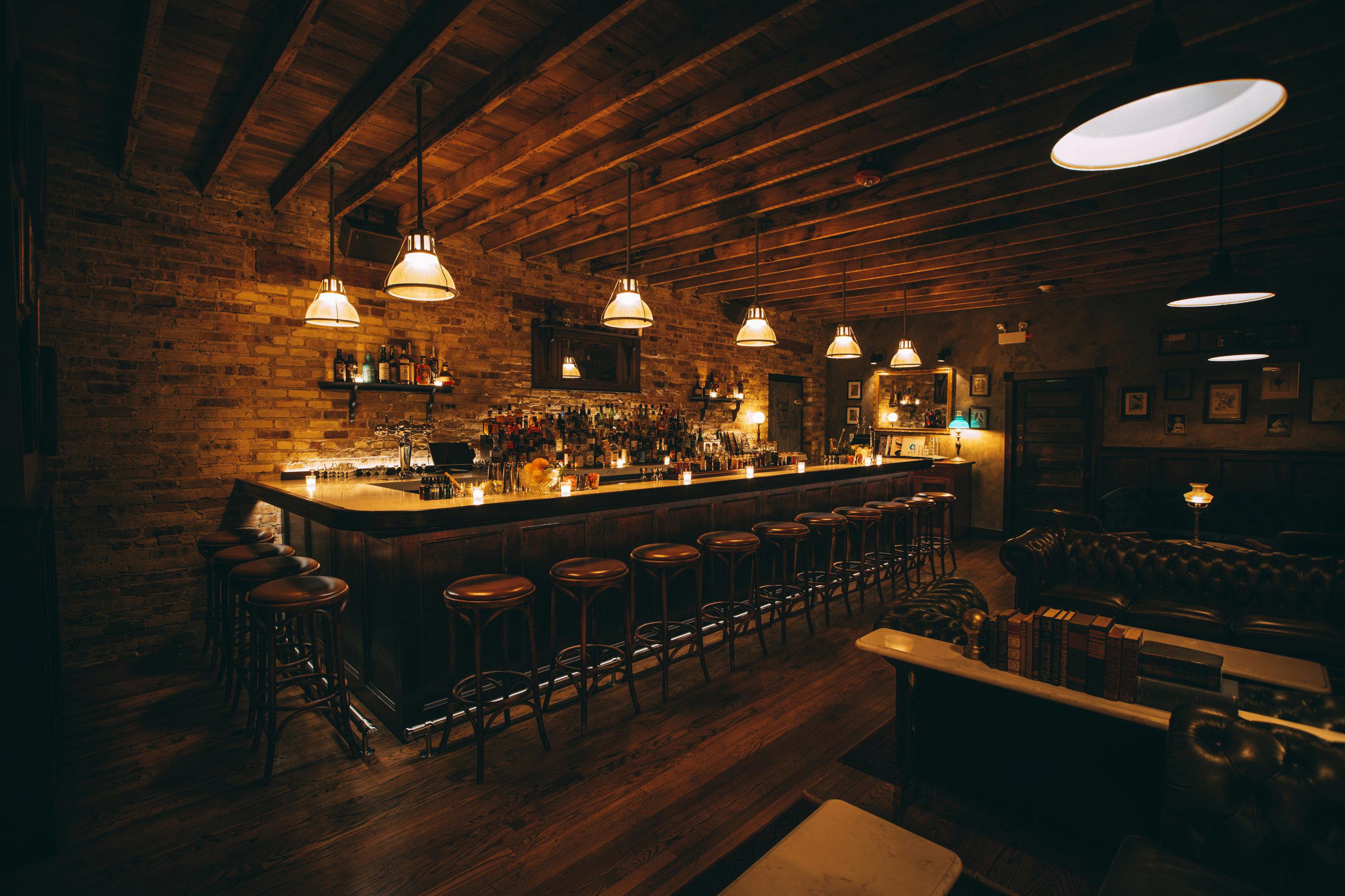
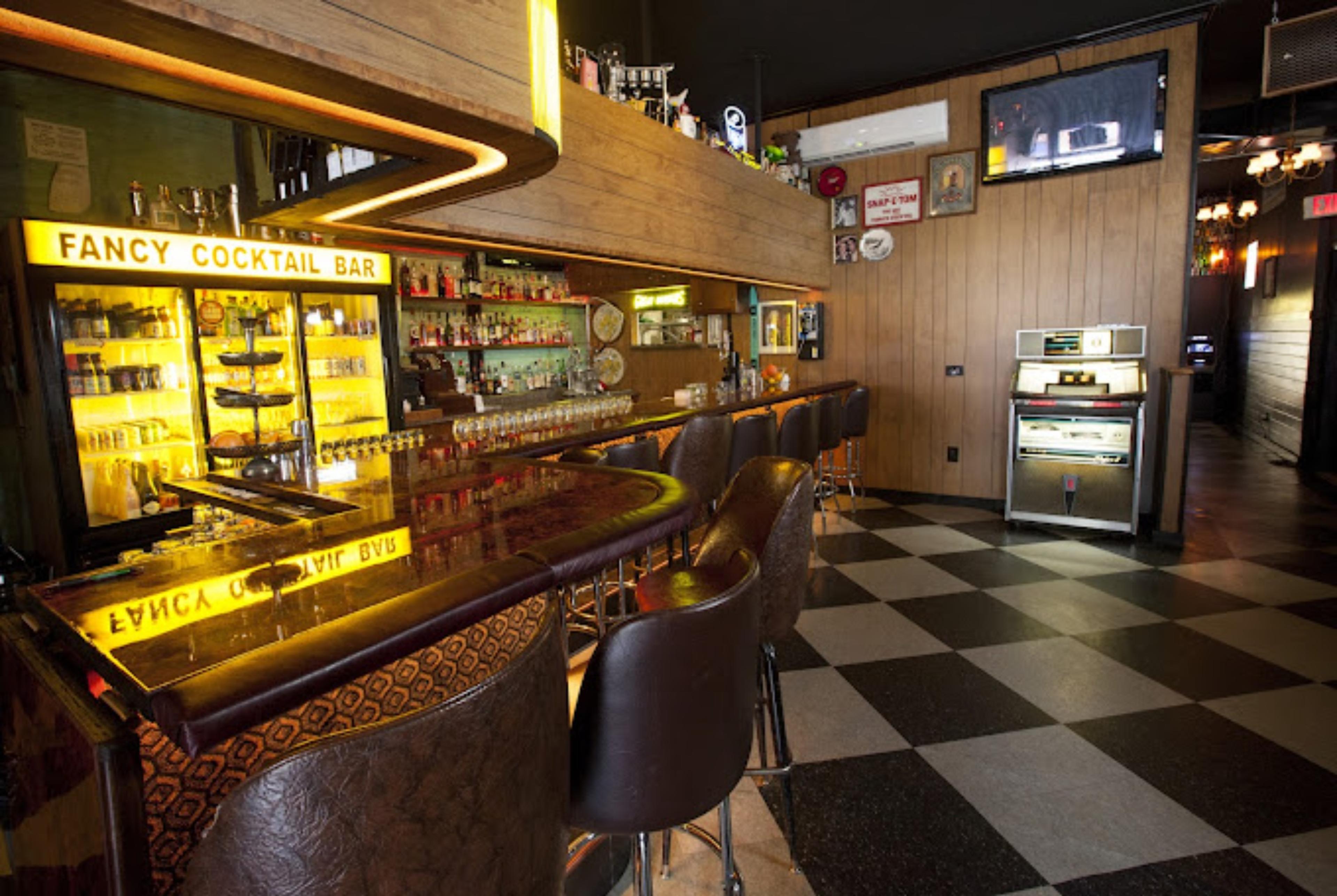
Lively and energetic atmosphere with entertainment after 9 PM turning dinner into a night out.
Know Before You Go
- Getting there
- 1827 Waukegan Rd, Glenview, IL 60025