<h2>Where the Room Arrives Before the Food Does</h2><p>There is a particular kind of restaurant that announces itself through atmosphere before a single dish reaches the table. In Dubai, where the dining scene has grown into one of the most competitive in the world, Nobu occupies a recognisable position in that category. The room carries the deliberate calm that the global brand has refined over decades: low light, clean lines, the ambient murmur of a crowd that is there to be seen as much as to eat. Walking in, the shift from the city outside is immediate and intentional. Dubai's heat and pace simply stop at the threshold.</p><p>The Nobu format is well-documented at this point. What began as a collaboration between chef Nobu Matsuhisa and Robert De Niro in New York in 1994 became one of the most replicated fine-dining concepts in the world. The Dubai outpost sits within that global network, drawing on the same Japanese-Peruvian culinary fusion, known as Nikkei cuisine, that the brand established as its signature. For a city where international restaurant groups compete aggressively for the premium diner's attention, Nobu's longevity in Dubai is itself a form of evidence. It has outlasted concepts that arrived with more theatrical promise and fewer operational foundations.</p><h2>The Nikkei Framework and What It Means Here</h2><p>Nikkei cooking, the cuisine that emerged from Japanese immigrants in Peru beginning in the late nineteenth century, produces a distinctive tension on the plate: the discipline of Japanese technique applied to the bolder, acidic, and chilli-forward flavours of the Andes and the Pacific coast. Dishes built on that framework typically work around citrus-cured fish, miso-glazed proteins, and sauces that use aji amarillo or yuzu to pull in opposite directions simultaneously. The result, when executed correctly, is food that reads as clean but arrives with considerably more force than it first suggests.</p><p>In Dubai's dining market, that approach positions Nobu in a specific tier. The city has strong Japanese restaurant representation, from high-volume contemporary operations like Zuma to the quieter, more ingredient-focused end of the spectrum. Nobu sits in a different register from both: it is a global brand with a coherent culinary identity, which gives it a consistency that locally-conceived concepts do not always match, but also a degree of predictability that diners either prize or find limiting depending on what they are looking for. Guests seeking genuine experimentation will find more risk-taking at places like <a href="https://www.enprimeurclub.com/restaurants/moonrise-dubai-restaurant">moonrise</a> or <a href="https://www.enprimeurclub.com/restaurants/row-on-45-dubai-restaurant">Row on 45</a>, both of which operate with a less codified creative brief. Guests who want a high-confidence evening with a known format will find Nobu delivers on that premise with considerable reliability.</p><h2>Recognition in the Regional Context</h2><p>Nobu Dubai holds a Regional Winner designation from the World of Fine Wine London Awards, covering the Middle East and Africa category. In the context of how such awards are distributed, that places the restaurant inside a competitive tier that includes the serious end of Dubai's food and beverage market. The city now hosts a number of addresses that have earned international recognition: <a href="https://www.enprimeurclub.com/restaurants/trsind-studio-dubai-restaurant">Trèsind Studio</a> operates in the upper bracket of modern Indian cuisine, and <a href="https://www.enprimeurclub.com/restaurants/fzn-by-bjrn-frantzn-dubai-restaurant">FZN by Björn Frantzén</a> brings a Scandinavian fine-dining framework to the market. Against that backdrop, Nobu's recognition reflects its sustained performance rather than novelty, which is a different and arguably more demanding standard to maintain.</p><p>For comparison beyond the region: the World of Fine Wine awards recognise operations from <a href="https://www.enprimeurclub.com/restaurants/le-bernardin">Le Bernardin in New York City</a> to <a href="https://www.enprimeurclub.com/restaurants/alain-ducasse-louis-xv-monte-carlo-restaurant">Alain Ducasse at Louis XV in Monte Carlo</a>, which indicates the tier of operation these designations are intended to identify. Nobu's inclusion in the Middle East and Africa category places it among the addresses EP Club tracks in this part of the world alongside venues like <a href="https://www.enprimeurclub.com/restaurants/erth-abu-dhabi-restaurant">Erth in Abu Dhabi</a>, which takes a sharply different approach through Emirati culinary heritage.</p><h2>The Atmosphere in Practice</h2><p>The sensory experience at Nobu Dubai is calibrated, not accidental. Lighting in the Nobu format tends toward the amber and the subdued, which serves two functions: it flatters the room's occupants and it softens the visual pace of the space, encouraging guests to slow down at a city that rarely does. Sound levels are managed to allow conversation without effort, which in Dubai's more theatrical dining venues is not always a given. The material palette, typically warm woods, stone surfaces, and considered use of Japanese craft references, creates a visual language that is at once cosmopolitan and specifically rooted in the brand's aesthetic heritage.</p><p>The crowd in the room on any given evening will be international in the way Dubai crowds always are, a mix of residents, regional visitors, and travellers passing through on longer itineraries. The brand's global recognition means it draws guests who have dined at Nobu properties in other cities and are using the Dubai visit to calibrate one outpost against others. That self-selecting clientele tends to produce a certain baseline energy: engaged, purposeful, familiar with the format, and not easily impressed by things they have seen done better elsewhere. It is a demanding audience, and the kitchen knows it.</p><h2>Where Nobu Sits in the Dubai Dining Conversation</h2><p>Dubai's premium restaurant market has grown complex enough that placing any single address requires genuine precision. At the wood-fired, produce-driven end, <a href="https://www.enprimeurclub.com/restaurants/11-woodfire-dubai-restaurant">11 Woodfire</a> represents a more ingredient-focused approach to modern cuisine. At the theatrical fine-dining end, addresses like <a href="https://www.enprimeurclub.com/restaurants/moonrise-dubai-restaurant">moonrise</a> and <a href="https://www.enprimeurclub.com/restaurants/row-on-45-dubai-restaurant">Row on 45</a> push harder on concept. Globally, the kind of tasting-menu ambition you find at <a href="https://www.enprimeurclub.com/restaurants/alinea">Alinea in Chicago</a> or the formal French tradition represented by <a href="https://www.enprimeurclub.com/restaurants/allno-paris-au-pavillon-ledoyen-paris-restaurant">Alléno Paris au Pavillon Ledoyen</a> operates in a different category altogether. Nobu is not competing in those spaces. Its model is something distinct: a globally coherent brand delivering a specific culinary framework at a reliably high standard across multiple markets simultaneously, which is a genuinely difficult operational achievement and should be assessed on its own terms.</p><p>The city's restaurant depth now also extends across categories worth consulting before finalising an itinerary. <a href="https://www.enprimeurclub.com/restaurants/dubai">Our full Dubai restaurants guide</a> maps the broader landscape, while <a href="https://www.enprimeurclub.com/hotels/dubai">our Dubai hotels guide</a>, <a href="https://www.enprimeurclub.com/bars/dubai">bars guide</a>, and <a href="https://www.enprimeurclub.com/experiences/dubai">experiences guide</a> cover the rest of what the city offers at the premium tier. There is also a <a href="https://www.enprimeurclub.com/wineries/dubai">Dubai wineries guide</a> for those interested in the regional wine offering.</p><p>For guests arriving in the cooler months, roughly October through April, the timing works well: outdoor terraces across the city become usable, and the dining scene operates at its fullest capacity. Nobu's indoor environment functions year-round, but the broader Dubai dining experience is meaningfully better when the temperature drops below forty degrees.</p><p>Reservations are advisable, particularly on weekends and during peak season. The brand's name recognition in Dubai means walk-in availability at prime times is limited, and the seasonal concentration of visitors between November and March tightens booking windows further. Guests comparing notes with other award-recognised addresses in the city will find a different booking experience at <a href="https://www.enprimeurclub.com/restaurants/trsind-studio-dubai-restaurant">Trèsind Studio</a>, where lead times can extend considerably further given its smaller format and tasting-menu structure. Nobu, with its broader seating capacity relative to chef's-table operations, tends to be more accessible, but advance planning remains the sensible approach. Those looking for comparable globally-anchored restaurant experiences in other cities may also find value in reviewing <a href="https://www.enprimeurclub.com/restaurants/lazy-bear">Lazy Bear in San Francisco</a>, <a href="https://www.enprimeurclub.com/restaurants/emerils-new-orleans-restaurant">Emeril's in New Orleans</a>, or <a href="https://www.enprimeurclub.com/restaurants/8-12-otto-e-mezzo-bombana-hong-kong-restaurant">8½ Otto e Mezzo Bombana in Hong Kong</a> for how premium brand-anchored dining operates across different markets.</p><h2>Practical Notes for Visiting</h2><p>Nobu Dubai operates in a city where dress codes across the premium dining tier run from smart casual to formally dressed, and the Nobu environment aligns with the smarter end of that range. The restaurant draws an evening crowd that dresses for the room, and arriving underdressed creates a discernible friction that is easily avoided. For those building a broader Dubai itinerary, the city's dining scene rewards advance planning at multiple venues simultaneously rather than booking one address and improvising around it.</p><h2>Frequently Asked Questions</h2><dl><dt><strong>Is Nobu a family-friendly restaurant?</strong></dt><dd>Nobu Dubai is primarily an adult dining environment; the price point, atmosphere, and format are calibrated for grown-up evenings out rather than family meals with children.</dd><dt><strong>What is the vibe at Nobu?</strong></dt><dd>The room operates at a deliberately measured register: low light, controlled sound, and a crowd that is there for a considered evening. As a Regional Winner in the World of Fine Wine London Awards for the Middle East and Africa, the restaurant occupies the premium end of Dubai's dining market, and the atmosphere reflects that positioning without tipping into formal stiffness.</dd><dt><strong>What should I order at Nobu?</strong></dt><dd>Order around the Nikkei framework that defines the brand's culinary identity: the kitchen's strength lies in Japanese-Peruvian technique, which means fish preparations, miso-glazed proteins, and citrus-forward sauces. The Nobu format, built on Matsuhisa's established repertoire, has a body of signature dishes recognised across its global network; ask the floor team which preparations the Dubai kitchen executes with particular conviction on the evening you visit.</dd><dt><strong>Do I need a reservation for Nobu?</strong></dt><dd>If you are visiting between November and March, when Dubai's peak season concentrates the highest volume of visitors, a reservation is not optional at the premium price point Nobu operates at; book in advance. Outside peak season, availability opens slightly, but weekends remain competitive given the restaurant's award recognition and the brand's broad name recognition among international visitors to the city.</dd></dl>

Where the Room Arrives Before the Food Does
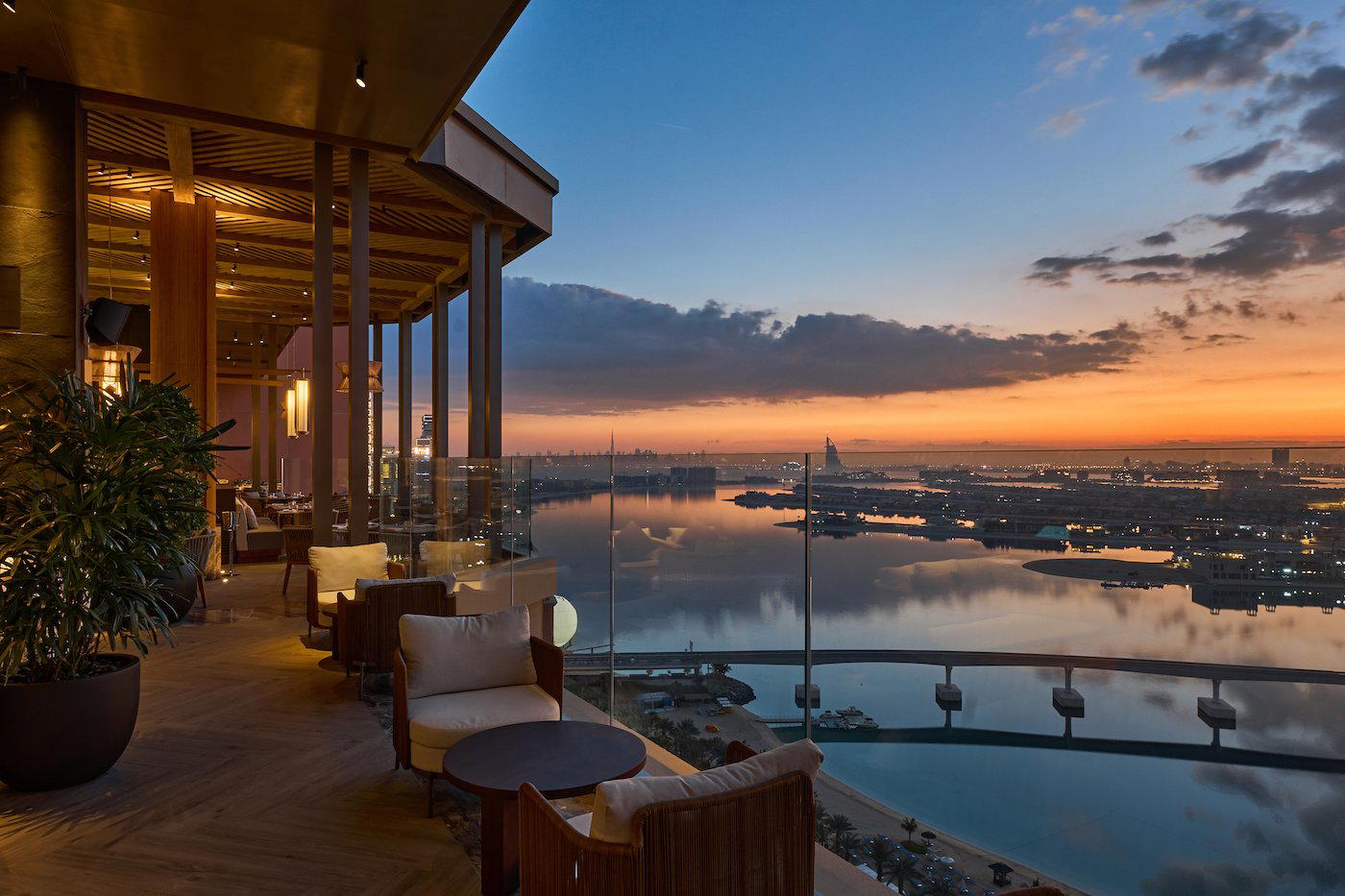
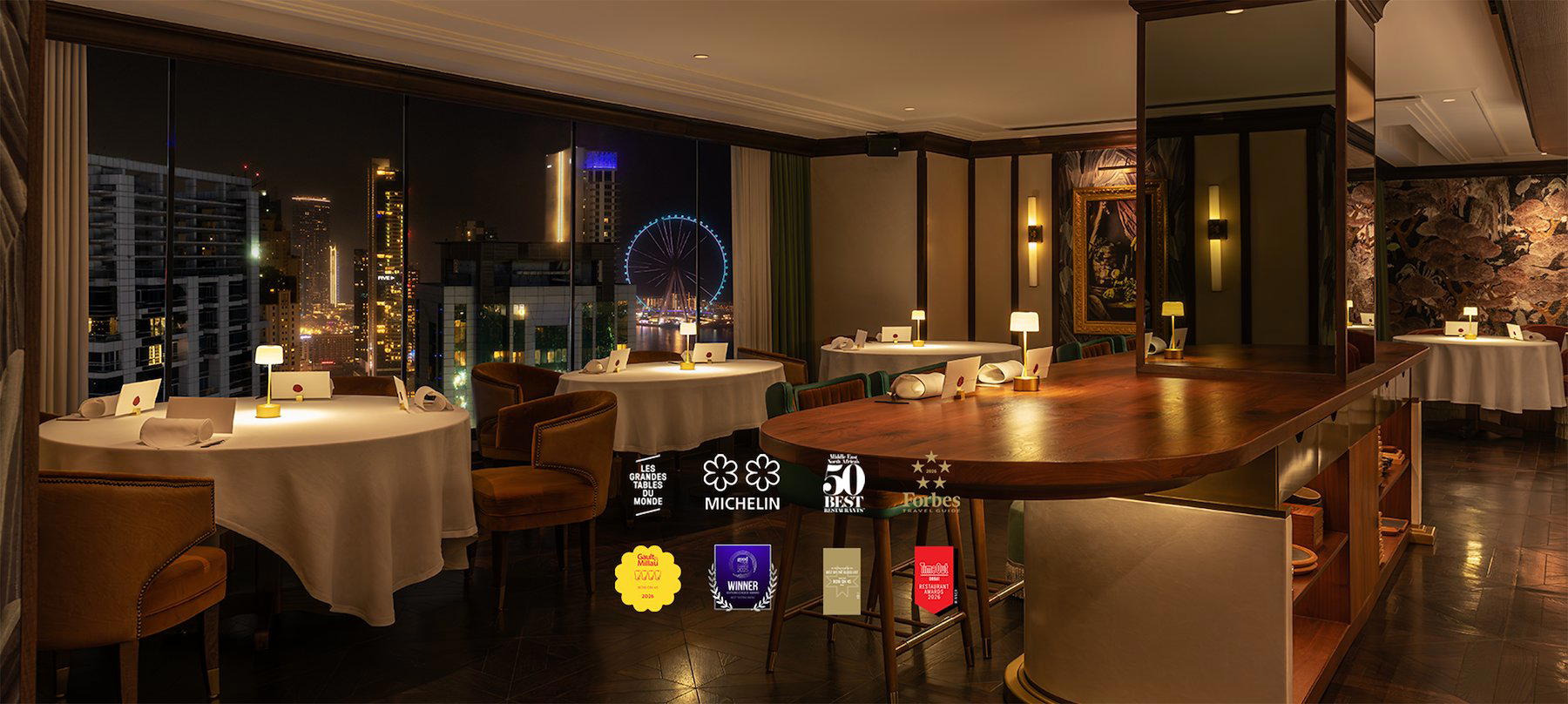
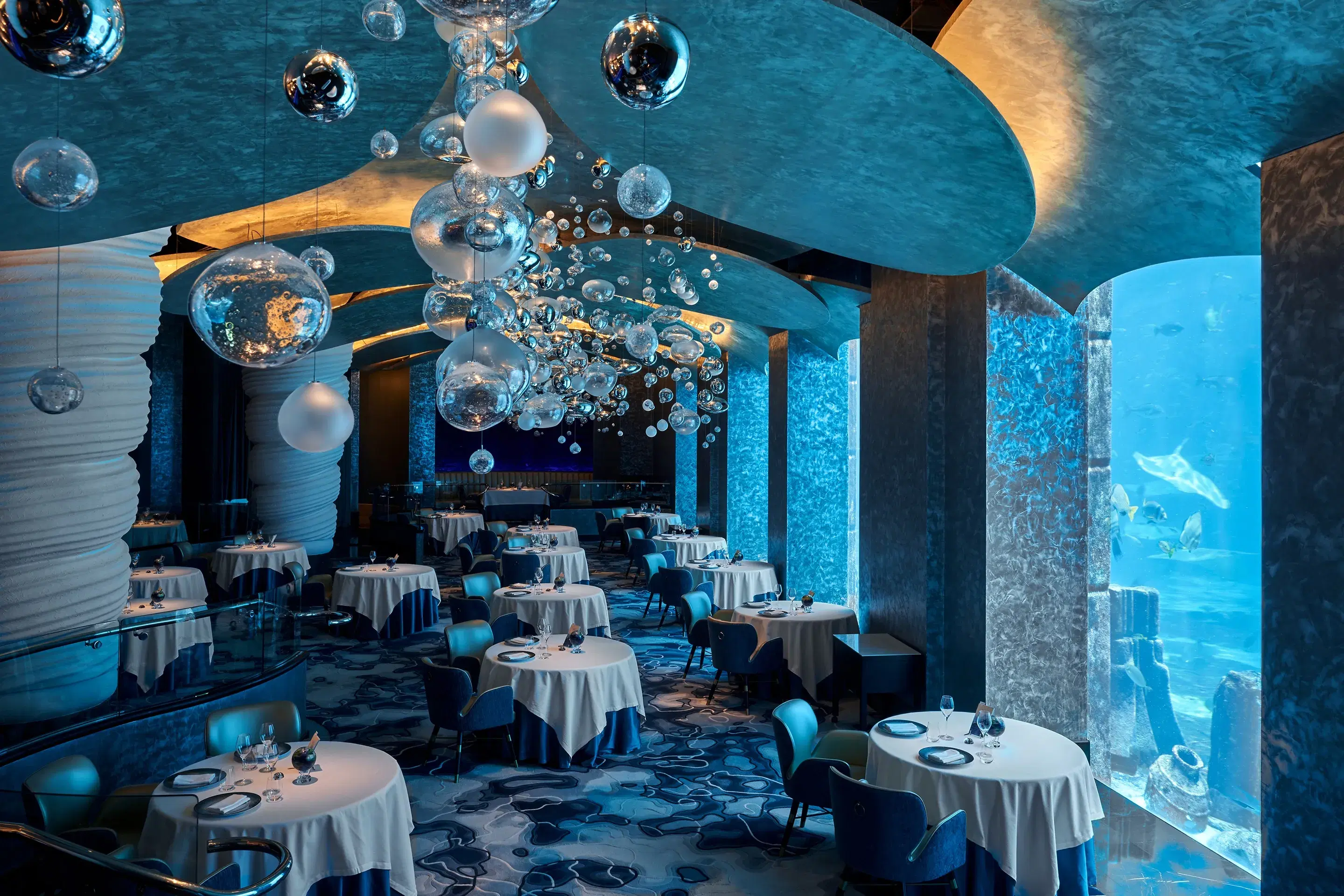
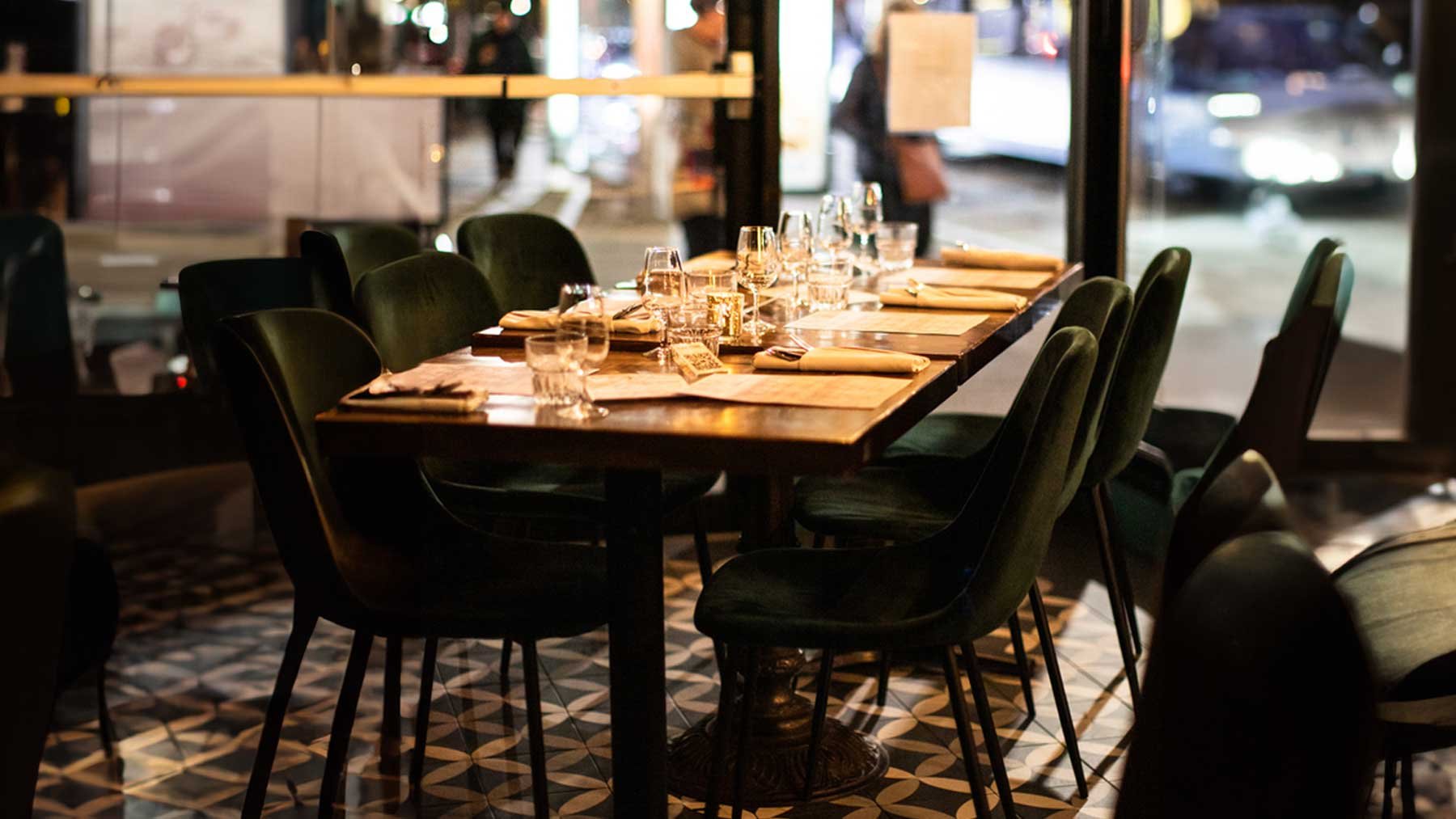
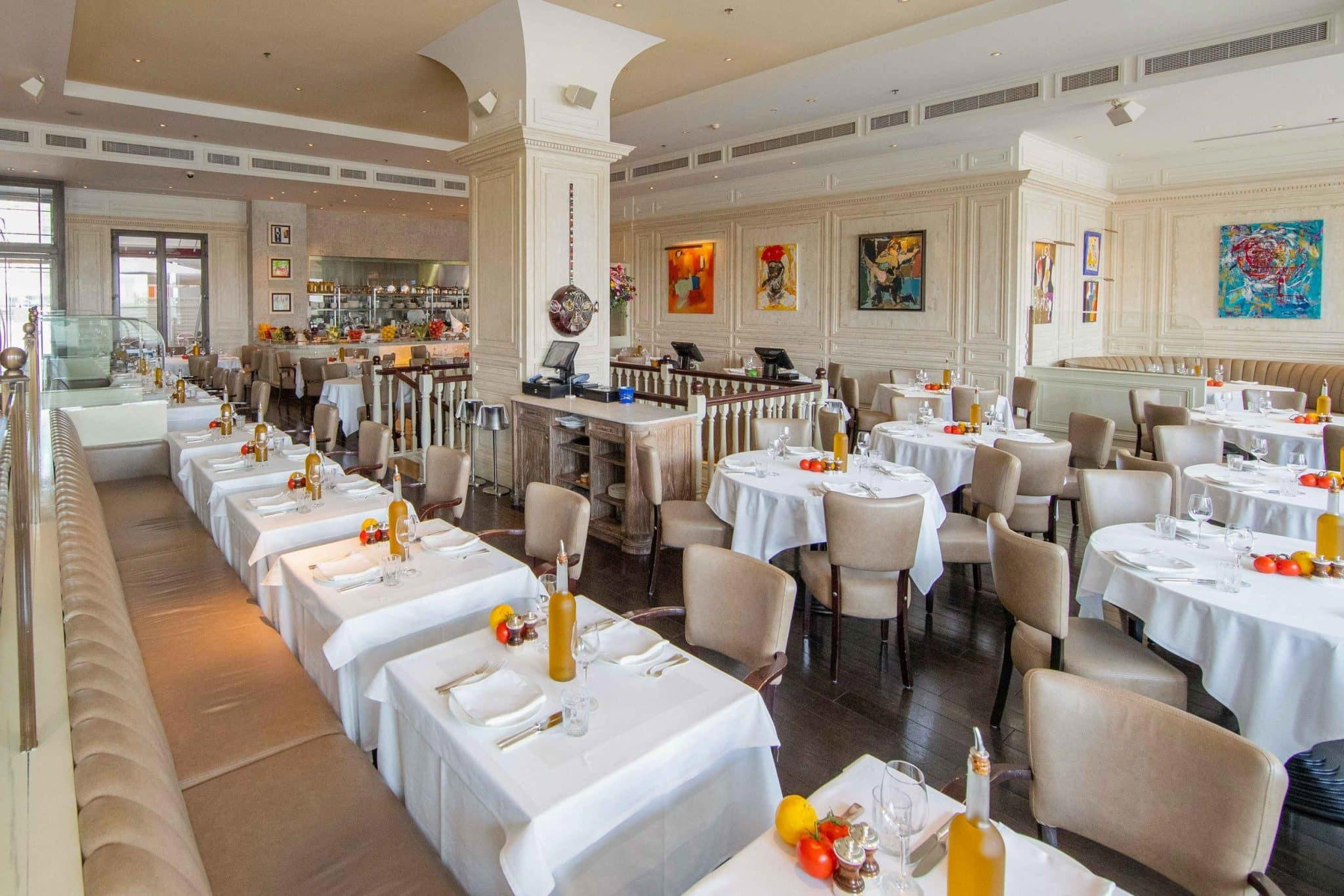
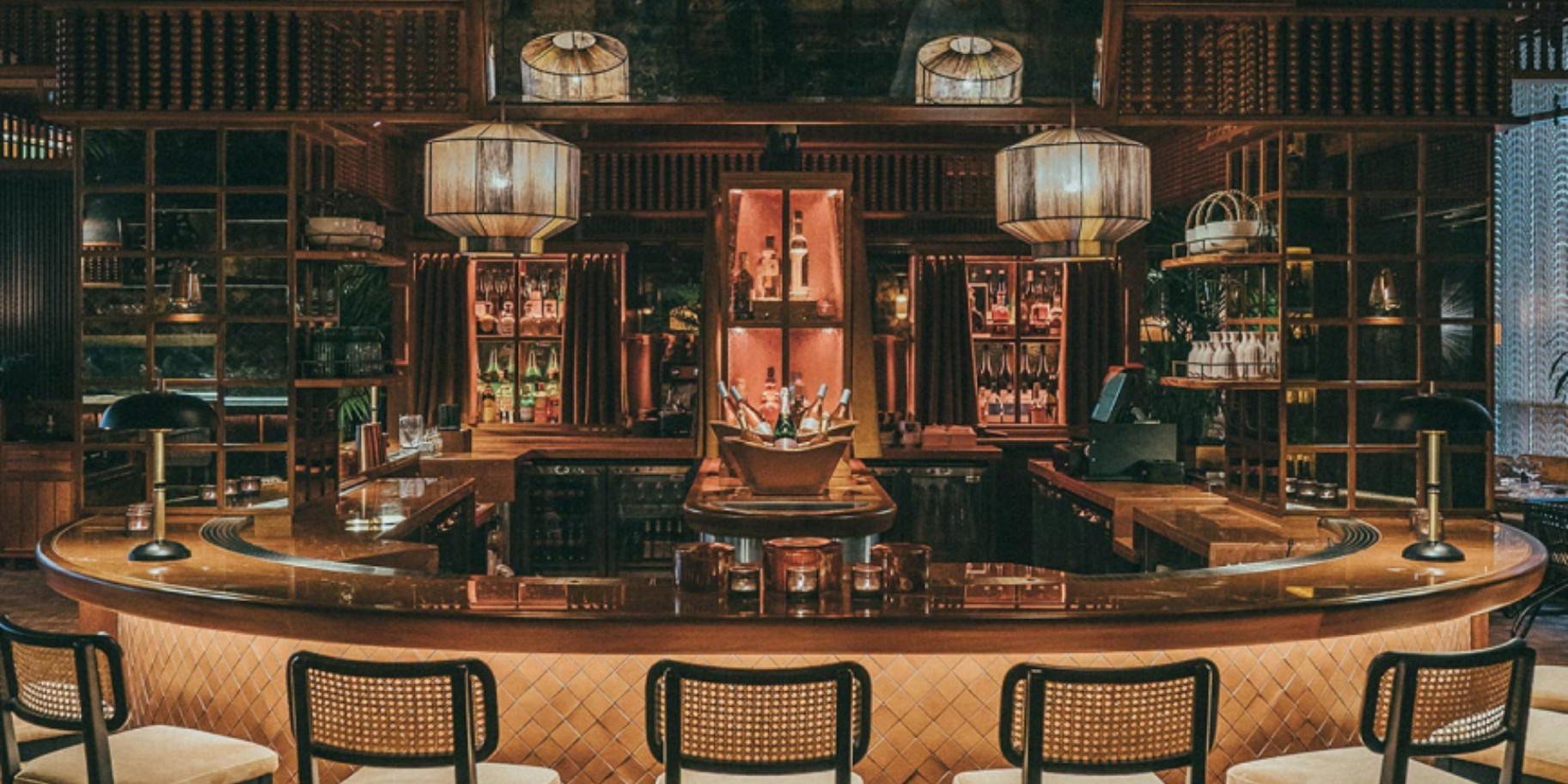
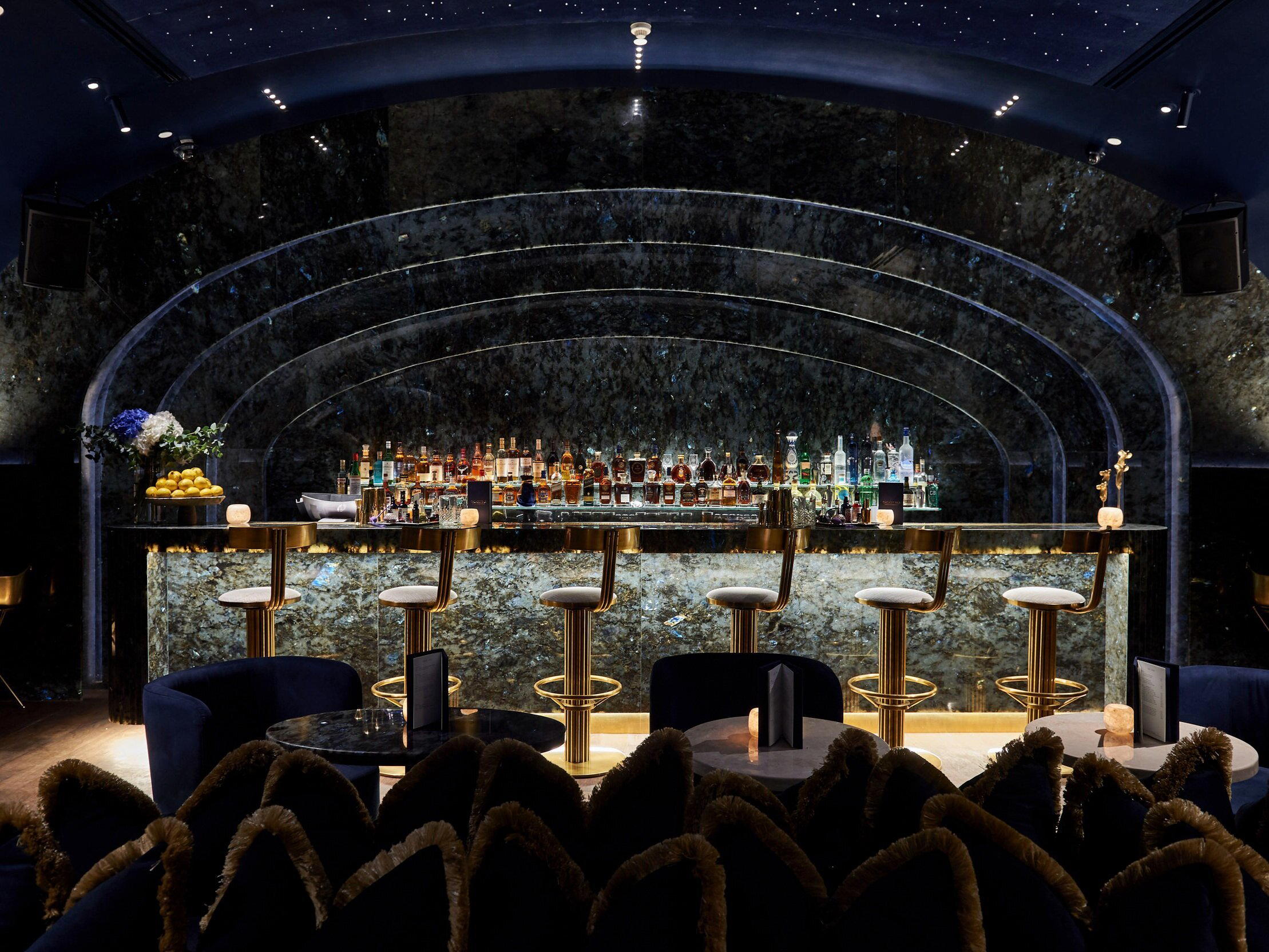
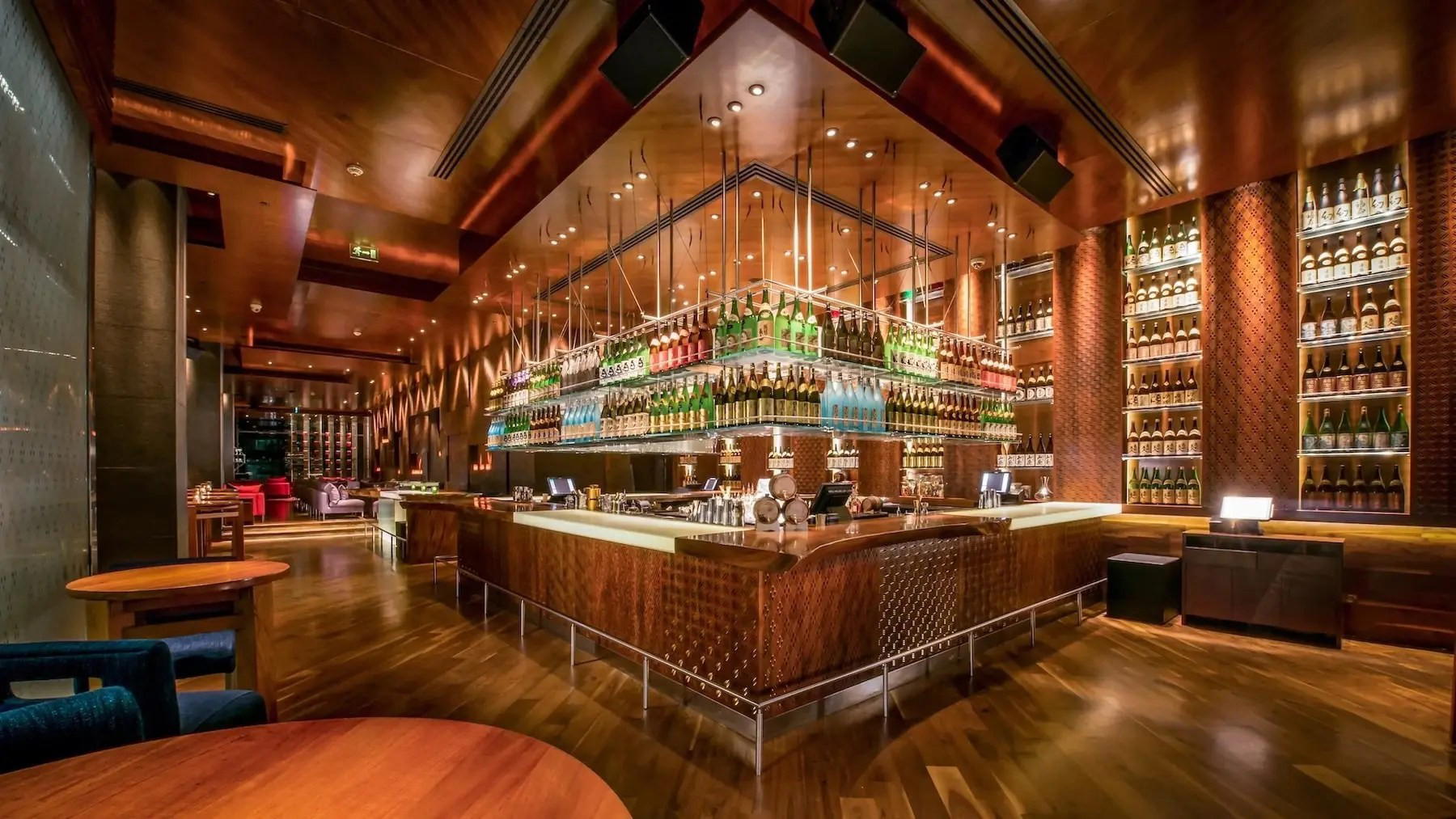
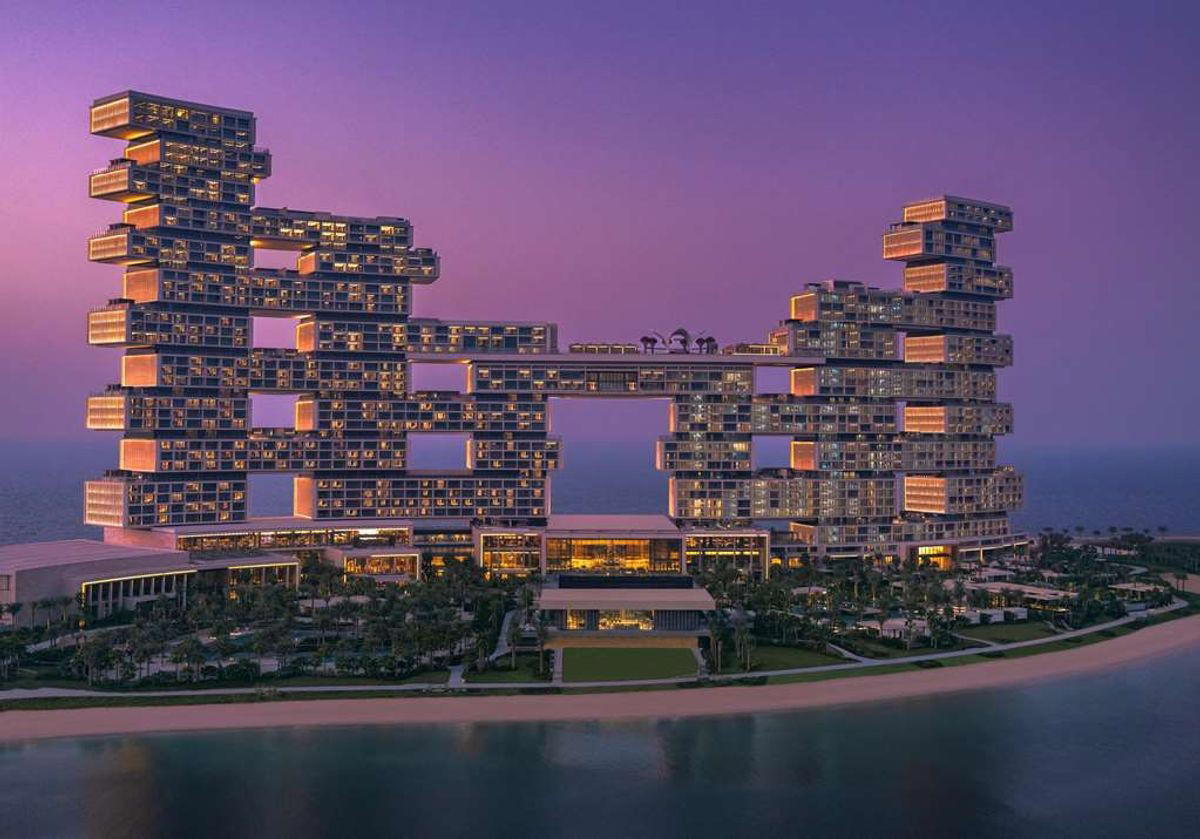
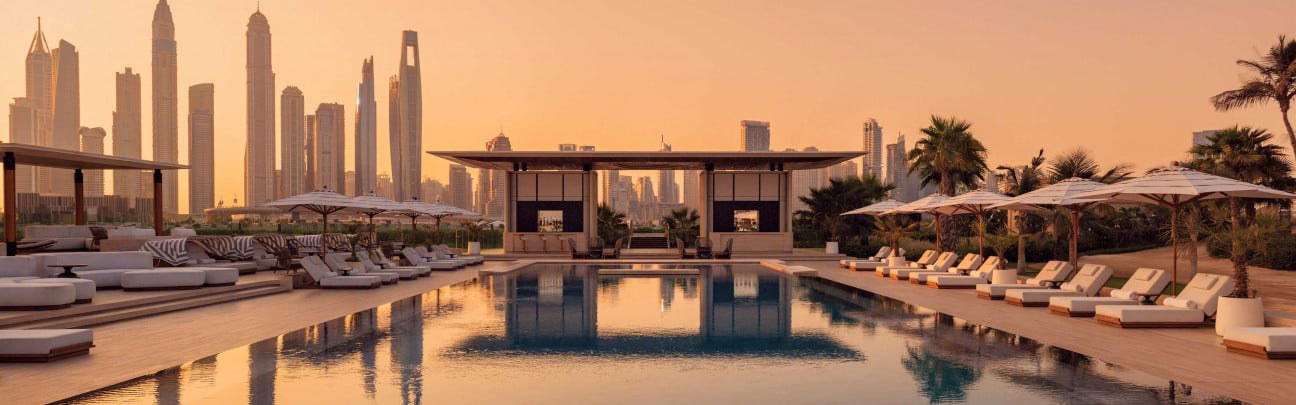
There is a particular kind of restaurant that announces itself through atmosphere before a single dish reaches the table. In Dubai, where the dining scene has grown into one of the most competitive in the world, Nobu occupies a recognisable position in that category. The room carries the deliberate calm that the global brand has refined over decades: low light, clean lines, the ambient murmur of a crowd that is there to be seen as much as to eat. Walking in, the shift from the city outside is immediate and intentional. Dubai's heat and pace simply stop at the threshold.
The Nobu format is well-documented at this point. What began as a collaboration between chef Nobu Matsuhisa and Robert De Niro in New York in 1994 became one of the most replicated fine-dining concepts in the world. The Dubai outpost sits within that global network, drawing on the same Japanese-Peruvian culinary fusion, known as Nikkei cuisine, that the brand established as its signature. For a city where international restaurant groups compete aggressively for the premium diner's attention, Nobu's longevity in Dubai is itself a form of evidence. It has outlasted concepts that arrived with more theatrical promise and fewer operational foundations.
The shortlist, unlocked.
Hard-to-book tables, cellar releases, and concierge-planned trips.
Get Exclusive Access →The Nikkei Framework and What It Means Here
Nikkei cooking, the cuisine that emerged from Japanese immigrants in Peru beginning in the late nineteenth century, produces a distinctive tension on the plate: the discipline of Japanese technique applied to the bolder, acidic, and chilli-forward flavours of the Andes and the Pacific coast. Dishes built on that framework typically work around citrus-cured fish, miso-glazed proteins, and sauces that use aji amarillo or yuzu to pull in opposite directions simultaneously. The result, when executed correctly, is food that reads as clean but arrives with considerably more force than it first suggests.
In Dubai's dining market, that approach positions Nobu in a specific tier. The city has strong Japanese restaurant representation, from high-volume contemporary operations like Zuma to the quieter, more ingredient-focused end of the spectrum. Nobu sits in a different register from both: it is a global brand with a coherent culinary identity, which gives it a consistency that locally-conceived concepts do not always match, but also a degree of predictability that diners either prize or find limiting depending on what they are looking for. Guests seeking genuine experimentation will find more risk-taking at places like moonrise or Row on 45, both of which operate with a less codified creative brief. Guests who want a high-confidence evening with a known format will find Nobu delivers on that premise with considerable reliability.
Recognition in the Regional Context
Nobu Dubai holds a Regional Winner designation from the World of Fine Wine London Awards, covering the Middle East and Africa category. In the context of how such awards are distributed, that places the restaurant inside a competitive tier that includes the serious end of Dubai's food and beverage market. The city now hosts a number of addresses that have earned international recognition: Trèsind Studio operates in the upper bracket of modern Indian cuisine, and FZN by Björn Frantzén brings a Scandinavian fine-dining framework to the market. Against that backdrop, Nobu's recognition reflects its sustained performance rather than novelty, which is a different and arguably more demanding standard to maintain.
For comparison beyond the region: the World of Fine Wine awards recognise operations from Le Bernardin in New York City to Alain Ducasse at Louis XV in Monte Carlo, which indicates the tier of operation these designations are intended to identify. Nobu's inclusion in the Middle East and Africa category places it among the addresses EP Club tracks in this part of the world alongside venues like Erth in Abu Dhabi, which takes a sharply different approach through Emirati culinary heritage.
The Atmosphere in Practice
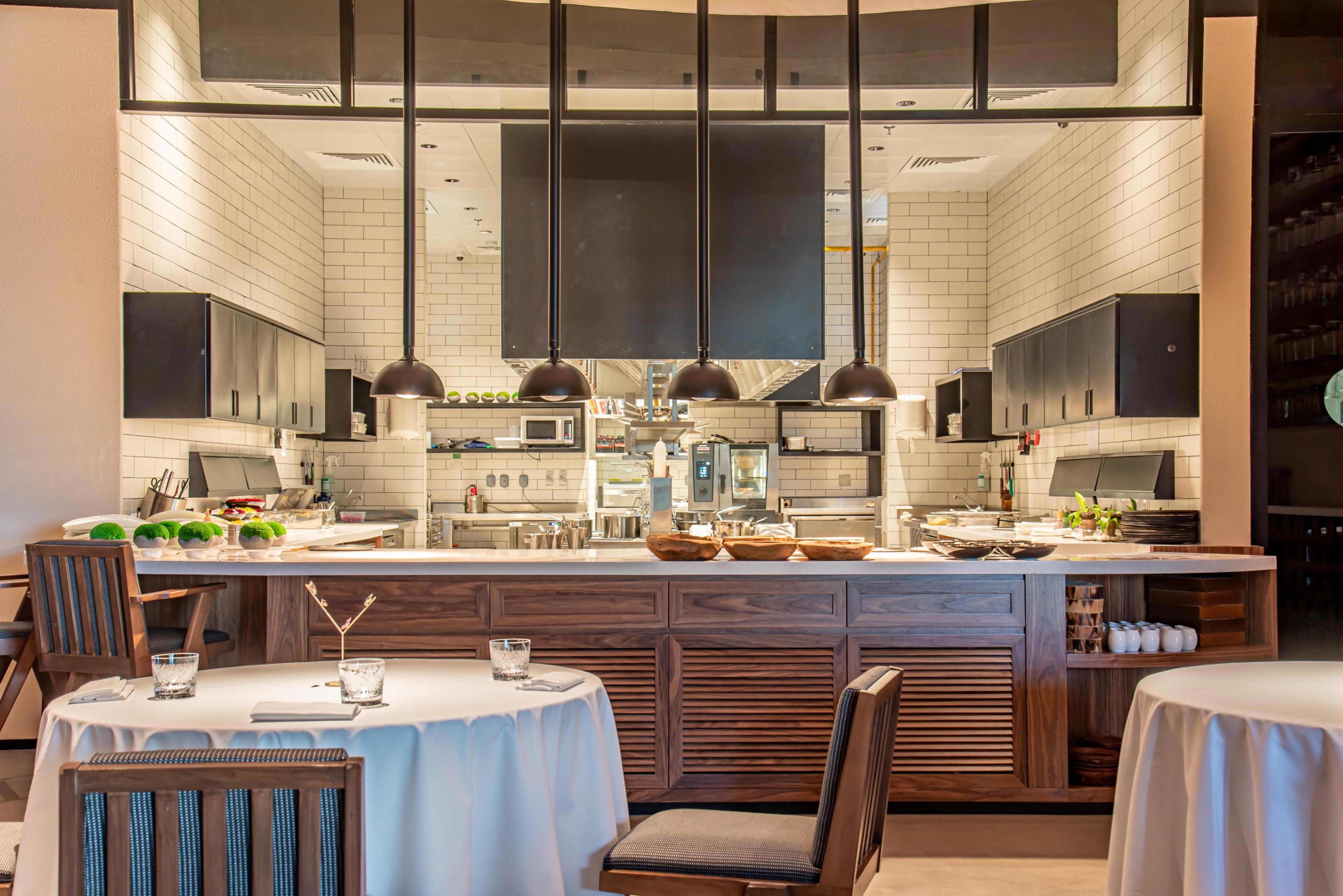
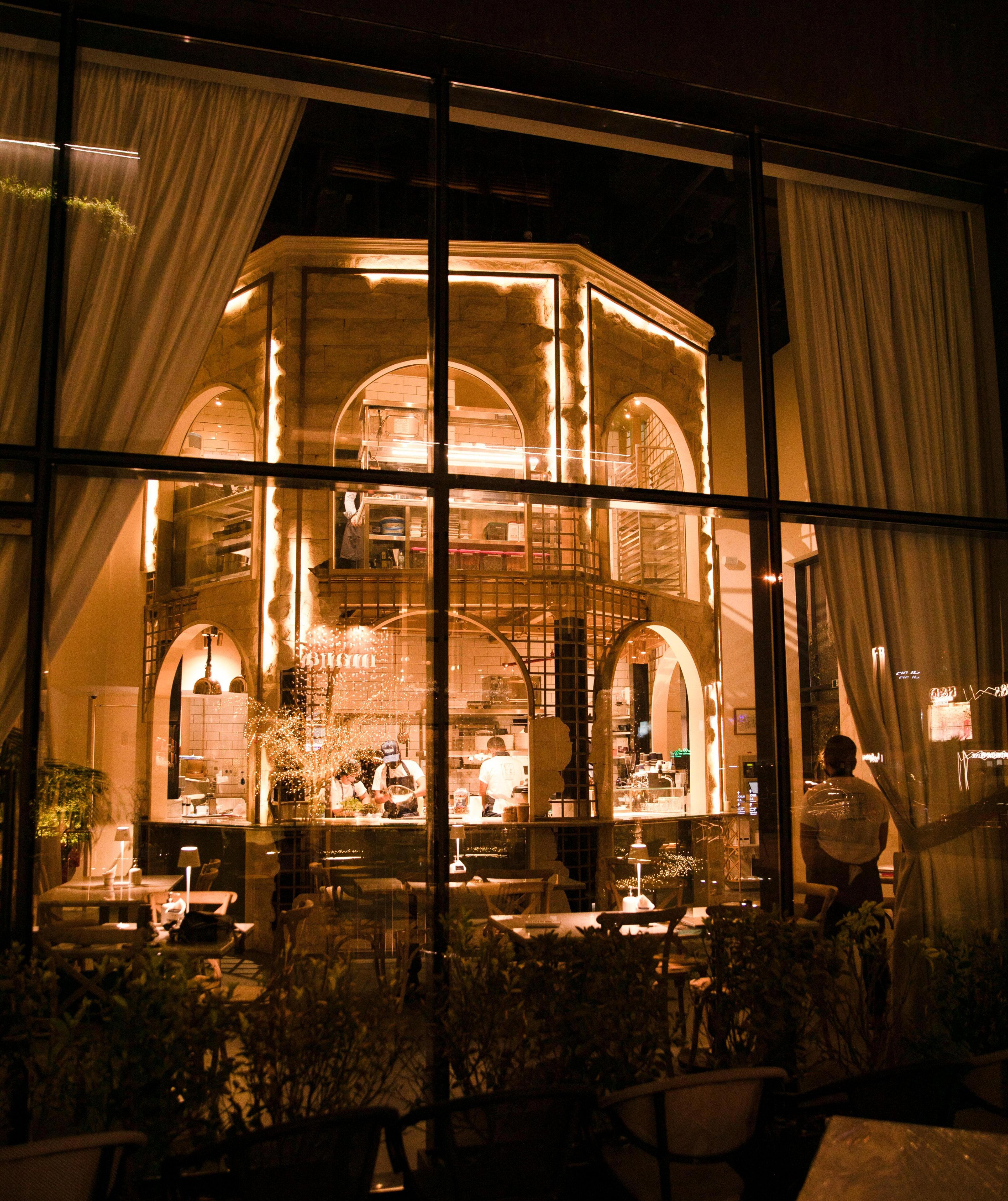
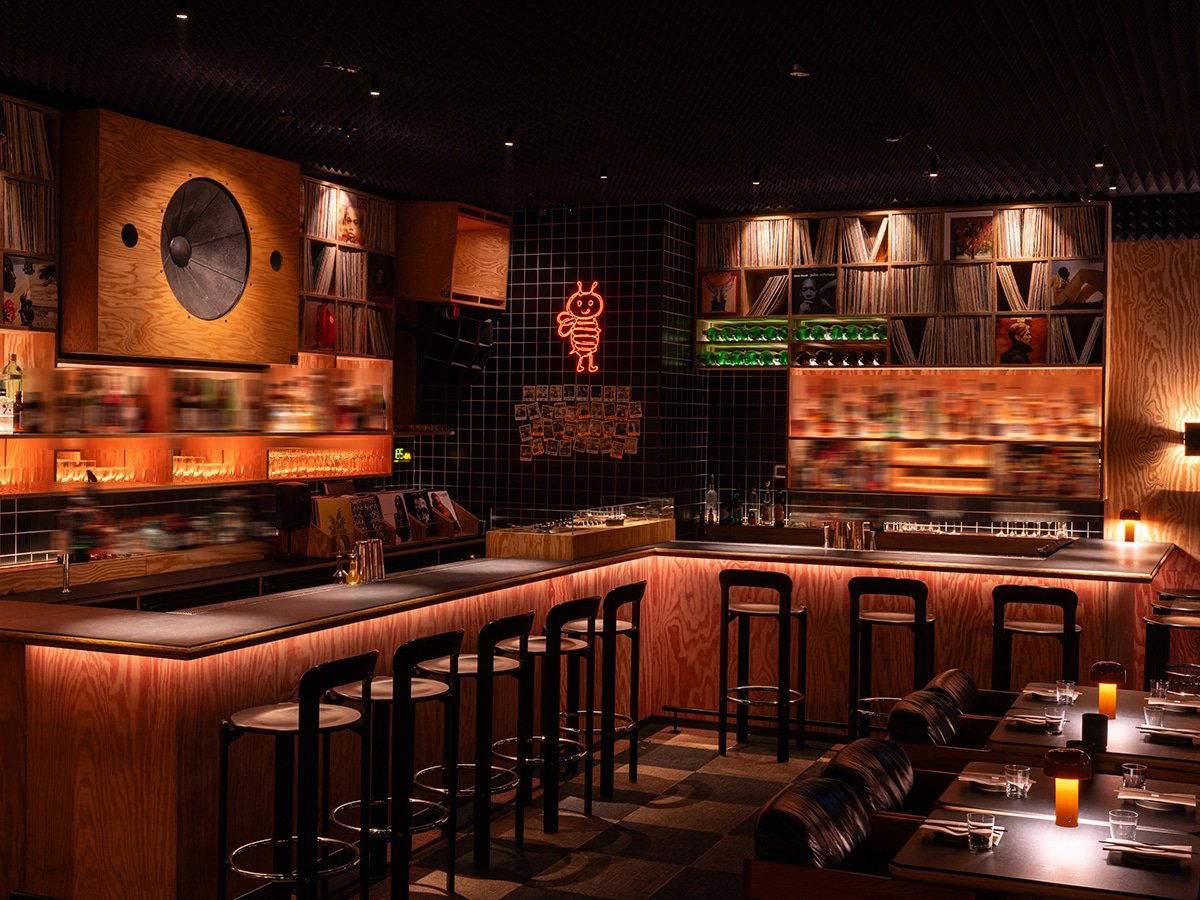
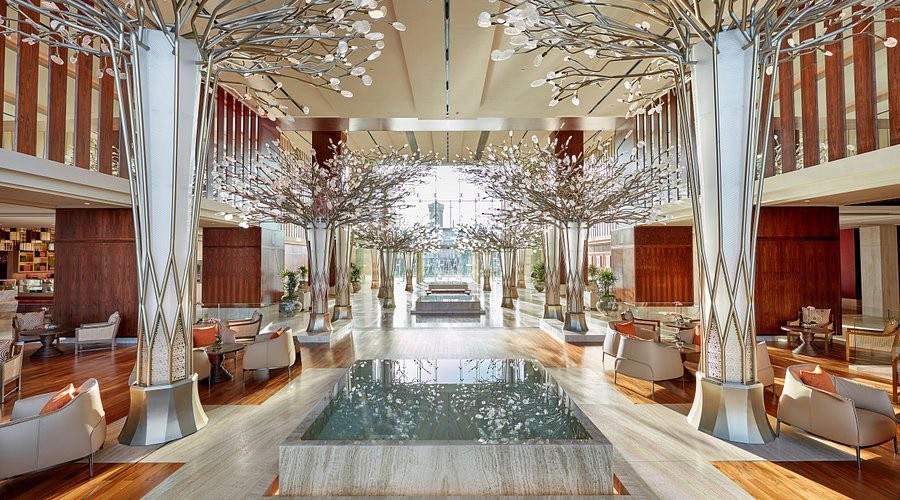
The sensory experience at Nobu Dubai is calibrated, not accidental. Lighting in the Nobu format tends toward the amber and the subdued, which serves two functions: it flatters the room's occupants and it softens the visual pace of the space, encouraging guests to slow down at a city that rarely does. Sound levels are managed to allow conversation without effort, which in Dubai's more theatrical dining venues is not always a given. The material palette, typically warm woods, stone surfaces, and considered use of Japanese craft references, creates a visual language that is at once cosmopolitan and specifically rooted in the brand's aesthetic heritage.
The crowd in the room on any given evening will be international in the way Dubai crowds always are, a mix of residents, regional visitors, and travellers passing through on longer itineraries. The brand's global recognition means it draws guests who have dined at Nobu properties in other cities and are using the Dubai visit to calibrate one outpost against others. That self-selecting clientele tends to produce a certain baseline energy: engaged, purposeful, familiar with the format, and not easily impressed by things they have seen done better elsewhere. It is a demanding audience, and the kitchen knows it.
Where Nobu Sits in the Dubai Dining Conversation
Dubai's premium restaurant market has grown complex enough that placing any single address requires genuine precision. At the wood-fired, produce-driven end, 11 Woodfire represents a more ingredient-focused approach to modern cuisine. At the theatrical fine-dining end, addresses like moonrise and Row on 45 push harder on concept. Globally, the kind of tasting-menu ambition you find at Alinea in Chicago or the formal French tradition represented by Alléno Paris au Pavillon Ledoyen operates in a different category altogether. Nobu is not competing in those spaces. Its model is something distinct: a globally coherent brand delivering a specific culinary framework at a reliably high standard across multiple markets simultaneously, which is a genuinely difficult operational achievement and should be assessed on its own terms.
The city's restaurant depth now also extends across categories worth consulting before finalising an itinerary. Our full Dubai restaurants guide maps the broader landscape, while our Dubai hotels guide, bars guide, and experiences guide cover the rest of what the city offers at the premium tier. There is also a Dubai wineries guide for those interested in the regional wine offering.
For guests arriving in the cooler months, roughly October through April, the timing works well: outdoor terraces across the city become usable, and the dining scene operates at its fullest capacity. Nobu's indoor environment functions year-round, but the broader Dubai dining experience is meaningfully better when the temperature drops below forty degrees.
Reservations are advisable, particularly on weekends and during peak season. The brand's name recognition in Dubai means walk-in availability at prime times is limited, and the seasonal concentration of visitors between November and March tightens booking windows further. Guests comparing notes with other award-recognised addresses in the city will find a different booking experience at Trèsind Studio, where lead times can extend considerably further given its smaller format and tasting-menu structure. Nobu, with its broader seating capacity relative to chef's-table operations, tends to be more accessible, but advance planning remains the sensible approach. Those looking for comparable globally-anchored restaurant experiences in other cities may also find value in reviewing Lazy Bear in San Francisco, Emeril's in New Orleans, or 8½ Otto e Mezzo Bombana in Hong Kong for how premium brand-anchored dining operates across different markets.
Practical Notes for Visiting
Nobu Dubai operates in a city where dress codes across the premium dining tier run from smart casual to formally dressed, and the Nobu environment aligns with the smarter end of that range. The restaurant draws an evening crowd that dresses for the room, and arriving underdressed creates a discernible friction that is easily avoided. For those building a broader Dubai itinerary, the city's dining scene rewards advance planning at multiple venues simultaneously rather than booking one address and improvising around it.
Frequently Asked Questions
- Is Nobu a family-friendly restaurant?
- Nobu Dubai is primarily an adult dining environment; the price point, atmosphere, and format are calibrated for grown-up evenings out rather than family meals with children.
- What is the vibe at Nobu?
- The room operates at a deliberately measured register: low light, controlled sound, and a crowd that is there for a considered evening. As a Regional Winner in the World of Fine Wine London Awards for the Middle East and Africa, the restaurant occupies the premium end of Dubai's dining market, and the atmosphere reflects that positioning without tipping into formal stiffness.
- What should I order at Nobu?
- Order around the Nikkei framework that defines the brand's culinary identity: the kitchen's strength lies in Japanese-Peruvian technique, which means fish preparations, miso-glazed proteins, and citrus-forward sauces. The Nobu format, built on Matsuhisa's established repertoire, has a body of signature dishes recognised across its global network; ask the floor team which preparations the Dubai kitchen executes with particular conviction on the evening you visit.
- Do I need a reservation for Nobu?
- If you are visiting between November and March, when Dubai's peak season concentrates the highest volume of visitors, a reservation is not optional at the premium price point Nobu operates at; book in advance. Outside peak season, availability opens slightly, but weekends remain competitive given the restaurant's award recognition and the brand's broad name recognition among international visitors to the city.
Similar Picks
A compact peer snapshot based on similar venues we track.
| Venue | Cuisine | Price | Notes |
|---|---|---|---|
| Nobu | This venue | ||
| 11 Woodfire | Modern Cuisine | $$$ | Modern Cuisine, $$$ |
| Avatara Restaurant | Indian | $$$$ | Indian, $$$$ |
| Al Mahara | Seafood | $$$$ | Seafood, $$$$ |
| Zuma | Japanese - Asian, Japanese, Japanese Contemporary | $$$ | Japanese - Asian, Japanese, Japanese Contemporary, $$$ |
| At.Mosphere Burj Khalifa | Modern European | $$$$ | Modern European, $$$$ |
Need a table?
Our members enjoy priority alerts and concierge-led booking support for the world's most difficult tables.
Get Exclusive AccessThe shortlist, unlocked.
Hard-to-book tables, cellar releases, and concierge-planned trips.
Get Exclusive Access →