Michelin Plate
Our verdict
A Michelin Plate-recognised seafood address in Da Nang's Sơn Trà district, Năm Đảnh operates at the mid-price tier where the South China Sea's daily catch meets the direct, unfussy cooking style that defines the city's coastline.

Pearl is the En Primeur Club membership app — saves, bookings, and concierge access live there. Same editors, same standards.
- Address
- 139/59/38 Trần Quang Khải, Phường, Sơn Trà, Đà Nẵng, Vietnam
- Phone
- +84 905 333 922
- Hours
- Daily 10 AM–8:30 PM
- Website
- tripadvisor.com.tw
- Directions
- Get directions
The menu
What to order
- Grilled lobster with garlic and chilli
- Sea whelks in garlic butter
- Grilled squid
- Grilled oysters
- Steamed clams
Where the Catch Determines the Menu
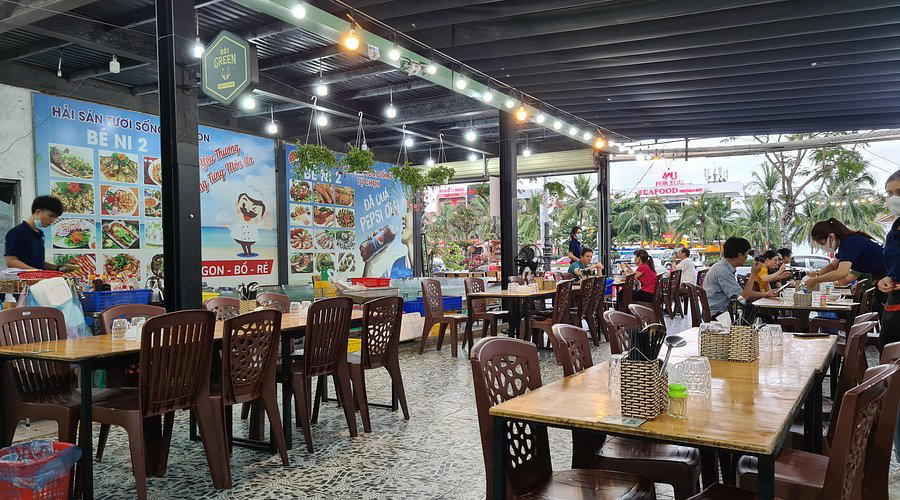
The address on Trần Quang Khải places Năm Đảnh inside Sơn Trà, the peninsula district that arcs east of Da Nang's city centre toward the sea. This is not the tourist-facing waterfront of Mỹ Khê beach or the polished dining strip near the Dragon Bridge. Sơn Trà runs on a different rhythm: fishing boats, narrow lanes stacked with ice crates, and restaurants whose menus shift with what came in that morning. Walking the street toward the entrance, you get that particular coastal sensory hit — brine, charcoal smoke, the percussive noise of a kitchen already moving at pace. This is a working seafood neighbourhood, and Năm Đảnh reads like a place that belongs to it.
That neighbourhood context matters because it shapes how the kitchen operates. In cities where seafood restaurants source from central wholesale markets, the product arrives pre-sorted and standardised. In Sơn Trà, proximity to active landing points allows for a different model: daily variation based on what the South China Sea produced overnight. The menu at a restaurant like this is less a fixed document than a record of recent conditions at sea. That port-to-plate compression is the defining characteristic of Da Nang seafood cooking at this tier, and it separates the city's coastline addresses from inland Vietnamese seafood that relies on farmed or transported product.
The Seafood Tradition This Restaurant Sits Inside
Da Nang occupies a specific position in Vietnam's seafood geography. Situated at the midpoint of the country's long coastline, it draws from waters that carry both the cooler currents of the north and the warmer southern seas, producing a catch that shifts across species and size through the year. The city's seafood cooking tradition is direct rather than elaborate: grilling over live coals, steaming with minimal aromatics, stir-frying with garlic and lemongrass. The aim is to keep the fish or shellfish at the centre, with seasoning playing a supporting role rather than masking the product.
At the ₫₫ price tier — mid-range by Da Nang standards, Năm Đảnh competes in a category where volume and freshness are the core offer, not technical complexity. Comparison venues at the same tier include Bé Ni 2, which operates a similar seafood format in the city, and Bé Mặn. What separates Năm Đảnh from the broader field is the Michelin Plate recognition it received in both 2024 and 2025, a signal that Michelin's inspectors found the cooking consistent and the product quality above the category baseline. A Michelin Plate does not indicate a starred establishment; it marks a restaurant where inspectors consider the food good enough to recommend without formal ranking. At this price point in Vietnam, that credential carries weight because the competition is dense and the standard for recognition correspondingly exacting.
In a city with a large tourist footfall and an active local dining culture, the review base captures both audiences.
How This Compares Globally
Port-adjacent seafood restaurants operating at the mid-price tier form a recognisable category across multiple coastlines. The model, daily sourcing from local boats, simple preparation techniques, limited menu variation, appears at Gambero Rosso in Marina di Gioiosa Ionica, La Buca in Cesenatico, and Alici Restaurant on the Amalfi Coast in Italy, at Cañabota in Seville and Conchas de Piedra in Valle de Guadalupe, and at Jellyfish in Hamburg. The specific cooking grammar varies, Italian coastal traditions differ markedly from central Vietnamese ones, but the underlying logic of letting the catch lead the kitchen is consistent. Năm Đảnh sits within this global pattern while being firmly located in the Vietnamese context that gives it its particular character.
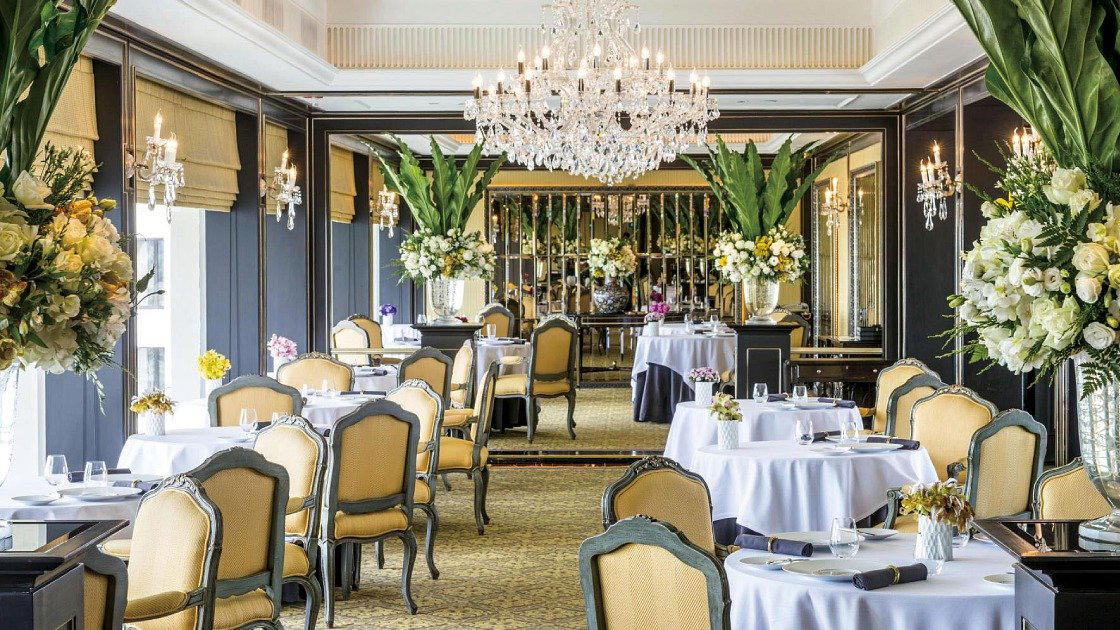
Within Vietnam, the Da Nang seafood tier sits between the street-level simplicity of single-dish noodle addresses and the formal fine dining of restaurants like La Maison 1888, which operates at the ₫₫₫₫ level with a French Contemporary format. For comparison at the higher end of Vietnamese Michelin recognition nationally, Anan Saigon in Ho Chi Minh City and Hibana by Koki in Hanoi represent what the guide has recognised at its upper tiers in the country. Năm Đảnh operates at a different register entirely, accessible pricing, product-driven cooking, but the Michelin Plate places it in the same conversation about Vietnamese kitchens worth a detour.
Seasonal Timing and Practical Planning
Da Nang's seafood season follows the South China Sea's fishing calendar, which means the catch profile changes meaningfully across the year. The southwest monsoon, running roughly from May through August, can affect fishing activity, and the months either side of that period, October through January in particular, align with the most active landing of larger pelagic species. February through April, before the monsoon builds, tends to bring stable weather and strong supply. Visitors planning specifically around seafood quality will find those shoulder periods productive.
Sơn Trà's restaurant addresses are not concentrated in a single strip, and Năm Đảnh's position at 139/59/38 Trần Quang Khải reflects the district's characteristic layout: residential lanes that run back from the main arterials, with restaurants embedded in the neighbourhood rather than fronting a tourist boulevard. A short taxi or ride-hailing trip from the central hotel district or Mỹ Khê beach puts it within easy reach.
For the surrounding Da Nang dining scene, Moc and My Hanh Seafood offer further points of reference in the local seafood and Vietnamese categories. For wider city planning, see our full Da Nang restaurants guide, along with guides covering hotels, bars, wineries, and experiences in Da Nang.
Frequently asked questions
Is Năm Đảnh more mid-range or high-end?
Pricing at Năm Đảnh is listed as ₫₫.
What should I expect cuisine-wise at Năm Đảnh?
What distinctions does Năm Đảnh have?
Năm Đảnh has received recognition including: Michelin Plate (2025); Michelin Plate (2024).
What's the must-try dish at Năm Đảnh?
The menu at Năm Đảnh follows the South China Sea's seasonal catch rather than a fixed roster of signature plates, so what's available shifts across the year. The two consecutive Michelin Plates (2024 and 2025) recognise consistent kitchen quality across the seafood offering rather than a single standout dish. Arriving with flexibility — rather than a specific dish target — is the more practical approach here, given the catch-led format at the ₫₫ price tier.
Peers Worth Knowing
A small set of peers for context, based on recorded venue fields.
| Venue | Cuisine | Price | Awards | Notes |
|---|---|---|---|---|
| Năm ĐảnhThis venue — the venue you are viewing | Fresh Local Vietnamese Seafood | $1–10 | Michelin Plate | Not listed |
| La Maison 1888 | Michelin-Starred French Contemporary | $150–200 | 1 Michelin Star · La Liste Top Restaurants | French Contemporary, ₫₫₫₫ |
| Ăn Thôi | Authentic Vietnamese | $10–20 | Michelin Bib Gourmand | Vietnamese, ₫ |
| Bé Ni 2 | Fresh Local Seafood | $10–20 | Michelin Bib Gourmand | Seafood, ₫₫ |
| Bún Bò Bà Rơi (Hai Chau) | Noodles | Not listed | Not listed | ₫ |
| Cô Chủ Nhỏ | Vietnamese Duck Street Food | $1–10 | Michelin Bib Gourmand | Street Food, ₫ |
Recognition history
Dated appearances from independent guides and award organizations, with the underlying list record or original source where available.
Michelin Plate
Michelin
Full recognition history (3 entries)
Michelin Plate
Michelin
Michelin Plate
Michelin