
Tabelog 100 #47
Our verdict
Niigata Honcho Suzuki Sengyo belongs to the city’s fish-first dining tradition: a compact cafeteria and kaisen-don address recognized in Tabelog 100 Diner 2026 and 2024. Its appeal is not ceremony for ceremony’s sake, but the local ritual of letting seafood, rice, and sake carry the meal with minimal distraction.

Pearl is the En Primeur Club membership app — saves, bookings, and concierge access live there. Same editors, same standards.
- Address
- 6 Bancho-1114 Honchodori, Chuo Ward, Niigata, 951-8067, Japan
- Phone
- +81 25-228-9675
- Hours
- Mon–Wed 9 AM–5 PMThu ClosedFri–Sun 9 AM–5 PM
- Website
- suzuki-sengyo.com
- Directions
- Get directions
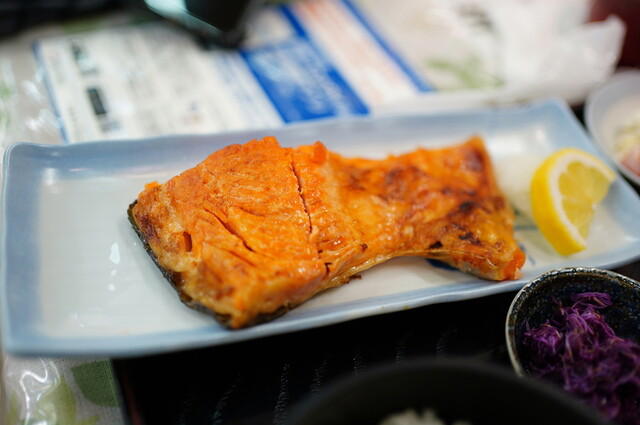
The menu
What to order
- Seafood bowls (kaisen-don)
- Sashimi set meals
- Grilled fish
- Simmered fish
- Suzuki Sengyo yakizuke (grilled then marinated fish)
Niigata’s everyday rhythm gives this meal its logic: urban, workaday, and untheatrical, with a focus on fish judged by freshness, handling, and restraint rather than luxury cues. In Niigata, a rice prefecture with deep food culture and a coastline that keeps seafood close to daily life, a cafeteria serving kaisen-don and seafood sits inside a tradition more exacting than its casual format suggests.
Niigata Honcho Suzuki Sengyo keeps that ritual direct. Its category reads cafeteria, kaisen-don, and seafood, with fish as the stated emphasis. That places it away from more formal sushi counters and within the cafeteria tradition: directness, turnover, and the pleasure of eating close to the supply chain. Tabelog Hyakumeiten recognition in 2026 gives the venue an external signal in a field where humble formats are often harder for travelers to judge from outside.
Seafood over ceremony in Niigata's shokudo tradition
The ritual is closer to a disciplined fish meal than a chef-led performance. Kaisen-don depends on balance: rice temperature, cut size, portioning, and the discipline not to overload the bowl. The pleasure is cumulative, not narrative. A seafood cafeteria can reveal how a city eats when prestige is stripped back to product and cadence.
That is the useful comparison in Niigata. Travelers chasing sushi can look to Sushi Yasu, Tokiwa Sushi Nigata Ten, Sushi Nakahisa Hoshino, or Kyodaizushi, each in a different lane of the city’s sushi economy. Niigata Honcho Suzuki Sengyo sits elsewhere: fish-led, casual, and tied to the cafeteria category rather than the omakase hierarchy. That is not a downgrade, but a different question: not how refined a sequence can become, but how clearly seafood can read in a daily format.
City context matters. Niigata’s rice reputation changes the frame of a seafood bowl. Rice is not filler; it is regional identity. Local drinking culture is not an afterthought; it is a natural partner to fish in a prefecture where rice-based traditions shape the culinary map. For broader itineraries, this table explains the middle ground between market-style eating and formal dining better than another generic “seafood restaurant” label.
A direct format and a local way to eat fish
The format belongs to the focused end of Japanese cafeteria culture. Direct rooms change pacing: groups do not need a long arc, decisions stay efficient, and the meal’s success rests on focus. The format makes it easier for visitors seeking a clean seafood stop rather than an evening built around ceremony.
The operation’s local role is part of the appeal. This is not only a destination table; it is everyday food infrastructure. The public category places it closer to local utility than hushed gastronomy. By comparison, Sasagawa Mochiya shows another side of Niigata’s casual food culture, while other Niigata dining rooms point to more composed restaurant evenings.
The award signal is best read as calibration, not glamour. Tabelog’s Hyakumeiten lists are category-specific, and the Diner category rewards a different kind of recognition from luxury tasting-menu culture. A selected seafood cafeteria is being framed within shokudo expectations rather than special-occasion dining. That is where the venue matters for serious travelers: it offers a way into Niigata’s food identity without the formal grammar of sushi.
How to place it in a Niigata food itinerary
Niigata rewards travelers who avoid treating every meal as a reservation trophy. The city’s map is broader than sushi, even if sushi is an obvious draw. Other Niigata dining can satisfy the counter impulse, while local casual restaurants show how the city stretches beyond seafood. The fuller picture sits in Our full Niigata restaurants guide, but the lesson is simple: a fish-focused diner belongs near the center of the city’s culinary argument, not its margins.
For visitors linking meals with the wider trip, the food context benefits from a broader city plan. Our full Niigata hotels guide helps position the stay, while Our full Niigata bars guide, Our full Niigata wineries guide, and Our full Niigata experiences guide frame what to do around the table. Niigata’s rice and seafood culture also connects to broader Japanese food traditions, especially where simple formats carry regional identity without needing a formal dining-room frame.
Seen nationally, Niigata Honcho Suzuki Sengyo belongs to focused, category-led Japanese dining rather than the polished special-occasion circuit. That family can include seafood counters, casual specialists, and other tightly defined formats across Japan. The connective tissue is specialization, not grandeur: a clear proposition, a narrow lane, and enough discipline to make that lane memorable.
The editorial case is clear: choose it to understand Niigata through fish, rice, and shokudo rhythm rather than luxury signals. Tabelog Hyakumeiten recognition supplies trust, the cafeteria format keeps the meal disciplined, and the seafood focus ties directly to the city’s coastal identity. For travelers with sushi or kaiseki elsewhere in Japan, this everyday format fills in the missing middle.
Frequently asked questions
What are Niigata Honcho Suzuki Sengyo's hours?
Current public hours are not included in the provided record for Niigata Honcho Suzuki Sengyo. Check the venue's official channels before visiting.
What should I budget for a meal at Niigata Honcho Suzuki Sengyo?
Pricing at Niigata Honcho Suzuki Sengyo is listed as JPY 3,000 - JPY 3,999 View spending breakdown.
What's Niigata Honcho Suzuki Sengyo's location?
Niigata Honcho Suzuki Sengyo is located in Niigata.
What makes Niigata Honcho Suzuki Sengyo worth seeking out?
The draw is its fish-focused shokudo format and its place in Tabelog Hyakumeiten 2026. Its categories are cafeteria, kaisen-don, and seafood, giving it a compact, workmanlike rhythm rather than a polished dining-room feel.
Can Niigata Honcho Suzuki Sengyo handle vegetarian requests?
The public record describes the food as fish-focused, with kaisen-don and seafood in the mix, so vegetarian diners should not expect a broad plant-based menu. With pricing at JPY 3,000–JPY 3,999, it reads as a place built around seafood rather than substitutions. Check the venue's official channels for the latest details.
Is Niigata Honcho Suzuki Sengyo a family-friendly restaurant?
Its categories are cafeteria, kaisen-don, and seafood, and the JPY 3,000–JPY 3,999 price range suggests a casual format, but families should check the venue's official channels for the latest details.
What It’s Closest To
Side-by-side context: comparable cuisine and price.
| Venue | Cuisine | Price | Awards | Notes |
|---|---|---|---|---|
| Niigata Honcho Suzuki SengyoThis venue — the venue you are viewing | Niigata seafood cafeteria & fish market | $20–30 | Tabelog 100 #47 | Not listed |
| Negi Bouzu | Seafood-focused Japanese Izakaya | $30–50 | Tabelog 100 #32 | Chuo Ward (near Niigata Station South Exit) |
| Goro Furumachi ten | Niigata seafood izakaya | $30–50 | Tabelog 100 #34 | Furumachi |
| KOKAJIYA | Italian-Japanese Fusion | $30–50 | Not listed | Iwamuro Onsen |
| Sushi Yasu | Traditional Edo‑style Sushi | $30–50 | Tabelog 100 #48 | Chuo Ward |
| gelateria popolo. | Seasonal Japanese gelato shop | $1–10 | Tabelog 100 #24 | Chuo-ku |
Recognition history
Dated appearances from independent guides and award organizations, with the underlying list record or original source where available.
Tabelog 100 #47 · No. 47
Tabelog · Tabelog 100 - Diner - 2026
Details
- Lively
- Classic
- Solo
- After Work
- Casual Hangout
- Family
- Group Dining
- Standalone
- Sake Program
- Beer Program
- Local Sourcing
- Sustainable Seafood
- A La Carte
- Set Menu
- Counter Dining
- Sake
- Beer
- Pescatarian Friendly
Current opening hours
- Monday
- 9 AM–5 PM
- Tuesday
- 9 AM–5 PM
- Wednesday
- 9 AM–5 PM
- Thursday
- Closed
- Friday
- 9 AM–5 PM
- Saturday
- 9 AM–5 PM
- Sunday
- 9 AM–5 PM
Hours can change for holidays and private events. Last verified .
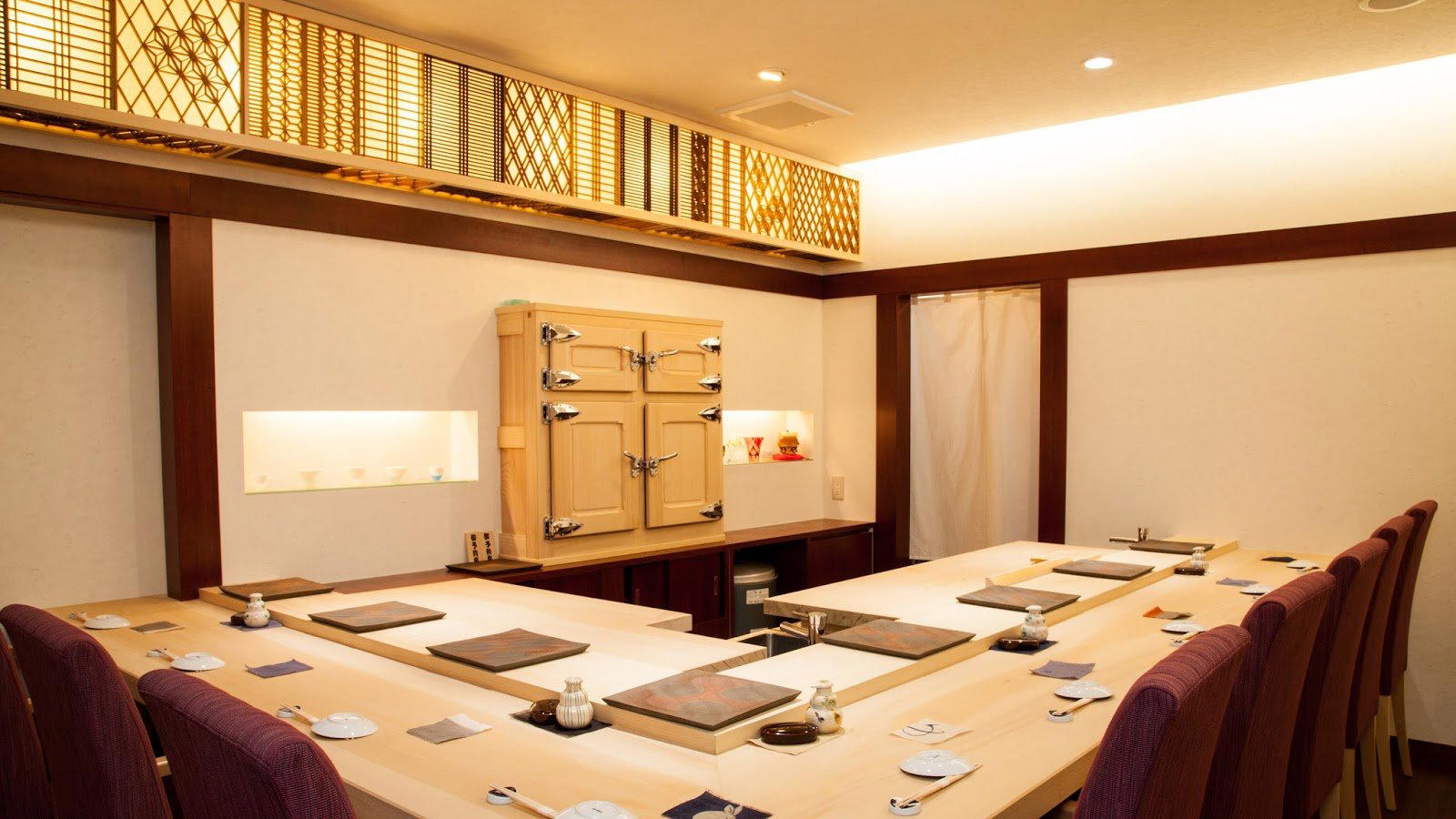
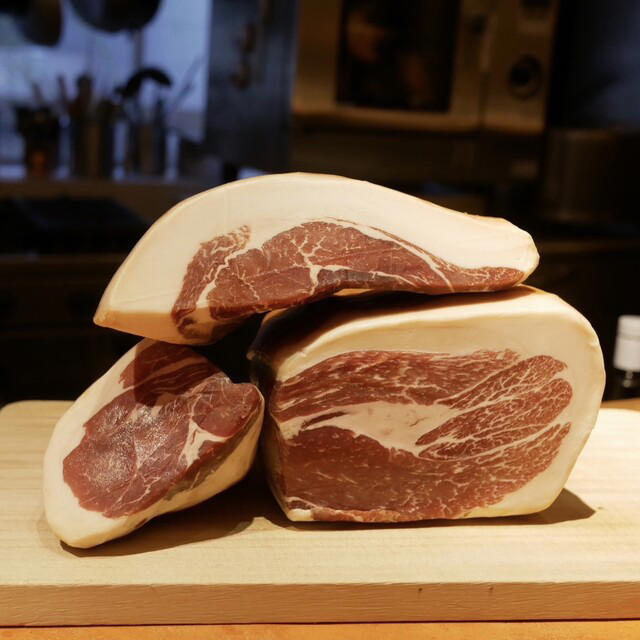
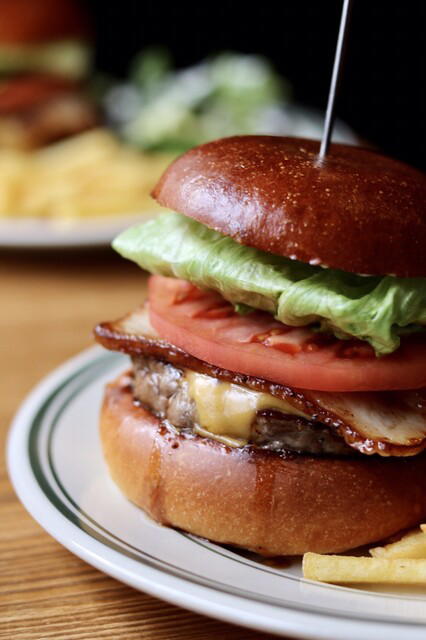
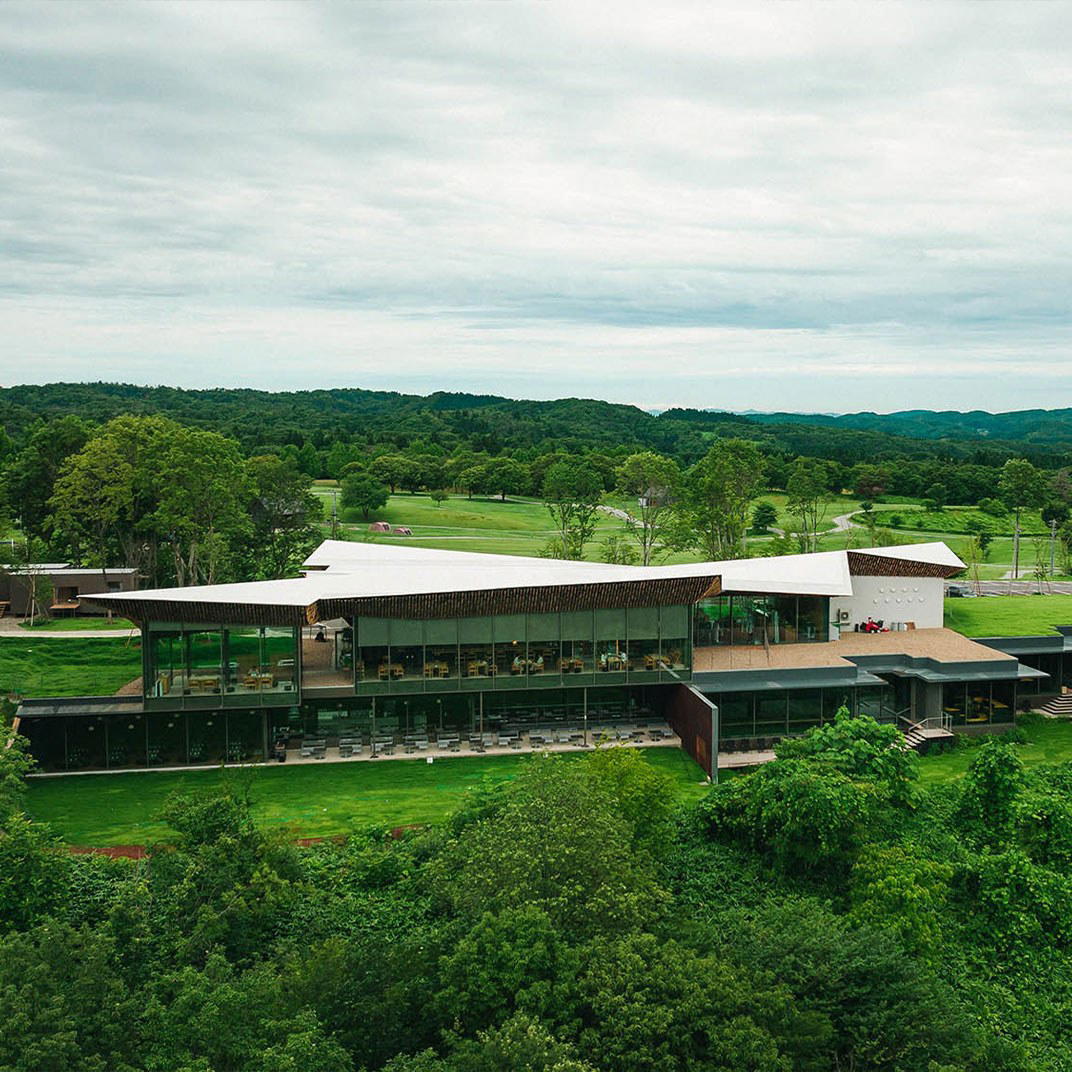
Casual and bustling like a neighborhood fish market, with simple cafeteria-style seating for about 20 guests, bright daytime lighting, and a relaxed, local feel that encourages daytime drinking and quick, informal meals.