
Tabelog 100 #34
Our verdict
Goro Furumachi ten belongs to Niigata’s ingredient-led izakaya tradition, where seafood, regional cooking, sake, and wine carry more weight than ceremony. Its Tabelog 100 Izakaya EAST selections in 2022, 2024, and 2025 place it in a documented group of serious tavern kitchens rather than casual drinking rooms.

Pearl is the En Primeur Club membership app — saves, bookings, and concierge access live there. Same editors, same standards.
- Address
- Japan, 〒951-8063 Niigata, Chuo Ward, Furumachidori, 8 Bancho−1446 一蔵ビル 1階
- Phone
- +81 25-229-5379
- Hours
- Mon–Fri 5:30 PM–1 AMSat 5 PM–1:30 AMSun 5:30 PM–1 AM
- Website
- ideal-co.jp
- Directions
- Get directions
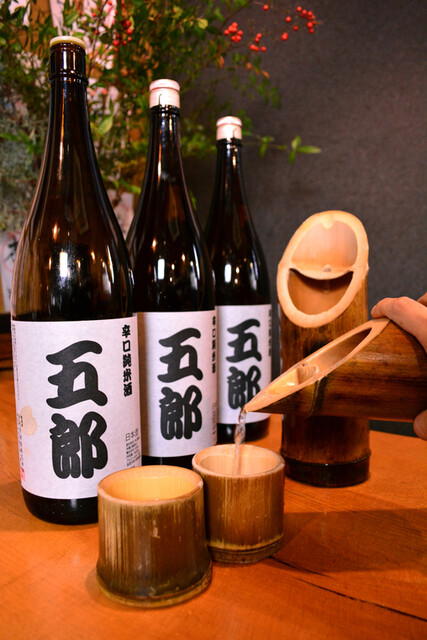
Niigata after dark carries an older eating rhythm: low-rise buildings, second-floor signs, late dinners, and taverns treating fish and drink as civic infrastructure, not decoration. Here, Goro Furumachi ten reads less as a destination restaurant than as a precise example of the city’s grown-up izakaya culture, where product, drinking pace, and a room built for repeat use shape the meal.
Niigata’s dining identity is often reduced to a few familiar shorthand ideas, but its stronger tables work across a wider triangle: seafood, regional cooking, and tavern formats that understand the meal as both food and occasion. That is the useful lens here. The restaurant is categorized as izakaya, seafood, and regional cuisine, with fish and local cooking explicitly central. Niigata izakaya cooking is not merely a pretext for drinking; at this tier, the kitchen must justify the glass.
Seafood gives the izakaya format its discipline
The serious izakaya differs from fashion-driven small-plates rooms elsewhere. The stronger version is practical, necessarily seasonal in feel, and attentive to what the table wants to drink. Goro Furumachi ten’s fish focus places it in that tradition: the point is the relationship between seafood, regional cooking habits, and drinks chosen to keep pace with the table.
Recognition separates this kind of tavern from the generic late-night category. Selection in the 2025 Tabelog Hyakumeiten context gives the room a measurable signal in a field where many compelling places remain informal and hard to read from abroad. A Tabelog score of 3.62 also matters in Japan’s compressed review culture, where small numerical differences can reflect real gaps in local confidence. The award is not a Michelin-style luxury marker; for this category, it is useful because it reads an izakaya against other izakaya.
The Niigata comparison is instructive. Sushi counters such as 兄弟寿し and Kyodaizushi frame the city through precision, sequence, and rice work. Yakiniku Hatchi sits in a different appetite profile, with a meat-led agenda. Goro Furumachi ten occupies the flexible middle: seafood and regional dishes, an izakaya structure, and an atmosphere suited to a relaxed evening rather than ceremonial dining. For a Niigata food itinerary, that role is valuable, supplying context between formal sushi and narrower specialist formats.
That ingredient-first reading explains why the restaurant fits a broader Niigata circuit. A traveler might place it beside sushi, another expression of regional cooking, or a more contemporary format elsewhere in the city. The contrast is the point: Niigata’s strongest meals are not all formal, and the izakaya can offer the clearest view of how locals eat and drink.
Drinking pace is the anchor
Niigata’s drinking culture is part of how many visitors understand the city, but in an izakaya it can be token backdrop or working part of dinner. Here, the stronger claim is simpler: the food category naturally invites careful drinking alongside seafood and regional dishes. That suits the format, where the table moves by appetite, season, and pace rather than by a rigid tasting-menu script.
The room supports that range in the broader sense of a Japanese tavern rather than a Westernized dining room. The experience is not built around luxury signals or a sealed-off banquet mood; it belongs to the shared-room logic of izakaya dining, where ordering, conversation, and service cadence matter. What can be said with confidence is the public frame: izakaya, seafood, regional cuisine, and a dinner budget listed at JPY 5,000 - JPY 5,999.
The better editorial use of Goro Furumachi ten is as a calibration point. It shows how Niigata food culture expresses seriousness without adopting luxury-dining codes. The evidence is concrete: 2025 Tabelog Hyakumeiten recognition, a 3.62 Tabelog score, seafood and regional-cuisine categorization, and a listed dinner price range of JPY 5,000 - JPY 5,999. No myth is required to see why this Niigata restaurant belongs on a focused dining plan.
How it fits into a Niigata itinerary
For visitors, the question is not whether to treat this as the city’s grand occasion table. Use it as the seafood-and-izakaya night, especially when the trip also includes sushi, meat-focused dining, and other contemporary Japanese cooking. Niigata rewards evening pacing: dinner here can sit within a wider night out or a longer stay focused on the city’s drinking culture. For planning, Our full Niigata restaurants guide maps the dining spread, while Our full Niigata bars guide helps with after-dinner decisions.
Travelers treating Niigata as more than a single-meal stop should look beyond restaurants. Our full Niigata hotels guide anchors the stay, Our full Niigata wineries guide gives context for the prefecture’s broader drink culture, and Our full Niigata experiences guide broadens the trip beyond the table. Within the restaurant list, other Niigata dining rooms show how varied the city’s casual and contemporary registers have become.
For readers comparing Japanese dining across cities, the lesson is category literacy. A Niigata izakaya recognized in the Tabelog Hyakumeiten context is not competing with a counter, a café, or a bar on identical terms. It answers a local question: where do seafood, regional cooking, and serious drinking meet without losing tavern ease? Compare the broader EP Club map with other dining in Japan and abroad only at the category level. Those comparisons sharpen the case: Goro Furumachi ten is compelling because it stays inside its local grammar and lets the ingredients argue.
Frequently asked questions
What are Goro Furumachi ten's hours?
Specific opening hours are not provided here. Check Goro Furumachi ten's official channels before visiting.
What's the price range at Goro Furumachi ten?
Pricing at Goro Furumachi ten is listed as JPY 5,000 - JPY 5,999.
What's the address for Goro Furumachi ten?
Niigata.
What's the defining dish or idea at Goro Furumachi ten?
The venue is defined by its seafood focus and izakaya format, with Tabelog listing it under Izakaya, Seafood, and Regional Cuisine. Its 2025 Tabelog Hyakumeiten recognition gives that approach clear outside validation.
Can Goro Furumachi ten accommodate dietary restrictions?
Those details are not published here. It does have a listed price range of JPY 5,000 - JPY 5,999, so guests with restrictions should plan around the izakaya menu format. Check the venue's official channels for the latest details.
Is Goro Furumachi ten good for families?
Those suitability details are not published here. In Niigata, it reads as an evening izakaya, so families should check the venue's official channels before planning a visit.
At-a-Glance Comparison
Nearby venues at a similar price tier for orientation.
| Venue | Cuisine | Price | Awards | Notes |
|---|---|---|---|---|
| Goro Furumachi tenThis venue — the venue you are viewing | Niigata seafood izakaya | $30–50 | Tabelog 100 #34 | Not listed |
| Menya Agosuke | Japanese Ramen | $10–20 | Tabelog 100 #82 | Shimomonzen, Joetsu |
| Tonkatsu Taro (とんかつ太郎) | Niigata Tare Katsu-don | $10–20 | Not listed | 古町 (Furumachi) |
| 割烹渡辺 | Edomae Sushi | $100–150 | Tabelog 100 #27 | Chuo-ku |
| Echigo Ichie Juro | Niigata local izakaya with creative Echigo cuisine | $30–50 | Tabelog 100 #19 | Chuo-ku |
| 古門 | japanese | Not listed | Not listed | Niigata |
Recognition history
Dated appearances from independent guides and award organizations, with the underlying list record or original source where available.
Tabelog 100 #34 · No. 34
Tabelog · Tabelog 100 - Izakaya - EAST - 2025
Details
- Cozy
- Lively
- Classic
- Intimate
- After Work
- Casual Hangout
- Group Dining
- Solo
- Late Night
- Date Night
- Standalone
- Sake Program
- Beer Program
- Local Sourcing
- A La Carte
- Small Plates
- Counter Dining
- Sake
- Beer
- Pescatarian Friendly
Current opening hours
- Monday
- 5:30 PM–1 AM
- Tuesday
- 5:30 PM–1 AM
- Wednesday
- 5:30 PM–1 AM
- Thursday
- 5:30 PM–1 AM
- Friday
- 5:30 PM–1 AM
- Saturday
- 5 PM–1:30 AM
- Sunday
- 5:30 PM–1 AM
Hours can change for holidays and private events. Last verified .
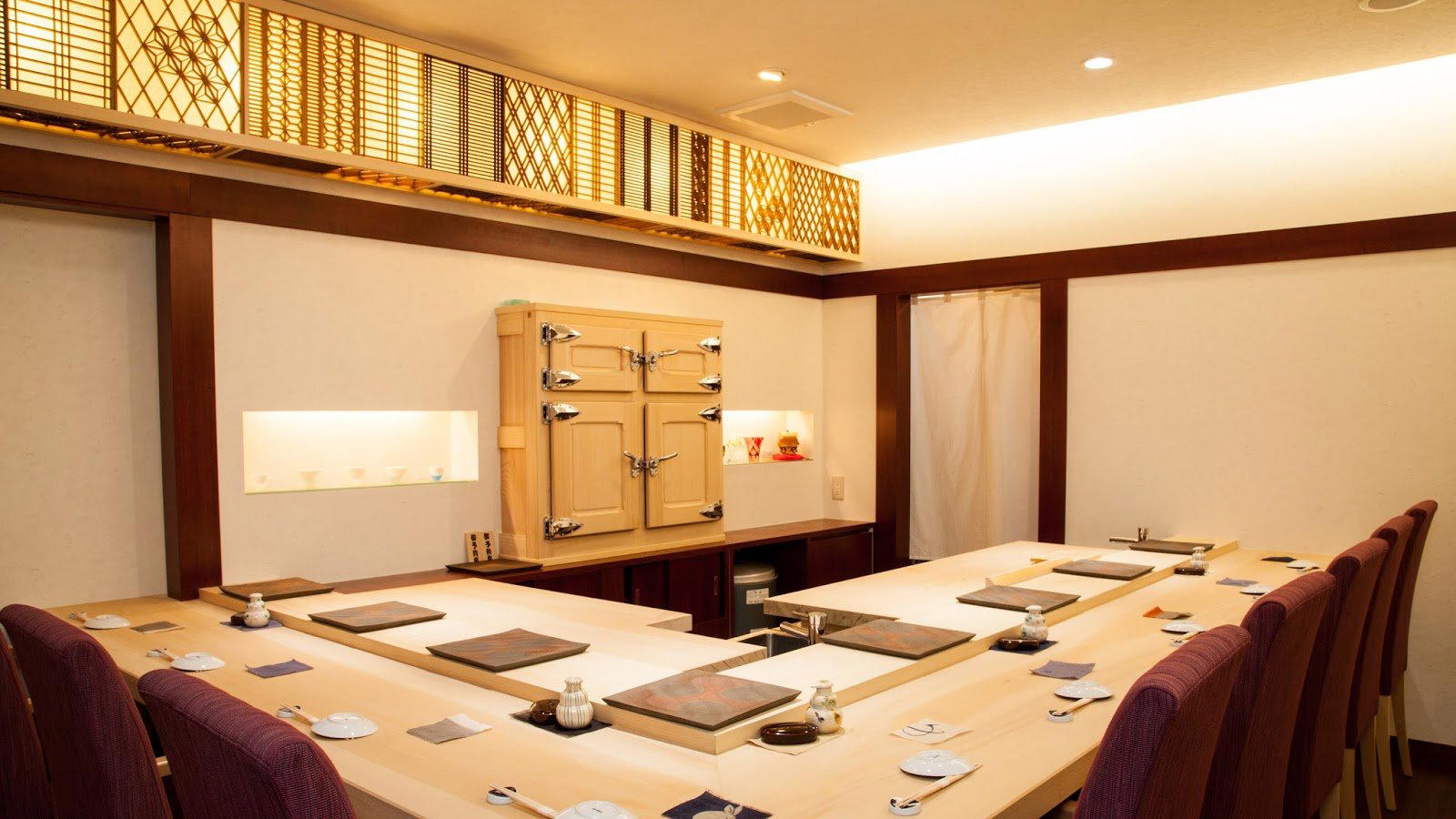
A small, classic neighborhood izakaya with an atmospheric counter, a few raised tatami-style group seats, handwritten menus of the day’s seafood and sake, and a warm, lively yet relaxed feel typical of a longtime local favorite.