
Tabelog 100 #48
Our verdict
Sushi Yasu sits in Niigata’s ingredient-led sushi tradition, where the argument begins with fish, rice, and sake rather than theatrical luxury. Its 2025 selection for Tabelog 100 Sushi EAST places it in a serious regional bracket, while the compact counter-and-table format keeps the experience closer to a local sushi house than a destination dining production.

Pearl is the En Primeur Club membership app, where members save venues, book tables and use the concierge.
The menu
What to order
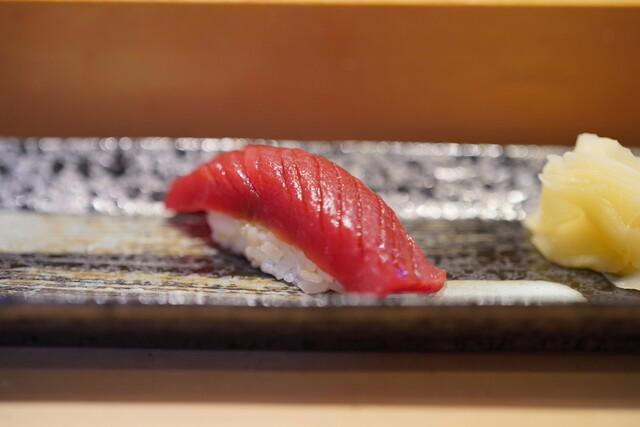
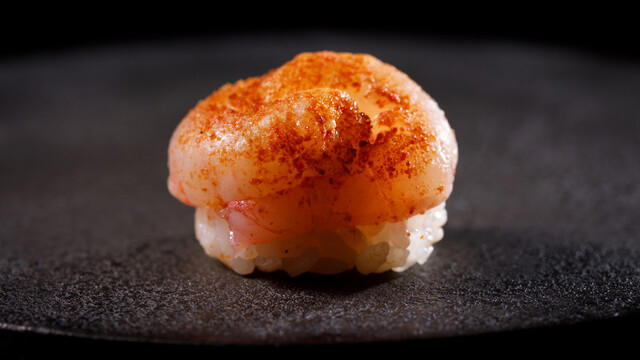
- Kiwami special nigiri set
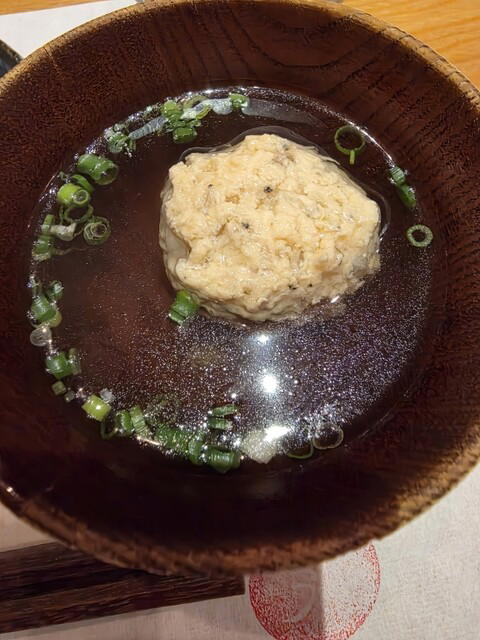
- Castella tamagoyaki (nigiri)
- Castella tamagoyaki (snack)
- Nama barachirashi
Niigata has the useful calm of a serious regional food city: practical storefronts, regular-driven restaurants, and a dining culture that does not need to perform for cameras. In that setting, Sushi Yasu reads as a focused sushi address rather than a spectacle-led room. Niigata’s sushi culture is best understood through the city’s wider food identity, where the conversation at good restaurants is less about imported luxury cues and more about balance, seasoning, temperature, and how the meal expresses the city.
That matters because regional sushi outside Tokyo often gets misread as a cheaper version of the capital’s omakase economy. Niigata is different. The appeal is not a diluted big-city model; it is a regional one, with local dining habits and rice culture doing much of the work. Sushi Yasu’s Tabelog Hyakumeiten recognition in 2025 gives it a verifiable place in that conversation, alongside a listed score of 3.61 and a lunch budget of JPY 6,000 - JPY 7,999. The recognition is useful not as decoration, but as a signal that this is not simply a neighbourhood counter trading on general reputation. It belongs to a broader eastern Japan sushi conversation where consistency and ingredient judgment are the test.
Niigata sushi makes its case through fish, rice, and sake
Niigata’s restaurant identity is closely tied to its broader food culture. Rice made the prefecture nationally legible, but sushi adds a sharper point: rice is not a neutral base here. It carries the seasoning, frames the fish, and determines whether a meal feels balanced or merely generous. A sushi restaurant in Niigata therefore has a different centre of gravity from a casual seafood stop or a high-spend Tokyo counter. The room may be modest, but the technical demand is high because the format gives diners little distraction from the fundamentals.
Sushi Yasu fits that ingredient-first reading. The public category is sushi, which is exactly the right frame for understanding the restaurant: fish as the core, rice as structure, and the surrounding Niigata dining culture as context. No named signature items need to be invented to understand the point. In a city with strong food traditions, the pleasure of a sushi meal is often found in proportion rather than display. Seasonal choices, vinegar-seasoned rice, and careful pacing all ask for handling rather than theatrical presentation.
The comparison within Niigata is instructive. Niigata Honcho Suzuki Sengyo, Sushi Nakahisa Hoshino, and Tokiwa Sushi Nigata Ten all help show that the city has more than one way to think about seafood and sushi. Sushi Yasu occupies its own lane: serious enough to earn national food-platform recognition, compact in editorial feel, and listed with a lunch budget of JPY 6,000 - JPY 7,999. That is often the sweet spot for travellers who care about regional food culture more than ceremony.
A compact sushi format keeps the experience disciplined
The format matters in sushi. A focused room and a direct dining experience, when that is the style, create a dynamic where pacing and preparation are exposed. Formality is not automatically better, but sushi gives the craft fewer places to hide. Rice temperature, knife work, and the order in which pieces appear can all become part of the meal’s architecture. A more diffuse dining room can absorb inconsistency; a focused sushi house cannot.
The better way to read Sushi Yasu is not as an occasion restaurant built around grandeur, but as a focused Niigata sushi stop for diners who want the city’s fish-and-rice logic in a direct setting. Its listed price band keeps the meal legible for travellers planning carefully, while the 2025 Tabelog Hyakumeiten recognition gives the address a clear external marker. The sensible move is to treat the restaurant as part of a wider Niigata food plan rather than as a one-stop summary of the city.
For broader Niigata planning, Sushi Yasu pairs naturally with a city itinerary that separates categories rather than treating every meal as sushi. Our full Niigata restaurants guide maps the wider dining field, including Amaranthus and other Niigata dining rooms. Travellers building a fuller city plan can also use our full Niigata hotels guide, our full Niigata bars guide, our full Niigata wineries guide, and our full Niigata experiences guide.
Where it sits in a Japan-wide eating itinerary
For visitors moving through Japan, the useful lesson is that Niigata sushi should not be judged only by Tokyo benchmarks. A meal here is about regional food culture and rice culture, not metropolitan performance. That distinction also helps when comparing across other Japanese dining modes in major cities, regional towns, and overseas Japanese-influenced dining rooms, where similar ingredients or formats can carry very different meanings. Niigata’s strength is that the context is local rather than translated: the meal belongs to the place.
The editorial case for Sushi Yasu is clear: choose it when the priority is Niigata’s relationship with fish and rice in a focused sushi setting. The Tabelog Hyakumeiten 2025 recognition confirms that it has moved beyond local obscurity, but the appeal remains grounded in scale. With a listed price range of JPY 6,000 - JPY 7,999, it deserves attention from travellers who want regional seriousness without mistaking price alone for authority.
Frequently asked questions
Is Sushi Yasu child-friendly?
Sushi Yasu is best read as a focused sushi restaurant in Niigata. Families should consider whether this style of sushi meal suits younger children or larger groups before visiting.
Is Sushi Yasu formal or casual?
It reads as relaxed rather than highly formal: a sushi restaurant in Niigata with a listed price range of JPY 6,000 - JPY 7,999. The Tabelog Hyakumeiten 2025 recognition gives it clear credentials without requiring a dressy interpretation.
What's the pricing like at Sushi Yasu?
Pricing at Sushi Yasu is listed as JPY 6,000 - JPY 7,999 View spending breakdown.
What part of town is Sushi Yasu in?
Niigata.
Snapshot
Comparable venues by cuisine and price in the same metro.
| Venue | Cuisine | Price | Awards | Notes |
|---|---|---|---|---|
| Sushi YasuThis venue (the venue you are viewing) | Traditional Edo‑style Sushi | $30–50 | Tabelog 100 #48 | Not listed |
| Chiyo Zushi | Traditional Sushi & Japanese Seafood | $50–100 | Tabelog 100 #36 | Chuo Ward |
| Kappou Choukichi | Seasonal Wild Duck Kappo (Japanese) | $100–150 | Tabelog 100 #10 | Nishikan-ku |
| Goro Bandai ten | Niigata seafood izakaya | $30–50 | Tabelog 100 #87 | Bandai / Chuo Ward |
| 兄弟寿し | Niigata-style Omakase Sushi | Not listed | Tabelog Silver #66 | 古町 |
| レストラン イソ | Local Niigata French Fine Dining | $100–150 | Tabelog 100 #95 | Chuo Ward |
Recognition history
Dated appearances from independent guides and award organizations, with the underlying list record or original source where available.
Tabelog 100 #48 · No. 48
Tabelog · Tabelog 100 - Sushi - EAST - 2025
Continue exploring
More in Niigata
Restaurants in Niigata
All restaurants in Niigata →
Hotels in Niigata
All hotels in Niigata →
Details
- Classic
- Intimate
- Cozy
- Date Night
- Solo
- Special Occasion
- Casual Hangout
- Chefs Counter
- Standalone
- Sake Program
- Beer Program
- Local Sourcing
- Sustainable Seafood
- A La Carte
- Counter Dining
- Set Menu
- Sake
- Beer
- Shochu
- Pescatarian Friendly
Traditional Edo‑style sushi bar with just eight counter seats and one small raised tatami area, creating a quiet, craftsmanship-focused atmosphere centered on interaction with the itamae.