
Tabelog 100 #56
Our verdict
Amaranthus gives Niigata’s Italian scene a serious high-spend address outside the usual Tokyo gravity. Its 2025 Tabelog Italian EAST 100 selection, Italian category placement, and Hakusan-area location frame it as a destination for travelers tracking regional Japanese interpretations of European cooking rather than another capital-city tasting room.

Pearl is the En Primeur Club membership app — saves, bookings, and concierge access live there. Same editors, same standards.
- Address
- 新潟県新潟市中央区寄居町332-61 1F
- Website
- tabelog.com
- Directions
- Get directions
The menu
What to order
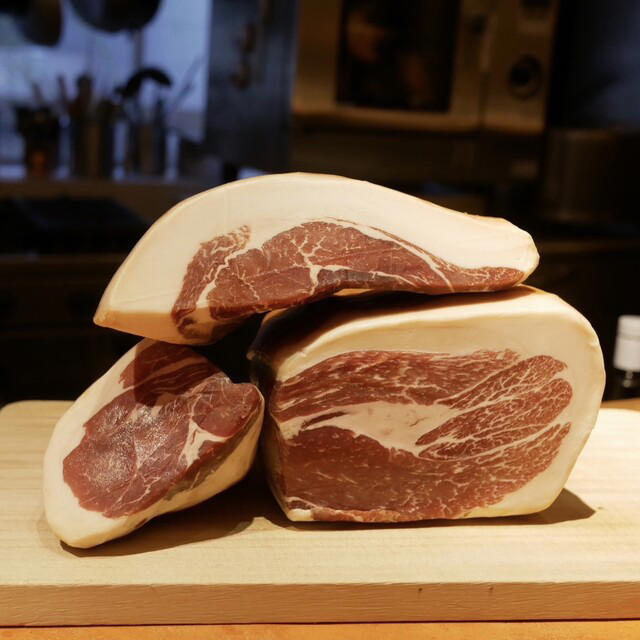
- Prosciutto and assorted cured hams
- Bruschetta and other small-plate antipasti
Yoriicho, in Niigata’s Chuo-ku, has the quieter tempo of a city that eats with the seasons rather than performs for visitors. The approach to Amaranthus is street-level, near Hakusan, where dinner feels local rather than theatrical. That matters for Italian cooking in Niigata: the region’s restaurant culture is shaped by rice country, port-city seafood, sake breweries, and cold-season produce, so its stronger European kitchens read ingredients through place rather than copy metropolitan templates.
Italian dining in Japan often splits between pasta-and-wine neighborhood rooms and serious kitchens edging toward tasting-menu economics. Amaranthus belongs to the latter. Its selection for the 2025 Tabelog Italian EAST 100 places it in a regional cohort judged beyond Niigata, while its dinner spend aligns it with high-commitment counters and course-led restaurants in the city. Locally, that bracket overlaps more naturally with Chiyo Zushi and Sushi Nakahisa Hoshino than with casual izakaya territory such as Goro Furumachi ten or Shukouya Ikkou.
Niigata ingredients give the Italian frame its reason to travel
The point of eating Italian in Niigata is not to seek a replica of Milan, Rome, or Florence, but to see how a Japanese coastal prefecture with a strong agricultural identity absorbs Italian technique. Niigata’s reputation begins with rice, yet its dining culture is broader: winter seafood from the Sea of Japan, vegetables from the Echigo Plain, fermented condiments, and sake-driven hospitality push chefs toward seasonality and restraint. Here, an Italian category restaurant can translate, using European structure to organize local produce rather than bury it under imported luxury cues.
That sourcing angle gives Amaranthus more editorial weight than a category label suggests. Italian restaurants in regional Japan often reveal confidence: weaker kitchens lean on familiar pasta vocabulary, while stronger ones make the region legible through course pacing, acidity, grain, fish, and vegetable work. Public details do not name a chef or signature dish, so the smarter reading is structural. A 2025 Italian EAST 100 selection and high dinner bracket indicate a restaurant judged in a specialist category, not merely a neighborhood trattoria.
Niigata’s broader dining map sharpens the point. Sushi and washoku have obvious claims because the prefecture’s seafood and rice culture are so visible; Echigo Ichie Juro and French Teppan Seikou An sit in adjacent premium conversations where Japanese ingredients meet formalized service. Amaranthus adds another lens: Italian structure as organizing grammar. For travelers building a Niigata food itinerary, it becomes a counterpoint to sushi, teppan, and rice-led local cooking rather than a substitute.
A regional dining decision, not a casual Italian booking
Niigata lacks the density of internationally visible dining rooms found in Tokyo, Kyoto, or Osaka, which changes the value calculation. A restaurant selected for a specialist East Japan Italian list carries greater signal in a smaller market because it narrows the field quickly. Amaranthus is not competing for a quick pasta dinner; it is competing for the one serious European meal a traveler builds into a Niigata stay. That differs from the casual sweetness of gelateria popolo. or the burger-focused appeal of Burger Stand Tender.
The comparison set clarifies who should prioritize it. Travelers seeking regional Japanese food in the narrowest sense may start with sushi, sake-paired cooking, or long-established local sweets such as Sasagawa Mochiya. Those interested in how Japanese regional ingredients move through non-Japanese forms should put Amaranthus higher. The distinction matters because premium dining in Japan can look deceptively similar from outside: compact room, advance planning, serious pricing, category label. The decisive question is what the meal adds to the city’s culinary argument.
Here, the argument is ingredient translation. Niigata’s seasonal produce and coastal supply give Italian cooking a different center of gravity than in larger cities built around imported status ingredients and restaurant-group polish. The absence of public chef biography is not a weakness for the reader; it keeps attention on regional context and category signal. For a city better known abroad for rice, sake, snow-country agriculture, and Sea of Japan seafood, an Italian restaurant with East Japan recognition shows how far Niigata’s dining range extends.
How to place it within a Niigata itinerary
Amaranthus works well as the European anchor in a food-focused Niigata trip. Build the rest around contrast: sushi for rice and fish discipline, izakaya cooking for local drinking culture, sweets or gelato for daytime texture, and a serious Italian dinner for the region’s produce through another technique set. For broader planning, use Our full Niigata restaurants guide alongside Our full Niigata hotels guide, Our full Niigata bars guide, Our full Niigata wineries guide, and Our full Niigata experiences guide.
Readers comparing Japan-wide dining pages should not flatten every city into the same hierarchy. A Niigata Italian selection means something different from a Tokyo counter, an Osaka cafe, or a coastal specialty room elsewhere. For that wider lens, EP Club also covers places as varied as -Grilled beef Sukiyaki- KAMAKURA TANUKIAN 鎌倉 たぬき庵 in Kamakura. 鮪と炭火焼き うお炭 秋葉原店 in Tokyo.cafe in Osaka.know in Kumamoto, (Shoku) Vietnam in Kawasaki, and [Curry Senmon Ten] Maruyama Kyoju. in Sapporo.
Treat Amaranthus as a planned dinner rather than an opportunistic stop. Its awards signal, category focus, and spend level point to a meal for travelers who want to understand Niigata beyond sushi and sake shorthand. For cross-Pacific readers tracking Japanese food culture abroad, the contrast with Jōdo Saké Bar in Los Angeles or Onigiri Time in Pasadena is instructive: outside Japan, regional identity is often compressed into recognizable formats; in Niigata, the pleasure lies in watching local ingredients set the terms.
Frequently asked questions
Is Amaranthus okay with children?
Those details are not published. With dinner service only, Monday, Friday to Sunday from 6:00 PM to 11:00 PM, and a JPY 20,000–29,999 price band, it reads more as an adult dinner booking in Niigata than a family stop. Check the venue's official channels for the latest details.
What is the atmosphere like at Amaranthus?
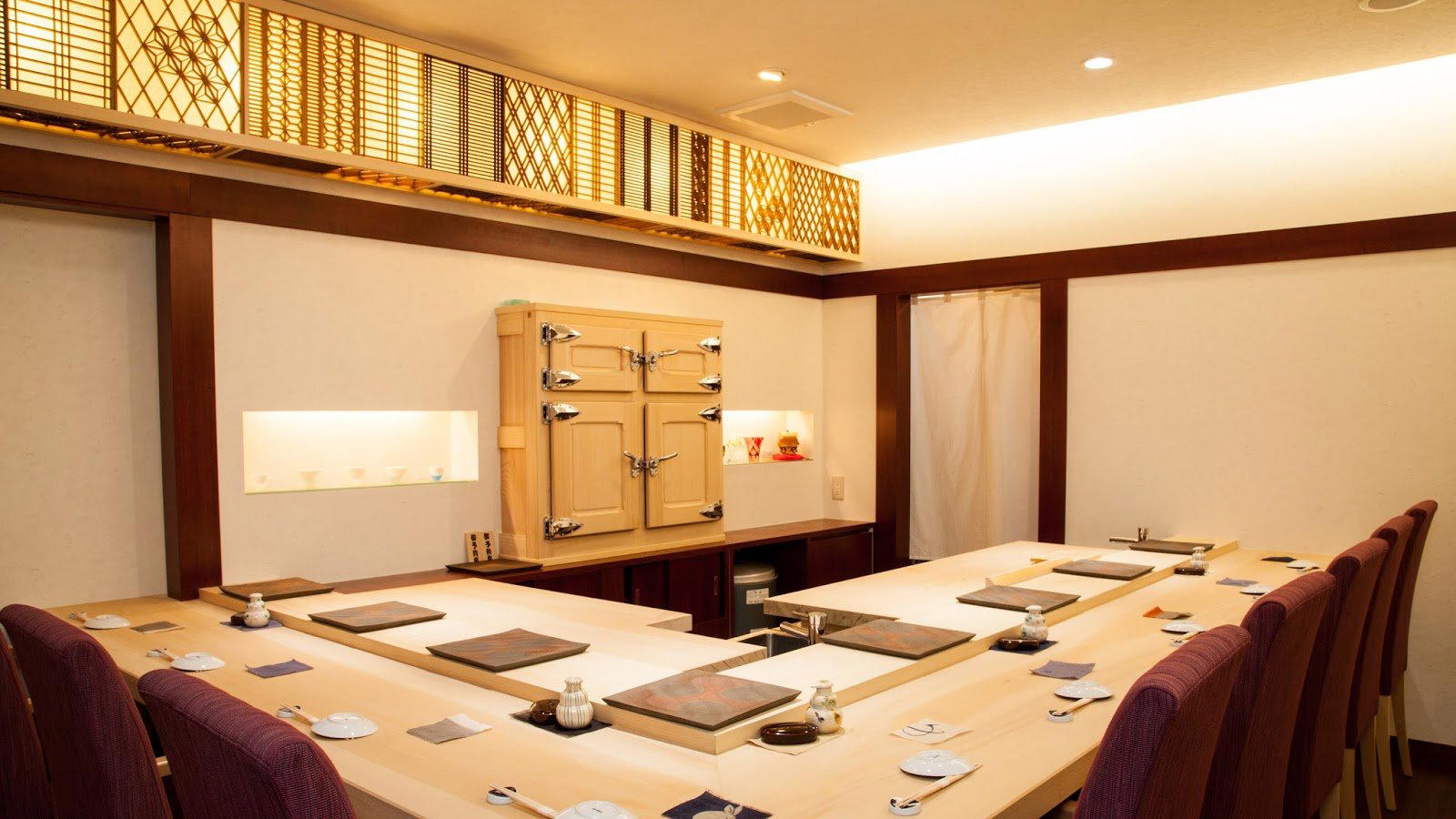
Amaranthus feels dinner-focused and restrained rather than casual, with non-smoking service, reservations available, and no private rooms listed. Its setting in central Niigata, near Hakusan Station, supports a polished night-out rather than a drop-in meal.
What's the price range at Amaranthus?
Pricing at Amaranthus is listed as JPY 20,000 - JPY 29,999 View spending breakdown.
Where is Amaranthus in Niigata?
Amaranthus is located in Niigata.
Should I book Amaranthus in advance?
Yes, reservations are available, and the restaurant was selected for Tabelog 100 - Italian - EAST - 2025. Given the dinner-only schedule and the JPY 20,000–29,999 range, advance booking is the sensible move.
What's the signature at Amaranthus?
No named signature dish is listed in the public record. The main reference point is the restaurant itself: Italian dining in Niigata, selected for Tabelog 100 - Italian - EAST - 2025, at JPY 20,000–29,999. Check the venue's official channels for the latest details.
Snapshot
Comparable venues by cuisine and price in the same metro.
| Venue | Cuisine | Price | Awards | Notes |
|---|---|---|---|---|
| AmaranthusThis venue — the venue you are viewing | Modern Italian small plates & prosciutto bar | $150–200 | Tabelog 100 #56 | Not listed |
| French Teppan Seikou An | French Teppanyaki / French Steakhouse | $100–150 | Tabelog 100 #48 | Bandai |
| Sushi Nakahisa Hoshino | Edomae Sushi | $150–200 | Tabelog 100 #27 | Niigata Furumachi |
| Tokiwa | Traditional Sushi Omakase | $150–200 | Tabelog Silver #143 | Shibata (main), Niigata City (branch) |
| 新潟浦島 小平 | Japanese Kaiseki | Not listed | Not listed | Furumachi |
| 割烹渡辺 | Edomae Sushi | $100–150 | Tabelog 100 #27 | Chuo-ku |
Recognition history
Dated appearances from independent guides and award organizations, with the underlying list record or original source where available.
Tabelog 100 #56 · No. 56
Tabelog · Tabelog 100 - Italian - EAST - 2025
Details
- Cozy
- Intimate
- Date Night
- Special Occasion
- Celebration
- Group Dining
- After Work
- Solo
- Standalone
- Extensive Wine List
- Small Plates
- A La Carte
- Wine
- Beer
Cozy, bar-like Italian with an intimate, adult-oriented atmosphere where guests enjoy many small plates and cured meats over a leisurely evening.