Nicksan Cabo
Our verdict
Nicksan Cabo occupies a notable address on Paseo de la Marina in Cabo San Lucas, where Japanese technique meets Baja California's Pacific seafood tradition. The restaurant has become a reference point for the Los Cabos dining scene, drawing visitors and locals who want precision over spectacle. Reserve ahead, particularly during the November-to-April high season when demand across the marina strip runs consistently high.

Pearl is the En Primeur Club membership app, where members save venues, book tables and use the concierge.

The menu
What to order
- Tuna tostada
- Yellowtail sashimi
- Lobster roll
Where Pacific Waters Meet a Borrowed Knife
Along Paseo de la Marina, the boulevard that arcs around Cabo San Lucas's marina, the light off the water hits differently in the late afternoon. The boats are in, the catch is recent, and the restaurants that understand what that means treat the hour as an event. Nicksan Cabo, set within Plaza de la Danza on that same marina strip, belongs to the tier of Los Cabos dining that takes Baja California's offshore yield seriously enough to apply a technical framework imported from somewhere far more obsessive about fish.
That intersection of local product and foreign discipline defines a distinct category within Mexico's current restaurant conversation. Across the country, a generation of kitchens has moved past surface-level fusion toward a more rigorous model: take what the Mexican coast, valley, or highland actually produces, then apply a methodology sharp enough to make the ingredient the argument. You can see a version of this logic at Pujol in Mexico City, at Animalón in Valle de Guadalupe, and at Le Chique in Puerto Morelos. Nicksan operates on the same premise, but its source material is the Sea of Cortez and the Pacific approach to Baja, and its borrowed language is Japanese.
Baja's Seafood Through a Japanese Lens
The Sea of Cortez is one of the more productive fishing grounds in the western hemisphere, and Baja's Pacific coast adds yellowfin tuna, various jack species, and seasonal shellfish to what is already an unusually diverse marine pantry. Japanese culinary tradition, by contrast, is built around restraint, temperature discipline, and the idea that knife work and timing are forms of respect for the fish. The two systems are, structurally, compatible: both treat the ingredient as primary. The question any kitchen in this register has to answer is whether the technical imports serve the local product or flatten it.
Nicksan's positioning on the marina addresses a gap that Cabo San Lucas's dining scene has had for years. The higher end of the Los Cabos market skewed heavily toward European formats or upscale Mexican, with seafood frequently appearing as a luxury ingredient dressed rather than treated. Venues like Al Pairo at Solaz represent the European-leaning end of that premium tier; Aleta occupies its own contemporary register. Nicksan's Japanese-influenced approach to local fish places it in a different competitive frame entirely, one with closer affinities to the precision-oriented sushi and seafood counters that define the serious end of the dining scene in major coastal cities globally.
That comparison is not accidental. The model that places technique-heavy Japanese fish cookery inside a regional seafood context has produced some of the most discussed restaurants in recent years, from high-end omakase counters in cities like New York, where Le Bernardin has long anchored the classical French-seafood end of the spectrum and Atomix represents the Korean fine-dining parallel, to regionally grounded formats across Latin America. In Mexico, the conversation about indigenous product and global technique has spread well beyond the capital: KOLI Cocina de Origen in Monterrey, Levadura de Olla in Oaxaca, and Alcalde in Guadalajara are all working versions of that inquiry in land-based contexts. Nicksan is the Los Cabos instance of the same question, applied to the sea.
The Los Cabos Dining Context
Cabo San Lucas operates as a resort destination first, which means its restaurant market supports a wide range of formats from casual beachside to formally staged tasting menus. The marina district, where Nicksan sits, concentrates the mid-to-upper range of that spectrum. Nearby, Asi y Asado anchors the meat-focused end of the market, Baja Brewing holds the casual craft-beer tier, and Arts and Sushi offers another take on the Japanese-inflected seafood category. That concentration of options within a walkable stretch makes direct comparison unavoidable, and it raises the question of differentiation: what separates the serious practitioners in this register from those importing a Japanese aesthetic without the underlying discipline?
Nicksan's longevity in the market is itself a data point. Restaurants that commit to ingredient-led Japanese technique in resort environments face a structural challenge: the tourist cycle rewards spectacle and visual familiarity, while the approach being practiced here rewards patience and repetition. The fact that Nicksan has maintained its position as a reference address on the marina, drawing return visits from travelers who structure their Cabo itineraries around it, suggests the kitchen's approach has translated across that gap.
For broader context on how Baja's coastal dining compares to the peninsula's wine country food culture, Olivea Farm to Table in Ensenada and Lunario in El Porvenir represent the northern Baja iteration of the same local-ingredient principle, applied to agriculture rather than marine product. The regional conversation runs from the Pacific coast vineyards down to the tip of the peninsula, and HA' in Playa del Carmen and Pangea in San Pedro Garza García round out the national picture of kitchens that have taken that inquiry seriously. Our full Cabo San Lucas restaurants guide maps the wider scene for those planning across the destination.
Planning a Visit
Plaza de la Danza on Blvd. Paseo de la Marina is accessible on foot from most marina-area hotels, and the location within the marina complex means arrival by water taxi is a practical option for guests staying on the eastern corridor. The November through April window is Cabo's high season, when demand across every category of marina dining runs at capacity and the cooler, drier weather makes outdoor or semi-open dining genuinely comfortable. Booking in advance during this period is the practical standard, not the exception. The shoulder months, May and October, offer easier table access and water temperatures that still support strong local catch without the peak-season pricing pressure that affects the broader destination.
Frequently asked questions
Where is Nicksan Cabo in Cabo San Lucas?
Nicksan Cabo is located at Plaza de la Danza, Blvd. Paseo de la Marina, Centro, 23450 Cabo San Lucas, B.C.S. Mexico, Cabo San Lucas.
Does Nicksan Cabo serve traditional Japanese sushi or is it a Baja-Japanese hybrid menu?
Nicksan applies Japanese knife technique and preparation philosophy to the seafood native to Baja California and the Sea of Cortez, making it a Baja-Japanese hybrid rather than a Tokyo-style sushi counter. The menu's foundation is regional catch, species like yellowfin tuna and local jacks that are largely absent from Japanese waters, treated with the precision of Japanese cuisine. That cross-cultural structure is the concept's defining characteristic in the Cabo San Lucas dining scene.
What do regulars order at Nicksan Cabo?
Nicksan built its reputation on applying Japanese technique to whatever the Sea of Cortez and Baja's Pacific coast are producing that week, so regulars tend to follow the fish rather than a fixed order. Yellowfin tuna preparations and local jack species are consistent draws given the regional catch. Asking the server what came in that day is the practical approach here.
How far ahead should I plan for Nicksan Cabo?
Nicksan sits on Blvd. Paseo de la Marina in Plaza de la Danza, within walking distance of the main marina hotels, which puts it squarely in the path of Cabo San Lucas's resort traffic. During peak season, December through April, securing a table a week or more in advance is the realistic expectation. Shoulder months offer more flexibility, though the marina location keeps foot traffic steady year-round.
What makes Nicksan Cabo worth seeking out?
The Sea of Cortez is among the most productive fishing grounds in the western hemisphere, and few kitchens in Los Cabos process that catch through a Japanese culinary framework. Nicksan occupies a specific niche: it is neither a conventional sushi bar nor a Mexican seafood house, but operates at the intersection of both traditions. That positioning is relatively uncommon in the Baja resort market.
Can Nicksan Cabo adjust for dietary needs?
The Japanese-Baja format, with its emphasis on fresh seafood and composed preparations, tends to allow some flexibility on proteins and accompaniments, though confirmation is necessary for allergy-level restrictions. Nicksan is located at Plaza de la Danza on Paseo de la Marina in Cabo San Lucas.
Comparable Options
Comparable venues nearby, for context on price, style, and recognition.
| Venue | Cuisine | Price | Awards | Notes |
|---|---|---|---|---|
| Nicksan CaboThis venue (the venue you are viewing) | Japanese-Mexican Fusion | Not listed | Not listed | Not listed |
| Arts & Sushi | Japanese Sushi Fusion | Not listed | Not listed | Cabo San Lucas |
| Japanese Kaiseki and Sushi Luna | Japanese Kaiseki and Omakase | Not listed | Not listed | Cabo San Lucas |
| Bar Esquina | Baja-Mediterranean | $30–50 | Wine Spectator Award of Excellence | Cabo San Lucas |
| Barrio del Tango | Argentine Steakhouse | $30–50 | Not listed | Cabo San Lucas |
| Madeira Bistro Brazilian Steakhouse | Brazilian Rodízio Steakhouse | $50–100 | Not listed | Cabo San Lucas |
Continue exploring
More in Cabo San Lucas
Restaurants in Cabo San Lucas
All restaurants in Cabo San Lucas →

Bars in Cabo San Lucas
All bars in Cabo San Lucas →



Details
- Sophisticated
- Elegant
- Modern
- Date Night
- Special Occasion
- Celebration
- Open Kitchen
- Sake Program
- Extensive Wine List
- Local Sourcing
- A La Carte
- Small Plates
- Sake
- Wine
- Vegetarian Friendly
- Vegan Options
- Gluten Free Options
Current opening hours
- Monday
- 11:30 AM–11 PM
- Tuesday
- 11:30 AM–11 PM
- Wednesday
- 11:30 AM–11 PM
- Thursday
- 11:30 AM–11 PM
- Friday
- 11:30 AM–11 PM
- Saturday
- 11:30 AM–11 PM
- Sunday
- 11:30 AM–11 PM
Hours can change for holidays and private events. Hours as of .
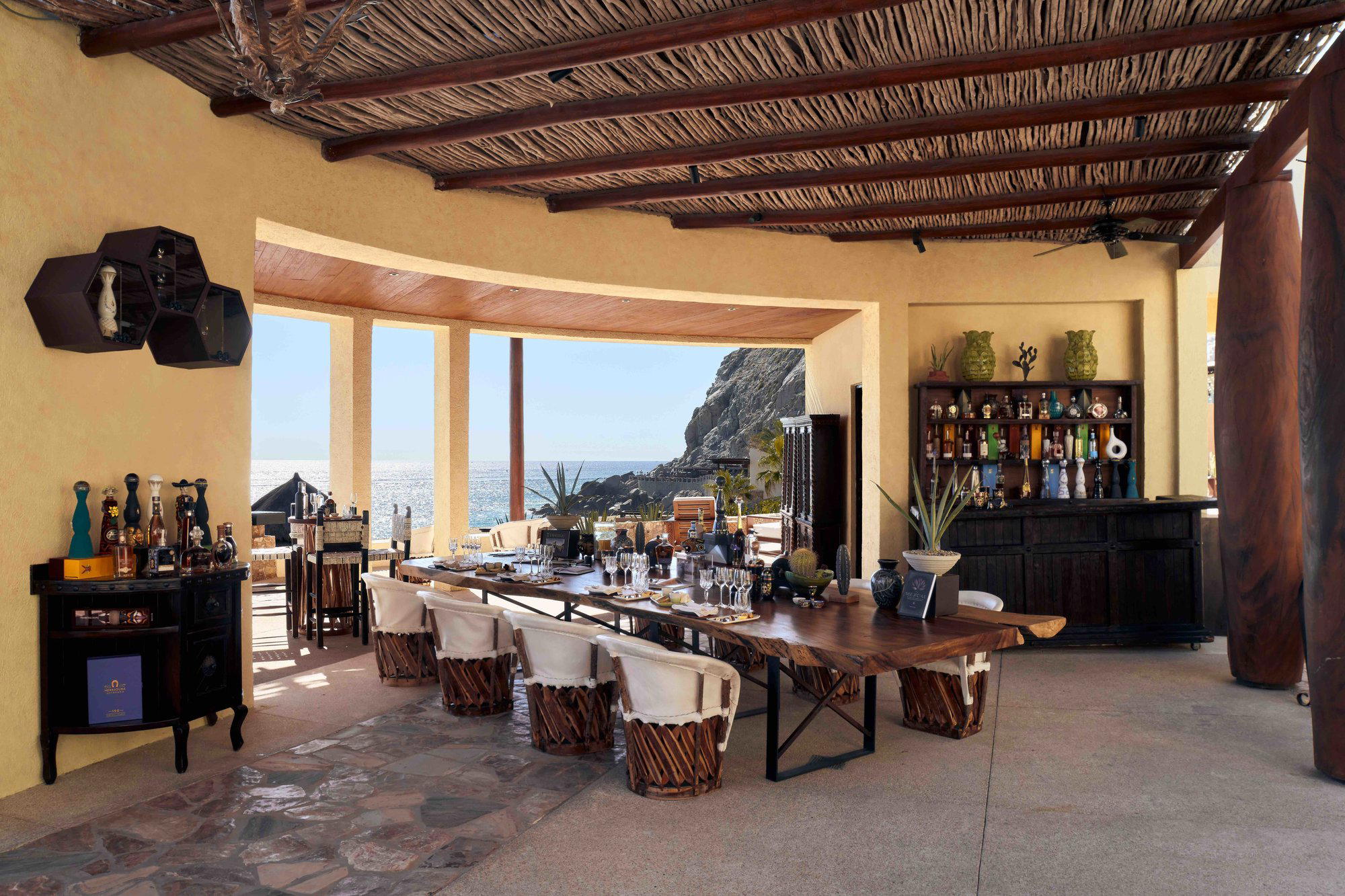
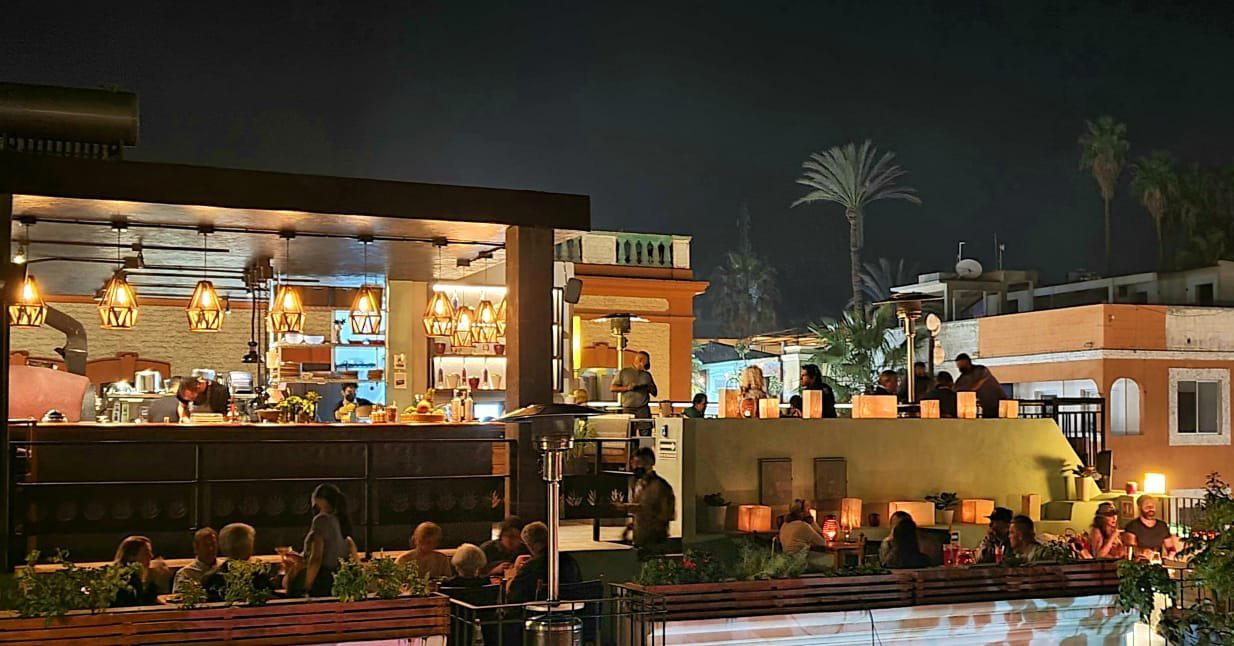
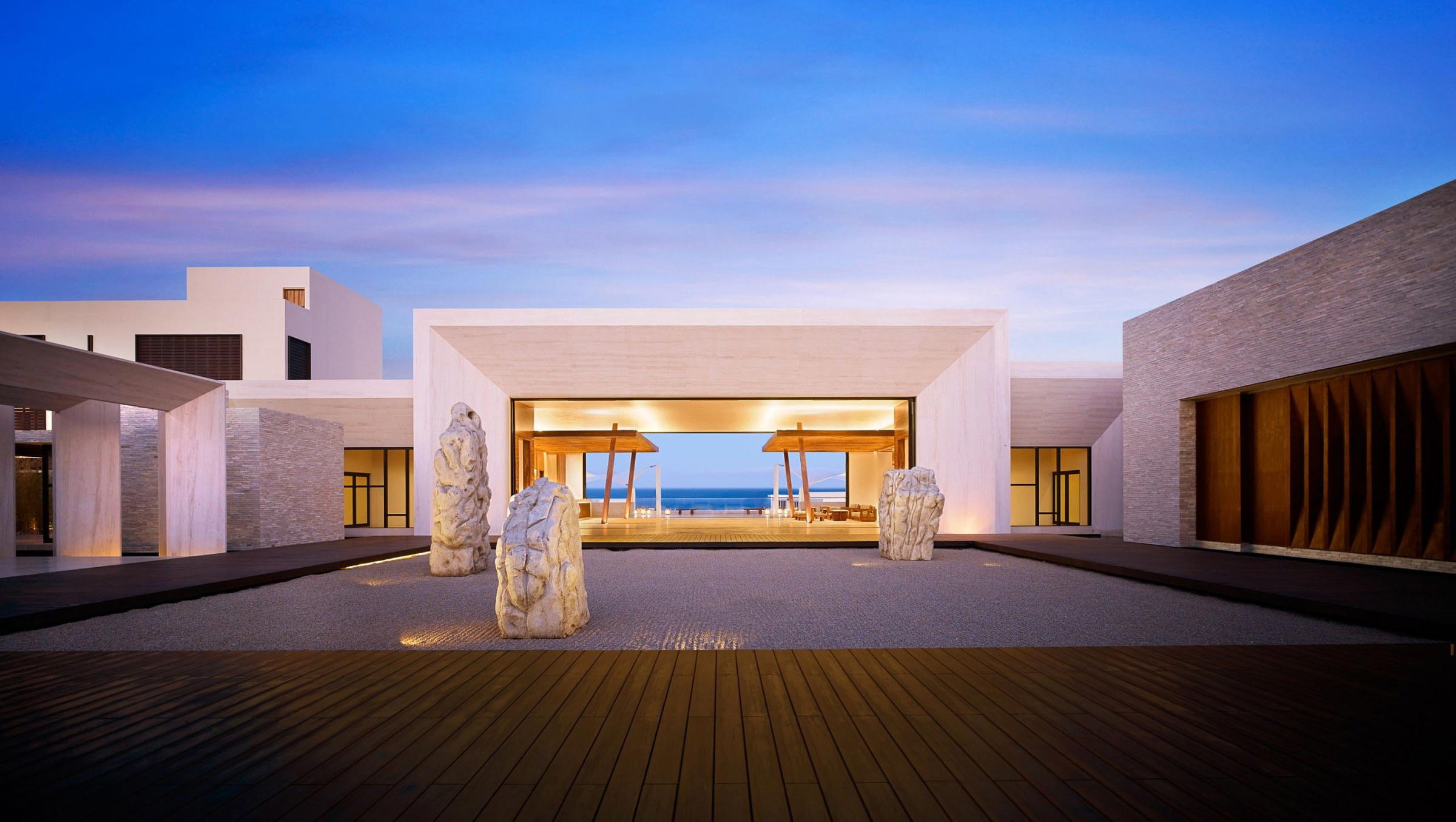
Sophisticated and contemporary atmosphere with minimalist elegance that highlights the culinary focus.