


1 Michelin Star · SCMP 100 Top Tables Restaurants
Our verdict
New Punjab Club occupies a colonial-inflected room on Wyndham Street with a menu anchored in the tandoor traditions of Punjab and the broader northwest Indian subcontinent. Holder of a Michelin star since 2024 and ranked among Opinionated About Dining's top restaurants in Asia for three consecutive years, it represents a distinct counterpoint to Hong Kong's Cantonese and European fine-dining consensus. Chef Palash Mitra's menu reads as a serious argument for the depth of Mughal-lineage cooking.

Pearl is the En Primeur Club membership app, where members save venues, book tables and use the concierge.
The menu
What to order
- Tandoori lamb
- Butter chicken
- Keema pav
- Tandoori cobia
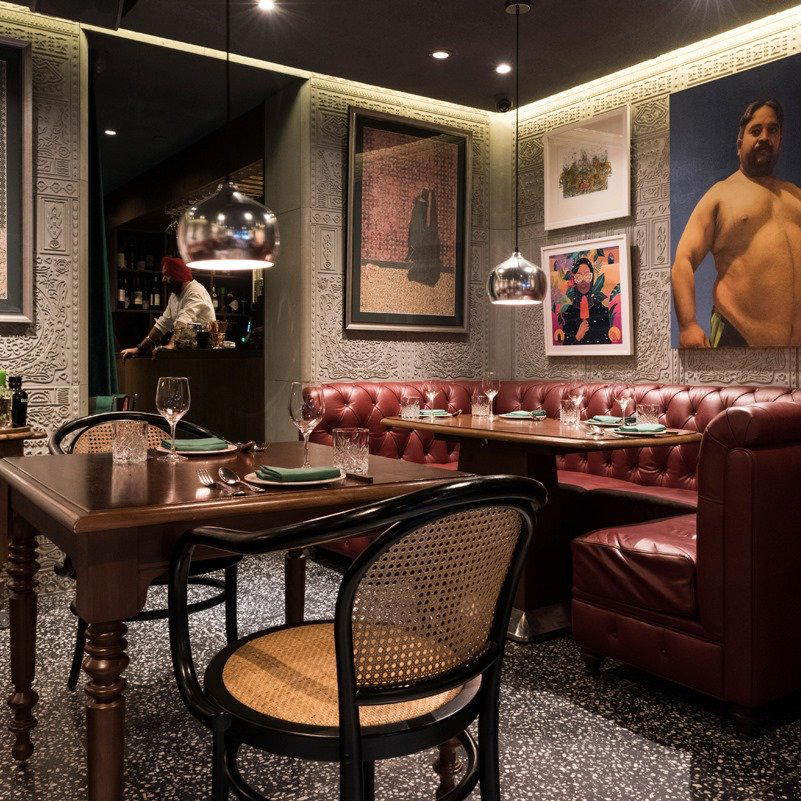
A Room Built on Contrast
Central Hong Kong's dining corridor along Wyndham Street is better known for European fine dining and Japanese omakase than for the clay-oven cooking of northwest India. The visual register inside New Punjab Club reinforces that sense of deliberate displacement: colonial-era room proportions and retro detailing sit directly alongside contemporary South Asian artwork, a combination that signals something more considered than a heritage pastiche. The tension is the point. This is a room that understands its own position, occupying the same price tier and reservation culture as neighbours who serve French sauces and aged beef, while drawing its entire reference set from the tandoor traditions of Punjab and the culinary inheritance of the Mughal courts.
That positioning matters more than it might first appear. Hong Kong's fine-dining market has historically clustered around Cantonese cooking, where restaurants like Forum hold deeply institutionalised prestige, and the French and Italian traditions, represented at the top tier by Caprice, Amber, and 8½ Otto e Mezzo Bombana. Indian cuisine at fine-dining prices, with Michelin validation, is a genuinely different proposition, and that difference is what the room, the menu, and the awards record are all quietly arguing.
How the Menu Makes Its Case
The structure of the menu at New Punjab Club is itself an editorial statement. Rather than attempting a pan-Indian survey, the approach that characterises a certain category of upscale Indian restaurant in international cities, the kitchen holds its focus tightly on Punjab and its western border with Pakistan. This is a meaningful restriction. The state of Punjab straddles one of the most historically significant culinary fault lines in South Asia: the convergence of Sikh, Muslim, and Hindu cooking traditions, each of which contributed techniques and ingredients that became foundational to north Indian cuisine as it is now understood globally.
Dishes from the tandoor form the structural spine of what's on offer. The goat seekh kebab, ground meat worked onto skewers and cooked at high heat in the clay oven, is one of the kitchen's more consistently noted preparations, a dish where the quality of the meat, the moisture management, and the char level have no place to hide. The keema pau made with mutton draws from the street-food register of the subcontinent's west, where the pau (soft roll) functions as the vehicle for spiced minced meat in a way that owes as much to Karachi's tiffin culture as to any formal Punjabi tradition.
The signature, though, is the butter chicken, listed here as 'Mughal Room Makhani', a name that does some specific intellectual work. Attaching it to the Mughal Room rather than presenting it as a generic dish signals that this kitchen is aware of the cooking's genealogy: the Makhani sauce tradition has documented roots in the Mughlai cuisine that evolved in the imperial kitchens of Delhi and was later codified by restaurateurs in mid-twentieth century India. Naming it that way at a Michelin-starred level is an implicit claim about fidelity and historical consciousness. Whether the execution justifies that claim is something the plate answers.
The Awards Record in Context
New Punjab Club holds a Michelin star as of 2024 and has appeared in Opinionated About Dining's ranking of the leading restaurants in Asia for three consecutive years: 89th in 2023, 76th in 2024, and 81st in 2025. The OAD list is compiled from the scored dining experiences of a self-selecting population of serious eaters and food professionals, which means the rankings carry a different kind of signal than a single inspector's visit. Three consecutive placements, with a significant climb between 2023 and 2024, indicate a kitchen that is performing consistently at a level that repeat visitors notice.
The $$$ price range aligns it with venues like Ta Vie rather than the $$$$ bracket occupied by Caprice or 8½ Otto e Mezzo Bombana, which makes it one of the more accessible entry points into Michelin-recognised cooking in Central. Globally, the category of award-holding restaurants focused on South Asian regional cooking, rather than a generalised 'Indian' menu, is a relatively small one. The equivalents in other cities tend to operate in very different market contexts, without the sustained dual recognition from Michelin and the OAD list that New Punjab Club has accumulated. For reference, other Michelin-recognised destinations globally, from Le Bernardin in New York to Alain Ducasse at Louis XV in Monte Carlo, demonstrate how different culinary traditions can carry equal critical weight when the kitchen executes at that register.
Chef Palash Mitra and the Kitchen's Orientation
Chef Palash Mitra leads the kitchen. Beyond the name, the relevant point here is less biographical than structural: the consistency of OAD scores over three years, combined with Michelin recognition, suggests a kitchen that has stabilised around a clear point of view. Kitchens that oscillate in approach or chase trend-driven menu updates tend not to hold sustained positions in scoring-based lists like OAD. The discipline of limiting the menu's geography to Punjab and its border region, while executing at a price point that competes with European fine dining, reflects a kitchen confident enough in its source material to resist expanding the brief.
Planning a Visit
New Punjab Club operates lunch service Tuesday through Sunday (noon to 2:30 PM) and dinner service every night, with Friday and Saturday running until 11 PM and the rest of the week to 10:30 PM. Monday is dinner-only. The address is the World Wide Commercial Building at 34 Wyndham Street, Central, a building that places it in the middle of Hong Kong's most competitive dining corridor, walking distance from the bars and wine rooms that complete a Central evening.
The combination of Michelin recognition, OAD presence, and a $$$ price range means the restaurant draws both locals who know what it is and international visitors discovering it through awards lists. Booking ahead is advisable, particularly for Friday and Saturday dinner.
For broader planning across the city, the full Hong Kong restaurants guide maps the wider scene. The Hong Kong bars guide is useful for pre- or post-dinner options in the same neighbourhood, and the Hong Kong hotels guide covers accommodation if you're building a stay around a Central dining itinerary. Additional resources covering Hong Kong experiences and Hong Kong wineries round out the picture for multi-day visits.
How New Punjab Club Compares: Practical Quick Reference
Frequently asked questions
Is New Punjab Club expensive?
Pricing at New Punjab Club is listed as $$$.
Recognition Snapshot
A quick peer list to put this venue’s basics in context.
| Venue | Cuisine | Price | Awards | Notes |
|---|---|---|---|---|
| New Punjab ClubThis venue (the venue you are viewing) | Modern Punjabi Tandoor Grillhouse | $30–50 | 1 Michelin Star · SCMP 100 Top Tables Restaurants | Not listed |
| 8 1/2 Otto e Mezzo Bombana (Hong Kong) | 3 Michelin-Star Italian Fine Dining | $200–300 | 3 Michelin Stars · World's 50 Best #94 | Italian |
| Ta Vie | Modern French-Japanese Fine Dining | $300–500 | 3 Michelin Stars · World's 50 Best #68 | Japanese - French, Innovative |
| Caprice | Contemporary French Fine Dining | $200–300 | 3 Michelin Stars · World's 50 Best #35 | French, French Contemporary |
| Feuille | Modern Vegetable-Forward French | $200–300 | 1 Michelin Star · World's 50 Best #93 | French Contemporary |
| Neighborhood | Modern French with Asian Influences | $50–100 | 1 Michelin Star · World's 50 Best #24 | International, European Contemporary |
Recognition history
Dated appearances from independent guides and award organizations, with the underlying list record or original source where available.
Michelin 1 Star
Michelin
Opinionated About Dining Top Restaurants in Asia Ranked #96
Opinionated About Dining
SCMP 100 Top Tables Restaurants
SCMP 100 Top Tables
Full recognition history (8 entries)
Michelin 1 Star
Michelin
Opinionated About Dining Top Restaurants in Asia Ranked #81
Opinionated About Dining
Michelin 1 Star
Michelin
Opinionated About Dining Top Restaurants in Asia Ranked #76
Opinionated About Dining
Opinionated About Dining Top Restaurants in Asia Ranked #89
Opinionated About Dining
Continue exploring
More in Hong Kong
Restaurants in Hong Kong
All restaurants in Hong Kong →
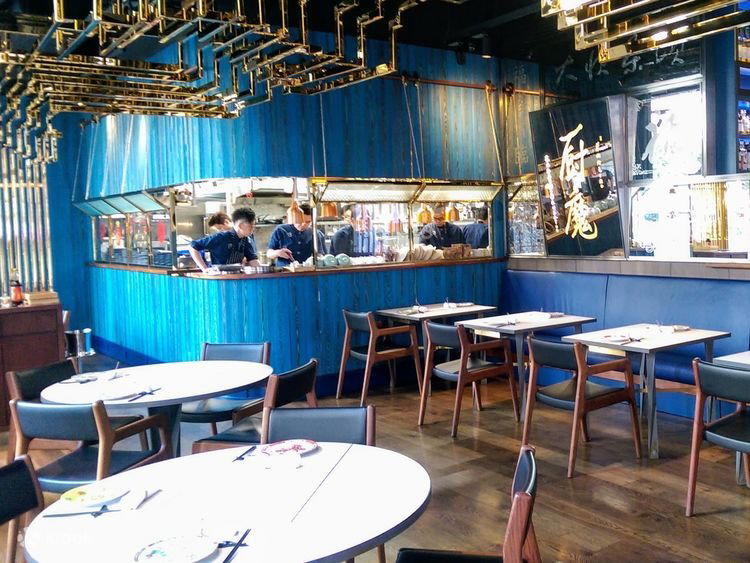
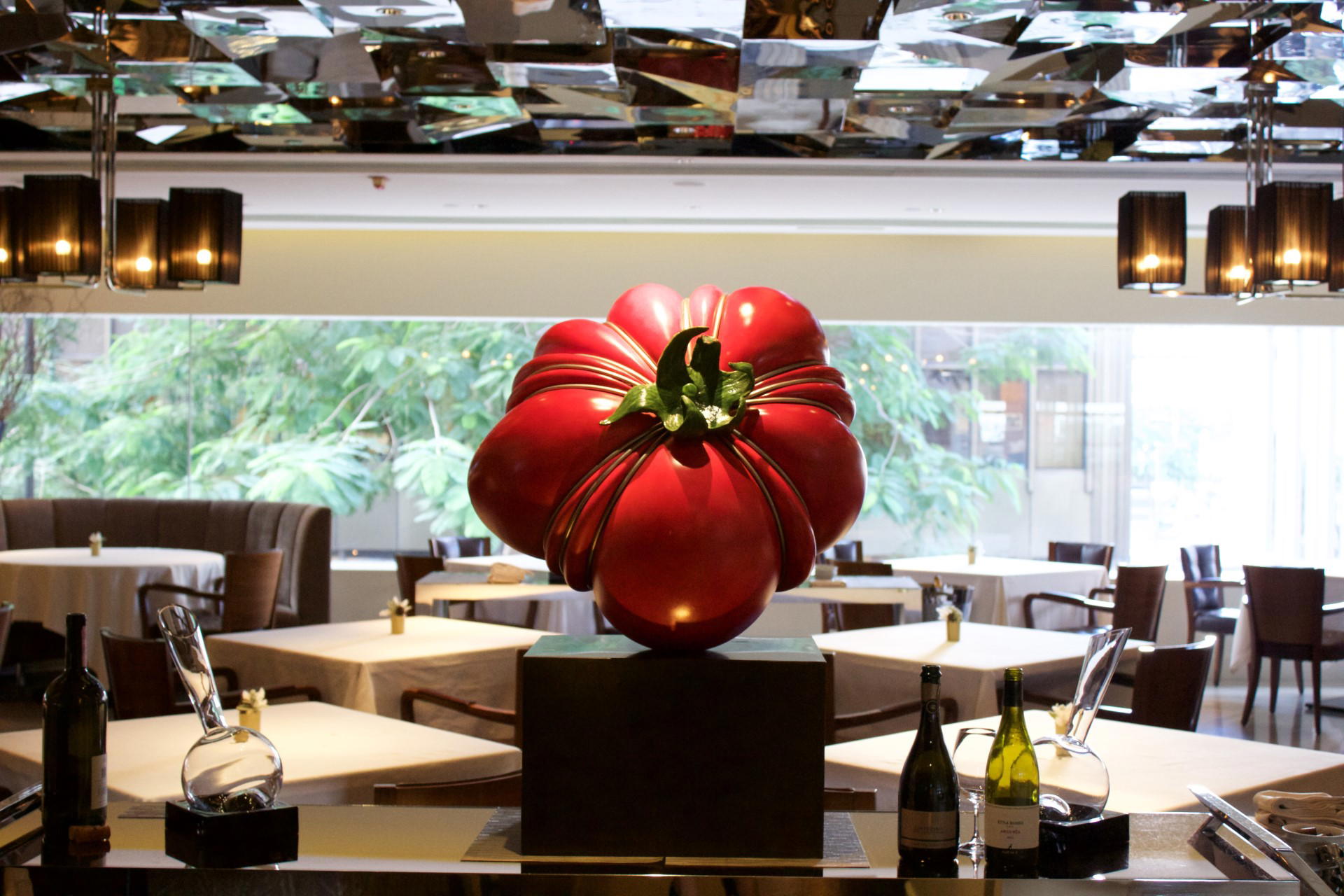
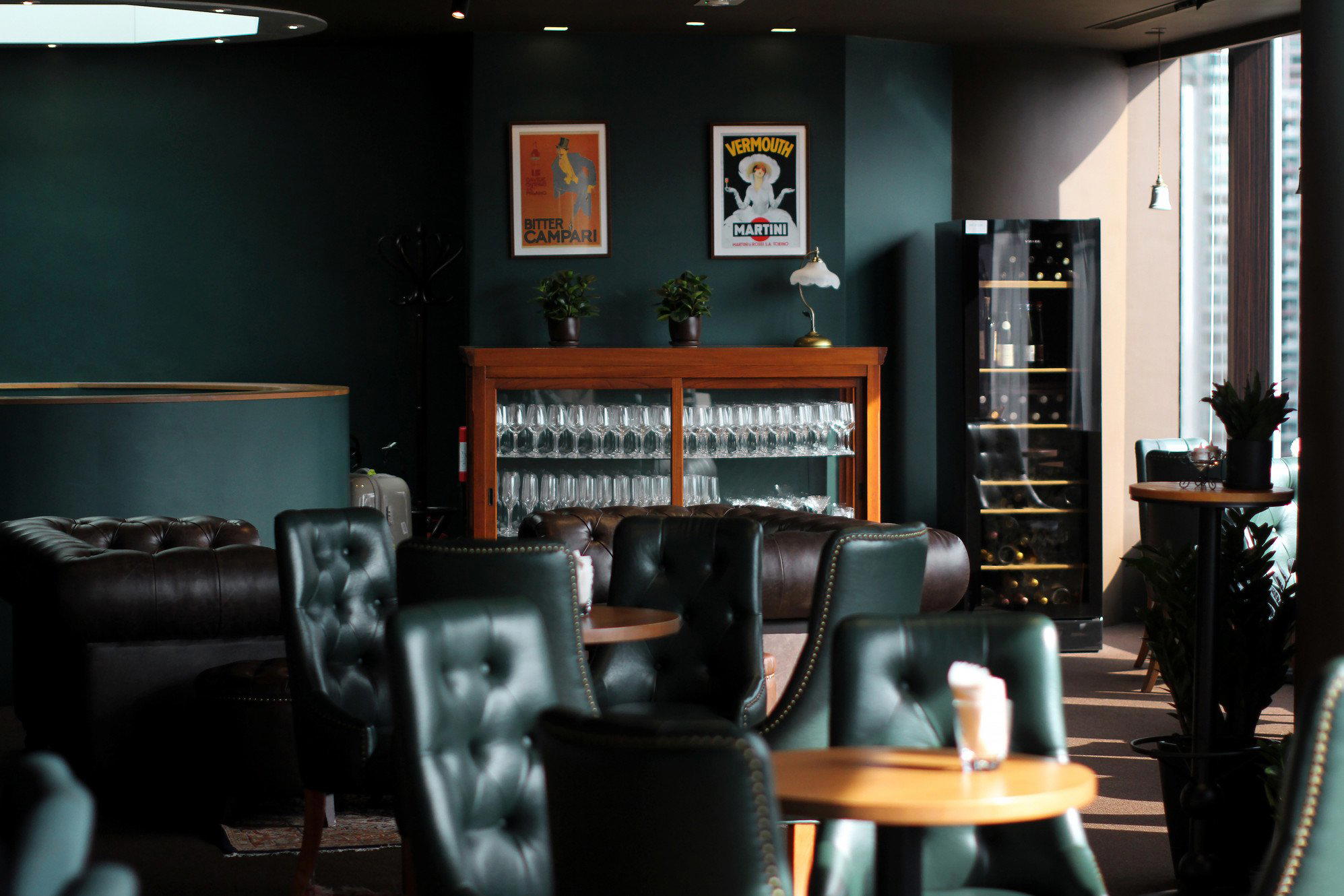
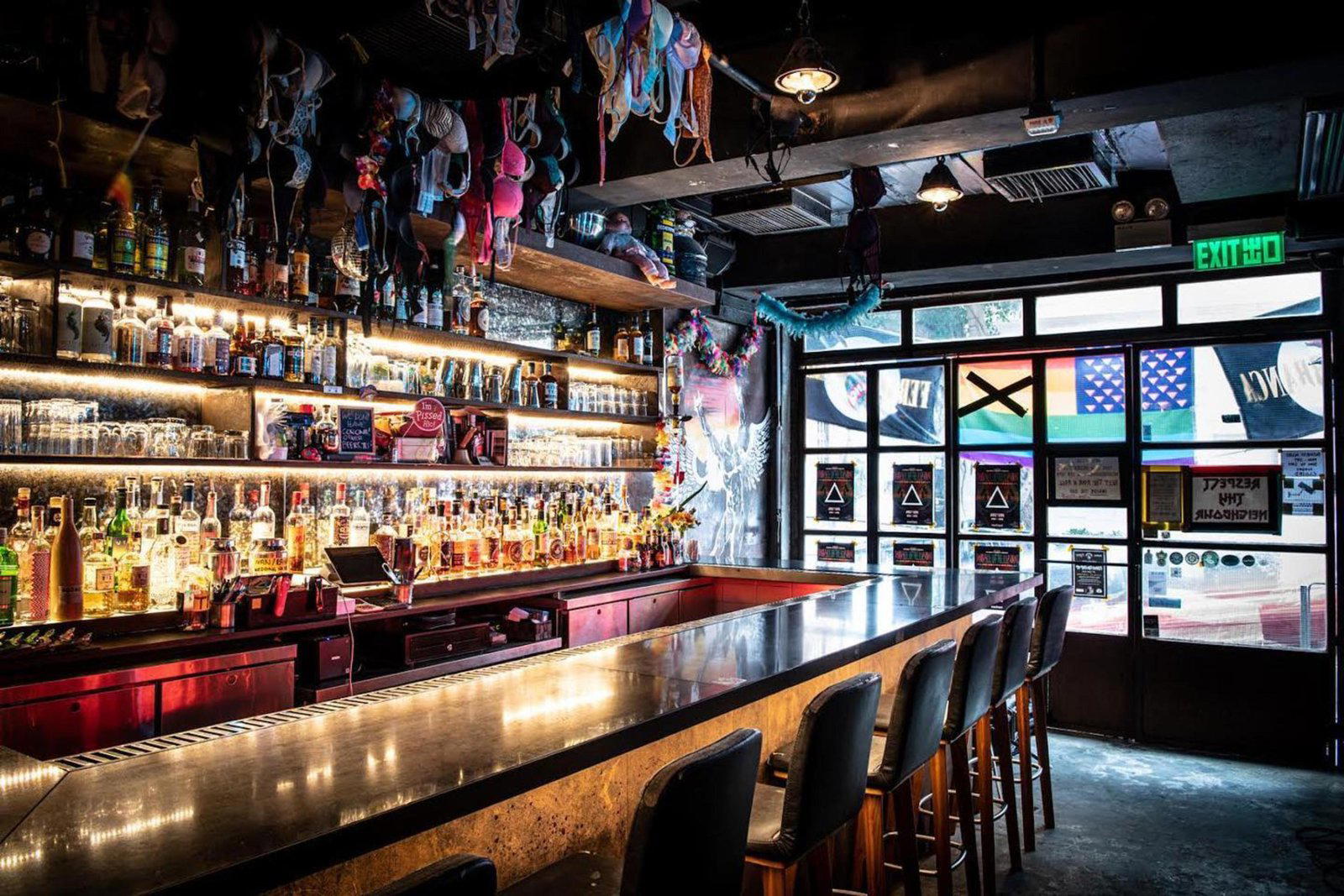
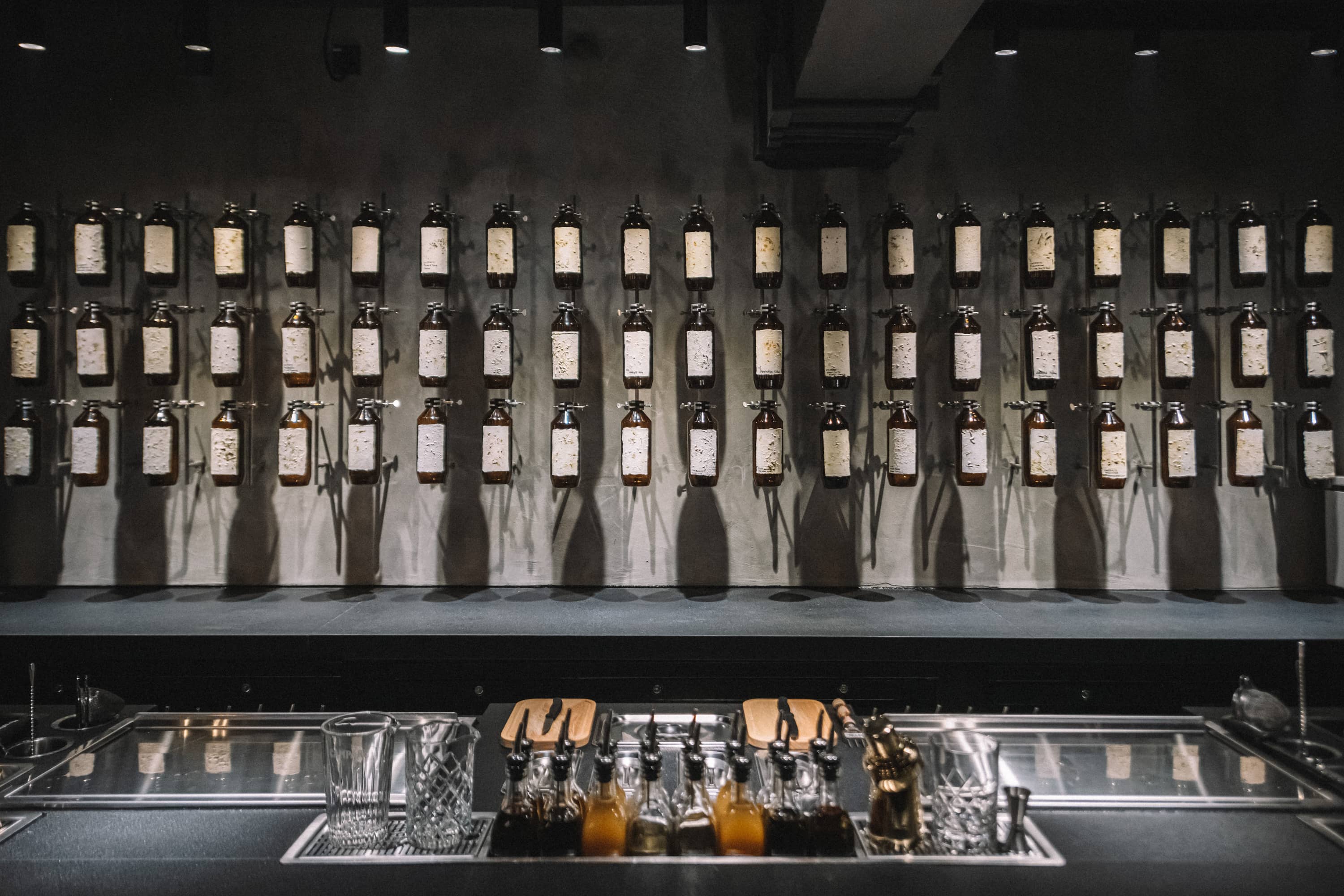
Bars in Hong Kong
All bars in Hong Kong →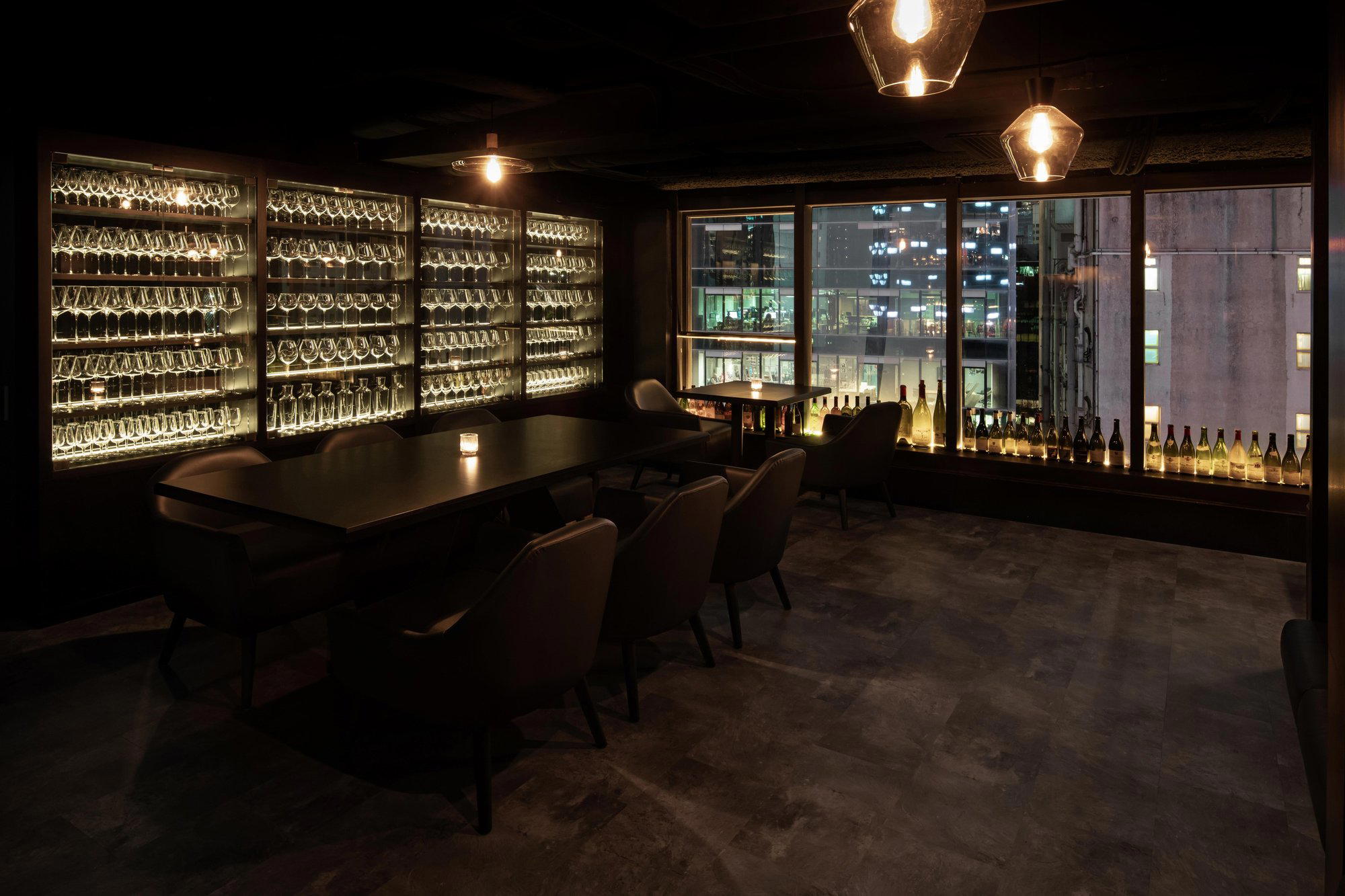
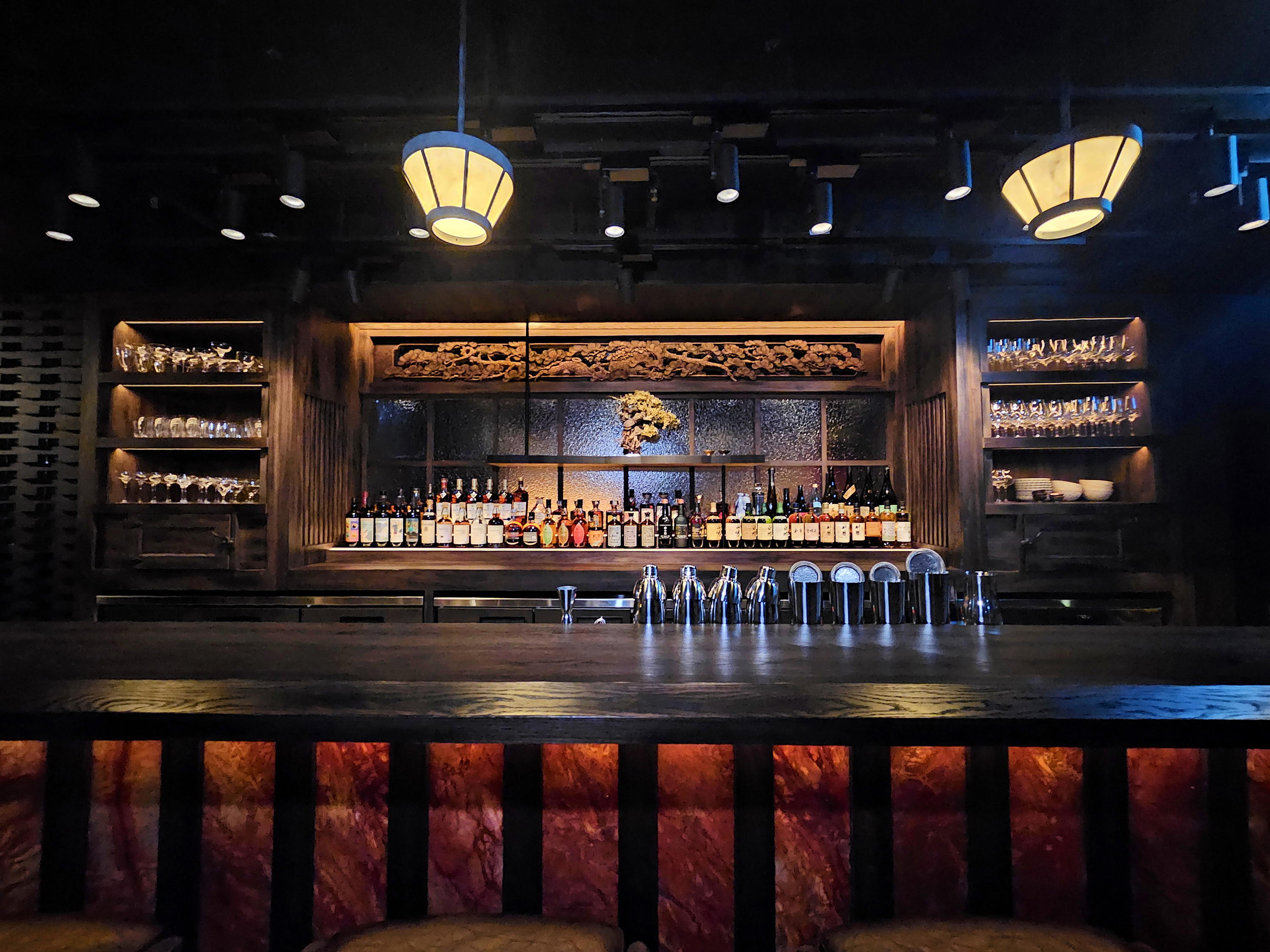
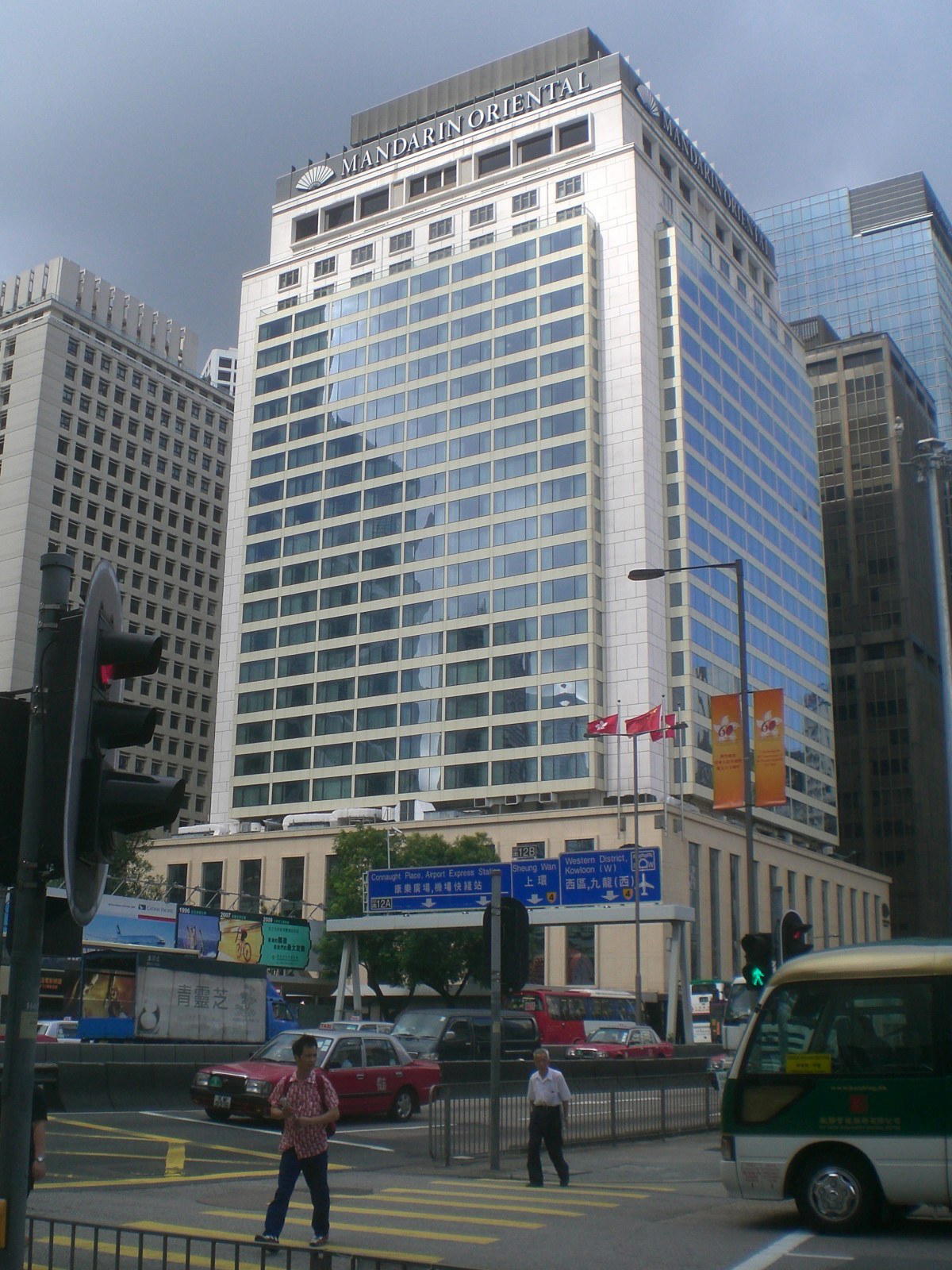
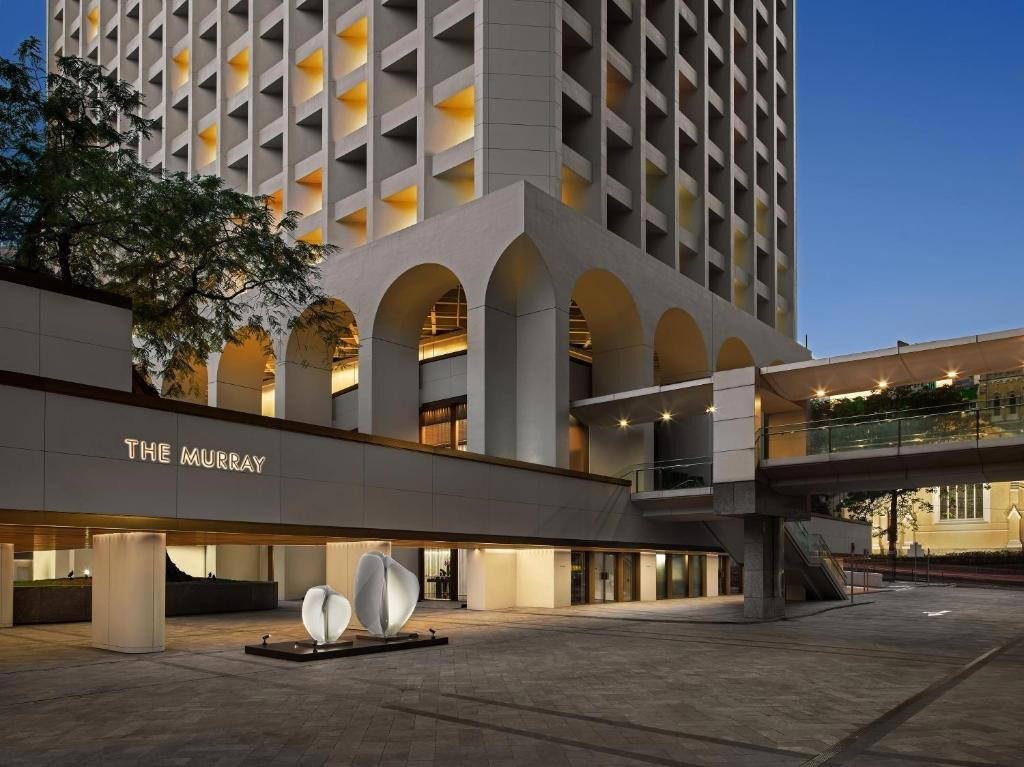
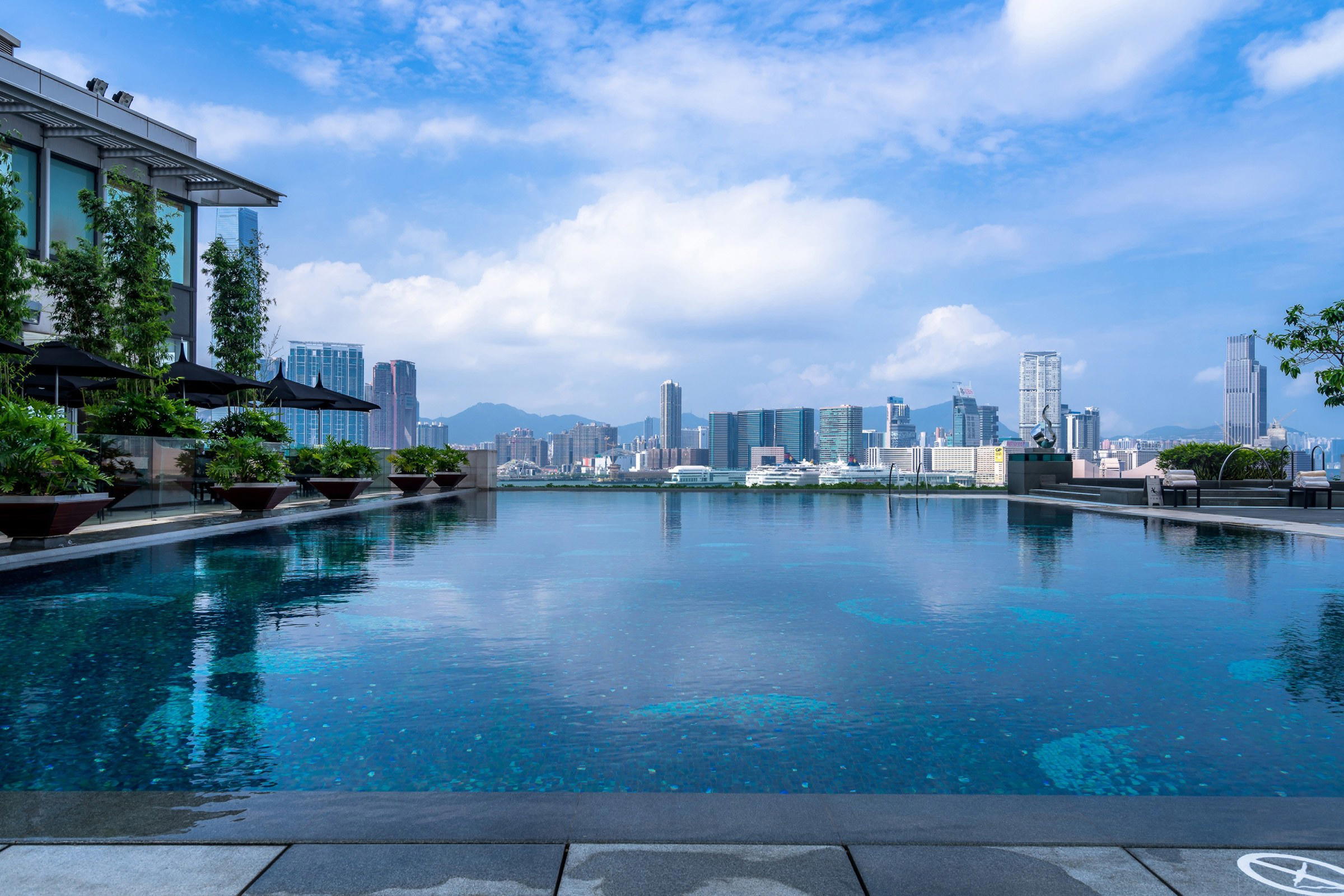
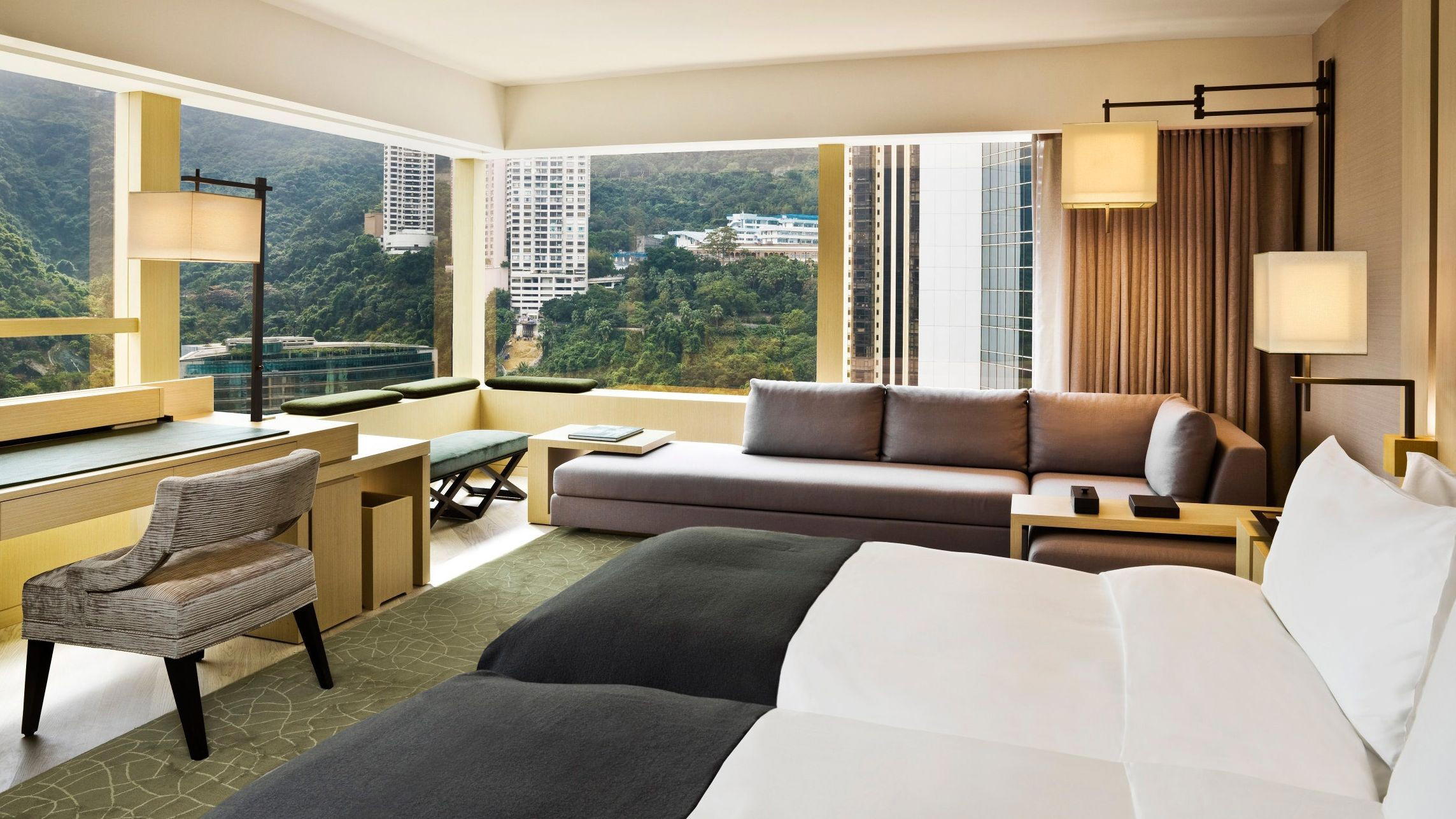
Hotels in Hong Kong
All hotels in Hong Kong →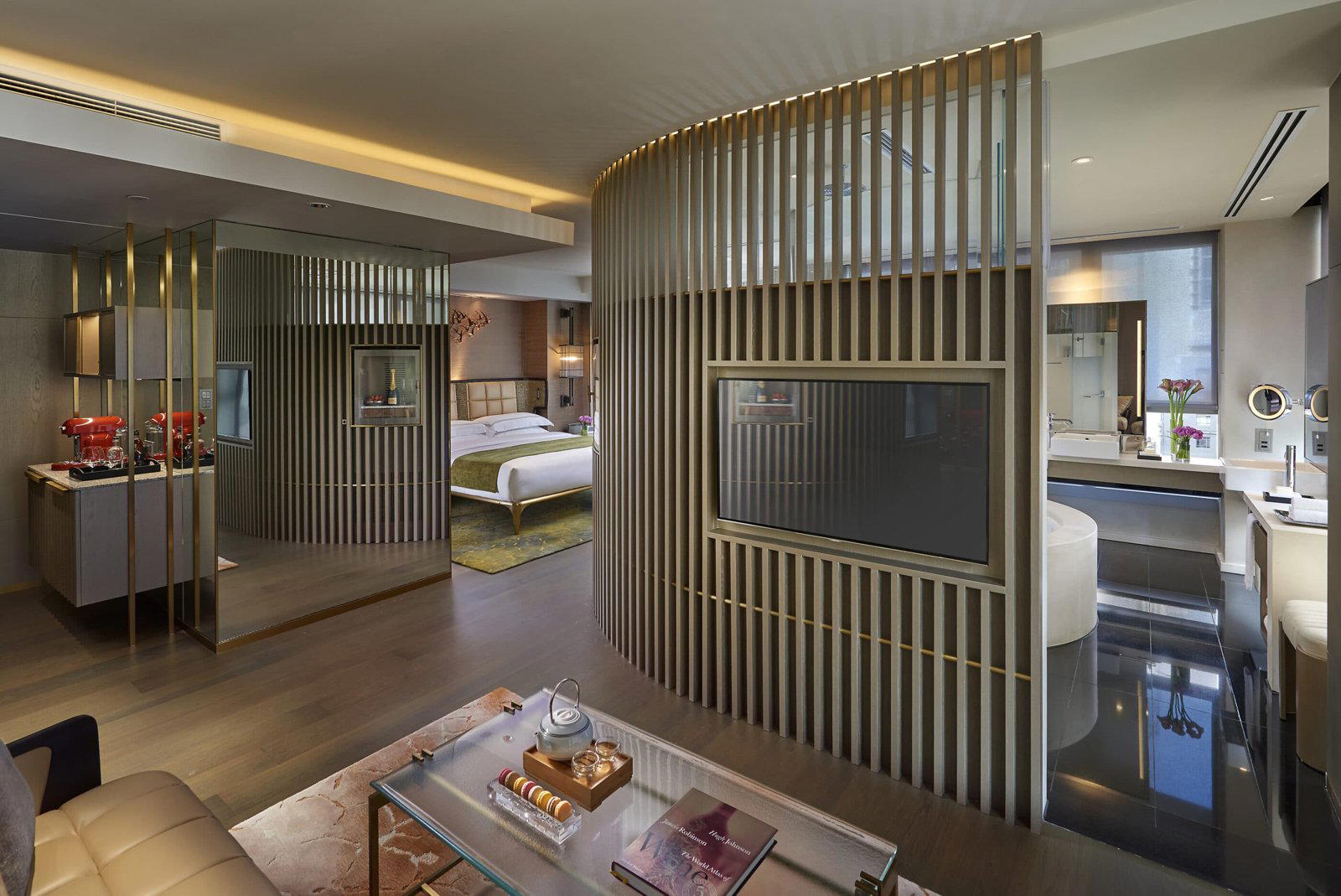
Wineries in Hong Kong
All wineries in Hong Kong →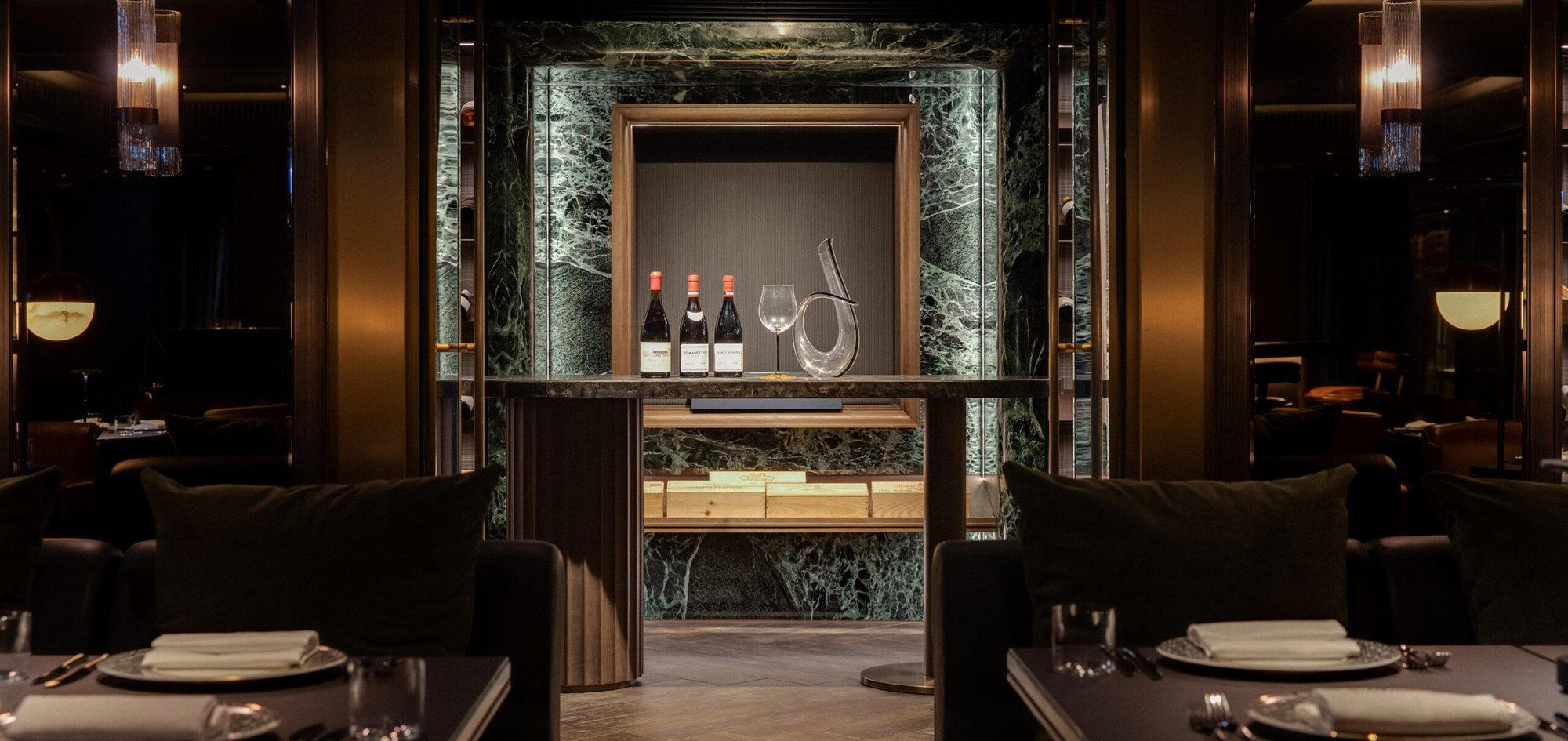
Details
- Elegant
- Sophisticated
- Cozy
- Lively
- Date Night
- Business Dinner
- Special Occasion
- Group Dining
- Open Kitchen
- Craft Cocktails
- A La Carte
- Craft Cocktails
- Gluten Free Options
Current opening hours
- Monday
- 6–10:30 PM
- Tuesday
- 12–2:30 PM, 6–10:30 PM
- Wednesday
- 12–2:30 PM, 6–10:30 PM
- Thursday
- 12–2:30 PM, 6–10:30 PM
- Friday
- 12–2:30 PM, 6–10:30 PM
- Saturday
- 12–2:30 PM, 6–10:30 PM
- Sunday
- 12–2:30 PM, 6–10:30 PM
Hours can change for holidays and private events. Hours as of .
Lavish interior with red-leather banquettes, plush tableware, and thought-provoking art, creating a regal yet flamboyant post-colonial atmosphere.