New Delhi
Our verdict
New Delhi at 4004 Chestnut Street sits inside West Philadelphia's dense corridor of subcontinental cooking, where the neighborhood's student population and longtime South Asian community have sustained serious Indian kitchens for decades. The address places it squarely in a dining zone that rewards those willing to look beyond Center City's more publicized restaurant scene for food rooted in regional specificity rather than broad-appeal curry-house convention.

Pearl is the En Primeur Club membership app — saves, bookings, and concierge access live there. Same editors, same standards.
- Address
- 4004 Chestnut St, Philadelphia, PA 19104
- Phone
- (215) 386-1941
- Hours
- Mon ClosedTue–Thu 11:30 AM–8:30 PMFri–Sat 11:30 AM–9:30 PMSun 11:30 AM–8:30 PM
- Website
- newdelhiweb.com
- Directions
- Get directions
- Booking
- Book on the venue's website
The menu
What to order
- Butter Chicken
- Chicken Tikka Masala
- Chana Masala
- Lamb Korma
West Philadelphia's Indian Table
Chestnut Street west of 40th has functioned as one of Philadelphia's more reliable corridors for subcontinental cooking for years, shaped less by fine-dining ambition than by the practical demands of a neighborhood that includes one of the largest South Asian student populations on the East Coast. The proximity to the University of Pennsylvania campus means the area's Indian restaurants are tested against a regular clientele that knows the reference points: home cooking from Gujarat, street food from Delhi's Chandni Chowk, the particular heat balance of Punjabi dals. That context matters when reading any restaurant on this block. New Delhi, at 4004 Chestnut St, occupies that environment and draws meaning from it.
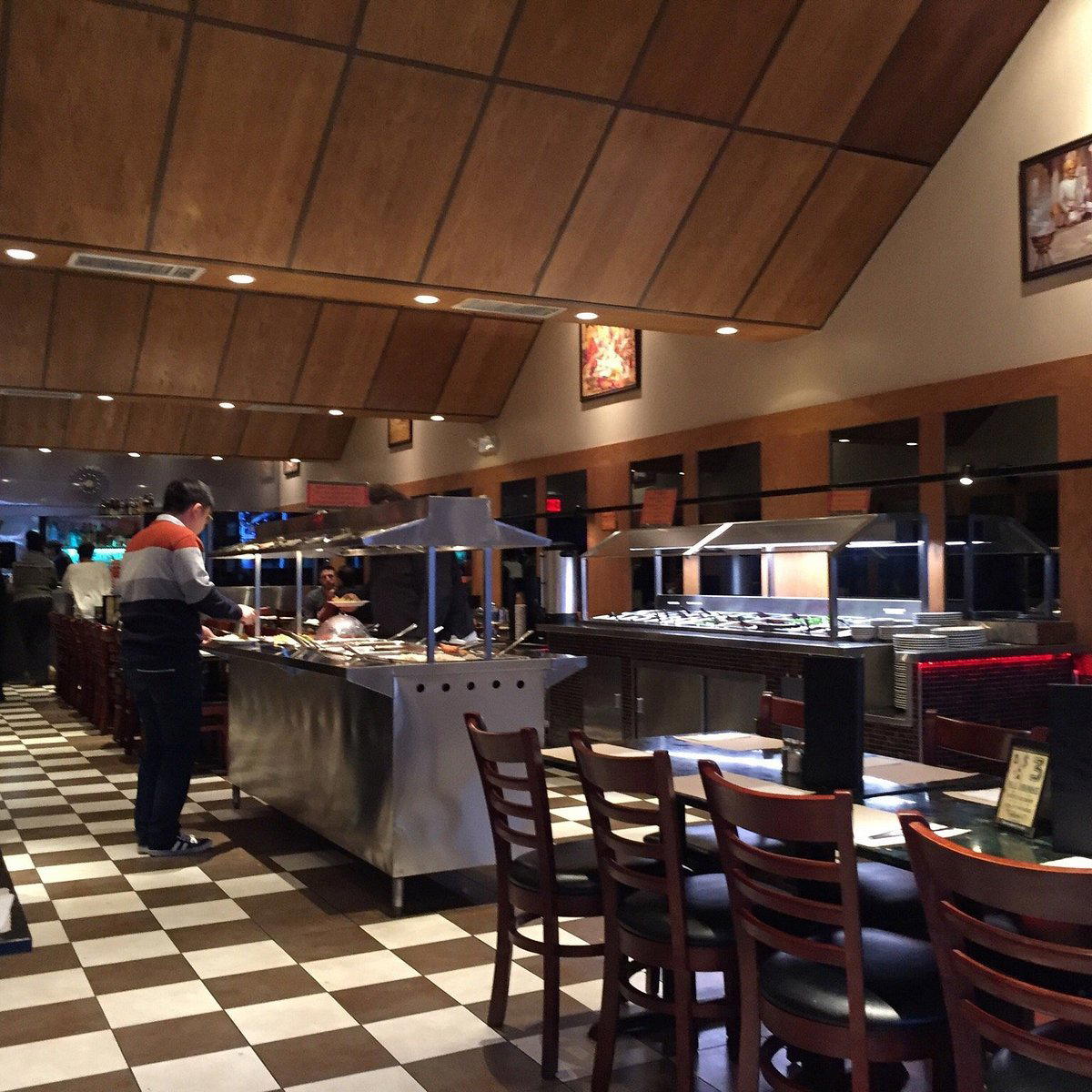
The approach along Chestnut in this stretch is utilitarian rather than designed. Storefronts are narrow, signage is direct, and the dining rooms that open off the street tend to prioritize function over atmosphere architecture. This is not the West Philadelphia of boutique cocktail bars or farm-to-table tasting counters. It is a neighborhood where restaurants earn loyalty through consistency and price honesty, and where a kitchen's actual cooking separates it from its neighbors faster than any design investment would.
Reading the Meal as a Sequence
Indian restaurant meals in this category rarely follow the formal tasting-course logic of, say, Alinea in Chicago or The French Laundry in Napa, but they have their own progression logic that rewards attention. The opening registers matter: whether a papadom arrives warm or cool from the fryer, whether a chutney tray shows range or defaults to the generic mint-coriander-tamarind trio, whether the first bread course is timed to the table or dumped on arrival. These are not trivial signals. They indicate whether the kitchen is running the meal or just filling plates.
In the mid-course, the question becomes one of heat architecture. A well-structured Indian meal builds and modulates rather than delivering uniform spice throughout. Dal arrives as a grounding element, its fat content and acidity calibrating the palate for whatever follows. Protein dishes, when they come, should carry distinct regional fingerprints: the dry-fried finish of a Punjabi chicken versus the slow-braised depth of a Mughlai preparation versus the coconut-and-curry-leaf logic of something from the south. Restaurants that blur these distinctions into a generic medium-spice profile are cooking for the lowest common denominator. Those that maintain specificity are cooking for people who notice.
The close of a North Indian meal, when done properly, is as deliberate as any dessert course at a table like Blue Hill at Stone Barns in Tarrytown. Rice or bread timing, the presence of a cooling raita or lassi to signal the kitchen's awareness that the meal needs a counterweight, the restraint of a kheer or gulab jamun that doesn't overwhelm: these choices say something about whether a kitchen thinks about the full arc of what it's serving.
Where New Delhi Sits in the Philadelphia Scene
Philadelphia's Indian restaurant scene has historically concentrated in two zones: the Chestnut Street corridor in West Philadelphia and scattered suburban clusters in the Northeast. Neither zone has produced the kind of nationally recognized fine-dining Indian cooking that has appeared in New York or, increasingly, in cities with larger South Asian populations and more capital behind their hospitality industry. That absence of a high-profile anchor restaurant in Philadelphia's Indian dining world is itself editorial context: it means the restaurants that operate here do so without the promotional tailwind of Michelin coverage or James Beard attention, and their customer bases are built on repeat visits rather than destination-driven tourism.
Against Philadelphia's more publicized restaurant addresses, the West Philly Indian corridor occupies a different tier entirely. Restaurants like Fork, Friday Saturday Sunday, and My Loup operate with prix-fixe or New American frameworks that position them against national tasting-counter peers. The Chestnut Street Indian restaurants are not competing in that space.
For a reader mapping Philadelphia's full dining picture, the West Philly corridor functions as a counterweight to the Center City concentration. The same logic applies when looking at Southeast Asian cooking through Kalaya or Mawn: these are kitchens doing serious regional work outside the spotlight of Philadelphia's more photographed dining addresses. See our full Philadelphia restaurants guide for how these neighborhoods map against each other.
The Broader Context: American Indian Dining in 2024
The national conversation around Indian restaurants in the United States has shifted noticeably in the last decade. The model of the generic subcontinental restaurant, serving a flattened greatest-hits menu designed to avoid offending anyone, is under pressure from two directions simultaneously. On one end, a generation of chefs trained through fine-dining pipelines (some with credentials that sit alongside peers at Le Bernardin in New York City or Providence in Los Angeles) are producing ambitious Indian-influenced tasting menus. On the other end, neighborhood restaurants with deep community roots are holding their ground by cooking more specifically, not less, leaning into regional cuisines rather than averaging them out.
Korean dining went through a similar bifurcation, with counter-format tasting experiences like Atomix in New York City representing one pole while neighborhood restaurants anchored in community loyalty held the other. The Indian restaurant world is following a comparable arc, with Philadelphia's West Philly corridor representing the neighborhood-loyalty end of that spectrum.
For a reader who has spent time at high-investment Indian restaurants elsewhere, or who has tracked the genre through its more ambitious American iterations, the neighborhood restaurant in a university district offers a different kind of evidence. It is not trying to argue for Indian cooking's place at the fine-dining table. It is trying to feed people well, at accessible prices, with enough regional honesty to keep a knowledgeable audience returning.
Know Before You Go
Planning Details
- Address: 4004 Chestnut St, Philadelphia, PA 19104
- Neighborhood: West Philadelphia, University City
- Getting There: The 40th Street corridor is served by SEPTA's Market-Frankford Line (40th Street Station). Street parking is available but limited during evening service hours.
- Booking: Contact details and current hours were not available at time of publication. Verify directly before visiting.
- Price Range: Not confirmed at time of publication. West Philadelphia Indian restaurants in this corridor typically operate at accessible price points relative to Center City dining.
- Peer Context: For the city's broader Indian and Asian dining scene, see our guides to Kalaya and Mawn.
Frequently asked questions
What's the address for New Delhi?
New Delhi is located at 4004 Chestnut St, Philadelphia, PA 19104, Philadelphia.
How does New Delhi compare to other Indian restaurants along Philadelphia's Chestnut Street corridor?
New Delhi occupies a specific address at 4004 Chestnut St, placing it in the western stretch of a corridor that has shaped Philadelphia's subcontinental dining scene for decades. The concentration of Indian kitchens in this part of West Philadelphia gives diners a practical basis for comparison within a few city blocks.
What's the signature dish at New Delhi?
Verified dish-level data for New Delhi was not confirmed at time of publication. The restaurant sits at 4004 Chestnut St in West Philadelphia's Indian dining corridor, where kitchens in this category typically anchor menus around northern subcontinental preparations such as slow-cooked dals, tandoor breads, and curry-based mains. Checking directly with the restaurant before visiting is the most reliable way to confirm current menu focus.
Do I need a reservation for New Delhi?
Indian restaurants along the Chestnut Street corridor in University City frequently operate walk-in formats given proximity to the Penn and Drexel student population, though weekend evenings can draw neighbourhood crowds. Contacting the restaurant at 4004 Chestnut St directly before arrival is advisable.
What's the signature at New Delhi?
No dish-level detail for New Delhi has been confirmed in our verified sources. The restaurant's position on Chestnut Street places it within one of Philadelphia's most established subcontinental dining corridors, where the dominant tradition leans toward northern Indian cooking. For current menu specifics, reaching out to the restaurant directly at its West Philadelphia address is the most dependable route.
How It Stacks Up
Comparable venues nearby, for context on price, style, and recognition.
| Venue | Cuisine | Price | Notes |
|---|---|---|---|
| New DelhiThis venue — the venue you are viewing | Traditional North Indian | $20–30 | Not listed |
| Tiffin Indian Cuisine Fairmount | Upscale Indian Cuisine | $20–30 | Francisville |
| Tandoor India | Authentic Indian Tandoori | Not listed | West Kensington |
| Thanal Indian Tavern | South Indian Tavern | $20–30 | Logan Square |
| Walnut Street Cafe | Classic American Comfort Food | $20–30 | University City |
| Pizzeria Vetri | Authentic Neapolitan Pizza | $20–30 | Logan Square |