
NEMI gives La Paz a tasting-menu argument built around Baja California produce, seafood, Mexican wine, and a chef whose fine-dining background reaches beyond Mexico. The cooking is strongest when local ingredients carry the structure: aguachile, hoja santa, huitlacoche, totoaba, and Baja wine place the meal inside the peninsula rather than treating La Paz as scenery.
Pearl is the En Primeur Club membership app — saves, bookings, and concierge access live there. Same editors, same standards.
- Address
- C. Francisco I. Madero 565, Esterito, La Paz, Baja California, 23020, MEX
- Phone
- +52 612 159 5502
- Website
- nemirestaurante.com
- Directions
- Get directions
 Saves & bookings on Pearl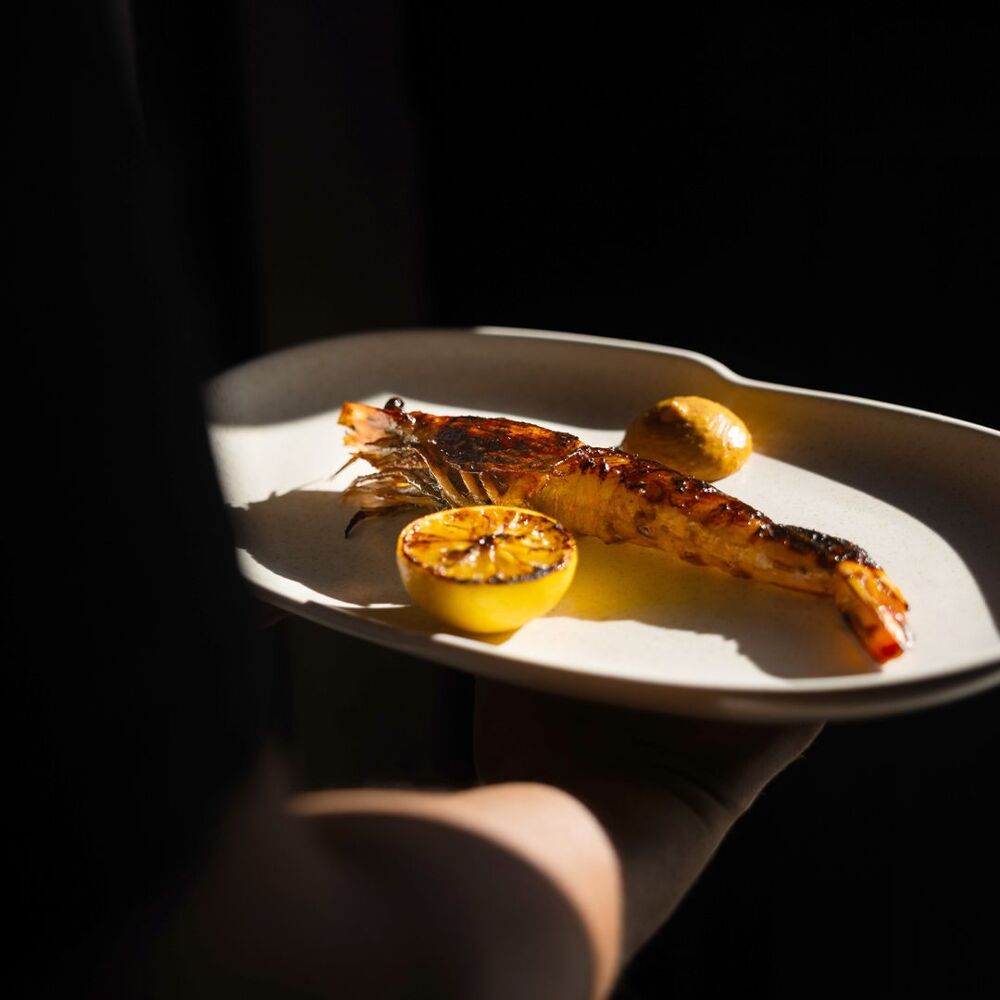
Approaching dinner in La Paz often means thinking first about the water: the Sea of Cortez, the marina edge, the city’s dry light, and the short distance between fishing culture and the plate. NEMI belongs to the more composed end of that conversation. Instead of the beach-club seafood shorthand that dominates much of Baja travel, the restaurant uses a tasting-menu frame to ask what the peninsula can support when its ingredients are handled with fine-dining discipline.
That matters in a city where serious dining is not trying to mimic Mexico City or Los Cabos. La Paz has its own scale: quieter streets, less performance, and a closer relationship with local seafood, desert produce, and the agricultural pockets of Baja California Sur. Within that setting, NEMI reads as a statement about sourcing first, technique second. The menu highlights Baja California ingredients almost exclusively, with the occasional outside luxury note, such as French truffle, used as accent rather than identity.
Baja ingredients, tasting-menu structure
The tasting menu format changes the way La Paz ingredients behave at the table. Small bites such as green melon in aguachile or watermelon infused with Mexican sake set up a meal that treats acidity, fruit, and fermentation as tools rather than decorative flourishes. The point is not abundance for its own sake. It is compression: Baja flavors tightened into a sequence where each course has to justify its place.
The more convincing La Paz restaurants are now split between open-fire, seafood-led, and ingredient-driven formats. Ancestral and Cardón sit in that broader local conversation, while Comedor HRP represents another dining room for travelers tracking the city beyond the malecón. NEMI’s distinction is format: it pushes Baja sourcing through a more formal progression, closer to a destination tasting menu than a casual seafood table.
That progression lets regional ingredients take on different registers. A hoja santa-wrapped tamal with salsa verde and huitlacoche, finished with quesillo foam and truffle, places Mexican structure underneath a fine-dining finish. Totoaba over mushrooms and chileatole moves the meal back toward Baja’s marine identity, while braised wagyu beef cheek with celery root purée and jus shows the international training behind the kitchen without turning the menu into a tour of imported techniques.
Why sourcing carries the argument
Baja California cuisine has long been pulled between two forces: the immediacy of coastal product and the polish expected by travelers who arrive from wine country, Los Cabos resorts, or Mexico City dining rooms. La Paz complicates that equation because it has fewer grand dining rituals than larger resort markets and less need to overstate itself. A restaurant here has to earn seriousness through ingredient choices, not through spectacle.
Chef Alejandro Villagomez’s fine-dining background in Mexico and abroad gives the menu its framework, but the more interesting story is how that background is applied to local material. Baja ingredients are not treated as rustic proof points. They are given the pacing and precision of a dégustation, then paired with Mexican wine. That pairing matters: Mexican wine often gets treated as a novelty outside the country, but in Baja it can function as a serious regional bridge between land, sea, and table.
For travelers mapping La Paz through food, the comparison should be local rather than national. Agricole Cocina de Campo points toward farm-driven Baja cooking, Arami adds another contemporary address to the city’s dining circuit, and NEMI occupies the lane where tasting-menu discipline meets peninsula sourcing. For a wider scan of the city, Our full La Paz restaurants guide places these rooms in a broader itinerary, alongside Our full La Paz hotels guide, Our full La Paz bars guide, Our full La Paz wineries guide, and Our full La Paz experiences guide.
How it fits a Mexico dining itinerary
NEMI is better understood as part of Mexico’s regional fine-dining shift than as a standalone La Paz curiosity. Across the country, restaurants are moving away from generic luxury markers and toward place-specific menus that use local supply chains as their central claim. That pattern appears in different forms, from 1890 in Todos Santos to 4 Fuegos in Riviera Maya, with urban formats such as 4 Mori Santa Fe in Mexico City and 4 Mori Interlomas in Jesus Del Monte showing how different markets define polish.
La Paz does not need the same dining rhythm as Los Cabos. A seafood grill such as 7 Seas Seafood Grille in Los Cabos speaks to resort-coast appetite, while NEMI’s meal is more inward-looking: Baja ingredients, Mexican wine, and a controlled sequence that suits travelers who want dinner to carry the weight of the evening. That makes it a sharper choice for adults planning around food rather than a flexible drop-in for mixed agendas.
The broader North American interest in Japanese technique, sake, and compact formats also shadows some of the menu’s references, from Mexican sake in an early bite to the precision expected of tasting rooms elsewhere. Travelers who follow that thread might connect it, in a different city context, with Jōdo Saké Bar in Los Angeles or Onigiri Time in Pasadena. Those are not direct peers, but they show how ingredient focus and format discipline have become portable expectations.
The case for NEMI is therefore not that La Paz suddenly has to behave like a capital-city dining market. It is that the city can support a restaurant where Baja sourcing, Mexican wine, and fine-dining technique meet without losing the peninsula’s sense of place. For travelers building a wider Mexico route, it sits comfortably beside regional detours such as 10 Experiences Tour in Cozumel, but its strongest logic remains local: La Paz, interpreted through ingredients rather than scenery.
Comparison Snapshot
Comparable venues by cuisine and price in the same metro.
| Venue | Cuisine | Price |
|---|---|---|
| NEMI | Chef Alejandro Villagomez's extensive fine dining background both in Mexico and abroad converge at NEMI. The tasting menu highlights Baja California ingredients almost exclusively (though French truffle may make an appearance), and the Mexican wine pairing perfectly complements the experience. The meal begins with small bites such as green melon in an aguachile or watermelon infused with Mexican sake, while the chef's international influence is best seen in courses like butternut squash bisque with vanilla and apples. A hoja santa-wrapped tamal with salsa verde and huitlacoche, topped with a quesillo foam and truffle, may be next before entrees like totoaba served over mushrooms and a chileatole, or braised wagyu beef cheek with celery root puree and jus. | This venue |
Recognition history
Dated appearances from independent guides and award organizations, with the underlying list record or original source where available.
Michelin Plate
Michelin



At a Glance
- Elegant
- Modern
- Intimate
- Sophisticated
- Date Night
- Special Occasion
- Business Dinner
- Group Dining
- Private Event
- Standalone
- Design Destination
- Private Dining
- Sommelier Led
- Extensive Wine List
- Craft Cocktails
- Local Sourcing
- Sustainable Seafood
- Farm To Table
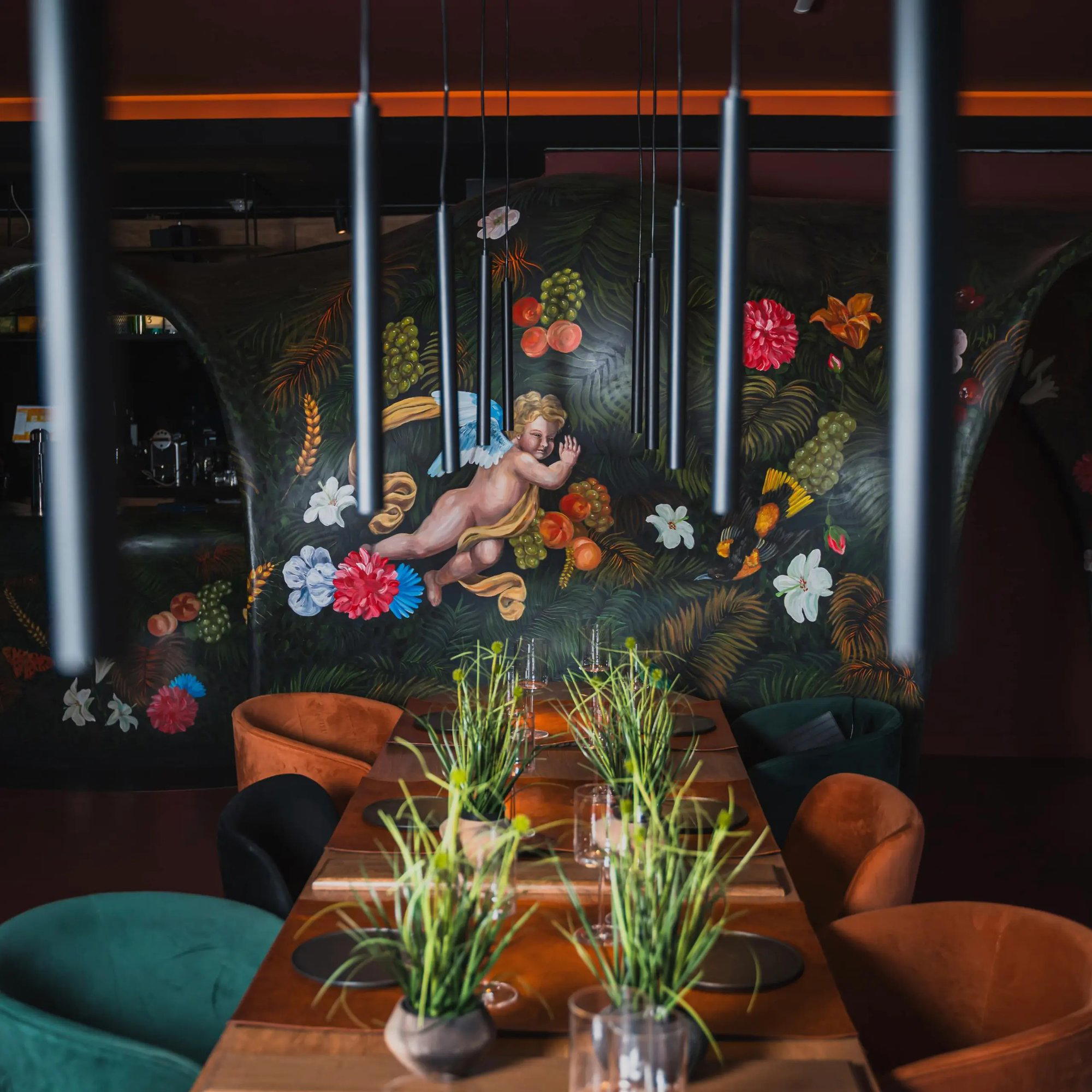
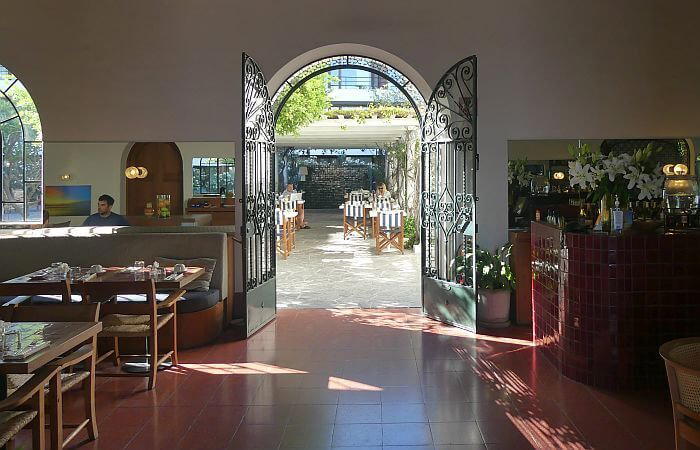
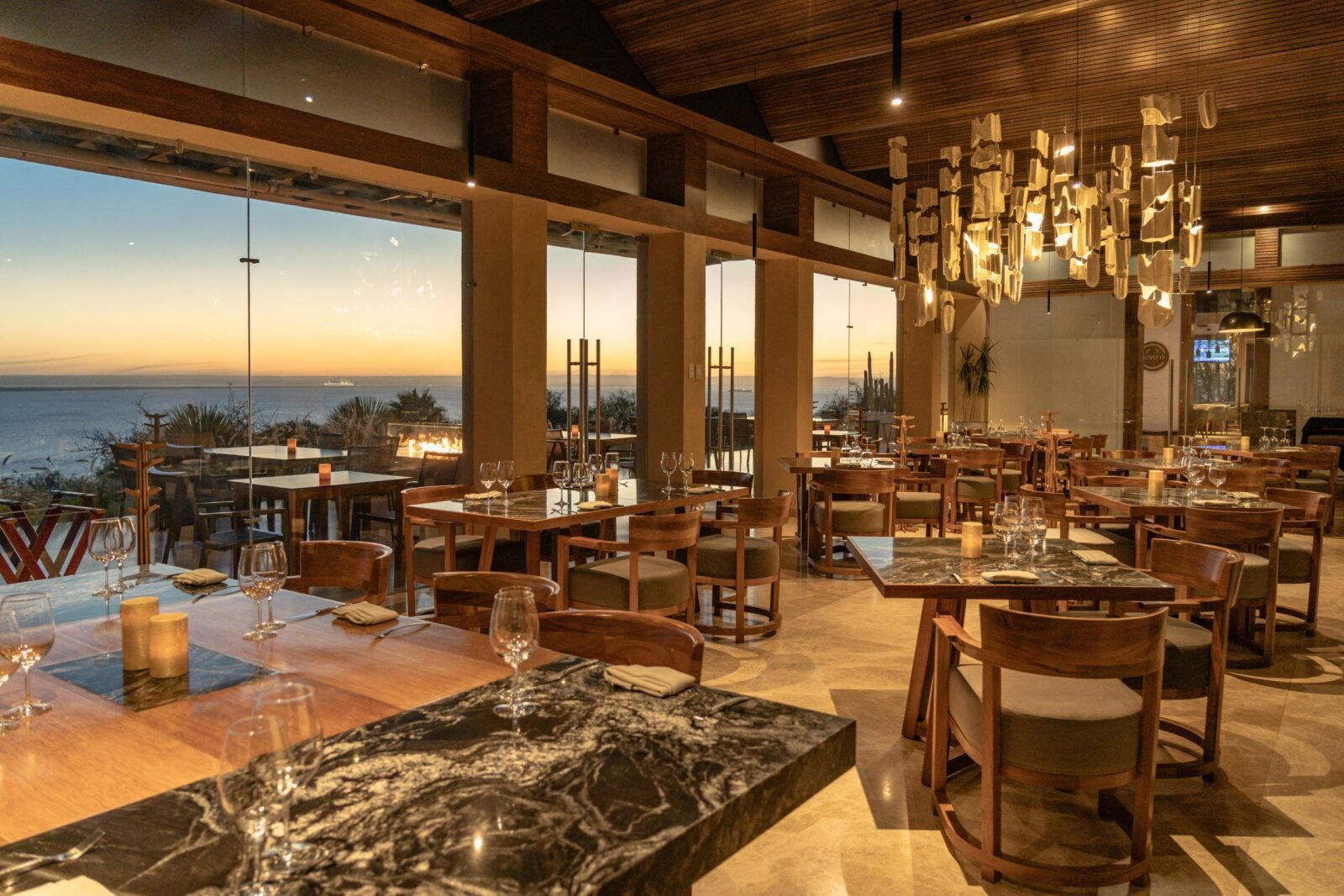
Informal fine dining with a modern, elegant room, attentive service, and a relaxed but refined atmosphere suited to lingering multi-course dinners.