Navy Blue

Navy Blue occupies a notable address in Houston's Rice Village corridor at 2445 Times Blvd, positioning itself within one of the city's most consistently strong dining neighborhoods. The restaurant draws from a tradition of collaborative, front-to-back service teamwork that defines serious dining rooms at this level. For travelers building a Houston itinerary around the upper tier of the city's restaurant scene, it belongs in the same conversation as the neighborhood's most considered options.
Pearl is the En Primeur Club membership app — saves, bookings, and concierge access live there. Same editors, same standards.
- Address
- 2445 Times Blvd, Houston, TX 77005
- Phone
- +17133477727
- Website
- navybluerestaurant.com
- Directions
- Get directions
 Saves & bookings on Pearl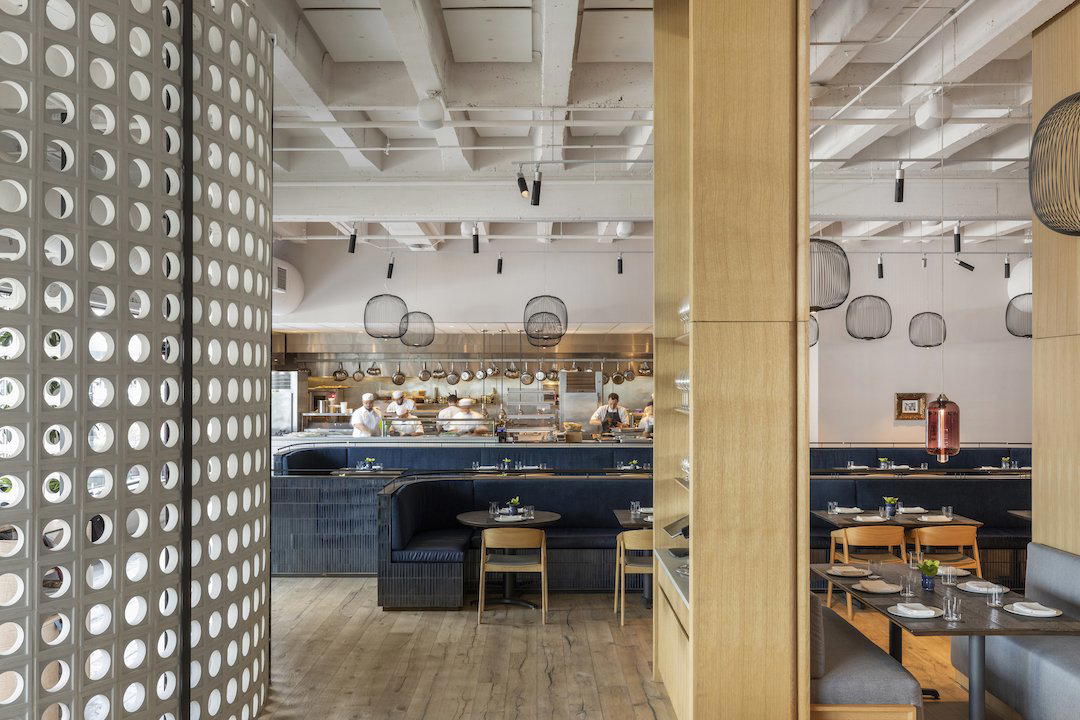
Times Boulevard and What It Asks of a Restaurant
Rice Village has a way of sorting restaurants quickly. The neighborhood sits southwest of Hermann Park and draws a crowd that tends to eat out often and remember the difference between a good room and a great one. On Times Boulevard specifically, the pedestrian pace slows enough that a restaurant's physical presence registers before you've touched the door handle. Navy Blue occupies that kind of address at 2445 Times Blvd, a stretch where the ambient light after dark is softer than Midtown and the foot traffic is deliberate rather than accidental.
Houston's upper-middle dining tier has expanded considerably over the past decade. The city now runs a longer competitive ladder than most visitors expect, from masa-focused counters like Tatemó and the Spanish precision of BCN Taste & Tradition up through the Venetian formalism of March and the Indian regional ambition of Musaafer. Navy Blue fits within that continuum as a Rice Village anchor, a dining room where the neighborhood's residential character shapes the room's register even when the cooking reaches beyond it.
The Architecture of a Collaborative Service Team
Serious dining rooms at this level in American cities have moved away from the model where one named chef carries the entire editorial weight of a restaurant's identity. The better approach, and the one that tends to produce more consistent results over multi-year runs, distributes authorship across a team: a kitchen that sets the technical standard, a sommelier program that does real interpretive work rather than just pairing by reflex, and a floor team that paces a meal without making the pacing visible.
That collaborative model is harder to execute than it sounds. It requires genuine fluency between the kitchen and the wine program, so that a course change mid-service doesn't strand a guest on the wrong glass. It asks front-of-house staff to hold information about the menu at a level of depth that most casual dining rooms never bother to develop. The restaurants in Houston and nationally that have built durable reputations tend to share this quality: the experience feels authored by a room rather than a single personality.
Nationally, that standard is set by rooms like Le Bernardin in New York City, where the front-of-house and kitchen have operated in close alignment for decades, or Single Thread Farm in Healdsburg, where the farm, kitchen, and hospitality programs are designed as a single integrated system. Closer to the contemporary American fine-dining center of gravity, Lazy Bear in San Francisco and Alinea in Chicago both demonstrate how far a cohesive team approach can push a dining room's ceiling. Navy Blue operates within this broader American tradition of team-driven, neighborhood-anchored fine dining.
Rice Village as a Dining Neighborhood
The neighborhood context matters here more than it might at a destination restaurant in a hotel corridor or a downtown high-rise. Rice Village restaurants live and die by repeat business from a ZIP code that includes Rice University faculty, Medical Center professionals, and the kind of household that has a regular table at two or three places and rotates between them seasonally. That creates a different incentive structure than a tourist-facing dining room. The kitchen has to cook well enough to earn a second visit from someone who ate there three weeks ago, not just well enough to photograph for a trip report.
That pressure produces particular strengths. Rice Village dining rooms tend to develop genuine wine programs rather than perfunctory lists, because their regulars notice and return with expectations. They tend to invest in floor staff training, because the same guests will be there on a Tuesday in February as on a Saturday in October. Le Jardinier Houston represents one version of that standard in the city's fine-dining bracket; the restaurant represents another, shaped by its specific Times Boulevard location and the neighborhood's particular rhythms.
For comparison across American cities where this neighborhood-anchor model has produced notable results, the parallels run toward Providence in Los Angeles, Addison in San Diego, and Blue Hill at Stone Barns in Tarrytown, each of which has built a durable identity through consistent team performance rather than periodic reinvention.
Where Navy Blue Sits in the Houston Competitive Set
Houston's fine-dining peer group now includes enough serious operations that placement within it carries real meaning. At the leading end, March and Musaafer operate at $$$$ price points with tasting-menu formats and the kind of front-of-house formalism that signals a specific tier of investment from both kitchen and guest. Theodore Rex and Nancy's Hustle occupy a more casual register, with Theodore Rex's New American program at $$$ and Nancy's Hustle running a genuinely accessible $$ room that punches above its price point on technique.
The restaurant sits in the Rice Village section of that map, which means it competes partly on neighborhood loyalty and partly on the merit of what arrives on the table. Rooms in this position across American cities, from Emeril's in New Orleans to Atomix in New York City, have shown that neighborhood anchoring and serious culinary ambition are not mutually exclusive. The question for any dining room at this address is whether the team's collective discipline holds across a full service, not just on the nights when the kitchen is fully staffed and the room is at capacity.
Internationally, the comparison set extends further: the collaborative service model that defines the upper tier of American neighborhood fine dining has parallels in rooms like 8½ Otto e Mezzo Bombana in Hong Kong and the sustained team discipline of The Inn at Little Washington, where front-of-house and kitchen authorship have compounded over decades. The French Laundry in Napa remains the American reference point for what that compounding produces at its ceiling. The restaurant is measured against a different standard by its ZIP code, but the underlying logic is the same: a room earns its place through team performance sustained over time.
Cuisine Lens
Comparable venues nearby, for context on price, style, and recognition.
| Venue | Cuisine | Price | Notes |
|---|---|---|---|
| Navy BlueThis venue — the venue you are viewing | Modern American Gulf Coast Seafood | $$$ | Not listed |
| Downtown Aquarium | Seafood with Aquarium Views | $$$ | Downtown |
| Bayou City Seafood & Pasta | Cajun Seafood and Pasta | $$ | Lamar Terrace |
| The Rouxpour | New Orleans-Inspired Cajun & Creole | $$ | Hennessey |
| Blue Claw Restaurant & Bar | East Coast Seafood with Gulf Flavors | $$$ | Northwest Crossing |
| Bloom & Bee | Fresh Seafood & Sushi with American Influences | $$$ | Afton Oaks |
Recognition history
Dated appearances from independent guides and award organizations, with the underlying list record or original source where available.
Wine Spectator Award of Excellence
Wine Spectator
Continue exploring
More in Houston
Restaurants in Houston
Browse all →
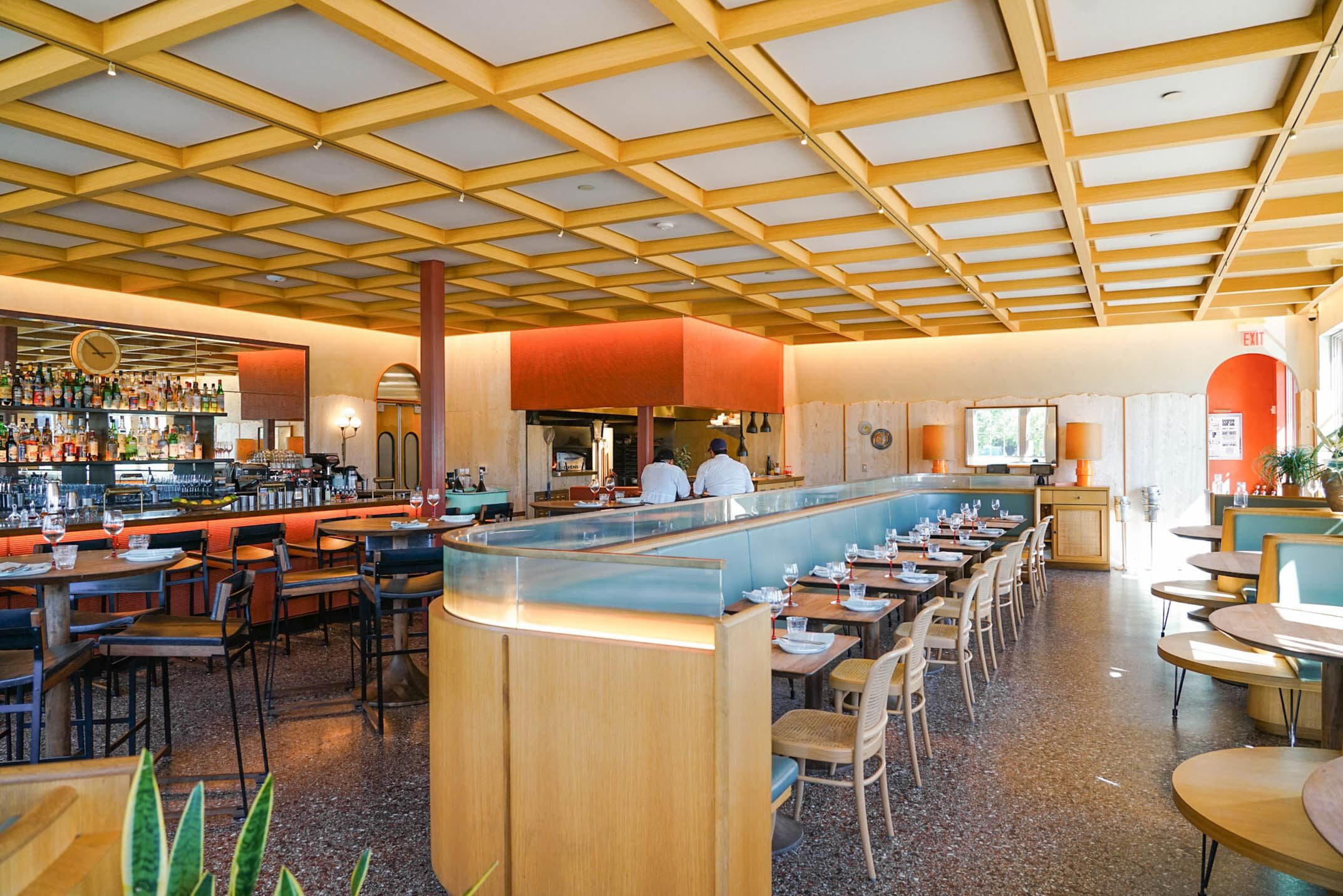
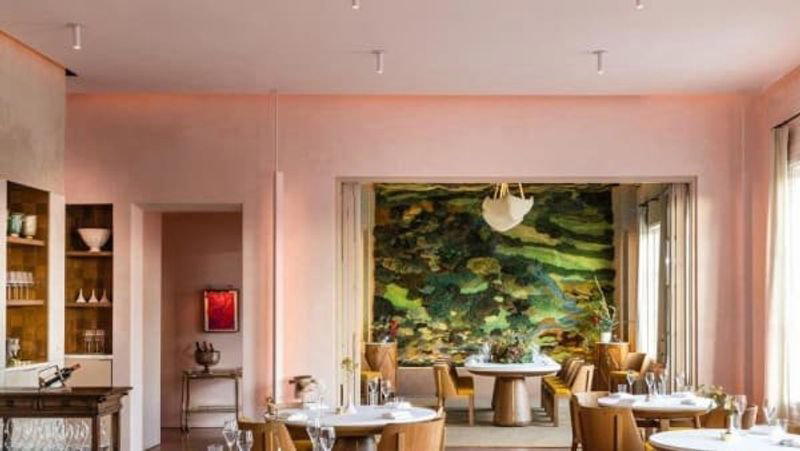
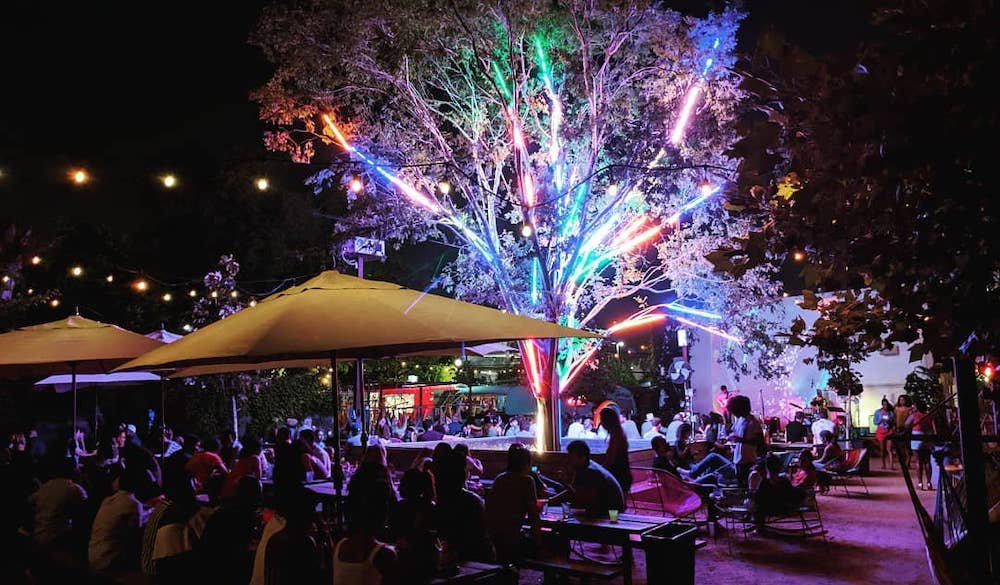
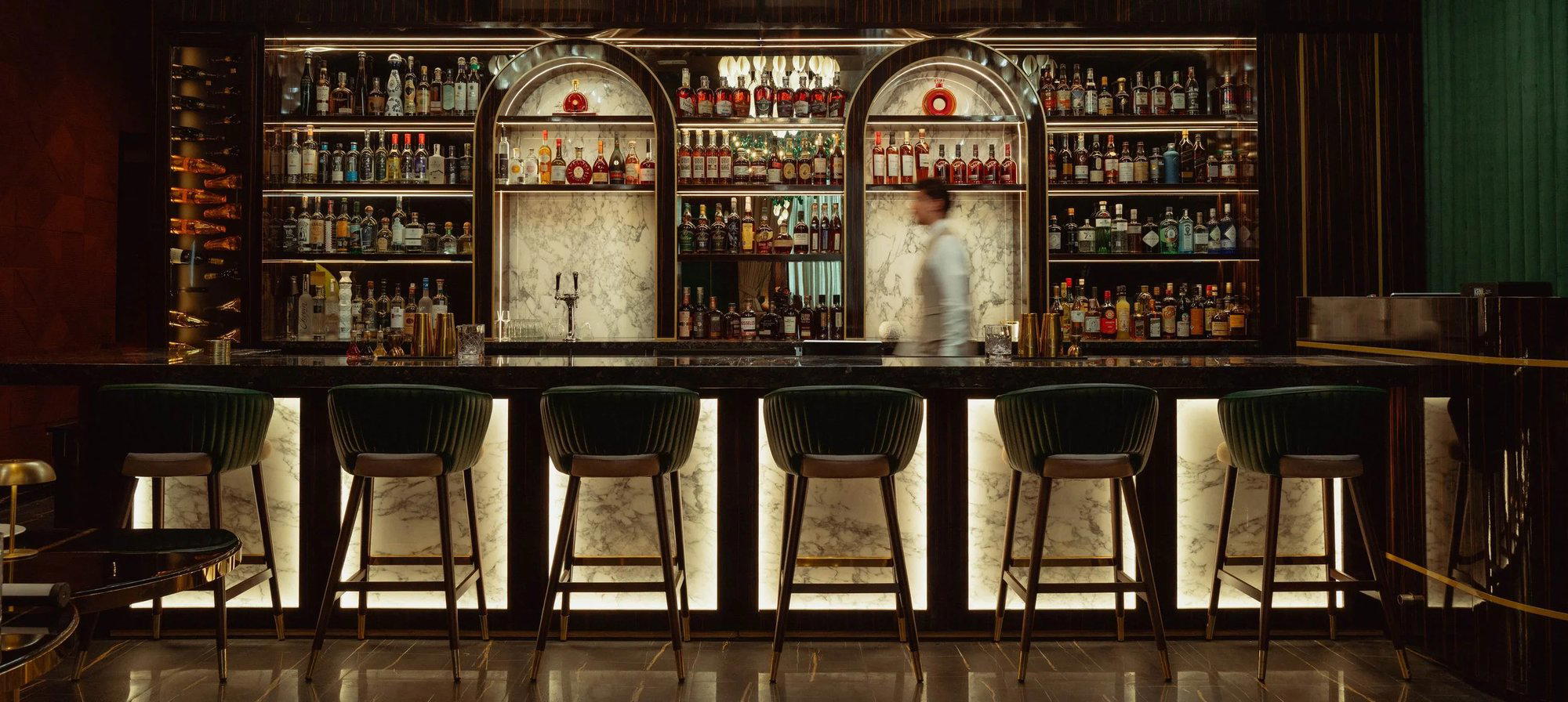
Bars in Houston
Browse all →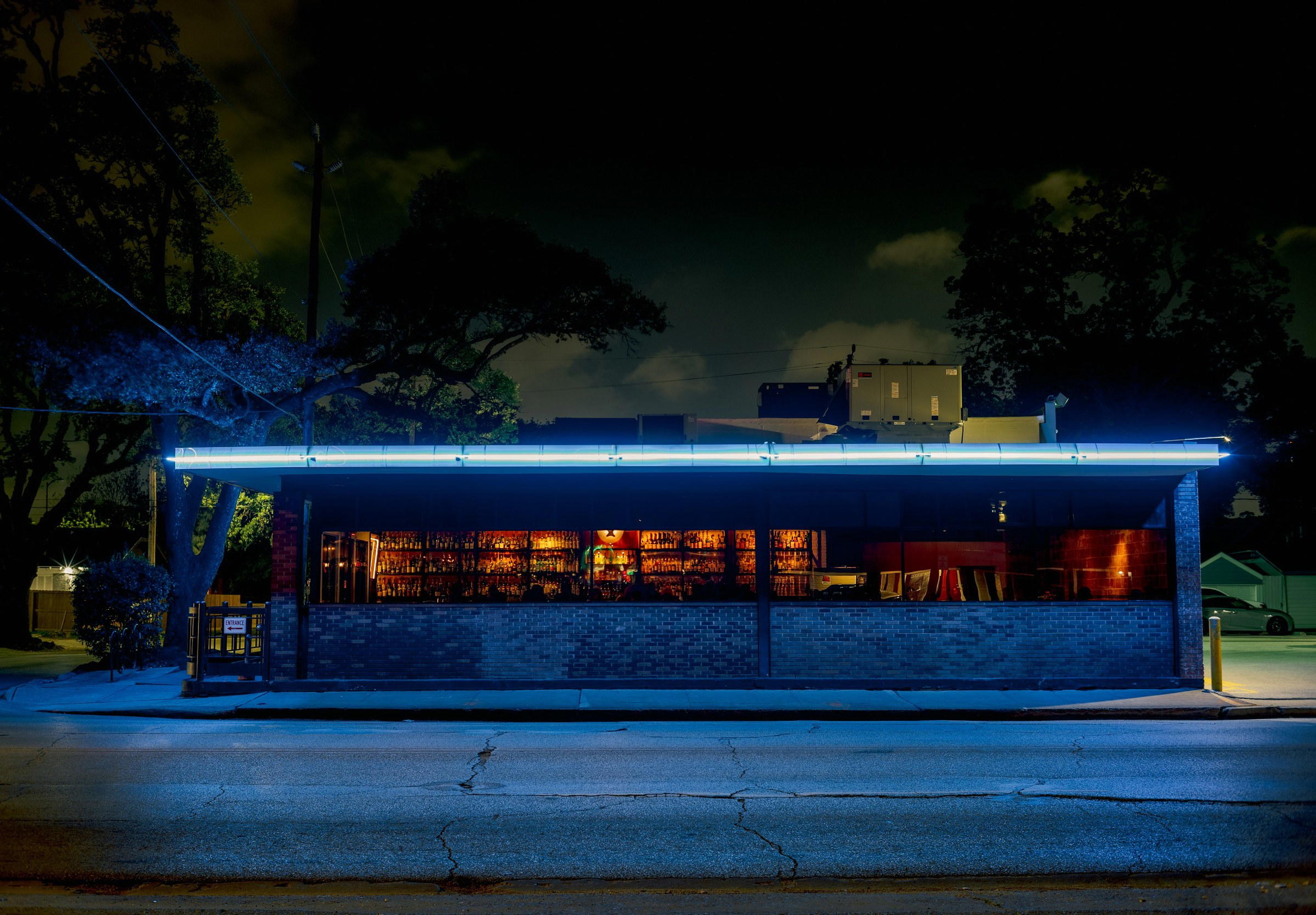
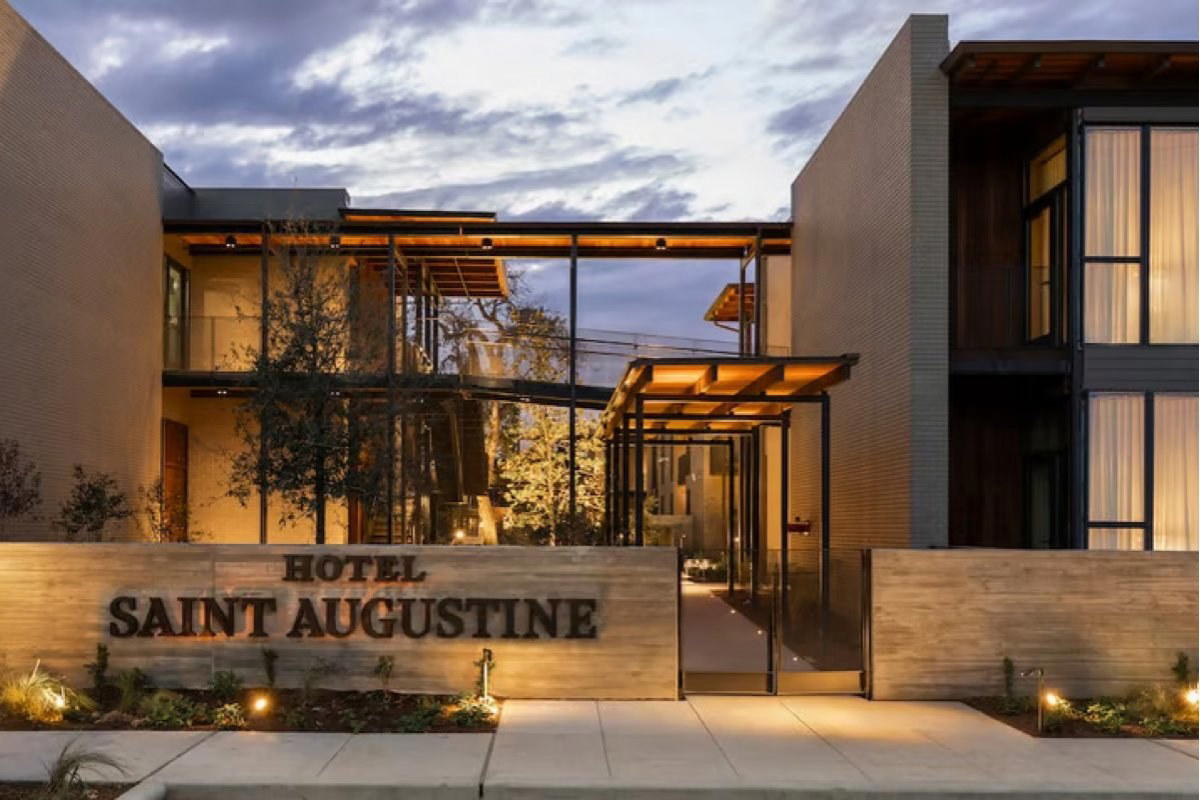
Hotels in Houston
Browse all →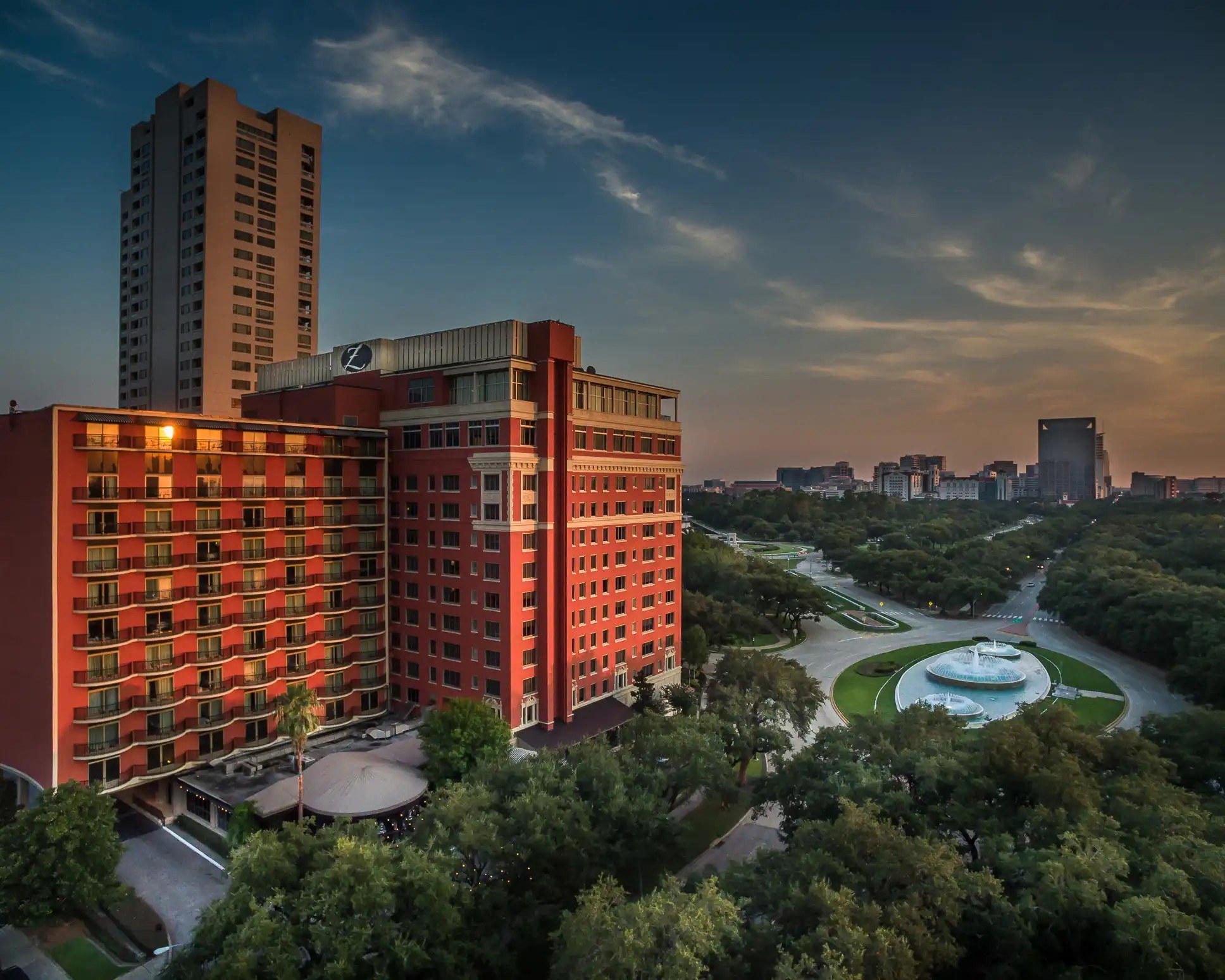
At a Glance
- Elegant
- Modern
- Lively
- Sophisticated
- Date Night
- Business Dinner
- Special Occasion
- Open Kitchen
- Private Dining
- Craft Cocktails
- Sustainable Seafood
- Local Sourcing
Current opening hours
- Monday
- 11:30 AM–9 PM
- Tuesday
- 11:30 AM–9 PM
- Wednesday
- 11:30 AM–9 PM
- Thursday
- 11:30 AM–9 PM
- Friday
- 11:30 AM–10 PM
- Saturday
- 11:30 AM–10 PM
- Sunday
- 11:30 AM–9 PM
Hours can change for holidays and private events. Last verified .
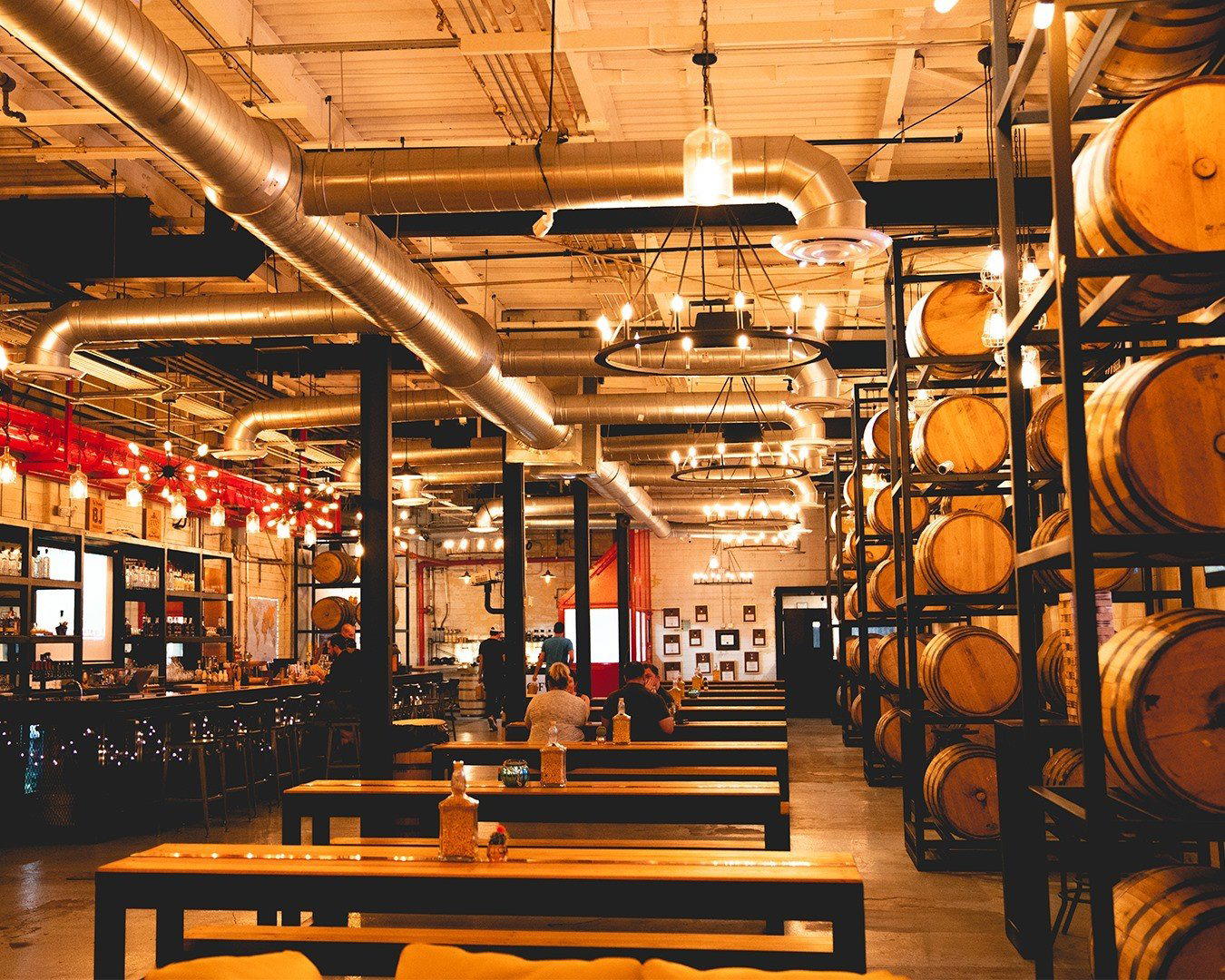
Upscale yet approachable design aesthetic with lively ambiance that feels welcoming despite the refined menu.