

White Guide Sweden Restaurants - Very Fine Level · We're Smart World 2 Radishes
Our verdict
At Torggatan 1 in central Sundsvall, Naturaj operates around a closed-cycle sourcing philosophy, drawing from forest and kitchen garden to build a vegetable-forward menu with We're Smart recognition. Chefs Johan Backéus and Birgit Malmcrona have built one of northern Sweden's most considered plant-led addresses, where the provenance of each ingredient shapes every decision from procurement to plate.

Pearl is the En Primeur Club membership app, where members save venues, book tables and use the concierge.
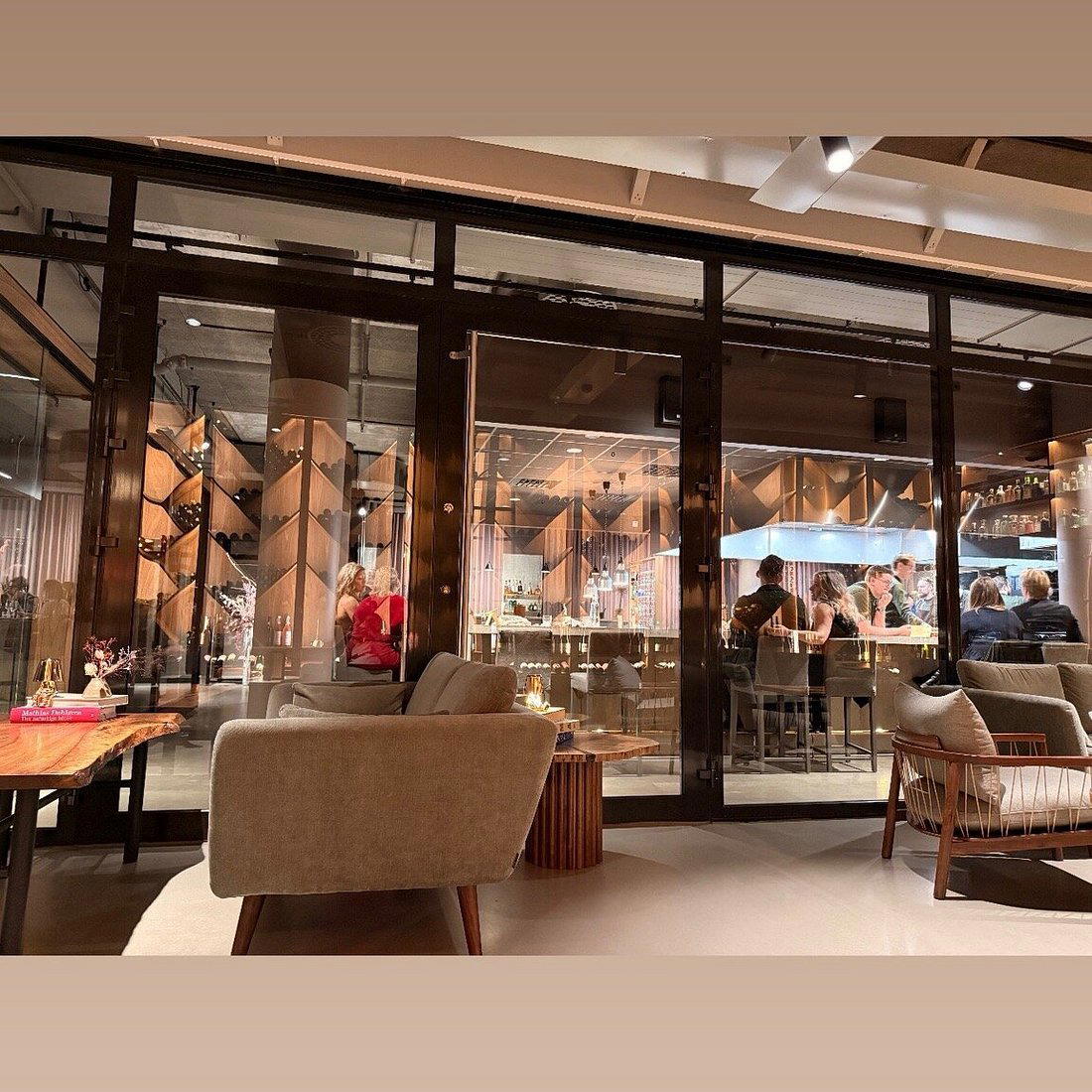
Where the Forest Meets the Counter
Sundsvall sits at the edge of the High Coast, a stretch of northern Swedish coastline where spruce forest runs almost to the waterline and the growing season is compressed, demanding, and consequential. In this context, a restaurant that orients its entire operation around proximity to land is not making a stylistic gesture, it is responding to a specific geography. Naturaj, at Torggatan 1 in the city centre, belongs to a small but expanding category of Scandinavian restaurants that treat ingredient sourcing as the primary editorial decision, not a supporting consideration. For context on how that approach fits into the broader Swedish restaurant conversation, see our full Sundsvall restaurants guide.
The physical address places the restaurant within easy reach of Sundsvall's central grid, which means it draws from a largely local dining public rather than destination tourism traffic. That is relevant to understanding the kitchen's posture: this is not a restaurant performing its values for an international audience. The closed-cycle sourcing philosophy that chefs Johan Backéus and Birgit Malmcrona have built over time reflects the conditions and convictions of northern Swedish food culture, where supply chains are short by necessity and the seasons arrive with force.
The Sourcing Logic
Across Scandinavian fine dining, the past decade has produced a clear fork in sourcing philosophy. One direction imports premium ingredients and builds menus around global luxury markers. The other pulls inward, treating local and foraged material as the primary vocabulary. Naturaj sits firmly in the second camp, and its We're Smart recognition confirms that positioning within the plant-forward European dining community. We're Smart is the Belgian-founded international guide dedicated exclusively to vegetable cuisine, and recognition from that body signals a level of technical and philosophical commitment to plant-led cooking that goes beyond offering a vegetarian option.
The closed-cycle framework, which Backéus and Malmcrona describe as their guiding principle, addresses one of the structural tensions in contemporary sourcing-led kitchens: the gap between stated values and operational reality. Closing the cycle means reducing the distance between production and consumption, minimising waste, and ideally returning nutrients to the land. Swedish kitchens operating in this tradition, including properties like ÄNG in Tvååker and Knystaforsen in Rydöbruk, have made that cycle a design constraint rather than an aspiration. Naturaj operates with the same seriousness, which is what the We're Smart annotation about "pride" and "the will for perfection" is pointing at.
The kitchen garden and surrounding woodlands function as the daily reference point for the menu. This is not decoration. In northern Sweden, foraging extends to a meaningful proportion of the edible plant palette: mushrooms, berries, lichens, and wild herbs that do not appear on any supply invoice. The woods around Sundsvall deliver material that shifts week by week through the season, which means the menu is structurally responsive rather than fixed. That responsiveness is both a culinary asset and a logistical constraint, and how well a kitchen handles that constraint determines the quality of the output.
Plant-Led Cooking in a Swedish Context
Sweden's fine dining tier remains anchored, at its highest levels, to tasting menus with strong protein components. Restaurants such as Frantzén in Stockholm, Vollmers in Malmö, and VYN in Simrishamn represent a tier where the New Nordic framework incorporates local sourcing but is not constrained to vegetarian cooking. Naturaj operates in a different and more specific register: vegetable cuisine as the primary mode, not the accommodation option.
The We're Smart note that "100% Pure Plant is not possible" but that vegetarian is a firm option reflects an honest position within this category. Pure vegan tasting menus at the fine dining level require procurement infrastructure and substitute-ingredient investment that not every kitchen can sustain. Naturaj's position acknowledges the reality of northern Swedish supply while maintaining vegetarian coherence across the menu. For comparison, the level of plant-focused commitment at addresses like Signum in Mölnlycke or PM & Vänner in Växjö sits within a broader Swedish context where plant-led cooking has gained ground but rarely dominates.
What Naturaj represents, then, is something relatively rare in a city Sundsvall's size: a kitchen operating at a level of sourcing discipline that would be unremarkable in Stockholm or Malmö but carries more weight in a mid-sized northern city where fine dining infrastructure is thinner. We're Smart does not award recognition on regional curves; the standard is European. That the recognition came to a restaurant on Torggatan in Sundsvall, rather than to another address in a larger Swedish city, says something about the consistency of the kitchen's output.
Planning a Visit
Naturaj sits at Torggatan 1, in central Sundsvall, accessible on foot from the main train station, which receives direct services from Stockholm. Given the kitchen's garden-and-forage driven approach, timing a visit to the warmer months, when the Swedish growing season is active and the foraging palette at its widest, will give access to the most ingredient-dense menus. Booking in advance is advisable, particularly for dinner; a kitchen of this specificity does not scale to walk-in traffic without compromising the sourcing model.
Contact and current hours are best confirmed directly with the restaurant, as kitchen garden schedules influence service patterns in a way that fixed online listings do not always reflect. For broader planning in the city, including where to stay and where to drink, see our Sundsvall hotels guide, our Sundsvall bars guide, and our Sundsvall experiences guide. Those planning a wider northern Sweden itinerary should also consult our Sundsvall wineries guide for the local drinks context.
Naturaj does not compete on the terms of those addresses; it operates from a distinct northern position with a sourcing philosophy that is harder to replicate the further you get from this specific forest and this specific kitchen garden.
Frequently asked questions
Is Naturaj suitable for children?
Naturaj's vegetarian menu and ingredient-led approach make it accessible across ages, though the format, rooted in precision cooking and purity of produce, suits diners who engage with what's on the plate. Johan Backéus and Birgit Malmcrona's kitchen philosophy centres on craft and intention, so younger guests who eat adventurously will find more here than those expecting a standard menu.
How would you describe the vibe at Naturaj?
We're Smart describes Naturaj in terms of pride and a will for perfection, language that points toward a focused, considered room rather than a loose or convivial one. The address is Torggatan 1 in central Sundsvall, which places it within reach of the city's main thoroughfare, but the kitchen's closed-cycle ethos and woodland sourcing suggest the atmosphere follows the food: spare, deliberate, northern.
Has Naturaj won any awards?
Naturaj has received recognition including: Chefs Johan Backéus and Birgit Malmcrona are close to nature. They always try to strive for a closed cycle in their doings. The woods and vegetable garden inspire them daily, and purity is the green line through the dishes served. 100% Pure….
What's the best thing to order at Naturaj?
The specific menu is not published in advance, which is consistent with a kitchen that lets the season and the garden lead. What We're Smart flags is the through-line: purity, plant matter, and a sourcing logic that runs from the woods and vegetable garden directly to the counter. Go without a fixed agenda and follow what the kitchen is prioritising that week.
What's the address for Naturaj?
Naturaj is located at Torggatan 1, 852 32 Sundsvall, Sweden, Sundsvall.
At-a-Glance Comparison
Comparable venues nearby, for context on price, style, and recognition.
| Venue | Cuisine | Price | Awards | Notes |
|---|---|---|---|---|
| NaturajThis venue (the venue you are viewing) | New Nordic with Japanese & Spanish Influences | $100–150 | White Guide Sweden Restaurants - Very Fine Level · We're Smart World 2 Radishes | Not listed |
| Dolcetto | Italian Trattoria | $30–50 | Not listed | Sundsvall center |
| Icehotel Restaurant | Modern Swedish Fine Dining with Ice Presentation | Not listed | White Guide Sweden Restaurants - Very Fine Level | Jukkasjarvi |
| Smak | Nordic Flavor-Based Tasting Menu | $50–100 | Not listed | Norrmalm |
| Jay Fu's | Amasian Steakhouse | Not listed | Not listed | S:T Eriks Torg |
| Esperanto | New Nordic with Japanese Fusion | Not listed | Not listed | Östermalm |
Recognition history
Dated appearances from independent guides and award organizations, with the underlying list record or original source where available.
White Guide Sweden Restaurants - Very Fine Level
White Guide
We're Smart World 2 Radishes
We're Smart World
Continue exploring
More in Sundsvall
Restaurants in Sundsvall
All restaurants in Sundsvall →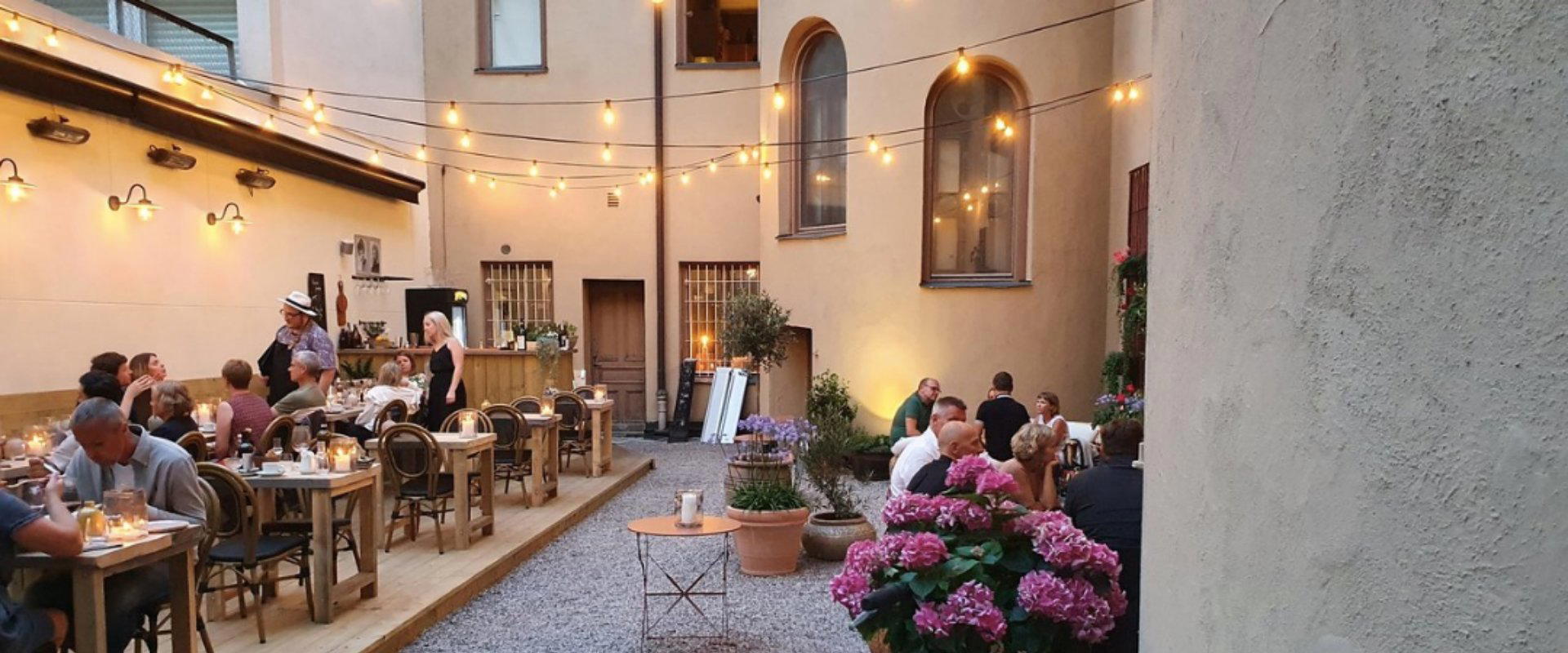
Details
- Elegant
- Modern
- Intimate
- Sophisticated
- Industrial
- Date Night
- Special Occasion
- Celebration
- Open Kitchen
- Chefs Counter
- Design Destination
- Standalone
- Sommelier Led
- Farm To Table
- Local Sourcing
- Organic
- Tasting Menu
- Counter Dining
- Prix Fixe
- Wine Pairing
- Non Alcoholic Pairing
- Vegetarian Friendly
- Allergy Accommodating
- Organic Focus
Current opening hours
- Monday
- Closed
- Tuesday
- Closed
- Wednesday
- 5:30–10 PM
- Thursday
- 5:30–10 PM
- Friday
- 5:30–11 PM
- Saturday
- 5:30–11 PM
- Sunday
- Closed
Hours can change for holidays and private events. Last verified .
Warm, welcoming atmosphere with modern industrial design featuring natural materials and local artisan furnishings; intimate counter seating around an open kitchen creates an engaging, theatrical dining experience.