Nanami Sushi Diner & Onigiri
On Magazine Street in the Garden District, Nanami Sushi Diner & Onigiri brings a Japanese counter-dining sensibility to a city built on Creole tradition and live-fire cooking. The format pairs sushi with onigiri, placing it in a small but growing tier of Japanese casual-specialist spots that have found an audience in New Orleans well beyond the tourist corridor.
Pearl is the En Primeur Club membership app — saves, bookings, and concierge access live there. Same editors, same standards.
- Address
- 2901 Magazine St, New Orleans, LA 70115
- Phone
- (504) 354-8039
- Directions
- Get directions
 Saves & bookings on Pearl
A Japanese Counter in a Creole City
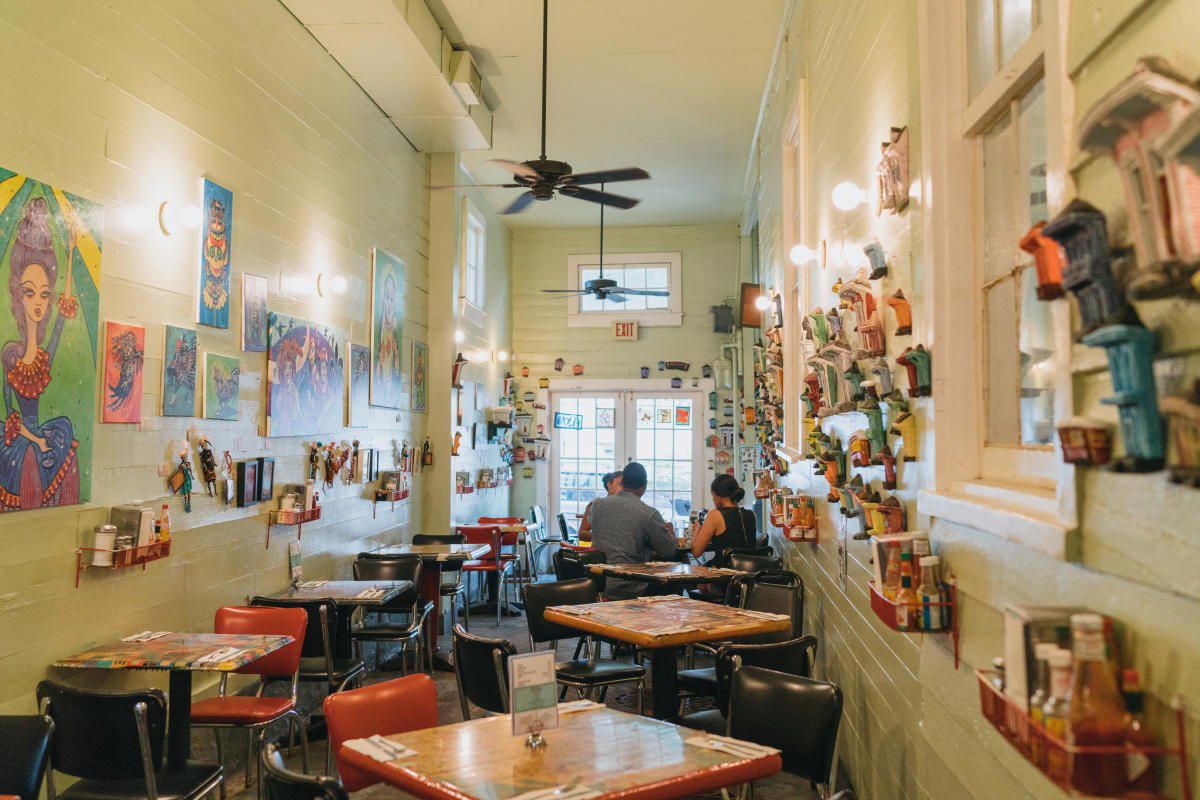
Magazine Street runs through the Garden District, and Nanami Sushi Diner & Onigiri sits at 2901 Magazine St, New Orleans, LA 70115, as a casual Japanese omakase and sushi restaurant. Stretch after stretch of the corridor holds neighborhood spots, not headline restaurants. The address at 2901 places Nanami Sushi Diner & Onigiri in that residential current, a stretch of Magazine where the foot traffic is more local than transient. Walking in, the environment signals something closer to a Tokyo diner than the high-ceremony omakase format that defines premium Japanese dining in larger American markets. That distinction matters: the counter-and-casual format is its own culinary category, one that rewards attention differently than a white-tablecloth tasting experience.
New Orleans has long been a city where the dominant dining conversation is Creole and Cajun. Places like Emeril's, with its deep roots in Louisiana cooking, and Bayona, which interprets New American through a distinctly Southern lens, anchor a culinary identity that is hard to argue with. The more recent arrivals, including Saint-Germain and Re Santi e Leoni, have pushed the contemporary tier upward in price and formality. Nanami operates in a different register entirely, part of a quieter wave of specialist Japanese formats that have settled into American cities not through omakase grandeur but through the more democratic logic of rice, fish, and precision.
The Format: Counter-Side Preparation as the Main Event
The editorial angle that applies to Nanami is not teppanyaki in the traditional Benihana sense of theatrical knife-work over open flame, but something conceptually adjacent: the preparation itself is the show. Onigiri, when made properly, is live work. The rice is shaped by hand, warm, with a compression that must be done in real time for the texture to hold. Watch a skilled counter hand at any serious onigiri shop and the choreography is unmistakable: the rice portion, the filling placement, the repeated fold-and-press that builds structure without compressing out moisture. It is less theatrical than teppanyaki but no less intentional as a craft performance.
Sushi adds another layer to this dynamic. In cities like New York, where Atomix operates at the extreme precision end of Korean-Japanese counter dining, or in San Francisco, where Lazy Bear has made performance central to its format, the counter functions as stage. Nanami positions itself further down the formality spectrum, but the underlying logic is the same: the guest is proximate to the work, and proximity is part of the value proposition. In a city where much of the high-end dining experience is delivered from a distant kitchen, that directness is its own kind of offering.
Where It Sits in the New Orleans Japanese Scene
Japanese restaurants in New Orleans exist along a spectrum that runs from sushi conveyor belts in the French Quarter to a small number of more serious operations in Uptown and the Garden District. The city has not produced an omakase counter in the tier represented by, say, Le Bernardin in New York or The French Laundry in Napa for fine dining more broadly. What it has developed is a set of neighborhood-scale Japanese spots that serve a local clientele with expectations shaped by both Japanese culinary norms and the city's own food culture, which prizes freshness, informality, and value without sacrificing craft.
Onigiri as a format is worth understanding on its own terms. In Japan, it functions as convenience food and craft object simultaneously. The leading onigiri shops are rice-obsessive in the same way that serious sushi bars are fish-obsessive: the grain variety, water temperature, and seasoning ratio are treated as primary variables, not afterthoughts. That discipline, when applied in a New Orleans context, puts Nanami in a niche with no direct local competitor. Zasu, with its American Contemporary format, and Re Santi e Leoni work in different idioms entirely. Comparison points for Nanami are better found outside the city, in the growing tier of Japanese casual specialists that have opened across the American South over the past decade.
Seasonal Timing and When to Go
New Orleans runs hot and humid through a long summer that extends well into October. The spring festival season, from late February through April, compresses visitor numbers and stretches wait times across the entire restaurant corridor on Magazine Street. For anyone planning around Mardi Gras or Jazz Fest, the calculation is simple: book or arrive early, and expect the neighborhood spots to fill from local regulars before tourist overflow arrives. The shoulder months of November through January offer easier access and a city that has settled back into its own rhythms. Counter-format spots with limited seating, as Nanami's diner classification implies, feel the pressure of peak season acutely.
The wider American scene for precision counter dining runs through venues like Alinea in Chicago, Providence in Los Angeles, and Single Thread Farm in Healdsburg, all of which operate with counter-side intention at far higher price points. Alain Ducasse at Louis XV in Monte Carlo represents the European end of the chef-as-performer tradition. Nanami belongs to none of these tiers in terms of ambition or price, but the underlying logic of watching skilled hands work at close range connects them across formats.
Planning Your Visit
Nanami Sushi Diner & Onigiri sits at 2901 Magazine St, New Orleans, LA 70115, in the Garden District. Magazine Street is accessible by the St. Charles Avenue streetcar to a short walk, or directly by car with street parking available in the surrounding blocks, though spaces compress during evening service hours on weekends. Current hours and reservations are recommended; the restaurant is closed Monday and serves dinner Tuesday through Sunday, with lunch on Wednesday through Sunday. Given the diner format and the neighborhood's local-first character, walk-in availability is likely higher than at the city's reservation-dependent fine dining addresses.
Comparable Options
Comparable venues nearby, for context on price, style, and recognition.
| Venue | Cuisine | Price | Notes |
|---|---|---|---|
| Nanami Sushi Diner & OnigiriThis venue — the venue you are viewing | Japanese Omakase & Sushi | $$$ | Not listed |
| Vessel NOLA | New American Seafood Bistro | $$$ | Mid-City |
| Antoine's | French-Creole | $$$ | French Quarter |
| N7 | French with Japanese influences | $$$ | St. Claude |
| Seaworthy | Modern Seafood Oyster Bar | $$$ | Arts District |
| Brutto Americano | Modern Coastal Italian | $$$ | Arts District |
Continue exploring
More in New Orleans
Restaurants in New Orleans
Browse all →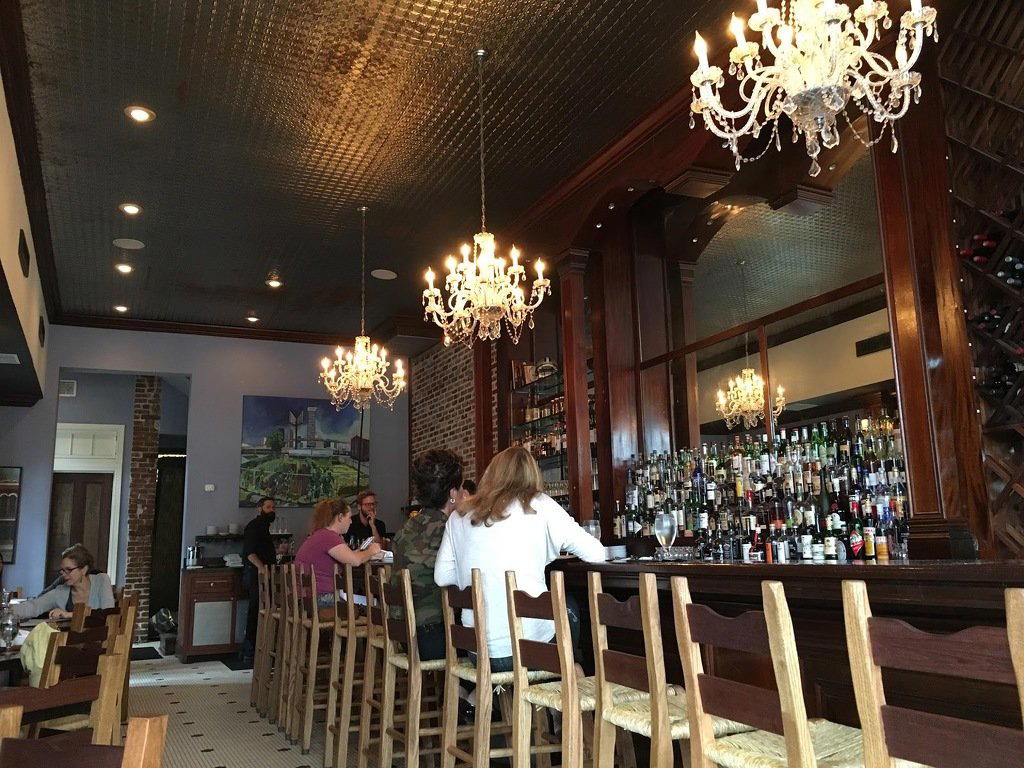
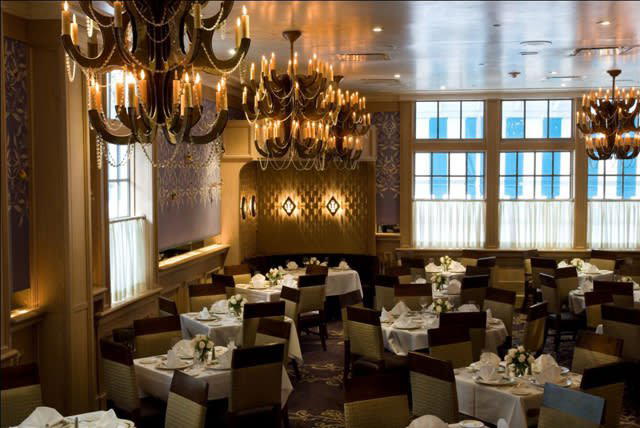
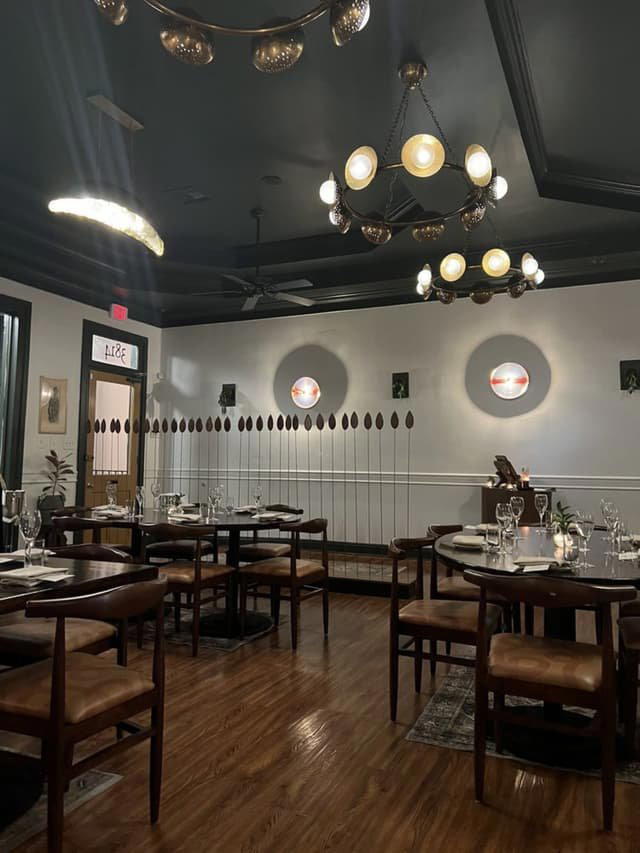
Bars in New Orleans
Browse all →



At a Glance
- Cozy
- Intimate
- Casual Hangout
- Group Dining
- Chefs Counter
- Open Kitchen
- Standalone
- Byob
- Sustainable Seafood
Current opening hours
- Monday
- Closed
- Tuesday
- 5–9 PM
- Wednesday
- 11:30 AM–2 PM, 5–9 PM
- Thursday
- 11:30 AM–2 PM, 5–9 PM
- Friday
- 11:30 AM–2 PM, 5–9 PM
- Saturday
- 12–2 PM, 5–9 PM
- Sunday
- 12–2 PM, 5–9 PM
Hours can change for holidays and private events. Last verified .
Cozy and inviting neighborhood atmosphere with warm, personal service that makes every visit feel special.