
Myconian Korali sits within the Relais & Châteaux collection just outside Mykonos Town, combining private beach access, a thalassotherapy centre, and Greek cuisine under Chef Panagiotis Tsoukatos. The property holds.6/5, placing it among the island's more considered resort dining options for guests who want proximity to the town without sacrificing calm.
Pearl is the En Primeur Club membership app — saves, bookings, and concierge access live there. Same editors, same standards.
- Address
- Myconian Korali Mykonos Town, Mikonos 846 00, Greece
- Phone
- +30 2289 442390
- Website
- baos-mykonos.com
- Directions
- Get directions
 Saves & bookings on Pearl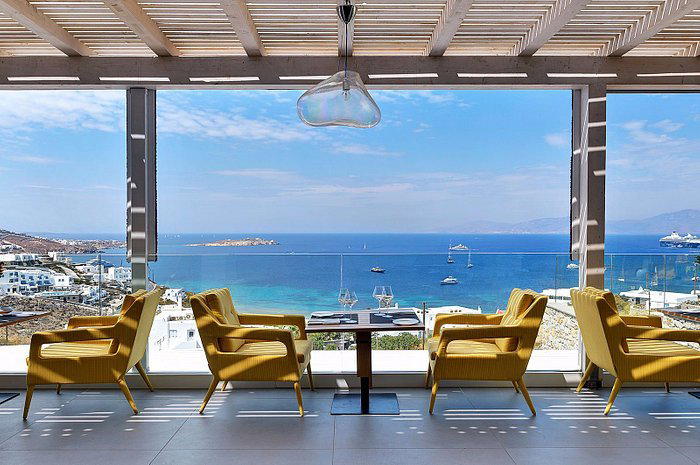
Where the Cycladic Grill Meets a Private Shore
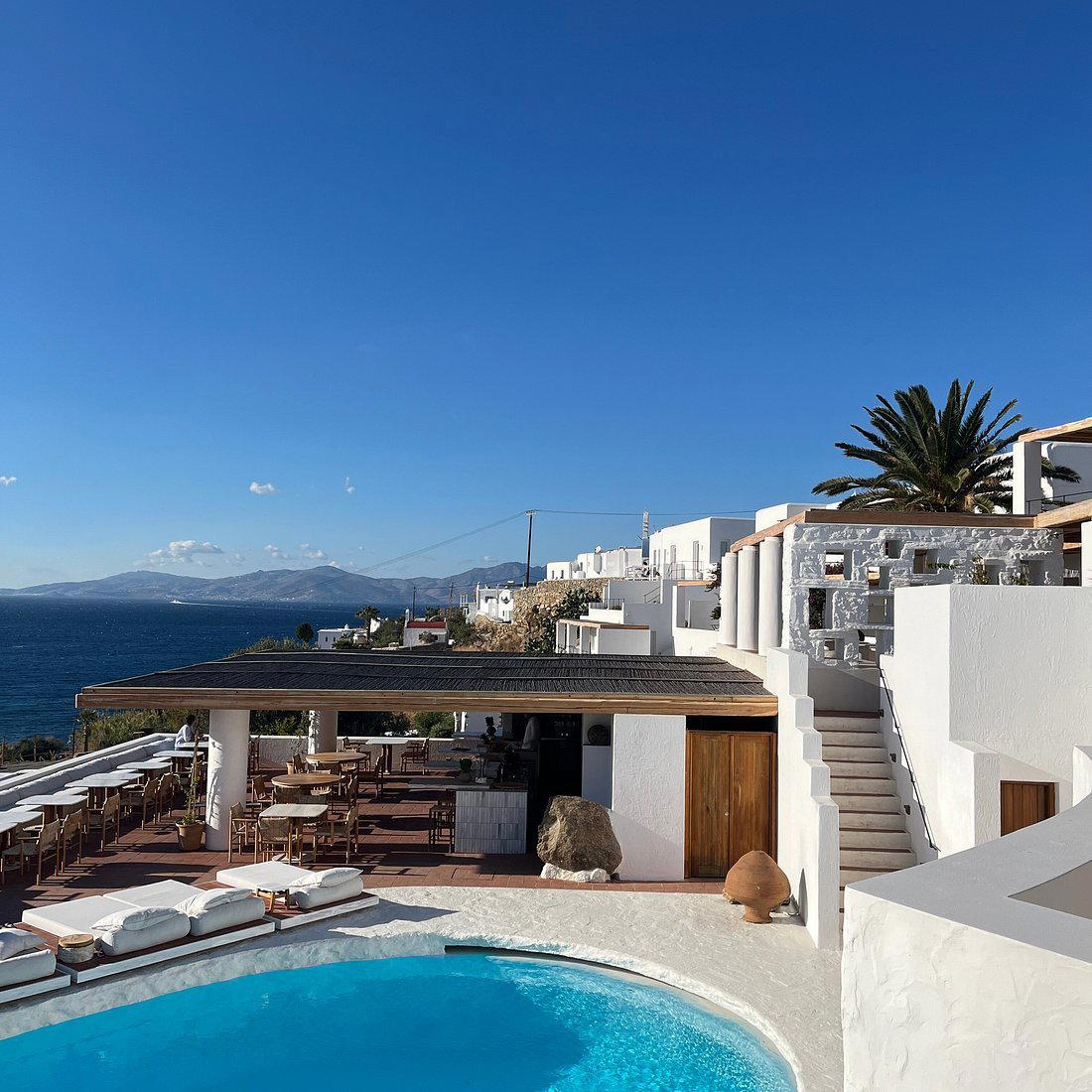
Mykonos has always had two dining registers: the loud, waterfront spectacle of Little Venice and the quieter, more considered tables attached to small resort properties within walking distance of town. Myconian Korali occupies the second register. Positioned close to Mykonos Town with private beach access, it draws a guest profile that tends to prioritise the table over the scene, and the kitchen, under Chef Panagiotis Tsoukatos, is structured to meet that expectation with Greek cuisine rather than the international hedging that characterises many comparable resort restaurants on the island.
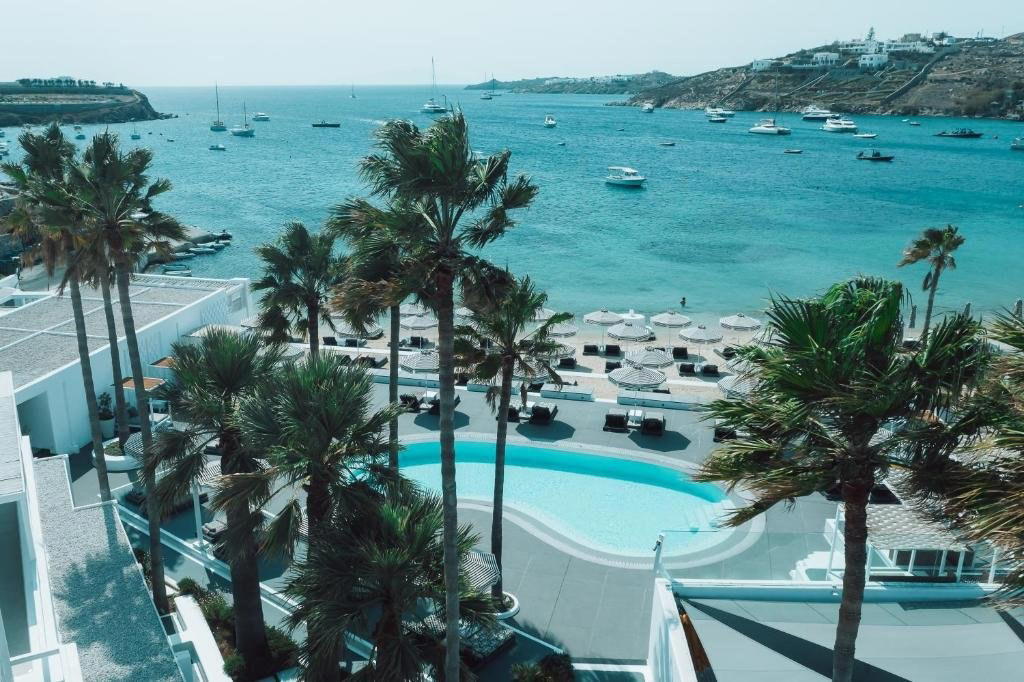
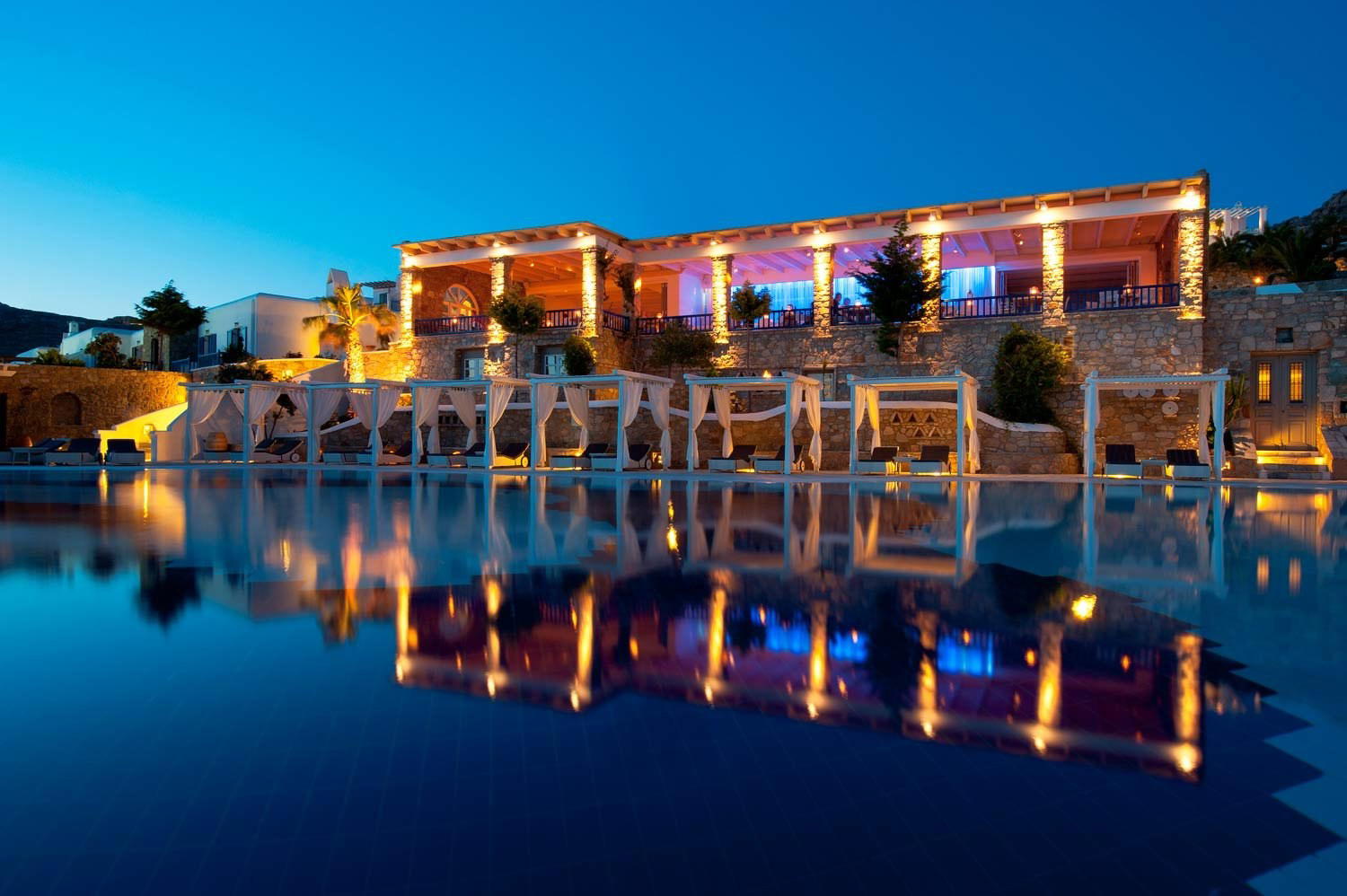
The physical approach matters here. Arriving from the direction of Mykonos Town, the property sits between the town's energy and the Aegean itself, and the dining space inherits both: enough proximity to feel connected to the island's culinary conversation, enough separation to let the food carry the evening rather than the crowd. The thalassotherapy centre and jacuzzi access mean guests arrive at the table in a particular state of unhurry, which is, in practice, the condition in which Greek grilling is best appreciated.
The Argument for Charcoal on a Cycladic Island
Greek cuisine's most honest register has always been the grill. Not the refinement of the fine-dining taverna or the complexity of the mezze spread, but the charcoal-forward directness of meat cooked over fire, seasoned with oregano and lemon, served without ceremony. That tradition runs through the souvlaki stands of every Greek town and the rotisserie counters of every neighbourhood butcher, and it finds its most convincing expression in resort contexts when the kitchen resists the temptation to dress it up beyond recognition.
Chef Tsoukatos works within a Greek cuisine framework at Myconian Korali, which means the grill and its logic sit at the centre of the menu's architecture. The Cycladic island kitchen has its own specific grammar: lamb from the interior, pork prepared simply, fish from local waters, and vegetables that benefit from the island's dry, mineral-inflected soil. For the meat preparation, the rotisserie and the charcoal grill are not decorative gestures but the primary cooking technologies, the methods around which everything else organises. Compared to properties like Myconian Sunrise, which operates in a Greek Mediterranean register that stretches toward continental influences, Myconian Korali's Greek cuisine designation signals a tighter, more grounded brief.
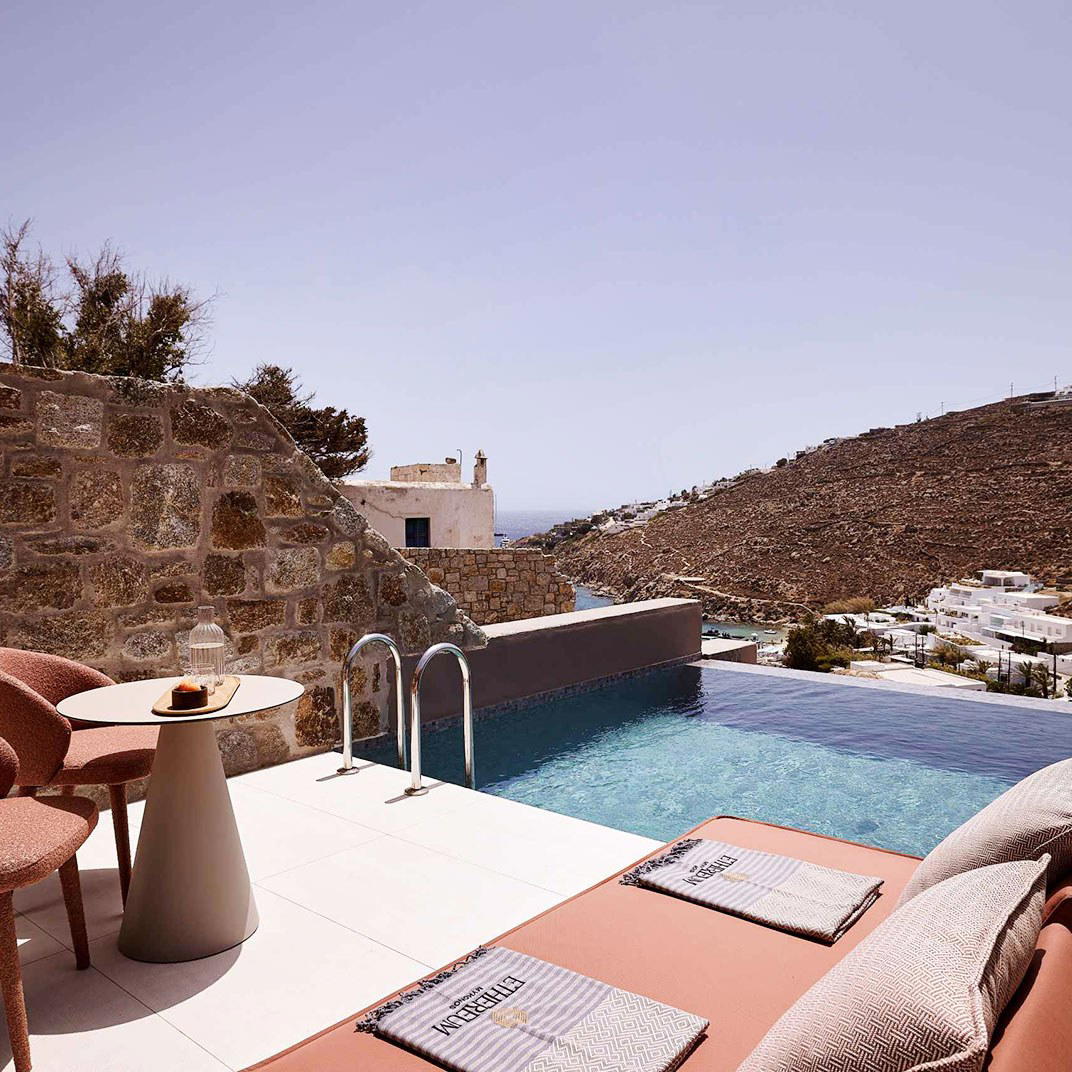
On the island, the competition for this kind of table is genuine. Places like Efisia and BAOS Restaurant work in the same Greek cuisine category, and Pavilion Restaurant operates in the Greek Island sub-register. What separates the restaurant from those options is the resort infrastructure around the dining experience: private beach, pool or jacuzzi access per accommodation unit, and a thalassotherapy centre that frames the property as a full-day proposition rather than a dinner destination alone. The food earns its place within that structure rather than being the sole reason to visit, a distinction that changes how the kitchen operates and how the guest engages with it.
Greek Grill Traditions Across the Country
To understand what a kitchen like this one is working within, it helps to place the restaurant in a broader Greek dining context. The grill tradition that defines taverna culture across the country has produced some of Greece's most technically serious kitchens: Delta in Athens operates at the contemporary end of that spectrum, while Koukoumavlos in Fira and Lycabettus in Oia represent Santorini's approach to Greek cuisine with ambition. In the northern Aegean, Aktaion in Firostefani offers another island-based point of comparison, while Etrusco in Kato Korakiana on Corfu shows how Greek islands outside the Cyclades handle the tension between local tradition and fine-dining ambition. Even further afield, Old Mill in Elounda on Crete and Avaton Luxury Beach Resort in Halkidiki show how resort-attached Greek dining plays out in different regional contexts. For a diaspora angle, Kiki on the River in Miami demonstrates how Greek grill culture travels internationally.
On Mykonos specifically, the grill's appeal is partly practical: the island's summer heat makes complex kitchen work less compelling than fire-cooked simplicity, and the ingredient quality from local suppliers rewards restraint. The leading charcoal-grilled lamb chop on the island requires little beyond the animal itself, the fire, and the timing. That is a harder kitchen discipline than it sounds.
Seafood and the Shore at Myconian Korali
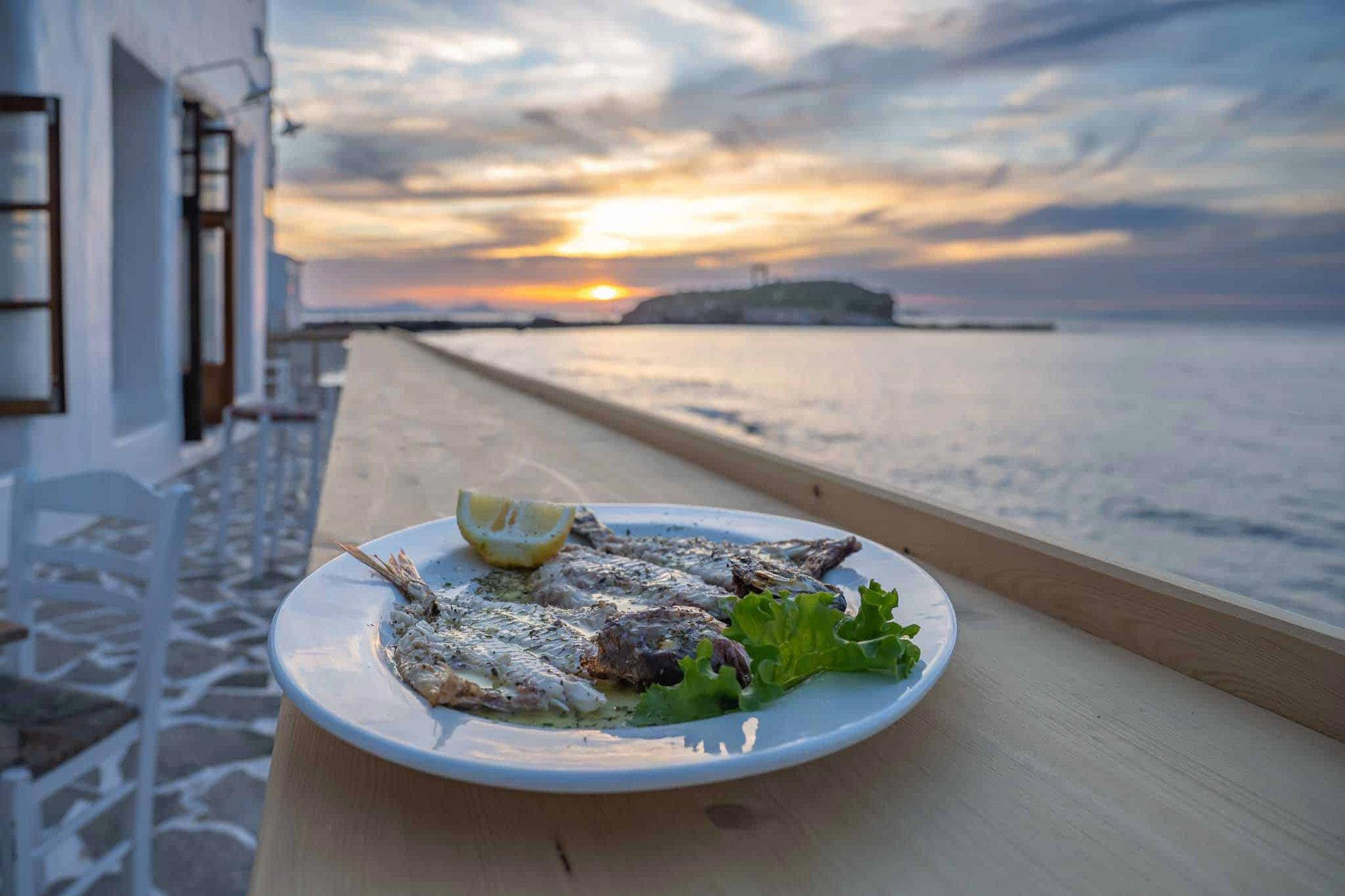
Private beach access changes the logic of a restaurant in a specific way. At properties without it, diners arrive already tired from navigating the island's transport or the town's summer crowds. With direct beach access, the transition from water to table is immediate, and the menu's relationship with the Aegean becomes literal rather than decorative. Grilled fish, the other pillar of Cycladic cooking alongside meat, takes on different weight when the source is visible from the dining terrace.
For guests whose interest skews toward seafood, Almiriki operates in the dedicated Greek Seafood category and offers a useful point of comparison for how the island handles its marine produce. The restaurant works across the broader Greek cuisine register rather than specialising, which gives the menu more range but also means the kitchen must be competent across both grill and fish preparation simultaneously.
Ratings, Recognition, and How to Plan a Visit
The property's standards for member properties cover kitchen quality, service, and physical environment together.
Mykonos operates on a compressed summer calendar. The island's season runs roughly from late April through October, with peak density in July and August when table availability at any property with a reputation compresses significantly. The proximity to Mykonos Town means guests arriving from off-property have a realistic walking or short-transfer option rather than depending on the island's frequently congested road network. Reservations should be secured well in advance of any July or August visit; for the shoulder months of May, June, and September, the table pressure eases and the island's ingredient quality peaks alongside the lower crowds.
At a Glance
Comparable venues nearby, for context on price, style, and recognition.
| Venue | Cuisine | Price |
|---|---|---|
| Myconian KoraliThis venue — the venue you are viewing | Mikonos, Modern Greek Fine Dining | $$$$ |
| Nōema | Mikonos, Modern Greek Cycladic | $$$$ |
| BAOS Restaurant | Mikonos, Modern Greek Fine Dining | $$$$ |
| Smash Tag | Fabrika, Smash Burgers | $$ |
| Almiriki | Agrari Beach, Modern Greek Beach Taverna | $$$ |
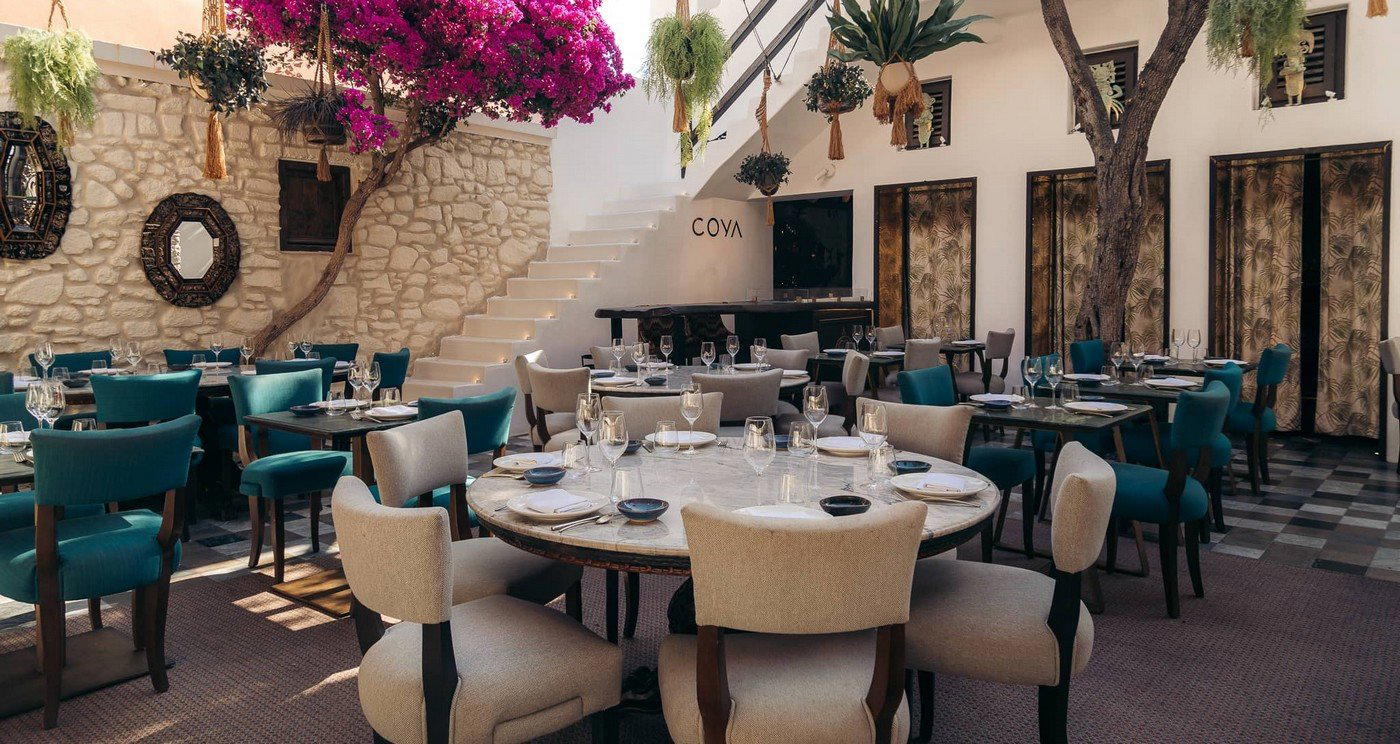
| COYA | Mikonos, Modern Peruvian | $$$$ |
Recognition history
Dated appearances from independent guides and award organizations, with the underlying list record or original source where available.
Relais Chateaux Award
Relais Chateaux
Continue exploring
More in Mykonos
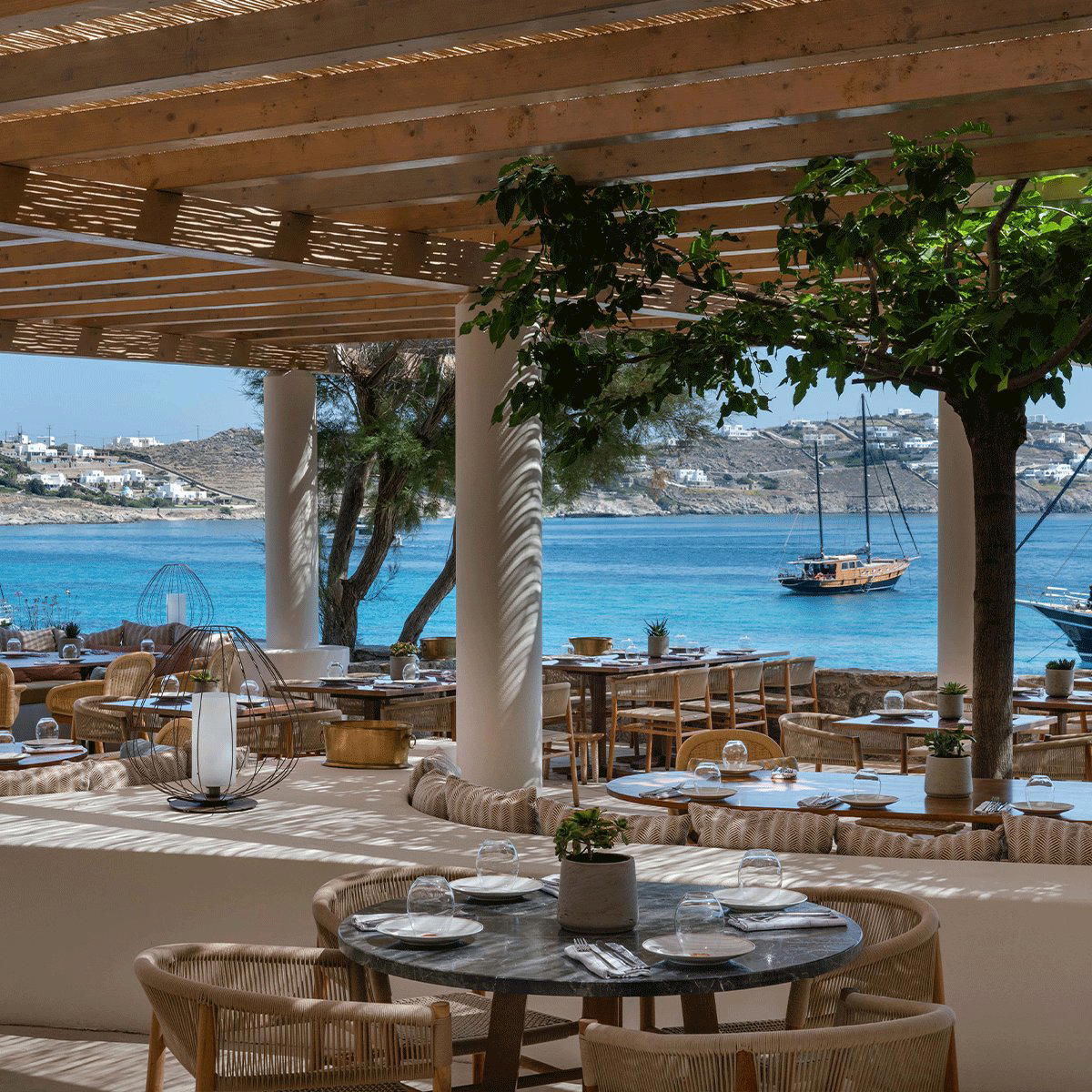
Restaurants in Mykonos
Browse all →
Bars in Mykonos
Browse all →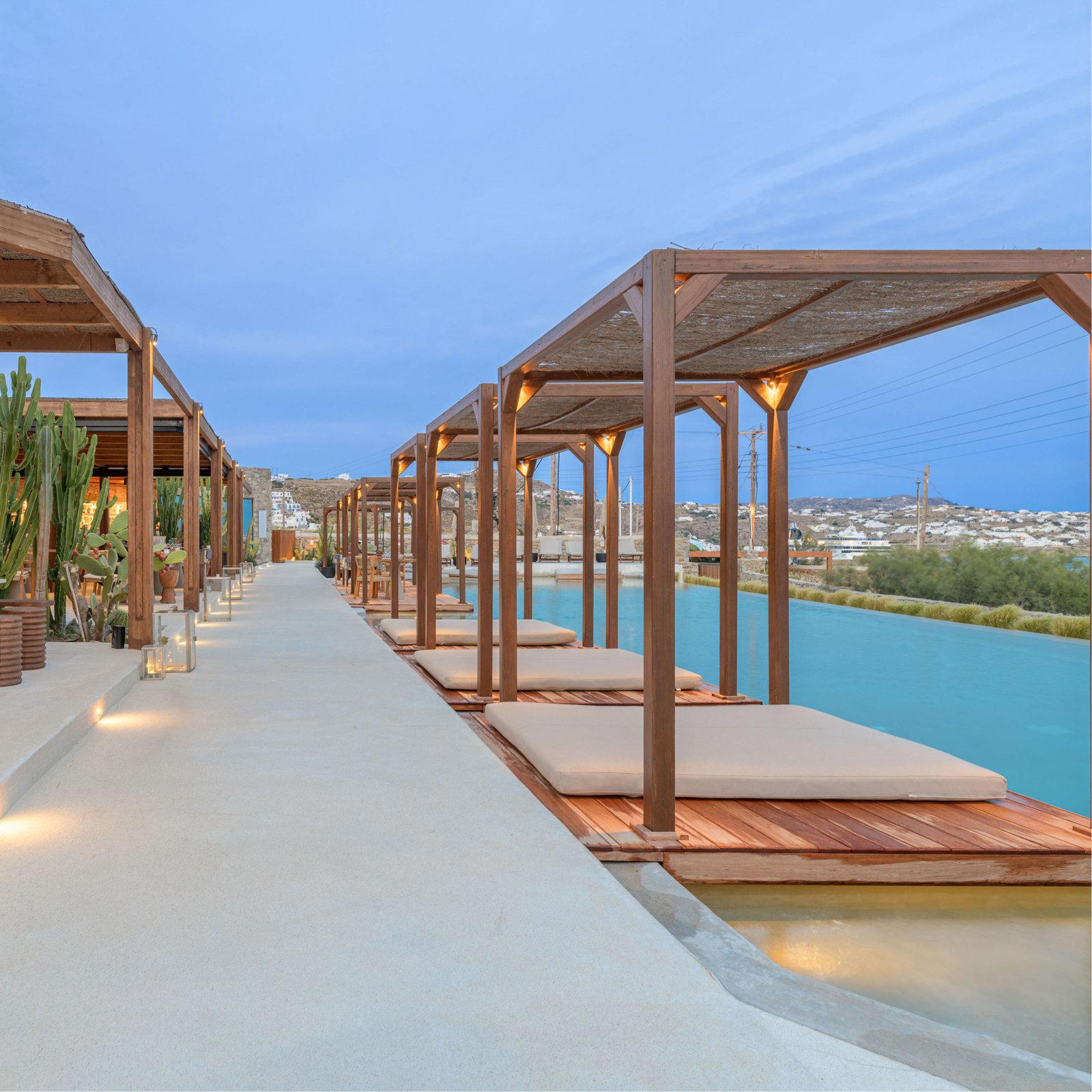
Hotels in Mykonos
Browse all →
Wineries in Mykonos
Browse all →
At a Glance
- Elegant
- Sophisticated
- Scenic
- Modern
- Romantic
- Date Night
- Special Occasion
- Celebration
- Waterfront
- Terrace
- Hotel Restaurant
- Panoramic View
- Extensive Wine List
- Farm To Table
- Local Sourcing
- Organic
- Waterfront
Tranquil and stylish atmosphere with bright, modern decor, vivid artworks, and dramatic sea views creating an elegant, relaxing retreat.