
At Platis Gialos on Mykonos's southern coast, Efisia works within the Cooking Classics tradition under Chef Ilias Maslaris, drawing from the Cycladic pantry rather than chasing the island's more theatrical dining scene.8 from verified diners signals consistent execution. For travellers after grounded Greek cooking in a destination that rarely rewards patience, Efisia earns the detour.
Pearl is the En Primeur Club membership app — saves, bookings, and concierge access live there. Same editors, same standards.
- Address
- Πλατύς Γιαλός 846 00, Greece
- Phone
- +30 2289 024166
- Website
- efisiamykonos.com
- Directions
- Get directions
 Saves & bookings on Pearl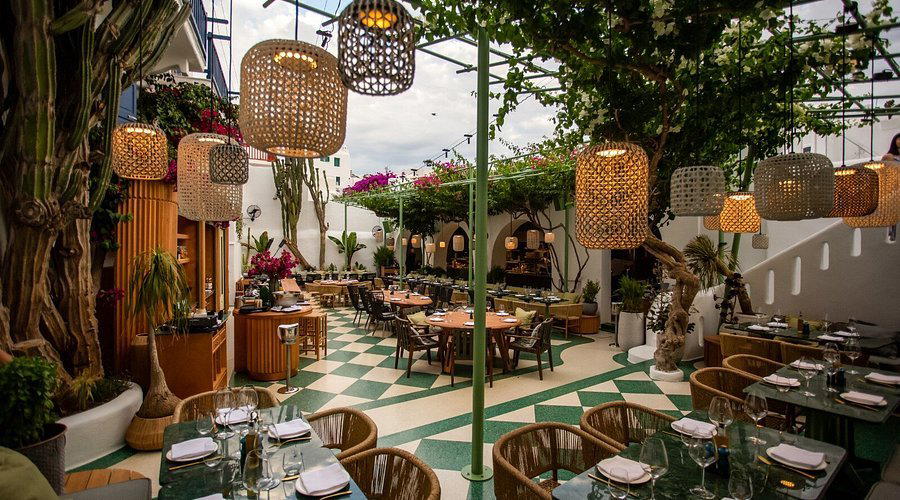
Where Cycladic Cooking Holds Its Ground
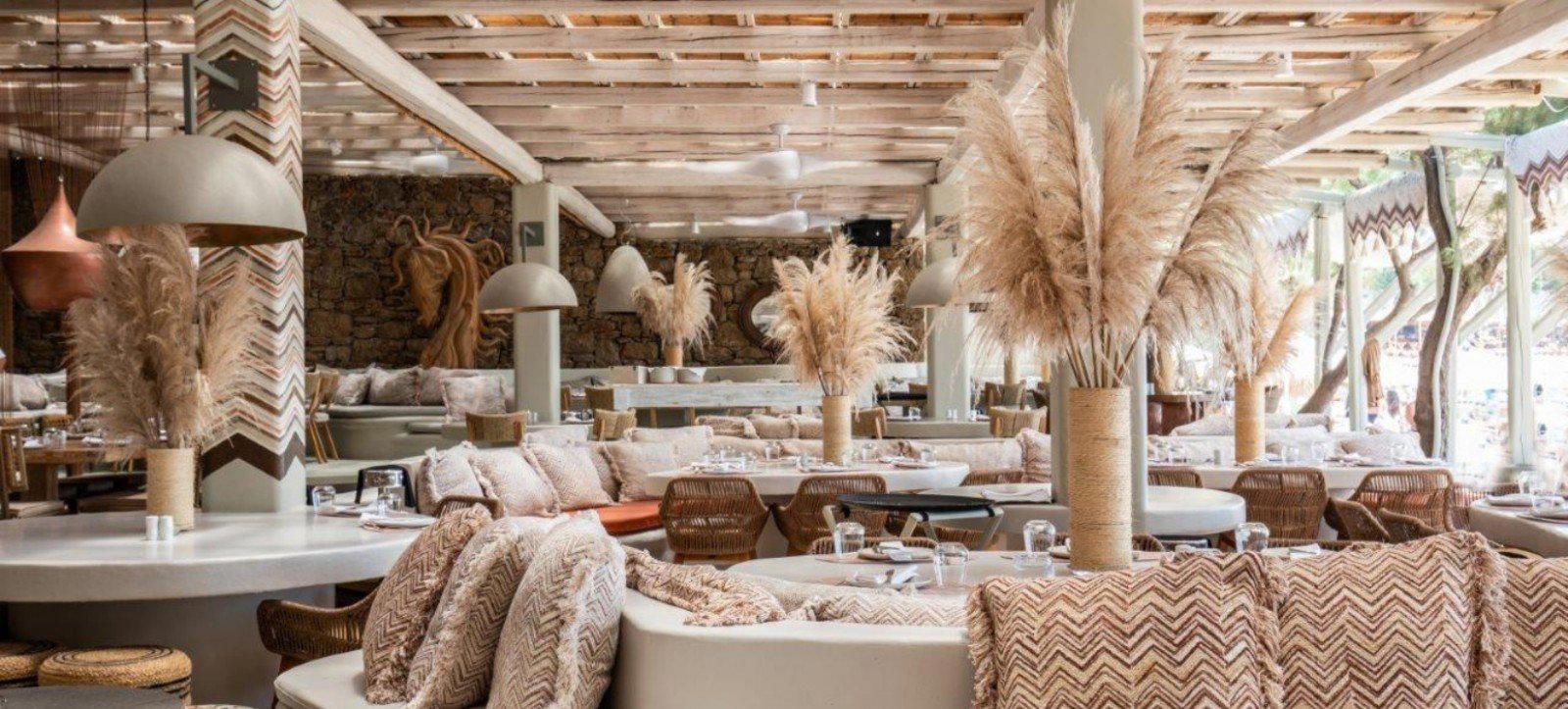
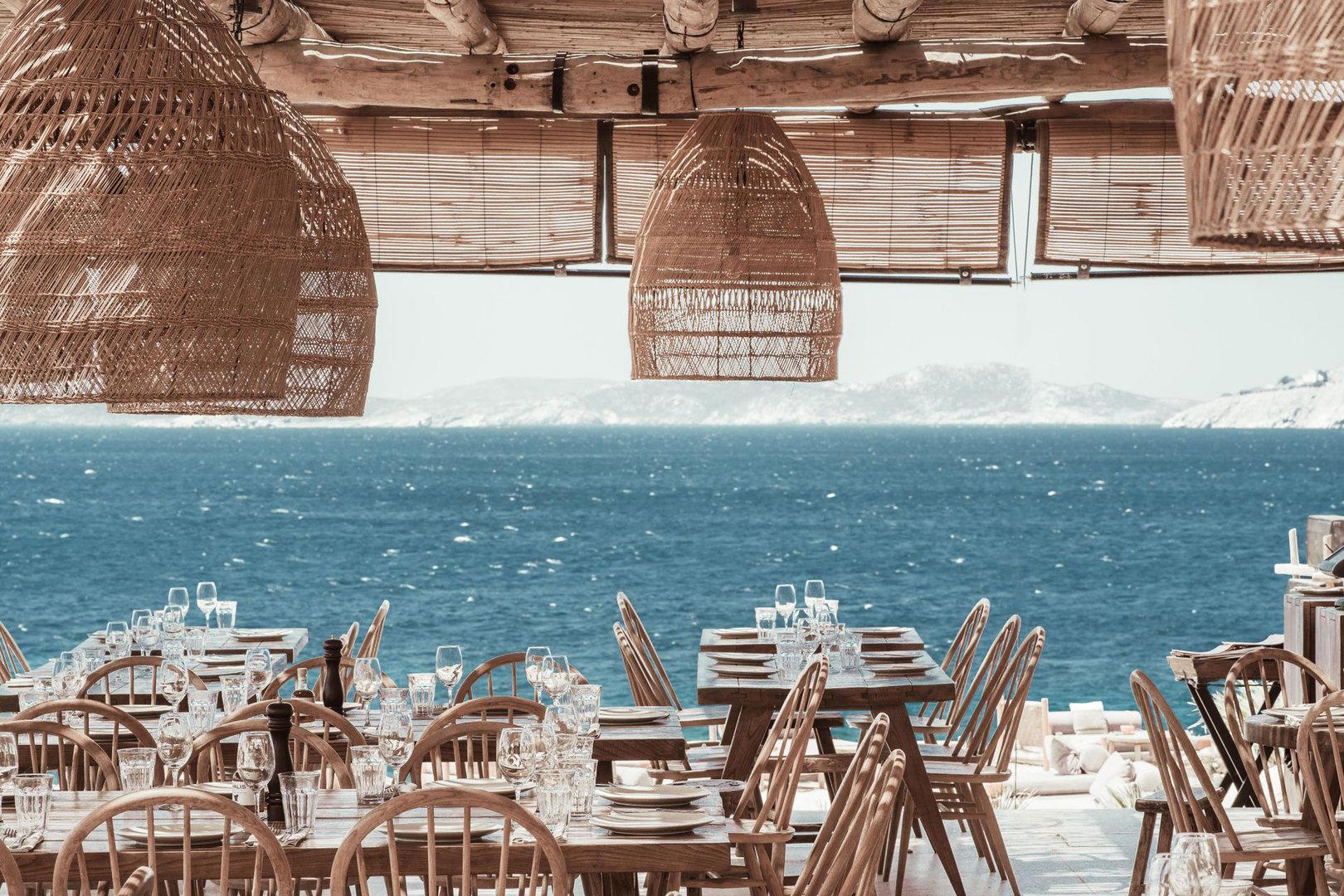
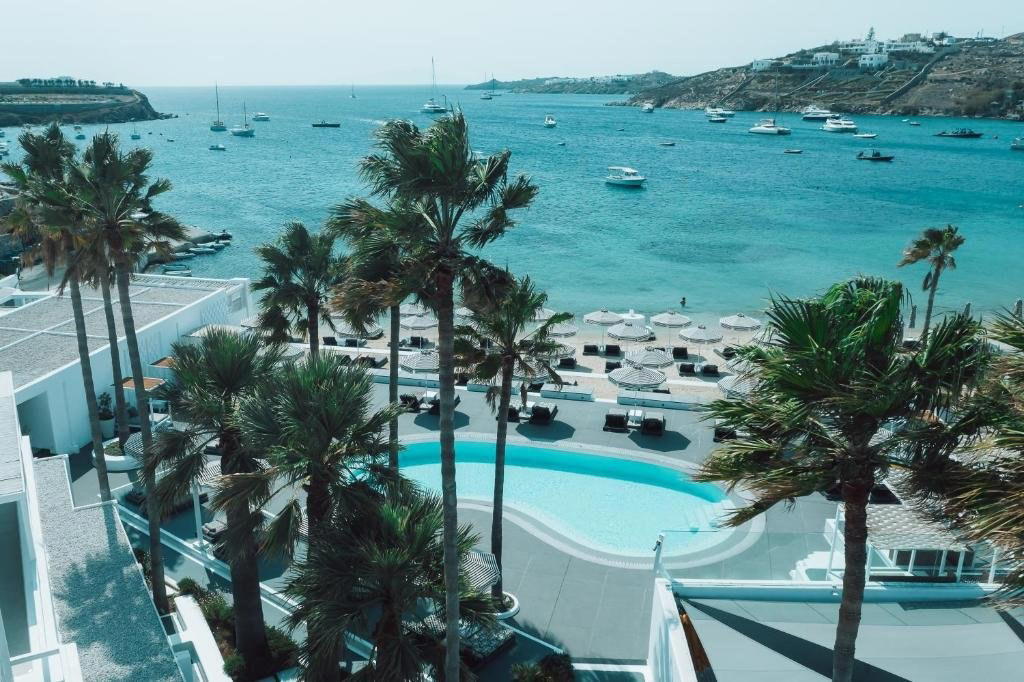
Mykonos has two distinct dining registers. The first is loud, photogenic, and priced for a table's Instagram moment. The second is quieter, more demanding of attention, and rooted in what the Aegean actually produces. Efisia, a Greek Fine Dining restaurant in Mykonos at Platis Gialos, belongs to the second category. The beach at Platis Gialos carries a different tempo from the port and Little Venice crowds: the sea is close, the light in the afternoon falls flat and warm across the water, and the expectation from the kitchen is that the food does the talking. That physical context matters, because Cycladic cooking at its most considered is inseparable from the environment that produced it.
The Cycladic Kitchen: What Island Geography Demands
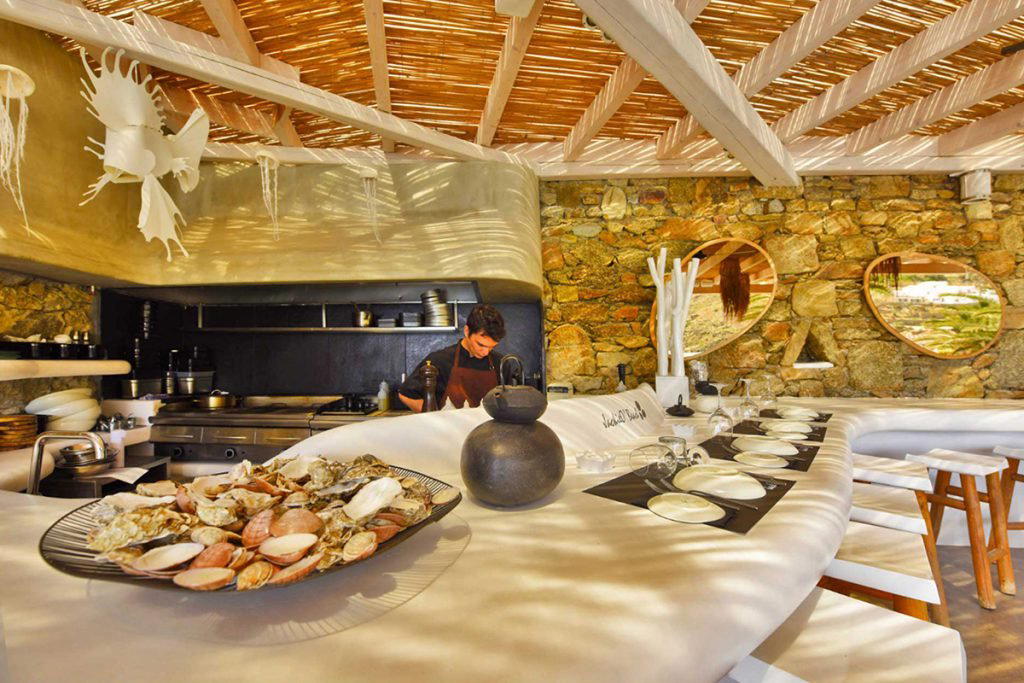
Understanding Efisia's cooking means understanding the distinction between Greece's island cooking traditions. Cretan cuisine draws on centuries of Venetian and Ottoman layering, a pantry weighted toward olive oil, wild greens, and aged cheese from a large, agriculturally generous island. Ionian cooking, shaped by Venetian rule more than Ottoman influence, skews toward softer spicing, pasta formats, and meat preparations that feel almost northern Mediterranean. The Cyclades sit apart from both. These are small, rocky, wind-exposed islands with thin soil, a tradition of fishing by necessity, and a larder built around what survives the meltemi: dried pulses, hard cheeses like kopanisti and arseniko, capers from Santorini, local honey, and whatever the sea delivers that morning.
Cycladic cooking is not minimalist by aesthetic choice. It is minimal because the islands historically demanded economy. That produces a cuisine where technique is less about addition and more about knowing when to stop. The leading tavernas and kitchens in the Cyclades treat a grilled fish or a slow-cooked legume dish as a complete argument. Context-wise, this places Efisia in a tradition that is harder to execute convincingly than it appears, because there is nowhere to hide a technical deficit behind complex saucing or elaborate presentation.
Cooking Classics Recognition and What It Signals
Efisia carries the Cooking Classics highlight, a designation that tracks consistent fidelity to a culinary tradition rather than innovation for its own sake. In the context of a Mykonos dining scene where novelty frequently outranks craft, that signal is meaningful. The island attracts kitchens that chase trend cycles driven by seasonal visitor demographics. A Cooking Classics marker suggests a different commitment: to the inherited techniques and regional logic of Greek cooking rather than to whatever premium-beach-club format is currently commanding cover charges at the port end of the island.
Chef Ilias Maslaris leads the kitchen. On an island where chef credentials are frequently used as marketing shorthand, what matters here is the direction of the cooking rather than the biography behind it. These are diners who sought the place out and found it worth the effort of registering an opinion.
Platis Gialos: What the Location Tells You
Platis Gialos is one of the more organised beach settlements on the southern coast, roughly a twenty-minute drive or taxi ride from Mykonos Town depending on summer traffic. It sits outside the immediate gravitational pull of the port's restaurant cluster, which is partly why kitchens here tend to operate with less performative pressure. The address at Platis Gialos 846 00 places Efisia within reach of the beach crowd without being a beach-club annexe. That distinction shapes the dining register: the room is closer to a serious restaurant than to a venue designed around daytime drinking and sunset photographs.
For context within the island's southern corridor, this stretches from Ornos through Platis Gialos toward Paraga and Paradise. Each pocket has its own dining character. Among the restaurants worth tracking in the Mykonos scene broadly, Almiriki (Greek Seafood) represents the island's seafood-forward tradition, while Myconian Korali and Myconian Sunrise (Greek Mediterranean) both operate within the Greek Mediterranean register. BAOS Restaurant and Pavilion Restaurant (Greek Island) complete a peer group that shows how varied the island's approach to Greek cooking has become. Efisia sits within this landscape as the kitchen most explicitly anchored to the Cycladic classical tradition.
Greek Cooking Beyond Mykonos: The Broader Map
Visitors who are building a multi-island or mainland Greek dining itinerary will find useful reference points across the country. Koukoumavlos in Fira and Lycabettus in Oia represent Santorini's more refined end of the Cycladic register. Aktaion in Firostefani stays within the volcanic island tradition. For Cretan cooking at its most considered, Old Mill in Elounda offers a strong point of comparison, while Etrusco in Kato Korakiana shows the Ionian influence on Corfu's kitchen. On the mainland, Delta in Athens represents the modern Greek fine dining tier. For Greek cooking exported internationally, Kiki on the River in Miami is worth noting as a reference point. The Avaton Luxury Beach Resort in Halkidiki rounds out the northern Greek tradition. Taken together, these restaurants map how differently the Greek kitchen expresses itself across regions.
For everything else on the island, EP Club's full guides cover Mykonos restaurants, Mykonos hotels, Mykonos bars, Mykonos wineries, and Mykonos experiences.
Planning Your Visit
Efisia is located at Platis Gialos on the southern coast. Mykonos operates on high-season logic from June through August, when restaurant capacity across the island fills quickly and advance booking is advisable. The shoulder months of May and September offer more availability and, for Greek cooking that draws on seasonal produce and fish, often more interesting ingredients on the plate. Direct booking is best confirmed through your hotel concierge or a table-booking aggregator that covers the Greek islands. Efisia's dress code is smart casual.
Where It Fits
Comparable venues nearby, for context on price, style, and recognition.
| Venue | Cuisine | Price | Notes |
|---|---|---|---|
| EfisiaThis venue — the venue you are viewing | Greek Fine Dining | $$$$ | Not listed |
| BAOS Restaurant | Modern Greek Fine Dining | $$$$ | Mikonos |
| Myconian Korali | Modern Greek Fine Dining | $$$$ | Mikonos |
| Nōema | Modern Greek Cycladic | $$$$ | Mikonos |
| Pavilion Restaurant | Refined Greek Fine Dining | $$$$ | Elia |
| Avli tou Thodori (Αυλή του Θοδωρή) | Modern Greek Beachside | $$$ | Platys Gialos |
Recognition history
Dated appearances from independent guides and award organizations, with the underlying list record or original source where available.
Relais Chateaux Award
Relais Chateaux
Relais Chateaux Award
Relais Chateaux
Continue exploring
More in Mykonos
Restaurants in Mykonos
Browse all →
Bars in Mykonos
Browse all →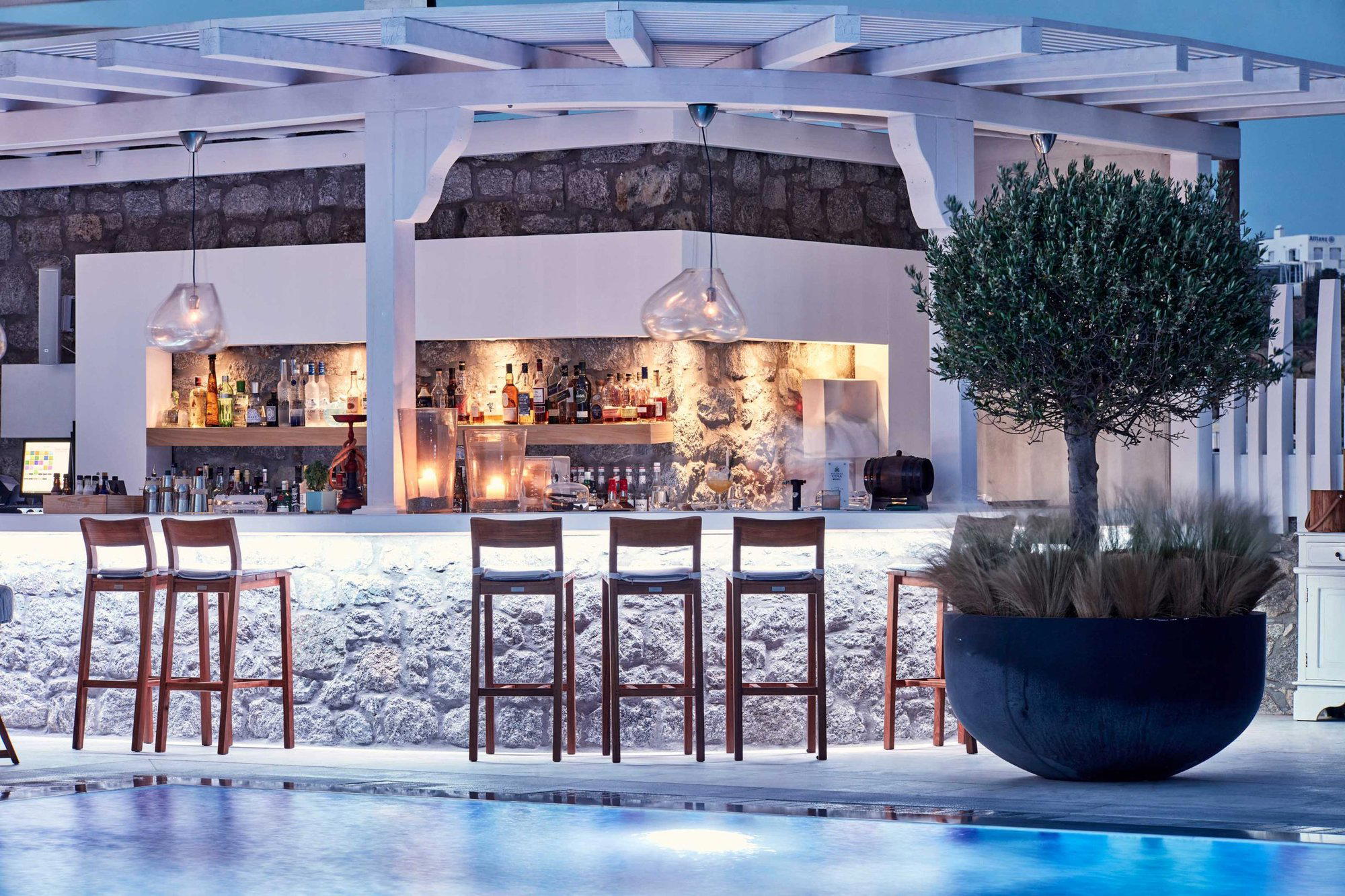
Hotels in Mykonos
Browse all →
Wineries in Mykonos
Browse all →
At a Glance
- Elegant
- Romantic
- Sophisticated
- Scenic
- Date Night
- Special Occasion
- Terrace
- Waterfront
- Extensive Wine List
- Farm To Table
- Local Sourcing
- Waterfront
Current opening hours
- Monday
- 12 PM–12 AM
- Tuesday
- 12 PM–12 AM
- Wednesday
- 12 PM–12 AM
- Thursday
- 12 PM–12 AM
- Friday
- 12 PM–12 AM
- Saturday
- 12 PM–12 AM
- Sunday
- 12 PM–12 AM
Hours can change for holidays and private events. Last verified .
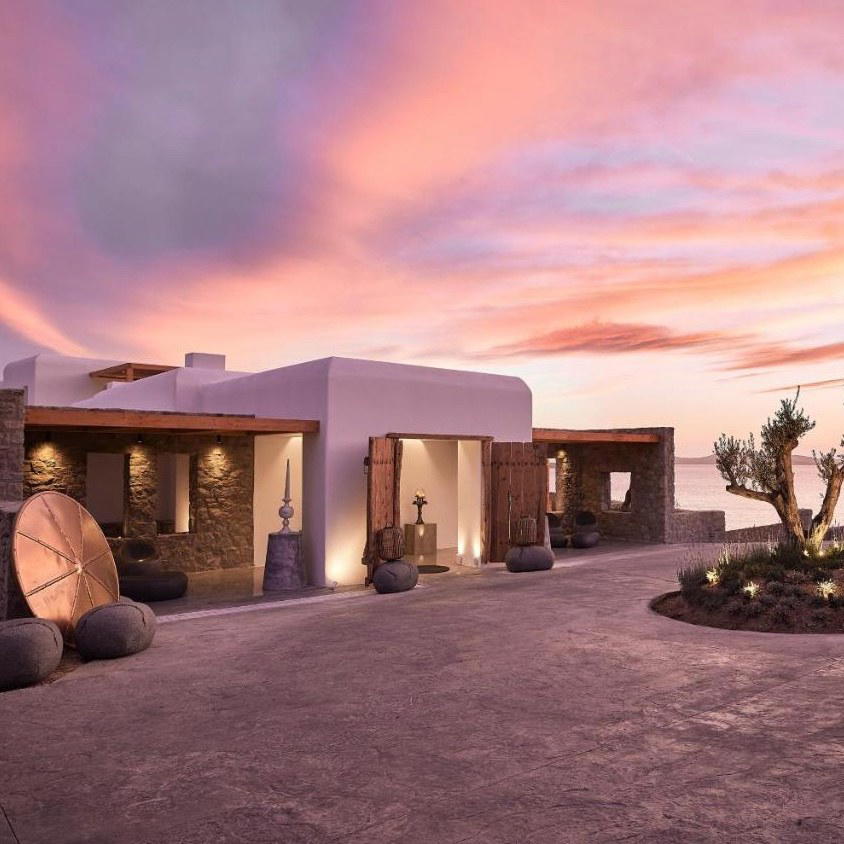
Candlelit al fresco dinners under the stars in a rough-hewn stone alcove with gentle glow and luxurious atmosphere.