Our verdict
On a quiet medieval street in Riga's Old Town, Muusu occupies a dining tier that takes Latvian ingredients seriously without the formality of white-tablecloth tradition. The address on Skārņu iela places it within walking distance of the city's most discussed restaurant tables, making it a reference point for understanding how Riga's mid-to-upper dining scene has matured over the past decade.
- Address
- Skārņu iela 6, Centra rajons, Riga, LV-1050, Latvia
- Phone
- +371 25 772 552
- Website
- muusu.lv
- Directions
- Get directions
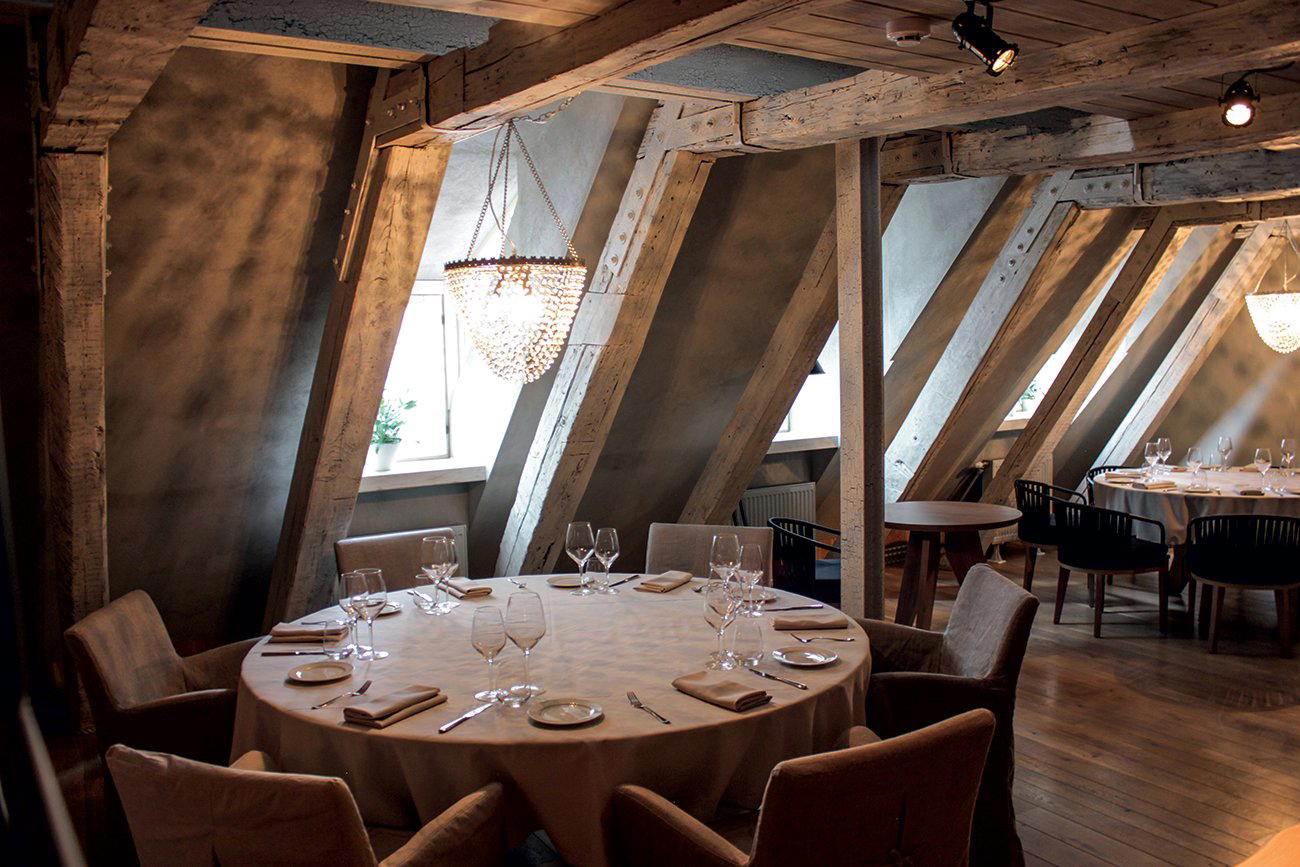
A Street, a Room, and the Rhythm of a Meal
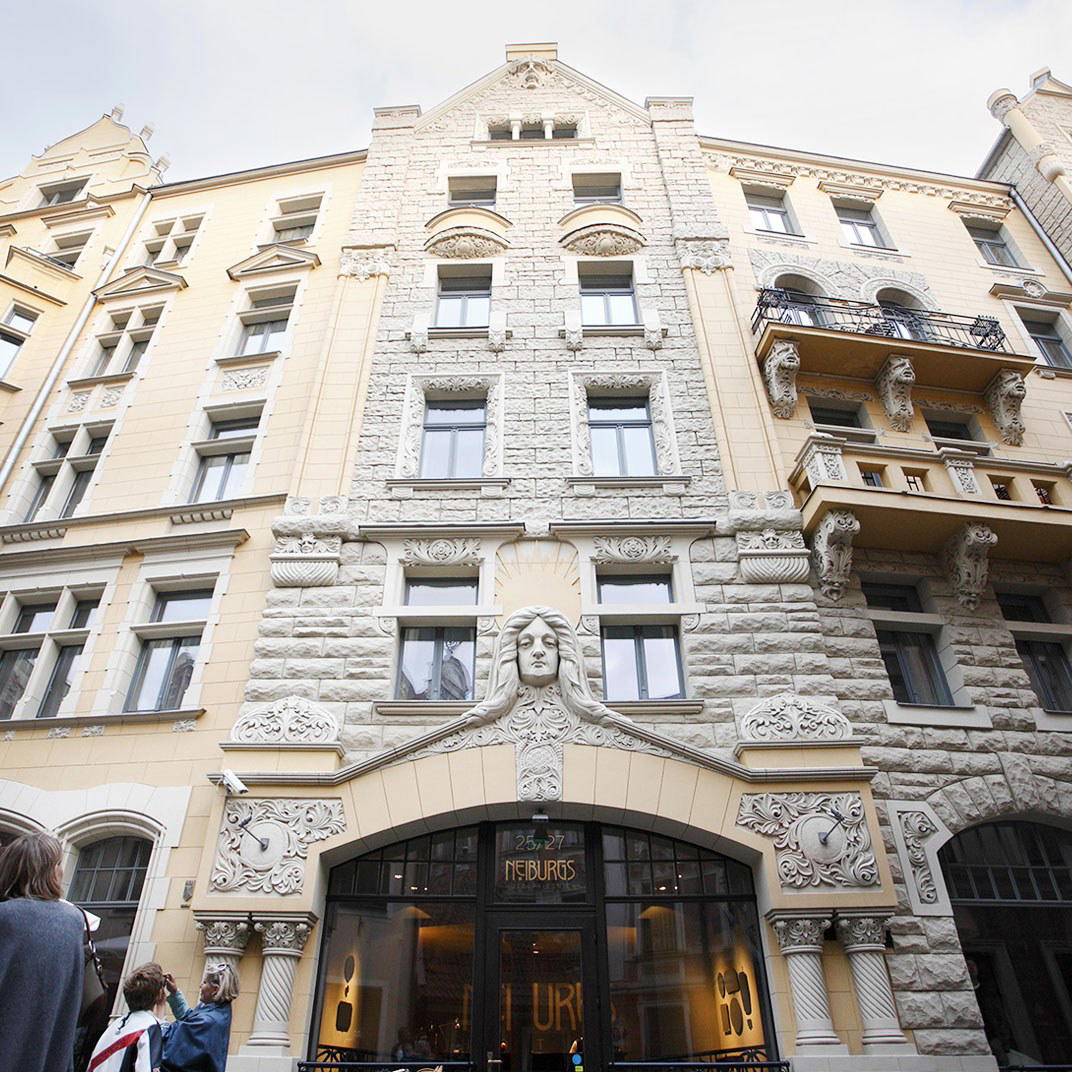
Skārņu iela is one of those Old Town streets that rewards attention. The cobblestones are worn in the way that only centuries of use produce, and the buildings press close enough that the light changes quality depending on the hour. Muusu sits at number six, and the approach itself sets a particular tempo — unhurried, contained, the kind of address that signals a meal designed to be taken at its own pace rather than rushed through.
That pacing matters in Riga's dining conversation. The city has spent the better part of fifteen years developing a serious restaurant culture, moving from post-Soviet caution around fine dining toward something more assured and locally grounded. Venues along this arc — from the established formality of Vincents to the contemporary confidence of Gastronome, have collectively trained a dining public that knows what it wants from a serious meal. Muusu occupies a place within that developed expectation.
The Dining Ritual in Context
Latvian dining ritual has always carried a particular relationship to season and land. The agricultural calendar is short and decisive: a brief, productive summer followed by a long winter that historically demanded preservation, fermentation, and resourcefulness. That tradition, which shaped the larder of every Latvian household for generations, now informs how the country's serious kitchens approach menu construction. A meal at a venue like Muusu is, in structural terms, a conversation with that inherited logic: ingredients sourced from a defined northern geography, prepared with enough technique to be interesting but not so much that the source material disappears.
This positions Muusu within a cohort of Riga restaurants that have moved beyond the novelty phase of "New Nordic influence" and arrived at something more settled. Biblioteka Number One and Three represent adjacent points in this dining map, each with a distinct register, but all part of a city that now competes on European terms rather than simply regional ones.
Beyond Riga, Latvia's food scene has developed strong outposts worth knowing: 36. Line in Jurmala, Akustika in Valmiera, H.E. Vanadziņš in Cēsis, MO in Liepaja, Pavāru māja in Līgatne, and ZOLTNERS in Tērvete together confirm that the national dining conversation extends well beyond the capital.
How the Meal Unfolds
The customs of a serious meal in this part of Europe differ subtly from the more performance-driven formats found elsewhere. There is less theatre around arrival and presentation, and more attention to the sequence and spacing of courses. A well-run Old Town restaurant in Riga tends to let the food carry the communication rather than framing every plate with tableside narration. This is not minimalism for its own sake, it reflects a cultural preference for directness that runs through Latvian hospitality broadly.
For a visiting diner, that means calibrating expectations around a different kind of engagement. The meal at Muusu is not structured around spectacle, and the room on Skārņu iela does not require you to perform enthusiasm. What it does reward is attentiveness: noticing what ingredients appear across courses, how the kitchen's approach to acidity and umami tracks the season, and what the pace of service communicates about how seriously the kitchen takes the overall arc of the meal.
Comparisons to tightly choreographed tasting formats in other cities, the kind of meticulous sequencing found at venues like Atomix in New York City or the seafood precision of Le Bernardin, clarify what Riga's more grounded approach is and is not. The ambition is present, but the mode is different: less infrastructure, more directness.
The Old Town Address as Dining Signal
Location on Skārņu iela carries specific meaning within Riga's dining geography. The Old Town has gentrified unevenly, some streets remain tourist-service corridors, while others have developed genuine culinary identity. A restaurant that has established itself on a quieter medieval side street, rather than on the high-foot-traffic routes between the major landmarks, is making an implicit argument about its intended audience. It is not positioning for passing trade.
That self-selection matters for how a visitor should approach the booking. Muusu is worth planning for rather than stumbling upon, and the Old Town's compact walkability means it integrates naturally into an evening that might include drinks beforehand or a walk along the canal after. For a fuller picture of how to structure time in the city, our full Riga restaurants guide maps the scene across neighbourhoods and price tiers. Riga's hotels, bars, and wider experiences are covered in depth across our full Riga hotels guide, our full Riga bars guide, our full Riga wineries guide, and our full Riga experiences guide.
Within the capital's more experimental register, JOHN Chef's Hall in Rīga represents a different format-driven approach, tighter, more structured, and knowing both venues clarifies the range that Riga's serious dining tier now covers.
Planning a Visit
Skārņu iela 6 is a short walk from the main Old Town concentration, accessible on foot from most central accommodation. Riga's Old Town is compact enough that most serious dining addresses sit within a fifteen-minute radius of each other, which makes multi-stop evenings practical. Shoulder season, April to May and September to October, offers a more measured pace both in the room and on the streets outside.
Frequently asked questions
Where do I go for Muusu?
Muusu is located at Skārņu iela 6, Centra rajons, Riga, LV-1050, Latvia, Riga.
What's the best thing to order at Muusu?
Given the venue's Old Town Riga address and the short Latvian agricultural season, dishes grounded in local produce and preserved or fermented ingredients are the focus of kitchens operating at this level in the city. Ask the room what is freshest that week.
Do they take walk-ins at Muusu?
Riga's better Old Town restaurants fill quickly on weekends, and a room at this address warrants a reservation in advance. Contacting the venue directly before arrival is the practical approach.
How does Muusu handle allergies?
Allergy and dietary accommodation policy is not detailed in the available venue data for Muusu. For any serious allergy, contacting the restaurant ahead of the booking is standard practice and the only reliable step, regardless of venue.
Style and Standing
| Venue | Cuisine | Price |
|---|---|---|
| MuusuThis venue — the venue you are viewing | Modern European with Latvian Accents | Not listed |
| Biblioteka Number One | Modern Latvian | $50–100 |
| Gastronome | Seafood Grill Bar | Not listed |
Continue exploring
More in Riga
Bars in Riga
Browse all →
Details
- Cozy
- Modern
- Elegant
- Intimate
- Date Night
- Business Dinner
- Special Occasion
- Open Kitchen
- Historic Building
- Local Sourcing
- A La Carte
- Tasting Menu
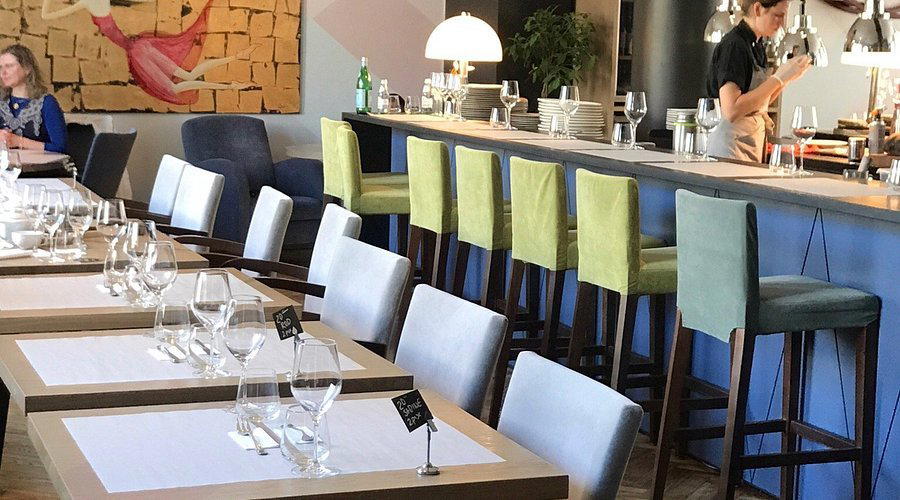
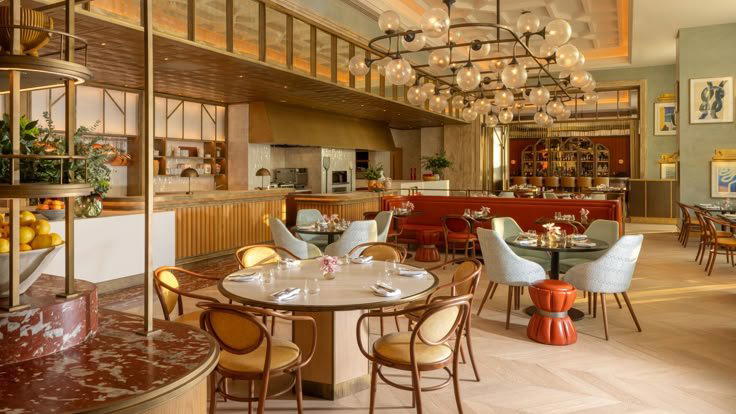
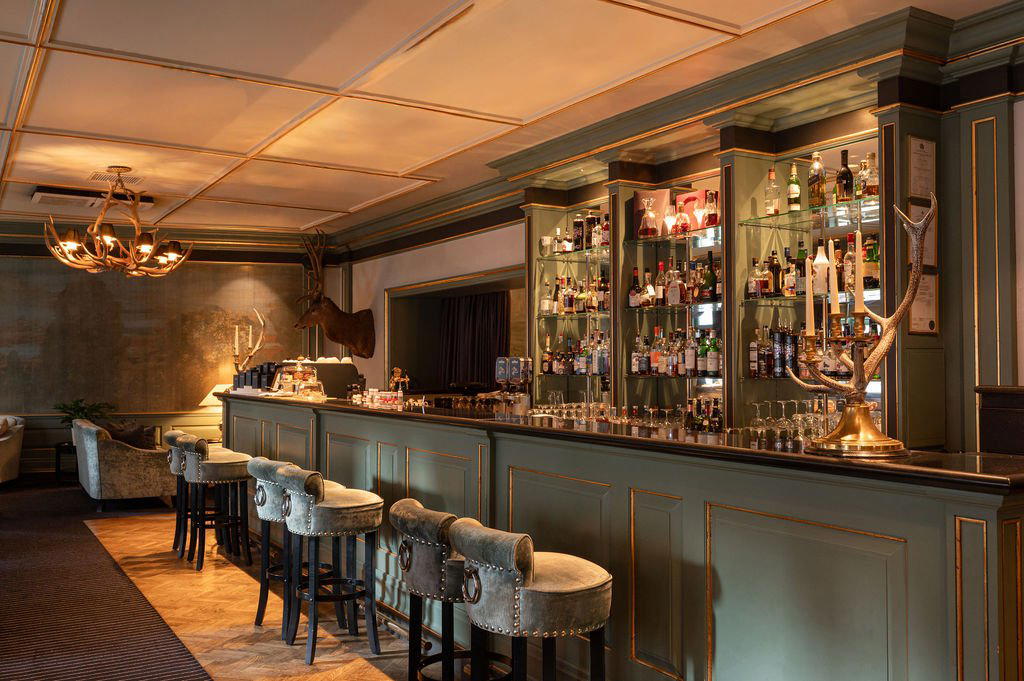
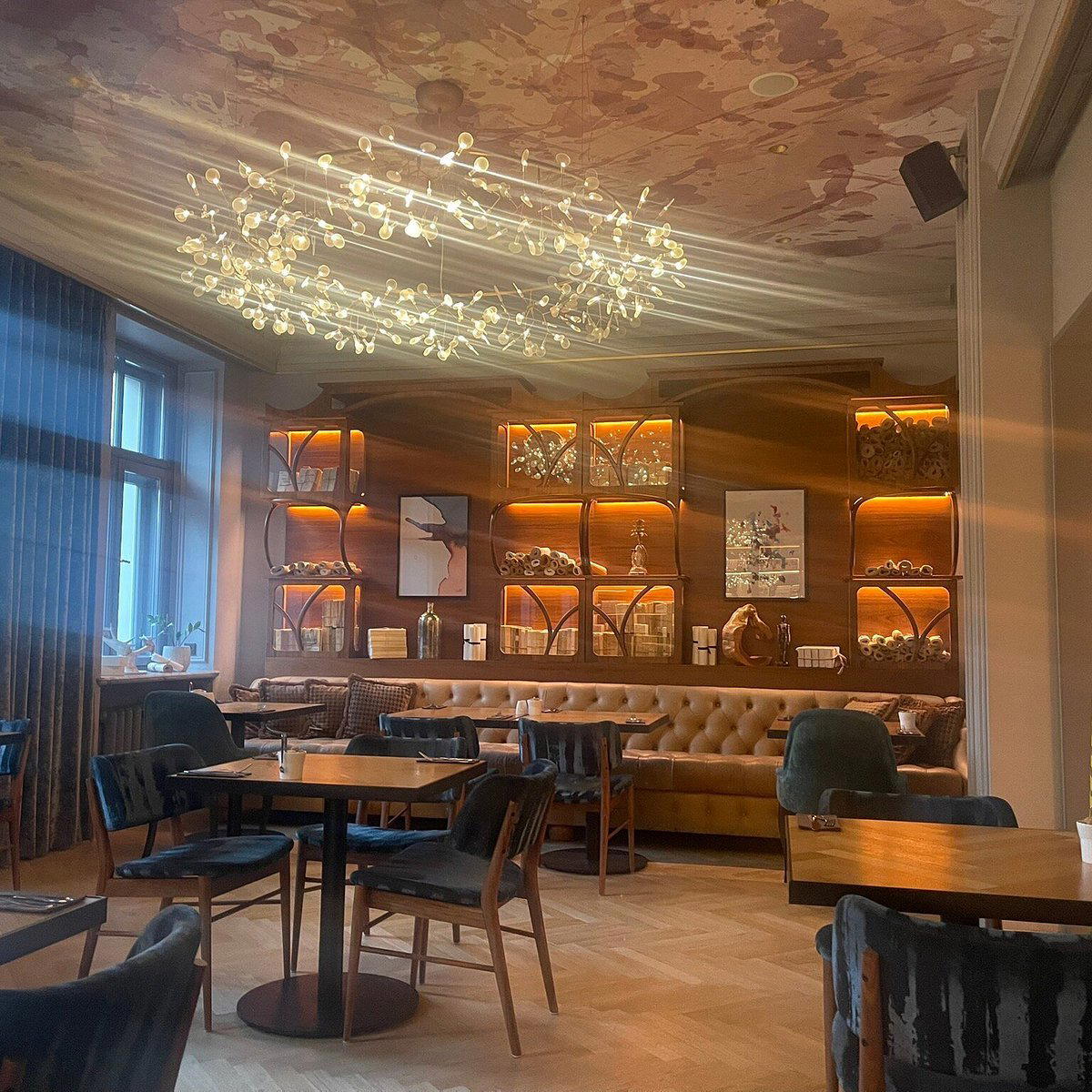
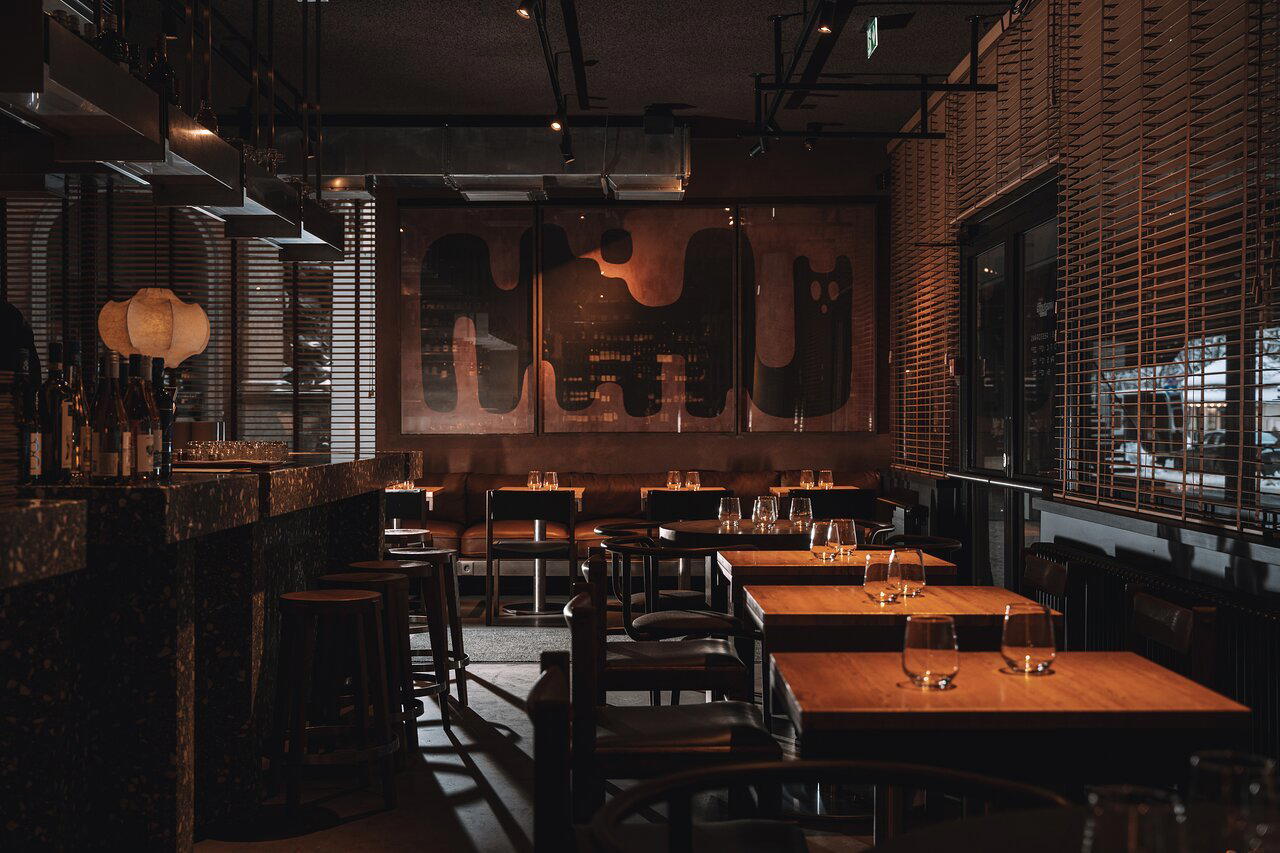
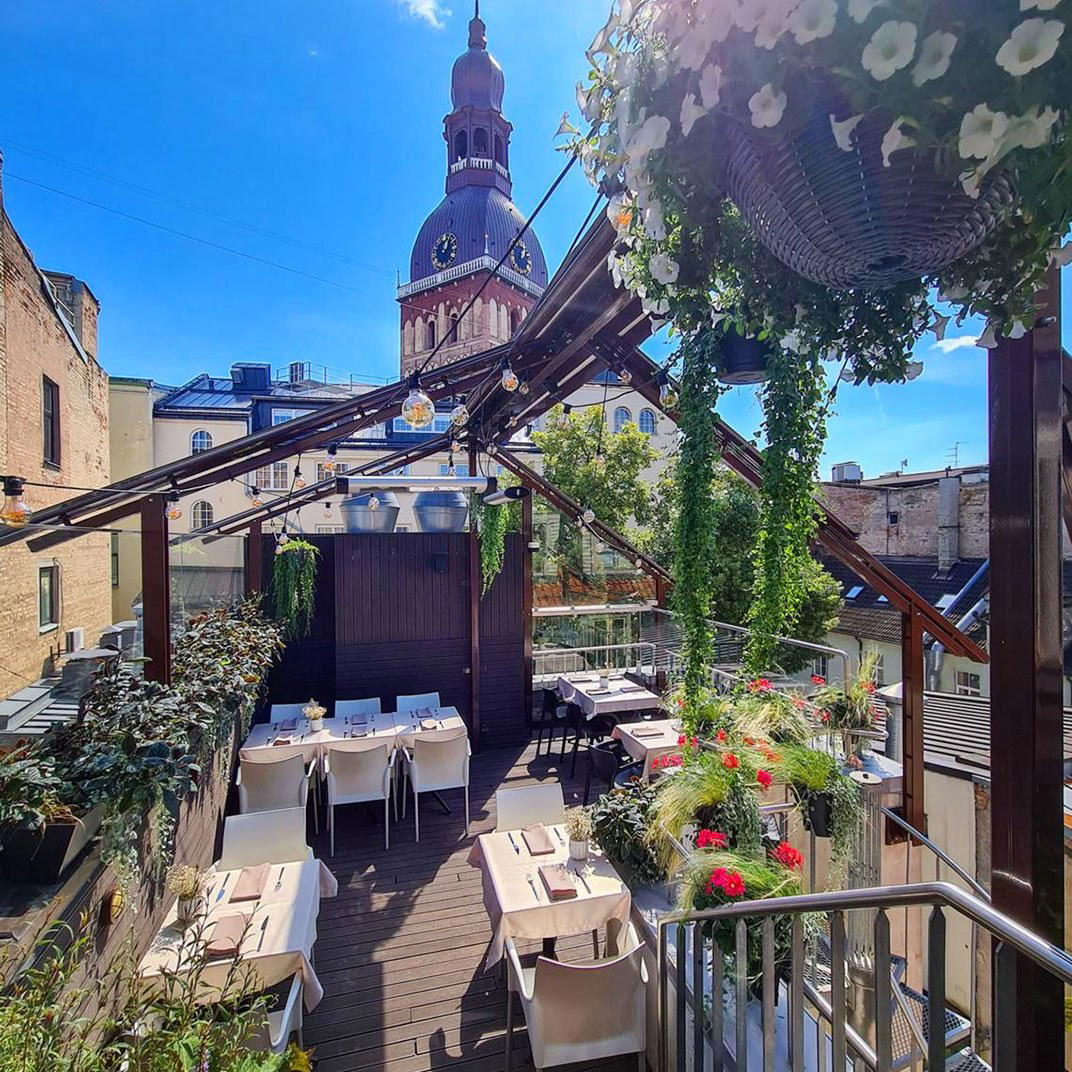
Cozy Nordic-inspired interior with exposed brick walls, wood accents, green plants, and natural light creating an elegant and intimate atmosphere.