MUSE Santa Monica
MUSE Santa Monica operates in a city where the Pacific's proximity shapes what ends up on the plate, placing it within a West Side dining scene that prizes ingredient provenance above culinary spectacle. Santa Monica's farmers market culture and coastal access give kitchens here a sourcing foundation that few American cities can match, and MUSE positions itself within that tradition.
 Discover on Pearl
Pearl is the En Primeur Club membership app — saves, bookings, and concierge access live there. Same editors, same standards.
- Address
- 108 W Channel Rd, Santa Monica, CA 90402
- Phone
- (424) 238-5107
- Website
- musesantamonica.com
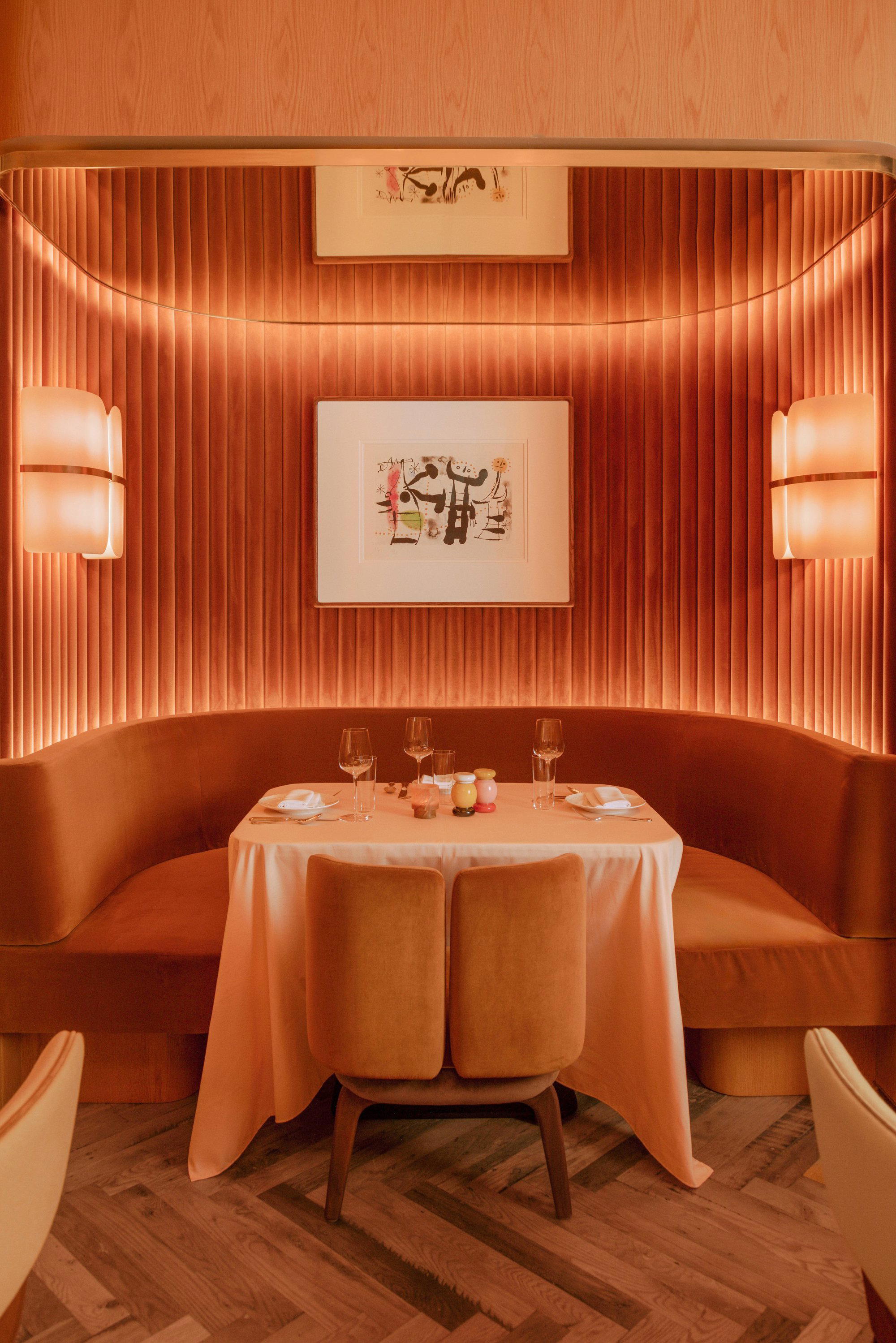
Where Santa Monica's Sourcing Culture Shapes the Table
Santa Monica sits at the intersection of two of California's most consequential food systems: the Wednesday and Saturday farmers markets on Arizona Avenue, which supply a significant share of the West Side's serious restaurants, and the Pacific Ocean, which delivers proximity to some of the most varied coastal seafood on the American coastline. Kitchens that operate here are not simply making location claims, they are making sourcing decisions that the geography enforces. The leading dining rooms in this part of Los Angeles treat the farmers market as a source, and the menus shift accordingly across the growing season.
MUSE Santa Monica operates within that tradition. MUSE Santa Monica draws inspiration from the materials at hand rather than impose a fixed culinary system on available produce. In a city where restaurants like Azure and Augie's On Main also stake their identity on Santa Monica's ingredient culture, the question for any serious dining room is not whether to source locally but how rigorously that commitment shapes the plate.
The Physical Environment: A West Side Room
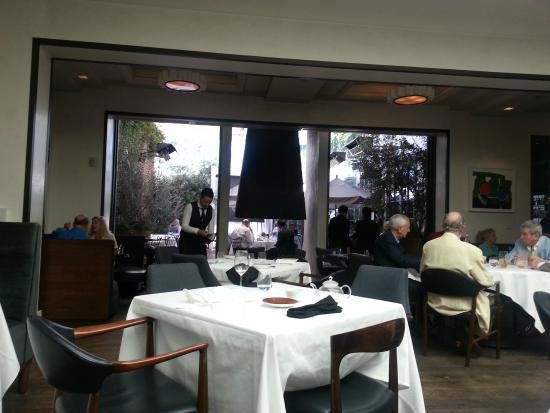
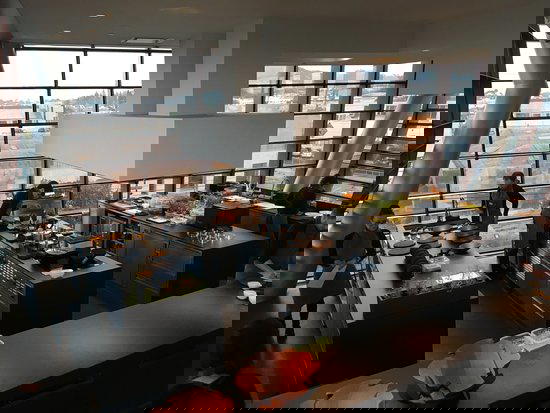
MUSE Santa Monica is a restaurant in Santa Monica, California, serving Modern French cuisine at a smart casual, reservation-recommended address on the West Side. Whether on Main Street's weathered commercial strip, the blocks above the Promenade, or the quieter residential edges near Brentwood, rooms here tend to prioritize light and openness over the cultivated darkness of a New York City bar or the theatrical compression of a Chicago tasting-menu kitchen. The Pacific light that floods the West Side through most of the year shapes how rooms are designed and how meals feel. Lunch here carries a different weight than it does in a landlocked city, the horizon is close, the air is salt-edged, and the meal tends to track that ease.
That ambient quality separates Santa Monica's dining culture from the denser, more urban stretch of Los Angeles. Venues like Back on the Beach make that coastal geography explicit, while others absorb it more quietly. MUSE sits in the latter category, a room where the influence of place is felt in what arrives on the table rather than announced in the décor.
Ingredient Sourcing and What It Means in This Market
The Arizona Avenue farmers market supports year-round sourcing without significant gaps. Southern California's climate extends growing seasons that would collapse in most other parts of the country, which means a restaurant committed to market sourcing here has a material advantage over its counterparts in colder climates. Stone fruit, citrus, brassicas, and alliums cycle through in a pattern that demands kitchen flexibility and rewards menus that resist the temptation to lock in dishes months in advance.
This sourcing culture has shaped the competitive set across the West Side. Amici Brentwood operates within it from an Italian-leaning register. The broader Los Angeles fine dining conversation, anchored by places like Providence in Los Angeles, which holds two Michelin stars and has long treated Pacific seafood sourcing as a core discipline, sets the standard against which West Side kitchens are implicitly measured. The conversation extends nationally: Blue Hill at Stone Barns in Tarrytown has built its entire identity around farm-to-table sourcing at a level that few American restaurants have approached, and Single Thread Farm in Healdsburg links its kitchen directly to its own farm operation. The benchmark in ingredient-led cooking is high, and Santa Monica restaurants that claim to participate in that tradition are operating against serious national and international reference points.
Santa Monica in the Broader California Dining Conversation
The West Side has historically sat in the shadow of Los Angeles's more headline-generating dining neighborhoods, Silver Lake, downtown, Koreatown, but the serious ingredient culture here has produced a distinct dining identity. California's farm-to-table movement was not invented on the West Side, but it found a natural home in a community with direct market access, a health-conscious residential base, and proximity to coastal supply chains.
That identity connects Santa Monica to a larger California conversation that includes The French Laundry in Napa, which has long treated Northern California's agricultural abundance as its primary creative resource, and Addison in San Diego, which holds Southern California's only Michelin three-star designation and has demonstrated that the state's southern tier can compete at the highest level. Within that geography, Santa Monica represents a middle register: more casual in format than Napa's formal tasting rooms, more ingredient-rigorous than the coastal tourist trade, and more consistent in its sourcing ethics than the broader Los Angeles restaurant market.
For context on what the tasting-menu format achieves at the national level, Alinea in Chicago and Le Bernardin in New York City represent the poles of technique-driven and product-driven fine dining respectively. Santa Monica kitchens tend to operate closer to the product-driven pole, which suits both the available supply and the local dining culture. Venues like Lazy Bear in San Francisco and Atomix in New York City show how ingredient sourcing and narrative can be fused at high ambition levels; the question for Santa Monica's dining rooms is whether they build that ambition into a format that rewards the effort of planning a meal around it.
Across the country, restaurants like Emeril's in New Orleans and The Inn at Little Washington in Washington show how regional identity, when channeled through serious kitchen craft, produces dining experiences that hold their value across decades. Santa Monica's version of that regional identity is still consolidating, but the sourcing infrastructure is in place.
Planning a Visit
Santa Monica's dining scene rewards planning over spontaneity at the serious end of the market. Reservations at ingredient-led restaurants on the West Side tend to fill quickly, particularly on weekends and during the summer months when coastal tourism raises demand. For venues operating on market-driven menus, timing a visit to align with the peak of a growing season, stone fruit in summer, citrus in winter, brassicas in the shoulder months, tends to produce the most interesting plates. Diners consulting ArcLight Cinemas Santa Monica for an evening itinerary will find the neighborhood compact enough to combine a pre-dinner drink, a full meal, and a late screening without a car.
Nearby-ish Comparables
Comparable venues nearby, for context on price, style, and recognition.
| Venue | Cuisine | Price | Notes |
|---|---|---|---|
| MUSE Santa MonicaThis venue — the venue you are viewing | Modern French | $$$$ | |
| Santa Monica Seafood Market & Cafe | Dining | $$$ | Santa Monica Mid-City Neighbors |
| Fia | Coastal Italian Fusion | $$$ | Northeast |
| Birdie G's | Midwestern-Jewish-Californian Comfort Food | $$$ | Pico Neighborhood Association |
| Chef Dave Beran's Restaurant | Modern French Bistro | $$$ | Main Street |
| Hermanito Broadway | Mexican-Japanese Fusion | $$ | Santa Monica Mid-City Neighbors |
Continue exploring
More in Santa Monica
Restaurants in Santa Monica
Browse all →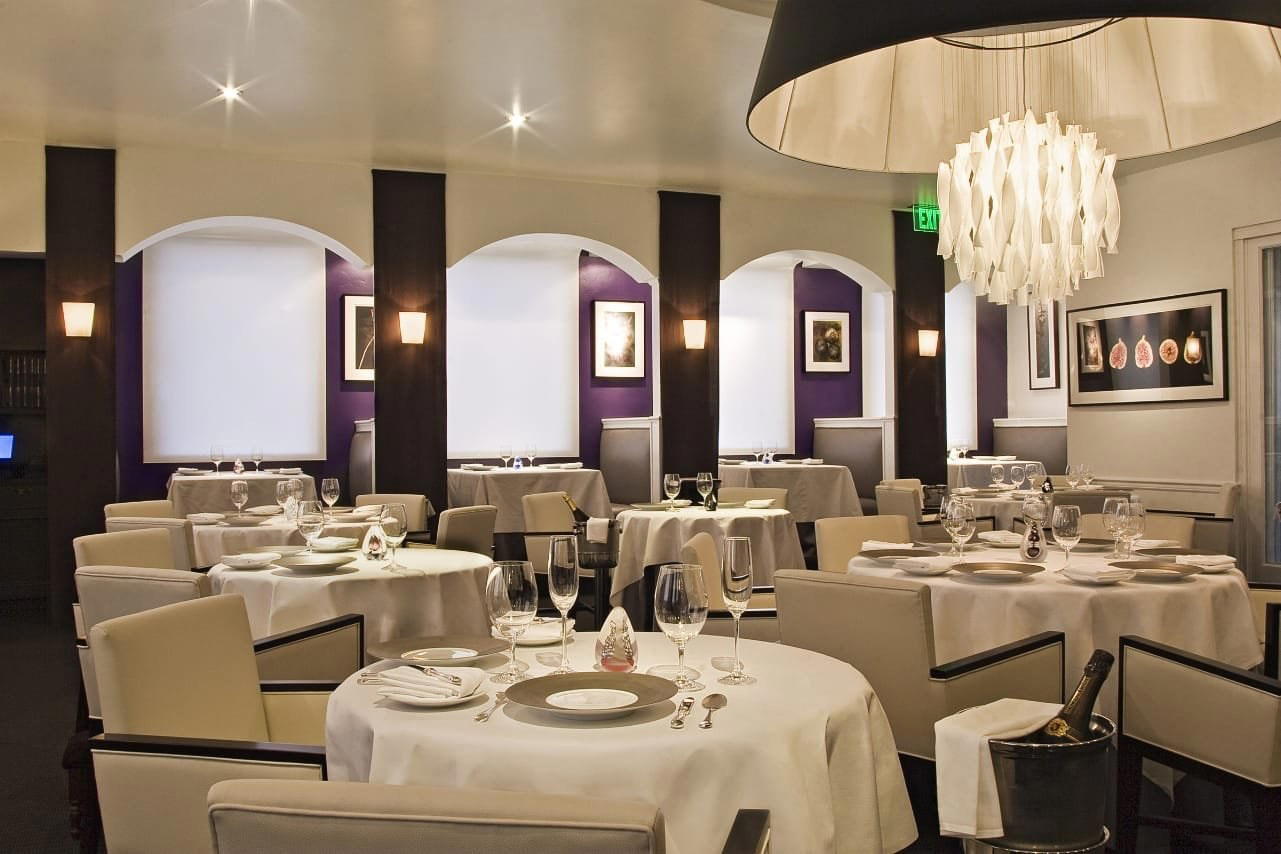
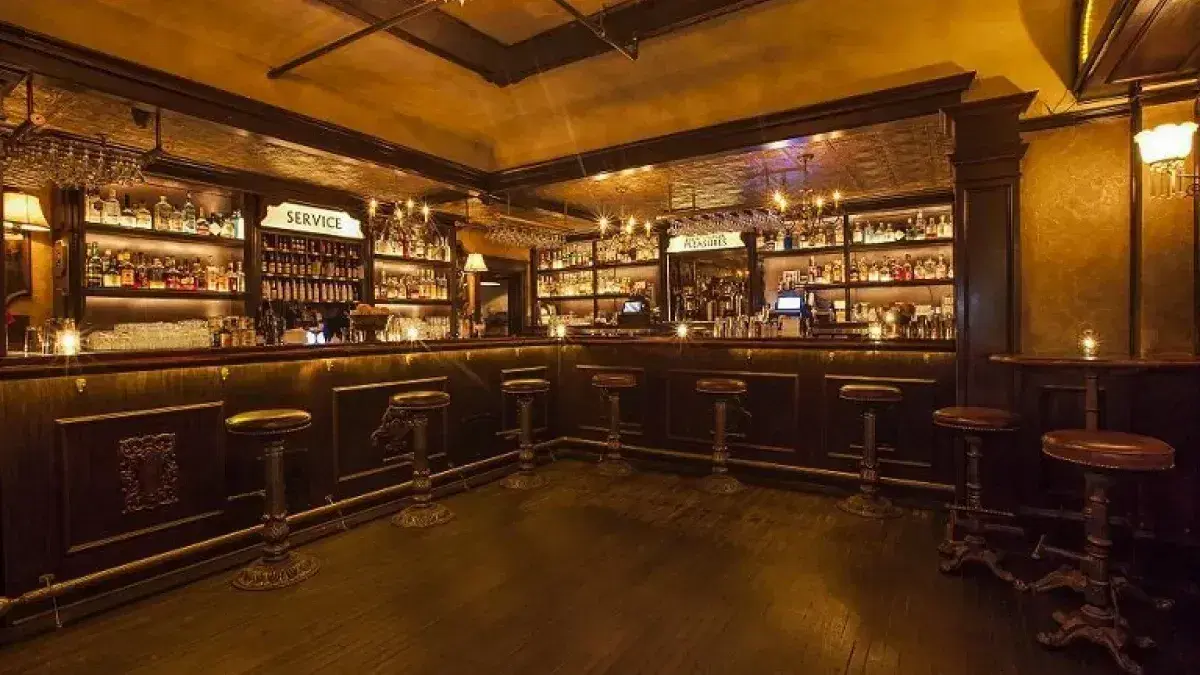
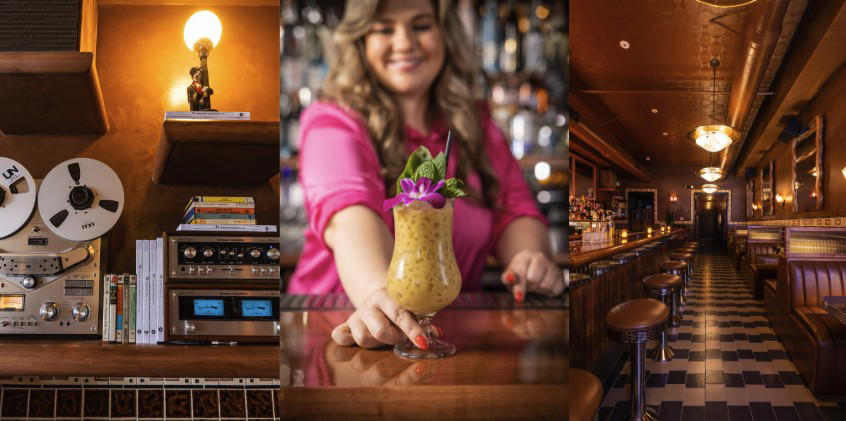
Bars in Santa Monica
Browse all →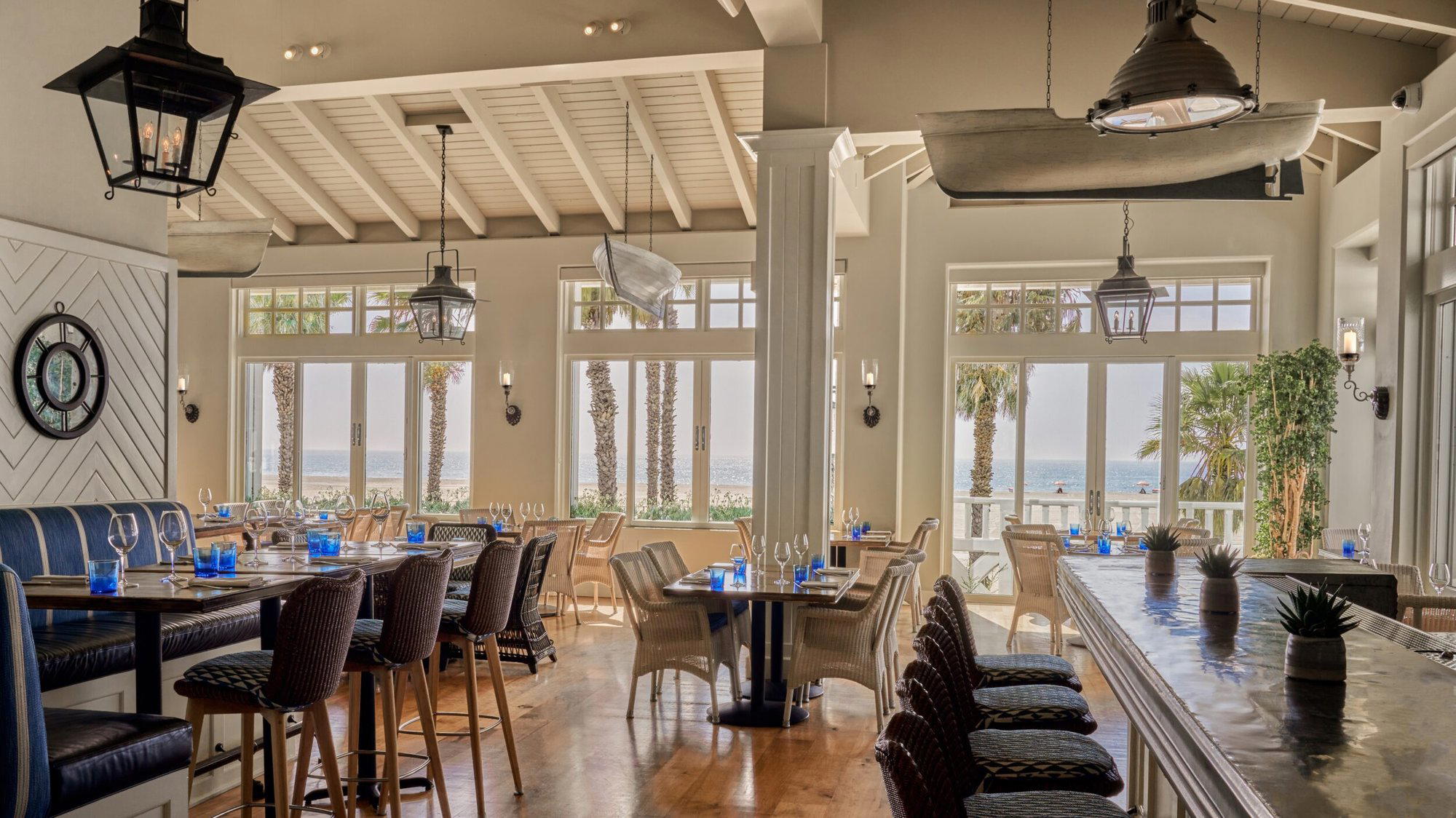

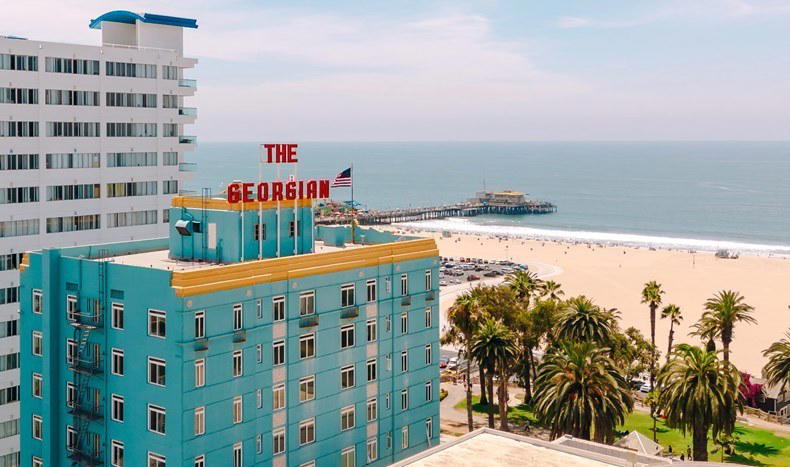
Hotels in Santa Monica
Browse all →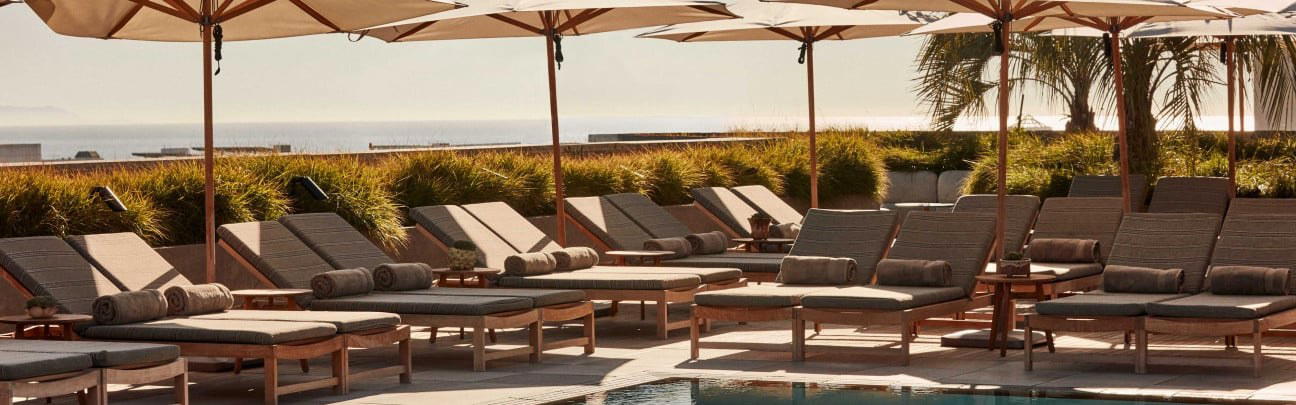
Wineries in Santa Monica
Browse all →
At a Glance
- Elegant
- Sophisticated
- Intimate
- Modern
- Date Night
- Special Occasion
- Private Dining
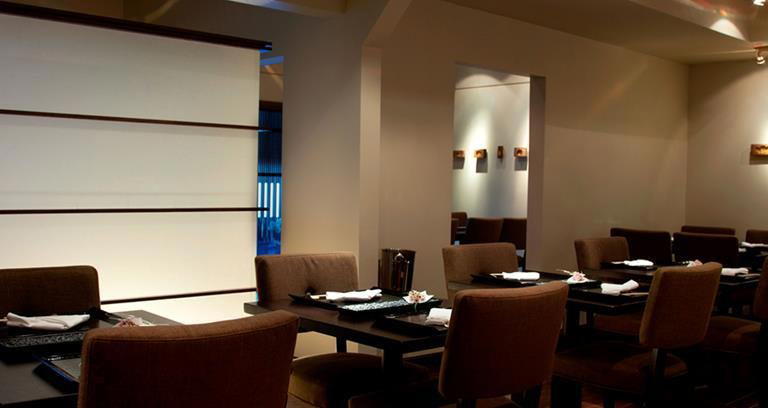
Cocoon-like environment with rich wood paneling, warm earthy tones of beige, brick, and gold, sculptural lighting, custom furniture, and sultry vibe.