Muralha da Sé sits on Rua do Adro in the shadow of Viseu's medieval cathedral, placing it at the geographic and cultural heart of one of inland Beira Alta's most historically layered cities. The address positions it within a cluster of old-town dining that draws on the region's agricultural depth, from Dão wines to serra cheeses and presunto from the surrounding highlands.
Pearl is the En Primeur Club membership app — saves, bookings, and concierge access live there. Same editors, same standards.
- Address
- R. do Adro 24, 3500-155 Viseu, Portugal
- Phone
- +351232437777
- Website
- module.thefork.com
- Directions
- Get directions
 Saves & bookings on Pearl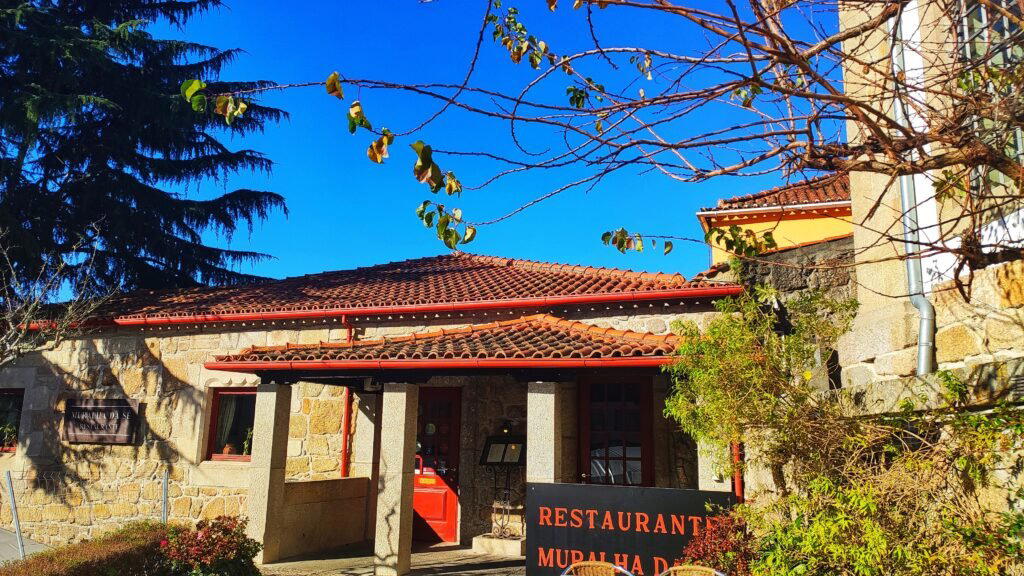
Stone Walls and Regional Larder: Dining in Viseu's Cathedral Quarter
Muralha da Sé is a Regional Portuguese restaurant in Viseu, Portugal, with. The city's medieval centre, built around the granite bulk of the Sé Cathedral, operates at a quieter register, one where the dining scene reflects the agricultural rhythms of the Beira Alta rather than the demands of mass tourism. Rua do Adro, the short street that runs alongside the cathedral's lateral face, is precisely the kind of address that concentrates this character. Muralha da Sé occupies number 24 on that street, and the physical setting carries weight before a single plate arrives: cathedral stone on one side, the dense fabric of the old town pressing in from every other direction.
This matters because where a restaurant sits in a city's geography often predicts what it draws from. In Viseu's case, proximity to the Sé places a restaurant directly within reach of the markets and suppliers that have provisioned the city's households and taverns for centuries. The Dão wine region wraps around the city's hinterland, producing some of Portugal's most food-compatible reds and whites, and the broader Beira Alta larder, serra da Estrela cheese, cured meats from the highlands, river fish from the Mondego tributaries, and seasonal game, represents a sourcing depth that the better addresses in this part of Portugal know how to use.
Ingredient Geography: What Beira Alta Puts on the Table
Portugal's interior is frequently underread as a culinary zone, overshadowed by the seafood-dominant narrative that coastal restaurants, from Casa de Chá da Boa Nova in Leça da Palmeira to Ocean in Porches, have made internationally legible. But the inland provinces operate on a different logic. Animal husbandry, mountain grazing, river systems, and a climate that produces hard winters and hot summers drive a larder built around preservation, curing, and slow cooking. Serra da Estrela cheese, the raw-milk product aged in the high pastures east of Viseu, is one of the Iberian peninsula's most consequential dairy products and a natural anchor for any kitchen working with the region's identity. Presunto from Chaves and smoked sausages from Trás-os-Montes to the north extend that cured tradition. The Mondego and Dão rivers contribute freshwater fish, particularly trout, that appear on interior tables in ways that have no coastal equivalent.
A kitchen on Rua do Adro that engages seriously with these materials is participating in a tradition that predates modern restaurant culture. The question for any such establishment is how much of that tradition it maintains as literal practice versus how much it reframes for contemporary expectation. In cities like Guimarães, A Cozinha has built a sustained reputation by applying technical rigour to northern Portuguese ingredients without abandoning their essential character. The same pressure applies, in miniature, to the dining addresses concentrated around Viseu's cathedral quarter.
Dão at the Table: Wine as Regional Argument
No account of food in Viseu makes sense without addressing the Dão DOC. The designation circles the city almost completely, producing wines from Touriga Nacional, Jaen, and Alfrocheiro on the red side, and Encruzado on the white, the latter being one of Portugal's most serious white wine grapes and one that rarely gets the international attention it deserves. Dão whites, particularly those with some skin contact or age, carry enough textural weight to hold against the region's richer dishes. Dão reds, at their leading, offer a combination of aromatic precision and structural restraint that positions them closer to Burgundy in style than to the riper, more extracted wines produced further south.
Restaurants in this zone that build their wine lists around local Dão producers rather than defaulting to better-known Douro or Alentejo labels are making an editorial statement about regional loyalty that matters to a certain kind of wine-literate traveller.
Viseu's Old Town Dining in Context
The cathedral quarter is not Viseu's only dining zone, but it concentrates the addresses most likely to be working from a sense of place. Flora, operating under a modern cuisine framework in the city, represents one end of the local ambition spectrum. The establishments closer to the Sé tend to draw more directly on the traditional formats, the petiscos, the roast meats, the bean stews, that have defined eating in this part of Portugal for generations. Neither approach is inherently superior; they address different expectations and draw from the same regional larder in different registers.
That is not a failure of ambition. It reflects a different economic structure and a different relationship between restaurant and community. In Viseu, a restaurant on Rua do Adro is feeding locals as much as visitors, and that dual accountability tends to keep menus honest about what the region actually produces and how it is traditionally prepared.
Planning Your Visit
The cathedral quarter is compact and walkable; Rua do Adro runs directly alongside the Sé and requires no navigation beyond finding the old town's main square. Viseu's dining addresses in this zone tend to follow the rhythms of the working week, with weekends drawing a broader mix of visitors from the surrounding Beira Alta municipalities.
How It Stacks Up
Comparable venues nearby, for context on price, style, and recognition.
| Venue | Cuisine | Price | Awards | Notes |
|---|---|---|---|---|
| Muralha da SéThis venue — the venue you are viewing | Regional Portuguese | $$ | Not listed | Not listed |
| Flora | Modern Portuguese Fine Dining | $$$ | Bib Gourmand | historic centre |
| Nabos da Púcara | Portuguese Petiscos | $$ | Not listed | Vitória |
| R. Rodrigues de Faria 103 | Healthy Modern Cuisine | $$ | Not listed | Alcantara |
| Café A Brasileira | Historic Portuguese Café | $$ | Not listed | Santo Ildefonso |
| Padoca Vegan Restaurant | Vegan Portuguese Bakery Cafe | $$ | Not listed | Vila Nova De Gaia |

At a Glance
- Rustic
- Cozy
- Classic
- Special Occasion
- Date Night
- Terrace
- Historic Building
- Extensive Wine List
- Street Scene
Current opening hours
- Monday
- 12–2:30 PM, 7:30–10 PM
- Tuesday
- Closed
- Wednesday
- 12–2:30 PM, 7:30–10 PM
- Thursday
- 12–2:30 PM, 7:30–10 PM
- Friday
- 12–2:30 PM, 7:30–10 PM
- Saturday
- 12–2:30 PM, 7:30–10 PM
- Sunday
- 12–2:30 PM
Hours can change for holidays and private events. Last verified .
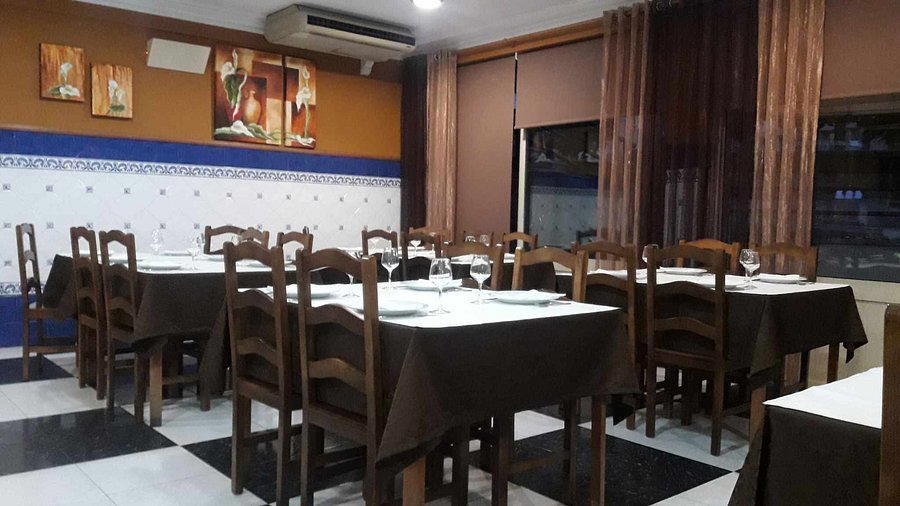
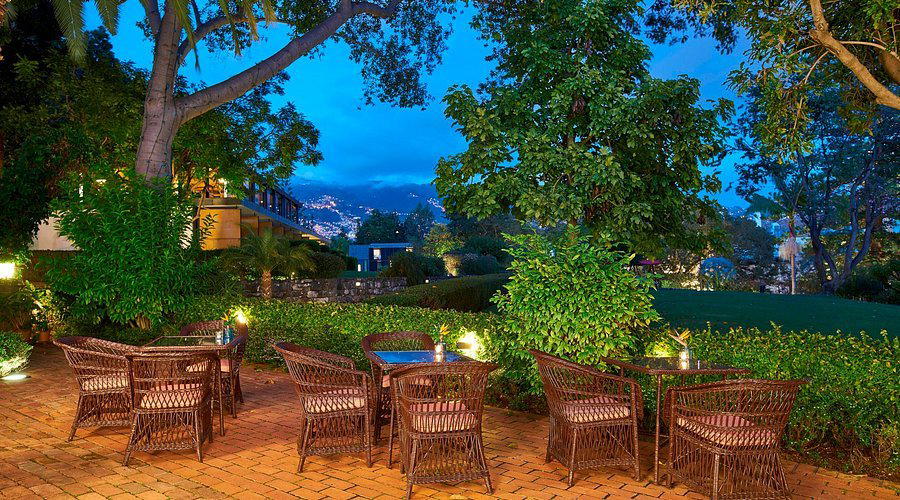
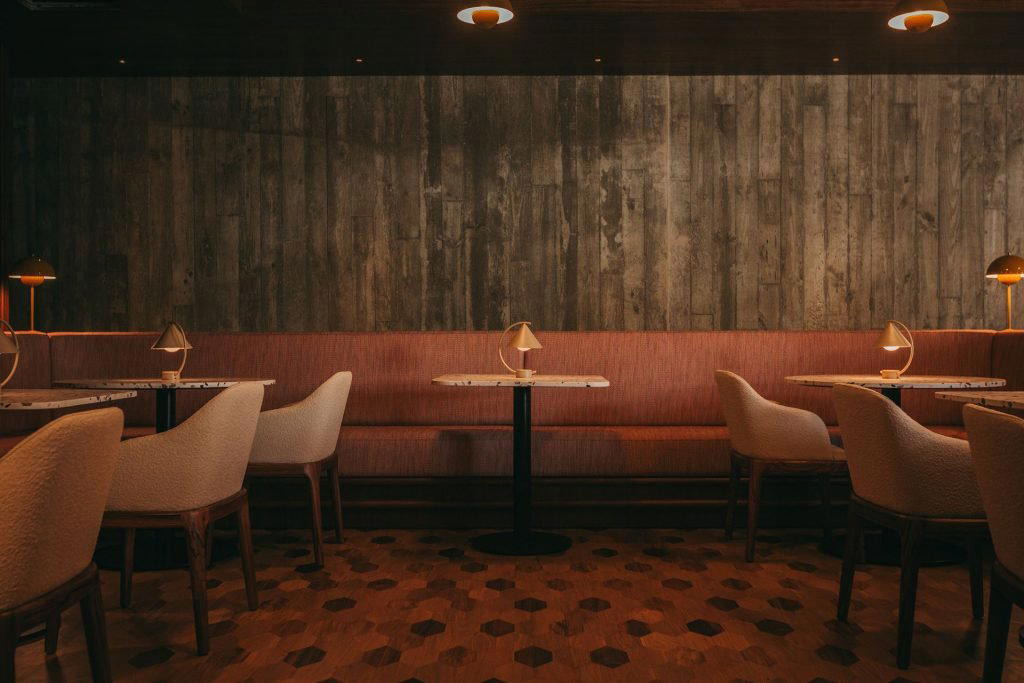
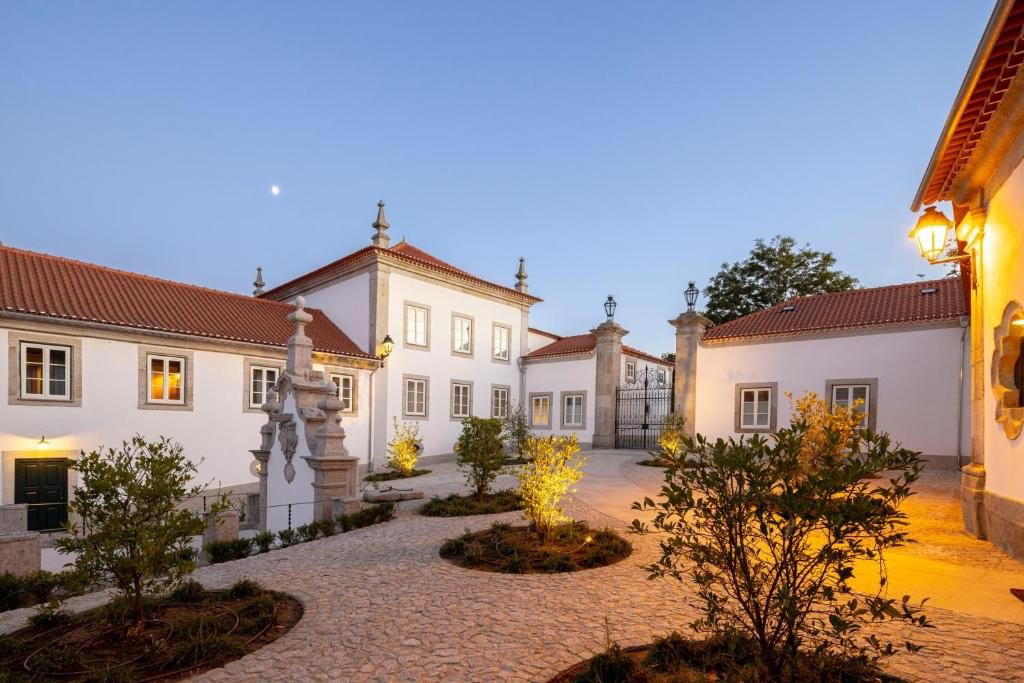
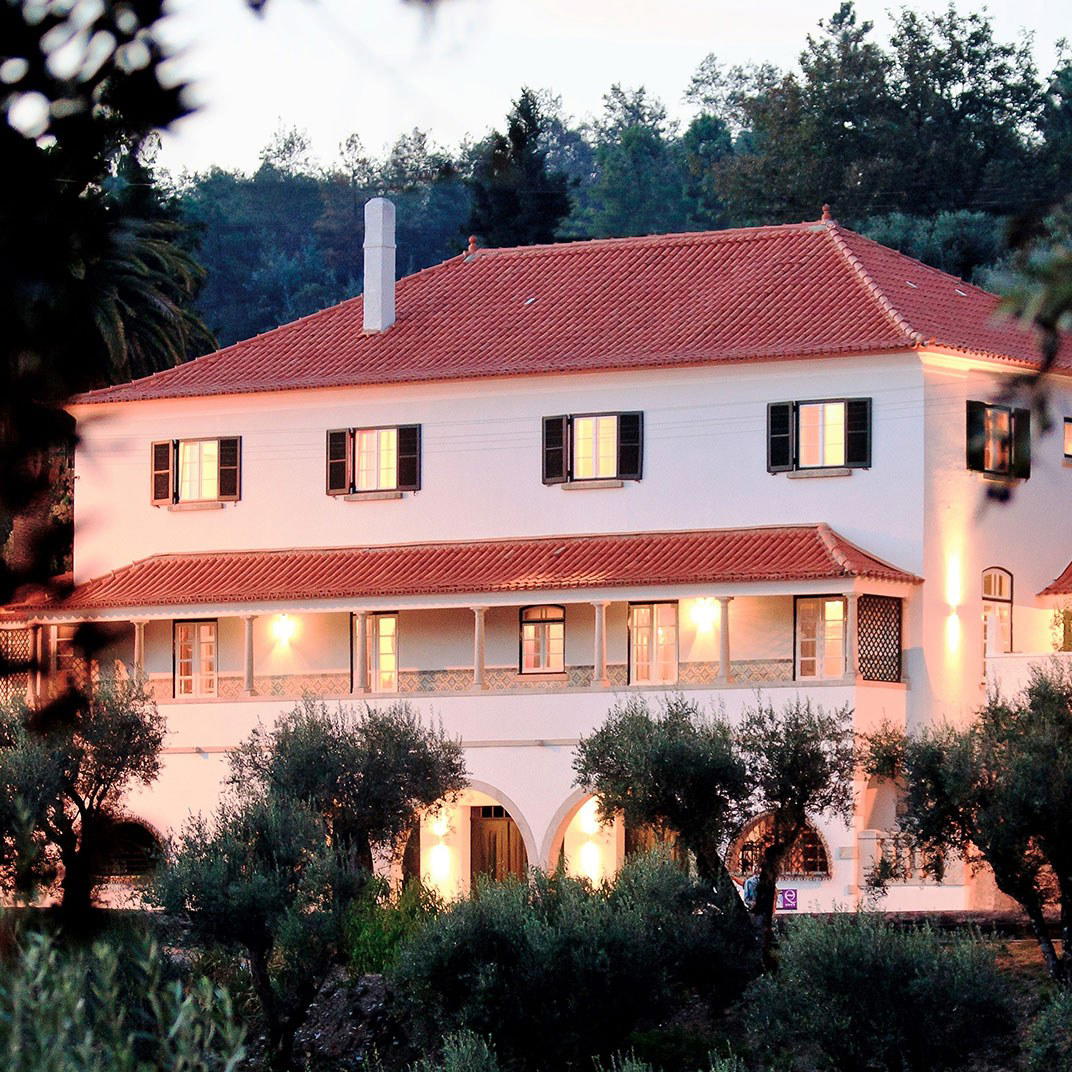
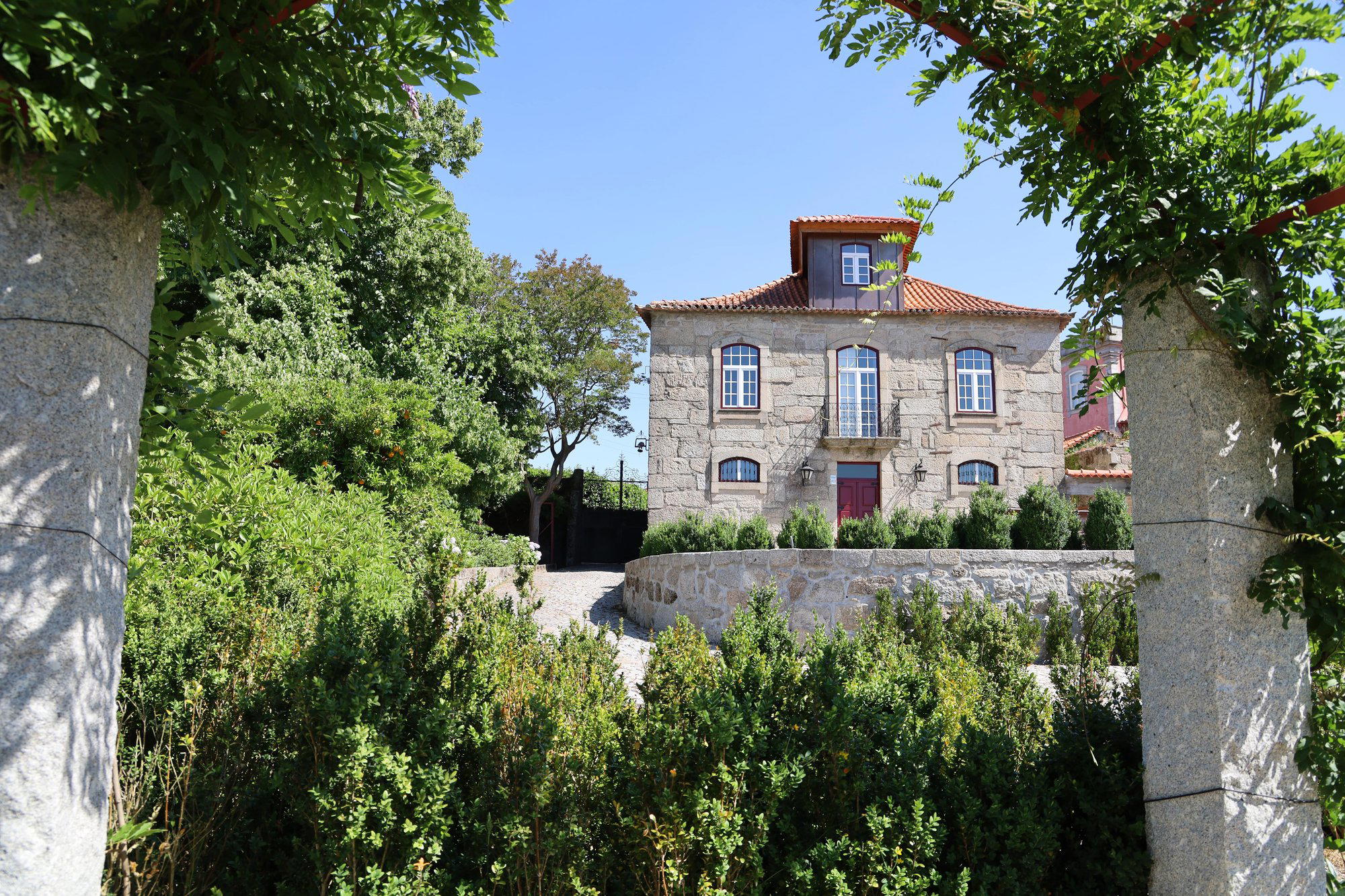
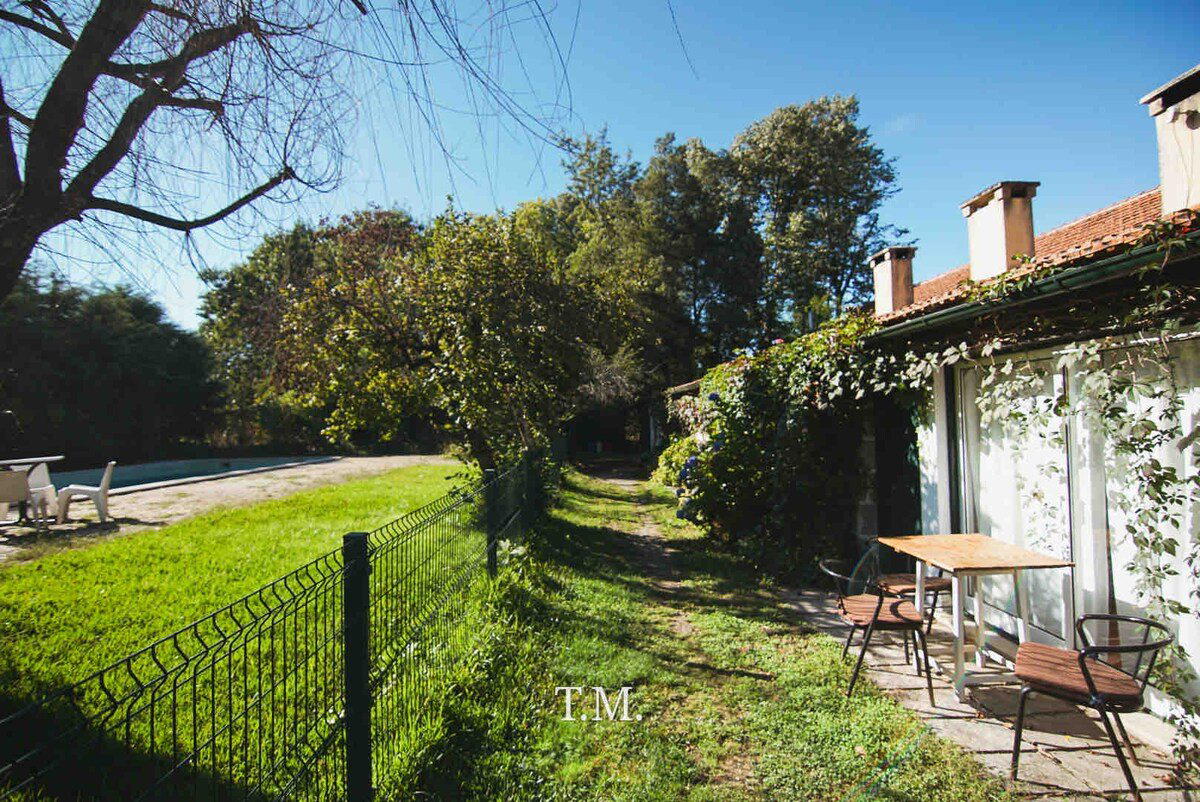
Rustic and cozy atmosphere in a historic granite building with pleasant terrace seating in summer.