Mulas
Our verdict
Mulas sits on Corrales Road in one of New Mexico's most quietly serious agricultural villages, where the Rio Grande bosque and centuries of acequia farming shape what ends up on local tables. The address alone signals an orientation toward the land rather than the city grid. For diners tracking the Southwest's farm-anchored restaurant movement, Corrales is a reference point worth knowing.

Pearl is the En Primeur Club membership app — saves, bookings, and concierge access live there. Same editors, same standards.
- Address
- 4908 Corrales Rd, Corrales, NM 87048
- Phone
- (505) 548-8084
- Website
- mulasnm.com
- Directions
- Get directions
- Booking
- Book on OpenTable
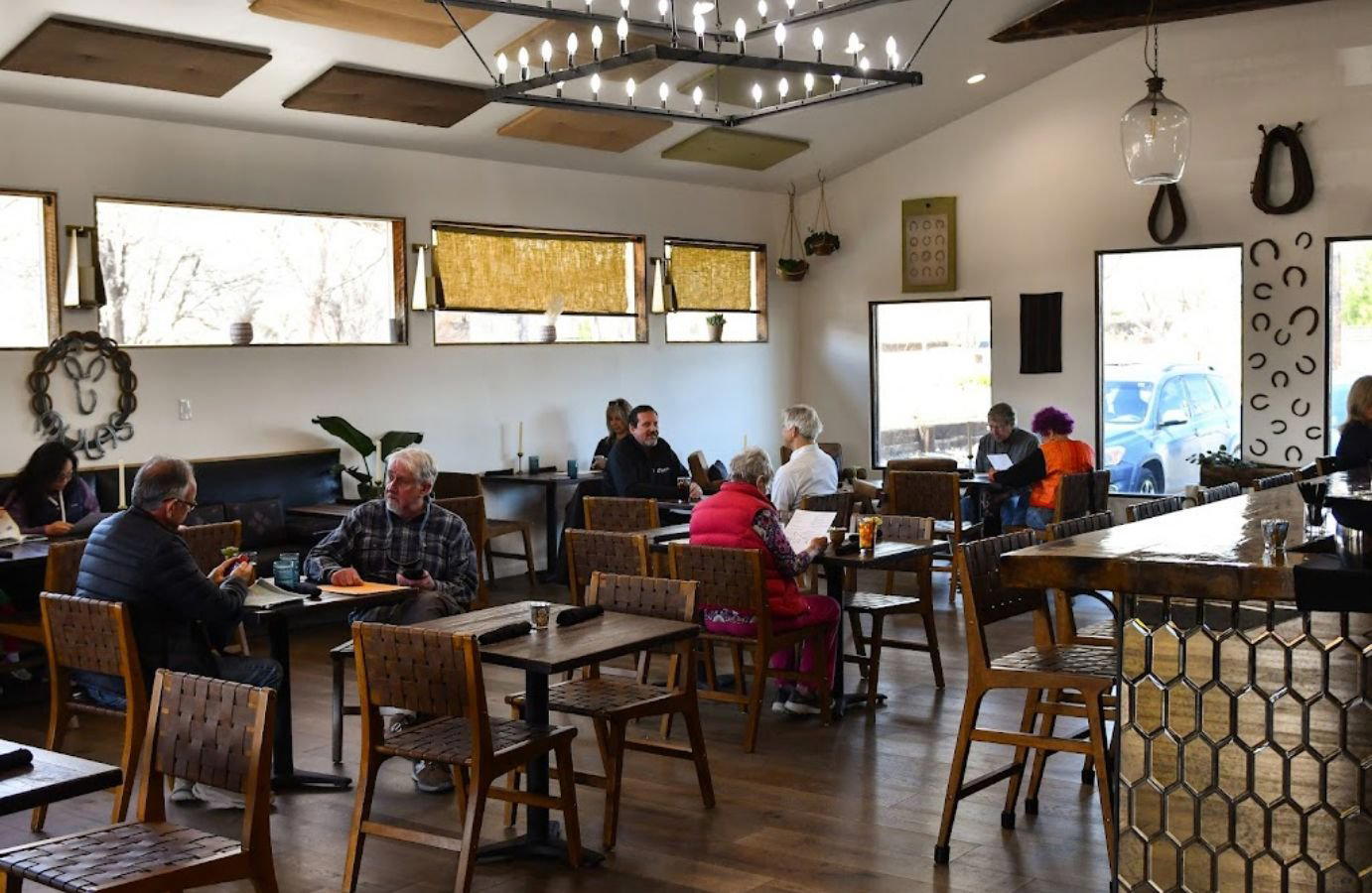
The menu
What to order
- Paella
- Pork Belly
- Green Chile Risotto Croquetas
Corrales Road runs north through a village that most Albuquerque residents treat as a Sunday drive destination, not a dining address. The cottonwood canopy along the bosque thickens in autumn into something copper and dense, and the irrigation ditches — the acequias that have watered this stretch of the Rio Grande valley since Spanish colonial settlement — still function as working infrastructure for the farms that line the road. Arriving at 4908 Corrales Rd, the context matters: this is agricultural New Mexico, not urban New Mexico, and the difference shapes what a restaurant here can credibly be.
The Southwest's farm-to-table conversation has, over the past decade, split into two distinct registers. One is the urban version, where restaurants in Albuquerque or Santa Fe source from farms they may rarely visit, listing producer names on menus as trust signals without much deeper integration. The other is the proximity version, where the restaurant and its sourcing geography are genuinely the same place. Corrales, with its small-scale orchards, chile fields, and kitchen gardens pressed against the Rio Grande, is one of the few addresses in New Mexico where that second register is geographically plausible. Venues like Forty Nine Forty have demonstrated that serious dining ambition can take root along this road, and the question for any Corrales addition is always how it positions itself within that local agricultural logic.
Where the Ingredients Come From, and Why That Defines the Room
The editorial angle on any Corrales restaurant begins with land, not menu. New Mexico's agricultural calendar is specific and unforgiving: green chile season runs from late August through October, stone fruit from the valley orchards peaks in July and August, and the high desert's short growing window means that a kitchen serious about local sourcing has to make commitments well before service begins. Restaurants that operate within this constraint tend to read differently from those that don't. Dishes are fewer, more seasonal, and more tied to what the surrounding farms can actually produce at a given moment.
Nationally, the most deliberate examples of this model sit at a different scale and investment level. Single Thread Farm in Healdsburg owns its own farm and integrates the harvest directly into a tasting menu format. Blue Hill at Stone Barns in Tarrytown has built its entire identity around the farm-to-kitchen relationship as a visible, guest-facing narrative. Both operate at price points and with infrastructure that most regional restaurants cannot replicate. What Corrales offers instead is a more vernacular version of the same orientation: the farms are there, the growing traditions are there, and the question is whether a given kitchen chooses to engage with them seriously.
The chile, in particular, functions as a culinary reference point that no serious New Mexico restaurant can avoid addressing. Hatch and Corrales-area growers produce green and red chile that carries genuine regional specificity, the terroir argument that Southwestern chefs have been making with increasing confidence to a national audience. How a kitchen handles that ingredient, whether roasted in-house, sourced fresh in season, or treated as a year-round convenience product, tells you almost everything about its sourcing commitments.
The Corrales Context: A Village Dining Scene That Operates on Its Own Terms
Corrales is not a dining destination in the way that Santa Fe's Canyon Road or Albuquerque's Nob Hill are dining destinations. It draws intentionally, from people who know it's there, and it rewards that intentionality with a pace and character that urban dining rooms rarely sustain. The village has a permanent population under 10,000, sits officially in Sandoval County, and has resisted incorporation into Albuquerque's urban sprawl with a consistency that has preserved both its agricultural land base and its unhurried character.
For diners comparing options across the Mountain West, the frame of reference shifts at this level. Brutø in Denver and Frasca Food and Wine in Boulder both represent serious regional dining with strong sourcing ethics, but they operate inside dense urban grids with corresponding urban energy. Corrales operates at a different register entirely. The bosque light, the working farms visible from the road, and the village's agricultural self-identity create conditions that a kitchen in Denver or Boulder simply cannot reproduce by design.
That quietness is the venue's primary atmospheric credential. Dining here is not about urban momentum or scene-making. It is about a specific place, a specific season, and a specific relationship between kitchen and land. Nationally recognized rooms like The French Laundry in Napa or Alinea in Chicago operate at a scale of ambition and investment that sits in a different category entirely. Corrales restaurants speak to a different reader: one who values place-specificity over production value, and who understands that a well-sourced green chile dish in a village dining room along the Rio Grande carries its own kind of authority.
For full context on dining options across the village, see our full Corrales restaurants guide. Diners tracking farm-anchored programs across the broader Southwest may also find useful reference points in Addison in San Diego, Providence in Los Angeles, and Bacchanalia in Atlanta, each of which has built a sustained identity around regional sourcing within a different geographic context. At the opposite end of the format spectrum, Lazy Bear in San Francisco, Atomix in New York City, and Le Bernardin in New York City illustrate what a fully resourced, nationally benchmarked kitchen looks like when it commits to a sourcing identity at scale.
Planning a Visit
Mulas is located at 4908 Corrales Rd, Corrales, NM 87048. Corrales sits roughly 12 miles north of downtown Albuquerque and is most directly reached via Corrales Road from the south or from Alameda Boulevard to the east. The village has limited parking infrastructure by design, and Corrales Road itself is a two-lane rural road, so arriving with time to spare and without urban-speed expectations serves the visit well.
Frequently asked questions
Is Mulas child-friendly?
Corrales draws a multigenerational crowd, especially on weekends when families combine bosque trail visits with a meal in the village. Mulas is located at 4908 Corrales Rd, placing it squarely within this unhurried, family-oriented stretch of the village.
What should I expect atmosphere-wise at Mulas?
Corrales restaurants occupy a distinct register: slower-paced, oriented toward the agricultural character of the surrounding land, and removed from the urban density of Albuquerque's dining corridors roughly 12 miles to the south. Mulas at 4908 Corrales Rd sits within that same village grain — expect a room that reflects the pace of the community rather than the polish of a Santa Fe tourist corridor.
How does Mulas compare to other dining options in the Corrales and greater Albuquerque area?
Corrales occupies a specific niche in New Mexico's dining geography: it sits between Albuquerque's urban restaurant density and Santa Fe's heavily tourist-oriented scene, drawing guests who make a deliberate trip rather than stumbling in. Mulas at 4908 Corrales Rd is part of a village dining culture that operates on its own calendar and priorities, shaped by the agricultural rhythms of the Rio Grande valley rather than metropolitan trends.
What should I order at Mulas?
What the Corrales agricultural context reliably points toward is green chile, locally sourced produce tied to New Mexico's specific growing calendar, and preparations that reflect the land-adjacent character of the village. Checking directly with the restaurant before visiting will give you the most current picture of what's on.
What part of town is Mulas in?
Mulas is located at 4908 Corrales Rd, Corrales, NM 87048, Corrales.
Quick Comparison
Comparable venues nearby, for context on price, style, and recognition.
| Venue | Cuisine | Price | Awards | Notes |
|---|---|---|---|---|
| MulasThis venue — the venue you are viewing | New Mexican-Spanish Fusion | $30–50 | Not listed | Not listed |
| Forty Nine Forty | Elevated American | $50–100 | Not listed | Corrales |
| Herencia | Authentic Regional Mexican | $30–50 | Not listed | Northeast Heights |
| Escondido | Coastal & Northern Mexican Fusion | $50–100 | James Beard Award Semi Finalist | Santa Fe |
| Barelas Coffee House | Traditional New Mexican | $10–20 | Not listed | Barelas |
| El Patio De Albuquerque | Traditional New Mexican | $20–30 | Not listed | University Heights |
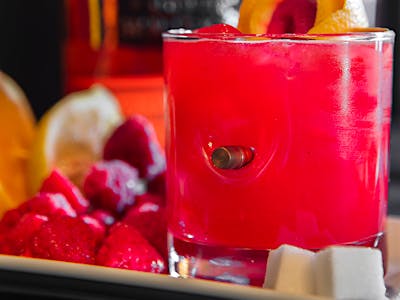
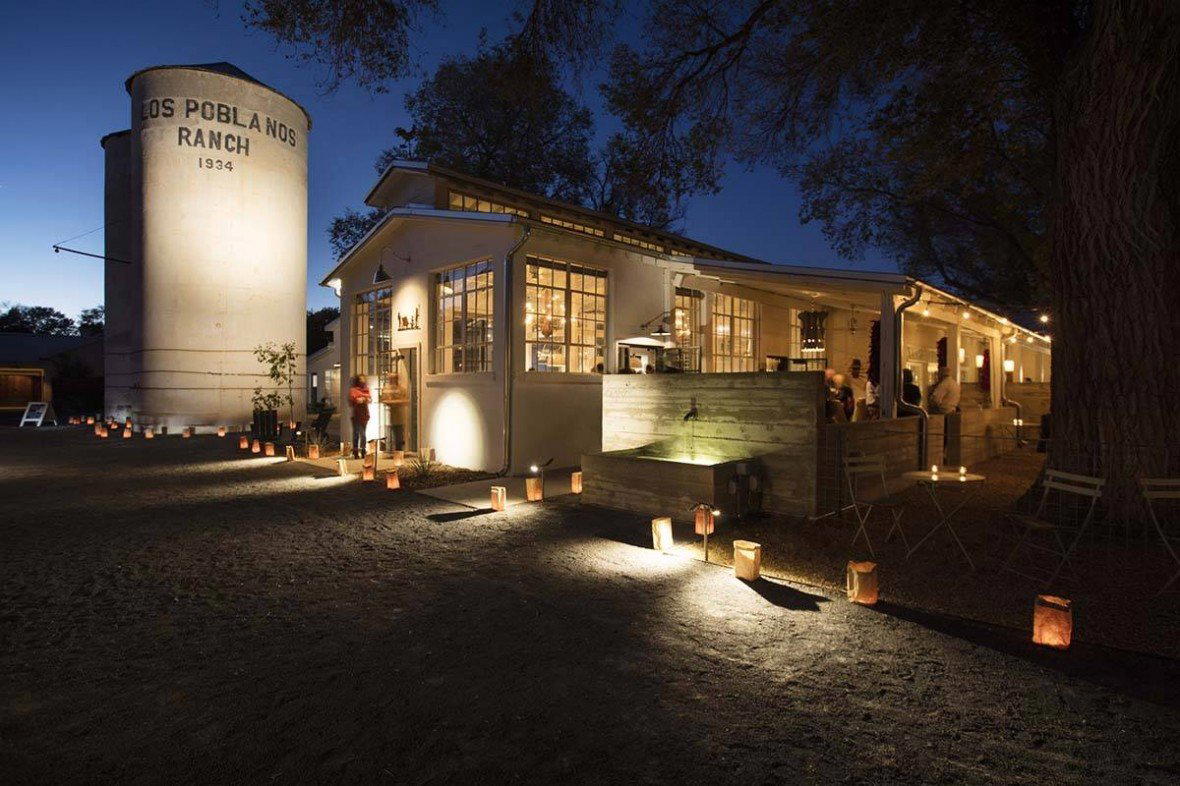
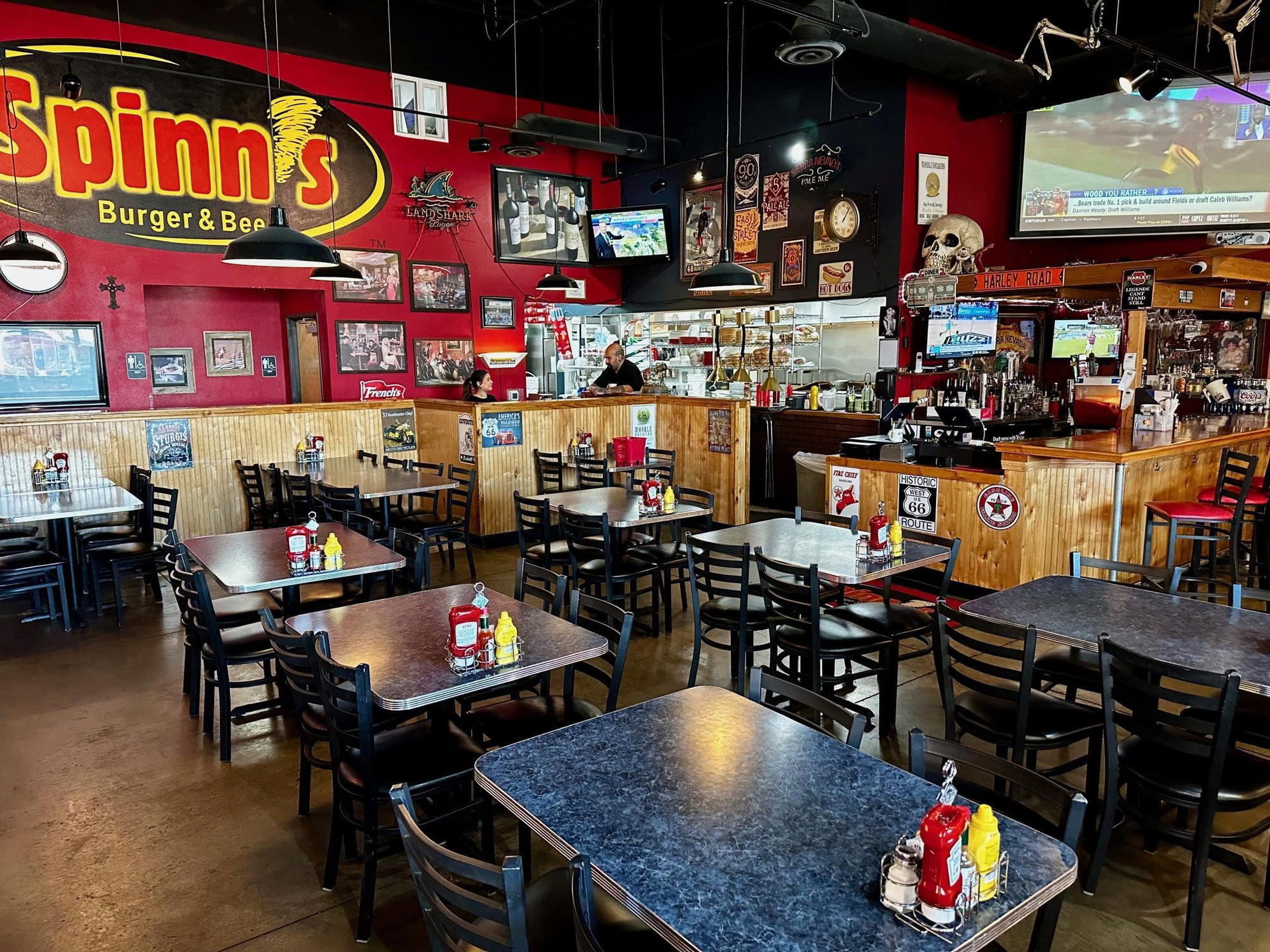
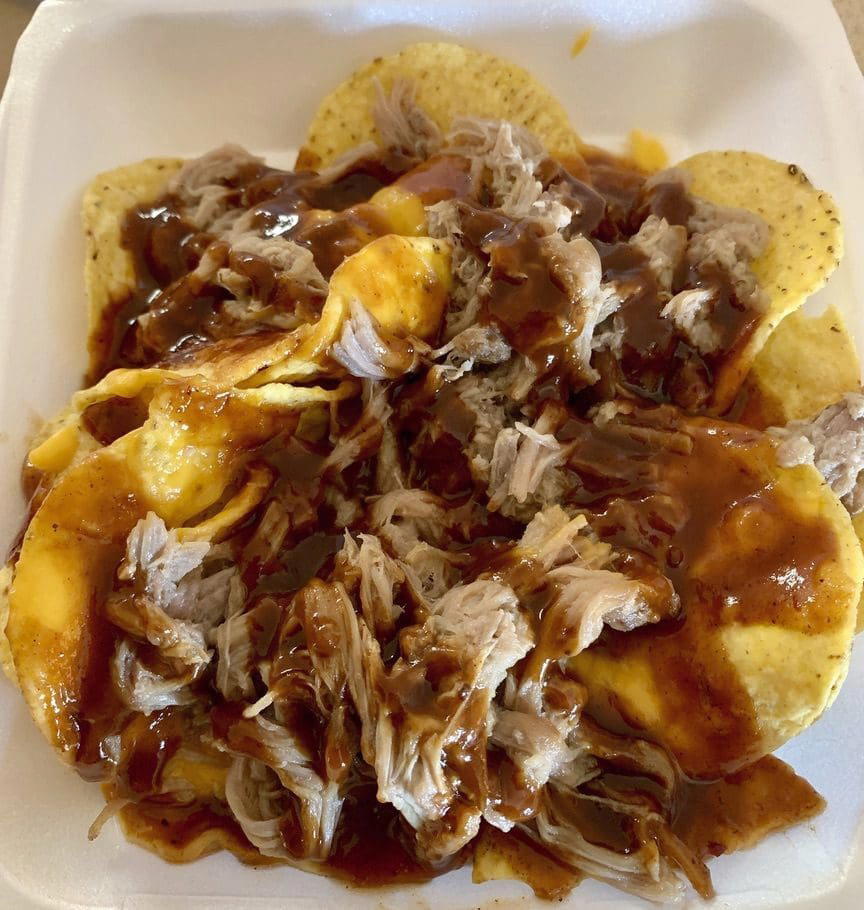
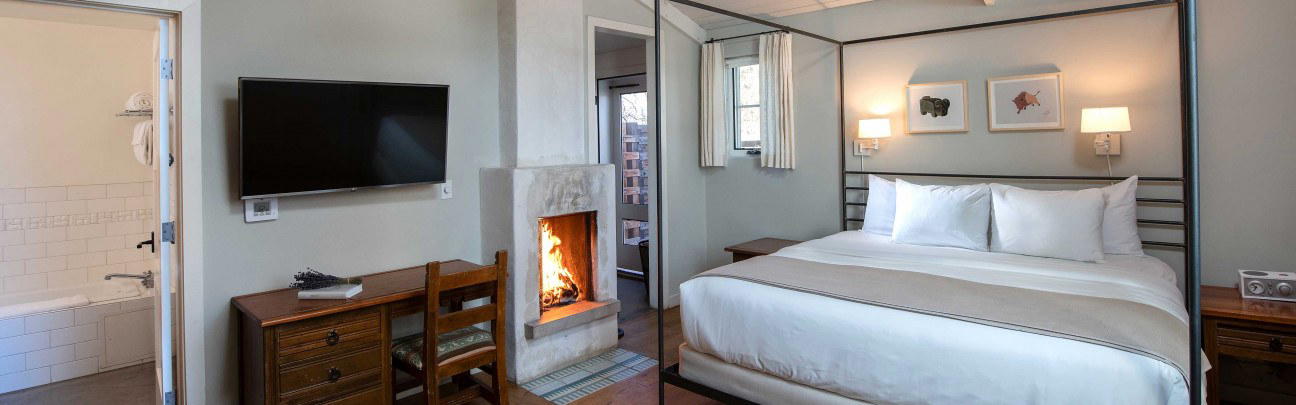
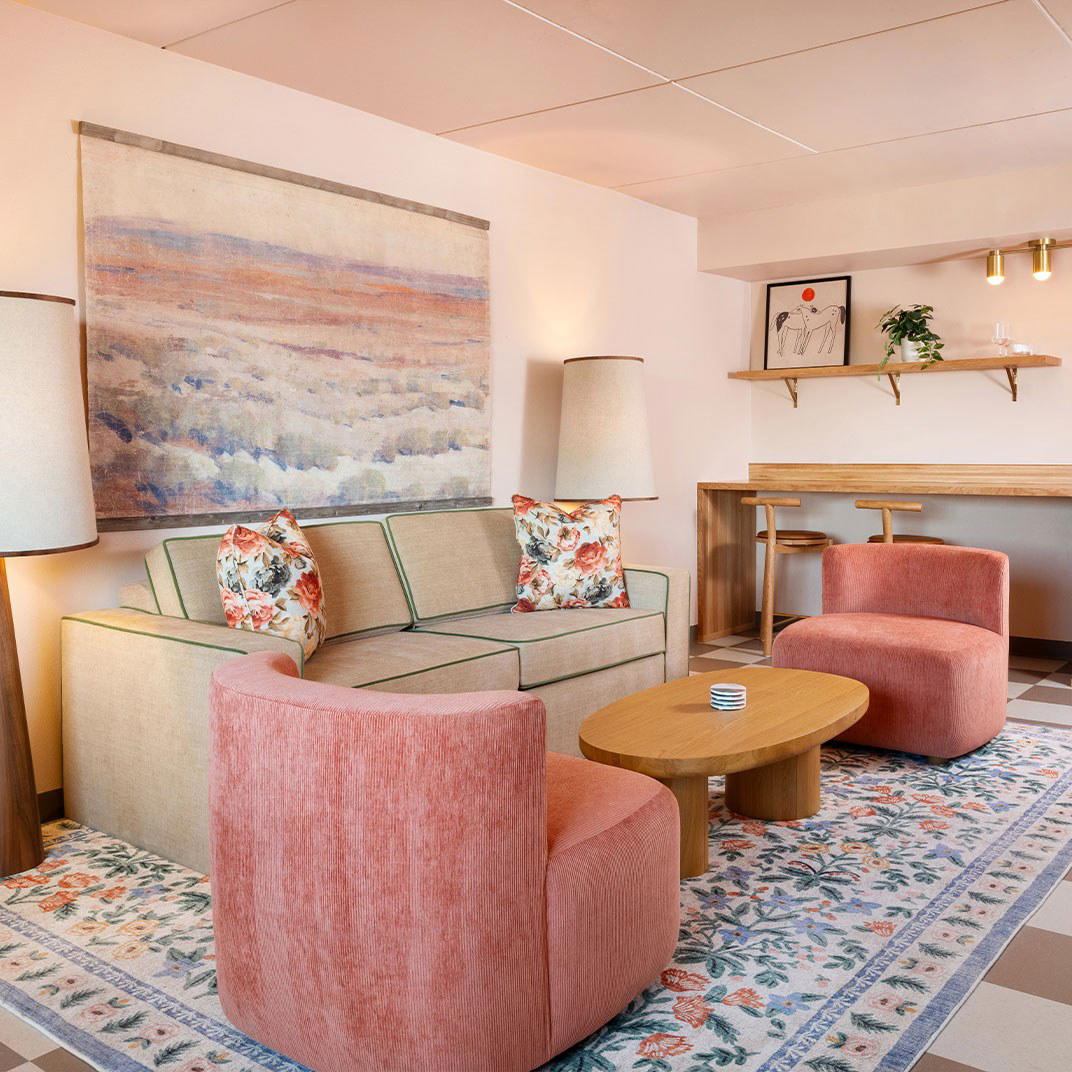
Mulas
The wine
- Wine program
- Curated wine list
- Extensive wine list
- Craft cocktails
Details
- Rustic
- Cozy
- Casual Hangout
- Brunch
- Terrace
- Extensive Wine List
- Craft Cocktails
- Local Sourcing
- A La Carte
- Small Plates
- Margaritas
- Mules
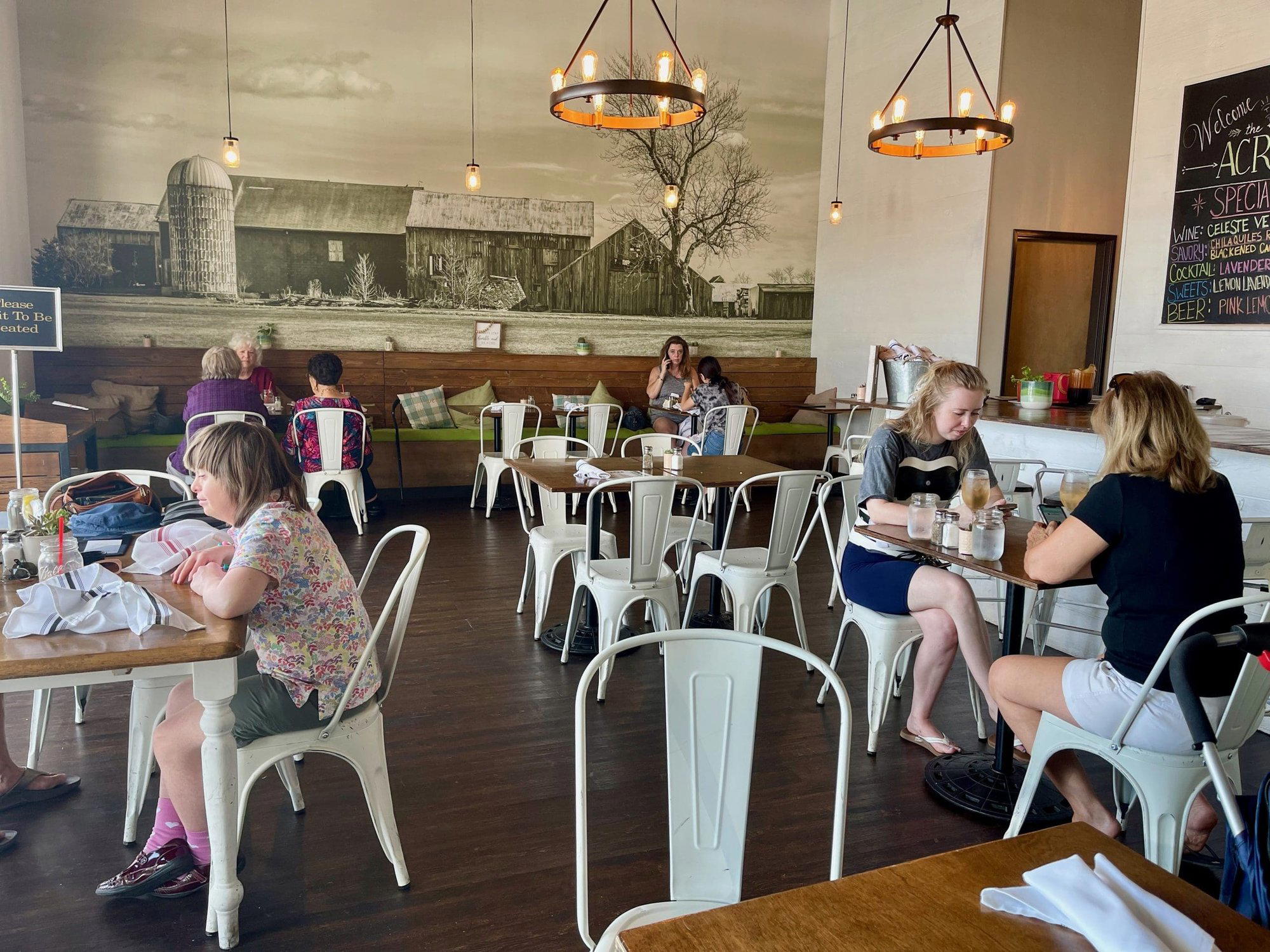
Casual atmosphere with friendly service and great outdoor patio seating.