Mughal The Biryani House
Our verdict
Biryani in the American suburbs rarely signals serious intent, but Mughal The Biryani House on West Touhy Avenue positions itself squarely around a dish with deep Mughal-era lineage. Park Ridge's Indian dining options are limited, making this a reference point for the north suburban Chicago corridor. The address alone draws diners from across the Northwest Side.

Pearl is the En Primeur Club membership app, where members save venues, book tables and use the concierge.
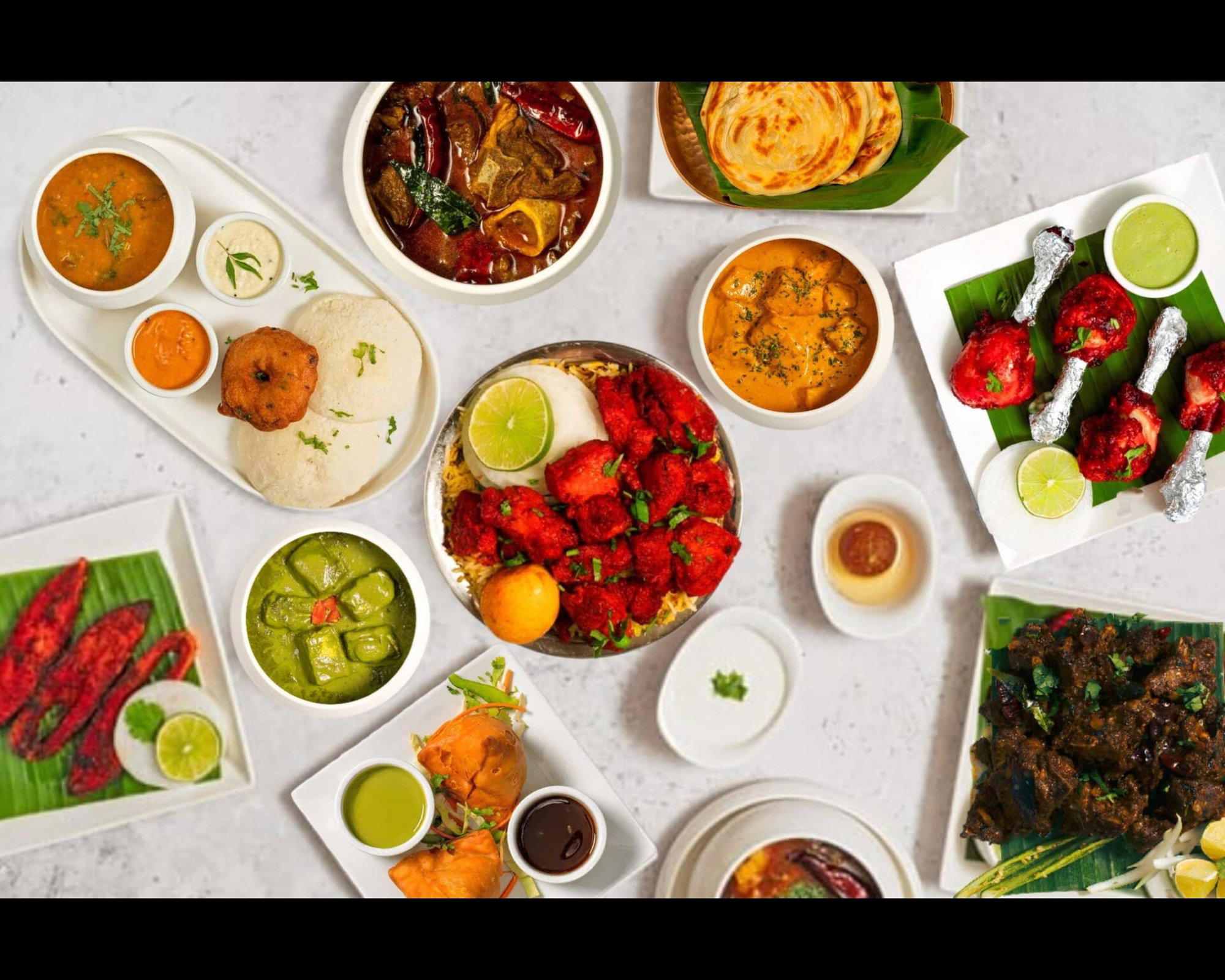
The menu
What to order
- Hyderabadi Chicken Dum Biryani
- Butter Chicken
- Paneer Tikka
- Chicken 65 Biryani
- Masala Dosa
- Lamb Curry
Where the Suburbs Take Biryani Seriously
West Touhy Avenue in Park Ridge does not look like a corridor built for culinary specificity. The strip is utilitarian, a working-class commercial stretch that serves the everyday needs of a quiet Illinois suburb northwest of Chicago. But specificity in dining rarely announces itself with fanfare. Mughal The Biryani House, at 510 W Touhy Ave, occupies this kind of space, the sort of address where a kitchen focused tightly on one dish tradition can build a following without the overhead of a high-visibility location. In Chicago's North Shore suburbs, that model has precedent: the most reliable Indian kitchens in the outer ring tend to operate in strip malls and low-rent corridors, trading foot traffic for the freedom to source deliberately and cook without the pressure of a tourist-facing room.
Biryani as a Culinary Tradition, Not a Menu Item
To understand what a biryani-focused restaurant is doing when it names itself after the Mughal empire, it helps to understand the dish's lineage. Biryani is not a single recipe. It is a family of preparations with distinct regional identities, Hyderabadi dum biryani, where raw marinated meat and parcooked rice are sealed together and finished over low heat; Lucknowi biryani, where the meat is pre-cooked before layering; Kolkata biryani, which historically included potato from the period when Nawab Wajid Ali Shah brought the dish from Awadh. The Mughal reference in the restaurant's name points to the northern Indian, particularly Awadhi and Mughal court, tradition, a lineage that prioritizes layered aromatics, long-marination proteins, and the technique of dum (slow-steam cooking) over speed or simplification.
In the American suburb, that tradition faces pressure. Sourcing saffron, long-grain aged basmati, high-quality whole spices, and properly marinated proteins at a price point that works in a modest dining room requires real discipline. The restaurants in this tier that maintain quality tend to do so by narrowing the menu, fewer dishes, more precise execution, rather than offering the sprawling Indian-American format that tries to cover every region simultaneously. A name like Mughal The Biryani House signals that narrowing.
Ingredient Sourcing in a Dish That Demands It
Biryani is among the most ingredient-sensitive dishes in South Asian cooking. The quality of aged basmati rice matters more here than in most preparations, young rice breaks down during dum cooking, producing a clumped, starchy result rather than the separate, elongated grains that mark a well-executed biryani. Saffron sourcing determines whether the dish carries genuine floral fragrance or a flat, artificial approximation. Whole spices, green cardamom, mace, star anise, long pepper, lose their complexity within weeks of being ground, which is why kitchens that grind in-house produce measurably different results than those using pre-mixed masalas.
In the Chicago area, the Indian grocery infrastructure is strong enough to support serious sourcing. Devon Avenue on the Northwest Side remains the primary hub for South Asian specialty ingredients, and the proximity of Park Ridge to that corridor means that kitchens in this suburb have realistic access to imported basmati, whole spice varieties, and fresh aromatics like kewra water and rose water that define the Mughal style. Whether Mughal The Biryani House takes full advantage of that access is something diners in the area are positioned to assess directly.
Park Ridge's Indian Dining Context
Park Ridge is not a deep market for Indian food. The suburb skews toward Italian-American and mainstream American dining, which reflects its demographic history. Nonna Silvia's Trattoria & Pizzeria and Pennyville Station represent the dominant dining register in this suburb, neighborhood-rooted, comfort-forward, and squarely positioned for a local clientele. Against that backdrop, a specialized South Asian kitchen like Mughal The Biryani House or Thalaiva's Indian Kitchen is serving a different purpose: providing a degree of cuisine specificity that the suburb's dining scene otherwise lacks.
That position carries both advantage and constraint. The advantage is low direct competition within the immediate market. The constraint is that drawing Indian food-literate diners from the city or from the denser Indian dining corridors further north (Schaumburg, Skokie, Niles) requires a quality threshold that casual suburban Indian kitchens rarely meet. Biryani specialists who survive in these markets tend to do so by excelling at the one thing their name promises.
For broader context on the suburb's full dining picture, our full Park Ridge restaurants guide maps the range of options across cuisine types and price tiers.
Where This Fits in the Wider American Indian Dining Scene
American Indian dining has been moving in two directions simultaneously. On one end, high-concept Indian restaurants in major cities have pushed toward tasting-menu formats and fine-dining recognition, a trend visible in New York, Chicago, and Los Angeles. On the other end, specialist casual kitchens focused on a single regional tradition or dish category have grown in credibility, particularly as Indian-American communities have become more demanding about authenticity and technique.
Biryani-specialist concepts belong to that second movement. They occupy a different competitive tier than destination restaurants like Alinea in Chicago or multi-course experiential formats like Lazy Bear in San Francisco, Le Bernardin in New York City, or farm-to-table operations like Blue Hill at Stone Barns in Tarrytown and Single Thread Farm in Healdsburg.
That specialist model has proven durable. Comparable formats can be found in Houston's Mahatma Gandhi District, the Edison-Iselin corridor in New Jersey, and Chicago's own Devon Avenue. The question for any suburban outpost is whether it can sustain ingredient discipline and technique consistency without the competitive pressure that a denser market provides.
Planning Your Visit
510 W Touhy Ave is accessible from the western edge of Park Ridge, close enough to O'Hare Airport that it sits within reasonable distance for travelers with time between connections or for North Shore residents who do not want to go into the city for quality South Asian cooking. Parking on this stretch of Touhy is generally direct, which is a practical advantage over comparable kitchens on Devon Avenue, where street parking is competitive.
For diners accustomed to the reference points of serious American restaurant culture, whether that's the sourcing-first ethos of Bacchanalia in Atlanta, the precision of Atomix in New York City, or the produce-led focus of Providence in Los Angeles, the frame of reference for Mughal The Biryani House is entirely different. This is not a destination in the destination-dining sense. It is a neighborhood specialist, evaluated on the terms of its own category: the honesty of the spice work, the integrity of the rice, and the depth of flavor that only dum technique and proper marination can produce.
Frequently asked questions
Where exactly is Mughal The Biryani House?
Mughal The Biryani House is located at 510 W Touhy Ave, Park Ridge, IL 60068, Park Ridge.
Is Mughal The Biryani House a practical option for travellers passing through O'Hare?
510 W Touhy Ave sits on the western edge of Park Ridge, placing it within a short drive of O'Hare International Airport. For travellers with a layover or a connection routed through the airport, it represents one of the few opportunities in that immediate corridor to eat biryani prepared within a Mughal culinary framework rather than as an incidental menu item at a generalist Indian restaurant.
What should I order at Mughal The Biryani House?
The name answers the question. Biryani is the kitchen's declared speciality, and in the Mughal culinary tradition that means layered rice preparations built around aged basmati and slow-cooked proteins. At a restaurant that centres its entire identity on a single dish category, the biryani is the correct starting point regardless of what else appears on the menu.
How far ahead should I plan for Mughal The Biryani House?
Mughal The Biryani House is located at 510 W Touhy Ave in Park Ridge, a suburb where Indian dining options are limited relative to the broader Chicago metro. That context works in the visitor's favour: this is not a reservation-pressure situation comparable to downtown Chicago destinations, but confirming hours directly before visiting is sensible given the venue's focused format.
Comparable Spots, Quickly
Comparable venues nearby, for context on price, style, and recognition.
| Venue | Cuisine | Price | Notes |
|---|---|---|---|
| Mughal The Biryani HouseThis venue (the venue you are viewing) | Authentic Indian Biryani | $20–30 | Not listed |
| Nonna Silvia's Trattoria & Pizzeria | Authentic Central Italian Trattoria | $20–30 | Park Ridge |
| Pennyville Station | New American Farm-to-Table | $30–50 | Downtown Park Ridge |
| Thalaiva's Indian Kitchen | Authentic Kongunadu South Indian | $20–30 | downtown Park Ridge |
| Kama Bistro | Modern Indian Bistro | $20–30 | downtown La Grange |
| Casa Naranja | other | Not listed | Chicago |
Continue exploring
More in Park Ridge
Restaurants in Park Ridge
All restaurants in Park Ridge →

Details
- Casual
- Cozy
- Family
- Group Dining
- Casual Hangout
- Special Occasion
- Standalone
- Beer Program
- Byob
- A La Carte
- Family Style
- Mango Lassi
- Indian Masala Tea
- Indian Beers
- Signature Cocktails
- Vegetarian Friendly
- Vegan Options
- Gluten Free Options
- Allergy Accommodating
Current opening hours
- Monday
- 12–4 PM, 5 PM–12 AM
- Tuesday
- 5–8 PM
- Wednesday
- 12–4 PM, 5 PM–12 AM
- Thursday
- 12–4 PM, 5 PM–12 AM
- Friday
- 12–4 PM, 5 PM–12 AM
- Saturday
- 12–4 PM, 5 PM–12 AM
- Sunday
- 5 PM–12 AM
Hours can change for holidays and private events. Hours as of .
Welcoming and casual dining atmosphere with attentive service, suitable for family gatherings and special occasions.