Le Mucha

Le Mucha holds consecutive Michelin Plate recognition (2024 and 2025), placing it among the reliable classic-cuisine addresses in Woluwe-Saint-Pierre. Priced at the €€ tier, it offers a significantly lower entry point than most Michelin-acknowledged tables in the Brussels communes. The address is Avenue Jules du Jardin 23, 1150 Woluwe-Saint-Pierre.
Pearl is the En Primeur Club membership app — saves, bookings, and concierge access live there. Same editors, same standards.
- Address
- Av. Jules du Jardin 23, 1150 Woluwe-Saint-Pierre, Belgium
- Phone
- +32 2 770 24 14
- Website
- lemucha.be
- Directions
- Get directions
 Saves & bookings on Pearl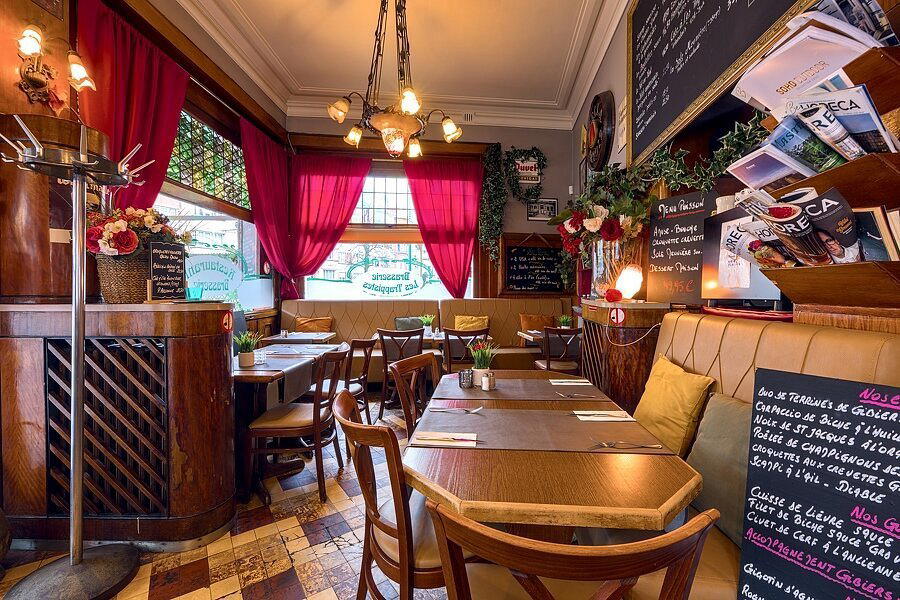
Classic French Cooking in a Quiet Brussels Commune
Woluwe-Saint-Pierre sits at the quieter, residential end of the Brussels eastern communes, a neighbourhood where the pace slows and the dining culture reflects that temperament. The avenue Jules du Jardin address where Le Mucha operates is precisely that kind of setting: tree-lined, unhurried, more concerned with reliability than spectacle. In a city where the fine-dining conversation gravitates toward the centre and the grander brasseries of Ixelles or Saint-Gilles, the commune's handful of Michelin-recognised tables occupy a distinct niche, serving a local clientele that values consistency over novelty.
That residential character shapes what classic cuisine means in this context. Across Belgium, the tradition of cuisine classique draws directly from the French canon while absorbing local ingredient priorities: North Sea fish, game from the Ardennes, seasonal vegetables from market gardens that still supply the Brussels communes. The format at this tier is typically a mid-length menu, technique-led without theatrical presentation, and priced to function as a neighbourhood anchor rather than a destination occasion. Le Mucha occupies exactly that position.
Michelin Plate Recognition and What It Signals
The Michelin Plate, awarded in both 2024 and 2025, is the guide's marker for kitchens producing food worth seeking out: good ingredients, competent preparation, a kitchen operating with discipline. It sits below the starred tiers but above the anonymous mass of listed restaurants. Consecutive Plate recognition across two editions is a signal of consistency rather than a single good year, which in classic cuisine is arguably the more meaningful credential. A kitchen that holds its standard across a 12-month cycle in a price-sensitive neighbourhood is demonstrating something more durable than a single exceptional service.
At the €€ price tier, Le Mucha is among the more accessible Michelin-recognised addresses in the Brussels area. For context, Sanzaru, also in Woluwe-Saint-Pierre, operates at the €€€ tier with a modern cuisine format, while Menssa sits at €€€€ with a creative approach. Le Mucha's positioning within the commune is therefore as the mid-tier, classically grounded option, a different proposition from both of those neighbours.
The Cultural Weight of Classic Cuisine
Belgium occupies an interesting position in the European classic cuisine conversation. Historically, the country absorbed the French culinary tradition through proximity and language, particularly in the Francophone south and in Brussels itself, but it developed a distinct register that emphasises ingredient quality and portion generosity over Parisian minimalism. The great Belgian tables of the postwar era, particularly in Wallonia and the Flemish countryside, built reputations on this combination of French technique and local material abundance.
That tradition remains active. Nationally, restaurants like Hof van Cleve in Kruishoutem, Boury in Roeselare, and Zilte in Antwerp represent the haute end of that lineage. Coastal tables such as Willem Hiele in Oudenburg and Bartholomeus in Heist bring a different regional character. In the Walloon tradition, addresses like d'Eugénie à Emilie in Baudour and L'Eau Vive in Arbre represent the quieter, regionally rooted end of the same tradition.
Le Mucha belongs to none of those destination tiers, but it participates in the same cultural inheritance. Classic cuisine at the neighbourhood level is where that tradition is actually sustained: not in headline restaurants but in the weekly rhythm of local tables serving the same families across years and decades. That continuity is its own form of cultural significance.
For comparison outside Belgium, the classic cuisine format at this price and recognition tier has direct parallels at addresses like Maison Rostang in Paris and KOMU in Munich, where Michelin recognition and accessible pricing coexist in a neighbourhood rather than destination context. Closer to Brussels, Bozar Restaurant in the city centre represents a different scale of classic-leaning cooking, with a grander setting and a broader audience.
The Italian Complement Nearby
One practical note for visitors using Le Mucha as an anchor for an evening in the commune: Bottega Vannini, also at the €€ tier, offers an Italian alternative within the same neighbourhood. The two tables share a price point but represent distinct culinary traditions, which makes them complementary options rather than direct competitors when planning across multiple visits.
Planning a Visit
Le Mucha is located at Avenue Jules du Jardin 23 in Woluwe-Saint-Pierre, reachable from central Brussels by the eastern metro lines or by car through the commune's main avenues. The €€ pricing makes it viable as a weekday dinner option rather than a special-occasion destination, which aligns with how Michelin Plate tables at this tier tend to function in residential Brussels. Booking in advance is advisable given the limited scale of neighbourhood restaurants at this recognition level; a table at a Michelin Plate address in a quiet commune fills more quickly than the setting might suggest.
For a broader picture of what the area offers, the full Woluwe-Saint-Pierre restaurants guide covers the range of options across cuisine types and price tiers. The commune also has its own character in terms of accommodation and leisure, covered in the hotels guide, bars guide, wineries guide, and experiences guide.
Cost Snapshot
| Venue | Cuisine | Price | Awards |
|---|---|---|---|
| Le MuchaThis venue — the venue you are viewing | Classic Cuisine | €€ | Michelin Plate (2025); Michelin Plate (2024) |
| Menssa | Creative | €€€€ | Michelin 1 Star |
| Bottega Vannini | Not listed | €€ | Italian, €€ |
| Sanzaru | Not listed | €€€ | Modern Cuisine, €€€ |
Recognition history
Dated appearances from independent guides and award organizations, with the underlying list record or original source where available.
Michelin Plate
Michelin
Michelin Plate
Michelin
Michelin Plate
Michelin
Continue exploring
More in Woluwe-Saint-Pierre
Restaurants in Woluwe-Saint-Pierre
Browse all →
Bars in Woluwe-Saint-Pierre
Browse all →
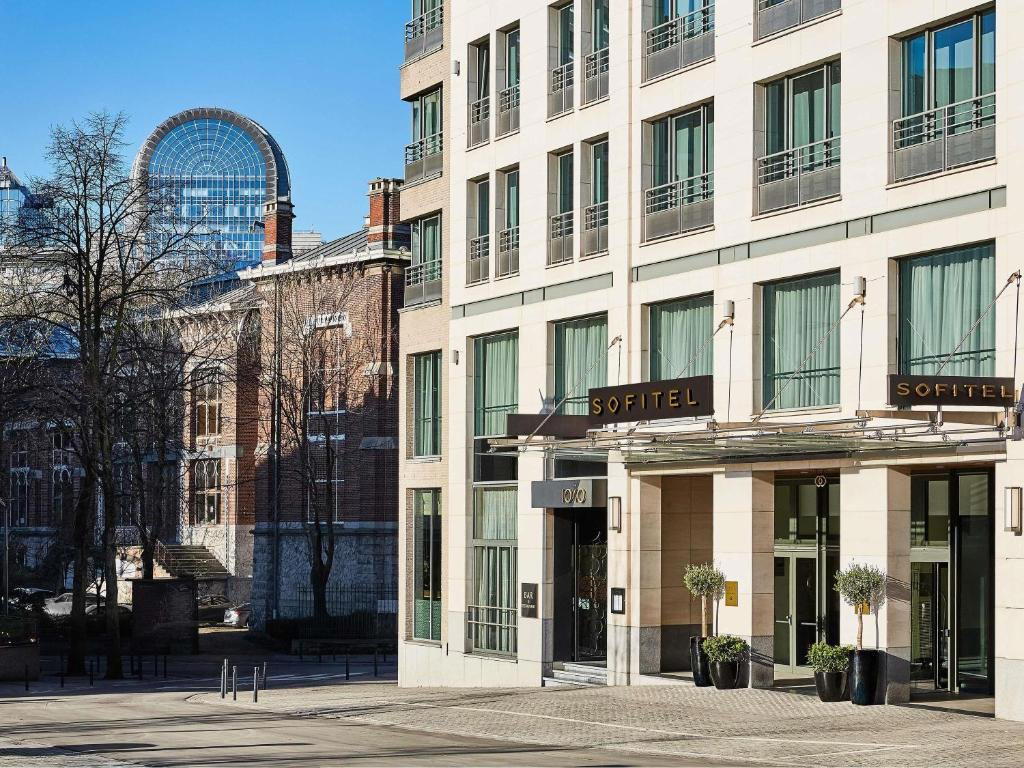
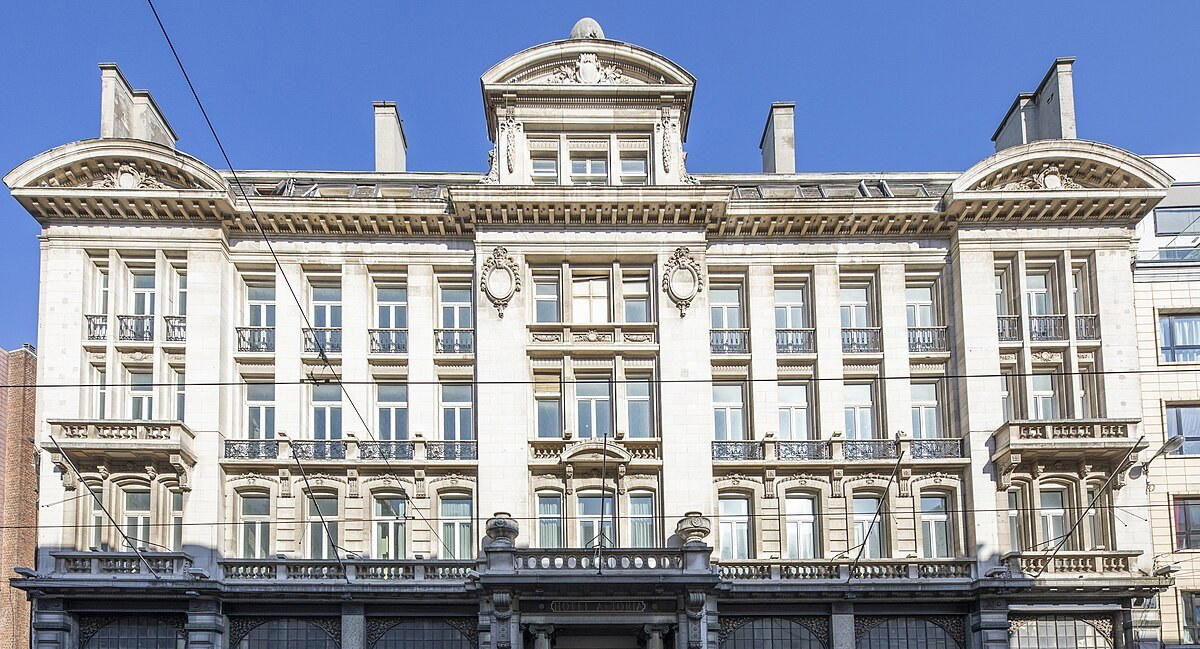
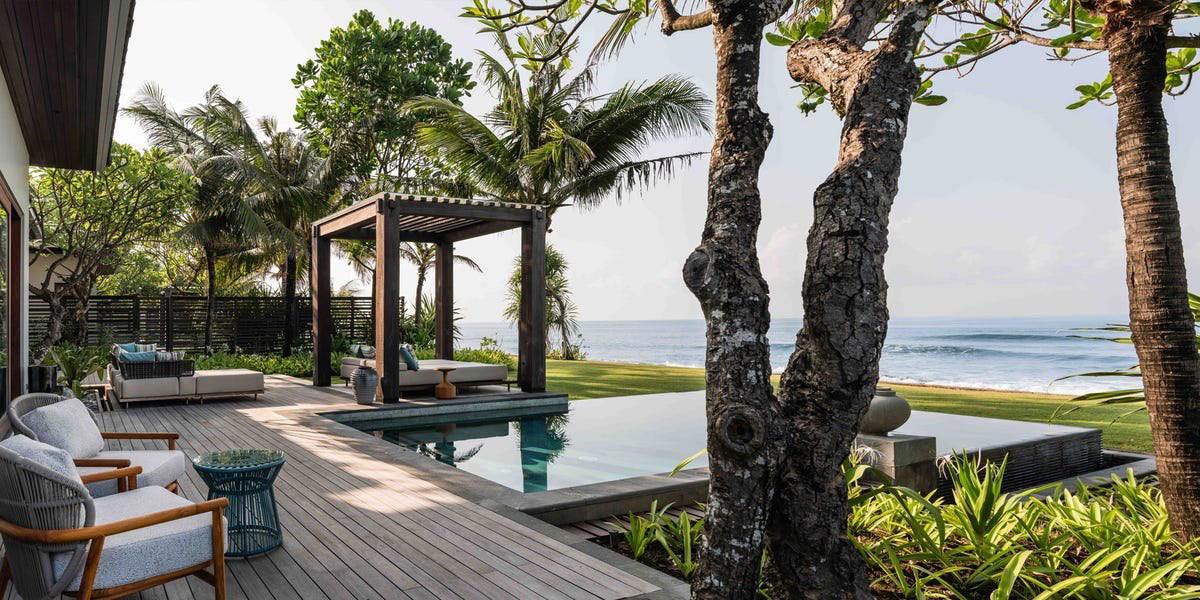
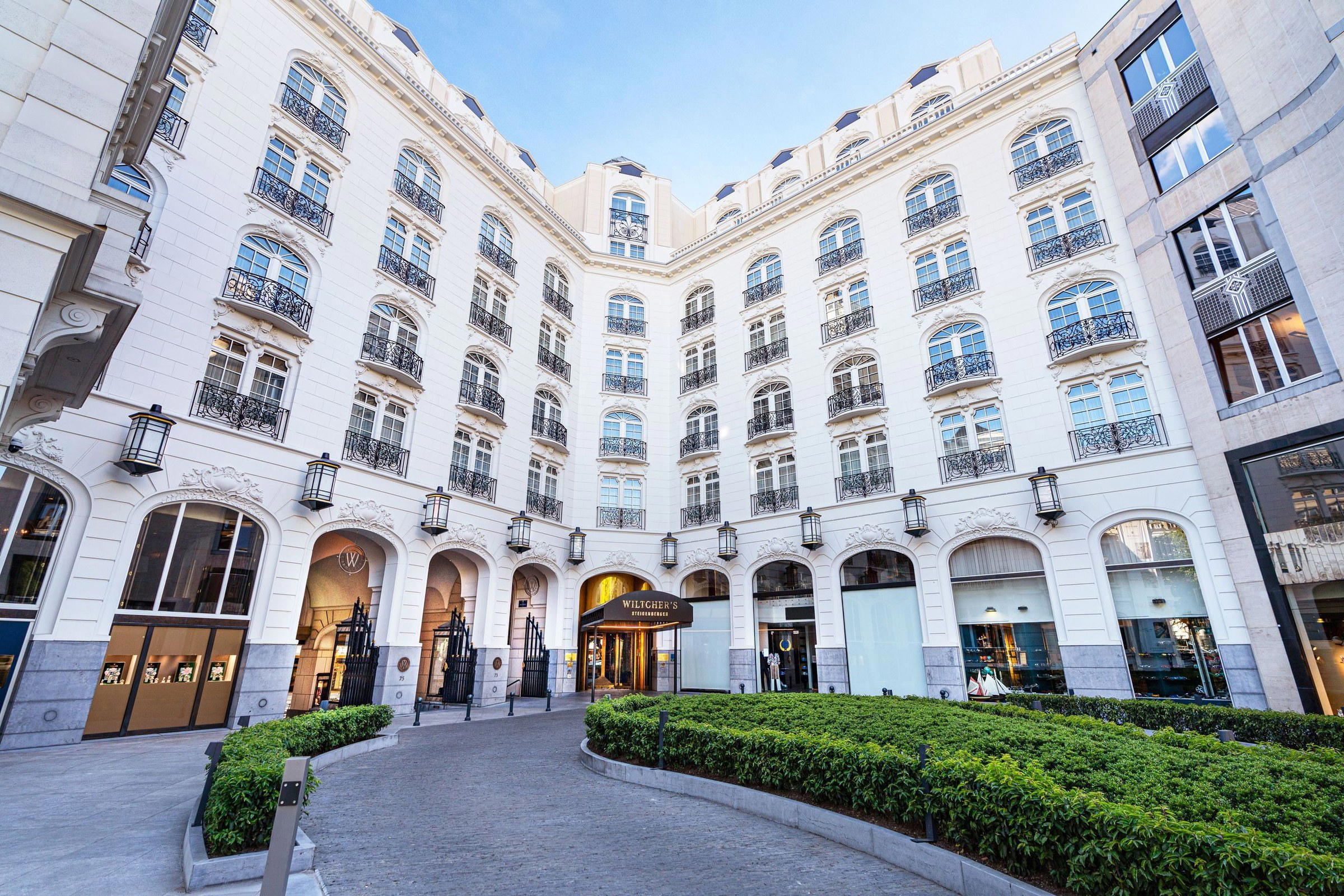
Hotels in Woluwe-Saint-Pierre
Browse all →
Wineries in Woluwe-Saint-Pierre
Browse all →
At a Glance
- Cozy
- Elegant
- Classic
- Intimate
- Date Night
- Family
- Business Dinner
- Terrace
- Live Music
- Extensive Wine List
- Local Sourcing
- Garden
Current opening hours
- Monday
- Closed
- Tuesday
- 12–1:30 PM, 7–10 PM
- Wednesday
- 12–1:30 PM, 7–10 PM
- Thursday
- 12–1:30 PM, 7–10 PM
- Friday
- 12–1:30 PM, 7–10 PM
- Saturday
- 12–1:30 PM, 7–10 PM
- Sunday
- 12–1:30 PM
Hours can change for holidays and private events. Last verified .
Cozy and peaceful interior reminiscent of 1900s Parisian brasseries, with a beautiful covered green terrace for al fresco dining.
Know Before You Go
- Getting there
- Av. Jules du Jardin 23, 1150 Woluwe-Saint-Pierre, Belgium