Mt. Joy
Mt. Joy on Capitol Hill puts regenerative chicken at the center of a format that has quietly shifted how Seattle thinks about fast-casual sourcing. The menu anchors on fried chicken sandwiches built around birds raised through farming practices that prioritize soil health and animal welfare. It sits in a neighborhood already dense with considered eating, and it takes its supply chain as seriously as any white-tablecloth kitchen.
- Address
- Seattle, United States
- Directions
- Get directions
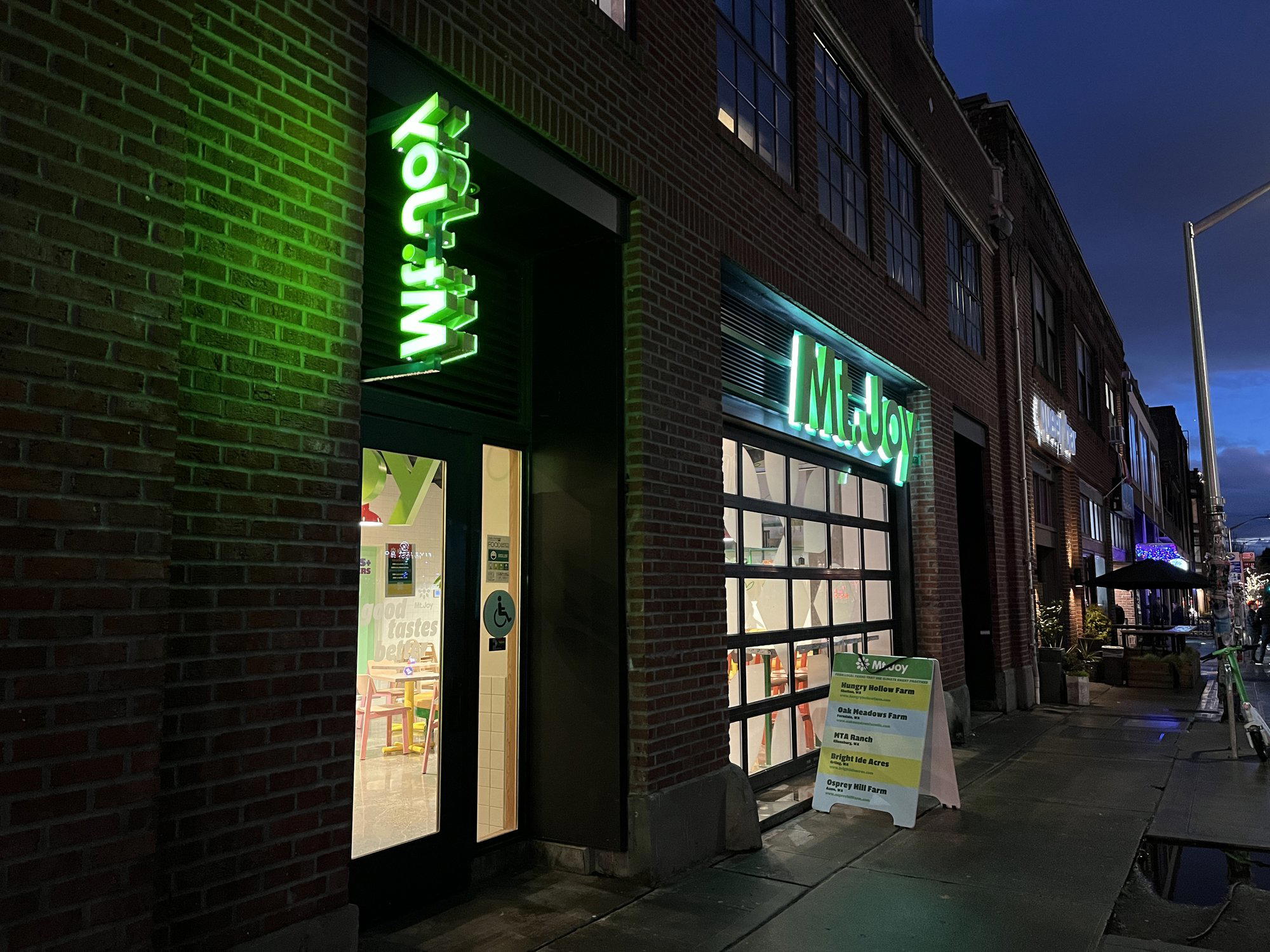
Regenerative Sourcing in a Fast-Casual Frame
Capitol Hill has long been Seattle's most culinarily restless neighborhood, home to a range of formats from the cerebral tasting menus at Archipelago to casual operations that treat ingredient sourcing with the same rigor. Mt. Joy sits in the latter category, but the conversation around its supply chain connects it to a broader shift in American fast-casual dining: the move toward regenerative agriculture as a non-negotiable sourcing standard rather than a marketing footnote. Across the country, a small but growing tier of independent operators has begun building menus around birds and animals raised on farms that treat soil health, rotational grazing, and reduced chemical inputs as the foundation rather than the premium add-on. Mt. Joy belongs to that cohort.
The regenerative model matters because it draws a clear line between chicken raised to maximize yield inside industrial systems and chicken raised within systems that treat the land and animal lifecycle as interdependent. In practice, the difference shows up in fat distribution, moisture retention, and the density of flavor that doesn't require heavy brining or aggressive seasoning to achieve. Fried chicken sandwiches are a category defined by contrast: the crunch of the crust against the tenderness of the meat. When the raw material is this considered, the structural logic of the sandwich changes. You're not compensating for a neutral protein; you're framing one with actual character.
Capitol Hill and the Context of Considered Eating
Capitol Hill has earned its status as Seattle's most food-literate neighborhood through accumulated density rather than a single marquee address. The area holds everything from destination-level dining to the kind of counter-service spots that attract the same regulars week after week. What distinguishes the neighborhood's better casual operations from comparable formats elsewhere in the city is the expectation, embedded in the local dining culture, that the sourcing conversation has already been had. Diners on Capitol Hill are not particularly patient with vague claims about quality. They want specifics, and they tend to reward operations that can provide them.
Mt. Joy's regenerative chicken positioning fits that expectation. The fried chicken sandwich format, which has become among the more competitive categories in American fast-casual dining over the past decade, usually lives or dies on execution: the seasoning of the crust, the temperature management during frying, the ratio of bread to filling. But a sourcing-led approach shifts the hierarchy slightly. The chicken itself carries more weight in the finished product, and the kitchen's job is less about building flavor from scratch and more about not obscuring what's already there. That's a different kind of discipline, and it tends to produce sandwiches that read cleaner on the palate than their heavily-engineered counterparts.
For visitors planning time in Capitol Hill, the neighborhood pairs naturally with stops at Joule and the bakery tradition represented by operations like A.K. Pizza. The area's walkability means that a meal at Mt. Joy can anchor a broader afternoon or evening circuit without requiring a car. Seattle's public transit connects Capitol Hill efficiently to other dining clusters, which is useful for visitors building multi-stop itineraries.
Where Mt. Joy Sits in Seattle's Wider Food Conversation
Seattle's dining conversation in 2024 and 2025 has centered on a tension that most serious food cities eventually face: how to maintain a regional identity rooted in Pacific Northwest ingredients and producers while absorbing global influences and format innovations from larger coastal markets. The white-tablecloth end of that conversation plays out at places like Canlis and Altura. But the sourcing-first ethic that defines those kitchens has also migrated into more accessible formats, and Mt. Joy represents that migration at the fast-casual end of the spectrum.
This isn't a Seattle-specific phenomenon. Regenerative sourcing has moved from niche farm-to-table rhetoric into the supply chains of serious operators across American cities. At the higher end, restaurants like Single Thread Farm in Healdsburg have built their entire identity around farm-to-table traceability in a way that few operations anywhere in the world match. At Lazy Bear in San Francisco, sourcing credibility underpins the communal format's appeal. Even at the level of Le Bernardin in New York City, the conversation about where ingredients come from and how they're raised or caught has become central to how kitchens justify their price points and positioning. What Mt. Joy does is compress that logic into a format where the entry price is low enough that sourcing ethics don't function as a luxury signal. That's a meaningful distinction.
For those mapping Seattle's broader hospitality scene, the bars guide, wineries guide, and experiences guide cover the full range of what the city offers across formats and price points. Internationally, the sourcing-first model that Mt. Joy operates within has parallels at destination-level kitchens like Alinea in Chicago and Alain Ducasse at Louis XV in Monte Carlo, even if the format and price register differently. The underlying principle, that the quality of a finished dish is inseparable from the conditions under which the raw material was produced, runs across all of them.
Planning Your Visit
Mt. Joy operates on Capitol Hill, within easy reach of the neighborhood's transit infrastructure. Mt. Joy is walk-in friendly, with a casual format built for quick visits. The format, counter-service fried chicken sandwiches built on regenerative sourcing, is walk-in compatible by design. Given Capitol Hill's foot traffic density and the neighborhood's appetite for well-sourced casual dining, peak lunch and early evening periods tend to draw lines at operations of this type. Arriving outside those windows is the practical move. For context on comparable Seattle dining at other price points and formats, Emeril's in New Orleans and Atomix in New York City illustrate how sourcing credentials function across vastly different format tiers.
How It Stacks Up
Comparable venues nearby, for context on price, style, and recognition.
| Venue | Cuisine | Price | Notes |
|---|---|---|---|
| Mt. JoyThis venue — the venue you are viewing | Regenerative Fried Chicken Sandwiches | $ | Not listed |
| Ballard Coffee Co. | American Bakery Cafe | $ | Adams |
| Verve Bowls | Acai Bowls & Smoothies | $ | Ballard |
| Ghostfish Brewing Company - Taproom & Restaurant | Gluten-Free Pub Classics | $$ | SoDo |
| 1415 1st Ave | American Pub Fare with Craft Beer | $$ | Seattle Waterfront |
| Sisters European Cafe | European-Inspired Sandwiches & Cafe | $ | Pike Place Market |
Continue exploring
More in Seattle
Restaurants in Seattle
Browse all →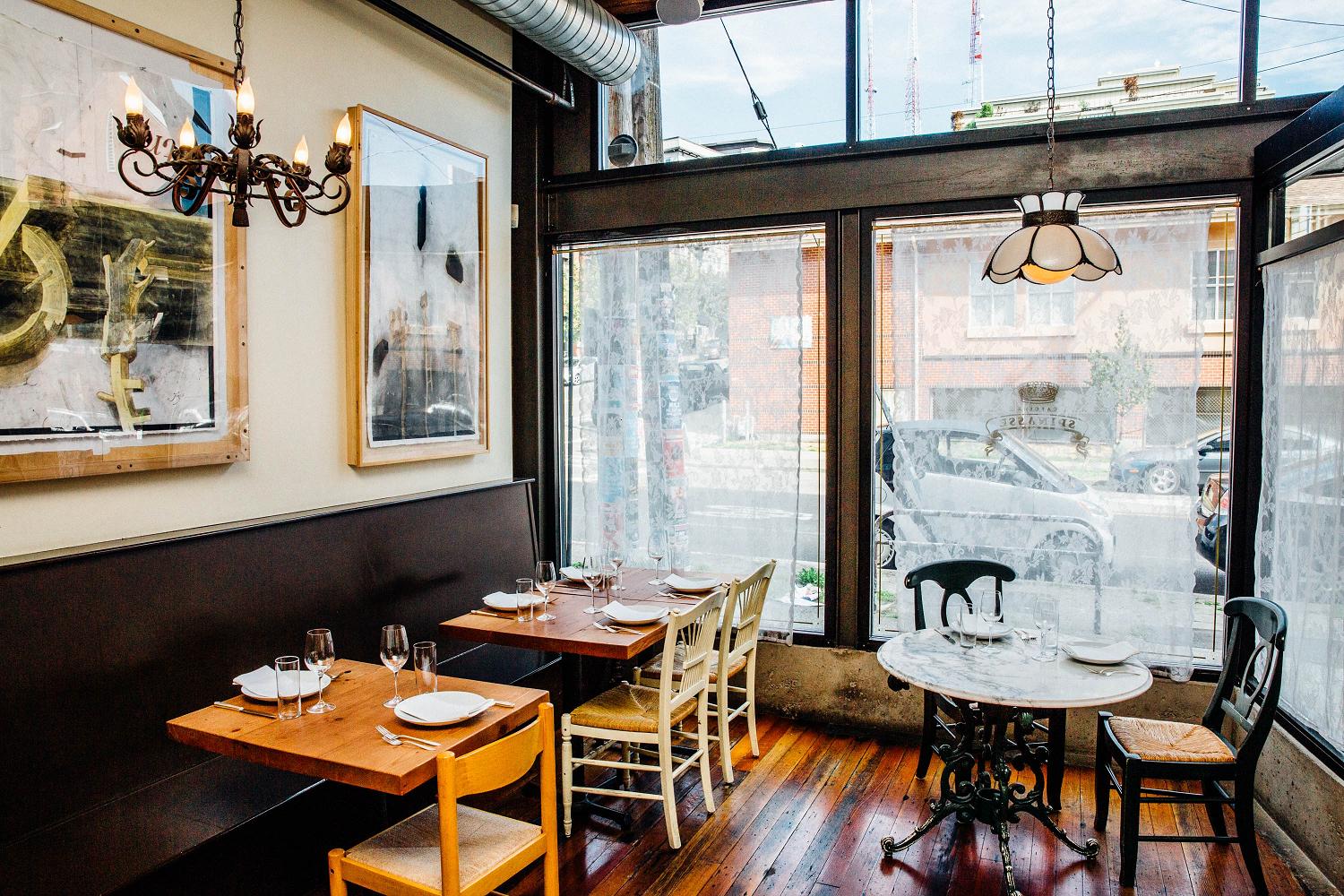
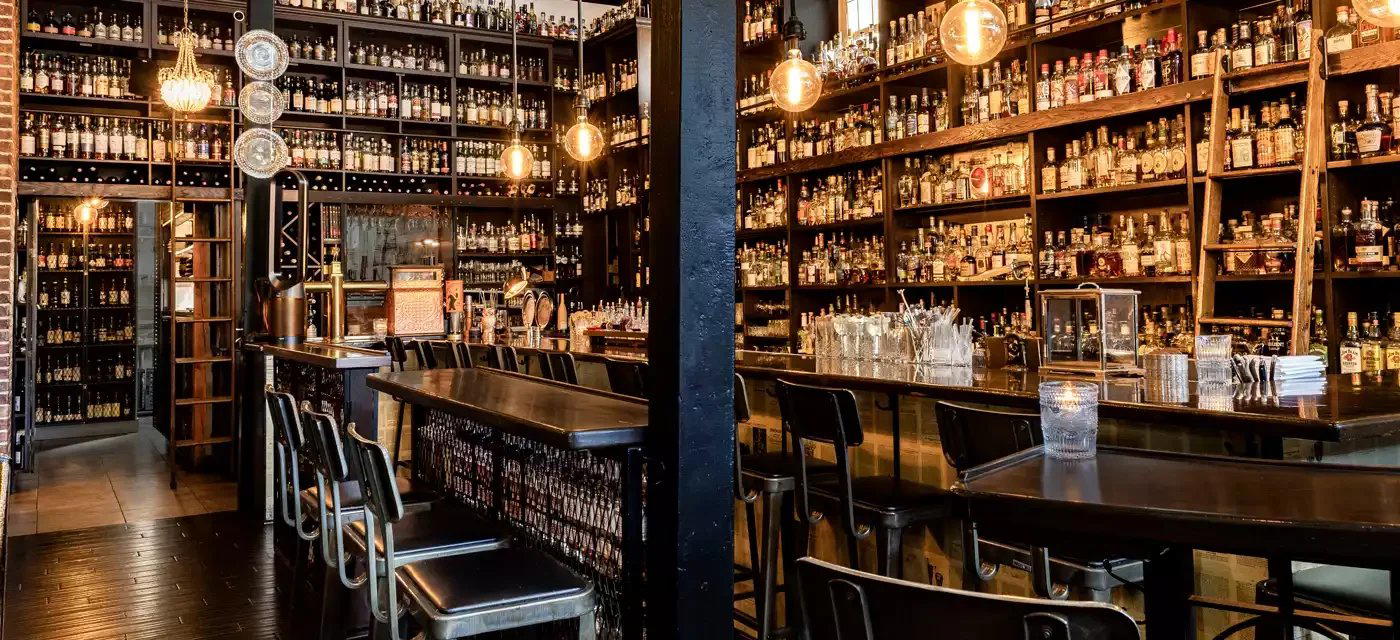
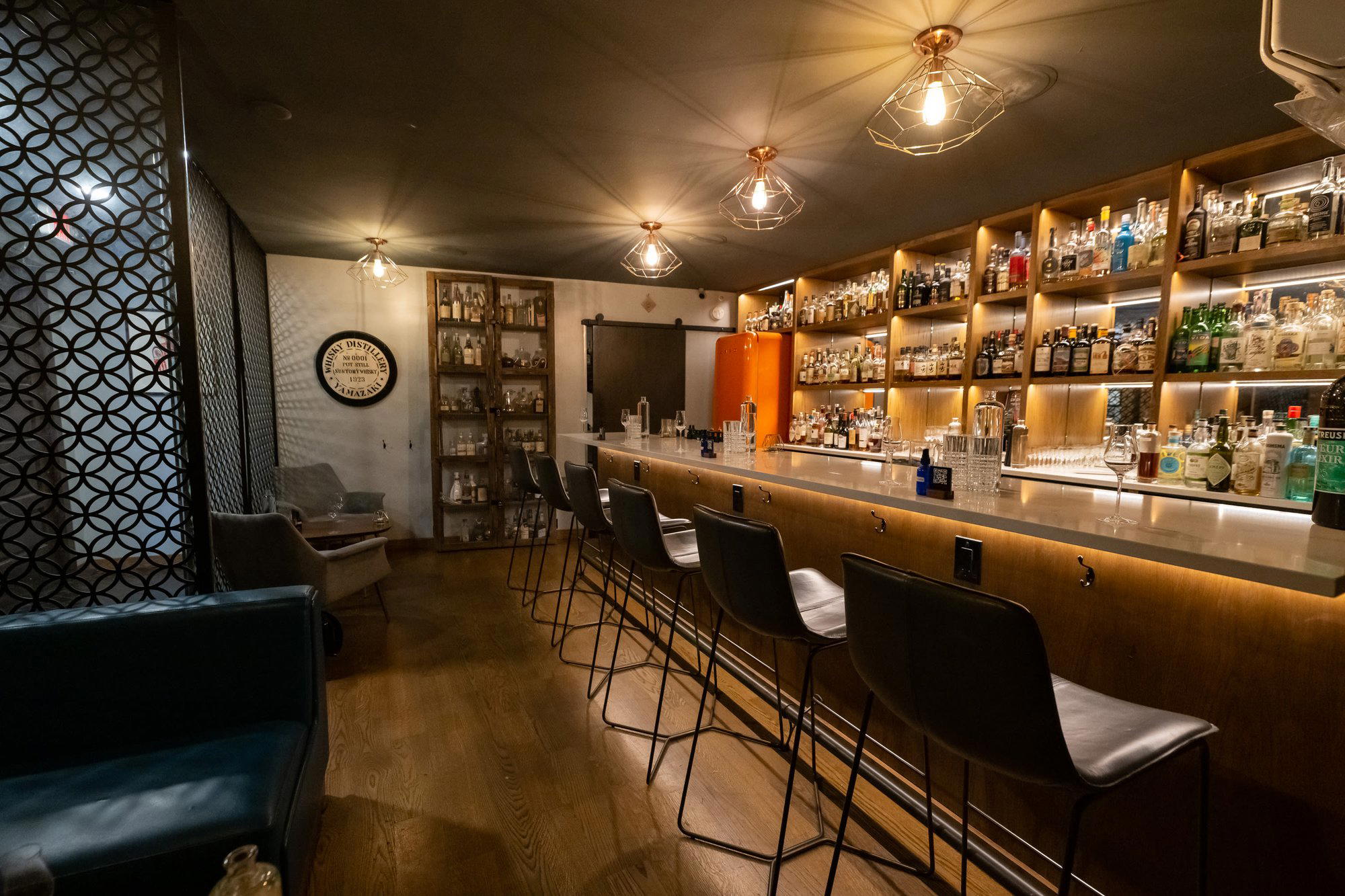
Bars in Seattle
Browse all →
Hotels in Seattle
Browse all →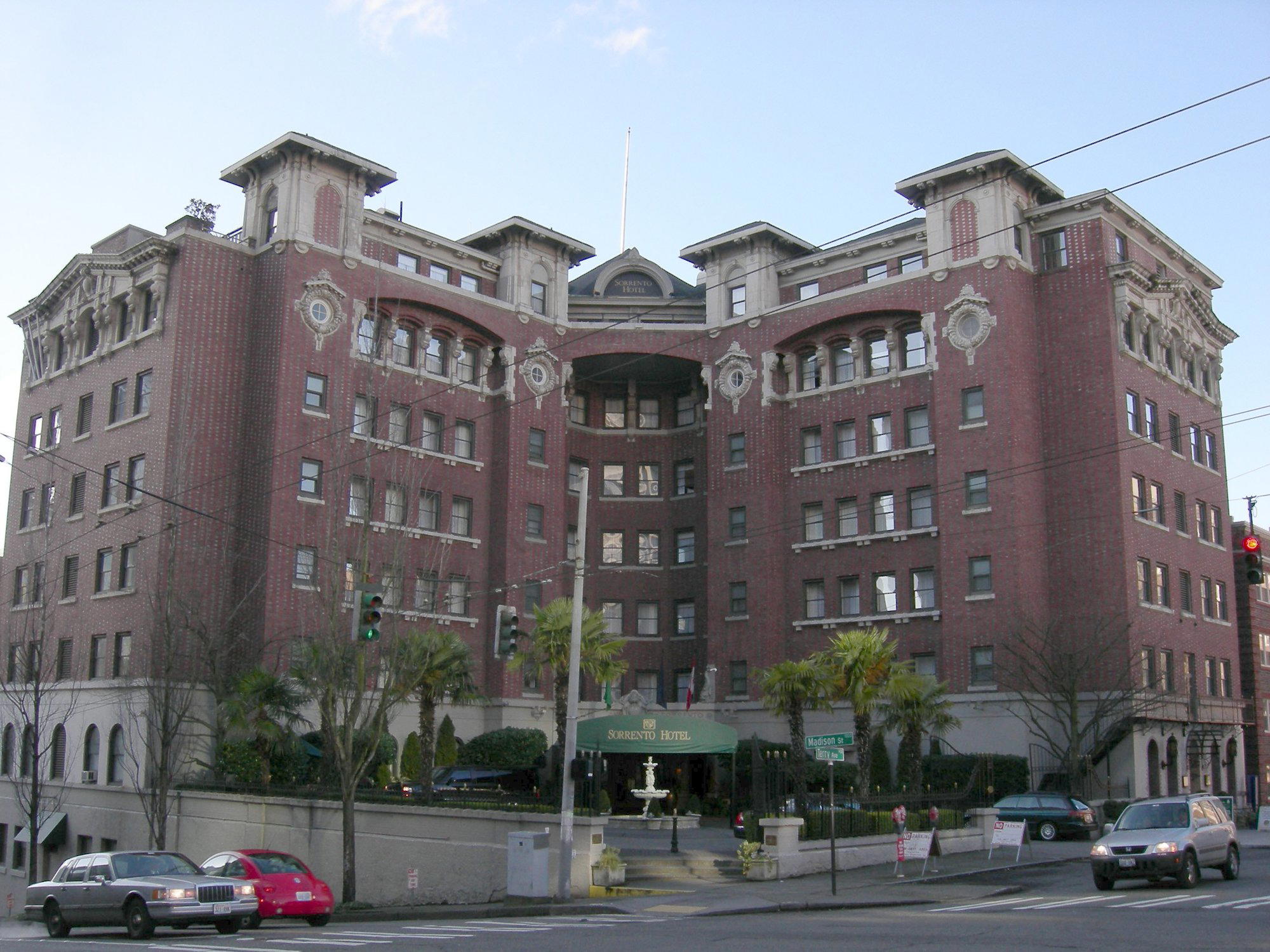

At a Glance
- Casual
- Trendy
- Lively
- Casual Hangout
- Late Night
- After Work
- Standalone
- Farm To Table
- Organic
- Sustainable
Bright green counter service with a casual, welcoming atmosphere; popular late-night gathering spot with lively energy, especially on weekends.