.png)
Māsa holds a Michelin Plate recognition in the 2026 guide, placing it among a small cohort of Rīga restaurants where kitchen discipline and front-of-house coherence have drawn international attention. Located on Dzirnavu iela in the city centre, it operates within a Latvian fine-dining scene that has grown considerably more confident in its own identity over the past decade. For visitors tracking the evolution of Baltic cooking, it is a reliable reference point.
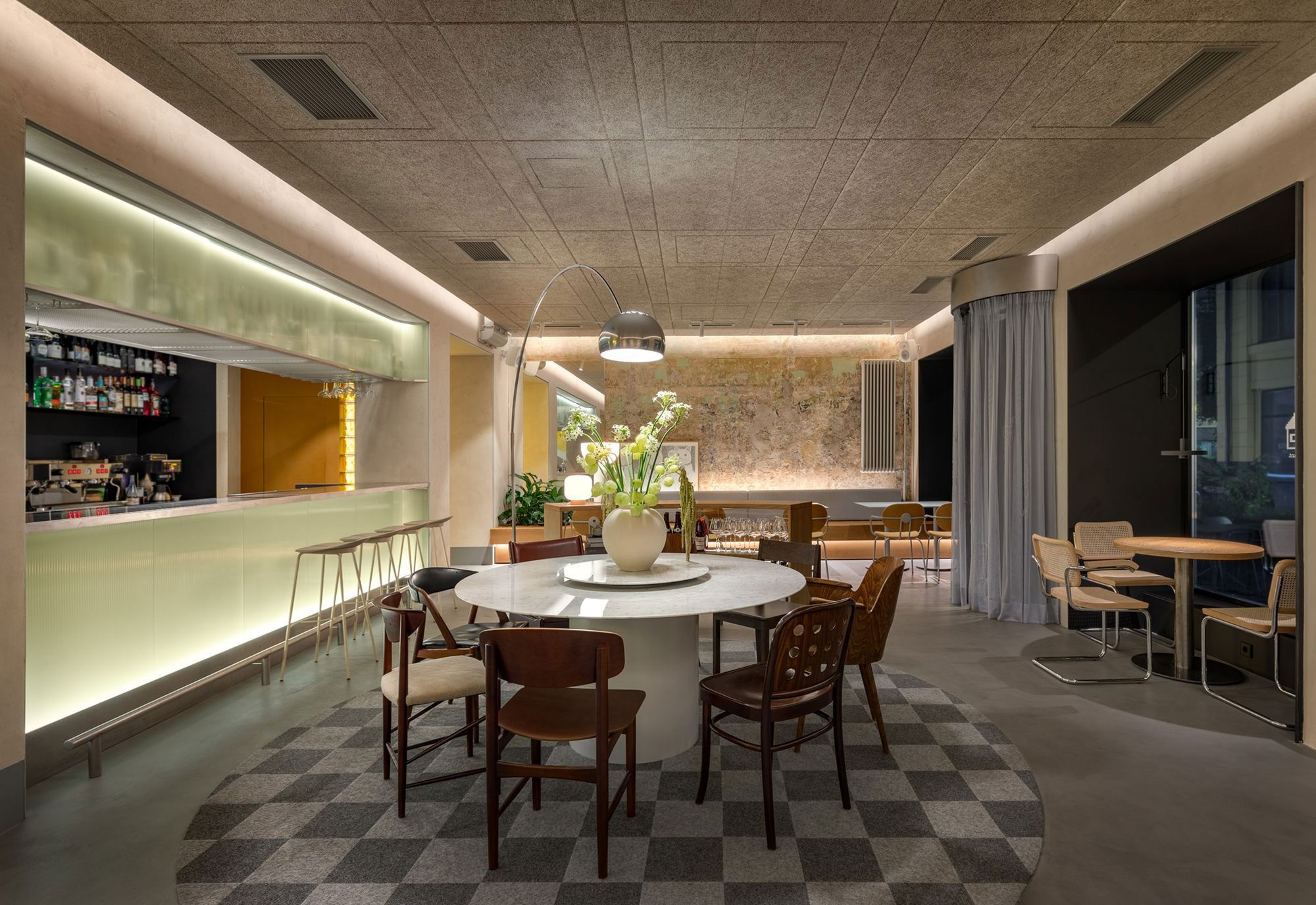
Dzirnavu Iela and the Block That Earns Attention
Rīga's centre rajons has a way of announcing itself quietly. The stretch of Dzirnavu iela where Māsa sits is mid-city in the practical sense, walkable from the Art Nouveau district and close enough to the Old Town to catch the overflow of visitors, yet the street itself has the unhurried character of a neighbourhood that locals actually use. Restaurants that earn recognition in this part of the city tend to do so not through spectacle but through consistency, the kind that survives a second and third visit from the same informed diner.
Māsa received a Michelin Plate in the 2026 guide, a designation that signals cooking worth the detour without conferring the star-level pressure that reshapes a room's entire dynamic. In the context of Latvian dining, that placement matters. The Michelin Plate sits at the credentialling tier where kitchens are taken seriously but the atmosphere has not yet pivoted to the hushed formality that can flatten an evening. It is the tier where restaurants are still figuring out what they want to be, which is often when they are most interesting.
How Rīga's Fine-Dining Scene Positions Itself
Latvia's restaurant culture has spent the better part of fifteen years building toward a coherent fine-dining identity, a process that accelerated sharply after the country's economic recovery post-2010 and gained further momentum as Rīga's profile as a short-break destination grew among northern European travellers. The city now hosts a cluster of serious operations at the upper price tier: JOHN Chef's Hall and Max Cekot Kitchen are both positioned at €€€€, the bracket where tasting menus and professional service become the baseline expectation rather than a differentiator. 3 Chefs and B7 occupy comparable terrain in the modern cuisine category, while BABO represents the traditional end of that same continuum.
Māsa operates within this competitive set, earning Michelin attention alongside peers and in doing so confirms that Rīga's upper dining tier is no longer a local curiosity. It is a peer group that earns external scrutiny. For international visitors arriving with a frame of reference calibrated by cities like New York, where Le Bernardin or Atomix define what sustained kitchen ambition looks like, the Rīga scene asks them to recalibrate: ambition here wears different clothes, shaped by ingredient seasonality, a shorter supply chain, and a culinary tradition that is still being consciously articulated rather than inherited wholesale.
The Collaboration That Drives a Room
The editorial angle most relevant to Māsa is not the kitchen alone but the integration of kitchen, floor, and beverage. In the tier of dining where a Michelin Plate sits, the rooms that hold their reputation are usually those where the front-of-house team functions as an active extension of the kitchen's intent rather than as a relay service between the pass and the table. That dynamic is what separates a technically competent tasting menu from an evening that reads as a coherent whole.
Baltic fine dining has been developing its own sommelier culture in parallel with the kitchen's evolution. The beverage programs at Rīga's more serious restaurants have moved from a largely Western European wine-list model toward something that incorporates natural wines, Baltic producers where available, and a more conversational style of recommendation that suits rooms where the clientele skews younger and less bound by conventional wine ritual. A good floor team in this context is one that can read which table wants guidance and which wants to be left to discover. The information available on Māsa does not confirm specific staffing, but the Michelin Plate designation itself implies an inspectorate evaluation that considers service alongside food.
Latvia Beyond Rīga: The Broader Picture
Visitors who use Māsa as a starting point for understanding Latvian cooking at the more considered end of the spectrum will find it worth tracking the scene across the country. 36.Line in Jūrmala brings a coastal register to the same general tradition, while Akustika in Valmiera and H.E. Vanadziņš in Cēsis demonstrate that serious cooking is no longer a purely capital-city phenomenon in Latvia. MO in Liepāja and Pavāru māja in Līgatne extend that map further, and Biblioteka Number One in Rīga operates in the city as a longer-established reference point against which newer entrants position themselves.
The pattern across these venues is a consistent one: Latvian restaurants at this level are drawing on a foraging and fermentation tradition that predates the Nordic-influence wave but has been sharpened by it, producing menus that are seasonal by necessity and local by disposition rather than by marketing. That is a meaningful distinction from restaurants elsewhere that perform locality as an aesthetic choice.
Planning a Visit to Māsa
Māsa sits at Dzirnavu iela 31 in Rīga's central district, a location accessible on foot from the main hotel cluster around the Old Town and the Art Nouveau streets of the quiet centre. For visitors building an evening around the restaurant, the surrounding neighbourhood offers enough to occupy the hour before and after without needing to travel across the city. Booking ahead is advisable; Michelin Plate recognition in a city the size of Rīga concentrates demand at a small number of tables, and the gap between a spontaneous walk-in and a confirmed seat at recognised addresses has narrowed considerably since the 2026 guide's publication. Current hours, pricing, and reservation methods are not confirmed in available data and should be verified directly before visiting. For those building a wider Rīga itinerary, EP Club's full Rīga restaurants guide, hotels guide, bars guide, wineries guide, and experiences guide cover the broader picture.
Frequently Asked Questions
- What should I order at Māsa?
- Specific menu information for Māsa is not available in current data. What the Michelin Plate recognition confirms is that the kitchen is producing food at a level the inspectorate found worth citing. Latvian fine-dining menus at this tier typically follow a tasting or set-menu format, leaning into seasonal and foraged ingredients. Asking the floor team what is driving the kitchen at any given visit is both practical and, at a restaurant where service is part of the offer, the right way to approach the table. The awards anchor and the cuisine context both point toward a kitchen with a considered point of view, even if the specifics shift with the season.
- Do I need a reservation for Māsa?
- Michelin Plate recognition in a market the scale of Rīga reliably increases demand at any address carrying the designation, and the 2026 guide's publication has had a measurable effect on how far in advance visitors now plan Rīga dining. Booking ahead is the more sensible approach. Exact booking method and lead time are not confirmed in the data available; check directly with the restaurant or through current online booking platforms before your visit.
- What is the standout thing about Māsa?
- The Michelin Plate in the 2026 guide is the clearest external signal, placing Māsa in the tier of Rīga restaurants that the guide's inspectors found worth recommending to an international readership. In a city where the fine-dining tier is competitive and relatively concentrated, that placement confirms that Māsa is operating at a level consistent with its most serious peers. The address on Dzirnavu iela also puts it in a part of the city that favours a more local, neighbourhood-facing atmosphere rather than the tourist-facing register of Old Town dining.
Cuisine and Recognition
A quick peer check to anchor this venue’s price and recognition.
| Venue | Cuisine | Awards | Notes |
|---|---|---|---|
| Māsa | Michelin Plate (2026) | This venue | |
| JOHN Chef's Hall | Modern Cuisine | Michelin 1 Star | Modern Cuisine, €€€€ |
| Max Cekot Kitchen | Creative | Michelin 1 Star | Creative, €€€€ |
| Le Dome | Seafood, Modern Cuisine | Seafood, Modern Cuisine, €€€€ | |
| Shōyu | Japanese | Japanese, €€ | |
| Snatch | Italian | Italian, € |
Need a table?
Our members enjoy priority alerts and concierge-led booking support for the world's most difficult tables.
Access the Concierge