

Pavāru māja holds three consecutive Michelin Plates (2024 to 2026) and the Star Wine List top ranking for Latvia, which places it well above the typical expectations for a small-town restaurant in Vidzeme. The kitchen operates in the modern cuisine register, drawing on the agricultural landscape of the Gauja valley, and sits at the €€€ price point for a destination-dining experience that rewards the drive from Riga or Cēsis.
Pearl is the En Primeur Club membership app — saves, bookings, and concierge access live there. Same editors, same standards.
- Address
- Pilsoņu iela 2, Līgatne, Līgatne pilsēta, Cēsu novads, LV-4110, Latvia
- Phone
- +371 27 331 222
- Website
- pavarumaja.lv
- Directions
- Get directions
 Saves & bookings on Pearl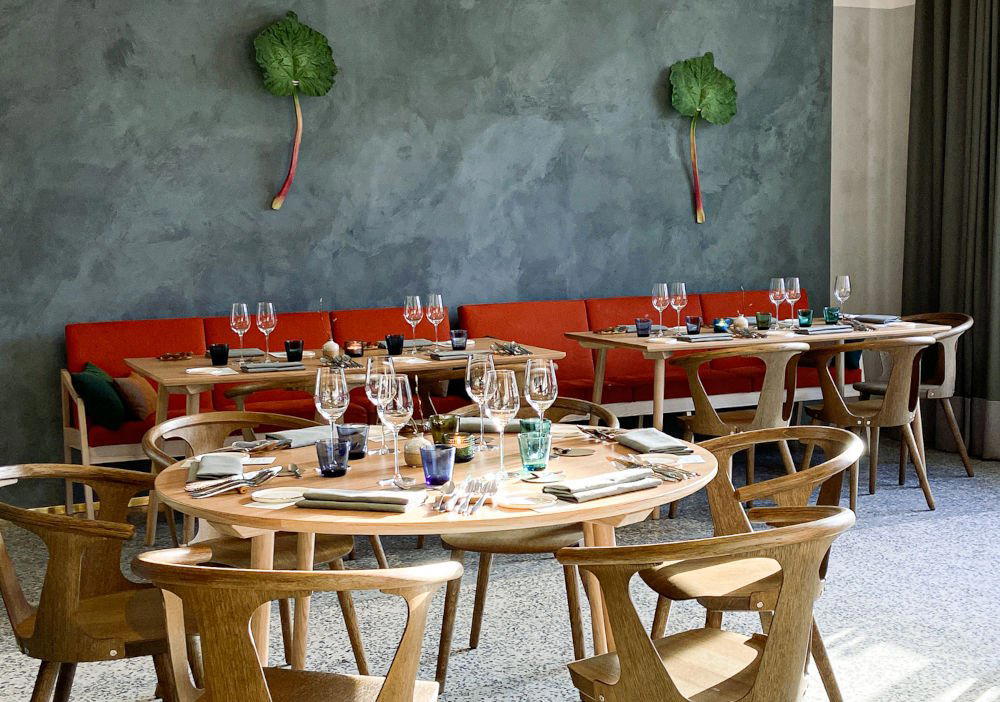
A Small Town with a Serious Kitchen
Latvia's serious restaurant culture concentrates heavily in Riga, with a secondary cluster around Jūrmala and, increasingly, Cēsis. Līgatne sits outside those centres: a quiet river town in the Gauja National Park corridor, better known for its Soviet-era bunker and cable-ferry crossing than for dining. That context matters, because Pavāru māja operates inside it without apology. The building on Pilsoņu iela carries none of the glass-and-concrete signalling of an urban fine-dining address; the setting is modest, the surroundings are decidedly provincial, and the kitchen still carries consecutive Michelin Plates for 2024, 2025, and 2026. For any restaurant in Latvia outside Riga, that three-year recognition streak is a meaningful credential. For one in Līgatne, it is a near-implausible fact.
What the Gauja Valley Puts on the Plate
Modern cuisine in Latvia's rural north has a geographic argument to make that urban kitchens cannot. The Gauja valley farms, forests, and rivers that frame Līgatne are not decorative backdrop; they are a supply chain. The regional sourcing tradition in Vidzeme connects restaurants to rye-bread culture, river fish, foraged mushrooms and berries, and dairy from small-scale producers whose output never reaches Riga wholesale markets. Pavāru māja operates inside this network, and the menu's modern cuisine framing is leading read as a disciplined formal structure applied to deeply local raw materials rather than as an imported international aesthetic.
This is the same argument that places like H.E. Vanadziņš in Cēsis and Akustika in Valmiera are making elsewhere in Latvia's regional dining tier. The Vidzeme corridor has quietly developed a cluster of kitchens that treat proximity to source as a competitive advantage rather than a limitation. Pavāru māja, with its Michelin recognition and its Star Wine List #1 ranking for 2025, sits at the summit of that regional group. Where JOHN Chef's Hall in Riga operates at €€€€ with an urban prestige calculus, the restaurant occupies the €€€ tier and prices for a regional destination audience rather than a metropolitan one.
The Star Wine List White Star designation, published August 2025, adds another layer. Wine programming at this level in a town of Līgatne's scale indicates a list built around careful selection and producer relationships rather than volume purchasing. In the broader context of modern cuisine pairings across the Baltics, that kind of wine depth outside a capital city is unusual enough to function as a differentiator on its own.
The Drive, the Setting, the Occasion
Getting to the restaurant is part of the experience's register. Riga is roughly 80 kilometres south; Cēsis, the nearest town with broader hospitality infrastructure, sits around 20 kilometres to the north. The approach through the Gauja National Park corridor, particularly in the late spring or autumn shoulder seasons when the valley birch and pine stand in colour, resets the frame entirely before you arrive. This is not incidental. Destination restaurants in rural settings operate on the logic that the journey is inseparable from the meal, and the restaurant has geography working in its favour in a way that few Latvian kitchens do.
For visitors combining the restaurant with a wider Vidzeme itinerary, the town itself rewards a half-day. The Gauja river walking trails and the cable-ferry crossing are both within easy reach of Pilsoņu iela.
Where It Sits in the Modern Cuisine Category
Modern cuisine as a restaurant category covers a wide spread globally, from tasting-menu temples like Frantzén in Stockholm and Maison Lameloise in Chagny to regionally focused kitchens that use contemporary technique as a vehicle for local storytelling. The restaurant occupies the latter position. It does not compete on the spectacle or prestige architecture of urban tasting-menu formats; it competes on the quality and specificity of what the Gauja valley actually produces. That is a different kind of ambition, and the Michelin recognition suggests the guide agrees with the premise.
Internationally, the regional-sourcing-led modern cuisine model has proven durable. Kitchens like Azafrán in Mendoza and ZOLTNERS in Tērvete operate on comparable logic: the argument is geographic specificity, not metropolitan scale. In that comparable set, the restaurant's three-year Michelin consistency is the kind of signal that indicates the kitchen has settled into a clear identity rather than chasing format trends. For the Latvian context specifically, it belongs in any serious conversation alongside Biblioteka Number One in Riga and 36. Line in Jurmala as restaurants shaping the country's modern dining identity, even if it operates at a fraction of their urban visibility.
For reference points in other regional formats, MO in Liepaja offers a useful comparison from Latvia's west coast dining tier. Those interested in the modern cuisine category at international scale may find 11 Woodfire in Dubai and Cracco in Galleria in Milan useful reference points for the range the format spans.
Planning Your Visit
The restaurant sits at the €€€€ price point, which positions it as a considered occasion rather than a casual stop. The Michelin Plate designation and Star Wine List recognition make advance planning sensible; reservations are recommended. Pilsoņu iela 2 is the address. Those arriving from Cēsis are significantly closer, and the combination of an overnight in Cēsis with a drive to Līgatne for dinner is a logical regional itinerary structure.
Frequently Asked Questions
- Would the restaurant be comfortable with kids? It suits older children comfortable with a structured dining experience.
- What is the atmosphere like at the restaurant? The setting in small-town Līgatne means the atmosphere is quieter and more considered than anything at a comparable award level in Riga or Jūrmala.
- What's the leading thing to order at the restaurant? The seasonal menu is one fitting choice, with wine pairing worth considering.
Comparable Venues
Comparable venues nearby, for context on price, style, and recognition.
| Venue | Cuisine | Price | Awards | Notes |
|---|---|---|---|---|
| Pavāru māja | Modern Latvian Seasonal | $$$$ | Michelin Plate | Līgatne |
| Restorāns 1815 | Modern Latvian | $$ | Not listed | Ligatne |
| Akustika | Modern Baltic Regional | $$$ | Michelin Plate | Valmiera center |
| 36. Line | Modern Baltic Grill | $$$$ | Michelin Plate | Dubulti |
| Kest | Modern Latvian Fine Dining | $$$$ | Michelin Plate | Cēsis center |
| B7 | Modern Global Bistro | $$$ | Michelin Plate | Centrs |
Recognition history
Dated appearances from independent guides and award organizations, with the underlying list record or original source where available.
Michelin Plate
Michelin
Star Wine List
Star Wine List
Michelin Plate
Michelin
Star Wine List
Star Wine List
Michelin Plate
Michelin
Continue exploring
More in Līgatne
At a Glance
- Cozy
- Rustic
- Scenic
- Intimate
- Elegant
- Special Occasion
- Date Night
- Garden
- Historic Building
- Extensive Wine List
- Local Sourcing
- Farm To Table
- Garden
Current opening hours
- Monday
- Closed
- Tuesday
- Closed
- Wednesday
- Closed
- Thursday
- 4–10 PM
- Friday
- 4–10 PM
- Saturday
- 1–10 PM
- Sunday
- 1–5 PM
Hours can change for holidays and private events. Last verified .
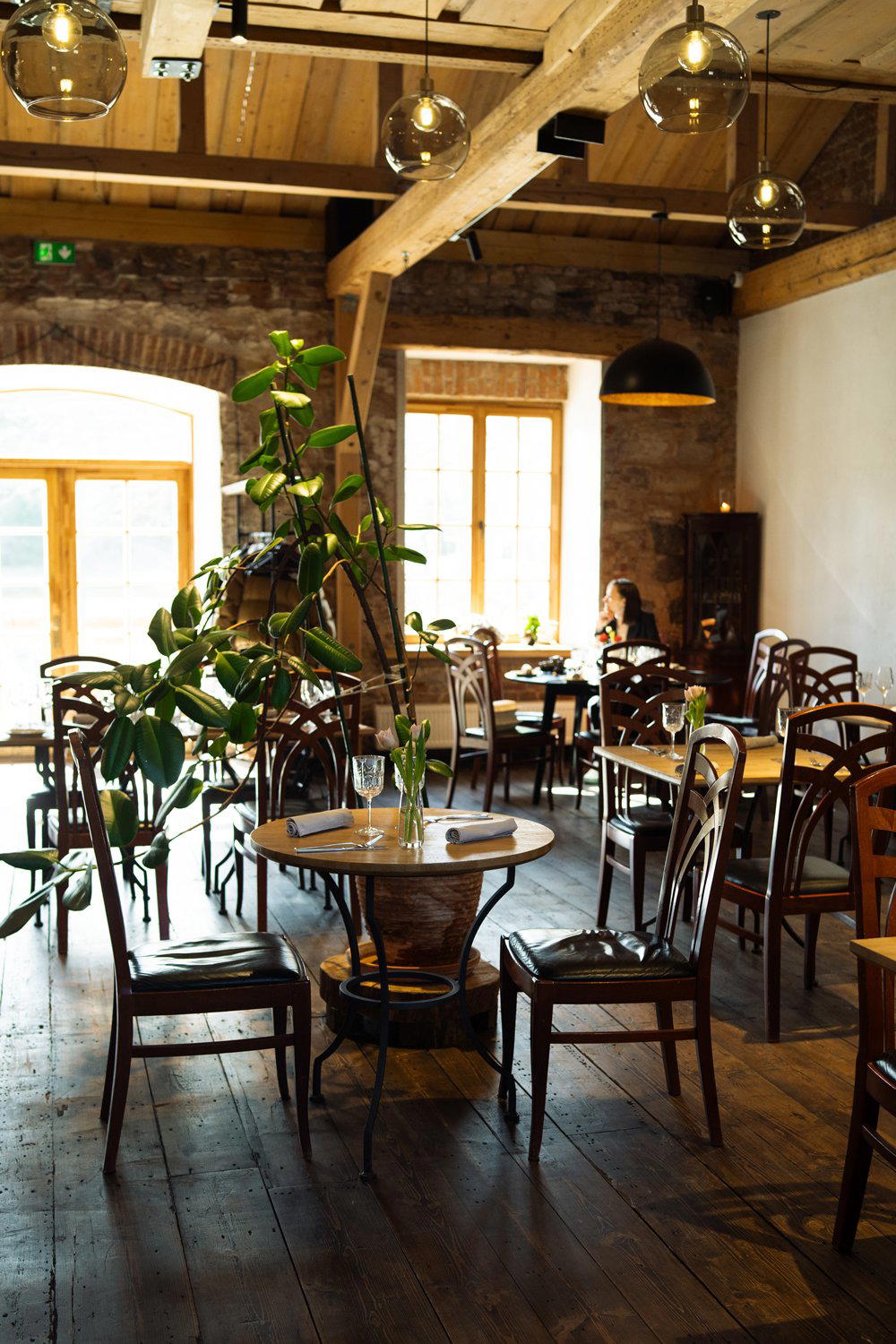
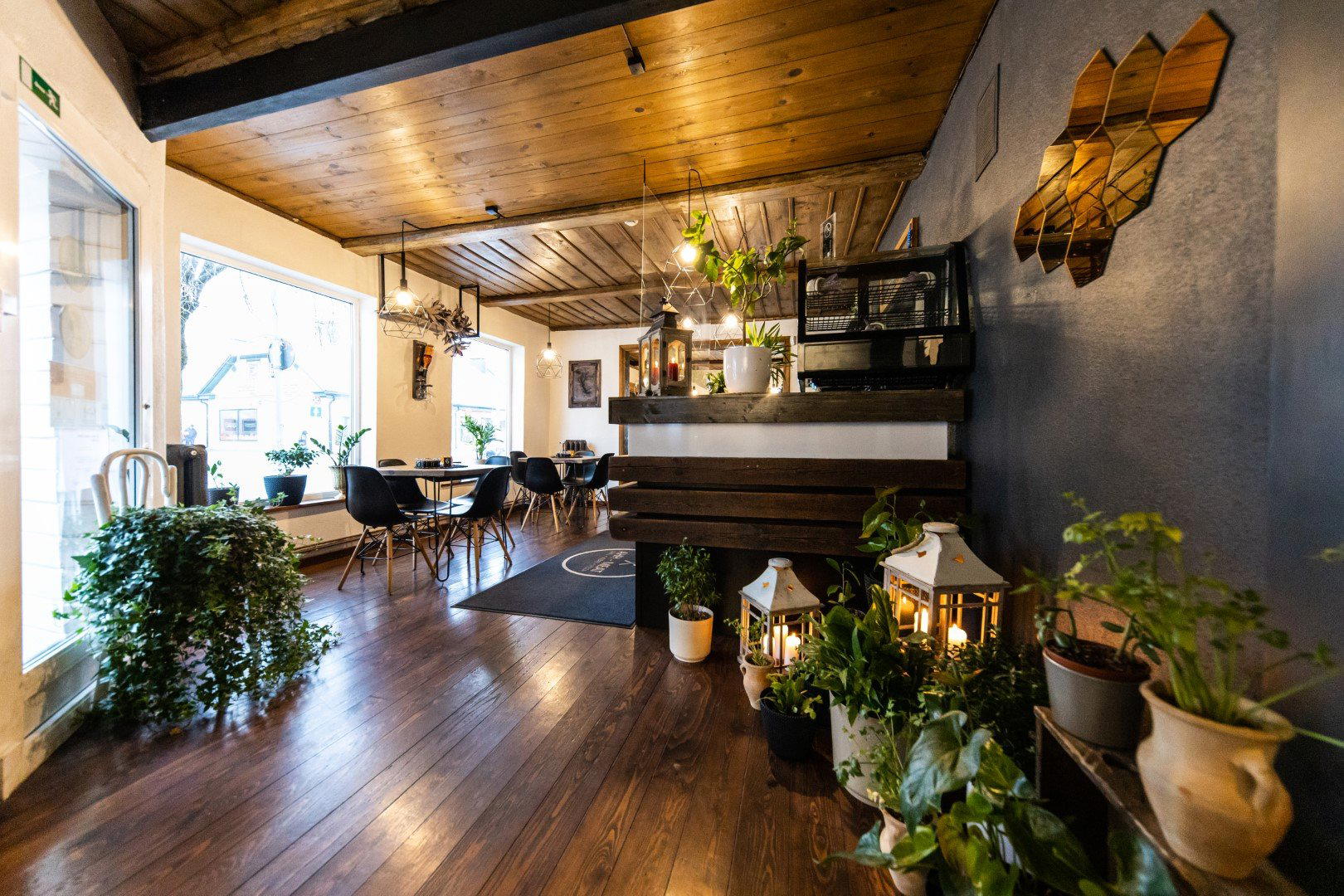
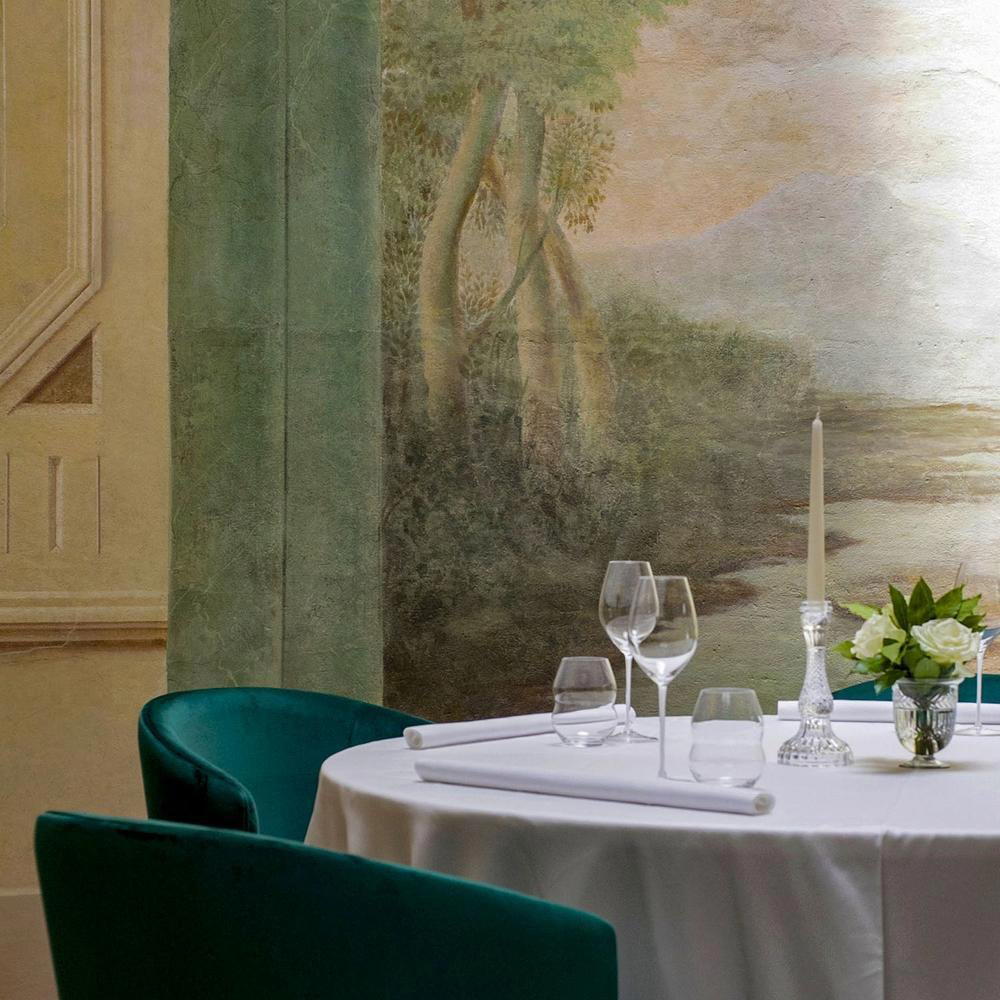
Sober grey interiors with local bird images, large windows framing nature, sophisticated nature theme using historical materials like lime plaster, creating a cosy, relaxed, and magical countryside retreat.