
A Michelin Bib Gourmand recipient for 2026, H.E. Vanadziņš on Rīgas iela brings traditional Latvian cooking to the centre of Cēsis at mid-range prices. Three consecutive years of Michelin recognition signal consistent quality within a category that prizes honest, ingredient-led cooking over showmanship. For visitors exploring Latvia's most characterful medieval town, this is the anchoring restaurant choice.
Pearl is the En Primeur Club membership app — saves, bookings, and concierge access live there. Same editors, same standards.
- Address
- Rīgas iela 15, Cēsis, Cēsis pilsēta, Cēsu novads, LV-4101, Latvia
- Phone
- +371 24 771 771
- Website
- vanadzinarestorans.lv
- Directions
- Get directions
 Saves & bookings on Pearl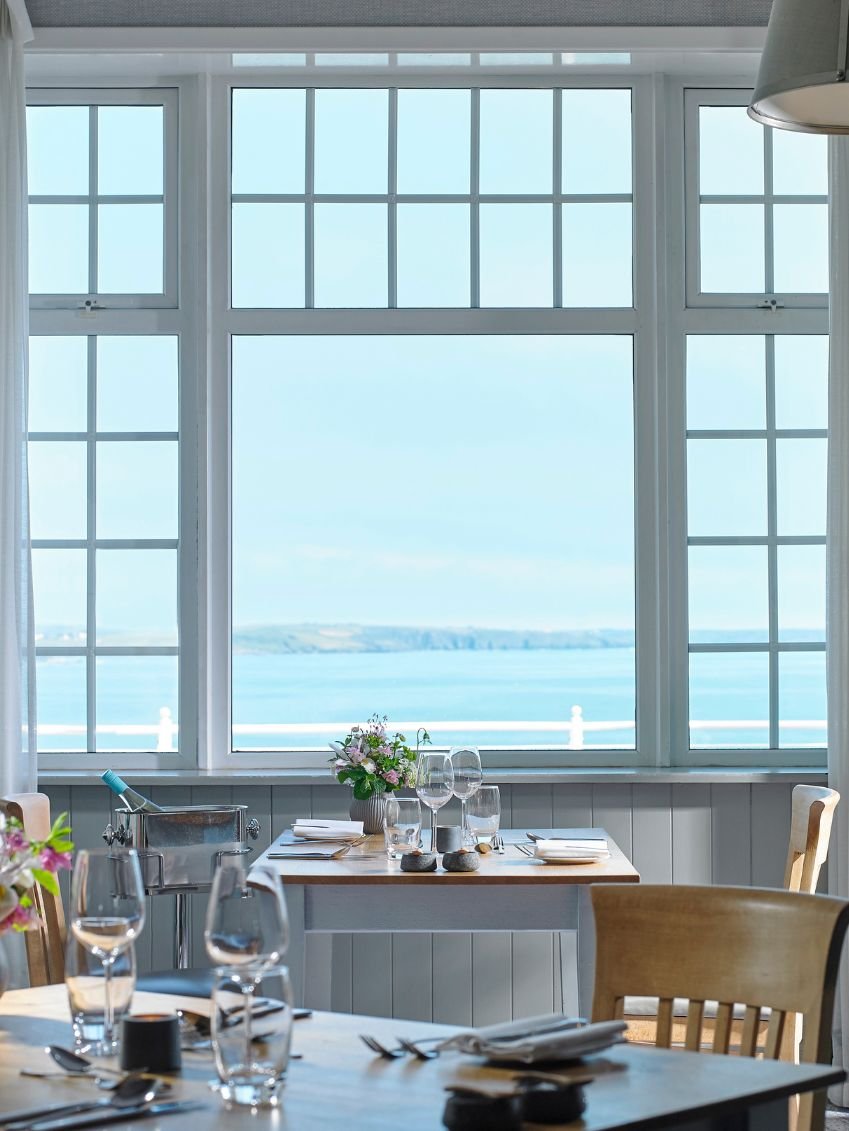
Where Cēsis Eats: The Context Behind H.E. Vanadziņš
Cēsis occupies a particular position in the Latvian cultural imagination: a medieval castle town in the Gauja National Park, an hour's drive northeast of Riga, where the pace slows and the architecture still belongs to the Livonian Order. The restaurant scene here is small, which makes the arrival of a Michelin-recognised address on Rīgas iela all the more significant. Latvia has a thin but growing cohort of Michelin-listed restaurants spread across Riga and the regions, and most of the serious cooking outside the capital clusters around creative or modern formats. Traditional cuisine at this recognition level is rarer, and that scarcity shapes how H.E. Vanadziņš sits within the national dining picture.
The Bib Gourmand designation, awarded for 2026, is the clearest signal available about what this restaurant represents: cooking that meets a quality threshold at a price point that stays accessible. In a country where JOHN Chef's Hall in Rīga and other €€€€ formats occupy the aspirational tier, the €€ bracket means H.E. Vanadziņš is doing something Michelin considers noteworthy without asking guests to spend at the level of a tasting menu. That distinction matters for understanding what the kitchen is actually arguing: that traditional Latvian cooking, sourced and executed with care, belongs in the same conversation as more expensive formats.
The Case for Ingredient-Led Traditional Cooking
Traditional Latvian cuisine is rooted in the agricultural and forested range of the Baltic interior. Rye bread, smoked fish, dairy, game, root vegetables, preserved summer produce: these are the structural elements, and they are inherently seasonal because they always were. The culinary tradition predates the idea of seasonal menus as a marketing concept. A kitchen working in this idiom is not choosing provenance as a trend; it is working within constraints that the tradition itself imposes.
Across Europe, particularly credible traditional-cuisine restaurants share a common approach: sourcing from named local producers, cooking techniques that extend the shelf life of what the season provides (curing, smoking, fermenting, pickling), and menus that shift when supply dictates rather than on a fixed quarterly schedule. Comparable Bib Gourmand addresses in this category, such as Auberge Grand'Maison in Mûr-de-Bretagne or Boroa in Amorebieta-Etxano, demonstrate that regional traditional cooking recognised by Michelin at this tier tends to be defined by this kind of disciplined relationship with local supply rather than technical ambition for its own sake. The same logic applies in Latvia: what a kitchen in Cēsis sources from Vidzeme farms and the surrounding forests carries a regional specificity that no Riga restaurant, however accomplished, can replicate.
That regional specificity is the editorial point. Restaurants like Akustika in Valmiera and Pavāru māja in Līgatne are working in the same Vidzeme region, each finding their own angle on what the north of Latvia produces. H.E. Vanadziņš, with its position in Cēsis and its Michelin trajectory, represents especially formally recognised among the regional expressions.
Three Years of Michelin Recognition: What the Trajectory Tells You
The progression from Michelin recognition in 2024, to recognition again in 2025, to Bib Gourmand in 2026 is not a minor administrative detail. The Plate signals that Michelin inspectors consider a kitchen's cooking worth noting; the Bib Gourmand signals that it clears a quality bar while offering value. Moving from one recognition to the other over two cycles suggests consistent improvement and a kitchen that has found its register rather than one chasing a different designation. A restaurant that earns a Bib Gourmand and holds it across subsequent editions is, by Michelin's own methodology, a reliable choice rather than a one-season discovery.
Within Latvia's Michelin footprint, the Bib Gourmand cohort sits below the starred tier occupied by operations like Biblioteka Number One in Riga but above the general mass of unrecognised dining.5 from 520 ratings) reinforces this position: a score at that level, across more than 500 responses, suggests a broad guest consensus rather than a small loyal base inflating the number. For a regional restaurant in a town the size of Cēsis, nearly 500 reviews is a meaningful volume.
Cēsis as a Dining Destination
The town's size means that serious visitors tend to plan their restaurant choices before arriving. There is no equivalent here of a large city's restaurant row where you can walk and decide. Rīgas iela 15 is in the centre of Cēsis, accessible on foot from the old town and the castle park, which makes the restaurant a logical anchor for an itinerary built around the medieval quarter. For visitors arriving from Riga, the drive or train journey northeast through the Gauja valley is part of the experience; arriving with a table booked is the appropriate way to approach a town where options are curated rather than abundant.
Those building a longer stay in the region should cross-reference our full Cēsis restaurants guide alongside this, and pair it with our Cēsis hotels guide for accommodation options. The Cēsis bars guide, wineries guide, and experiences guide fill out the rest of a Vidzeme weekend.
For those using Cēsis as a base to explore further afield, the Michelin-recognised restaurant list across Latvia includes 36. Line in Jurmala, MO in Liepaja, and ZOLTNERS in Tērvete, each operating in a different Latvian region and format. Closer to the traditional-cuisine category are European comparators like Auga in Gijón and Can Bosch in Cambrils, which illustrate how Bib Gourmand recognition in this category looks across different European regional traditions. Kest, also in Cēsis, represents the modern-cuisine alternative for those who want to compare both registers the town now offers.
Planning Your Visit
The restaurant is located at Rīgas iela 15 in the centre of Cēsis (LV-4101). The price range sits at €€, which for a Bib Gourmand restaurant in a Latvian regional town represents strong value relative to the recognition level. Hours and booking method are not published centrally; the standard approach for restaurants at this tier in Latvian regional towns is to contact directly or arrive during confirmed service windows, and checking ahead is advisable given the limited restaurant supply in Cēsis. The Michelin 2026 Bib Gourmand listing confirms current operational status and quality standing.
Comparable Spots, Quickly
Comparable venues nearby, for context on price, style, and recognition.
| Venue | Cuisine | Price | Awards | Notes |
|---|---|---|---|---|
| H.E. VanadziņšThis venue — the venue you are viewing | Modern Latvian Regional | $$ | Bib Gourmand | Not listed |
| Kest | Modern Latvian Fine Dining | $$$$ | Michelin Plate | Cēsis center |
| Milda | Authentic Baltic (Latvian & Lithuanian) | $$ | Bib Gourmand | Vecpilsēta |
| BABO | Modern Georgian | $$ | Michelin Plate | Centrs |
| LOWINE | Natural Wine Bar & Kitchen | $$ | Michelin Plate | Centrs |
| Akustika | Modern Baltic Regional | $$$ | Michelin Plate | Valmiera center |
Recognition history
Dated appearances from independent guides and award organizations, with the underlying list record or original source where available.
Michelin Bib Gourmand
Michelin
Michelin Plate
Michelin
Michelin Plate
Michelin
Continue exploring
More in Cēsis
At a Glance
- Modern
- Cozy
- Minimalist
- Intimate
- Family
- Casual Hangout
- Special Occasion
- Terrace
- Local Sourcing
Current opening hours
- Monday
- Closed
- Tuesday
- Closed
- Wednesday
- Closed
- Thursday
- Closed
- Friday
- 5–10 PM
- Saturday
- 12–10 PM
- Sunday
- 12–8 PM
Hours can change for holidays and private events. Last verified .
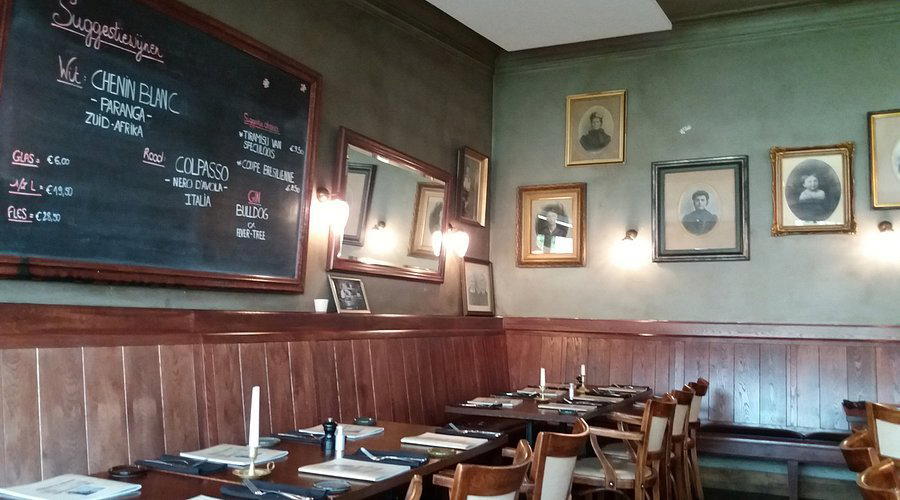
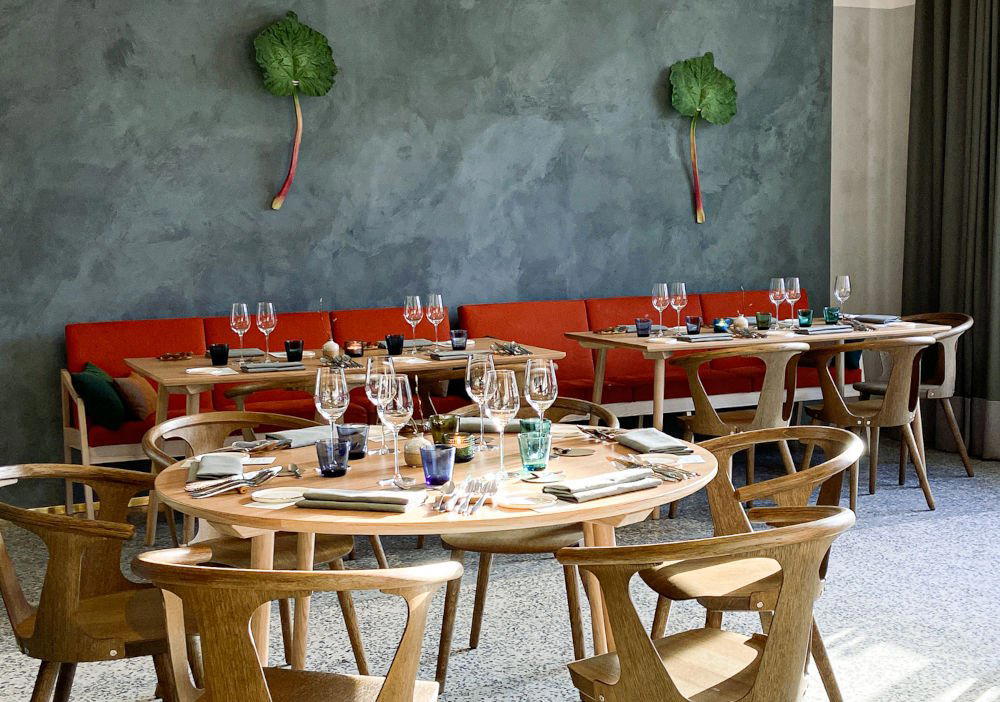
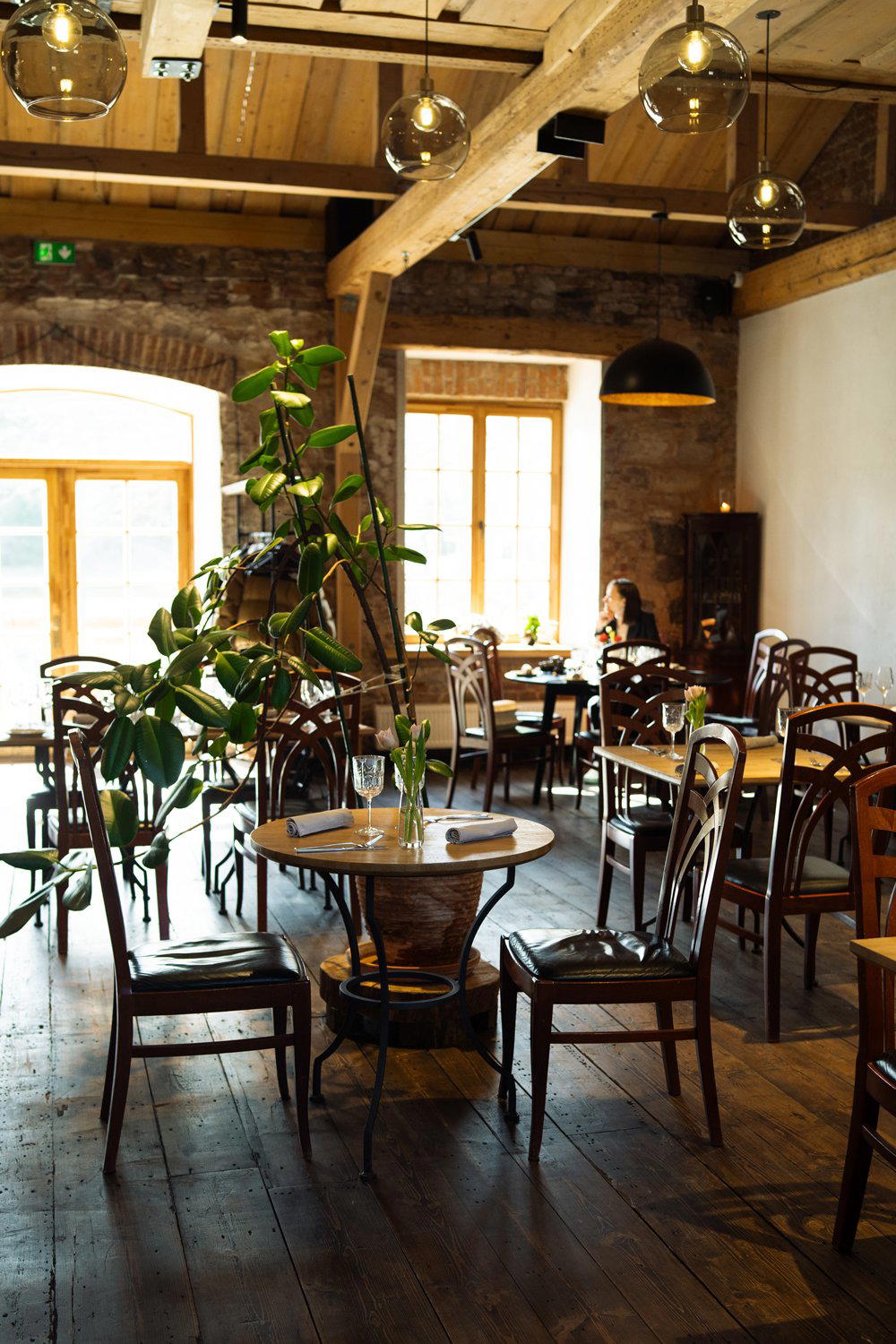
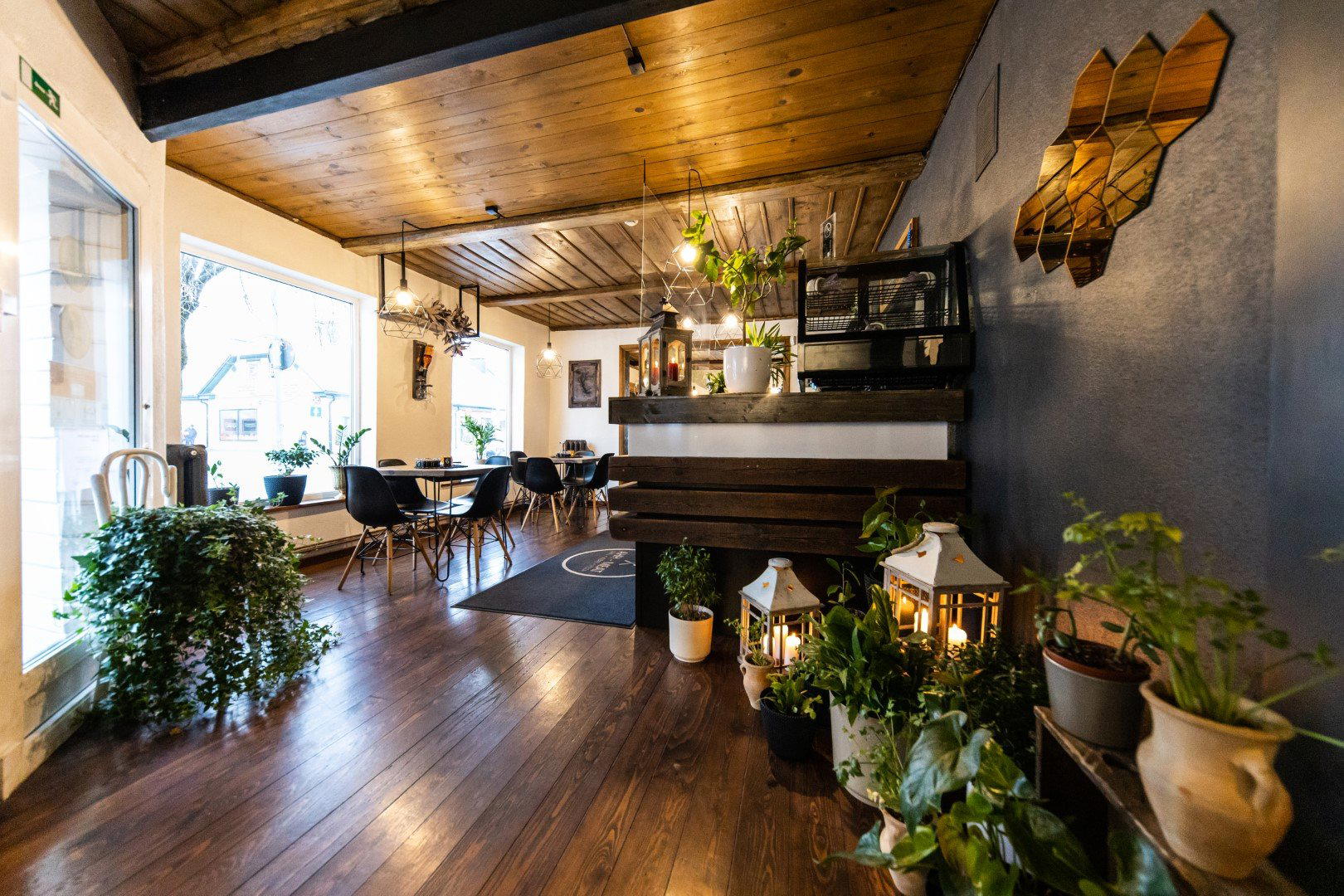
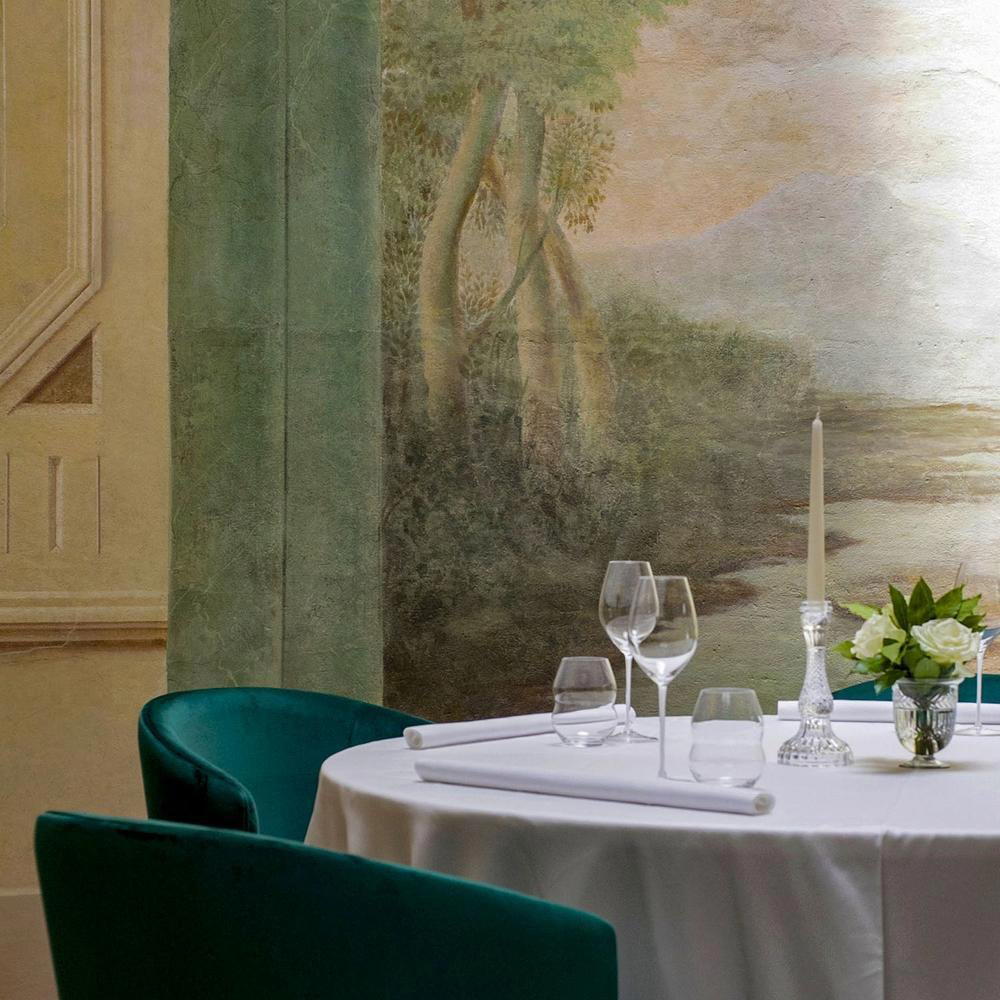
Bright, minimalistic interior with sleek modern design and a lovely hidden terrace offering a convivial, warm atmosphere.