Lady Helen Restaurant
Set within the grounds of Mount Juliet Estate in Thomastown, County Kilkenny, this Irish Contemporary restaurant holds consecutive La Liste scores of 77 points across 2025 and 2026, placing it among a comparable set of estate-dining addresses that take Irish produce seriously. The setting, a Georgian manor with walled gardens, provides context that most urban restaurants cannot replicate. Reserve well in advance, particularly for weekend stays.
Pearl is the En Primeur Club membership app — saves, bookings, and concierge access live there. Same editors, same standards.
- Address
- Mount Juliet Estate, Autograph Collection, Walton's Grove Or Mountjuliet, Thomastown, Co. Kilkenny, Ireland
- Phone
- +353 56 777 3000
- Website
- mountjuliet.ie
- Directions
- Get directions
 Saves & bookings on Pearl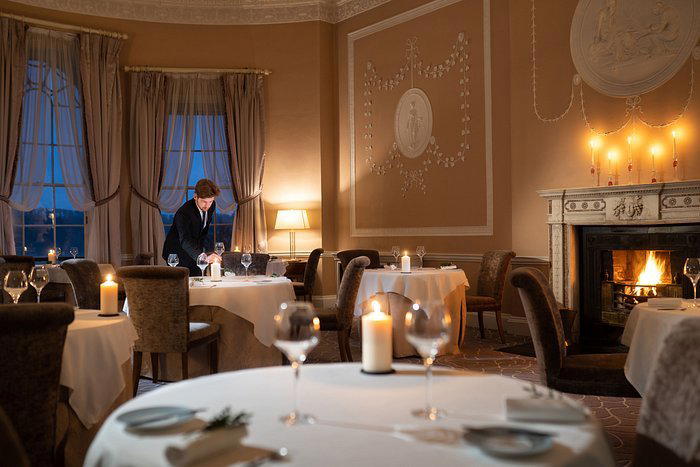
Estate Dining and the Irish Contemporary Tradition
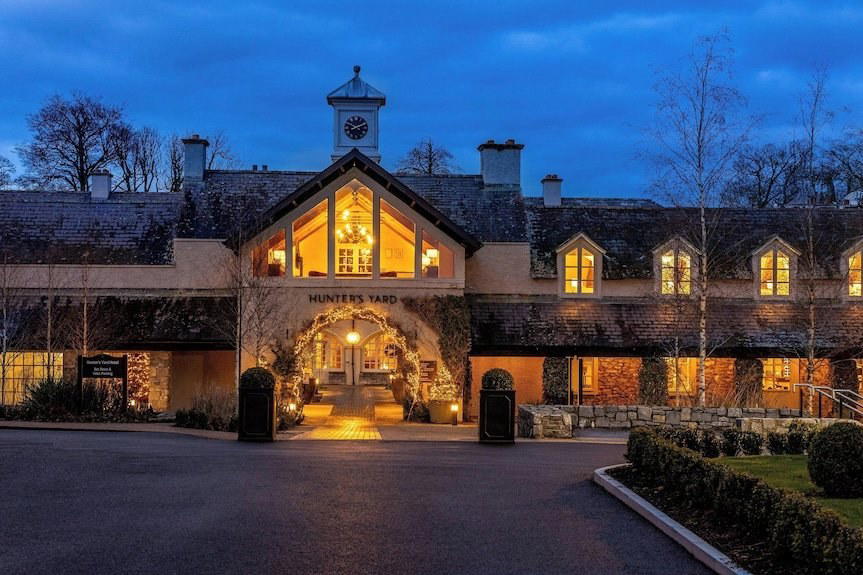
There is a specific category of Irish fine dining that cannot be separated from its geography. Unlike the urban tasting-menu format that drives destinations such as Chapter One by Mickael Viljanen in Dublin or Liath in Blackrock, the estate-dining model ties the meal to landscape, season, and a built environment that predates the kitchen by centuries. Mount Juliet, a restaurant in Thomastown, Co. Kilkenny, operates squarely within that tradition. Arriving at the property means moving through parkland before the Georgian manor house comes into view, the approach functions as a preamble to dinner, framing the experience before a dish has been placed.
That physical context matters more than it might appear. Irish Contemporary cuisine, at its most considered, is an argument for specificity: the claim that Irish soil, rivers, coastline, and farming traditions produce ingredients worth treating as primary subjects rather than interchangeable inputs. An estate setting either validates or undermines that argument depending on how seriously the kitchen engages with what surrounds it. At Mount Juliet, the estate grounds, kitchen gardens, and proximity to Kilkenny's agricultural hinterland provide the raw material for a menu that earns its regional credentials.
Where Mount Juliet Sits in the Irish Fine Dining Tier
La Liste, the Paris-based ranking that aggregates critic scores and reservation data across global restaurant guides, has assigned Mount Juliet 77.5 points for 2025 and 77 points for 2026. That consistency across two consecutive editions places it in a defined mid-upper tier of Irish restaurant recognition, above competent regional dining, below the handful of Irish addresses that cross into international headline territory. For comparison, the Irish restaurants that crowd stronger examples from La Liste's global list tend to cluster in Dublin or in destination-driven county addresses with significant critical momentum behind them.
Within the Leinster region specifically, Mount Juliet sits in a comparable set that includes Campagne in Kilkenny and the broader cohort of serious provincial restaurants that draw weekend visitors from Dublin rather than competing for the city's daily covers. That positioning shapes everything from the booking window to the dress expectation: this is a destination-dinner address, not a neighbourhood room.
The Lady Helen restaurant within the estate is the primary fine-dining expression of the property. Lady Helen (Modern Cuisine) represents the formal, tasting-menu tier of what Mount Juliet offers at the table, an address that should be considered its own reference point within the Thomastown dining scene.
The Cultural Weight of Irish Contemporary Cuisine
Irish Contemporary, as a culinary category, crystallised gradually from the late 1990s onward as a generation of chefs moved away from the French-Irish hybrid format that dominated Irish fine dining for decades, a model still represented at the highest level by Patrick Guilbaud in Dublin, and toward something more explicitly rooted in Irish ingredient culture. The shift mirrors what happened in Scandinavia, the Basque Country, and parts of rural France: a return to place as the organising principle of a kitchen, with classical technique applied to local materials rather than imported frameworks.
Mount Juliet's position within that trajectory is shaped by its geography. County Kilkenny sits at the intersection of river, farmland, and historic estate culture. The Nore provides freshwater fish. The surrounding farms produce beef, lamb, and game that carry regional character. The kitchen gardens associated with estate properties of this age and scale are not decorative, they supply herbs, vegetables, and soft fruit that move through menus in relation to what is actually growing. That seasonal rhythm is harder to manufacture in an urban kitchen than the format sometimes implies, and estate restaurants that do it well occupy a different competitive position than those that use the language of Irish Contemporary without the underlying supply chain to support it.
This context connects Mount Juliet to a wider network of Irish addresses committed to the same argument: Aniar in Galway, dede in Baltimore, Chestnut in Ballydehob, Homestead Cottage in Doolin, House in Ardmore, and Bastion in Kinsale each represent regional nodes in a national conversation about what Irish food actually is when stripped of its postcolonial deference to continental models. Terre in Castlemartyr occupies a structurally similar position to Mount Juliet, estate-based, regionally anchored, with a tasting menu format that positions the property as a destination rather than a pit stop.
The international comparison points sit further afield. At the level of produce-driven, technically rigorous tasting menus, the conversation eventually reaches addresses like Le Bernardin in New York City or Atomix in New York City, both of which demonstrate, in different ways, how a kitchen committed to a single organising principle (seafood precision at Le Bernardin; Korean culinary culture at Atomix) can sustain critical relevance over years. The principle translates: an Irish estate kitchen that genuinely works from its own soil and season has a foundation that touring or trend-driven menus lack.
Planning a Visit
Mount Juliet Estate operates as part of the Autograph Collection (Marriott's independent-character hotel brand), which means booking infrastructure is stable and advance reservation is possible through standard hotel and restaurant channels. The estate is located in Thomastown, Co. Kilkenny, making it a practical dinner destination from Dublin.
Reservations are essential. Planning ahead is advisable regardless of season.
Price and Positioning
Comparable venues nearby, for context on price, style, and recognition.
| Venue | Cuisine | Price | Awards |
|---|---|---|---|
| Lady Helen RestaurantThis venue — the venue you are viewing | Thomastown, Modern Irish Fine Dining | $$$$ | Not listed |
| Lady Helen | Thomastown, Modern Irish Fine Dining | $$$$ | Michelin 1 Star |
| 9 Below | Mansion House B, Luxury Cocktail Bar | $$$$ | Not listed |
| 51 Cornmarket | Centre B, Seasonal Local Irish | $$$ | Not listed |
| Ballynahinch Castle | Connemara, Modern Irish Fine Dining | $$$$ | Not listed |
| Bearu | New Ross, Contemporary Irish Seasonal | $$$ | Not listed |
Continue exploring
More in Thomastown
Restaurants in Thomastown
Browse all →
Bars in Thomastown
Browse all →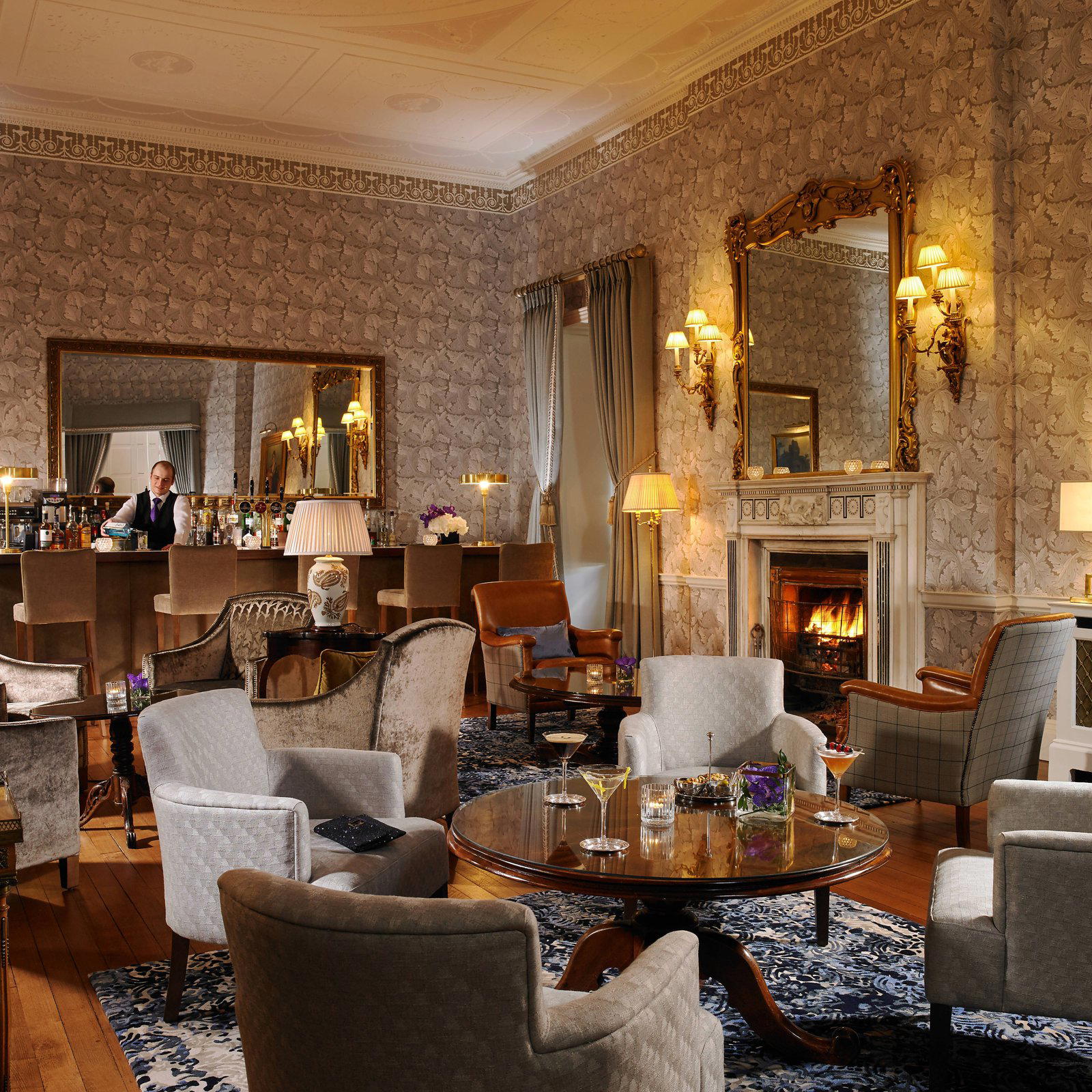
At a Glance
- Elegant
- Sophisticated
- Romantic
- Scenic
- Date Night
- Special Occasion
- Hotel Restaurant
- Historic Building
- Private Dining
- Extensive Wine List
- Sommelier Led
- Local Sourcing
- Farm To Table
- Garden
Current opening hours
- Monday
- 5:30–9 PM
- Tuesday
- 5:30–9 PM
- Wednesday
- 5:30–9 PM
- Thursday
- 5:30 AM–9 PM
- Friday
- 12:30 AM–9 PM
- Saturday
- 12:30 AM–9 PM
- Sunday
- 12:30 AM–9 PM
Hours can change for holidays and private events. Last verified .
Luxurious high-ceilinged room with original stuccowork, hand-carved marble fireplaces, and elegant comfort.