Mother India Restaurant
Our verdict
One of Glasgow's most established Indian restaurants, Mother India on Westminster Terrace has shaped the city's relationship with subcontinental cooking for decades. Positioned in Finnieston, a neighbourhood that has become a reference point for serious dining in Scotland, it occupies a different register from the casual curry-house circuit, closer in ambition to the considered regional Indian cooking now drawing critical attention across the UK.

Pearl is the En Primeur Club membership app — saves, bookings, and concierge access live there. Same editors, same standards.
- Address
- 28 Westminster Terrace, Finnieston, Glasgow G3 7RU, United Kingdom
- Phone
- +44 141 221 1663
- Hours
- Daily 1–9:30 PM
- Website
- motherindia.co.uk
- Directions
- Get directions
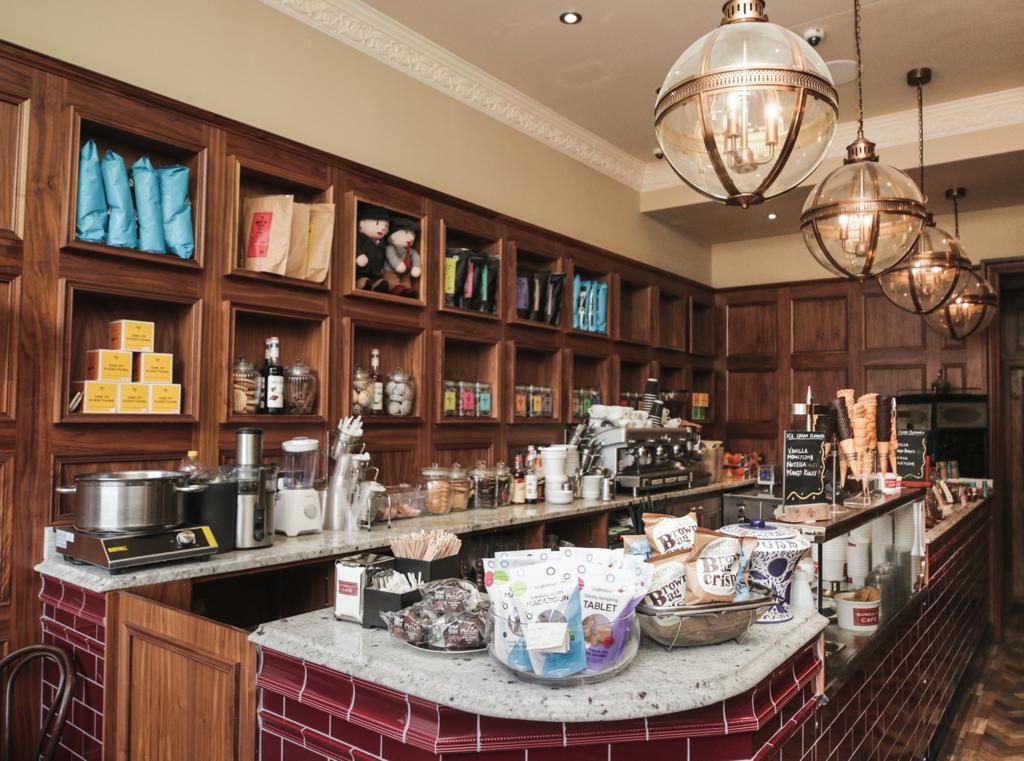
The menu
What to order
- Lamb mussalam
- Butter chicken
- Machi masala
Finnieston and the Architecture of Glasgow's Dining Scene
Glasgow's Finnieston strip has undergone a well-documented transformation over the past fifteen years, shifting from light-industrial stretches along the Clyde to one of the most concentrated dining corridors in Scotland. The neighbourhood now holds a wide range of serious restaurants across formats and price points, from the tasting-menu ambition of Cail Bruich and Unalome by Graeme Cheevers to more casual propositions like Big Counter and Brett. Westminster Terrace, where Mother India sits, connects this dining energy to the residential grid of the West End — a quieter address than Argyle Street, but one that has long attracted restaurants with a neighbourhood rather than destination-tourist logic.
Within that context, Mother India occupies a specific and meaningful position. Indian cooking in British cities has historically been flattened into a single commercial category — the curry house, regardless of the regional specificity, technique, or sourcing beneath any given kitchen. The more attentive wave of South Asian restaurants that emerged from the 2010s onward, exemplified at the starred end by places like Opheem in Birmingham, began to push against that flattening with regional menus, long-fermented breads, and spice work drawn from specific culinary traditions. Mother India has been part of Glasgow's version of that conversation for considerably longer than most.
The Cultural Weight of Indian Cooking in Scotland
Scotland's relationship with South Asian cooking is older and more embedded than it often receives credit for. Glasgow in particular developed a large South Asian community from the postwar period onward, and the culinary exchange that followed shaped the city's palate in ways that go well beyond chicken tikka masala, itself a Glasgow origin story, depending on which version you accept. The city's Indian restaurants span the full range, from high-volume Punjabi-inflected tandoor houses to more considered kitchens drawing on Keralan, Goan, or Mughlai traditions.
Mother India sits within that longer history, having built a reputation over years as a place where the cooking engages seriously with subcontinental technique rather than defaulting to the standardised Britishised curry canon. That positioning matters more in the current moment than it might have a decade ago, because diners across the UK are now considerably better equipped to read the distinctions, between a tarka dal made with proper tempering and one made with pre-blended spice paste, or between a bread programme that ferments overnight and one that does not. Venues across the country that invested early in that kind of rigour are now legible to a wider audience.
Among those, Mother India has a longer track record in Glasgow than almost any comparable address.
What to Eat, and How to Read the Menu
The most useful way to approach a menu at a restaurant like this is regionally, not by protein. Indian cooking operates across dozens of distinct regional traditions, the mustard-oil-heavy fish preparations of Bengal, the coconut-based curries of Kerala, the tandoor-centred Punjabi canon, the slow-cooked Hyderabadi biryani tradition, and a kitchen that draws from more than one of those simultaneously is telling you something about its ambitions. Look for dishes that signal regional specificity: dal preparations with named lentil varieties, bread styles beyond naan, regional rice dishes, or spice combinations that diverge from the standard Britishised base.
Vegetable cookery is always a reliable indicator of kitchen seriousness in this tradition. South Asian cuisine has one of the world's most sophisticated vegetarian repertoires, and a restaurant that gives those dishes the same care as the meat-centred options is working from the right set of priorities. That applies across the comparators in this category, from the more casual formats at Afrikana on Sauchiehall Street to the broader pan-Asian registers at venues like Big Counter.
Glasgow in the UK Fine Dining Frame
At the Michelin-starred end of the UK market, the reference points are places like CORE by Clare Smyth, L'Enclume in Cartmel, Moor Hall in Aughton, or the long-running classical form of the Waterside Inn in Bray. Glasgow does not yet operate at that level of Michelin density, but the city's Indian and South Asian restaurants punch above the Scottish average, and Mother India represents the more considered end of that category locally.
Across the UK, the Indian restaurant category has been bifurcating. One end trends toward the high-concept tasting-menu format, the Opheem model, which has attracted Michelin recognition. The other maintains the neighbourhood-restaurant register but raises the internal quality bar on sourcing, technique, and regional accuracy. Mother India operates in that second register, which is arguably where the larger dining opportunity lies: accessible price points, repeatable visits, and cooking that rewards attention without demanding ceremonial commitment.
For readers working through Glasgow's broader dining scene, the full Glasgow restaurants guide covers the city's range across formats and price points, from starred modern cooking to the casual end of the city's international repertoire. Venues like Midsummer House in Cambridge, Gidleigh Park in Chagford, or Ynyshir Hall in Machynlleth represent comparable levels of culinary ambition in different British regional contexts, useful comparators for calibrating expectations when visiting Scotland's central belt.
Planning Your Visit
Mother India is at 28 Westminster Terrace, Finnieston, Glasgow G3 7RU. The address places it in the western edge of the Finnieston dining cluster, a short walk from the main Argyle Street corridor. Finnieston is well connected by public transport from Glasgow city centre, and the surrounding streets have a residential, unhurried character that suits a longer dinner rather than a quick pre-theatre meal.
Verify current hours, booking details, and pricing directly before visiting. Walk-in availability at neighbourhood Indian restaurants in Glasgow varies considerably by day and season. Weekend evenings across the Finnieston and West End area tend to fill early, so a reservation made a few days ahead is generally the more reliable approach. Allergy and dietary requirements should be confirmed with the restaurant at the point of booking; South Asian kitchens vary significantly in their approach to cross-contamination and ingredient substitution, and no general assumption should be made.
Frequently asked questions
How do I find Mother India Restaurant?
Mother India Restaurant is located at 28 Westminster Terrace, Finnieston, Glasgow G3 7RU, United Kingdom.
How does Mother India Restaurant fit into Glasgow's wider South Asian dining scene?
Glasgow has one of the most established South Asian dining communities in the UK outside London, with Indian restaurants woven into the city's food culture for well over half a century. Mother India at 28 Westminster Terrace, Finnieston, sits within that longer lineage while occupying a neighbourhood that has since attracted a newer wave of contemporary openings. That dual context, historical depth plus current address, gives it a different footing from newer arrivals operating only in the present moment of the Finnieston scene.
What should I eat at Mother India Restaurant?
Ask the restaurant about current menu options and any regional preparations available on the day.
Do they take walk-ins at Mother India Restaurant?
Walk-in availability at 28 Westminster Terrace, Finnieston will depend heavily on the day and time, given the area's density of destination restaurants that drive consistent foot traffic. Booking ahead is the lower-risk approach, particularly on weekend evenings when the Finnieston strip operates at capacity. Check the venue's official channels to confirm its current policy before visiting.
What's the standout thing about Mother India Restaurant?
Mother India occupies a specific position in Glasgow's dining story: it is part of a South Asian restaurant culture that runs deeper in the city than most food guides acknowledge, with roots stretching back decades before Finnieston became a destination address. The restaurant sits at 28 Westminster Terrace, placing it within the western edge of the Finnieston cluster where the competition for serious diners is now genuinely steep. That longevity in a neighbourhood that has transformed around it is the clearest signal of sustained relevance.
Is Mother India Restaurant allergy-friendly?
Indian cooking frequently involves nuts, dairy, gluten-containing grains, and complex spice blends that can present allergy considerations, so direct communication with the kitchen before visiting is advisable. Contact the restaurant ahead of your booking to confirm what the kitchen can accommodate for your specific requirements.
How Mother India Restaurant Glasgow: Worth Booking? compares with similar nearby venues.
| Venue | Cuisine | Price | Awards |
|---|---|---|---|
| Mother India RestaurantThis venue — the venue you are viewing | Authentic Punjabi Indian | $20–30 | Not listed |
| Unalome by Graeme Cheevers | Modern Scottish Fine Dining | $100–150 | 1 Michelin Star · AA Rosettes 3 Rosettes |
| Porter & Rye | Modern Steakhouse | $50–100 | World's Best Steaks Europe's 50 Best #42 · The Good Food Guide GFG Good |
| Ox and Finch | Modern Mediterranean Small Plates | $30–50 | Michelin Bib Gourmand · The Good Food Guide GFG Good |
| The Gannet | Modern Scottish Fine Dining | $50–100 | Michelin Plate · The Good Food Guide GFG Good |
| Gloriosa | Pan-Mediterranean Seasonal Small Plates | $50–100 | SquareMeal UK Top 100 Restaurants #89 |
Continue exploring
More in Glasgow
Restaurants in Glasgow
Browse all →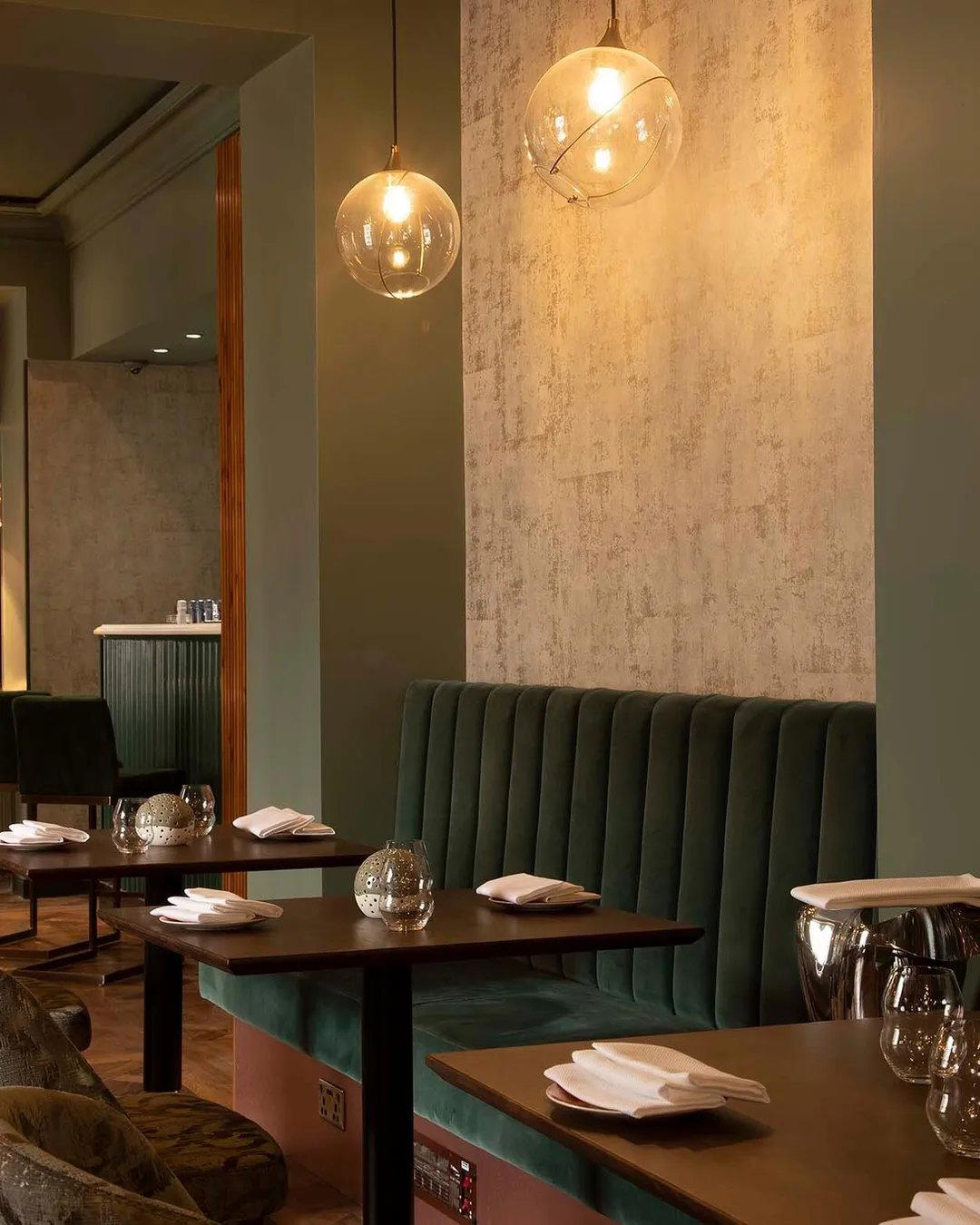
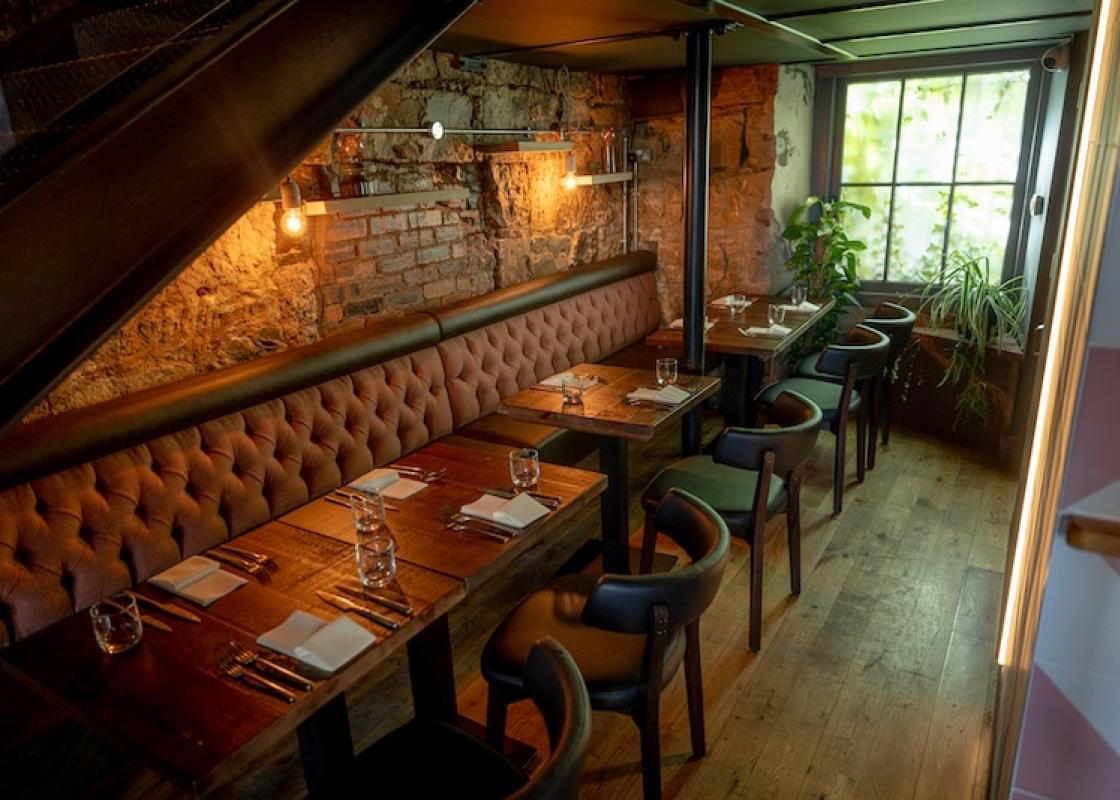
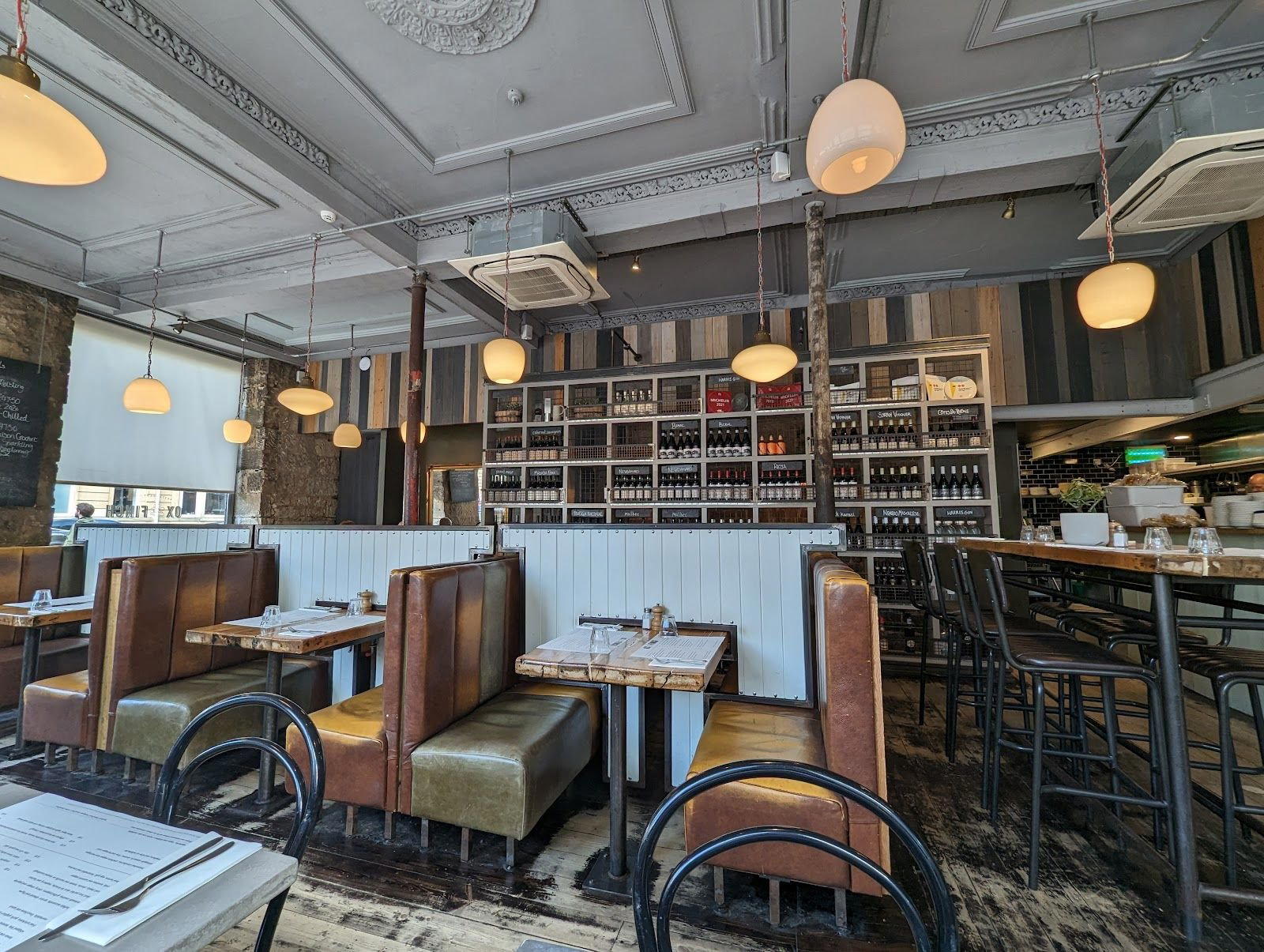
Bars in Glasgow
Browse all →
Hotels in Glasgow
Browse all →
Wineries in Glasgow
Browse all →
Details
- Classic
- Cozy
- Well Known
- Group Dining
- Family
- Casual Hangout
- Historic Building
- Local Sourcing
- A La Carte
- Small Plates
- Vegetarian Friendly
- Vegan Options
- Gluten Free Options
Current opening hours
- Monday
- 1–9:30 PM
- Tuesday
- 1–9:30 PM
- Wednesday
- 1–9:30 PM
- Thursday
- 1–9:30 PM
- Friday
- 1–9:30 PM
- Saturday
- 1–9:30 PM
- Sunday
- 1–9:30 PM
Hours can change for holidays and private events. Last verified .
Warm comfortable restaurant environment with distinctive ambience on three floors and welcoming informal setting at the cafe.