Buddakan
Our verdict
Buddakan occupies a converted Old City warehouse at 325 Chestnut Street, delivering pan-Asian dining inside one of Philadelphia's most architecturally theatrical dining rooms. The soaring ceilings, communal long table, and golden Buddha presiding over the main hall position it firmly in the large-format, high-energy tier of the city's restaurant scene — a counterpoint to the intimate tasting-menu rooms that dominate Philadelphia's fine dining conversation.

Pearl is the En Primeur Club membership app — saves, bookings, and concierge access live there. Same editors, same standards.
- Address
- 325 Chestnut St, Philadelphia, PA 19106
- Phone
- (215) 574-9440
- Hours
- Mon–Thu 5–10 PMFri–Sat 5–11 PMSun 4–10 PM
- Website
- buddakan.com
- Directions
- Get directions
- Booking
- Book on OpenTable
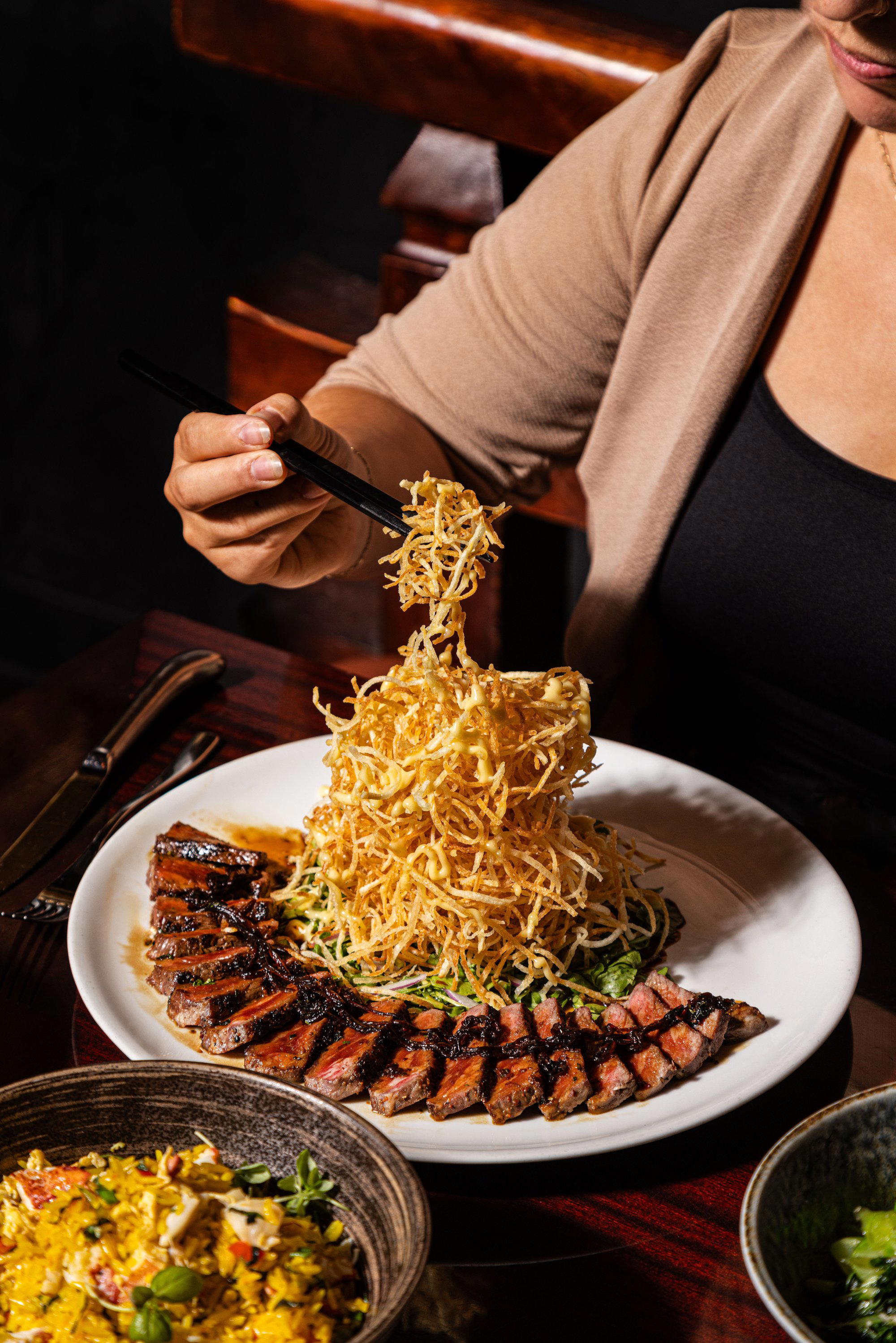
The menu
What to order
- Edamame dumplings
- Tuna pizza
- Tea smoked spare ribs
- Char siu pork buns
Old City's Most Theatrical Dining Room
Old City Philadelphia occupies a compressed rectangle between the Delaware River and 6th Street, where colonial-era warehouses and 19th-century commercial buildings set the physical terms for every restaurant that opens there. The neighbourhood rewards scale. High ceilings, exposed brick, and deep floor plans that would overwhelm a conventional dining room become assets in the right hands. Buddakan, at 325 Chestnut Street, works that geometry harder than almost anything else in the district. The conversion of a former warehouse into a multi-level dining hall — anchored by a towering gilded Buddha and a communal table that seats dozens — represents a specific kind of ambition: the conviction that the room itself is part of what you're paying for.
That approach to restaurant design was a statement when Buddakan opened in Philadelphia in 1998, and it still reads as deliberate rather than dated. Old City was already a neighbourhood with a settled sense of its own identity, close to Independence Hall, the Liberty Bell, and the waterfront, drawing a mix of tourists, local professionals, and after-work crowds from Center City. A large-format pan-Asian concept with a dramatic interior fit the block, and the restaurant became one of the anchors of the neighbourhood's dining scene in a way that quieter, more introspective concepts rarely manage at that scale.
What Pan-Asian Means in a Philadelphia Context
Philadelphia's restaurant scene in the late 1990s was defined by a tension between its serious European fine dining tradition and a wave of concepts that wanted to eat globally without the formality. Pan-Asian cooking, drawing across Chinese, Japanese, and Southeast Asian references without strict adherence to any single regional tradition, gave that impulse a coherent format. It allowed for bold flavours, shareable formats, and visual drama on the plate, all of which translated well into a high-energy room.
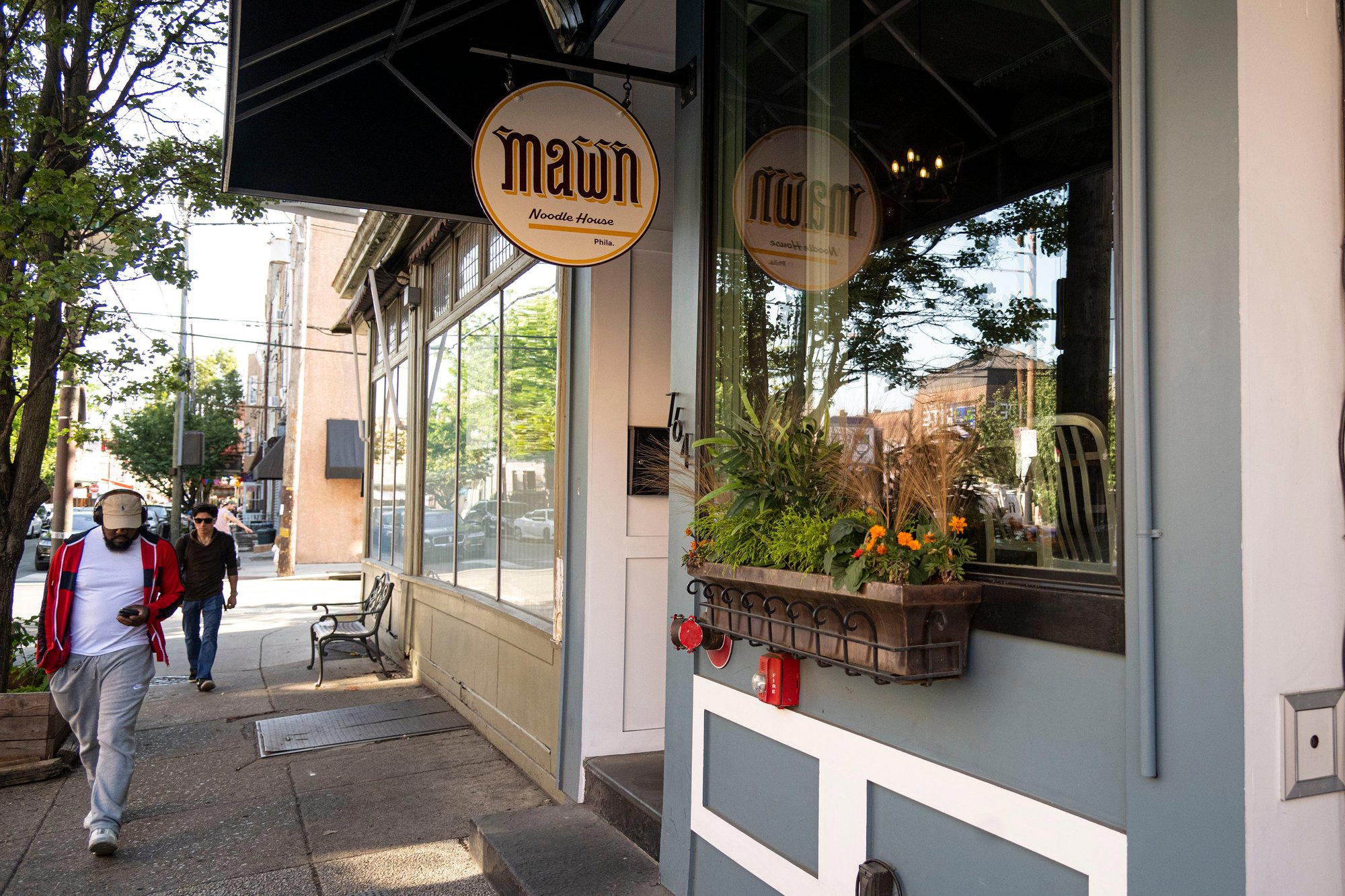
Buddakan sits in that tradition. The pan-Asian category has become considerably more specific and contested since then: Philadelphia now has Mawn, which operates at a more precise Cambodian and pan-Asian register, and Atomix in New York City represents what happens when Korean fine dining pursues a rigorous, single-culture depth. Buddakan's register is different, it prioritises accessibility and spectacle alongside the food, and that's a defensible position in a city where not every dinner needs to be a research project.
For comparison, the more intimate end of Philadelphia's dining scene runs through places like My Loup (French-inspired, quieter in format) and Fork (New American, Old City neighbour). The contrast is instructive. Where those rooms ask for attention and composure, Buddakan operates at a higher volume, literally and figuratively. Neither mode is superior; they answer different versions of the question of what a night out in Philadelphia should feel like.
The Room as the Argument
The physical design of Buddakan remains its most discussed attribute, and that's not a criticism. Restaurants that build strong atmospheric identities at scale are rarer than they appear. The communal long table in the main hall creates a social dynamic that private tables don't replicate, you're aware of the room around you in a way that becomes part of the meal. The golden Buddha presiding from the far wall functions as an organizing focal point, giving the space a visual hierarchy that most large dining rooms lack.
Old City gives this room a specific kind of permission. The neighbourhood's built fabric is already monumental, brick facades, iron shutters, deep window reveals. A restaurant interior that matches that scale doesn't feel incongruous; it feels like an appropriate response to the architecture. That's a location advantage that wouldn't translate to a different part of the city. Buddakan on Rittenhouse Square would be a different proposition; Buddakan in a converted warehouse district near the water is where the concept belongs.
How Buddakan Sits Relative to Its Peers
Emeril's in New Orleans operates in a loosely similar register, as a room with a strong identity in a historically rich dining neighbourhood. Lazy Bear in San Francisco and The French Laundry in Napa occupy a different tier entirely, intimate, produce-driven, technically demanding, but they clarify what Buddakan is not, which is useful context.
Within Philadelphia specifically, Friday Saturday Sunday and South Philly Barbacoa represent the more focused, single-cuisine-identity end of the restaurant spectrum. They answer a different question about what Philadelphia dining does well. Buddakan answers a different one: what does a city-centre restaurant with genuine ambition at scale look like, and can it sustain that ambition over decades in a neighbourhood that keeps changing around it? The answer, so far, appears to be yes. The restaurant's longevity in Old City, over 25 years in a competitive block, is a data point that matters more than any single season's press.
Restaurants like Le Bernardin in New York City, Providence in Los Angeles, or Blue Hill at Stone Barns in Tarrytown endure through rigorous product discipline. Buddakan endures through something different: a consistent environment and a format that fills a specific gap in what Philadelphia's dining scene offers at the experiential end of the market.
Planning Your Visit
Old City is walkable from Center City and within reasonable distance of Penn's Landing and Society Hill. The restaurant's address at 325 Chestnut St places it on one of Old City's main commercial corridors, a block east of Independence Mall. Weekend evenings in Old City attract substantial foot traffic from the tourism district, so the area around Buddakan will be active. For the full atmospheric impact of the room, a weekend dinner booking during peak hours will show the space as it is designed to operate, full, loud, and visually charged. Those looking for a quieter experience in the same neighbourhood would do better at weekday lunch or early evening.
| Venue | Cuisine | Format | Neighbourhood | Booking Lead Time |
|---|---|---|---|---|
| Buddakan | Pan-Asian | Large-format à la carte | Old City | Recommend 1-2 weeks for weekends |
| Fork | New American | Mid-scale à la carte | Old City | 1-2 weeks |
| Friday Saturday Sunday | New American | Intimate à la carte | Rittenhouse Square | 2-4 weeks |
| My Loup | French-Inspired | Intimate tasting/à la carte | Center City | 2-4 weeks |
| Mawn | Cambodian, Pan-Asian | Focused à la carte | South Philly | 1-2 weeks |
For broader context on Philadelphia's dining scene across neighbourhoods and price tiers, see our full Philadelphia restaurants guide.
Frequently asked questions
What's the address for Buddakan?
Buddakan is located at 325 Chestnut St, Philadelphia, PA 19106, Philadelphia.
Is Buddakan Philadelphia connected to the New York location of the same name?
Both the Philadelphia location at 325 Chestnut St in Old City and the New York outpost share the same Stephen Starr restaurant group origin, making them sister venues under the same hospitality company rather than independent operations. The Philadelphia restaurant came first, opening in 1998, which gives it the status of the original within that lineage. The two locations share a design philosophy and pan-Asian orientation but operate in distinct markets.
What's the must-try dish at Buddakan?
The kitchen's pan-Asian framework has historically drawn on a broad range of regional Asian influences, so the strongest strategy is to ask your server which dishes are current signatures on the night you visit. Focus on shared plates if dining in a group, as the room and format are built for that style of eating.
How far ahead should I plan for Buddakan?
Buddakan's scale — the dining room is one of the largest and most recognisable in Old City Philadelphia — means it absorbs walk-in and same-week traffic more readily than a small tasting-menu counter would. That said, weekend evenings in a high-footfall neighbourhood like Old City, positioned between Penn's Landing and Center City, warrant a reservation made at least one to two weeks in advance. For larger groups or specific dates, earlier is safer.
What's Buddakan best at?
Buddakan's clearest strength is atmosphere at scale. The Old City address at 325 Chestnut St puts it inside a dense cluster of historic architecture, and the restaurant has built its reputation on delivering a high-energy dining environment that few Philadelphia venues match in sheer physical impact. The pan-Asian menu format supports sharing, which suits the room's communal energy well.
Is Buddakan good for vegetarians?
Pan-Asian menus of Buddakan's type typically carry meaningful vegetable-forward options alongside protein-centred dishes, but we do not have confirmed current menu data for this location at 325 Chestnut St. Contacting the restaurant directly before your visit is the reliable approach, particularly if you have specific dietary requirements beyond general vegetarian preferences.
Is eating at Buddakan worth the cost?
What the cost buys, by any measure, is as much room as meal: the Old City dining room at 325 Chestnut St is one of the city's most deliberately designed large-format spaces, and that environment is part of what you are paying for. If atmosphere and a shared-plate pan-Asian format are what you are after, the proposition is coherent.
The Minimal Set
Comparable venues nearby, for context on price, style, and recognition.
| Venue | Cuisine | Price | Notes |
|---|---|---|---|
| BuddakanThis venue — the venue you are viewing | Modern Asian Fusion | $50–100 | Not listed |
| Emilia | Casual Italian Pasta | Not listed | East Kensington, Casual Italian Pasta |
| Uchi | Modern Japanese Sushi | Not listed | Rittenhouse Square, Polished Non-Traditional Japanese Sushi |
| New Harmony Vegetarian Restaurant | Vegan Chinese | Not listed | Old City, Vegan Chinese |
| Bing Bing Dim Sum | Chinese Dim Sum with American-Jewish Fusion | Not listed | East Passyunk Crossing, Chinese Dim Sum with American-Jewish Fusion |
| Jade Harbor | Authentic Chinese Dim Sum | $20–30 | Chinatown, Authentic Chinese Dim Sum |
Continue exploring
More in Philadelphia
Restaurants in Philadelphia
Browse all →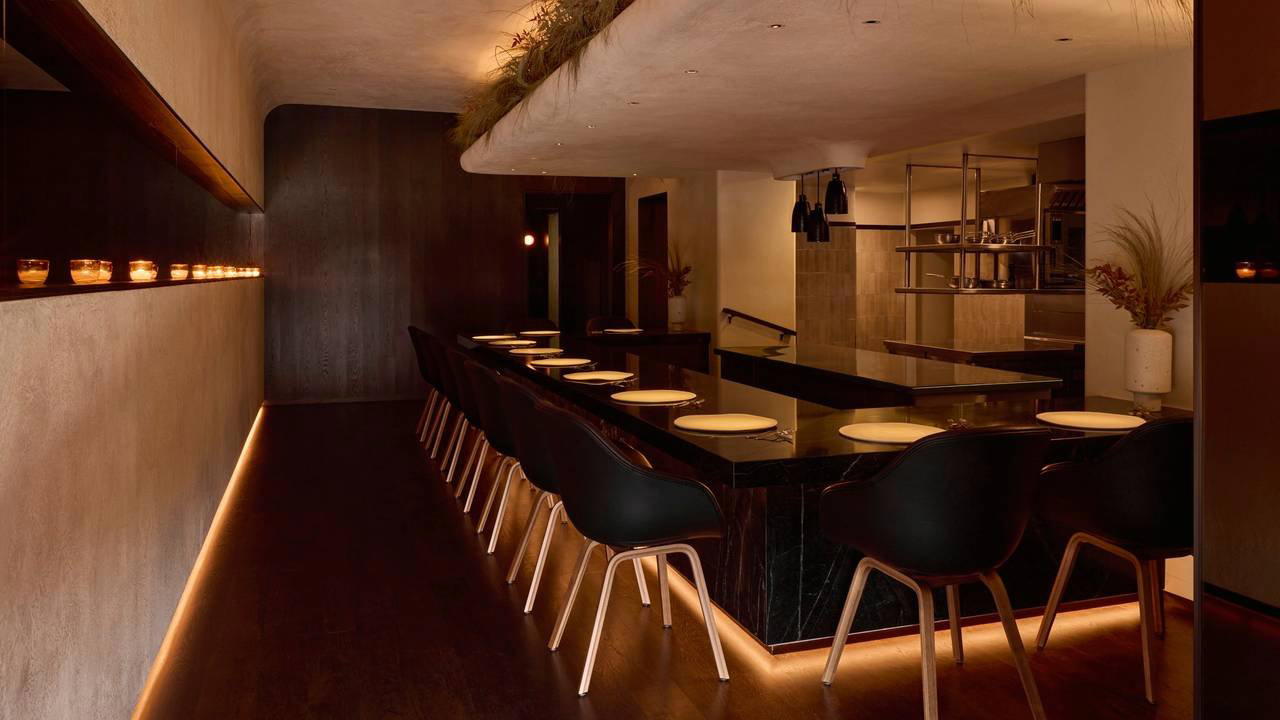
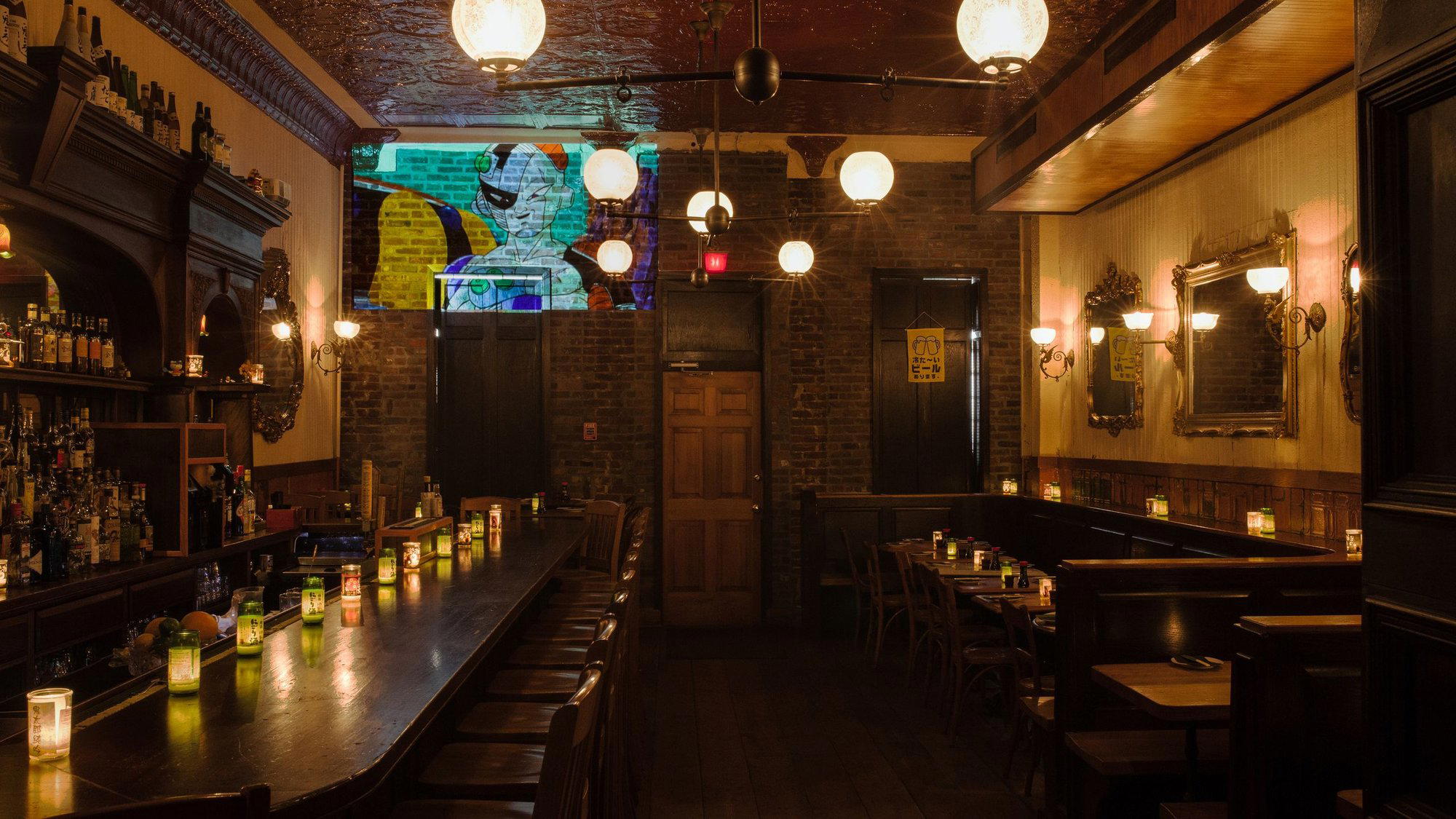
Bars in Philadelphia
Browse all →
Details
- Elegant
- Trendy
- Ornate
- Well Known
- Sophisticated
- Date Night
- Group Dining
- Celebration
- Special Occasion
- Private Dining
- Craft Cocktails
- Sake Program
- Family Style
- A La Carte
- Small Plates
- Craft Cocktails
- Sake Program
- Vegetarian Friendly
- Vegan Options
- Gluten Free Options
Current opening hours
- Monday
- 5–10 PM
- Tuesday
- 5–10 PM
- Wednesday
- 5–10 PM
- Thursday
- 5–10 PM
- Friday
- 5–11 PM
- Saturday
- 5–11 PM
- Sunday
- 4–10 PM
Hours can change for holidays and private events. Last verified .
Swanky, dramatic atmosphere with shimmery waterfall, onyx communal table, and techno music under dim, exotic lighting.