Carversville Inn

1 Michelin Key
A Michelin Selected property on Fleecydale Road in Bucks County's Carversville hamlet, this inn sits within the broader New Hope corridor where historic rural architecture and weekend escapes from Philadelphia and New York converge.

Pearl is the En Primeur Club membership app — saves, bookings, and concierge access live there. Same editors, same standards.
- Address
- 6205 Fleecydale Road, New Hope, PA, USA
- Phone
- 9178816438
- Directions
- Get directions
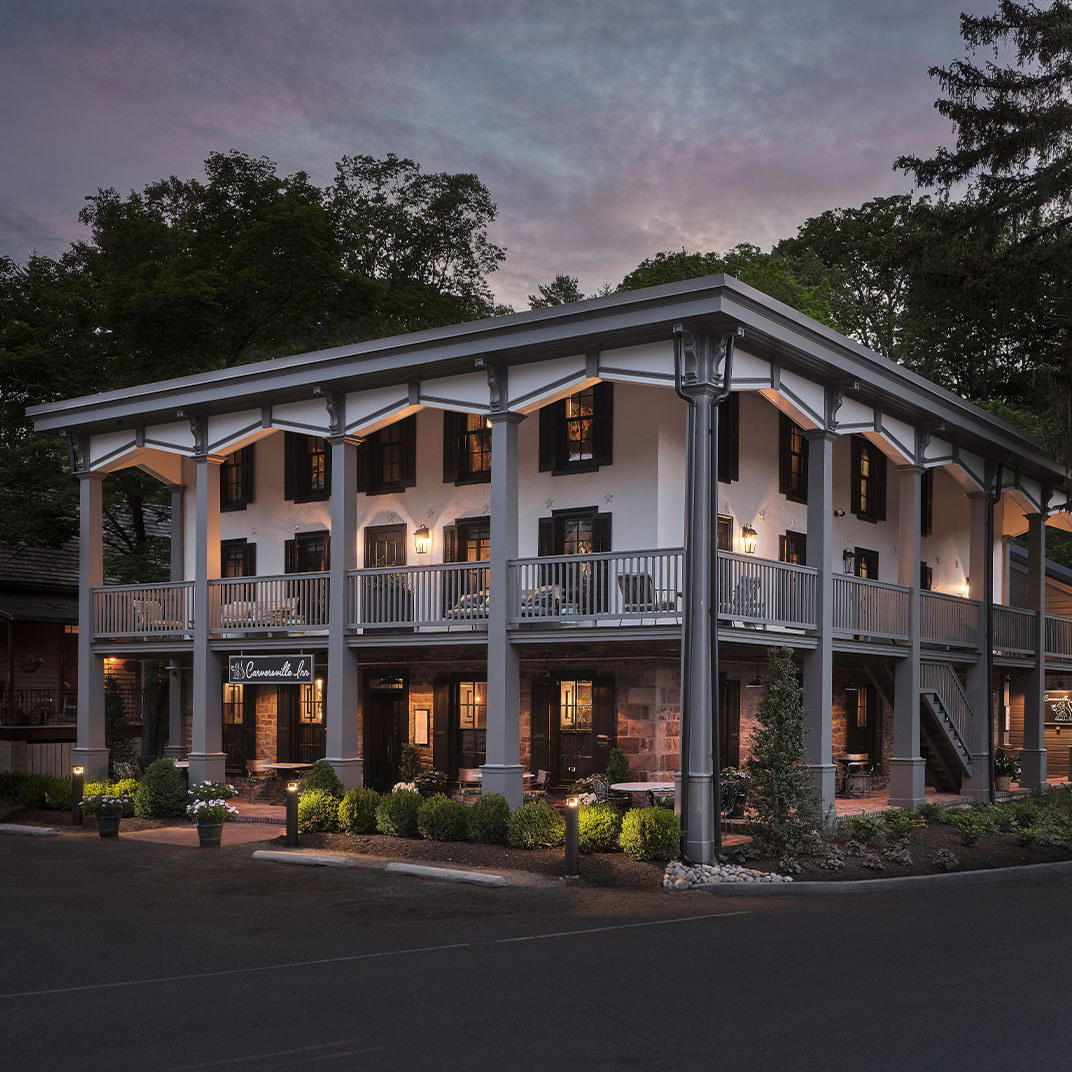
Stone, Timber, and the Delaware Valley Inn Tradition
Bucks County has spent decades accumulating a particular kind of traveller: one drawn less by resort amenities than by the specific texture of a historic American landscape. The villages along the Delaware River corridor — New Hope, Lambertville across the water, and the quieter hamlets radiating outward — have supported a tradition of small, character-driven inns since the region became a retreat from Philadelphia's urban heat in the 19th century. Carversville Inn, positioned on Fleecydale Road in the hamlet of Carversville, sits squarely inside that tradition. Its Michelin Selected designation in 2025 places it in the upper tier of properties the guide's hotel editors consider worth tracking in this corridor, a recognition that aligns it with inns that earn attention through physical authenticity and a calibrated sense of place rather than through scale or branded programming.
The architecture of Bucks County's historic inns is its own argument for staying in them. Stone construction, local Wissahickon schist and fieldstone, quarried and laid during the 18th and early 19th centuries, gives buildings in this region a thermal mass and material honesty that modern construction rarely matches. Walls read differently from the outside: textured, uneven, absorbing light rather than reflecting it. Inside, low ceilings and wide-plank floors document a pre-industrial approach to building that no amount of distressed finish can convincingly replicate. Carversville Inn draws from this regional vernacular, and its position within a hamlet that has largely resisted the commercial development visible in New Hope proper amplifies that architectural coherence.
For travellers comparing character-driven American inn experiences, the reference class is worth understanding. Properties like Troutbeck in Amenia represent the larger, estate-format end of this northeastern inn category, with more extensive grounds and event infrastructure. Carversville operates at a more intimate scale, closer in spirit to properties where the architecture and immediate rural surroundings are the primary experience. That intimacy is part of what positions it differently from the larger resort tier represented by properties like Meadowood Napa Valley or SingleThread Farm Inn in Healdsburg, where on-site culinary and wellness programming form the primary draw.
Placing Carversville in Its Neighbourhood Context
The hamlet of Carversville sits a few miles from the commercial activity of New Hope, which means arriving guests pass through a landscape that still reads as agricultural: stone farmhouses set back from narrow roads, creek-bottom woodland, and the kind of silence that makes urban visitors recalibrate their sense of pace within the first hour. New Hope itself offers the dining, gallery, and antique infrastructure that supports a weekend stay in this corridor, and the proximity to Lambertville across the river extends those options into New Jersey. Our full New Hope restaurants guide covers the dining options in and around the town for guests planning their meals beyond the inn.
The driving approach from both Philadelphia (roughly 40 miles) and New York City (roughly 80 miles) places Carversville within the weekend-escape radius for two major metropolitan markets, which shapes its booking patterns and the profile of its guests. It functions as the kind of property that people return to seasonally rather than discovering once: autumn colour along the Delaware canal path, late spring when the surrounding farmland greens fully, and the quieter mid-winter weeks when the hamlet settles into its most architecturally legible state.
Design Logic and the Question of Restoration
Historic inn properties in the northeastern United States occupy a difficult design position. Restoration that goes too far toward period accuracy can feel museological; renovation that introduces contemporary elements without discipline can erase the very qualities that justify the property's existence. The most successful examples in this category, and Michelin's hotel selection process weighs physical environment heavily, tend to preserve the structural and material vocabulary of the original building while updating systems and comfort levels enough to meet modern expectations without announcing the intervention. The Michelin Selected designation signals that the editorial team found the physical property coherent enough to recommend, which is a meaningful data point given how rigorous the guide's hotel selection has become in the United States since its expansion into hotel coverage.
For context on the range of design approaches that earn Michelin hotel recognition in North America, properties like The Fifth Avenue Hotel in New York City and Chicago Athletic Association represent the urban historic-building tier, while Dunton Hot Springs in Dunton and Sage Lodge in Pray anchor the rural and wilderness-adjacent end. Carversville occupies its own niche: dense with American history, agricultural rather than wilderness, and scaled for the kind of stay where the pace of the surrounding hamlet sets the tempo rather than an on-site activity program.
Planning a Stay
Fleecydale Road is accessible by car; the inn's address at 6205 Fleecydale Road places it in a part of Bucks County where personal transport is the practical assumption. Guests coming from New York would typically take the I-78 or I-287 corridor west before dropping south through New Jersey or crossing at the New Hope-Lambertville Bridge. From Philadelphia, the route north through Doylestown or along River Road is both direct and passes through Bucks County's denser historic district, which adds context to the arrival. Given the Michelin Selected status and the limited capacity typical of properties in this category, advance booking is advisable for autumn weekends, which represent peak demand across the entire Delaware Valley corridor.
Travellers for whom this type of stay resonates might also consider the range of character-driven American properties across different geographies: The Stavrand in Guerneville in California's wine country, Washington School House Hotel in Park City for a converted historic schoolhouse format, or The Hornibrook Mansion Empress of Little Rock for the southern mansion tier. Each represents a different regional interpretation of the same broader category: architecture as hospitality, where the building does as much work as the service.
A Quick Peer Check
Comparable venues nearby, for context on price, style, and recognition.
| Venue | Cuisine | Price | Awards | Notes |
|---|---|---|---|---|
| Carversville InnThis venue — the venue you are viewing | Historic boutique inn blending federal-style architecture with modern renovations | $300–500 | 1 Michelin Key | Not listed |
| Aloft Philadelphia Downtown | Historic adaptive reuse with modern loft vibe | Not listed | Michelin Selected | Avenue of the Arts |
| ROOST Midtown | High-design extended-stay apartment hotel in historic building | $100–200 | Michelin Selected | Avenue of the Arts |
| The Inn at Penn, a Hilton Hotel | Contemporary boutique-style hotel with academic feel on university campus | Not listed | Not listed | University City |
| The Maverick by Kasa | Historic YMCA conversion with modern tech-enabled rooms | $1–100 | World Travel Awards | East Liberty |
| Le Méridien Philadelphia | Historic landmark with modern boutique design | Not listed | Not listed | Avenue of the Arts |
Recognition history
Dated appearances from independent guides and award organizations, with the underlying list record or original source where available.
Michelin 1 Key
Michelin
Full recognition history (2 entries)
Michelin Selected
Michelin
Continue exploring
More in New Hope
Hotels in New Hope
Browse all →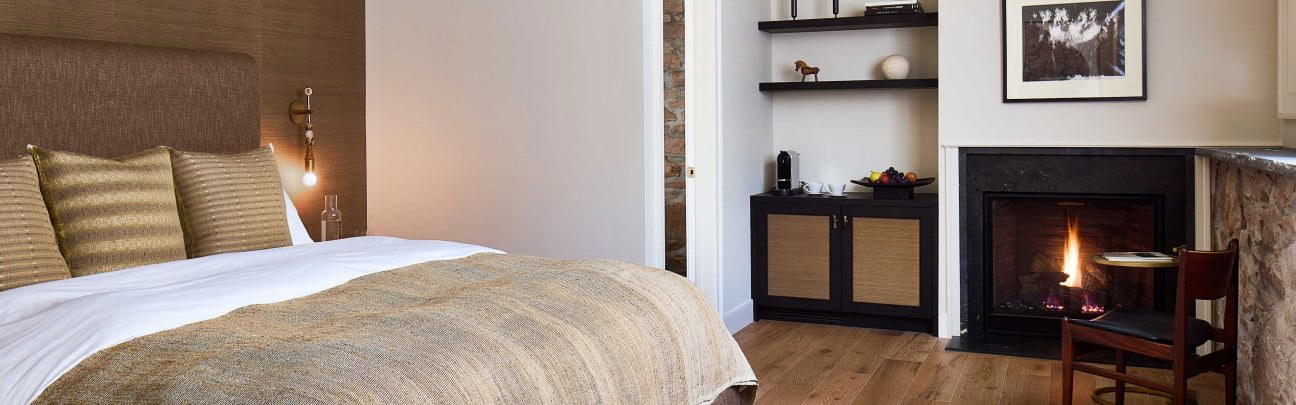
Bars in New Hope
Browse all →
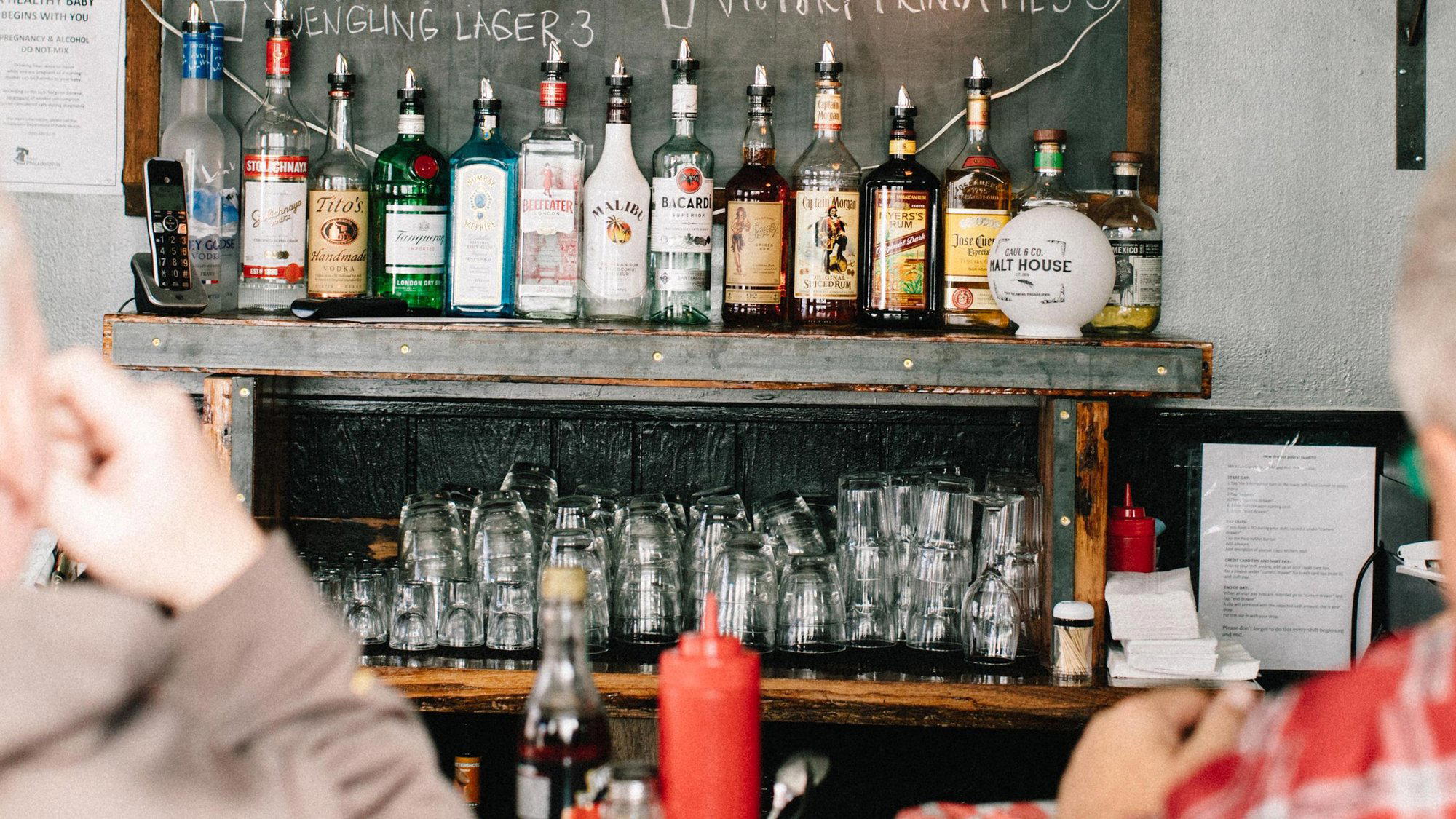
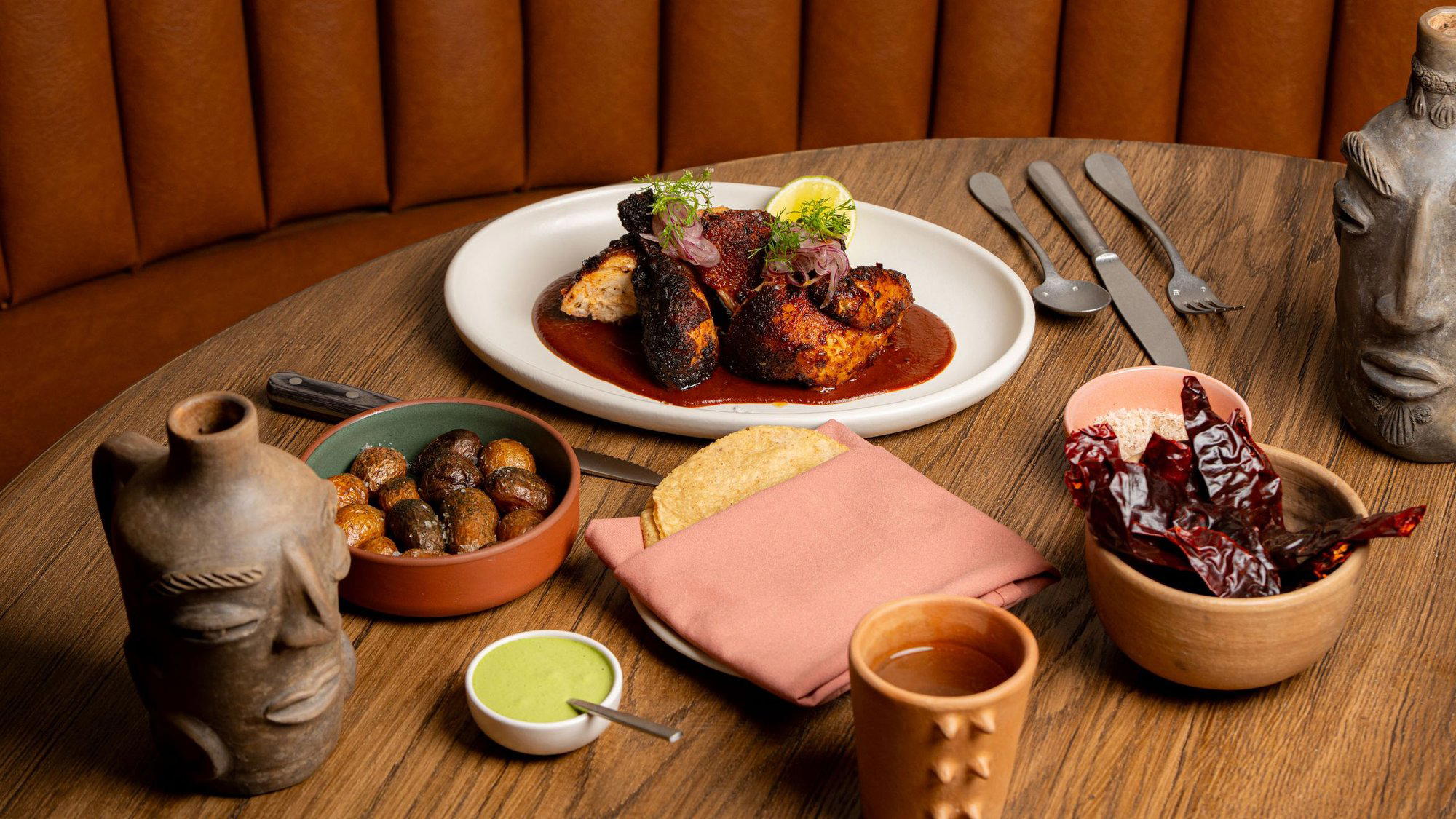
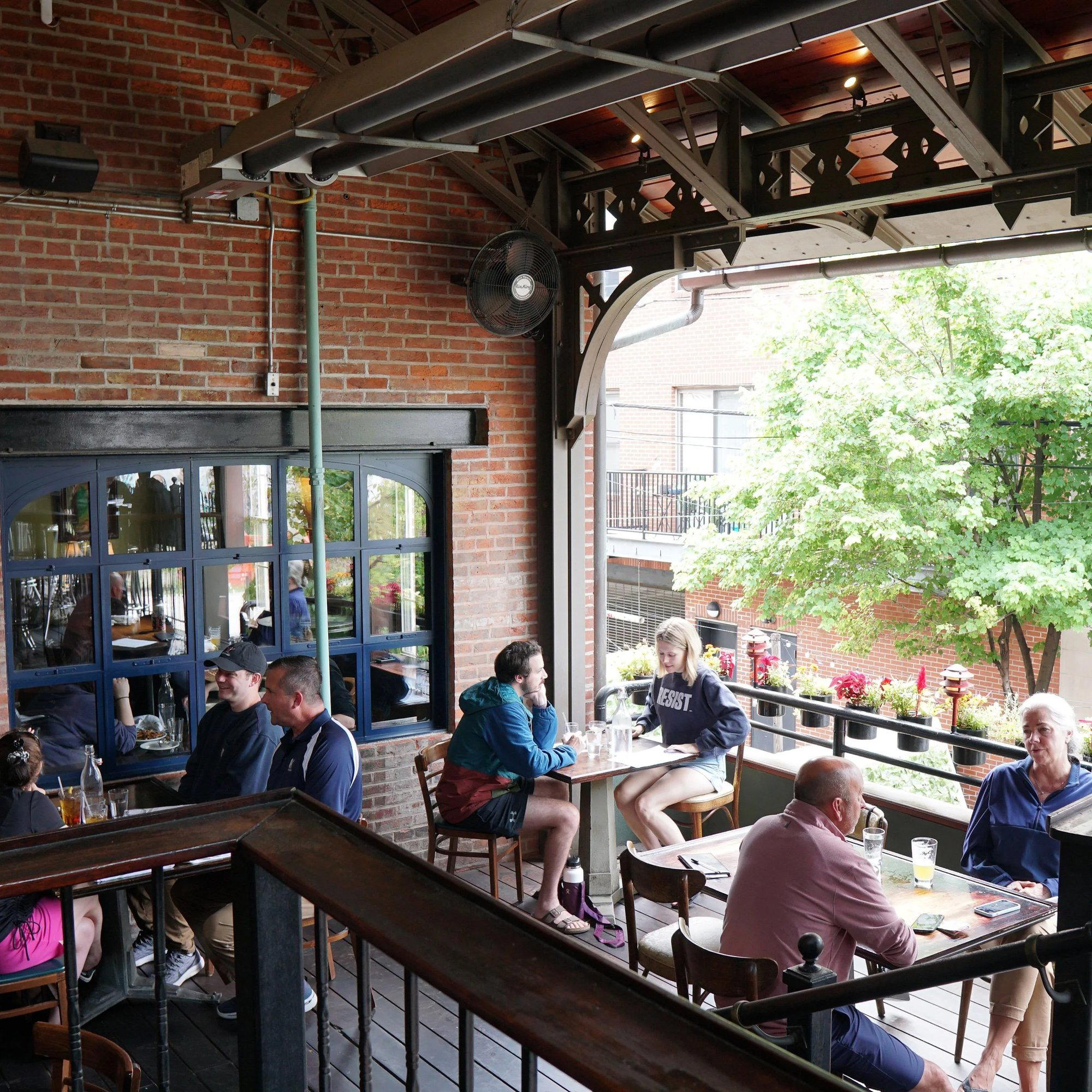
Restaurants in New Hope
Browse all →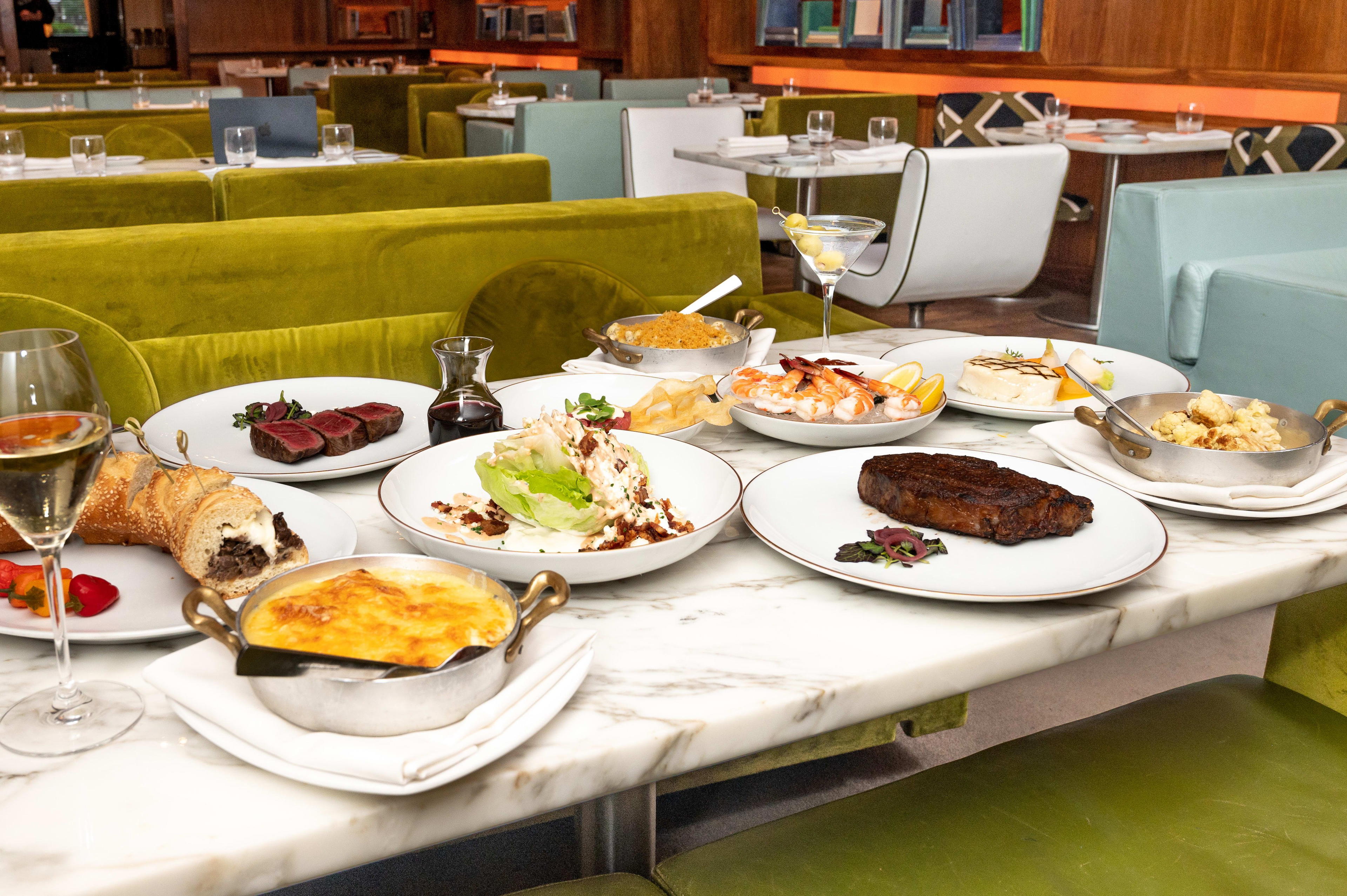
Wineries in New Hope
Browse all →
Details
- Romantic
- Cozy
- Elegant
- Charming
- Intimate
- Romantic Getaway
- Anniversary
- Weekend Escape
- Historic Building
- Terrace
- Wi Fi
- Restaurant
- Air Conditioning
- Wheelchair Accessible
- Step Free Entrance
- Accessible Parking
- Elevator
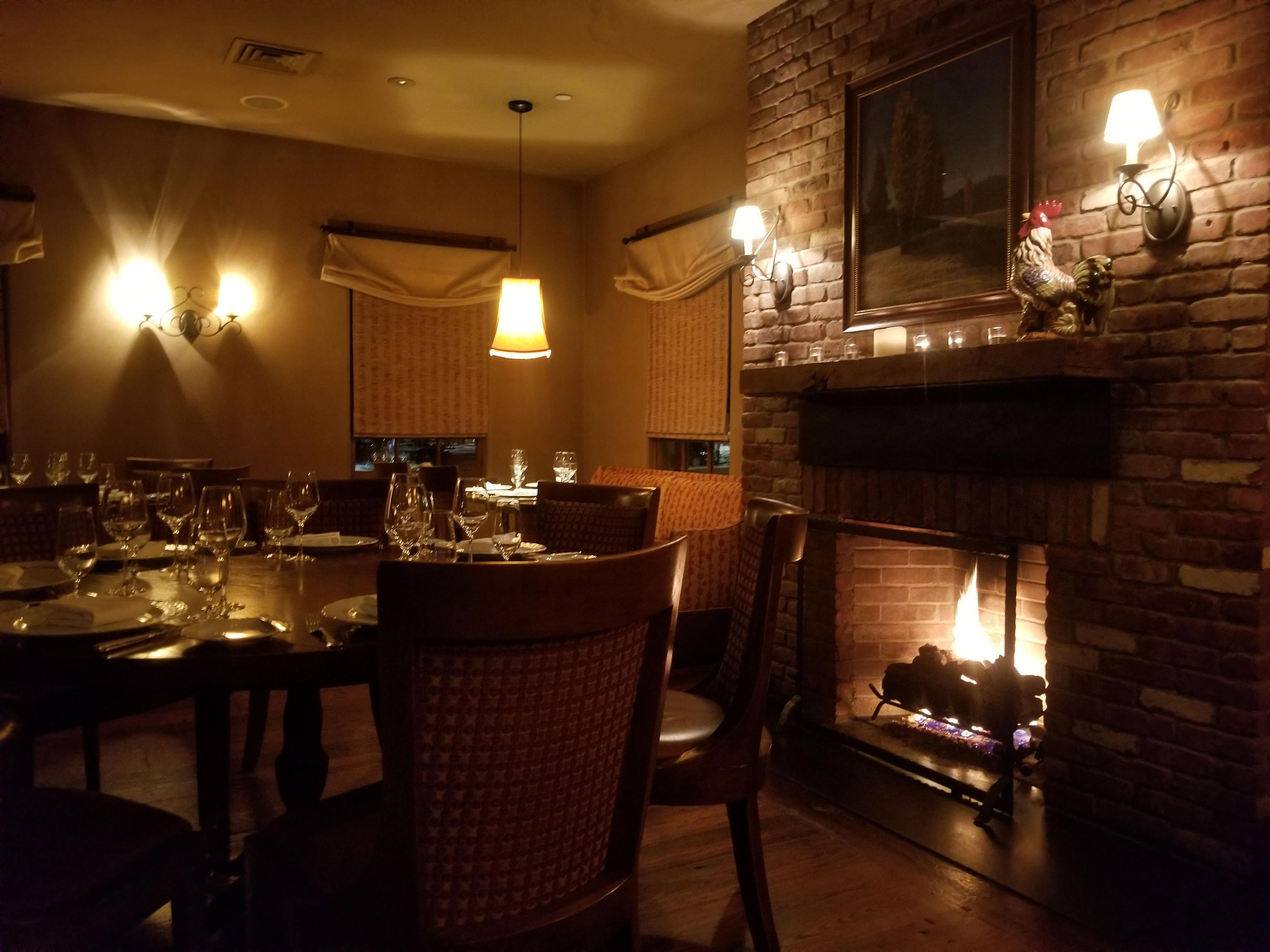
Sophisticated yet cozy with dark walls, tasteful artwork, lively bar, and intimate fireplace room; romantic, eclectic vintage chic atmosphere.