Morgenstern da Mario
Our verdict
Morgenstern da Mario serves authentic Apulian Italian cooking in Zürich, with burrata, paccheri al salsiccia, and fish dishes on an open-kitchen format for lunch or dinner.

Pearl is the En Primeur Club membership app, where members save venues, book tables and use the concierge.

The menu
What to order
- Burrata
- Paccheri al salsiccia
- Fish dishes
Where Kreis 4 Meets the Italian Table
Zwinglistrasse cuts through Kreis 4, one of Zurich's densest and most socially layered districts, where Turkish grocers, Vietnamese kitchens, and long-established European trattorias occupy the same short blocks. The neighbourhood does not perform for visitors; it simply functions, which makes it a reliable indicator of where a city actually eats rather than where it performs eating. Morgenstern da Mario sits on this street at number 27, occupying the kind of address that earns trust through proximity to everyday life rather than through hotel lobbies or lakeside terraces.
The name itself signals a dual identity that is characteristic of Zurich's immigrant dining culture. Italian restaurant traditions, transplanted into a Swiss-German urban neighbourhood, have a long and largely unsung history in this city. Unlike the trophy Italian concepts that have taken root near Paradeplatz or along the Limmat, the Italian tables of Kreis 4 and the adjoining districts have historically survived on repetition and familiarity: a landlord who returns every Thursday, a pasta that does not change with the season because the regulars would notice immediately if it did.
The Intersection of Imported Technique and Local Context
Across Switzerland's more technically ambitious dining rooms, the tension between imported culinary method and local product sourcing has become a defining conversation. At Schloss Schauenstein in Fürstenau, that balance tips toward hyper-regional Graubünden produce filtered through refined European technique. At Cheval Blanc by Peter Knogl in Basel, classic French structure absorbs Swiss ingredients without apology. The question for any Italian-identified restaurant in Zurich is a version of the same problem: how much does proximity to excellent Swiss dairy, Swiss charcuterie, and Swiss seasonal produce reshape a cuisine that was built around specific Italian regional logic?
Italian cooking in Switzerland is not simply Italian cooking transported; it is a negotiation. Swiss winters shape what is available. Swiss supply chains, particularly for aged cheeses and cured meats, offer alternatives that are neither inferior nor identical to their Italian counterparts. The kitchens that handle this negotiation with intelligence tend to be the ones that do not advertise it, that let the plate carry the argument without a glossary of provenance claims on the menu.
Morgenstern da Mario, operating at Zwinglistrasse 27 in the 8004 postal district, sits within this tradition. The venue's address places it inside a residential catchment that rewards consistency over spectacle. In Zurich's dining geography, that positioning matters. The city's higher-profile creative rooms, such as The Counter and The Restaurant, serve a clientele that is partially tourist and partially corporate. A Kreis 4 address implies a different compact: the room needs to work for people who live within walking distance and will return regularly.
Zurich's Italian Tier: Where This Fits
Italian dining in Zurich spans a wider price and ambition range than most European cities of comparable size. At the upper end, Eden Kitchen & Bar operates with a polished Italian-influenced format at the €€€€ tier. At the sharing-format extreme, IGNIV Zürich by Andreas Caminada draws on Mediterranean and Central European references within a premium sharing structure. The mid-range Italian category, the kind of room that serves neighbourhood demand without sacrificing kitchen discipline, is smaller and more competitive than it looks from the outside.
Swiss dining costs are structurally higher than comparable European markets. A neighbourhood trattoria in Zurich operates at price points that would read as upscale in Milan or Rome, simply because labour, rent, and ingredient costs are calibrated to one of the world's most expensive cities. That compression pushes operators toward either genuine quality or volume; the middle ground collapses quickly. The rooms that survive a decade or more in Kreis 4 tend to have resolved that tension in one direction or the other.
Beyond Zurich, Switzerland's more decorated Italian-adjacent rooms include Da Vittorio in St. Moritz, which brings Bergamo lineage to an Alpine resort context, and the broader Swiss fine dining circuit that runs through Hotel de Ville Crissier, Memories in Bad Ragaz, Einstein Gourmet in Sankt Gallen, 7132 Silver in Vals, focus ATELIER in Vitznau, Colonnade in Lucerne, and L'Atelier Robuchon in Geneva. Those rooms represent the country's highest formal register. Morgenstern da Mario occupies a different register entirely, one where the comparison set is local and the measure of success is return frequency rather than award cycles.
For a broader map of where this restaurant sits within the city's dining options, the full Zurich restaurants guide covers the range from neighbourhood standbys through to tasting-menu destinations. Comparable Swiss tradition with a different format is also represented by Widder, which operates in Swiss cuisine with a comparable commitment to local context.
For international reference points on technique-led cooking that absorbs strong local identity, Le Bernardin in New York City and Atomix in New York City represent how imported culinary frameworks can be reshaped by a different geography entirely, a conversation that applies across all transplanted cuisines, Italian in Zurich included.
Planning Your Visit
Morgenstern da Mario is located at Zwinglistrasse 27, 8004 Zürich, within easy reach of the Helvetiaplatz tram hub, which connects Kreis 4 to the main railway station and the lake-facing districts in under ten minutes. Kreis 4 rewards exploration on foot; arriving early leaves time to assess the neighbourhood before sitting down. Given the sparse publicly available data on booking policy, hours, and pricing checking current operating details directly before visiting is advisable. In Zurich's neighbourhood restaurant tier, hours can shift seasonally and walk-in availability varies considerably by day of the week.
Frequently asked questions
How would you describe the vibe at Morgenstern da Mario?
What should I order at Morgenstern da Mario?
Is Morgenstern da Mario reservation-only?
Does Morgenstern da Mario reflect the kind of Italian cooking shaped by Swiss ingredients and context?
The Quick Read
Comparable venues nearby, for context on price, style, and recognition.
| Venue | Cuisine | Price | Awards | Notes |
|---|---|---|---|---|
| Morgenstern da MarioThis venue (the venue you are viewing) | Authentic Apulian Italian | Not listed | Not listed | Not listed |
| IL Gattopardo | Sicilian-Mediterranean Italian | $50–100 | Not listed | Fluntern, Sicilian-Mediterranean Italian |
| Da Angela | Traditional Italian-Mediterranean | $50–100 | Gambero Rosso 1 Forchetta | Industriequartier, Traditional Italian-Mediterranean |
| Zafferano | Modern Italian Trattoria | $50–100 | Not listed | Fluntern, Modern Italian Trattoria |
| Antiquario da Marco | Classic Italian Trattoria | $50–100 | Star Wine List | Hirslanden, Classic Italian Trattoria |
| Capri Bistrot | Contemporary Italian Bistro | $50–100 | Not listed | Riesbach, Contemporary Italian Bistro |
Continue exploring
More in Zürich
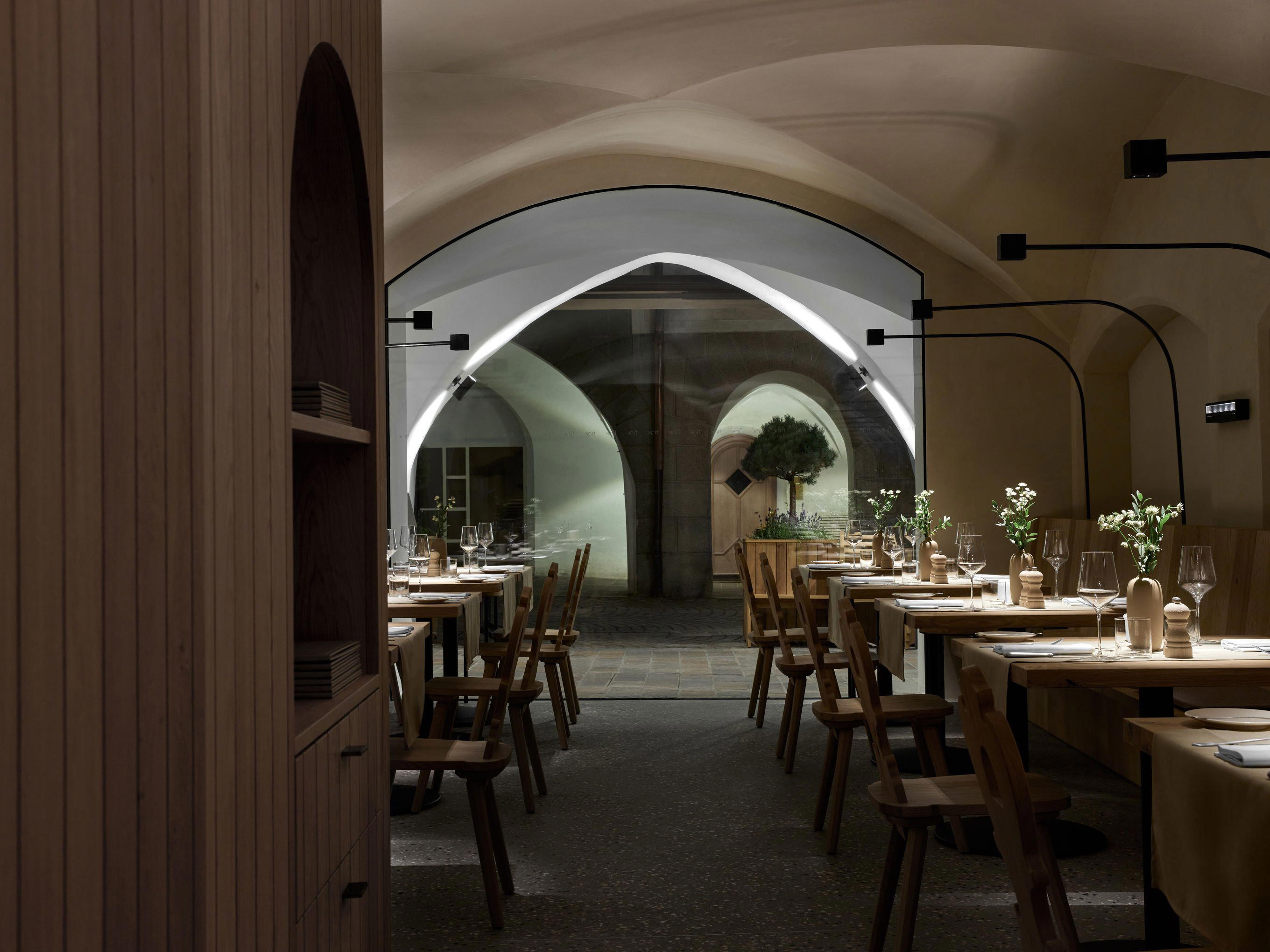
Restaurants in Zürich
All restaurants in Zürich →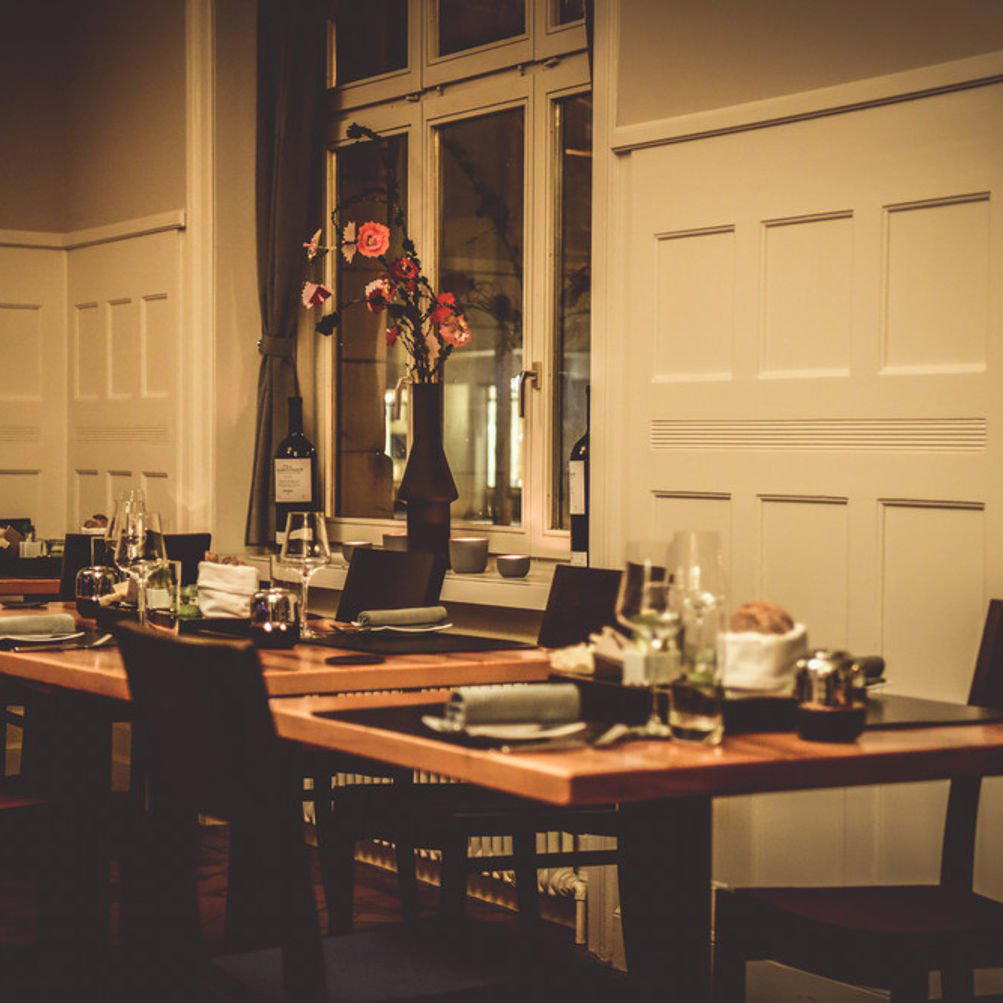
Bars in Zürich
All bars in Zürich →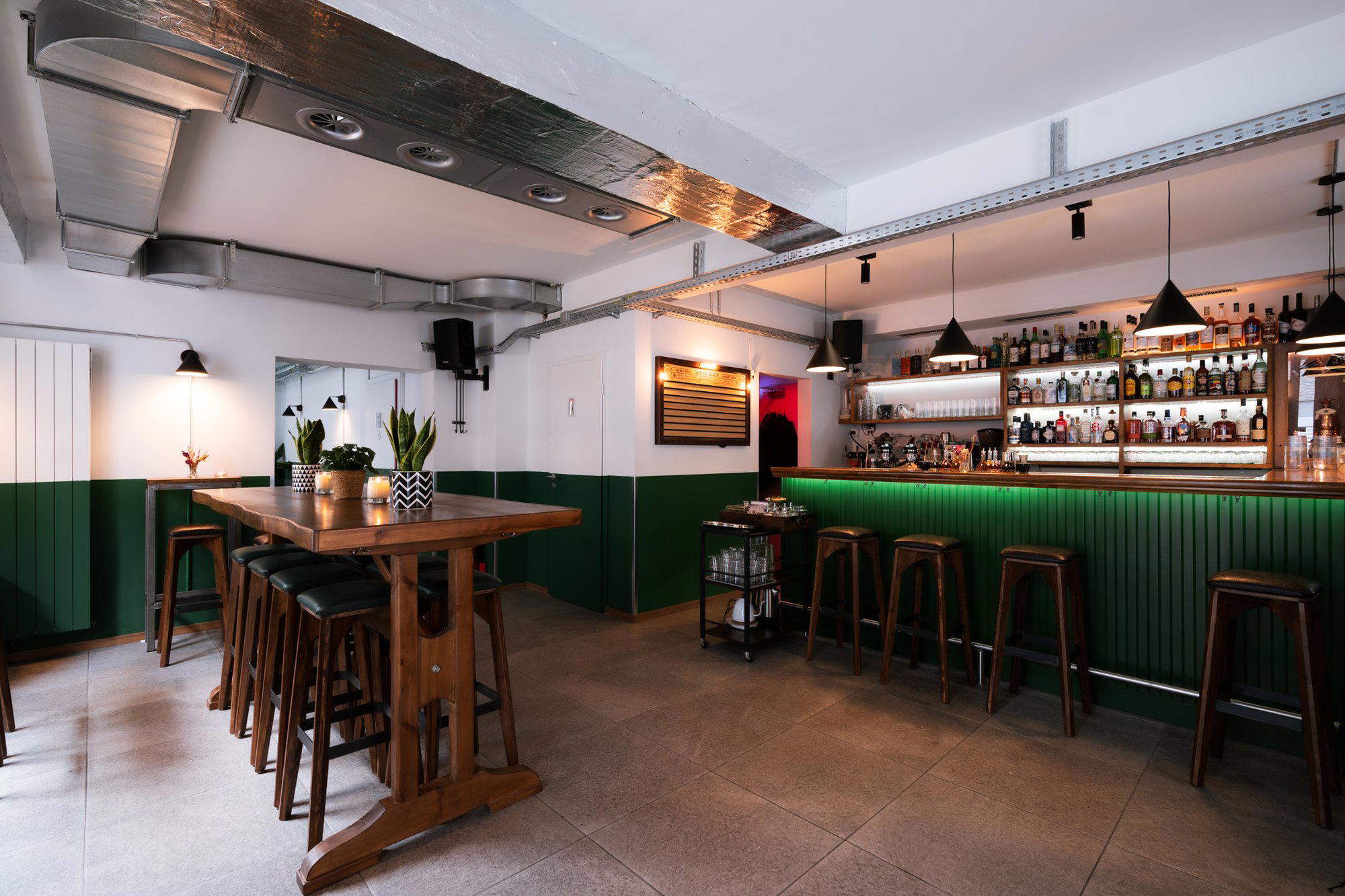
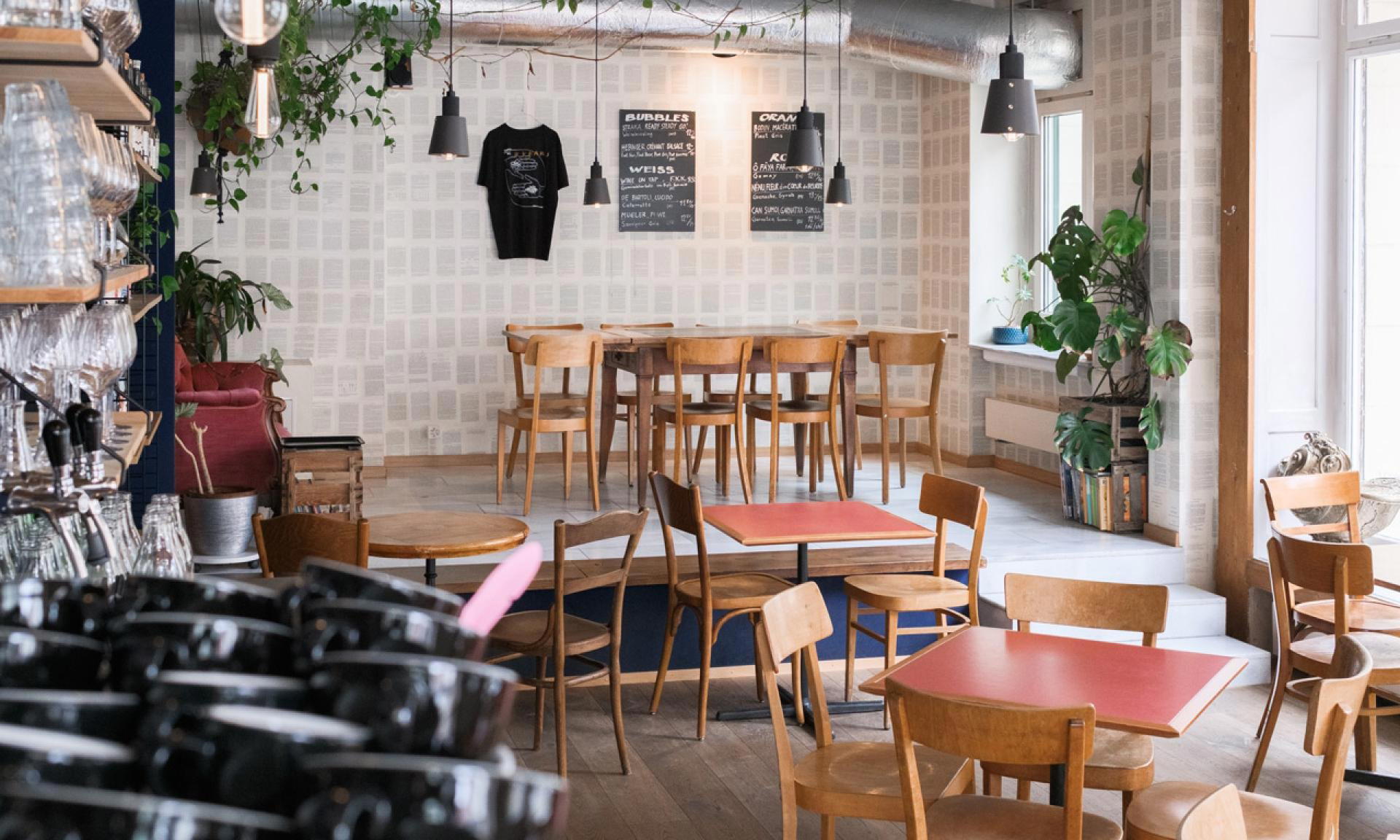
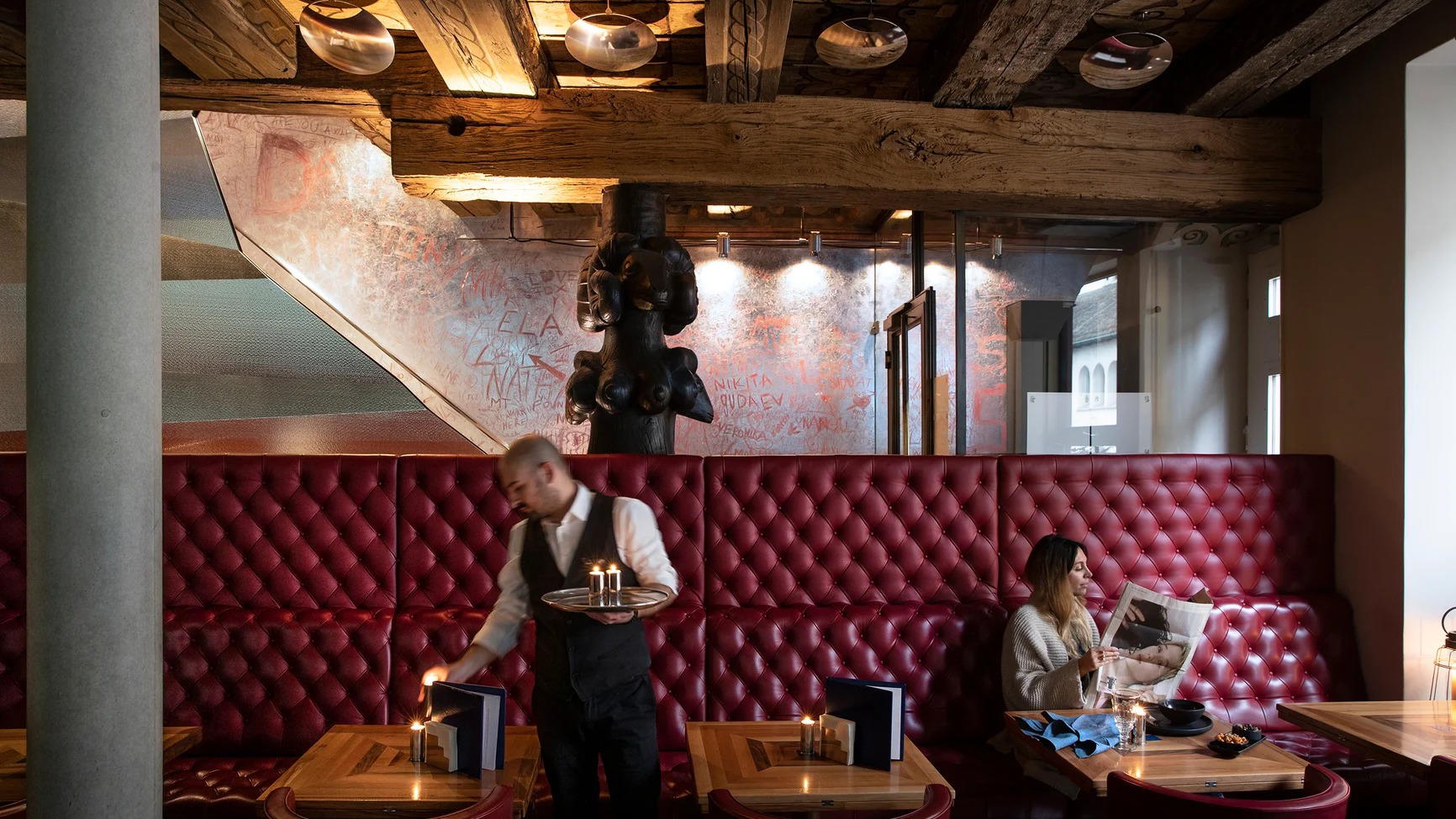

Details
- Cozy
- Lively
- Intimate
- Date Night
- Group Dining
- Business Dinner
- Open Kitchen
- A La Carte
- Vegetarian Friendly
Current opening hours
- Monday
- 11 AM–2:30 PM, 6–11:30 PM
- Tuesday
- 11 AM–2:30 PM, 6–11:30 PM
- Wednesday
- 11 AM–2:30 PM, 6–11:30 PM
- Thursday
- 11 AM–2:30 PM, 6–11:30 PM
- Friday
- 11 AM–2:30 PM, 6–11:30 PM
- Saturday
- 6–11:30 PM
- Sunday
- Closed
Hours can change for holidays and private events. Hours as of .
Cozy and gemütlich with lively energy on weekends featuring music and dancing, quieter during the week.