Vietnamese home cooking holds a quietly significant place in New Orleans, a city shaped by wave after wave of immigrant foodways. Moi works within that tradition, grounding its menu in the fermentation logic and regional specificity that define serious Vietnamese cooking. In a dining scene dominated by Creole lineage, it represents a different but equally deep culinary grammar.
Pearl is the En Primeur Club membership app — saves, bookings, and concierge access live there. Same editors, same standards.
- Address
- New Orleans, United States
- Directions
- Get directions
 Saves & bookings on Pearl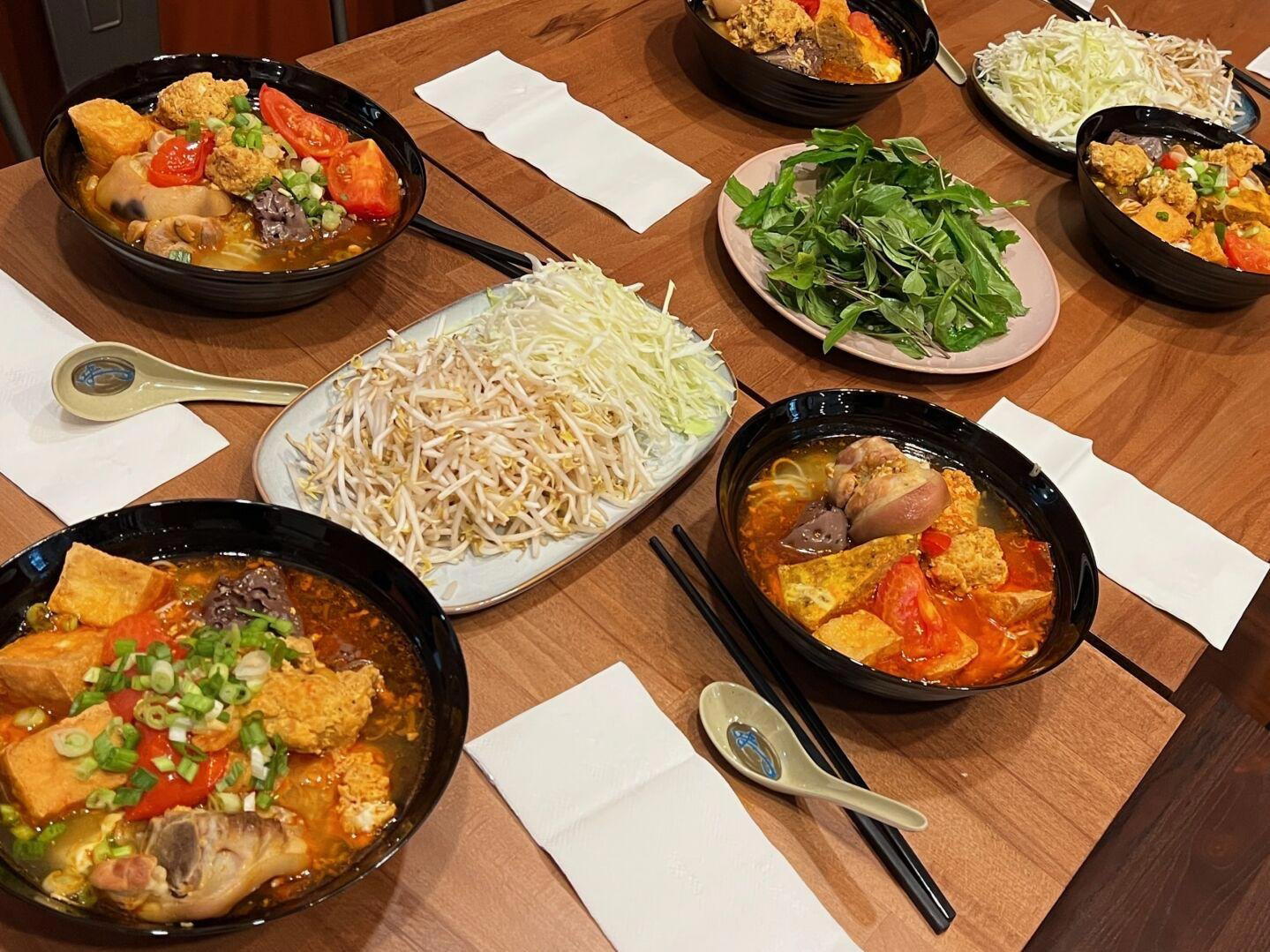
Vietnamese Cooking in New Orleans: A Grammar the City Already Understands
New Orleans has always absorbed outside foodways more readily than most American cities. French technique, West African seasoning logic, Spanish pantry staples, and Sicilian fishmongers all dissolved into what the city now calls its own. The Vietnamese community that arrived after 1975, concentrated in neighborhoods like Versailles on the East Bank, followed the same arc: bringing a cuisine built on fermentation, long-simmered broths, and hyper-regional condiment culture, and finding a city whose culinary instincts were already fluent in those ideas. That background matters when considering a place like Moi, which operates within Vietnamese home cooking.
The Fermentation Foundation: Why Fish Sauce Is the Argument
To understand Vietnamese home cooking at any level of seriousness, you have to understand nuoc mam. The fermented fish sauce is not a finishing condiment in the way that, say, a beurre blanc functions at the end of a French preparation. It is structural. It is the salt, the umami scaffold, and the acid-adjacent brightness that holds a dish together from the base. The quality gradient across fish sauces is steep: a mass-produced bottle from a grocery shelf and a small-batch, single-origin Phu Quoc sauce pressed from black anchovies are functionally different ingredients, in the way that a commodity Parmesan and a 36-month Parmigiano-Reggiano are different ingredients. Serious Vietnamese kitchens treat that distinction as non-negotiable.
Regional variation compounds the picture. The fish sauces of central Vietnam, where the cuisine runs saltier and more intensely fermented, differ from those of the south, where sweetness tempers the punch. Northern Vietnamese cooking uses nuoc mam more sparingly, relying instead on longer broth reduction for depth. A kitchen working honestly within Vietnamese home cooking traditions will signal which regional logic it follows not just through its sauces but through how its dipping preparations, braising liquids, and soups are balanced. That specificity is where the editorial interest lies when looking at a place like Moi inside a city that already has Creole fermentation instincts in its DNA.
Where Moi Sits in the New Orleans Dining Picture
New Orleans dining in 2024 pulls in several directions at once. The Creole and Cajun foundations remain the gravitational center, see Emeril's and the Commander's Palace lineage, while a tier of contemporary American cooking has grown around chefs drawing on those traditions without being bound by them. Bayona has occupied that middle ground for decades. Zasu represents a newer wave of American Contemporary thinking at the $$$ tier. Vietnamese home cooking sits outside both of those lanes, which is precisely what makes a restaurant committed to it editorially interesting in this city.
Moi positions itself within the more considered end of that spectrum, where the Vietnamese home cooking label is a claim of authenticity rather than an apology for simplicity.
The Logic of Home Cooking as a High-Attention Category
Home cooking in the Vietnamese sense is where greater time-intensive preparations live: the twelve-hour pho broth, the careful balance of a nuoc cham that has to work as both a dipping sauce and a dressing, the braised pork belly that requires fat rendering and caramel control at the same time. Restaurants that call themselves home cooking establishments in this tradition are making a claim about process, not about simplicity.
Vietnamese home cooking expresses its ambition through fidelity and depth, through a broth that tastes like thirty hours of attention, or a fish sauce that behaves more precisely. These are different arguments about what cooking should do, and neither is the lesser one.
Planning a Visit
If Vietnamese cooking is the anchor of the trip, arrive with some understanding of regional Vietnamese condiment logic.
Where the Accolades Land
Comparable venues nearby, for context on price, style, and recognition.
| Venue | Cuisine | Price | Notes |
|---|---|---|---|
| MoiThis venue — the venue you are viewing | Vietnamese Homestyle Deli | $ | Not listed |
| DISTRICT "On The Go" | American All-Day Diner | $ | Audubon |
| Cafe Beignet, Royal Street | New Orleans Cafe - Beignets & Cajun Creole | $ | French Quarter |
| Creole Creamery | New Orleans Ice Cream Parlor | $ | Uptown |
| Revel Cafe & Bar | American Gastro-Lounge | $$ | Mid-City |
| BABs | Modern American Bistro | $$ | Bywater |
Continue exploring
More in New Orleans
Restaurants in New Orleans
Browse all →
Bars in New Orleans
Browse all →


At a Glance
- Cozy
- Casual
- Casual Hangout
- Family
- Solo
- Standalone
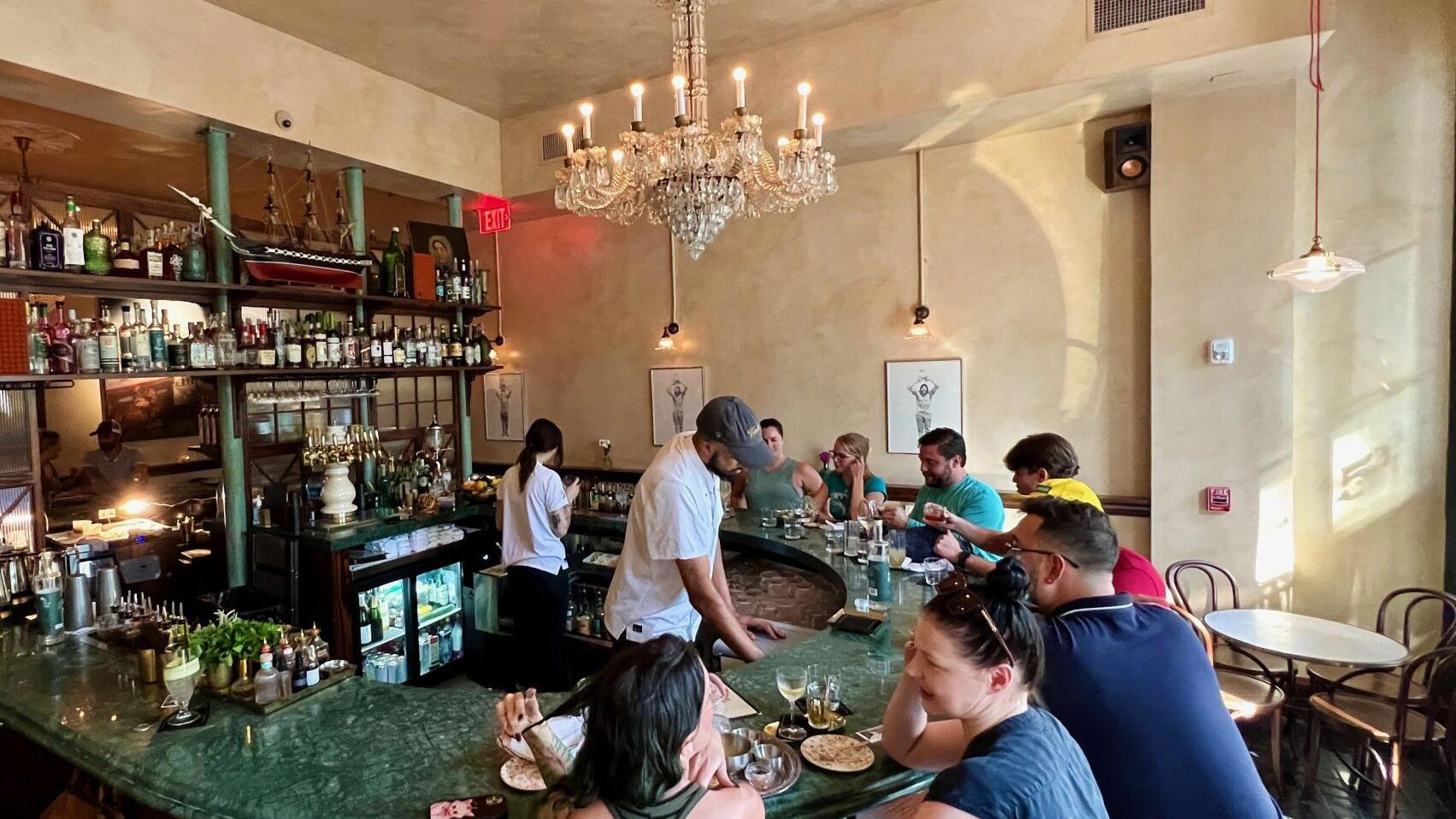
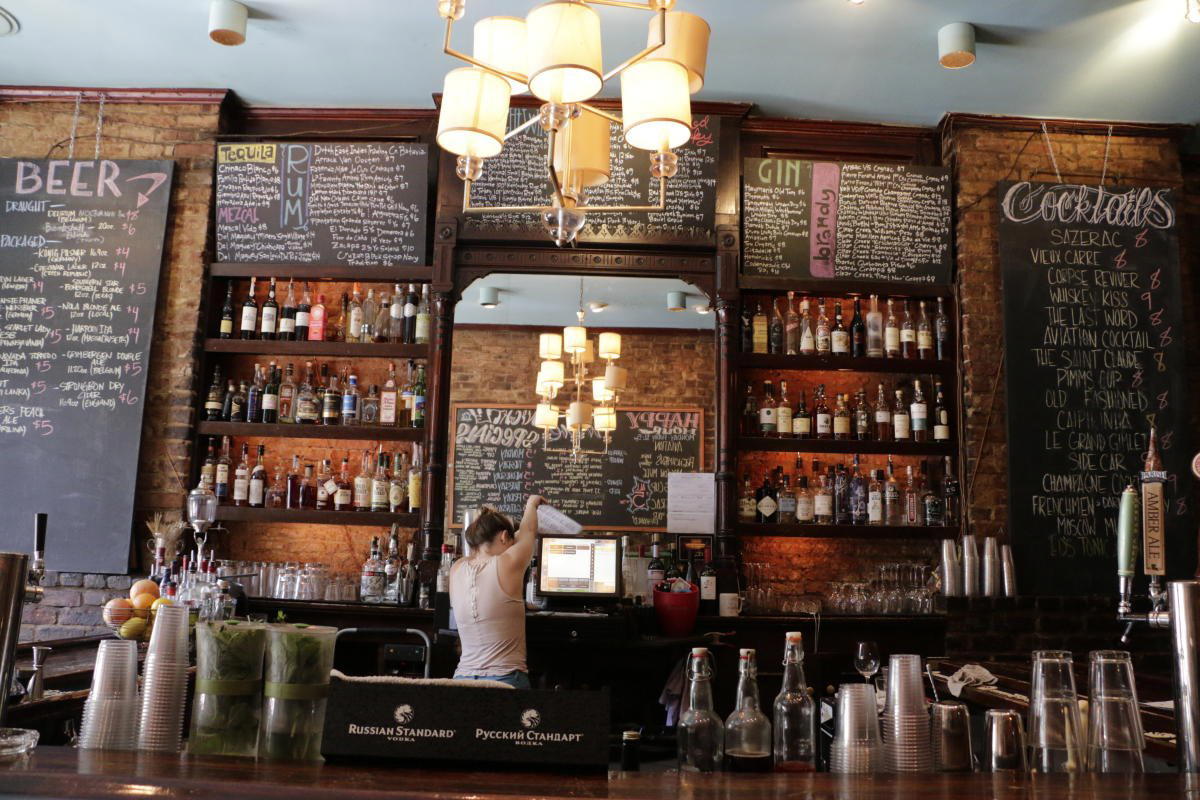
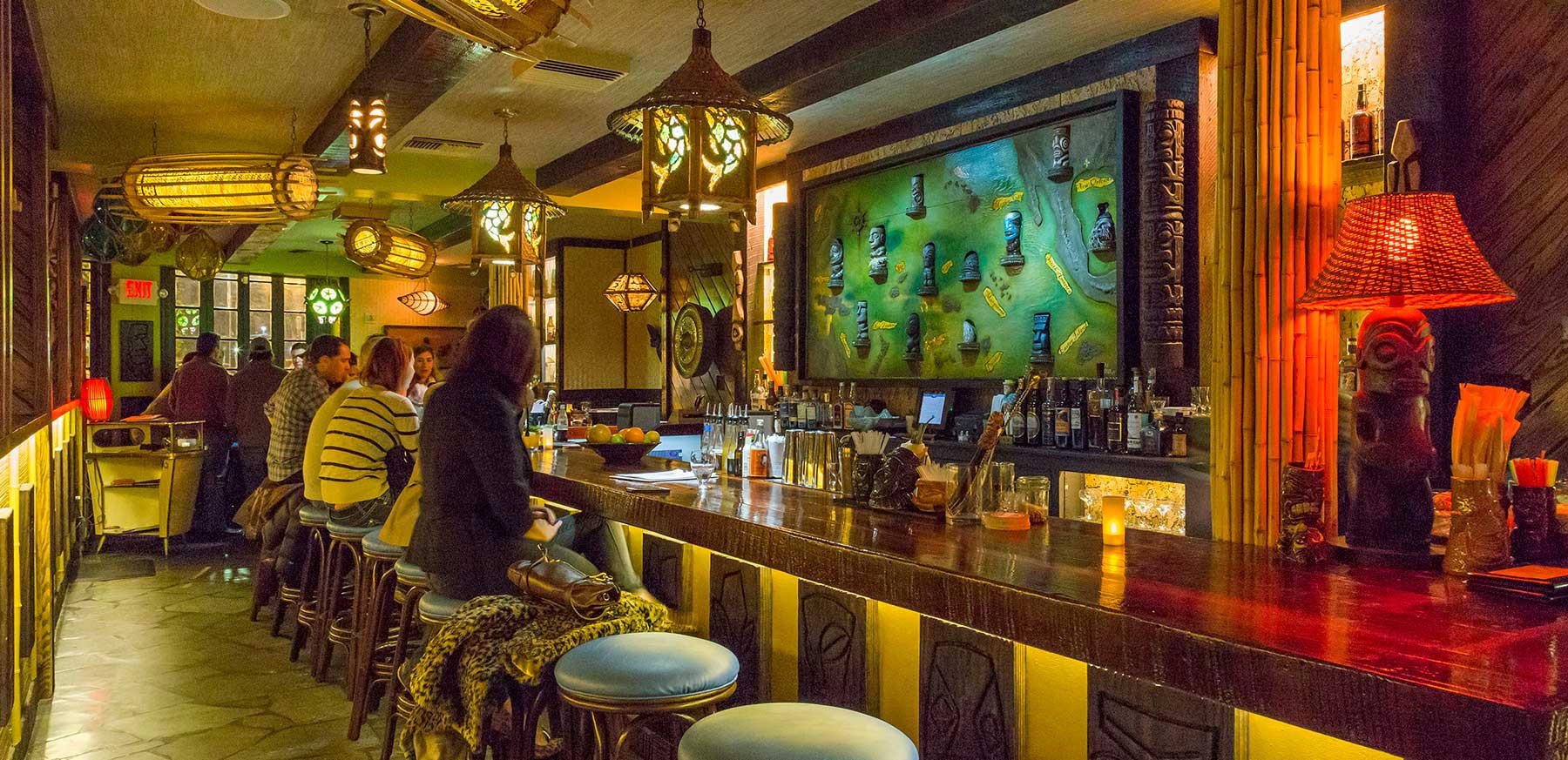
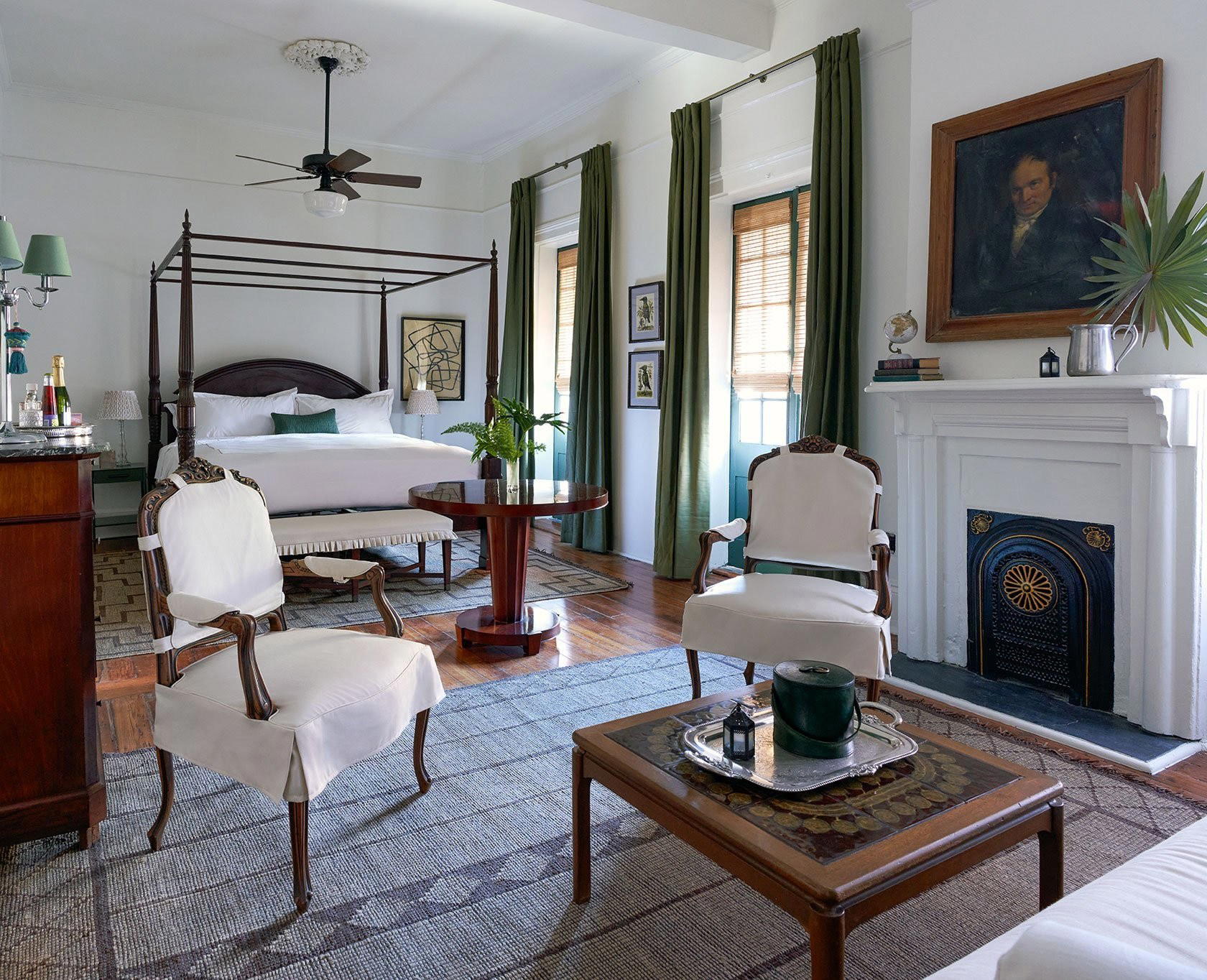
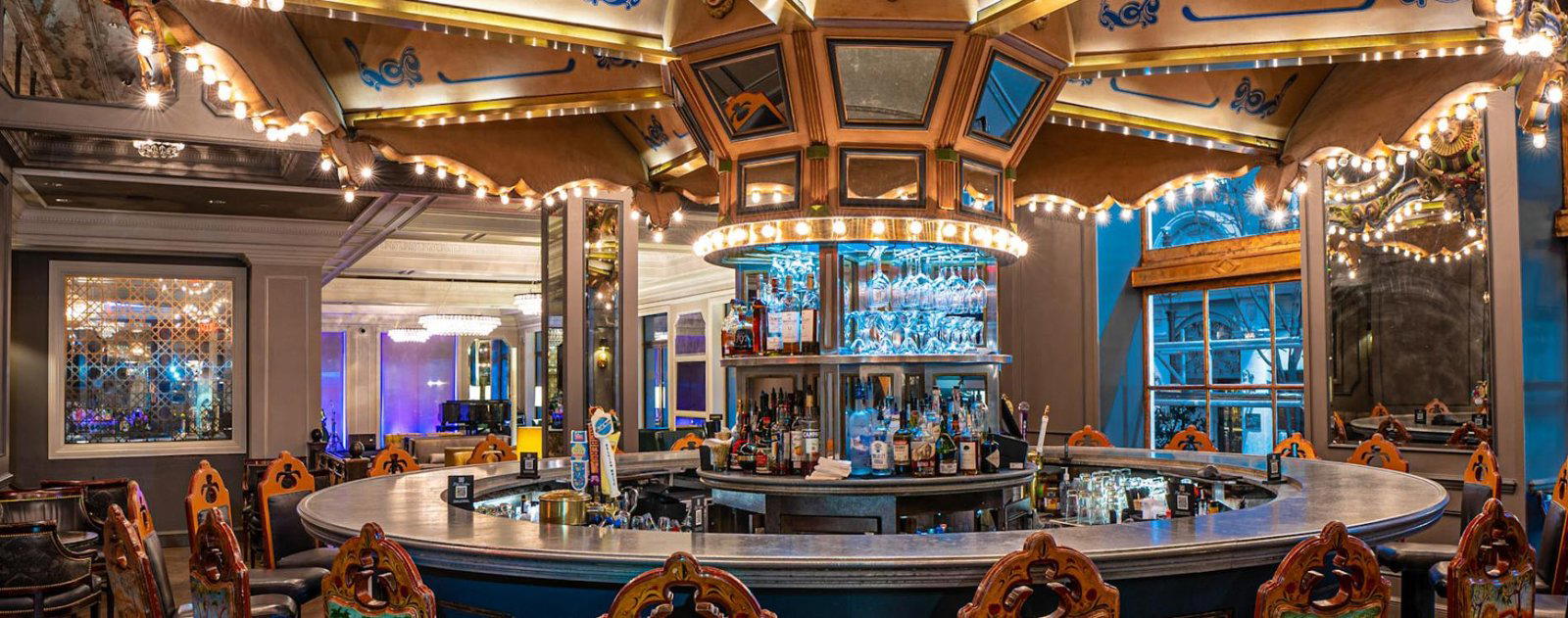
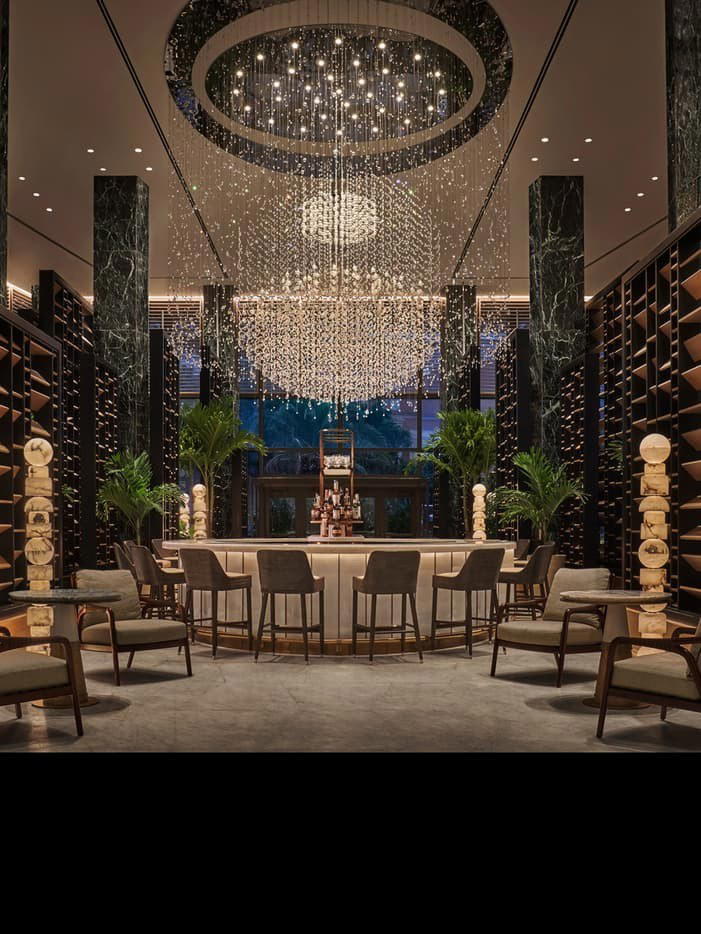
Warm and inviting space with comfortable seating that creates a welcoming atmosphere for casual dining.