Modica Market
Modica Market sits within the Seaside town square on Florida's 30A corridor, operating as a specialty provisions shop in a coastal community where thoughtful sourcing is taken seriously. The market draws from the tradition of Italian-inflected grocery culture, offering prepared foods and artisan goods to both residents and visitors making their way along the Emerald Coast.
Pearl is the En Primeur Club membership app — saves, bookings, and concierge access live there. Same editors, same standards.
- Address
- 109 Central Square Seaside, 109 Central Square, Santa Rosa Beach, FL 32459
- Phone
- +18502311214
- Website
- modicamarket.com
- Directions
- Get directions
 Saves & bookings on Pearl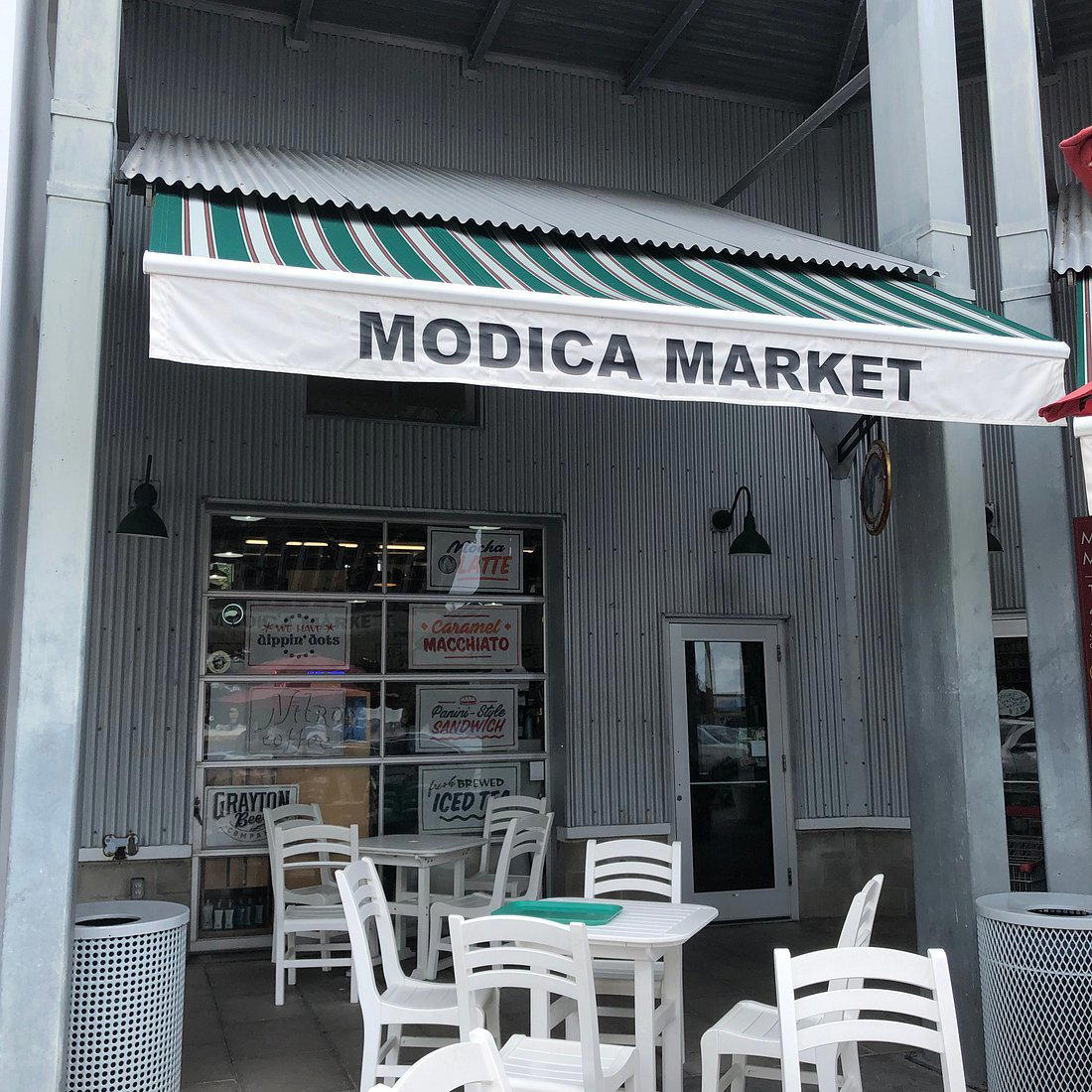
Seaside's Market Culture and What Modica Represents
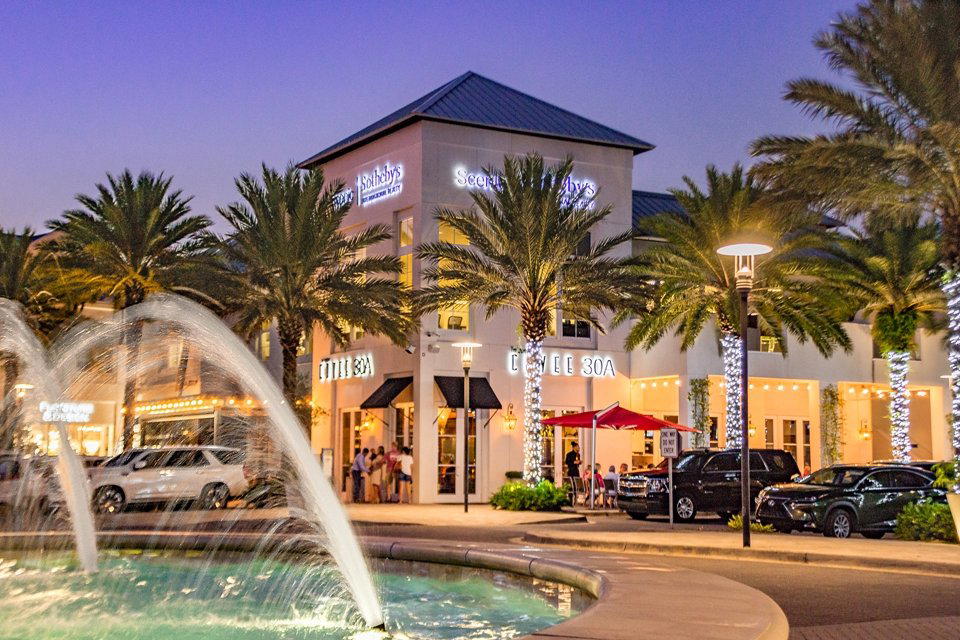
Central Square in Seaside, Florida is one of the more deliberate retail environments on the Gulf Coast. The town itself was designed with pedestrian commerce in mind, and the businesses that anchor its square tend to reflect that intentionality. Modica Market, at 109 Central Square, occupies a position in that ecosystem that goes beyond convenience store or beach pantry. It operates within a tradition of neighborhood markets that function as both social infrastructure and a signal of a community's relationship with food.
Along the 30A corridor, where dining options range from casual seafood to serious regional cooking at places like Cafe Thirty-A and Roux 30A, a well-stocked market fills a different but complementary role. It serves the renter cooking for the week, the local sourcing a specific ingredient, and the visitor who wants something more considered than resort-strip fast food. Modica exists at that intersection.
The Sourcing Tradition Behind Italian-Style Markets in American Resort Towns
The name Modica carries weight. Modica is a Sicilian city with a documented chocolate-making tradition stretching back centuries, and markets bearing that name or sensibility tend to carry an implicit commitment to provenance. Italian-style specialty grocers in the United States have historically operated as a counterpoint to mass-market food retail: smaller inventories, more intentional selection, prepared foods made in-house, and imported goods chosen for quality rather than shelf life.
That model travels well to coastal resort communities because it addresses a real gap. Visitors who spend a week in Seaside's rental cottages are often looking for something that connects to the region or to a specific culinary tradition without requiring a full restaurant reservation. A market that stocks cured meats, regional pantry staples, and prepared items serves that need while also functioning as a daily stop for the local population who live along the 30A strip year-round.
The broader American market for this type of specialty provisioner has grown over the past decade, partly because the farm-to-table movement raised sourcing expectations. Seaside, with its planned-community architecture and self-conscious design ethos, is a natural fit for a market that takes ingredient origins seriously.
Where Modica Fits in the 30A Dining Conversation
The 30A corridor has developed a restaurant scene that punches above its geographic weight for a stretch of coastal Florida. Places like Cafe Tango and FOOW serve a population that is accustomed to serious dining, and that same population creates the audience for a market like Modica. When the reference points for a region's food scene include restaurants with genuine culinary ambition, the supporting infrastructure tends to follow: butchers, bakers, specialty grocers, and wine shops that operate at a comparable level of intentionality.
At the national level, the sourcing-forward restaurant movement has been defined by places like Blue Hill at Stone Barns in Tarrytown and Single Thread Farm in Healdsburg, where the supply chain is as much a part of the identity as the plate. That philosophy has filtered down into the broader food culture, including the expectations visitors bring to markets when they travel. A specialty market in a well-heeled resort community is no longer expected to simply stock name brands; it is expected to have a point of view about where things come from.
Modica's position in Seaside's Central Square places it in daily contact with the foot traffic that defines the town's commercial life, from morning coffee runs to afternoon provisions stops before dinner at a rental house. That rhythm is different from the dinner reservation model, but it shapes the food culture of a place in its own way.
Planning a Visit: What to Know Before You Go
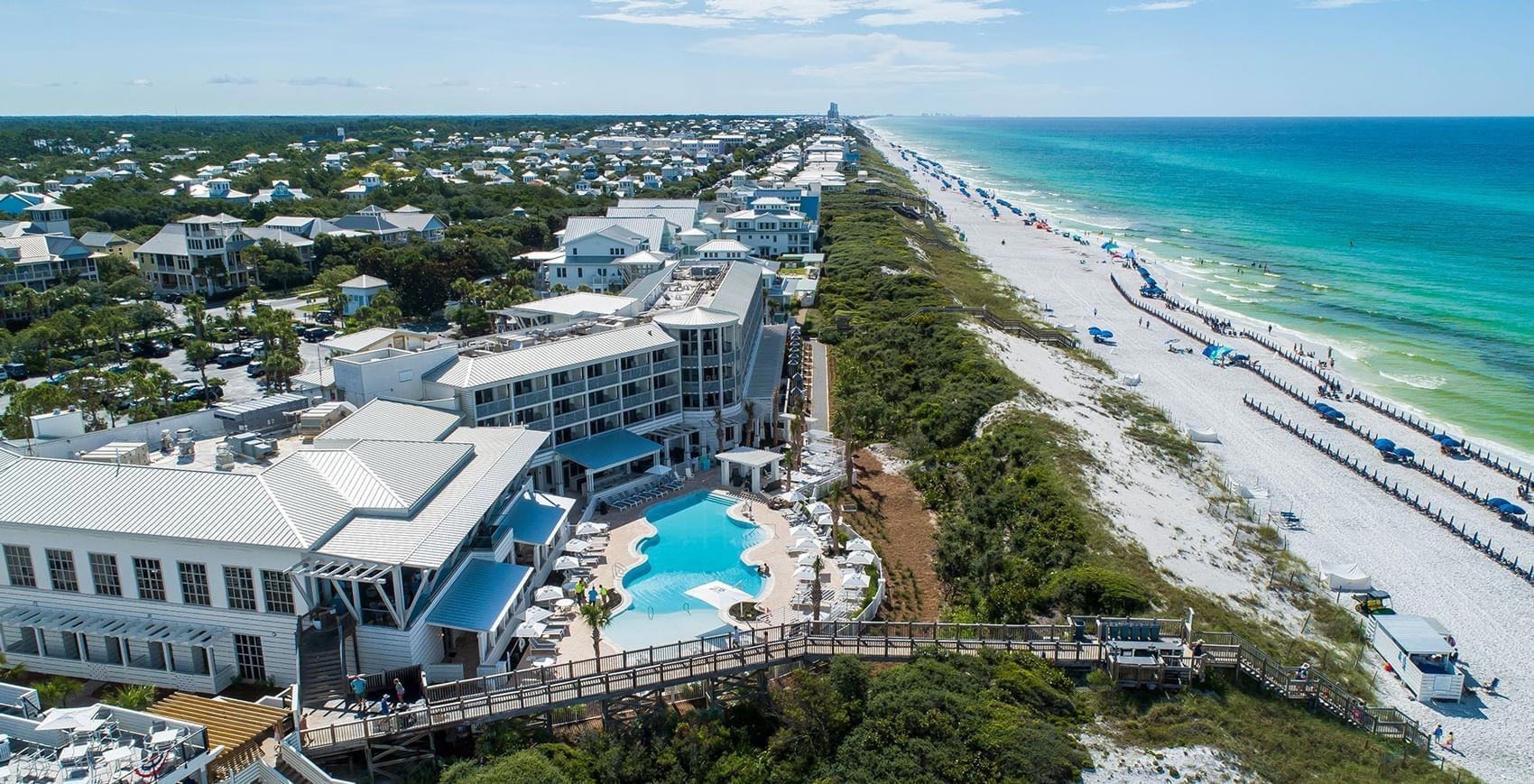
Seaside is located along Scenic Highway 30A in Walton County, roughly between Destin and Panama City Beach but occupying a distinctly different register from either. The town is walkable by design, and Central Square is at its center, making Modica easy to reach on foot from most of the surrounding rental properties. For visitors staying further along the 30A corridor, the drive is short and parking is available near the square.
The market format means it operates differently from a restaurant: no reservation is required, and the pace is self-directed. Visitors planning a week's stay would do well to treat an early visit as an orientation, stocking the kitchen with pantry items before layering in prepared foods as the week progresses. For those looking to complement a market visit with a proper restaurant meal, our full Santa Rosa Beach restaurants guide covers the range of options along the corridor, from casual to more formal.
For context on what serious American restaurants are doing with sourcing at the highest level, the comparison set is instructive: The French Laundry in Napa, Providence in Los Angeles, Le Bernardin in New York City, Alinea in Chicago, Lazy Bear in San Francisco, Addison in San Diego, The Inn at Little Washington, Emeril's in New Orleans, Bacchanalia in Atlanta, and Atomix in New York City all represent the benchmark for how sourcing philosophy shapes a dining operation at scale. Modica operates at a different scale entirely, but the underlying logic of provenance-first selection connects to the same broader shift in how Americans think about where their food comes from. And for those curious about how that philosophy travels internationally, 8½ Otto e Mezzo Bombana in Hong Kong offers a useful case study in Italian culinary tradition transplanted to a new geography.
Side-by-Side Snapshot
Comparable venues nearby, for context on price, style, and recognition.
| Venue | Cuisine | Price | Notes |
|---|---|---|---|
| Modica MarketThis venue — the venue you are viewing | Southern Gourmet Deli & Market | $$$ | Not listed |
| Cafe Tango | Spanish-Mediterranean Seafood | $$$ | Blue Mountain Beach |
| FOOW | Gulf Coast Seafood & Southern Coastal | $$$ | WaterColor |
| Roux 30A | Modern American Tasting Menu | $$$$ | Grayton Beach |
| Bern’s Steak House | Classic fine-dining steakhouse | $$$$ | SoHo |
| Cafe Thirty-A | Contemporary Gulf Seafood & Southern Fine Dining | $$$$ | Seagrove Beach |
Continue exploring
More in Santa Rosa Beach
Restaurants in Santa Rosa Beach
Browse all →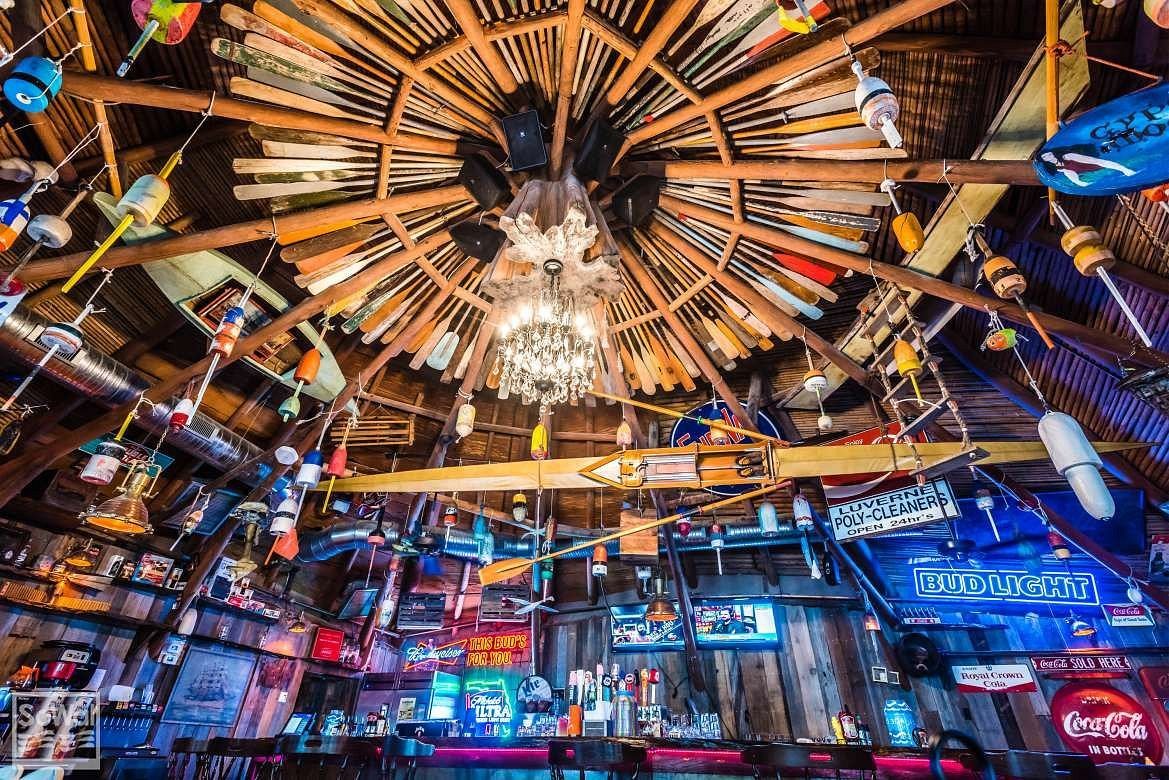
At a Glance
- Cozy
- Classic
- Casual Hangout
- Family
- Brunch
- Standalone
- Extensive Wine List
- Beer Program
- Local Sourcing
Current opening hours
- Monday
- 7 AM–6 PM
- Tuesday
- 7 AM–6 PM
- Wednesday
- 7 AM–6 PM
- Thursday
- 7 AM–6 PM
- Friday
- 7 AM–6 PM
- Saturday
- 7 AM–6 PM
- Sunday
- 7 AM–6 PM
Hours can change for holidays and private events. Last verified .
Bright, welcoming neighborhood market with a quirky boutique-meets-warehouse aesthetic; casual and browsable with a community-oriented feel.