Mizuna


A Capitol Hill fixture recognized with a White Star by Star Wine List, Mizuna has held its place in Denver's serious dining conversation long enough to matter. The restaurant at 225 E 7th Ave operates in a tier where the wine program anchors the meal as much as the kitchen does, making it a reference point for the city's fine dining evolution rather than a newcomer to watch.
Pearl is the En Primeur Club membership app — saves, bookings, and concierge access live there. Same editors, same standards.
- Address
- 225 E 7th Ave, Denver, CO 80203
- Phone
- (303) 832-4778
- Website
- bonannoconcepts.com
- Directions
- Get directions
 Saves & bookings on Pearl
Capitol Hill, Denver's oldest residential neighborhood, has a particular relationship with serious dining. The Victorian storefronts and low-rise walk-ups along 7th Avenue don't announce themselves the way LoDo's converted warehouses do, and that quietness suits a certain kind of restaurant. Mizuna is a French-American fine dining restaurant at 225 E 7th Ave in Denver, with a $150 per person price point. The dining room's scale and the neighborhood's residential character make the approach to the door feel considered rather than theatrical, the opposite of the high-gloss openings that cluster closer to downtown.
Where Mizuna Sits in Denver's Dining Tier
Denver's fine dining scene has reorganized itself significantly over the past decade. The city now supports a recognizable upper tier, restaurants where the wine program is curated to the same standard as the kitchen, where the meal unfolds across multiple courses with intention, and where the room is small enough that service can be genuinely attentive rather than choreographed. Mizuna operates in that bracket. Its wine program has drawn recognition for its depth and curation.
In Denver, where ambitious wine programs are still more exception than norm, that recognition positions Mizuna alongside a small group of restaurants where choosing a bottle is as consequential a decision as choosing a dish. For comparison, Brutø and The Wolf's Tailor represent the city's contemporary end of that spectrum.
The Architecture of a Meal
One useful way to understand Mizuna is through the logic of its meal structure rather than through individual dishes. Fine dining in this tier, the kind recognized by wine publications for cellar depth, tends to sequence a meal so that the wine list and the kitchen move together. An opening course is rarely the point; it sets register and temperature, telling the diner what kind of evening is ahead. The progression from there is where a kitchen with genuine ambition distinguishes itself from one that simply executes competently.
Restaurants at this level in American cities have largely moved away from the French-classical service model toward something looser but no less precise. The courses arrive with intention without the formal rigidity that once defined white-tablecloth dining. That shift is visible across the fine dining tier in cities like Denver, where Beckon has built a fixed-format tasting experience at one end of the spectrum, and Annette applies a different kind of precision in Aurora. Mizuna's longer track record places it as a reference point that both predates and informs that evolution locally.
Wine-forward tasting progressions, of the kind that earn Star Wine List recognition, tend to reward slowing down. The White Star designation implies a list with enough range to build a genuine pairing arc, different producers, different regions, different structural profiles moving across the meal. That kind of program changes the experience of eating: a course that might read as transitional becomes something more significant when the right pour is beside it.
Capitol Hill as Context
Understanding Mizuna requires understanding where it sits geographically and socially within Denver. Capitol Hill is not a dining destination in the way that RiNo or LoHi are marketed, it doesn't have the cluster density that draws walking traffic between restaurants. What it has is a residential permanence and a clientele that returns by habit rather than novelty. Restaurants that survive in this neighborhood do so because they've built that returning audience. Longevity here is not accidental.
That context shapes the room's character. Capitol Hill's fine dining operations tend toward the intimate rather than the expansive. The neighborhood's Victorian building stock means dining rooms often carry architectural weight that newer construction in denser districts can't replicate: lower ceilings, defined spaces, a sense of enclosure that amplifies the focus on the table itself. That physical environment is part of why the tasting progression model works here in a way that it might not in a louder, more open room.
How Mizuna Compares Across the City
Denver's serious dining options now span a wide enough range that a diner has meaningful choices at each tier. At the accessible end, Alma Fonda Fina has redefined what Mexican cuisine can mean at a mid-range price point in the city. At the other end, the tasting-menu format at Beckon operates at a remove from casual dining entirely. Mizuna occupies a middle space in that architecture, operating with enough formality and wine program depth to compete in conversations that include those restaurants.
Nationally, the wine-recognition category Mizuna belongs to runs from Le Bernardin in New York City and Alinea in Chicago at the institutional end, through Lazy Bear in San Francisco and Single Thread Farm in Healdsburg in the experience-forward West Coast model, to more internationally distributed references like Alain Ducasse at Louis XV in Monte Carlo and 8½ Otto e Mezzo Bombana in Hong Kong. Within that range, Mizuna's position is as a city-level anchor: the kind of restaurant that defines what fine dining means in Denver, rather than one that measures itself against global lists.
That's a different kind of significance, and a more useful one for a diner in Denver who wants to understand the local ceiling. Restaurants like Emeril's in New Orleans and The French Laundry in Napa built their reputations as city-defining operations before accumulating international recognition. Mizuna's White Star in 2022 suggests the same pattern: local authority built over time, then formally acknowledged.
Planning a Visit
Mizuna is located at 225 E 7th Ave in Denver's Capitol Hill neighborhood. Given its position in Denver's upper dining tier, the restaurant is better treated as a full evening than a quick dinner. Reservations are advisable; a restaurant at this recognition level in a city where serious dining options are still concentrated rarely has last-minute availability, particularly on weekends.
Same-City Peers
Comparable venues nearby, for context on price, style, and recognition.
| Venue | Cuisine | Price | Notes |
|---|---|---|---|
| MizunaThis venue — the venue you are viewing | French-American Fine Dining | $$$$ | Not listed |
| Coohills | Modern French-American | $$$ | LoDo |
| Atelier by Radex | French-influenced Bistro | $$$ | City Park West |
| Bistro Vendôme | Classic French Bistro | $$$ | North Park Hill |
| Bruto | Modern Contemporary Tasting Menu | $$$$ | LoDo |
| Maize | Modern Mexican Masa Tasting Menu | $$$$ | LoHi |
Recognition history
Dated appearances from independent guides and award organizations, with the underlying list record or original source where available.
Star Wine List
Star Wine List
Wine Spectator Award of Excellence
Wine Spectator
Continue exploring
More in Denver
Restaurants in Denver
Browse all →
Bars in Denver
Browse all →
Hotels in Denver
Browse all →

At a Glance
- Romantic
- Elegant
- Intimate
- Sophisticated
- Classic
- Date Night
- Special Occasion
- Celebration
- Business Dinner
- Open Kitchen
- Private Dining
- Live Music
- Extensive Wine List
- Sommelier Led
- Craft Cocktails
- Local Sourcing
- Farm To Table
Current opening hours
- Monday
- Closed
- Tuesday
- 5–9 PM
- Wednesday
- 5–9 PM
- Thursday
- 5–9 PM
- Friday
- 5–10 PM
- Saturday
- 5–10 PM
- Sunday
- Closed
Hours can change for holidays and private events. Last verified .
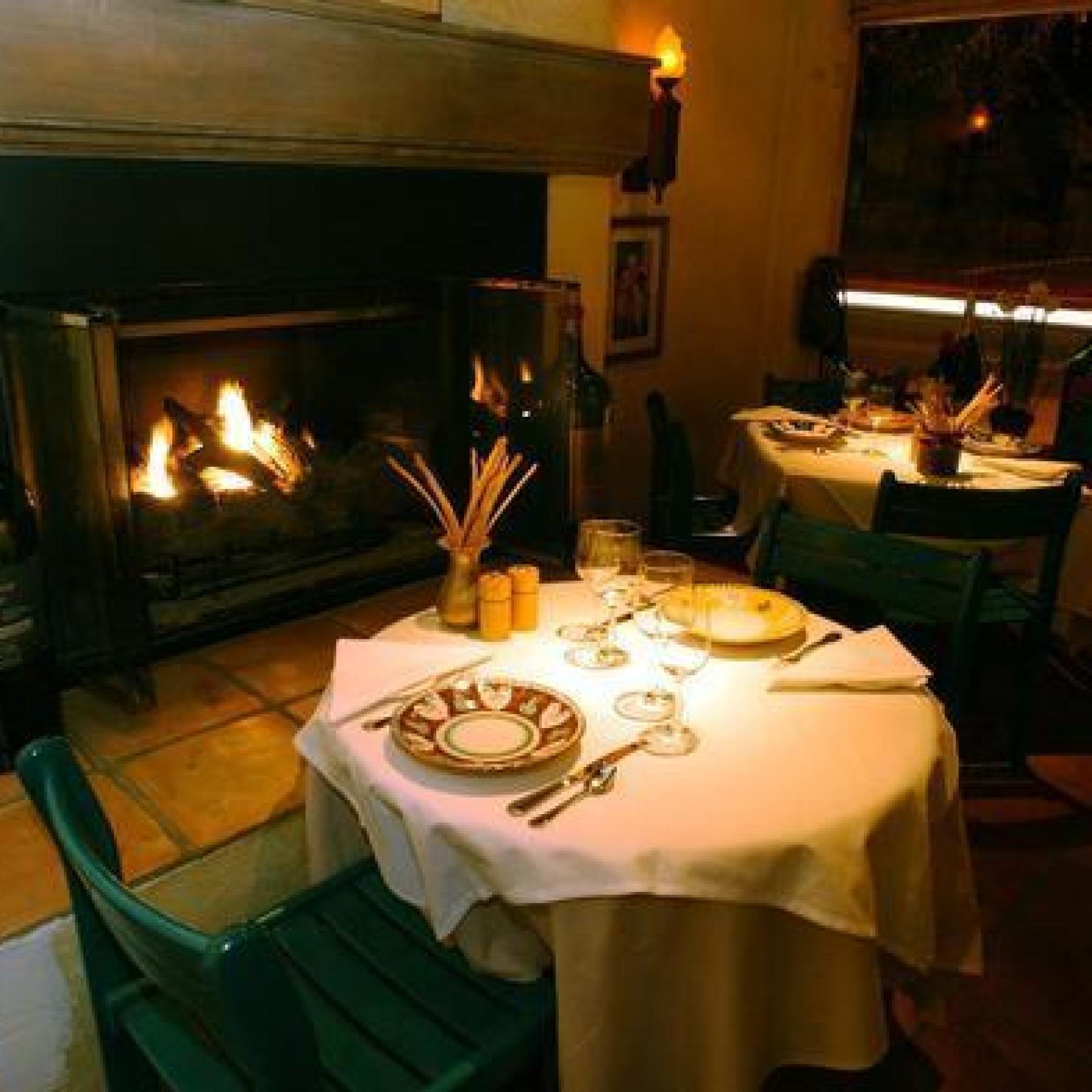
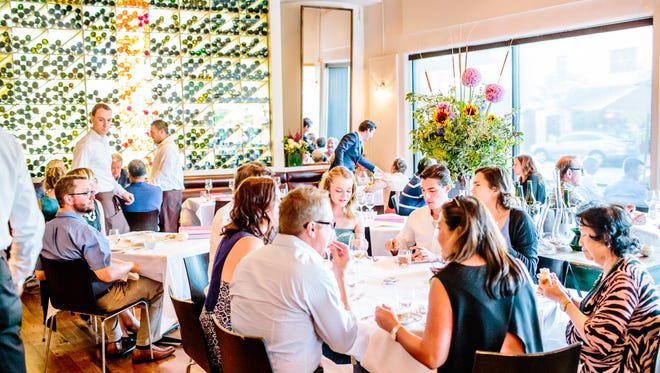
Soft white walls, gold-framed mirrors, Moroccan-style green-and-white tile accents, well-spaced tables with white linens, open kitchen visible from crescent-shaped copper bar, intimate and romantic setting with warm, upscale lighting.