Mito Hibachi & Sushi
Mito Hibachi & Sushi sits on Dequindre Road in Warren, Michigan, serving the hibachi and sushi formats that have become a reliable fixture in metro Detroit's suburban dining circuit. The menu spans teppanyaki-style tableside cooking and a sushi program, placing it within a category that draws both family groups and dedicated sushi regulars. For Warren diners working through the options on our full Warren restaurants guide, Mito offers a dual-format approach under one roof.
Pearl is the En Primeur Club membership app — saves, bookings, and concierge access live there. Same editors, same standards.
- Address
- 28202 Dequindre Rd, Warren, MI 48092
- Phone
- +15863935416
- Website
- mitohibachi.com
- Directions
- Get directions
 Saves & bookings on Pearl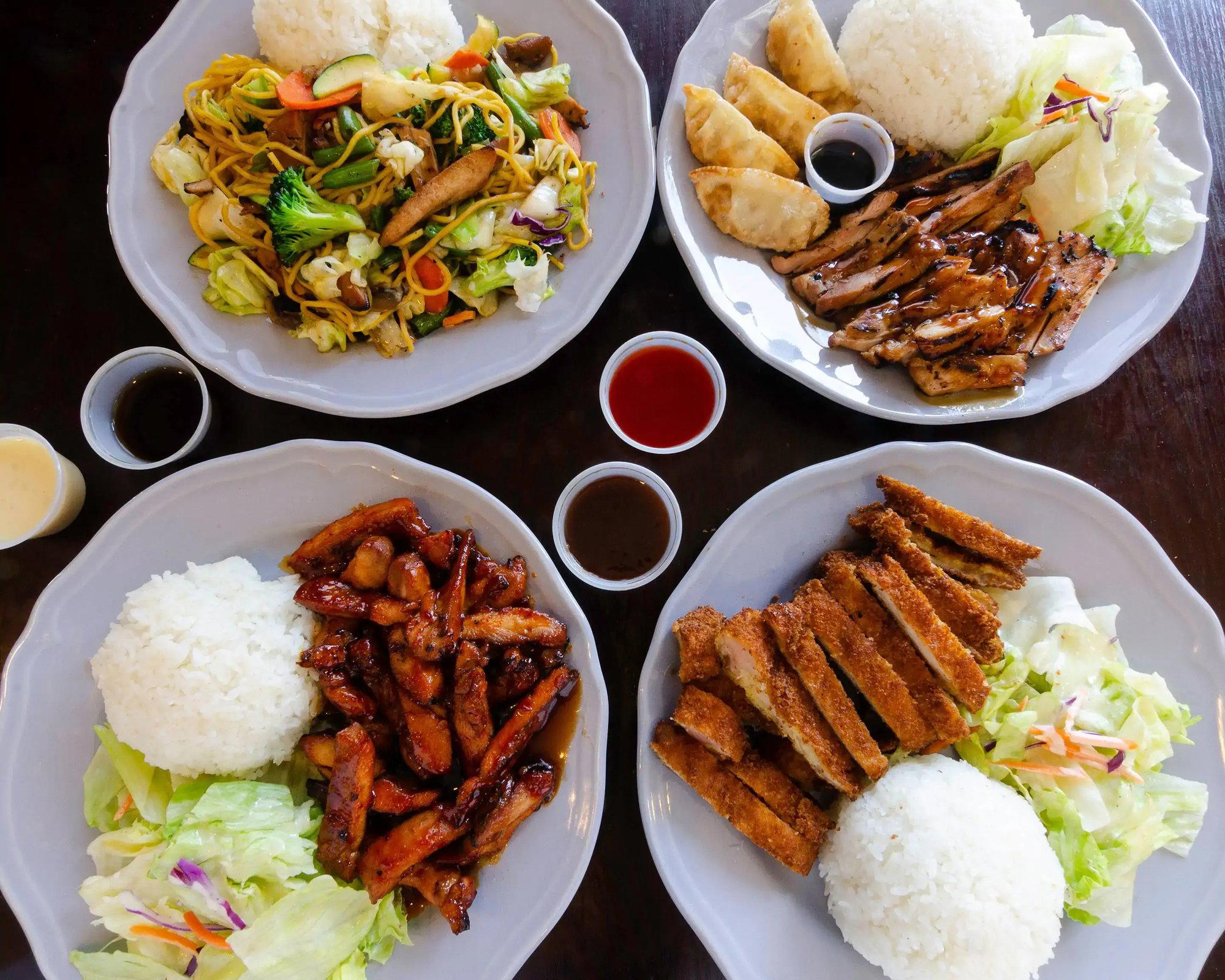
Hibachi and Sushi in the American Suburbs: What Warren's Dequindre Corridor Represents
The hibachi restaurant as Americans know it owes almost nothing to its Japanese source material and almost everything to the postwar theatrical dining movement that Benihana industrialized in the 1960s. The word hibachi itself refers to a small charcoal brazier used for heating, not cooking food at a table for an audience. What became the American hibachi experience, the iron teppan griddle, the chef performing knife tricks in front of seated diners, the onion volcano, belongs to a distinctly American invention built on Japanese aesthetics. That format spread across the country's suburbs over six decades, and today it sits as a comfortable, reliable category in cities like Warren, Michigan, where it meets a broad demographic: families celebrating birthdays, groups looking for dinner-as-activity, and solo diners who want a sushi counter alongside the spectacle.
Mito Hibachi and Sushi, at 28202 Dequindre Road in Warren, occupies that precise position in the local dining circuit. It pairs the teppanyaki-style tableside format with a sushi program, a combination that has become standard operating procedure for suburban Japanese restaurants trying to serve multiple use cases in a single visit. The Dequindre Road corridor runs through a stretch of Macomb County that leans heavily on value-anchored, accessible dining, and the hibachi-plus-sushi model fits the area's expectations without demanding the kind of destination reasoning that applies to higher-ticket operations like Andiamo Warren or the more refined room at Bywater.
The Cultural Architecture of the Hibachi Dining Experience
Understanding what a hibachi restaurant is selling requires separating the food from the format. The teppanyaki format is fundamentally a performance model: the grill is positioned so diners watch preparation in real time, the chef's technique is the entertainment, and the shared table structure forces a communal dynamic that most American restaurant formats deliberately avoid. This makes hibachi a social dining category first, a cuisine category second. The food, typically proteins cooked on a flat iron griddle with fried rice, vegetables, and dipping sauces, is not complex, but the performance dimension creates a perceived value that exceeds what a similar plate of grilled chicken and rice would achieve if delivered from a kitchen.
Sushi, by contrast, carries its own cultural weight. In Japan, the omakase counter at a serious sushiya is a meditative, precise experience. A chef of Kanesaka lineage working a twelve-seat counter in Ginza operates in a fundamentally different register from the sushi rolls assembled in a suburban American restaurant, and that distinction matters for readers calibrating expectations. The American casual sushi program, which Mito's format represents, draws from the California roll tradition of the 1970s, a form of localization that prioritized accessibility over orthodoxy. That is not a criticism; it is a classification. The same way Alinea in Chicago or The French Laundry in Napa occupy one end of American fine dining while neighborhood restaurants serve an entirely different social function, Warren's hibachi and sushi options operate in a category built for participation and accessibility rather than technical depth.
Where Mito Sits in Warren's Dining Options
Warren's dining circuit covers a wider range than its suburban-strip reputation suggests. Palmer River Grille and Uproot represent more ingredient-focused approaches, while Andiamo Warren carries the Italian-American tradition that metro Detroit treats with particular seriousness. Mito functions differently from all of them: it serves the group-dining and celebration market that the others are not optimally designed for. The dual format gives it a wider occasion range, from a sushi dinner for two to a larger teppanyaki table for a birthday group, which is a structural advantage in a market where suburban diners plan around events as much as around appetite.
Nationally, the casual Japanese category sits far below the recognition tier occupied by venues like Atomix in New York City, which holds two Michelin stars and represents the Korean-Japanese fine dining convergence at the top of the American market, or Providence in Los Angeles, where the seafood program is built around sourcing and technique at a level that defines a different competitive set entirely. That gap is not a flaw in Warren's hibachi options; it is simply the map of how Japanese-inspired dining distributes across American cities, from destination counters in coastal markets to the suburban hibachi circuit that serves millions of diners per year in communities like this one.
Planning a Visit: Practical Considerations
Mito Hibachi and Sushi is located at 28202 Dequindre Road, Warren, Michigan 48092. For diners approaching from the Detroit metro area, Dequindre Road is a north-south corridor through Macomb County that is direct to access by car, the standard mode of arrival for most Warren dining. The hibachi format typically requires seated reservations rather than walk-in flexibility, particularly for larger tables, since the shared griddle arrangement means the kitchen manages table capacity in fixed blocks. Contacting the venue directly before arriving for a group of more than four is the practical default for any teppanyaki-format restaurant, irrespective of whether an online booking system is available. For solo diners or couples interested primarily in sushi, the calculus is different: sushi counter or table seating often accommodates smaller parties with less advance planning.
Readers planning a broader evening in the area can map Mito against the Warren options covered in our full Warren restaurants guide, alongside Andiamo Warren, Bywater, Palmer River Grille, and Uproot. For diners calibrating against national reference points, Blue Hill at Stone Barns in Tarrytown, Single Thread Farm in Healdsburg, Addison in San Diego, Bacchanalia in Atlanta, The Inn at Little Washington in Washington, Emeril's in New Orleans, Lazy Bear in San Francisco, and Le Bernardin in New York City represent the upper end of the American dining spectrum across format types, a useful orientation for readers who move between markets.
How Mito Hibachi & Sushi Warren compares with similar nearby venues.
| Venue | Cuisine |
|---|---|
| Mabel Gray | Regional American |
At a Glance
- Lively
- Energetic
- Family
- Group Dining
- Celebration
- Date Night
- Open Kitchen
- Craft Cocktails
- Sake Program
Current opening hours
- Monday
- Closed
- Tuesday
- 11:30 AM–10 PM
- Wednesday
- 11:30 AM–10 PM
- Thursday
- 11:30 AM–10 PM
- Friday
- 11:30 AM–11 PM
- Saturday
- 11:30 AM–11 PM
- Sunday
- 11:30 AM–10 PM
Hours can change for holidays and private events. Last verified .
Know Before You Go
- Getting there
- 28202 Dequindre Rd, Warren, MI 48092